9 Plants That Flourish In Texas This Winter
Winter in Texas doesn’t mean your garden has to slow down or look bare. In fact, many plants actually thrive during the cooler months, growing stronger while others take a break.
With mild temperatures and plenty of sunshine, Texas winters create the perfect conditions for certain flowers, herbs, and vegetables to flourish.
The key is knowing which plants love this season and how to use them to keep your garden looking fresh and full of life.
Whether you want colorful blooms, fresh greens for your kitchen, or low-maintenance plants that handle cold snaps with ease, there are great options to choose from. If you’ve been thinking winter is a time to wait, think again.
These plants prove that Texas gardens can stay productive and beautiful even during the coldest months.
1. Snapdragons
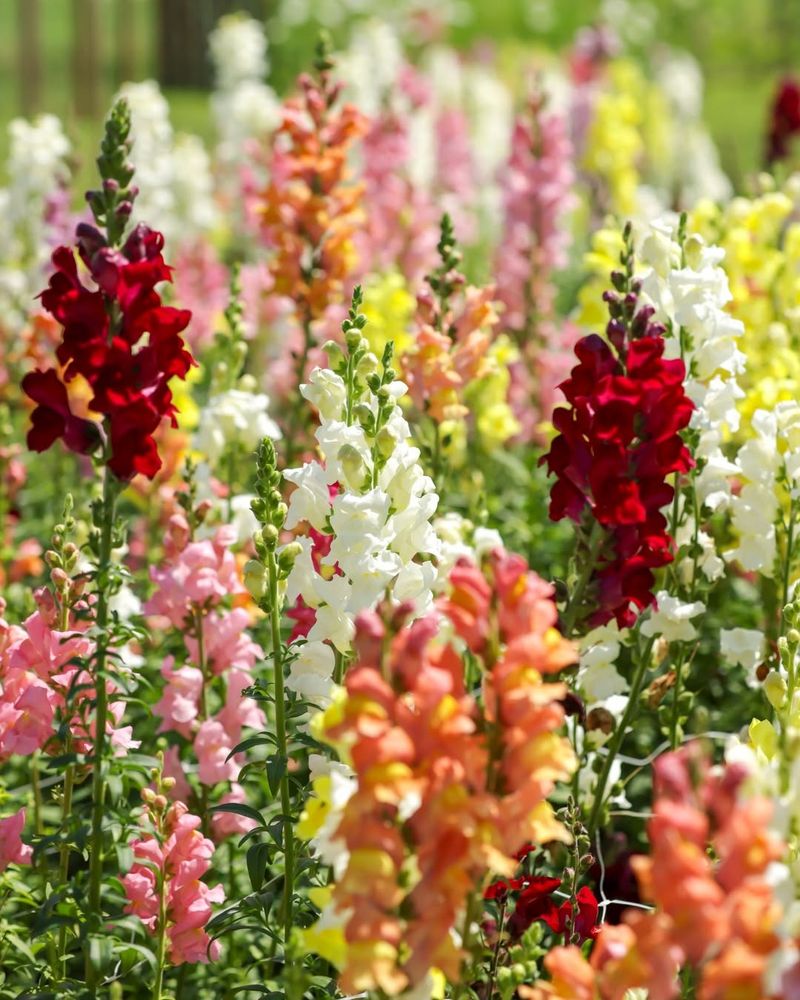
Snapdragons bring incredible color to Texas gardens when most other flowers take a break. These cheerful plants produce tall spikes covered in blooms that resemble tiny dragon faces.
They come in almost every color imaginable, from deep purples to bright oranges and soft pastels.
Texas gardeners love snapdragons because they actually prefer cooler weather. Plant them in October or November across most of Texas, and they’ll bloom continuously through March.
They handle light frosts without any problems and often look their best after a cold snap. These versatile flowers work beautifully in flower beds, containers, and cutting gardens.
Taller varieties can reach two feet high, while dwarf types stay compact at six to eight inches. They need full sun and well-drained soil to perform their best.
Regular deadheading encourages more blooms throughout the season. Simply pinch off spent flowers to keep new buds forming. Water them when the soil feels dry, but avoid overwatering which can cause root problems.
Snapdragons attract butterflies and hummingbirds to your Texas garden. They’re also deer-resistant, making them perfect for rural areas.
Kids especially enjoy these flowers because the blooms open and close like little mouths when squeezed gently on the sides.
2. Pansies
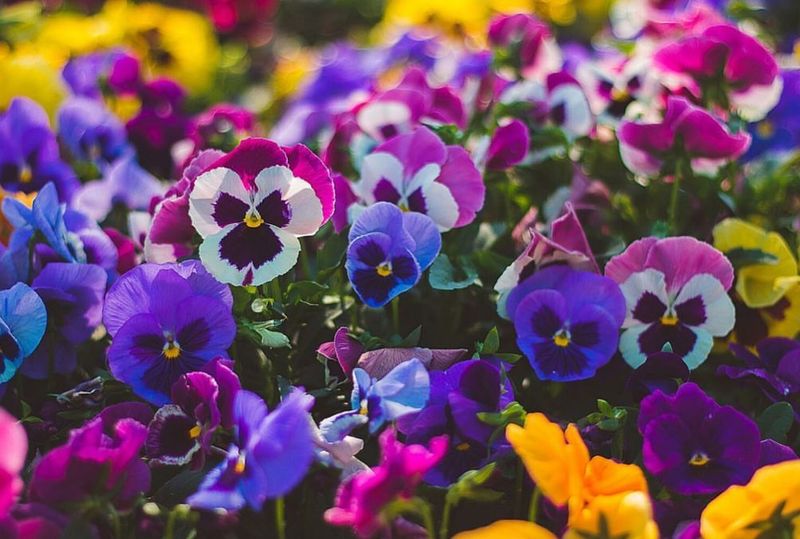
Few flowers match the charm and hardiness of pansies during Texas winters. Their distinctive face-like markings and velvety petals make them instantly recognizable.
Pansies tolerate cold temperatures remarkably well and continue blooming even after light freezes.
Garden centers across Texas stock pansies from October through early spring. They’re available in solid colors or with the classic blotched patterns that look like tiny faces.
Purple, yellow, orange, and white varieties are most common, though you’ll find nearly any color combination.
Plant pansies in full sun to partial shade, spacing them about six to eight inches apart. They prefer rich, moist soil with good drainage.
In warmer parts of Texas like Houston or Corpus Christi, afternoon shade helps them last longer into spring.
These low-growing plants reach only six to nine inches tall, making them perfect for edging walkways or filling containers.
They also work wonderfully in window boxes and hanging baskets. Mix different colors together for maximum visual impact.
Pansies need consistent moisture but not soggy conditions. Water them regularly, especially during dry spells.
Feed them monthly with a balanced fertilizer to keep blooms coming. Remove faded flowers to encourage continuous blooming throughout the winter months in Texas.
3. Kale
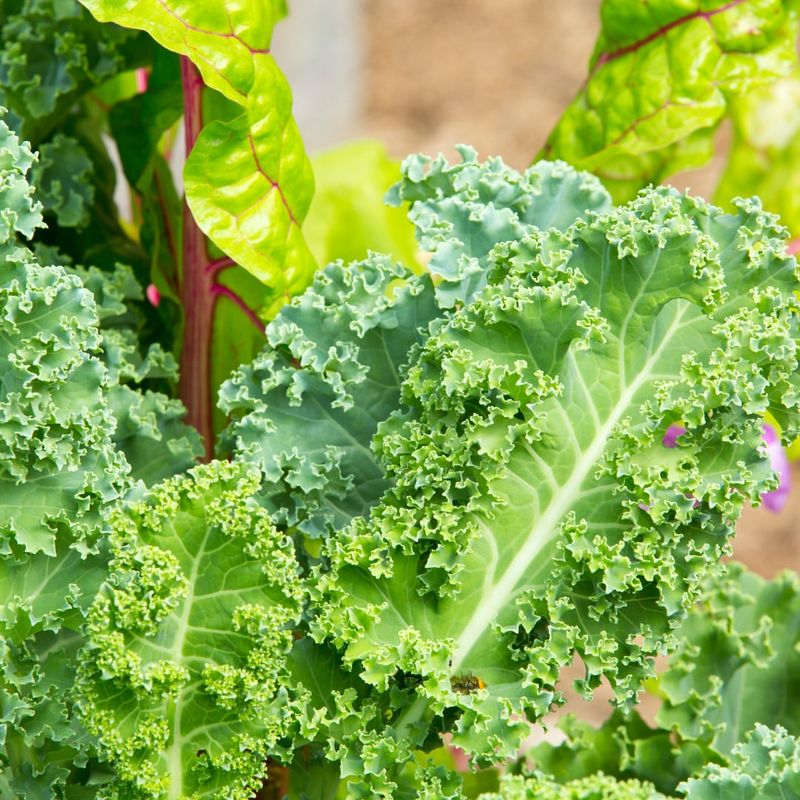
Kale transforms from a simple vegetable into a stunning ornamental plant during Texas winters. Both edible and decorative varieties thrive in cooler temperatures. The frilly, colorful leaves add texture and interest to gardens throughout the state.
Ornamental kale features leaves in shades of purple, pink, white, and green. These colors intensify as temperatures drop, creating a spectacular display.
Edible kale varieties like Lacinato and Red Russian also grow beautifully and provide nutritious harvests all winter long.
Plant kale in Texas gardens from September through November. It needs full sun and fertile, well-drained soil.
Space plants twelve to eighteen inches apart to allow room for their large leaves to develop fully.
Cold weather actually improves kale’s flavor, making it sweeter after the first frost. Harvest outer leaves regularly, leaving the center to continue producing. This cut-and-come-again method provides fresh greens for months.
Kale rarely suffers from pest problems during winter in Texas. Occasionally, aphids might appear, but a strong spray of water usually handles them.
Water plants deeply once or twice weekly, depending on rainfall. Mulch around plants to conserve moisture and regulate soil temperature throughout the season.
4. Dianthus
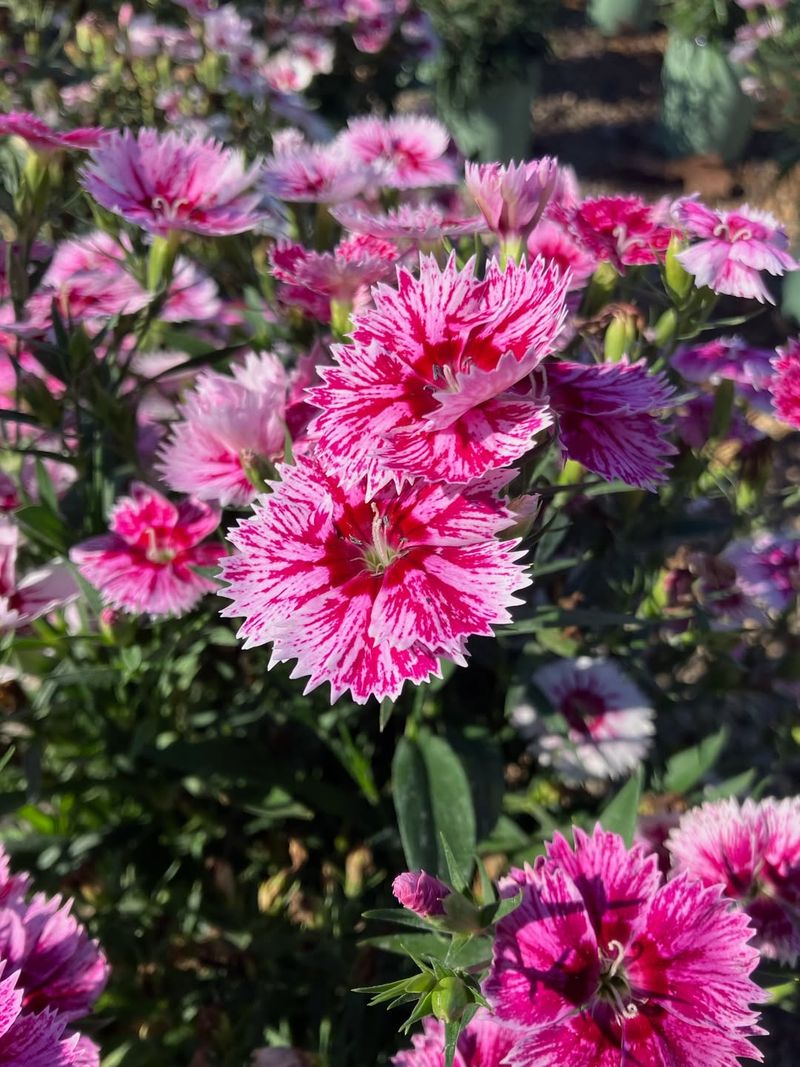
Dianthus earns its common name “pinks” from the fringed edges of its petals, which look like they’ve been cut with pinking shears. These charming flowers release a spicy, clove-like fragrance that fills Texas gardens on warm winter afternoons.
Their old-fashioned appeal makes them favorites among traditional and cottage-style gardeners.
Winter is prime time for dianthus throughout Texas. They bloom prolifically from fall through spring, producing masses of flowers in pink, red, white, and burgundy. Some varieties feature bicolor blooms with contrasting centers or edges.
These tough little plants handle Texas winter weather with ease. They tolerate drought once established and rarely complain about cold snaps. Plant them in full sun with excellent drainage for best results.
Dianthus grows eight to twelve inches tall, forming neat mounds of blue-green foliage. They work beautifully along borders, in rock gardens, or spilling over container edges. The compact growth habit makes them ideal for small spaces.
Butterflies visit dianthus flowers regularly, adding movement to your garden. Deadhead spent blooms to keep plants looking tidy and encourage more flowers.
Water moderately, as these plants prefer slightly dry conditions over wet soil. They’re perfect for busy Texas gardeners who want beautiful results without constant maintenance.
5. Swiss Chard
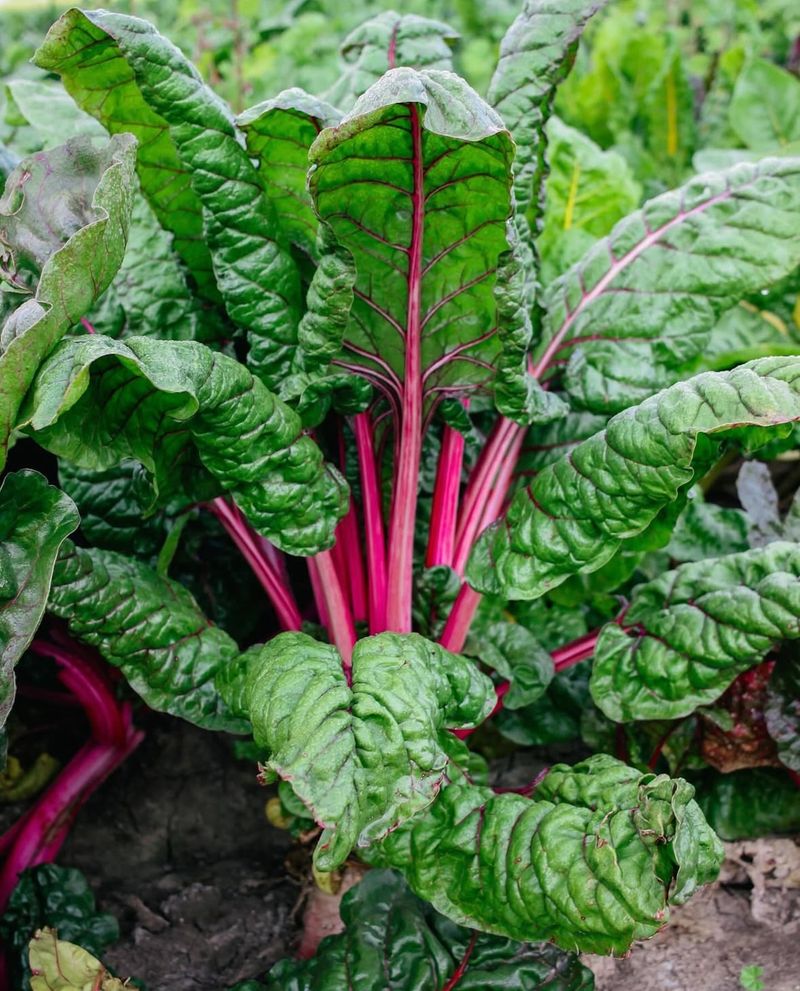
Swiss chard brings both beauty and nutrition to Texas winter gardens. The vibrant stems come in rainbow colors including red, yellow, orange, pink, and white.
Dark green or burgundy leaves contrast beautifully with these colorful stalks, creating an edible ornamental display.
Gardeners across Texas can grow Swiss chard successfully throughout winter. It tolerates light frosts and continues producing even when temperatures dip into the twenties. The flavor actually improves in cooler weather, becoming less bitter and more tender.
Plant Swiss chard seeds or transplants in September or October for winter harvests. It needs full sun and rich, well-amended soil.
Space plants eight to twelve inches apart in rows or scatter them throughout ornamental beds.
Harvest outer leaves when they reach six to eight inches long. The plant keeps producing new leaves from the center for months. Both leaves and stems are edible and packed with vitamins and minerals.
Rainbow chard varieties are especially popular in Texas because they add so much color to winter landscapes. Plant them where you’ll see them daily to brighten dreary winter days.
Water consistently and feed monthly with compost or organic fertilizer. These easy-care plants reward minimal effort with abundant harvests and stunning visual appeal throughout the season.
6. Flowering Cabbage
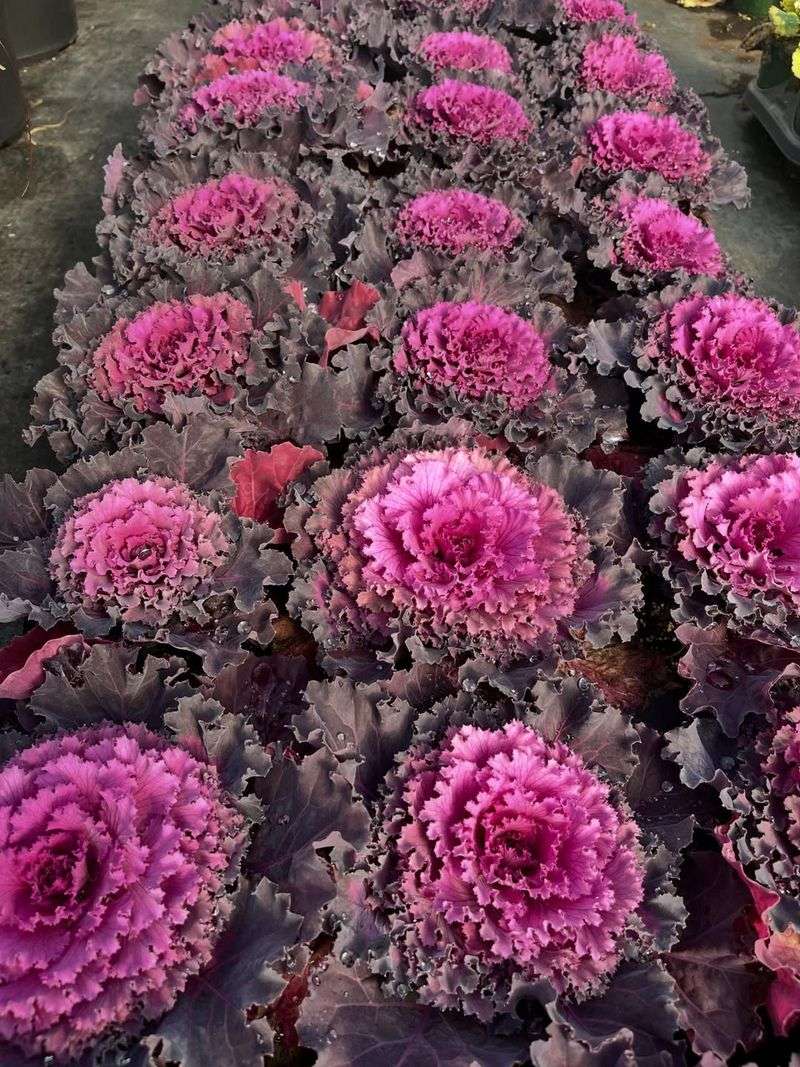
Flowering cabbage looks almost too beautiful to be real. These stunning plants develop rosettes that resemble giant roses, with colors ranging from white and cream to deep purple and magenta.
As temperatures drop across Texas, the colors become more intense and vibrant. Cold weather triggers the color development in flowering cabbage.
Warmer fall days might show mostly green leaves, but once winter arrives, the centers burst into color. They perform best in areas of Texas that experience consistent cool temperatures.
Plant flowering cabbage in October or November for peak winter color. They need full sun and fertile, moist soil.
Space them twelve to fifteen inches apart to accommodate their full-grown size of twelve to eighteen inches across.
These plants work wonderfully as focal points in container arrangements or mass plantings in beds. They pair beautifully with pansies, snapdragons, and other cool-season flowers.
Their low, compact growth makes them perfect for front-of-border placements.
Flowering cabbage is technically edible but tastes quite bitter. Most Texas gardeners grow them purely for ornamental purposes.
Water regularly to keep soil consistently moist. They rarely need fertilizing if planted in good soil. These plants typically last until late spring when warming temperatures cause them to bolt and flower.
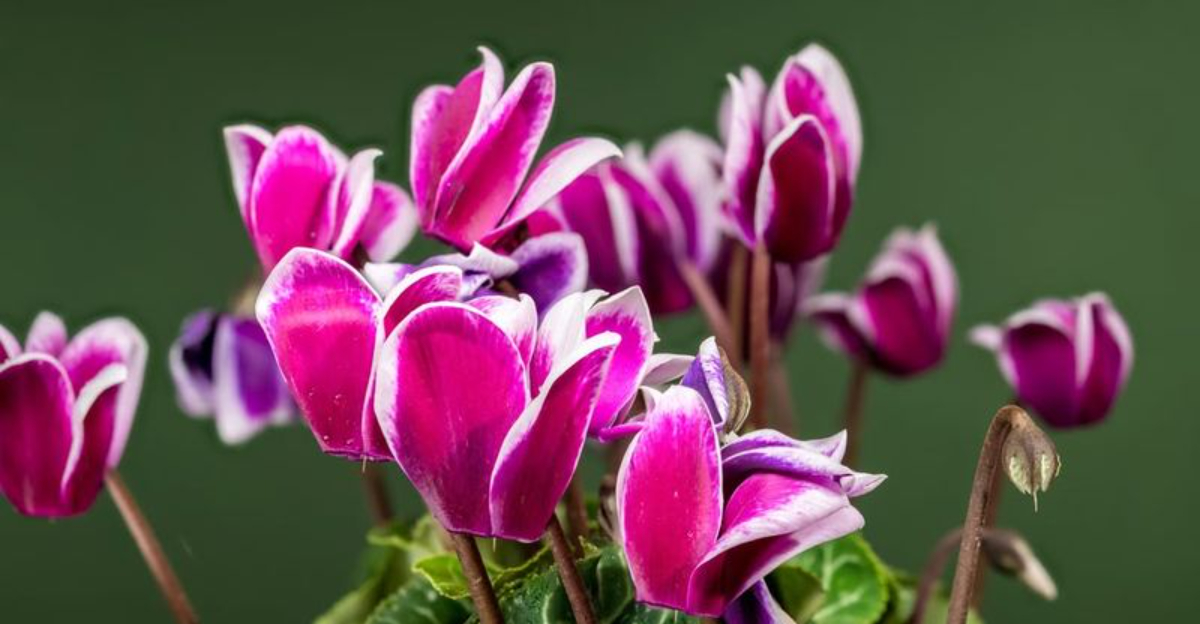
7. Cyclamen
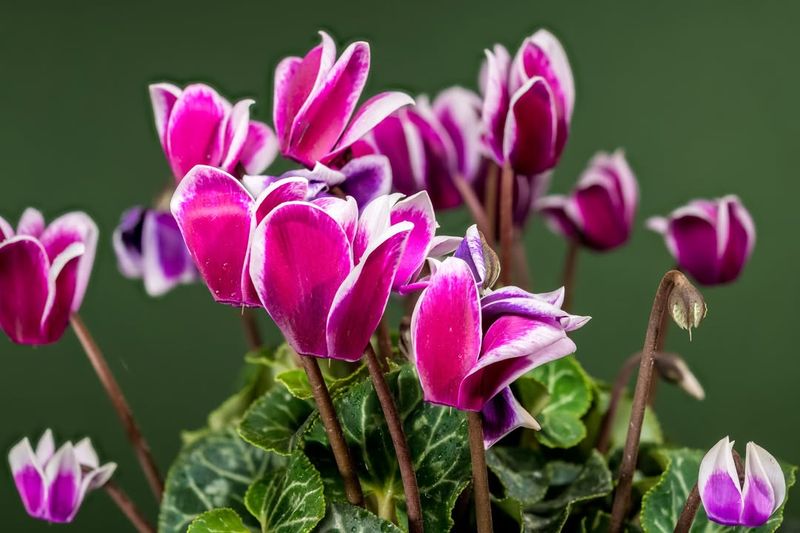
Cyclamen brings elegance to shaded areas of Texas winter gardens. The distinctive upswept petals look like tiny butterflies hovering above heart-shaped leaves.
These charming plants bloom continuously throughout winter, providing reliable color when many other plants rest.
Unlike most winter bloomers that prefer full sun, cyclamen thrives in partial to full shade. This makes them invaluable for brightening dark corners, north-facing beds, or areas under trees. They’re especially popular in East Texas where pine trees create shady conditions.
Plant cyclamen in October or November across most of Texas. They prefer cool temperatures between forty and sixty degrees.
In warmer regions like the Rio Grande Valley, they perform best in containers that can be moved to cooler spots.
These plants need well-drained soil and consistent moisture. Water at the base of the plant rather than overhead to prevent crown rot. They grow eight to twelve inches tall with flowers in shades of pink, red, white, or purple.
Cyclamen works beautifully in containers, hanging baskets, and woodland gardens throughout Texas. Remove spent flowers by twisting them off at the base.
Feed monthly with a diluted liquid fertilizer. As spring approaches and temperatures rise, cyclamen naturally goes dormant. The tubers can be saved and replanted the following fall.
8. Broccoli
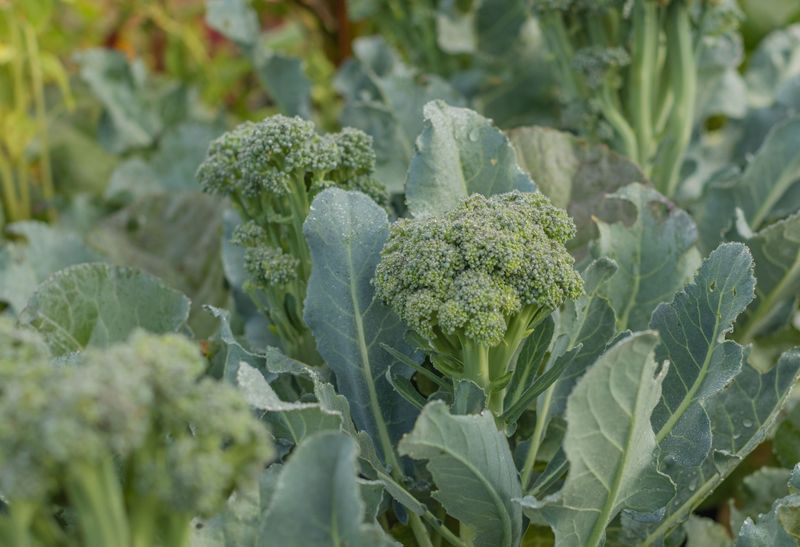
Broccoli loves the cooler temperatures that Texas winters provide. This nutritious vegetable actually struggles in summer heat but thrives when planted for winter harvest.
Gardeners throughout the state enjoy homegrown broccoli from December through March.
Start broccoli from transplants in September or October across most of Texas. Transplants establish faster than seeds and give you a head start on the growing season. Choose a spot with full sun and rich, well-amended soil.
Space plants eighteen to twenty-four inches apart in rows. Broccoli needs consistent moisture and regular feeding to develop large, tender heads. Mulch around plants to conserve moisture and keep roots cool.
Watch for the main head to develop in the center of the plant. Harvest when the head is tight and firm, before the small buds start to open. Cut the main head with five to six inches of stem attached.
After harvesting the main head, don’t remove the plant. Side shoots will continue developing smaller heads for several more weeks.
These secondary harvests extend your broccoli season considerably. Water deeply once or twice weekly and feed every two weeks with a balanced fertilizer.
Broccoli occasionally attracts cabbage worms, but row covers prevent most pest problems in Texas winter gardens.
9. Violas
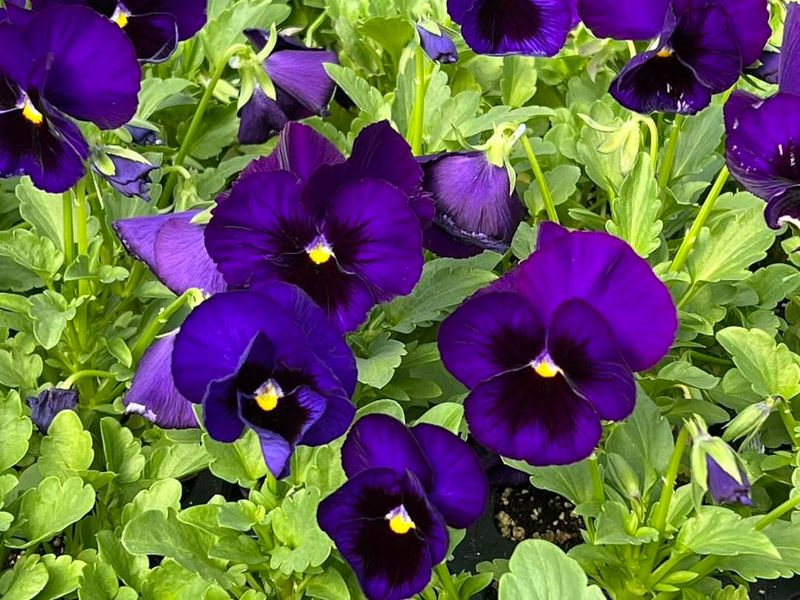
Violas are like pansies’ smaller, tougher cousins. These delicate-looking flowers handle cold weather even better than their larger relatives.
Their cheerful faces and prolific blooming make them stars of Texas winter gardens from the Panhandle to the Gulf Coast.
The flowers measure about one inch across, smaller than pansies but produced in much greater numbers. Plants become covered in blooms, creating sheets of color. They come in solid colors or combinations of purple, yellow, white, and orange.
Plant violas in fall for winter and early spring blooms throughout Texas. They tolerate full sun to partial shade, though afternoon shade helps in warmer regions. Space them six inches apart, and they’ll quickly fill in to form a solid carpet of color.
These tough little plants handle freezes, wind, and neglect with remarkable grace. They self-seed readily, often returning year after year without replanting. Many Texas gardeners find volunteer violas popping up in unexpected places each winter.
Violas work perfectly in containers, window boxes, and as ground covers under taller plants. They combine beautifully with spring bulbs, filling space between emerging daffodils and tulips.
Water regularly but don’t overdo it. Deadheading isn’t necessary, though it keeps plants looking neater. Feed monthly for continuous blooming throughout the entire Texas winter season.