10 Plants That Grow Best With Dill In Texas Gardens
When I first added dill to my Texas garden, I was surprised at how much it seemed to help the other plants around it.
Dill isn’t just a flavorful herb, it can boost growth, repel pests, and even improve the flavor of certain vegetables. Companion planting with dill is simpler than you think.
The best companions include cabbage, cucumbers, onions, lettuce, broccoli, and carrots. These plants thrive near dill because it attracts beneficial insects like ladybugs and predatory wasps while keeping common pests away.
Proper spacing and sunlight are key to making these partnerships work. Over time, you’ll notice healthier growth and more productive harvests when you plant dill strategically.
Smart planting can turn your garden into a thriving ecosystem. Texas gardeners who pair dill with the right vegetables enjoy stronger plants, larger yields, and a more resilient garden. Use dill wisely and watch your garden flourish.
1. Cucumbers (Cucumis Sativus)
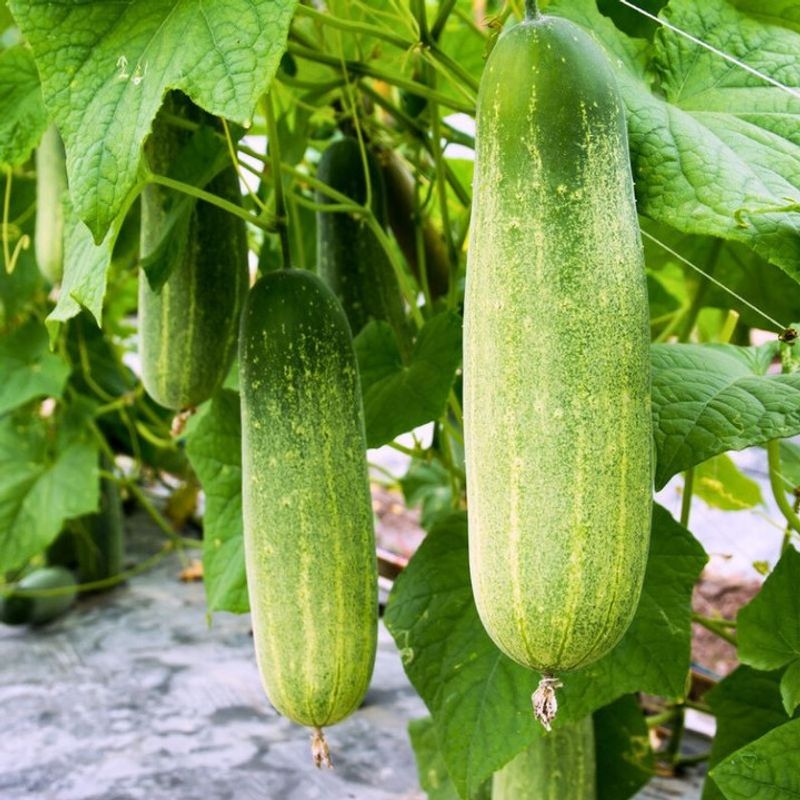
Pairing cucumbers with dill creates one of the most beneficial relationships in any Texas vegetable garden.
The feathery flowers of dill act like magnets for pollinators and beneficial insects such as ladybugs, lacewings, and parasitic wasps, which naturally improve cucumber pollination rates and help manage common pests.
When cucumber plants receive more pollinator visits, you’ll notice better fruit set and more abundant harvests throughout the growing season. Spacing these two plants properly ensures both thrive without competing for resources.
Plant dill about 12 to 18 inches away from your cucumber vines to give each plant adequate room to spread.
This distance prevents root competition while still allowing the beneficial insects attracted to dill to easily move between plants.
Both cucumbers and dill appreciate consistent moisture, making them compatible partners for irrigation planning in hot Texas summers. They share similar watering needs, which simplifies your garden maintenance routine and helps conserve water.
Setting up drip irrigation or soaker hoses benefits both plants equally, reducing water waste while keeping roots consistently hydrated.
The tall, airy structure of mature dill doesn’t create excessive shade that would harm sun-loving cucumbers.
This means you can enjoy the pest management and pollinator benefits without worrying about stunting cucumber growth or reducing yields in your Texas garden beds.
2. Tomatoes (Solanum Lycopersicum)
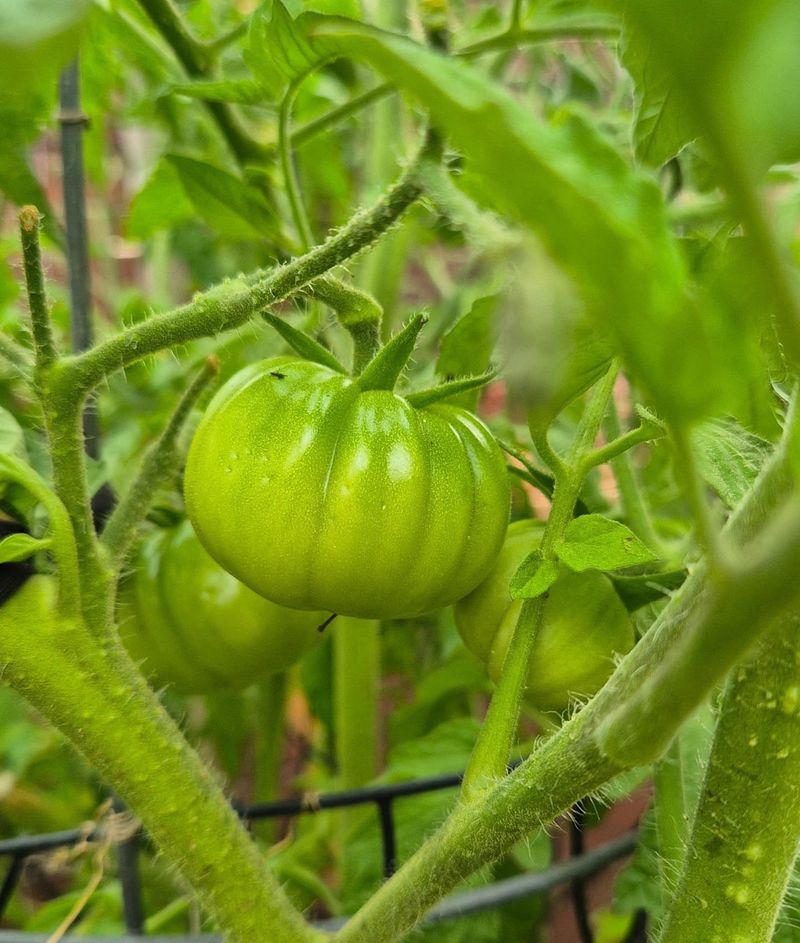
Tomatoes and dill make excellent garden neighbors when planted with thoughtful spacing considerations in mind.
Dill’s umbrella-shaped flower clusters bring in beneficial predatory insects that naturally patrol your tomato plants, helping to manage aphids, hornworms, and other common tomato pests.
These helpful insects create a natural defense system that reduces the need for chemical interventions in your garden.
Proper spacing between tomatoes and dill prevents competition issues while maximizing the benefits of companion planting.
Position dill plants at least 18 to 24 inches away from tomato stems to ensure adequate airflow around both plants. Good air circulation is especially important in humid Texas conditions, where fungal diseases can quickly spread through crowded garden spaces.
Avoid planting dill too close to tomatoes or directly on their shaded side, as tomatoes need full sun exposure to produce their best fruit.
The tall growth habit of mature dill can create unwanted shade if positioned incorrectly, potentially reducing tomato yields.
Strategic placement ensures both plants receive the sunlight they require while still benefiting from their companion relationship.
Timing matters when growing these two together, as young dill plants provide the most benefits without overwhelming tomato plants.
Some gardeners prefer succession planting dill throughout the season to maintain a steady supply of beneficial insect attractors near their tomato rows.
3. Lettuce (Lactuca Sativa)
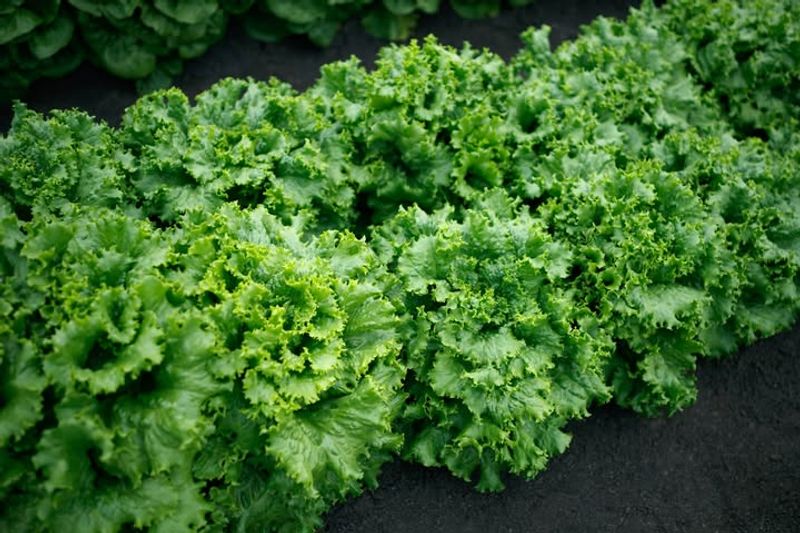
Lettuce benefits tremendously from having dill as a garden companion, especially during the intense heat of Texas afternoons.
The tall, feathery foliage of dill provides just enough filtered shade to protect tender lettuce leaves from the harshest sun exposure without blocking the morning and evening light that lettuce needs for healthy growth.
This natural shading arrangement helps extend your lettuce harvest by reducing heat stress on the plants.
One of the biggest challenges Texas gardeners face with lettuce is premature bolting when temperatures rise quickly in spring or remain warm in fall.
Dill’s strategic shade helps moderate soil and air temperatures around lettuce plants, which can delay bolting by several days or even weeks.
This extended growing window means more time to harvest crisp, flavorful leaves before plants go to seed.
Position dill on the western or southwestern side of your lettuce bed to provide afternoon shade protection during the hottest part of the day.
This placement allows lettuce to receive cooler morning sun while benefiting from dill’s shade during peak heat hours.
The arrangement works particularly well in raised beds or container gardens where you have more control over plant positioning.
Both plants have relatively shallow root systems that don’t compete aggressively for nutrients and water.
This compatibility makes them ideal companions in intensive planting schemes where you want to maximize production in limited garden space.
4. Onions (Allium Cepa)
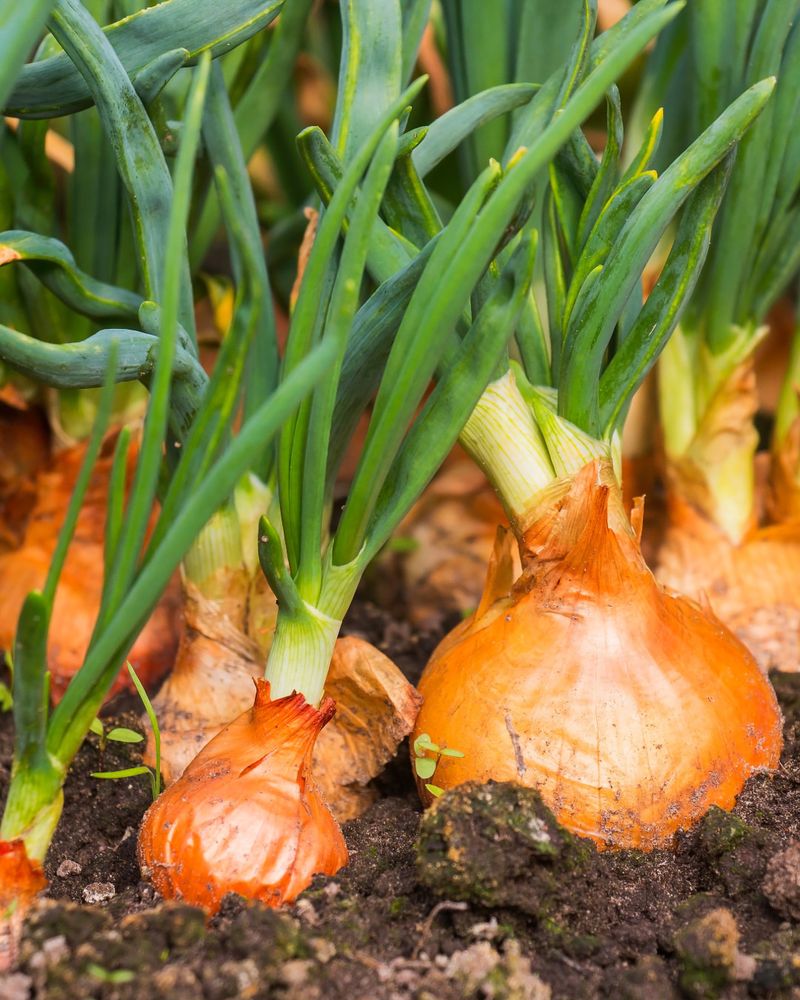
Onions and dill form a mutually beneficial partnership that addresses both pest management and efficient space usage in Texas gardens.
The strong aromatic compounds released by onion foliage naturally deter many common garden pests, including aphids and certain beetles, which helps protect nearby dill plants.
Meanwhile, dill attracts beneficial predatory insects that patrol the garden and help manage any pests that do appear around your onion rows.
Root compatibility makes these two plants particularly well-suited as companions in garden beds. Onions develop relatively shallow, compact root systems that don’t interfere with dill’s similarly shallow roots.
This means both plants can grow close together without competing aggressively for water and nutrients in the soil, making efficient use of your available garden space.
For raised bed gardens, consider planting onions in rows with dill positioned between or alongside the rows at intervals of about 12 inches.
This layout provides easy access for harvesting while maximizing the pest-deterrent benefits both plants offer.
In traditional garden rows, alternate onion and dill plantings to create a diverse planting pattern that confuses pests and supports beneficial insect populations.
The vertical growth habit of dill contrasts nicely with the low, upright form of onion plants, creating visual interest while ensuring both crops receive adequate sunlight.
This height difference also means neither plant shades the other excessively, even as they mature through the growing season.
5. Corn (Zea Mays)
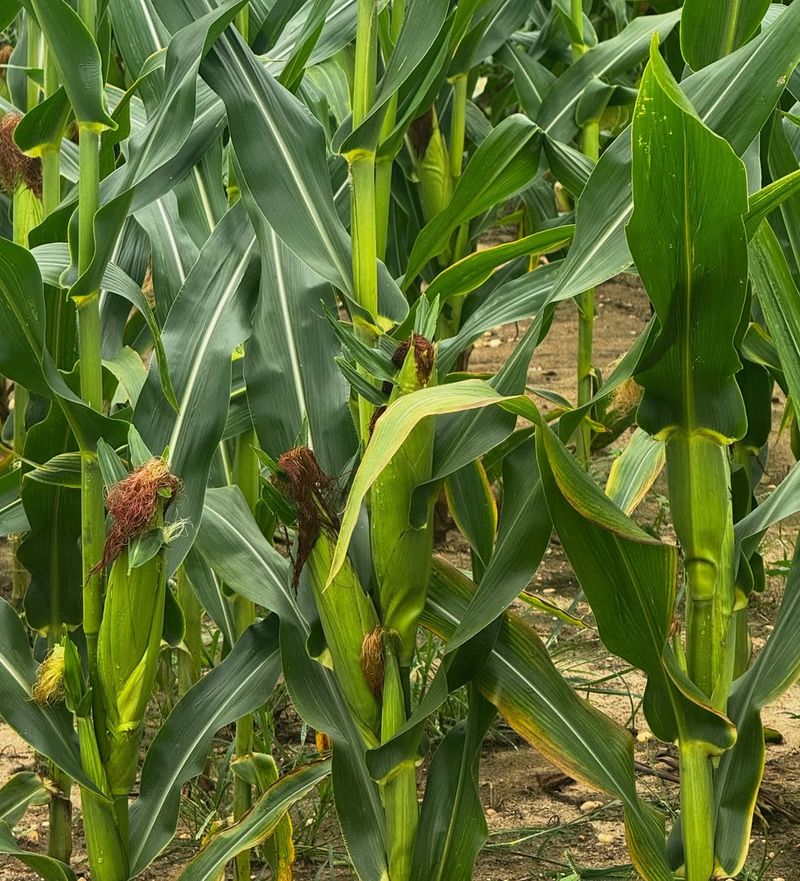
Corn and dill create an interesting vertical partnership that works especially well in the challenging heat of Texas summers.
The tall stalks of corn provide partial shade protection for dill during the hottest afternoon hours, helping prevent the herb from bolting prematurely when temperatures soar.
This shading relationship allows dill to extend its productive period, giving you more fresh foliage to harvest for culinary and medicinal uses.
Strategic spacing between corn rows and dill plantings ensures adequate airflow while providing shade benefits.
Plant dill on the eastern or northeastern side of corn rows so it receives morning sun but gets relief from intense afternoon heat.
Leave at least 18 to 24 inches between corn stalks and dill plants to prevent excessive shading and maintain good air circulation that reduces humidity buildup and fungal disease pressure.
The deep root system of corn reaches far below the shallow roots of dill, which means these plants occupy different soil zones and don’t compete for nutrients and water.
This vertical layering of root systems represents efficient use of your garden’s resources, allowing you to grow more food in the same footprint.
Corn’s heavy feeding habits don’t negatively impact dill, which requires moderate fertility levels to thrive.
Dill’s attractive flowers bring pollinators and beneficial insects into the corn patch, where they help manage pests like corn earworms and aphids.
This natural pest management support makes the companion planting relationship beneficial for both crops throughout the growing season.
6. Cabbage (Brassica Oleracea)
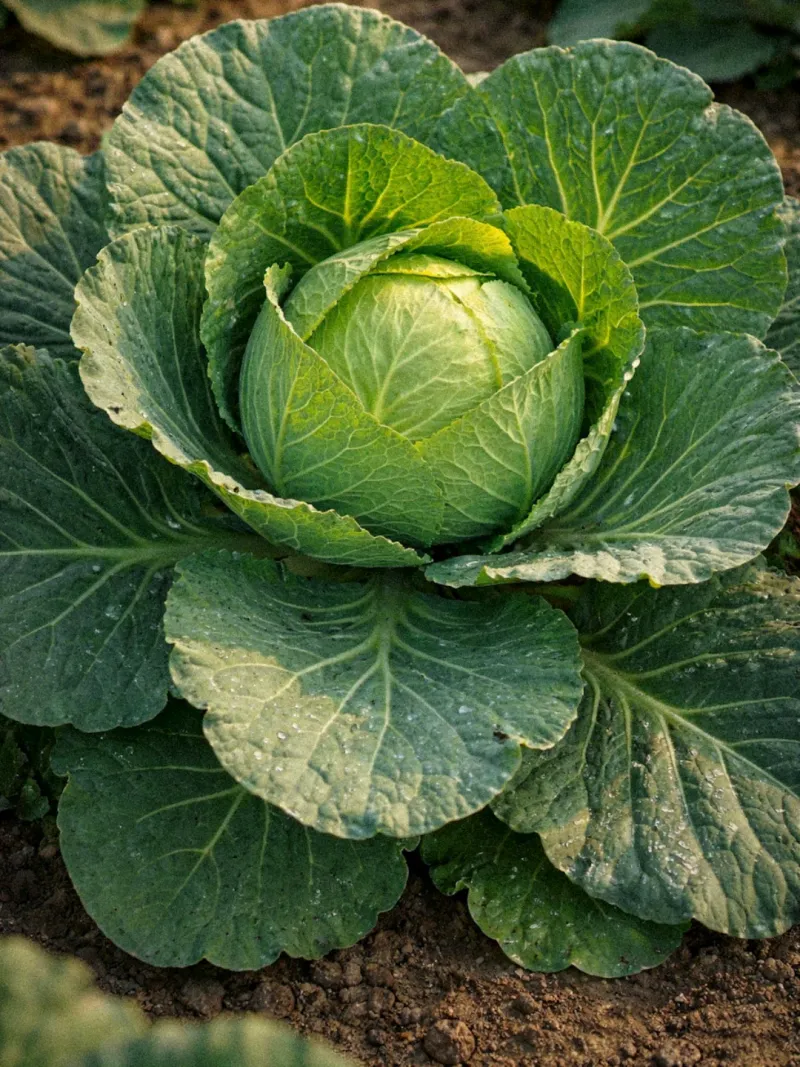
Cabbage plants benefit significantly from having dill nearby, particularly when it comes to managing the caterpillar pests that commonly attack brassica family crops.
Dill flowers attract parasitic wasps and other beneficial insects that naturally reduce populations of cabbage worms, loopers, and other caterpillars that can quickly damage cabbage heads.
These helpful insects lay their eggs on or near pest caterpillars, providing biological control that protects your cabbage crop without chemical sprays.
Plant dill around the perimeter of cabbage beds or intersperse it among cabbage plants at intervals of about 18 to 24 inches.
This spacing allows beneficial insects easy access to both plants while preventing dill from shading cabbage leaves, which need full sun to form tight, healthy heads.
The open, airy structure of dill doesn’t create the dense shade that would harm cabbage development. Timing your plantings correctly maximizes the benefits of this companion relationship in Texas gardens.
For spring cabbage crops, plant dill seeds or transplants at the same time you set out cabbage seedlings in late winter or early spring.
For fall cabbage plantings, establish dill in late summer so it’s flowering when cabbage plants are most vulnerable to pest pressure.
Both plants appreciate consistent moisture and fertile soil, making them compatible in terms of care requirements.
Regular watering and feeding benefit both crops equally, simplifying your garden maintenance routine while supporting healthy growth and abundant harvests throughout the season.
7. Asparagus (Asparagus Officinalis)
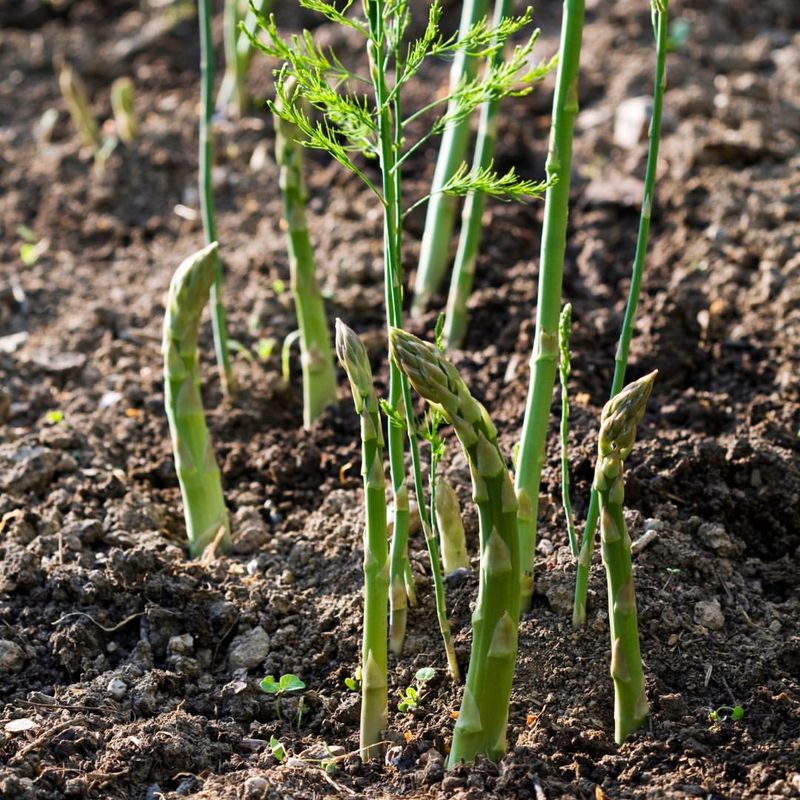
Asparagus and dill form a long-term partnership that works beautifully in perennial garden beds where plants remain for multiple seasons.
Dill attracts beneficial insects that help manage asparagus beetle populations, one of the most persistent pests affecting asparagus plants.
These helpful predators and parasites naturally reduce beetle numbers, protecting the delicate ferns that asparagus develops after the spring harvest period.
Since asparagus is a perennial crop that returns year after year, placement considerations are especially important when adding dill to the bed.
Plant dill along the edges of asparagus rows or in the spaces between established crowns where it won’t interfere with spring spear emergence.
This positioning allows you to harvest asparagus easily while still providing the pest management benefits that dill offers.
Dill functions as a self-seeding annual in many Texas gardens, which means it may return naturally in subsequent years if allowed to flower and drop seeds.
This characteristic works well in asparagus beds, where you want continuous beneficial insect attraction without the need to replant each season.
Simply allow some dill plants to complete their lifecycle, and volunteers will likely appear the following spring.
The tall, feathery growth of dill complements the fine texture of asparagus ferns, creating an attractive visual combination in the garden.
Both plants have relatively light nutrient demands compared to heavy feeders like tomatoes, which means they coexist peacefully without depleting soil fertility rapidly.
8. Basil (Ocimum Basilicum)
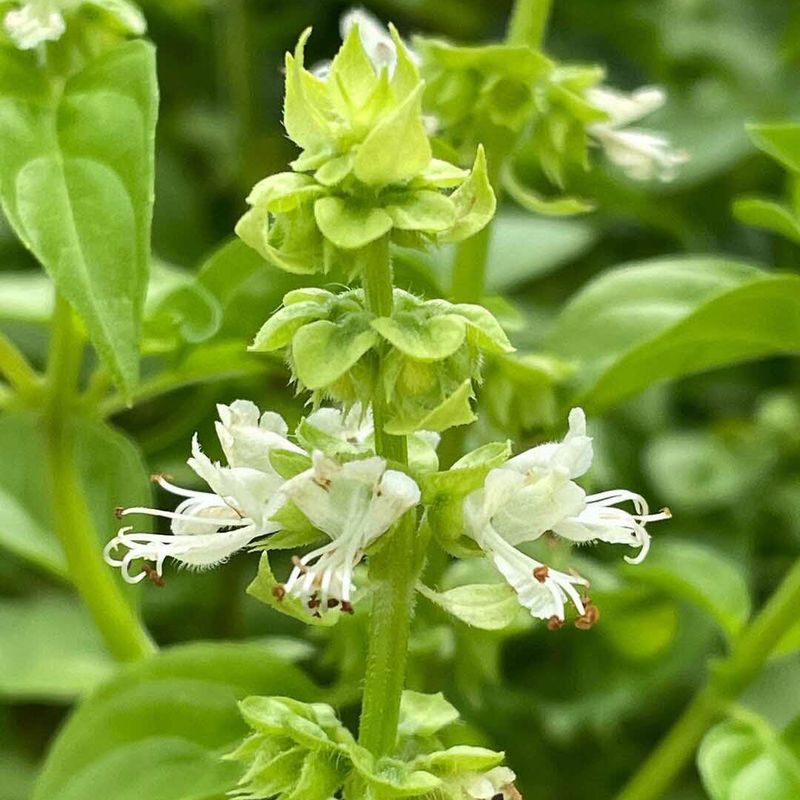
Basil and dill make outstanding herb garden companions with remarkably similar growing requirements that simplify care and maintenance.
Both herbs thrive in full sun exposure and appreciate consistent moisture without waterlogged conditions, which means you can water and feed them on the same schedule.
This compatibility reduces the complexity of managing your herb garden while ensuring both plants receive optimal care for productive growth.
The combination of basil and dill flowers creates a powerful pollinator magnet that brings bees, butterflies, and beneficial insects to your garden in impressive numbers.
This increased pollinator activity benefits not only the herbs themselves but also nearby fruiting vegetables like tomatoes, peppers, and squash that depend on insect pollination.
Your entire garden becomes more productive when you establish this herb pairing. Plant basil and dill together in dedicated herb beds, containers, or along garden borders where their aromatic foliage and attractive flowers can be appreciated.
Space plants about 12 inches apart to allow good air circulation while creating a lush, full appearance. Both herbs respond well to regular harvesting, which encourages bushy growth and extends the productive season.
The contrasting foliage textures and colors create visual interest in herb plantings, with basil’s broad, glossy leaves providing a beautiful backdrop for dill’s feathery, blue-green foliage.
This aesthetic appeal makes the pairing popular in ornamental edible gardens where beauty and productivity go hand in hand.
9. Broccoli (Brassica Oleracea Var. Italica)
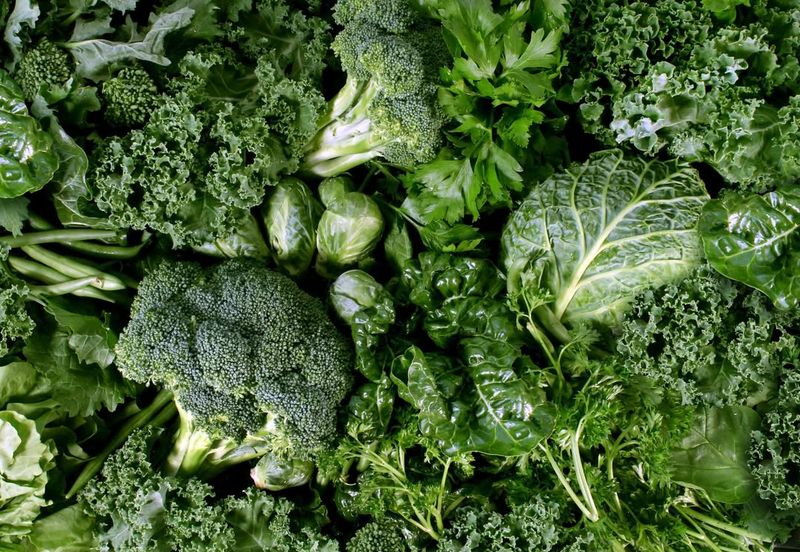
Broccoli plants receive valuable protection from dill’s ability to attract beneficial insects that naturally manage common brassica pests.
The umbrella-shaped flower clusters of dill draw in parasitic wasps, hoverflies, and lacewings that prey on aphids, cabbage worms, and other insects that frequently attack broccoli.
This biological pest control helps keep broccoli plants healthy and productive without relying on chemical interventions.
Proper spacing between broccoli and dill ensures both plants have room to develop fully without competition.
Position dill plants about 18 to 24 inches away from broccoli crowns to maintain adequate airflow around both crops.
Good air circulation is particularly important for broccoli, which can develop fungal problems in humid conditions or when leaves remain wet for extended periods.
Cool-season planting timing in Texas requires careful attention to give both broccoli and dill the conditions they need for success.
For fall gardens, plant broccoli transplants in late summer and establish dill at the same time so it’s actively flowering when broccoli heads begin to form.
For spring plantings, start both crops in late winter, keeping in mind that warming temperatures may cause dill to bolt before broccoli finishes producing.
Both plants appreciate fertile, well-drained soil with consistent moisture throughout their growing period.
Regular feeding with balanced organic fertilizers supports healthy growth and maximizes yields from both crops, making them compatible partners in intensive garden beds where you want to produce abundant harvests.
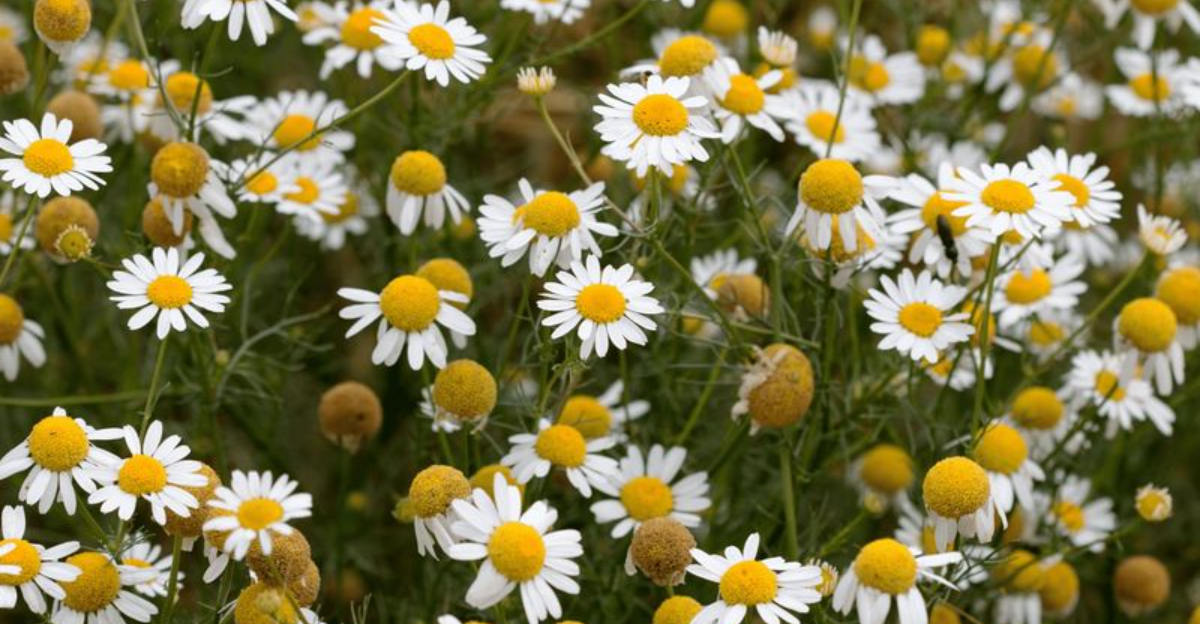
10. Chamomile (Matricaria Chamomilla)
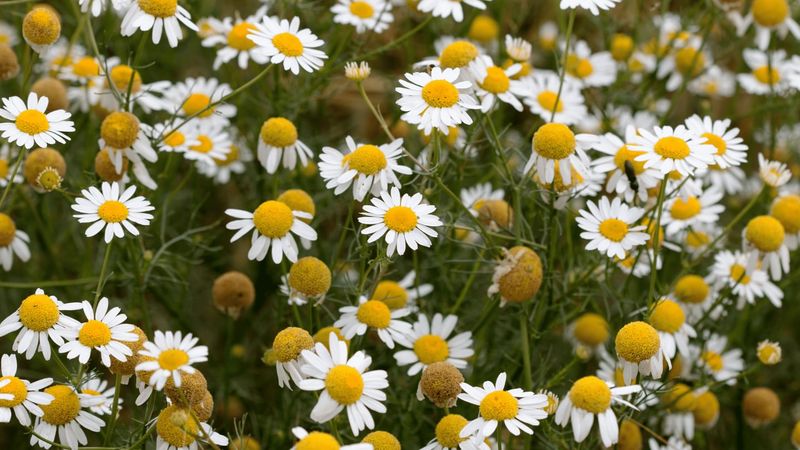
Chamomile and dill create a delightful herb pairing that attracts pollinators while offering compatible growth habits and care requirements.
Both plants produce abundant flowers that draw bees, butterflies, and beneficial insects to your garden, creating a thriving ecosystem that supports plant health and productivity.
The sweet apple scent of chamomile flowers combines beautifully with dill’s distinctive aroma, making this combination as pleasant for gardeners as it is beneficial for garden ecology.
These two herbs share similar watering needs, preferring consistent moisture without soggy conditions that can lead to root problems.
Both tolerate Texas heat reasonably well when provided with adequate water, though they appreciate some afternoon shade during the most intense summer months.
This compatibility makes them excellent choices for herb beds, containers, or border plantings where you want low-maintenance plants that thrive together.
Space chamomile and dill plants about 10 to 12 inches apart in herb beds to allow each plant adequate room to spread while creating a lush, full appearance.
The low, spreading habit of chamomile contrasts nicely with dill’s tall, upright growth, creating visual interest and textural variety in plantings.
This height difference ensures both plants receive adequate sunlight without one shading the other excessively.
Both herbs self-seed readily in favorable conditions, which means you may enjoy volunteer plants returning in subsequent seasons without replanting.
Allowing some flowers to mature and drop seeds creates a sustainable herb garden that regenerates naturally year after year.