9 Plants That Grow Well In Florida’s Poor Soil
You step outside ready to garden, then stare down at pale sand that barely holds water and dries out minutes after you turn the hose off. You plant something new, watch it struggle, and wonder why Florida soil feels more like a beach than a backyard.
If this sounds familiar, you are not alone. Across the state, homeowners deal with sandy, nutrient-poor ground that makes traditional gardening frustrating and expensive.
You add bags of soil, spread compost, try fertilizers, and still end up with plants that wilt, turn yellow, or disappear after one brutal summer. The good news is you do not have to fight your yard anymore.
Some plants are built for Florida’s tough conditions and actually prefer the same dry, fast-draining soil that gives you trouble. When you choose the right ones, your landscape becomes easier to manage, cheaper to maintain, and far more rewarding to enjoy.
You get more color, more wildlife, and fewer headaches.
1. Coontie
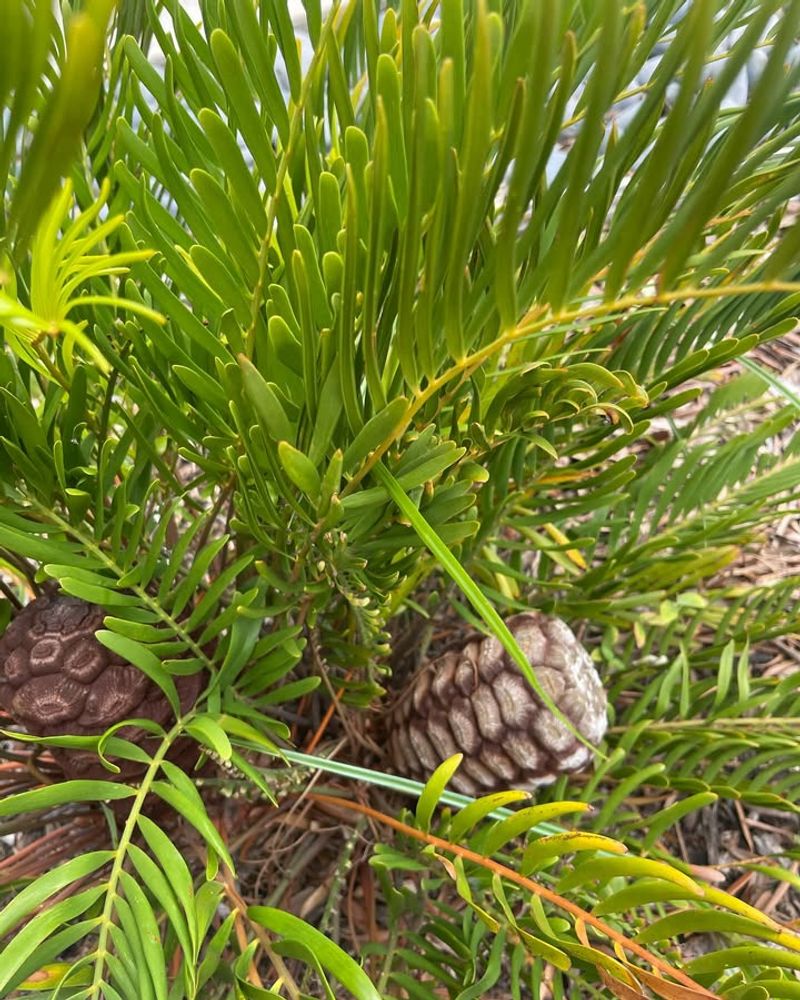
Ancient cycads like coontie developed over millions of years in nutrient-poor environments, which explains why your sandy Florida soil poses no challenge for this plant. Its thick, fleshy roots store water and nutrients efficiently, allowing it to survive drought and neglect while maintaining deep green foliage year-round.
Central Florida homeowners often plant coontie under oaks or along shaded walkways where other plants struggle in dry, root-filled soil.
North Florida gardeners appreciate how coontie handles occasional freezes without damage, while South Florida landscapes use it as a textured groundcover that tolerates both sandy patches and heavy summer rains.
The plant grows slowly, reaching about two feet tall with arching fronds that resemble small palms.
Female plants produce bright orange seed cones that attract atala butterflies, whose caterpillars feed exclusively on coontie leaves.
You can plant coontie in full sun or deep shade, though partial shade produces the best color in most regions. Once established, it requires no fertilizer and thrives on rainwater alone, making it ideal for low-maintenance Florida yards with challenging soil conditions.
2. Firebush
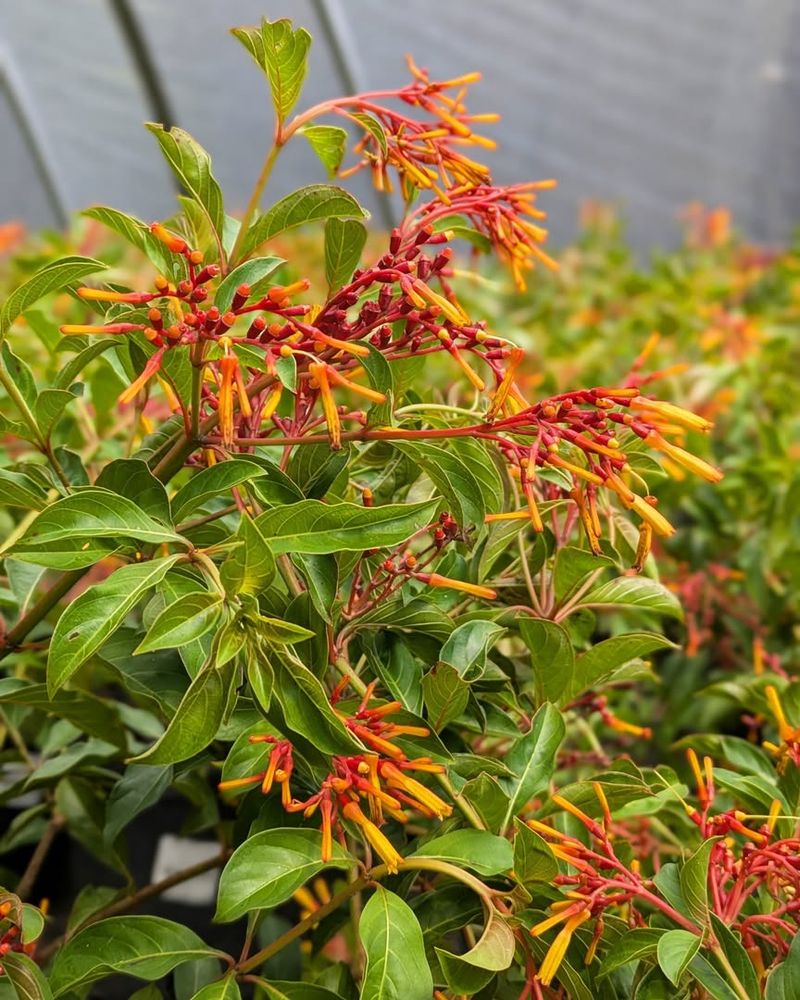
Firebush earns its place in Florida landscapes by blooming nonstop through heat, humidity, and soil that would exhaust most flowering shrubs. Its tubular red-orange flowers appear from spring through fall, attracting hummingbirds and butterflies even during the hottest months when few other plants offer nectar.
The plant’s deep taproot reaches moisture and nutrients below the sandy surface layer, allowing it to perform well without amendments or frequent watering.
Central and South Florida gardeners use firebush as a fast-growing hedge or specimen plant that tolerates full sun and reflected heat from driveways and walls.
North Florida residents should plant it in protected locations since cold snaps may damage exposed branches, though the roots usually survive and regrow vigorously in spring.
Firebush can reach six to eight feet tall in ideal conditions, but you can prune it to any height without affecting bloom production.
The plant’s tolerance for sandy, low-nutrient soil makes it especially valuable in new construction sites where topsoil was removed. Small black berries follow the flowers, providing food for migrating birds throughout fall and winter months.
3. Tickseed
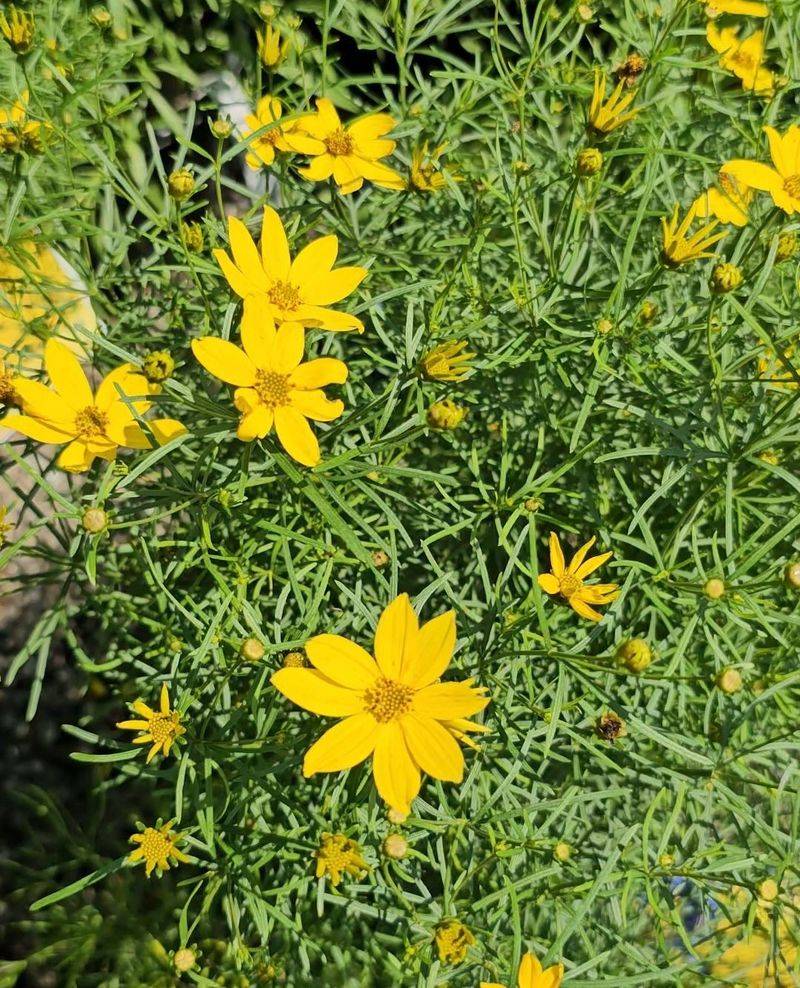
Golden yellow flowers blanket tickseed plants from early spring through summer, creating bright splashes of color in areas where soil quality seems too poor for anything showy.
This Florida native wildflower evolved in coastal dunes and scrublands, so your thin sandy yard provides exactly the well-drained conditions it prefers.
Tickseed develops a compact root system that extracts moisture efficiently while avoiding root rot problems that plague many garden plants in Florida’s rainy season.
North Florida meadow gardens often feature drifts of tickseed mixed with other native wildflowers, while Central Florida homeowners plant it along sunny borders where irrigation systems don’t reach.
South Florida gardeners find tickseed performs best during the dry season, sometimes declining during heavy summer rains but reseeding reliably for the following year.
The plants grow one to three feet tall depending on variety, with thread-like foliage that stays relatively compact.
You can start tickseed from seed scattered directly on bare ground, or purchase transplants for faster establishment. Butterflies visit the flowers constantly, and goldfinches feed on seeds in late summer, adding movement and life to your landscape without requiring soil improvement or special care.
4. Blanket Flower
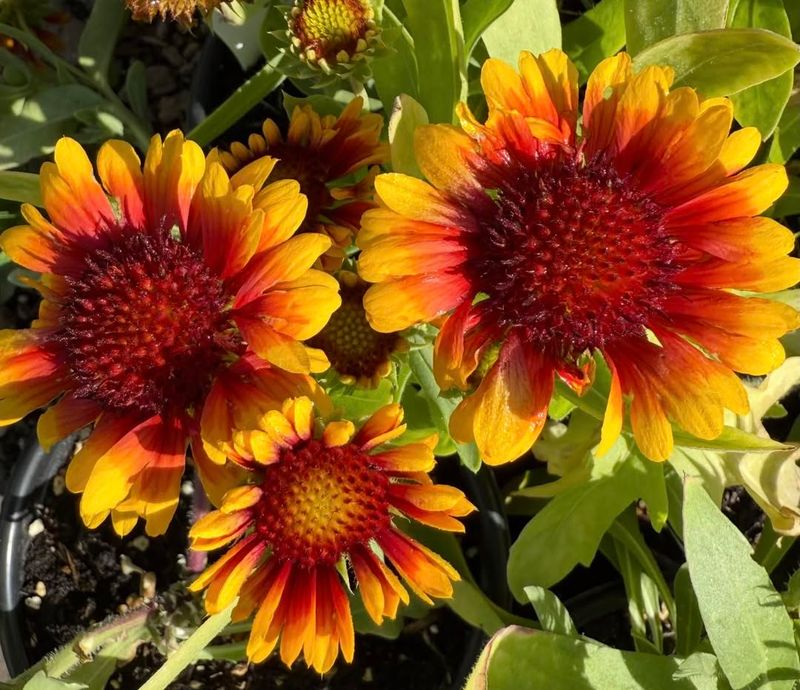
Bold red and yellow blooms make blanket flower impossible to overlook, yet this tough perennial asks almost nothing from your soil in return for months of continuous color. Originally native to drier regions of North America, blanket flower adapted to Florida’s sandy conditions surprisingly well, especially in full sun locations where heat reflects off pavement or buildings.
Its gray-green foliage and somewhat succulent stems help conserve moisture, reducing dependence on organic matter or frequent watering.
Central Florida landscapes often feature blanket flower in parking lot islands and roadside plantings where soil quality is minimal but visibility matters.
North Florida gardeners appreciate how it tolerates occasional cold snaps without damage, while South Florida residents find it performs best as a cool-season annual that blooms heavily from fall through spring.
The plants typically reach 12 to 18 inches tall, spreading slowly to form colorful clumps that attract butterflies and bees.
Blanket flower actually declines in overly rich or amended soil, developing weak growth and fewer flowers when given too much fertilizer or organic matter. Your poor sandy soil provides the lean conditions that keep plants compact, healthy, and blooming reliably without constant attention or soil modification.
5. Muhly Grass
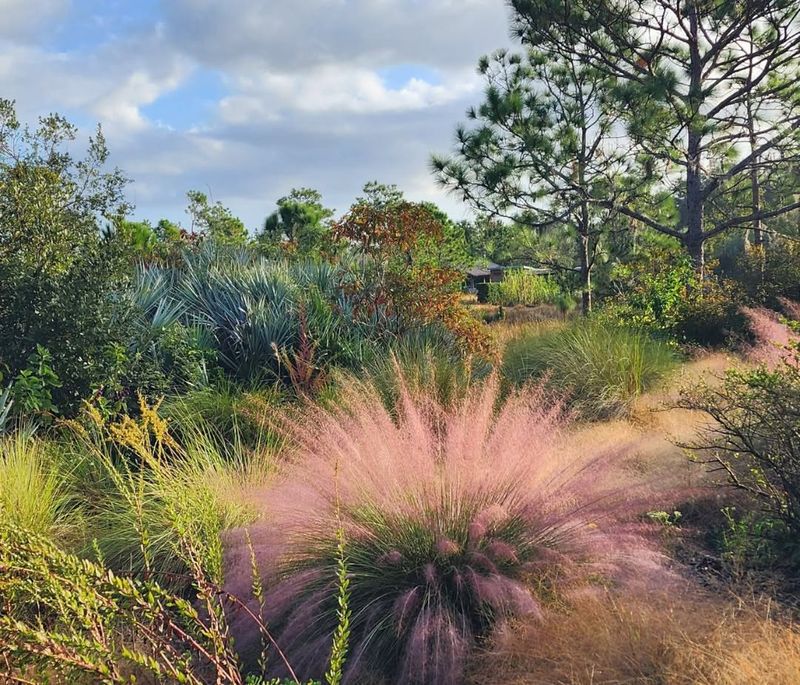
Pink clouds seem to float above your landscape when muhly grass sends up its airy flower plumes in fall, transforming ordinary sandy yards into something magical.
This Florida native ornamental grass thrives in the exact poor-soil conditions that challenge traditional garden plants, developing deep roots that anchor it firmly while requiring no fertilizer or soil amendments.
The fine-textured green foliage forms neat clumps about two feet tall, then explodes into pink or purple blooms that catch afternoon light beautifully.
Central Florida developments often mass-plant muhly grass along streets and retention ponds where it handles both drought and temporary flooding without complaint.
North Florida gardeners use it as a textural accent that survives occasional freezes, while South Florida landscapes feature it in modern designs that emphasize native plants and water conservation.
The blooms appear September through November, creating dramatic color when most summer flowers have finished.
You can plant muhly grass in pure sand without concern, as it actually prefers lean soil that promotes sturdy growth and intense bloom color. The plant requires full sun for best performance and occasional trimming to remove old foliage, but otherwise maintains itself with no special care or soil improvement needed.
6. Sunshine Mimosa
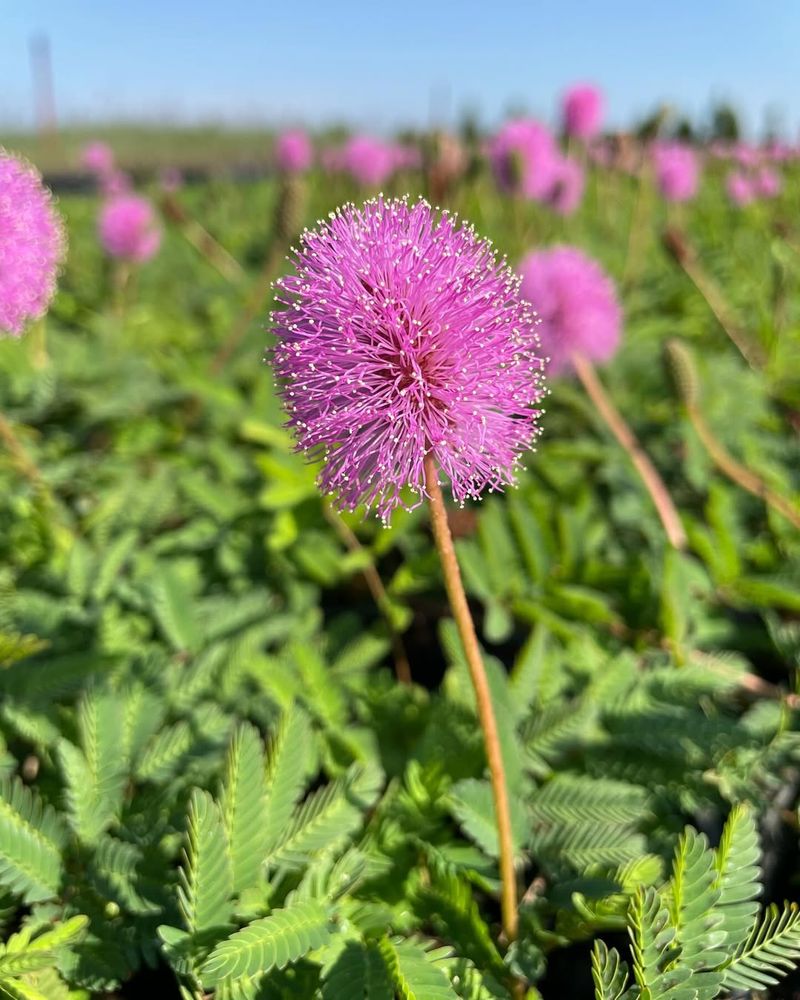
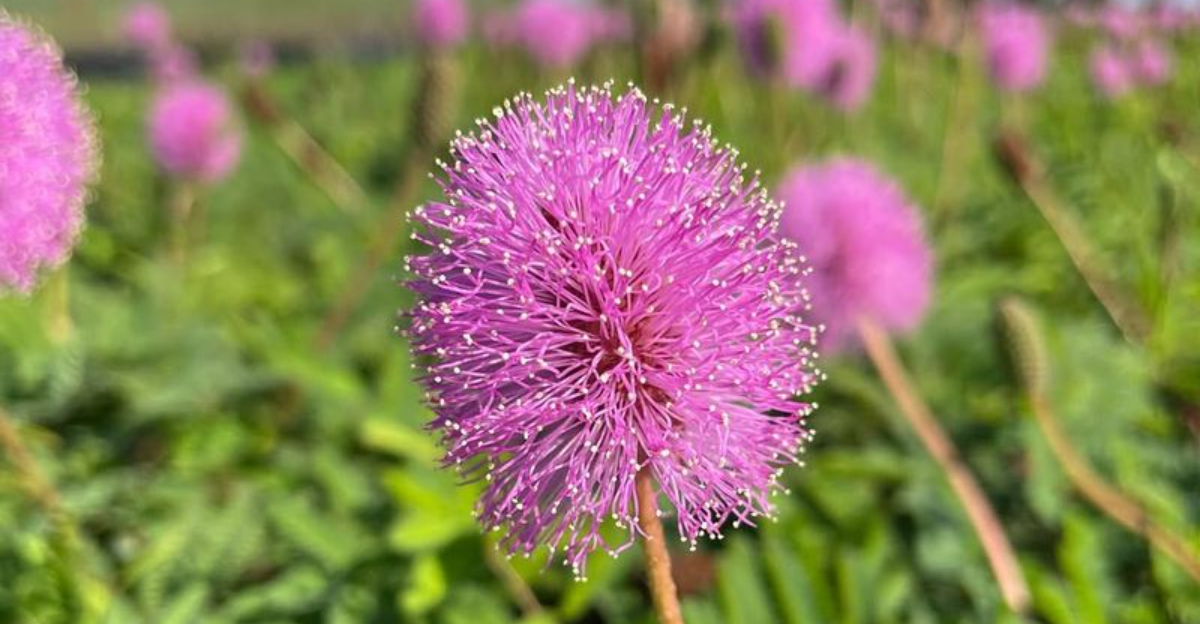
Cheerful yellow puffball flowers cover sunshine mimosa almost year-round, making it one of Florida’s most reliable bloomers in challenging soil conditions.
This low-growing groundcover spreads quickly across bare sandy areas, forming a dense mat that suppresses weeds while asking nothing in terms of soil quality or amendments.
The ferny foliage stays evergreen in most of Florida, and the plant tolerates light foot traffic surprisingly well once established.
South Florida homeowners often use sunshine mimosa as a lawn alternative in areas where grass struggles, while Central Florida gardeners plant it along sunny borders and slopes where erosion control matters.
North Florida landscapes can grow it successfully, though occasional cold snaps may brown the foliage temporarily before it rebounds in spring.
The plant grows only four to six inches tall but spreads several feet wide, creating a textured carpet that softens hardscapes and transitions between planting beds.
Sunshine mimosa actually performs better in poor soil than in amended beds, as rich conditions encourage excessive foliage growth with fewer flowers. Your sandy, nutrient-poor soil keeps the plant compact and flowering heavily, while its nitrogen-fixing roots actually improve soil quality gradually over time without any effort on your part.
7. Frogfruit
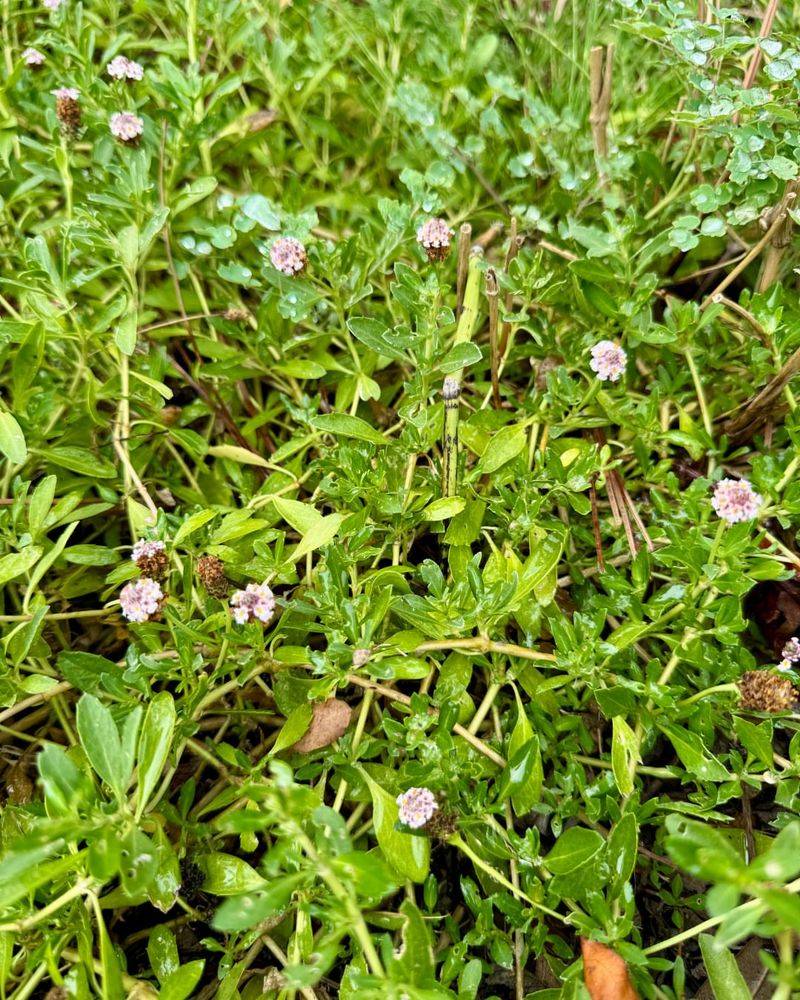
Tiny white and purple flowers dot frogfruit’s trailing stems throughout warm months, attracting more butterflies per square foot than almost any other Florida groundcover.
This native plant spreads rapidly across poor sandy soil, creating a living mulch that stays green year-round in most regions while requiring zero fertilizer or amendments.
Frogfruit tolerates both drought and flooding, making it especially valuable in areas where drainage varies or irrigation is inconsistent.
Central Florida butterfly gardens often feature frogfruit as a host plant for several species, including tiny hairstreaks and crescents that lay eggs on the foliage.
South Florida landscapes use it extensively as a lawn replacement that needs mowing only occasionally, while North Florida gardeners appreciate how it fills bare spots under trees where grass refuses to grow.
The plant rarely exceeds three inches in height, forming a dense mat that prevents erosion on slopes and berms.
You can establish frogfruit by pressing small divisions directly into sandy soil without any preparation or amendment, and it will spread quickly to cover the area. The plant actually prefers lean conditions and may spread aggressively if given rich soil or excessive water, so your poor sandy yard provides ideal conditions for controlled, attractive growth.
8. Saw Palmetto
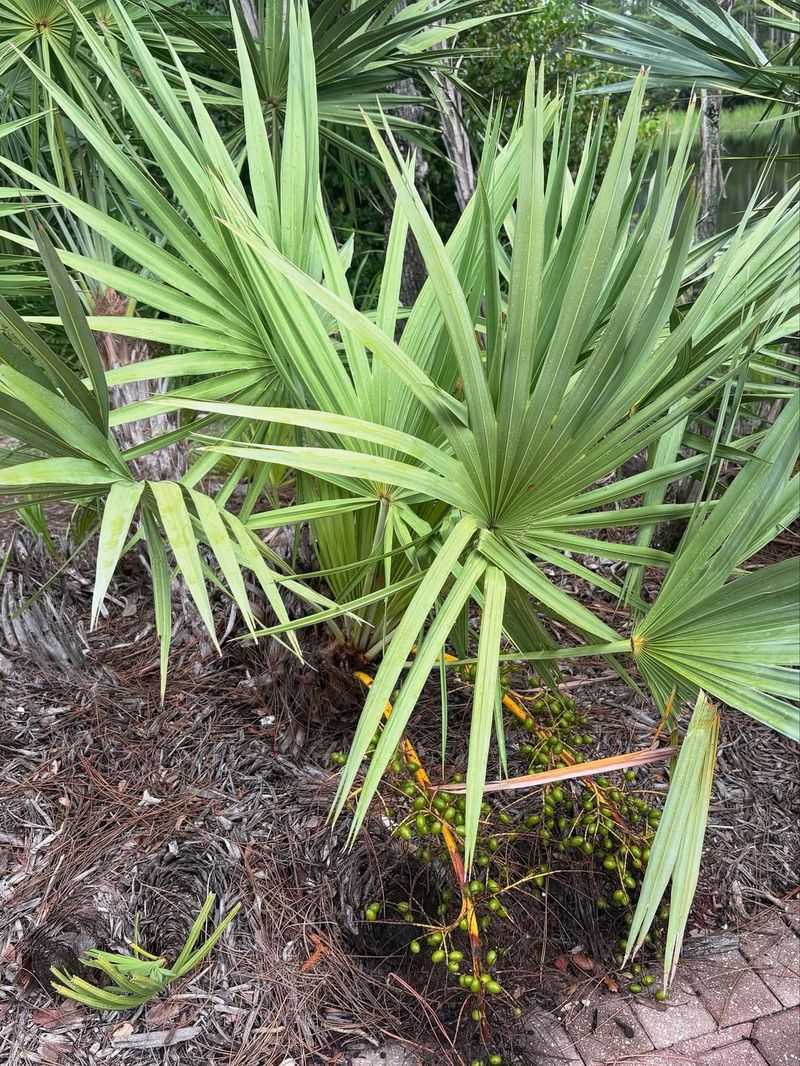
Saw palmetto’s fan-shaped fronds create bold architectural interest while thriving in sandy soil so poor that few other plants survive without constant care.
This iconic Florida native develops an extensive root system that reaches deep for moisture and nutrients, allowing it to endure drought, salt spray, and neglect while maintaining year-round green foliage.
The plant grows slowly, forming clumps three to six feet tall that provide shelter for wildlife and structure for naturalistic landscapes.
North Florida pine flatwoods and scrub habitats feature saw palmetto as a dominant understory plant, while Central Florida developments preserve existing specimens because they’re nearly impossible to establish quickly from transplants.
South Florida coastal properties value saw palmetto for its salt tolerance and hurricane resistance, as the low profile and flexible fronds withstand strong winds better than many native shrubs.
The plant produces small white flowers in spring followed by dark purple fruits that feed bears, raccoons, and birds.
You can plant nursery-grown saw palmetto in pure sand without soil amendment, though establishment takes patience as the plant develops its root system before showing significant top growth. Once settled, it requires no fertilizer, no irrigation, and no special care beyond occasional removal of older fronds.
9. Beautyberry
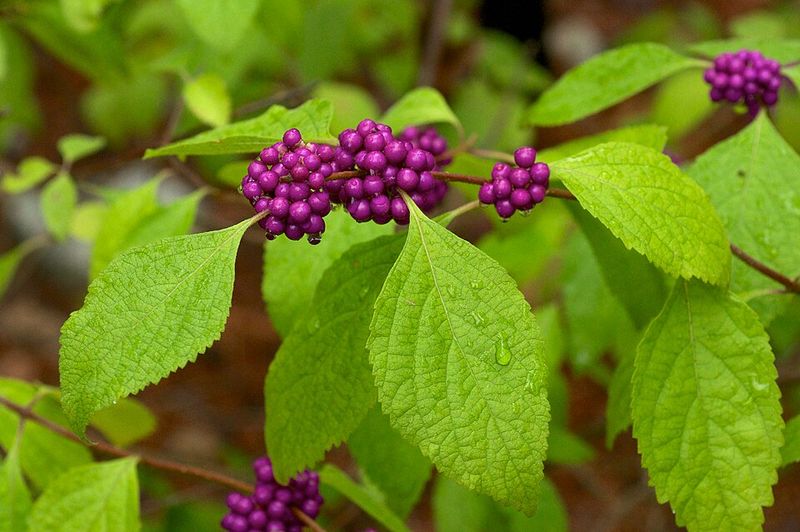
Brilliant purple berries cluster along beautyberry’s arching branches each fall, creating a stunning display that requires no soil improvement or special feeding to achieve.
This Florida native shrub tolerates sandy, nutrient-poor conditions by developing a shallow but widespread root system that efficiently captures rainfall and nutrients before they leach through the soil.
The plant’s simple green leaves provide textured background foliage from spring through summer, then the berries appear in September and October when most landscapes need seasonal interest.
Central Florida woodland gardens often feature beautyberry in naturalistic groupings where it receives dappled shade and performs reliably year after year. North Florida landscapes use it as an understory shrub beneath pines and oaks, while South Florida gardeners plant it in locations with afternoon shade to prevent leaf scorch during intense summer heat.
The shrub typically reaches four to six feet tall with an equal spread, though you can prune it heavily in late winter to maintain a more compact size.
Beautyberry produces abundant berries even in lean soil without fertilizer, as rich conditions promote excessive foliage growth at the expense of fruit production.
Your poor sandy soil provides exactly the stressed growing conditions that trigger heavy flowering and the spectacular berry display that makes this plant a fall favorite.