11 Plants That Perform Best With Companions In Texas Gardens
Texas gardeners know that some plants just thrive in good company, bringing out the best in each other when planted side by side.
There’s something joyful about watching a mixed bed flourish with color and texture as plants support each other through shade, soil, and sunshine.
Pairing the right companions can turn an ordinary garden into a vibrant, buzzing habitat that feels alive all season long.
1. Tomatoes with Basil and Marigolds
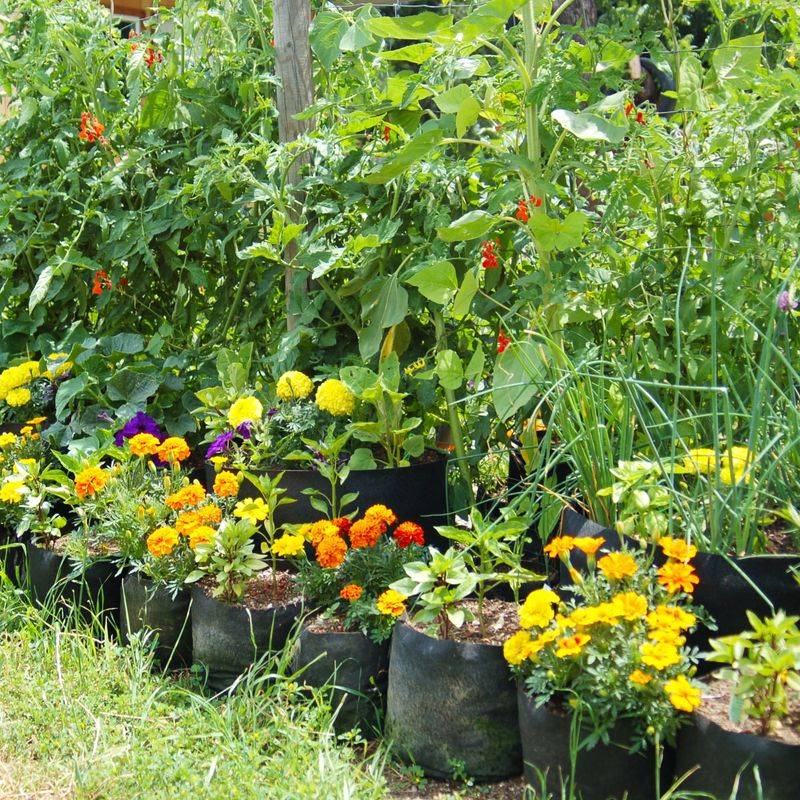
Tomatoes thrive when planted next to basil because the herb improves flavor and repels harmful insects that commonly attack tomato plants in gardens.
Marigolds add another layer of protection by releasing compounds from their roots that discourage nematodes, tiny soil pests that damage tomato root systems.
Throughout Texas, gardeners notice fewer aphids and hornworms when these three plants grow together, creating a natural defense system without chemical sprays needed.
Basil also benefits from the shade tomato plants provide during scorching summer afternoons, making this partnership mutually beneficial for both plant species involved.
Space basil plants about twelve inches away from tomato stems to allow air circulation while still providing the pest-repelling benefits these companions offer.
Marigolds should border the tomato bed, forming a protective ring that stops underground pests before they reach your valuable vegetable plants each season.
This trio creates a colorful, productive garden section that smells wonderful and produces abundant harvests from early summer through the first frost arrives.
Many Texas gardeners consider this combination essential for successful tomato growing because it addresses multiple challenges with one simple, effective planting strategy today.
2. Peppers with Onions and Spinach
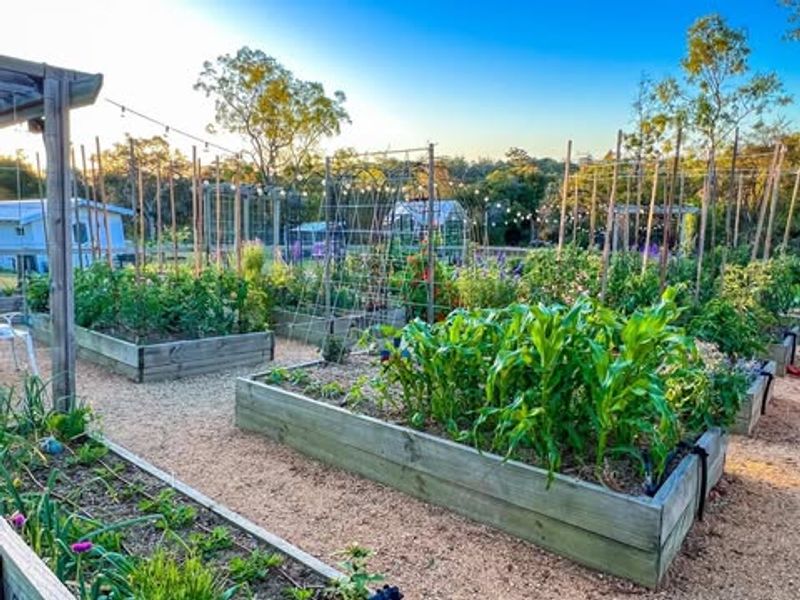
Pepper plants grow stronger and healthier when surrounded by onions, which release sulfur compounds that naturally repel aphids, spider mites, and other pests.
Spinach makes an excellent ground cover beneath pepper plants, keeping soil cool and moist during hot Texas summers when temperatures regularly exceed ninety degrees.
Onions have shallow roots that do not compete with pepper root systems, allowing both plants to access nutrients at different soil levels efficiently.
Across Texas gardens, this combination reduces watering needs because spinach leaves shade the soil surface, preventing rapid moisture evaporation during dry spells common here.
Spinach also matures quickly, providing an early harvest before pepper plants reach full size and need the extra growing space for themselves later.
Plant onion sets around the perimeter of pepper plants, spacing them four to six inches apart for optimal growth and maximum pest protection.
Sow spinach seeds directly in the spaces between pepper transplants, creating a living mulch that suppresses weeds and enriches soil as it decomposes.
This partnership works particularly well in spring and fall Texas gardens when temperatures favor both cool-season spinach and warm-season peppers growing together harmoniously.
3. Squash with Corn and Beans
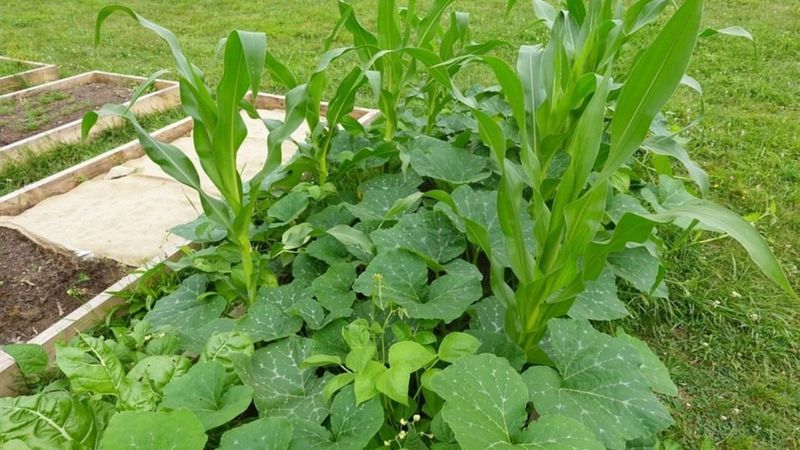
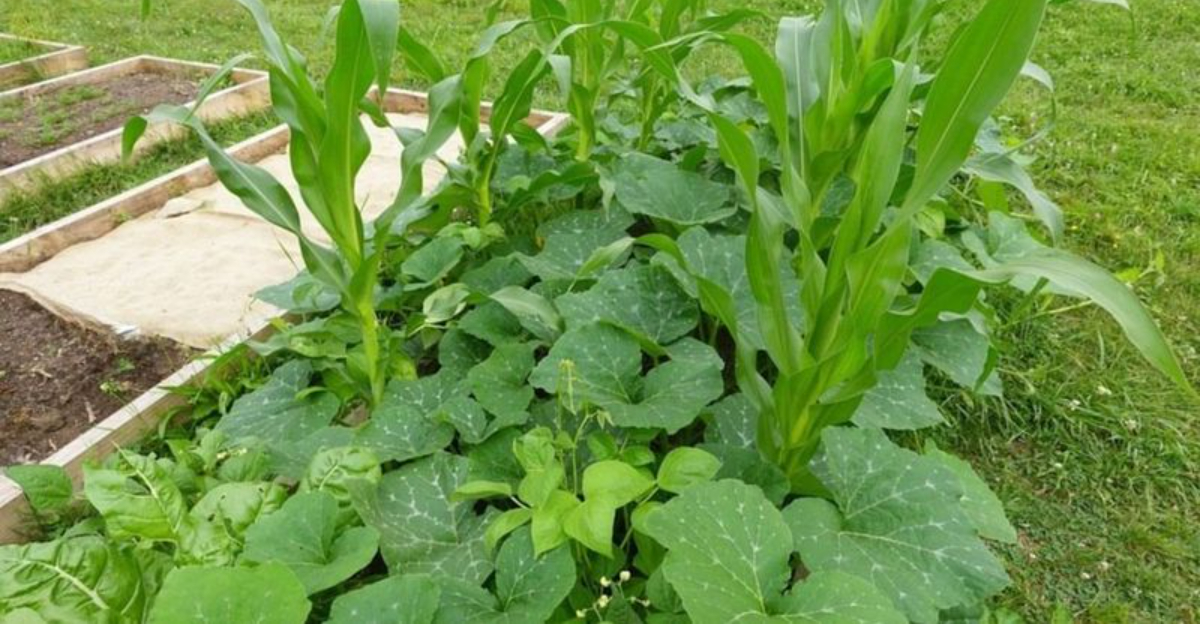
Known as the Three Sisters method, this ancient planting technique combines squash, corn, and beans in a symbiotic relationship that benefits all three crops.
Corn provides sturdy stalks that bean vines climb, eliminating the need for additional support structures like trellises or stakes in your Texas garden.
Beans fix nitrogen in the soil through their root nodules, enriching the earth for corn and squash, which are heavy feeders requiring lots of nutrients.
Squash leaves spread wide across the ground, creating shade that keeps soil moist and cool while preventing weed growth around the other plants.
In Texas, where summer heat can stress plants, this combination creates a microclimate that helps all three species tolerate challenging growing conditions better together.
Plant corn first, waiting until stalks reach about six inches tall before adding bean seeds around each corn plant for climbing support.
Add squash seeds between corn hills once beans have sprouted, spacing them generously to allow their sprawling vines adequate room to spread outward.
This traditional companion planting method has fed communities for centuries and continues to produce abundant harvests in modern Texas gardens with minimal intervention.
4. Carrots with Radishes and Chives
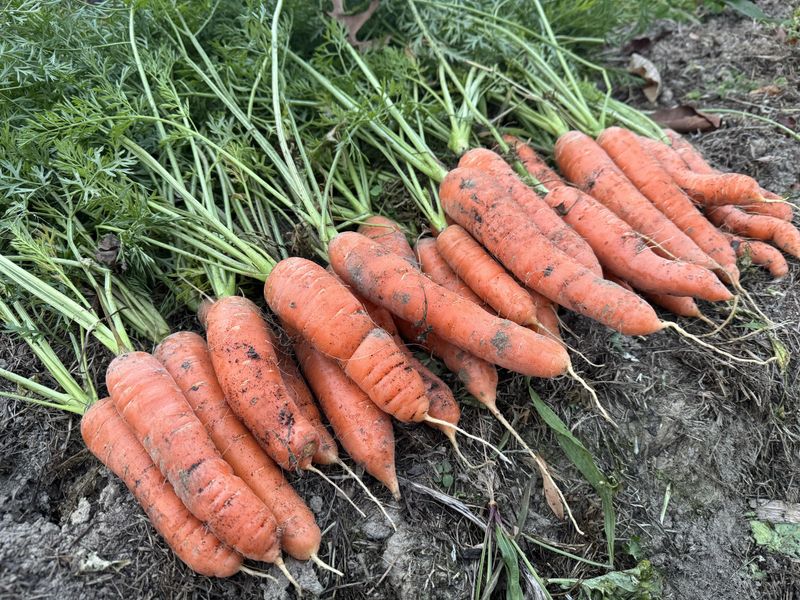
Carrots develop better when planted with radishes because radishes germinate quickly, breaking up compacted soil and marking rows before carrot seedlings finally emerge.
Chives planted nearby release strong aromatic compounds that confuse carrot flies and other pests, protecting developing carrot roots from insect damage throughout the season.
Radishes mature in just three to four weeks, allowing you to harvest them long before carrots need the space, making this an efficient use.
Texas gardeners appreciate how radishes loosen heavy clay soils common in many regions, creating better conditions for carrots to grow long and straight.
Chives also attract beneficial insects like ladybugs and hoverflies, which prey on aphids and other pests that might otherwise damage your carrot crop.
Plant radish seeds mixed with carrot seeds in the same row, spacing them about one inch apart to maximize the soil-loosening benefits radishes provide.
Position chives at the ends of carrot rows or interspersed throughout the bed, creating a fragrant barrier that protects your root vegetables effectively.
This combination works especially well in spring and fall Texas gardens when cooler temperatures favor root vegetable development and pest pressure remains relatively low.
5. Cucumbers with Nasturtiums and Dill
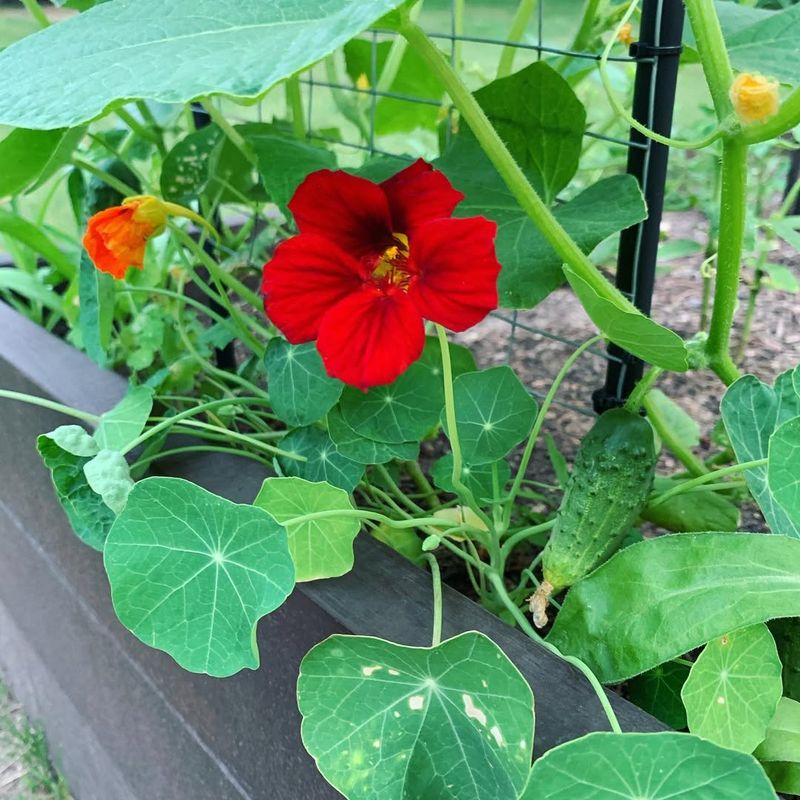
Cucumbers produce more abundantly when nasturtiums grow nearby, as these bright flowers act as trap crops, luring aphids and cucumber beetles away from cucumber vines.
Dill attracts beneficial predatory insects such as lacewings and parasitic wasps, which feed on pests that commonly attack cucumber plants throughout Texas growing seasons.
Nasturtiums also serve as living mulch, covering bare soil with colorful foliage that keeps roots cool and prevents moisture loss during hot summer days.
Many Texas gardeners report fewer pest problems when using this companion planting strategy, reducing or eliminating the need for chemical pesticides in their gardens.
Dill should not be planted too close to cucumbers, however, as mature dill plants can sometimes inhibit cucumber growth if placed within six inches.
Position nasturtiums around the base of cucumber trellises or cages, allowing their trailing stems to spread across the ground beneath climbing cucumber vines.
Plant dill at least twelve inches away from cucumber plants, creating enough distance to attract beneficial insects without competing for nutrients or water.
This colorful combination creates an attractive, productive garden section that provides both vegetables and edible flowers for salads throughout the growing season ahead.
6. Lettuce with Tall Flowers and Garlic
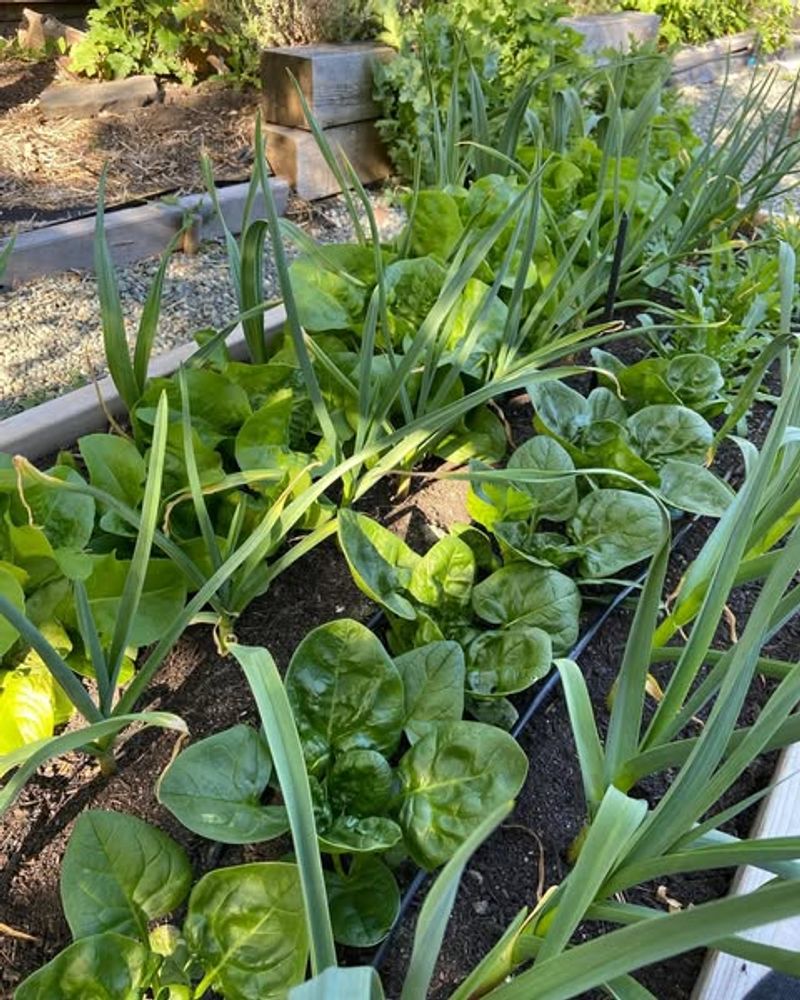
Lettuce benefits tremendously from taller companion plants that provide afternoon shade, preventing the lettuce from bolting prematurely in Texas heat and extending harvest periods.
Garlic planted near lettuce repels aphids and slugs with its pungent oils, protecting tender lettuce leaves from damage without requiring any chemical pest controls.
Tall flowers like zinnias or cosmos create partial shade that keeps lettuce cooler during peak summer heat, allowing it to continue producing longer than usual.
In Texas, where temperatures climb rapidly in late spring, this shading strategy helps gardeners enjoy fresh salad greens well into early summer months.
Garlic also has shallow roots that do not compete significantly with lettuce, allowing both plants to coexist peacefully in the same garden bed.
Plant tall flowers on the south or west side of lettuce rows, positioning them to cast afternoon shadows across lettuce plants during hottest hours.
Interplant garlic cloves between lettuce plants, spacing them about four inches apart to provide adequate pest protection without overcrowding your growing lettuce seedlings.
This combination works particularly well in spring Texas gardens, giving you multiple harvests before summer heat makes lettuce growing difficult without special care.
7. Beans with Rosemary and Summer Savory
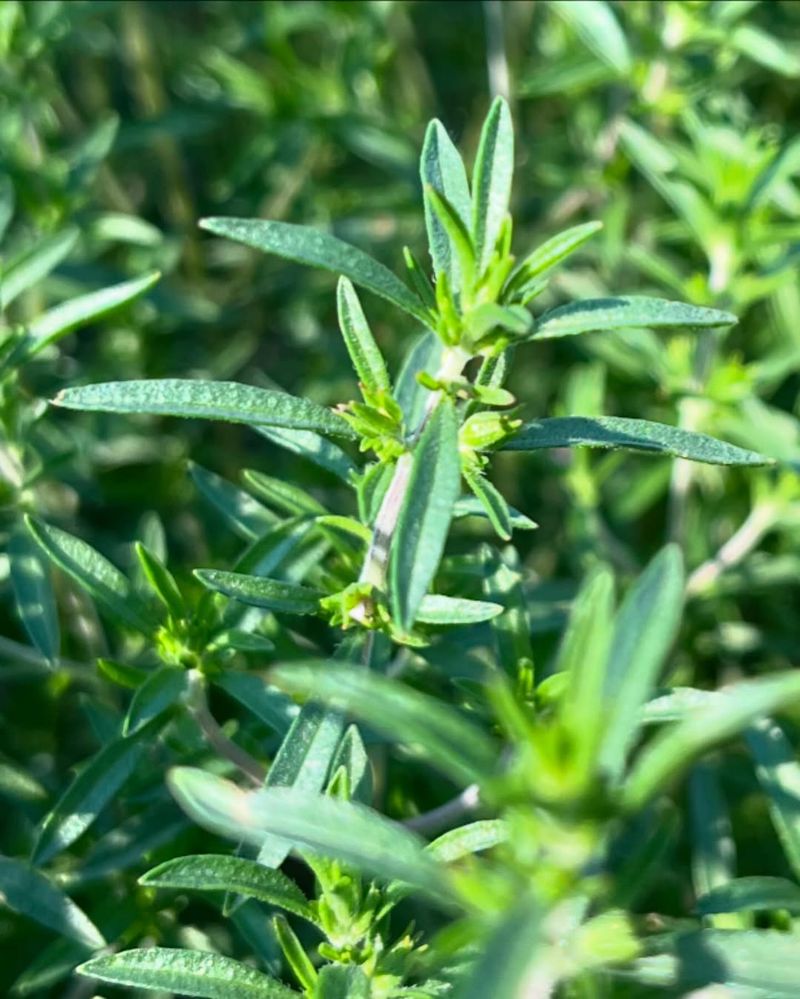
Beans grow healthier when planted near rosemary because this woody herb repels bean beetles and Mexican bean beetles, two major pests in Texas gardens.
Summer savory improves bean flavor when planted nearby and also deters aphids and spider mites, creating a more pest-resistant growing environment for your crops.
Rosemary plants establish deep root systems that do not compete with bean roots, which remain relatively shallow, allowing both plants to access different soil layers.
Texas gardeners often plant perennial rosemary at the edge of annual bean beds, creating a permanent pest barrier that returns year after year reliably.
Summer savory grows quickly from seed and matures at about the same time as bush beans, making harvest timing convenient for both crops together.
Position rosemary plants at the corners or ends of bean rows, allowing their fragrant foliage to spread protective aromatic compounds throughout the bed.
Sow summer savory seeds directly among bean plants, spacing them about eight inches apart to provide adequate pest protection without crowding bean plant growth.
This herb and vegetable combination creates a fragrant, productive garden section that supplies both cooking ingredients and reduces pest problems throughout the Texas growing season.
8. Brassicas with Beets and Chamomile
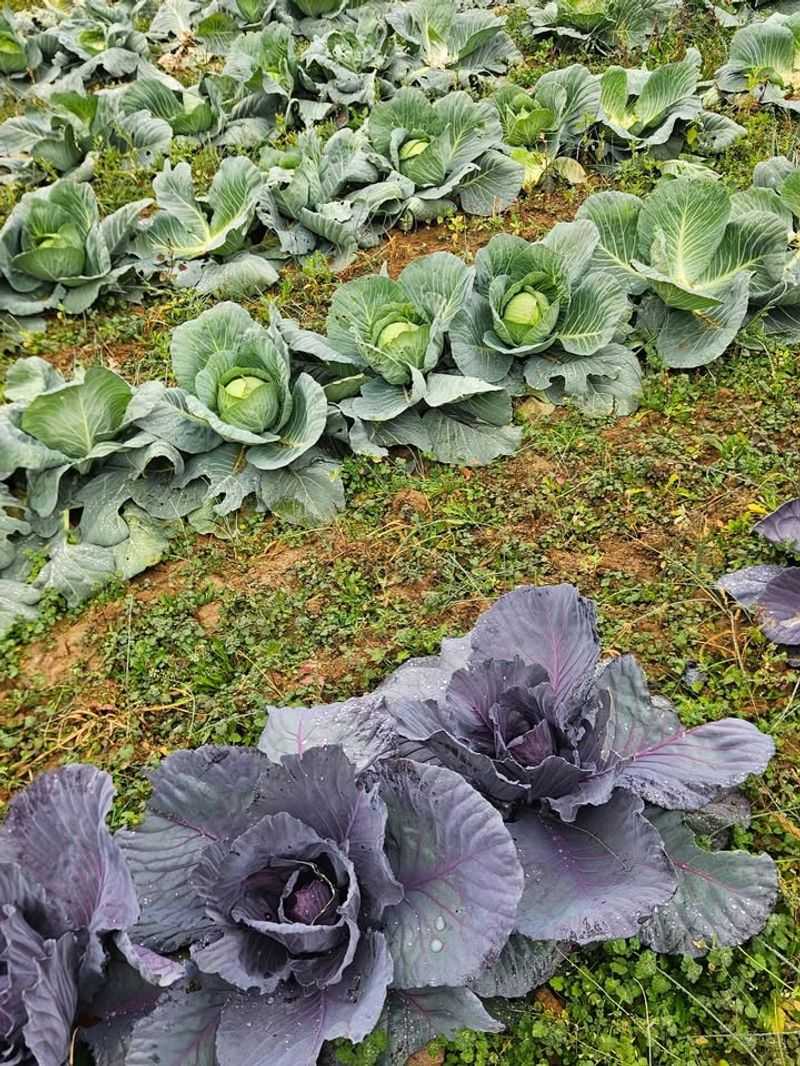
Brassicas like broccoli, cabbage, and kale perform better when planted near beets, which do not compete for the same nutrients and help break up soil.
Chamomile planted among brassicas improves their flavor and vigor while attracting beneficial insects that prey on cabbage worms and aphids in Texas gardens year-round.
Beets have deep taproots that pull nutrients from lower soil layers, making them available to shallow-rooted brassicas through natural nutrient cycling processes over time.
Many Texas gardeners notice healthier brassica plants with fewer pest problems when chamomile grows nearby, likely due to its strong aromatic compounds released continuously.
Chamomile also accumulates calcium, potassium, and sulfur, which become available to neighboring plants when chamomile leaves decompose or are used as mulch material.
Plant beets in rows alternating with brassica rows, spacing them about four inches apart to maximize space utilization and companion planting benefits throughout.
Scatter chamomile seeds among brassica transplants, allowing them to self-sow and create a living groundcover that suppresses weeds and attracts beneficial pollinators consistently.
This combination works especially well in fall and winter Texas gardens when cooler temperatures favor both brassicas and beets, providing fresh vegetables during colder months.
9. Melons with Oregano and Tansy
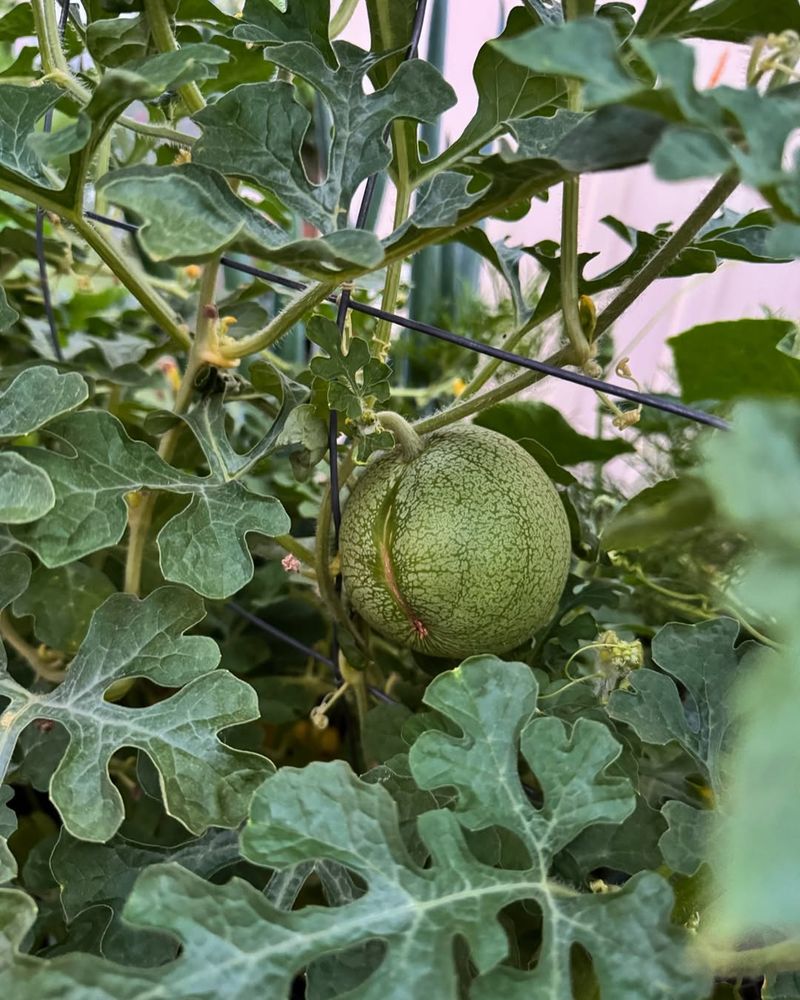
Melons benefit from oregano planted nearby because this herb repels aphids and cucumber beetles, which frequently attack melon vines throughout Texas growing seasons regularly.
Tansy attracts beneficial insects while deterring ants and flying pests, creating a more balanced garden ecosystem that supports healthy melon growth and development naturally.
Oregano spreads slowly as ground cover, filling spaces between melon vines and suppressing weeds without competing significantly for water or nutrients with melons.
In Texas, where melons thrive in hot weather, these companion plants help reduce pest pressure without requiring chemical interventions that might harm beneficial insects.
Tansy should be planted carefully as it can become invasive, so many gardeners prefer growing it in containers placed near melon beds instead.
Position oregano plants around the perimeter of melon patches, allowing them to spread gradually and create a fragrant barrier that protects your developing fruits.
Plant tansy in pots and set them at the corners of melon growing areas, providing pest protection while maintaining control over this vigorous plant.
This combination produces abundant melons with fewer pest problems, giving Texas gardeners sweet, juicy harvests throughout summer months when melons reach peak ripeness consistently.
10. Eggplant with Thyme and Tarragon
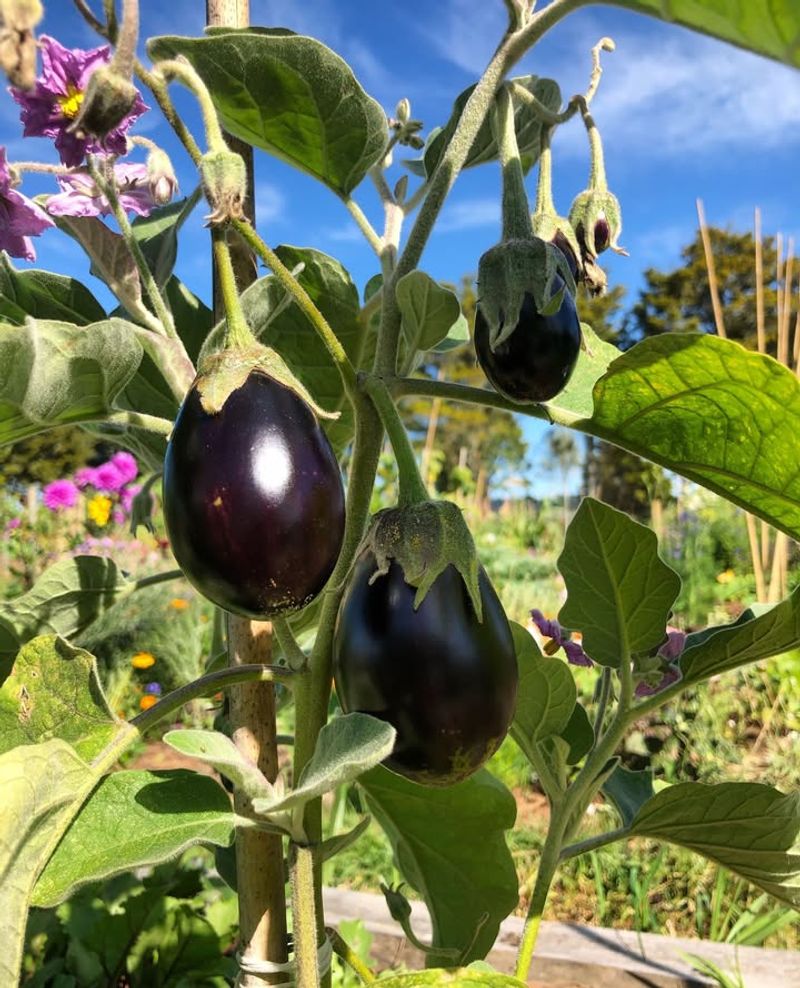
Eggplant grows more successfully when planted with thyme, which repels flea beetles and other pests that commonly damage eggplant leaves in Texas gardens consistently.
Tarragon improves eggplant growth and flavor while attracting beneficial predatory insects that feed on aphids, spider mites, and other pests throughout the growing season.
Thyme creates a low-growing ground cover that conserves soil moisture and prevents weed germination, reducing maintenance needs for busy Texas gardeners with limited time.
Both herbs tolerate heat and drought well, making them ideal companions for eggplant, which also thrives in hot Texas summers with minimal water once established.
Thyme releases aromatic oils that confuse pests searching for eggplant, effectively masking the vegetable’s scent and reducing pest attacks on your valuable crop plants.
Plant thyme around the base of eggplant transplants, spacing them about eight inches apart to create a fragrant mat that protects and beautifies simultaneously.
Position tarragon plants between eggplant rows, allowing adequate space for both plants to reach mature size without crowding each other during peak growth.
This herb and vegetable pairing creates a productive, low-maintenance garden section that supplies fresh ingredients for cooking while minimizing pest problems throughout Texas summers.
11. Sweet Potatoes with Borage and Alyssum
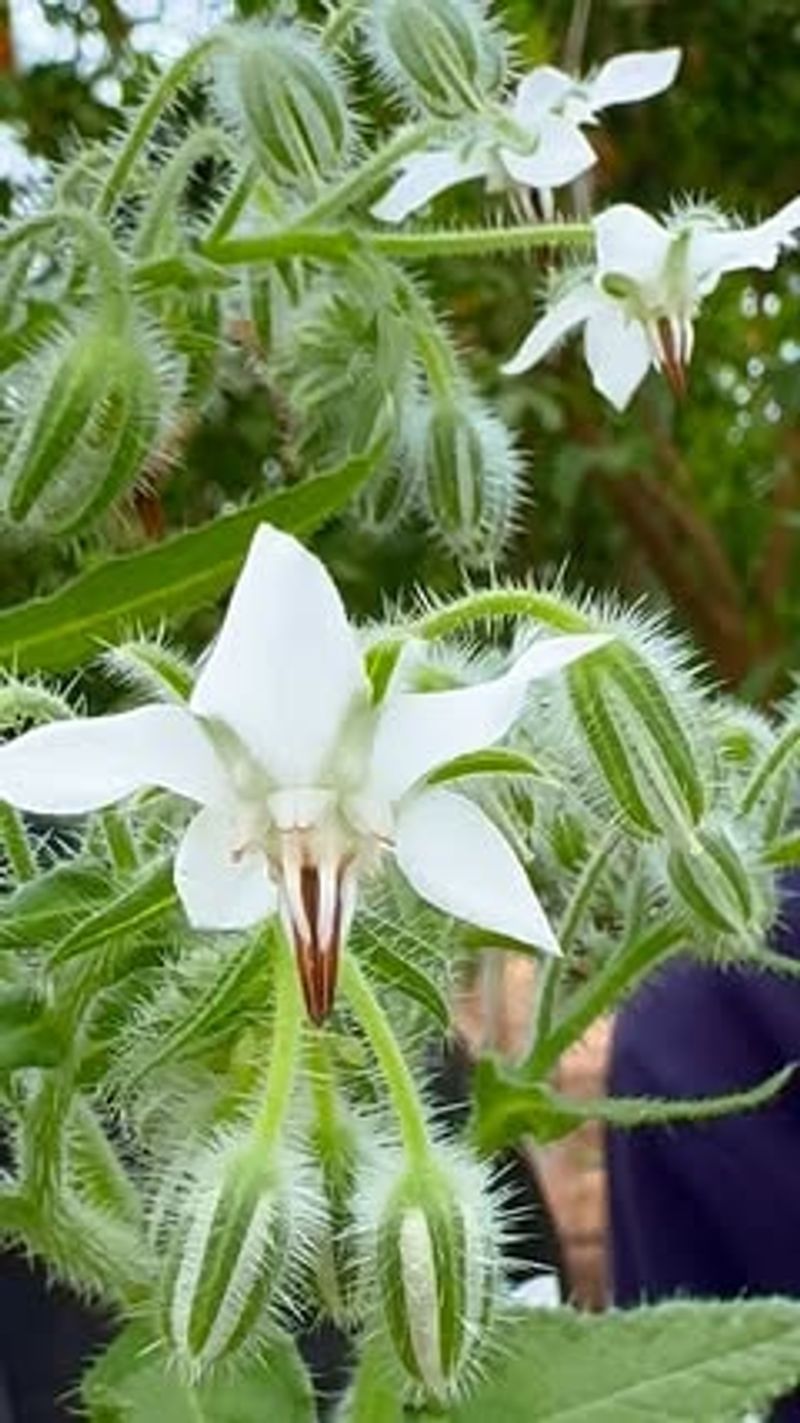
Sweet potatoes perform exceptionally well when planted near borage, which attracts pollinators and beneficial insects while deterring tomato hornworms and cabbage worms effectively year-round.
Alyssum creates a living mulch beneath sweet potato vines, attracting tiny beneficial wasps that parasitize aphids and other small pests that might damage foliage.
Borage has deep taproots that mine minerals from subsoil layers, making nutrients like calcium and potassium available to shallow-rooted sweet potato plants through decomposition.
Throughout Texas, sweet potato growers notice improved yields and healthier vines when these flowering companions grow alongside their crops in garden beds regularly.
Alyssum also helps retain soil moisture by shading the ground, which benefits sweet potatoes during hot, dry periods common in Texas summer months consistently.
Plant borage seeds around the edges of sweet potato beds, spacing them about eighteen inches apart to allow their large leaves adequate room to spread.
Sow alyssum seeds densely between sweet potato slips after planting, creating a carpet of white flowers that attracts beneficial insects throughout the entire season.
This combination creates a beautiful, productive garden section that provides both edible tubers and attractive flowers, making your Texas garden functional and visually appealing together.