10 Plants That Repel Mosquitoes In Florida Yards
Florida evenings are meant for backyard dinners, porch sitting, and enjoying warm breezes after a long day. Instead, many homeowners end up swatting nonstop as mosquitoes take over from sunset to dark.
Our heat, humidity, summer rainstorms, and standing water create perfect breeding conditions that make mosquito problems feel constant across the state. From coastal communities to inland neighborhoods, these pests can quickly turn outdoor spaces into no-go zones.
While no plant can completely eliminate mosquitoes, certain aromatic plants can help make your yard less inviting when combined with smart maintenance habits.
Strong natural scents can interfere with how mosquitoes locate people, helping reduce activity in small areas where families gather most.
When paired with simple steps like removing standing water and improving drainage, these plants become part of a practical strategy that many Florida gardeners already use to enjoy calmer evenings outside.
1. Citronella Grass
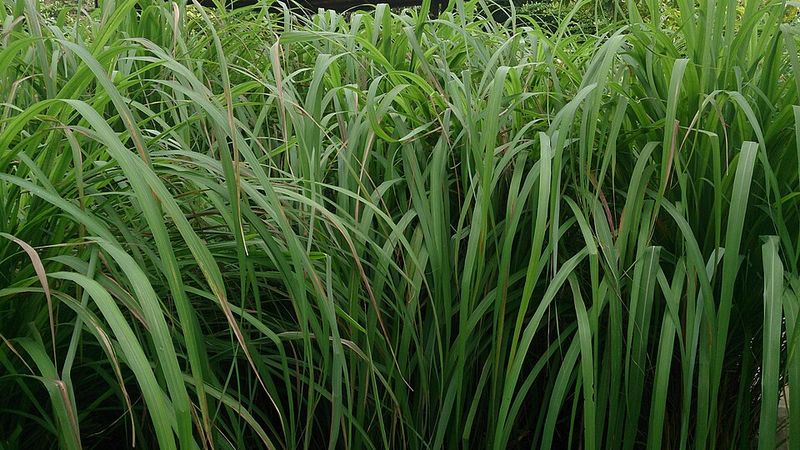
A tall, clumping grass with a sharp lemony scent produces aromatic oils that mosquitoes dislike, helping create localized scent interference in nearby areas. Citronella grass grows vigorously across Florida, reaching four to six feet in height and forming dense, fountain-like clumps that work well as natural screens near patios and seating areas.
The oils in its leaves release most strongly when the foliage is brushed or crushed, so positioning it along walkways or near doorways increases its effectiveness.
In North Florida, citronella grass may experience some winter withering during occasional freezes, but it rebounds quickly each spring. Central and South Florida yards see year-round growth, which means consistent scent production during peak mosquito season.
Plant it in full sun with well-draining soil, and expect robust performance even through summer humidity.
This grass does not eliminate mosquitoes but creates a localized scent that may interfere with mosquito detection in the immediate area when the leaves are brushed or crushed.
Pair it with habitat management like removing standing water, and you may notice calmer evenings in the zones where citronella grass borders your outdoor spaces.
2. Lemongrass
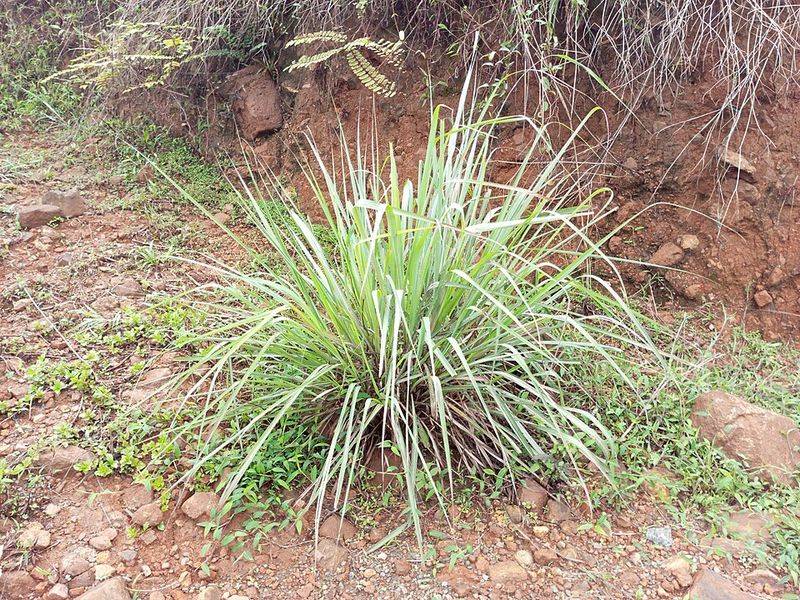
Bright green blades release a strong citrus aroma that mosquitoes find disorienting, making lemongrass one of the most reliable scent-masking plants for Florida landscapes. It thrives in heat and humidity, growing into thick, upright clumps that can reach three to four feet tall when given full sun and consistent moisture.
The essential oils concentrated in its stalks are the same compounds used in many commercial mosquito repellents.
Lemongrass performs beautifully across all Florida regions, though South Florida gardeners enjoy the fastest growth and the longest active season.
In Central Florida, summer storms and high humidity encourage lush development, while North Florida yards may see slower growth during cooler months.
Position lemongrass near outdoor cooking areas or seating zones where you spend the most time at dusk.
For maximum scent release, brush against the foliage as you pass, or crush a few leaves to release their scent into the surrounding air.
Lemongrass does not create a mosquito-free zone, but it may help reduce mosquito activity in very close proximity when leaves are disturbed or oils are released by interfering with the scent cues mosquitoes use to locate hosts in the evening air.
3. Lavender
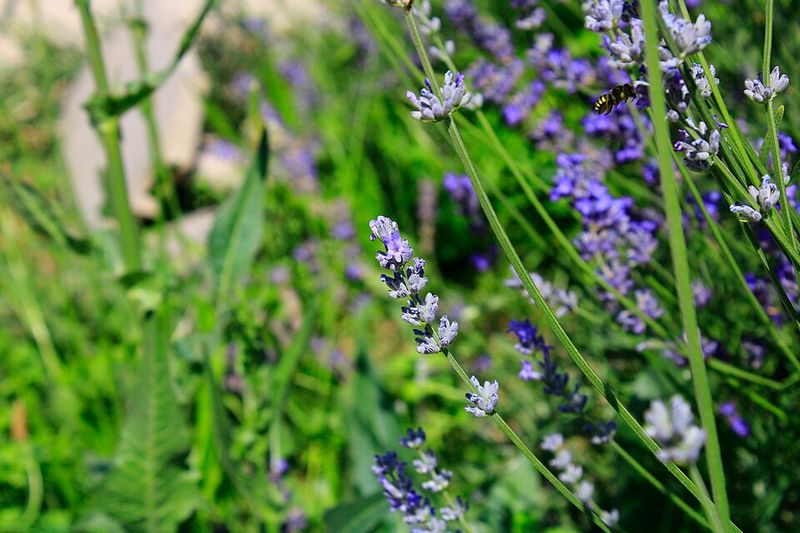
Soft purple blooms and silvery foliage produce a sweet, floral scent that humans find calming but mosquitoes avoid. Lavender struggles in Florida’s humidity and heavy summer rains, so success depends on choosing the right variety and providing excellent drainage.
Spanish lavender and Phenomenal lavender tolerate Florida conditions better than English types, especially when planted in raised beds or containers with sandy, well-draining soil.
North Florida gardeners have the best results with lavender, as cooler winters and lower humidity mimic its Mediterranean origins. Central Florida growers can succeed if they amend soil heavily with sand and avoid overwatering during the rainy season.
South Florida presents the toughest challenge, and lavender often performs as a short-lived annual rather than a perennial in tropical zones.
Place lavender in full sun near entryways or along pathways where its scent can drift into seating areas during evening hours. The oils in lavender foliage may interfere with mosquito scent detection when released, reducing their ability to locate you.
Expect modest mosquito deterrence rather than complete control, and combine lavender with habitat cleanup for the best results in your Florida yard.
4. Basil
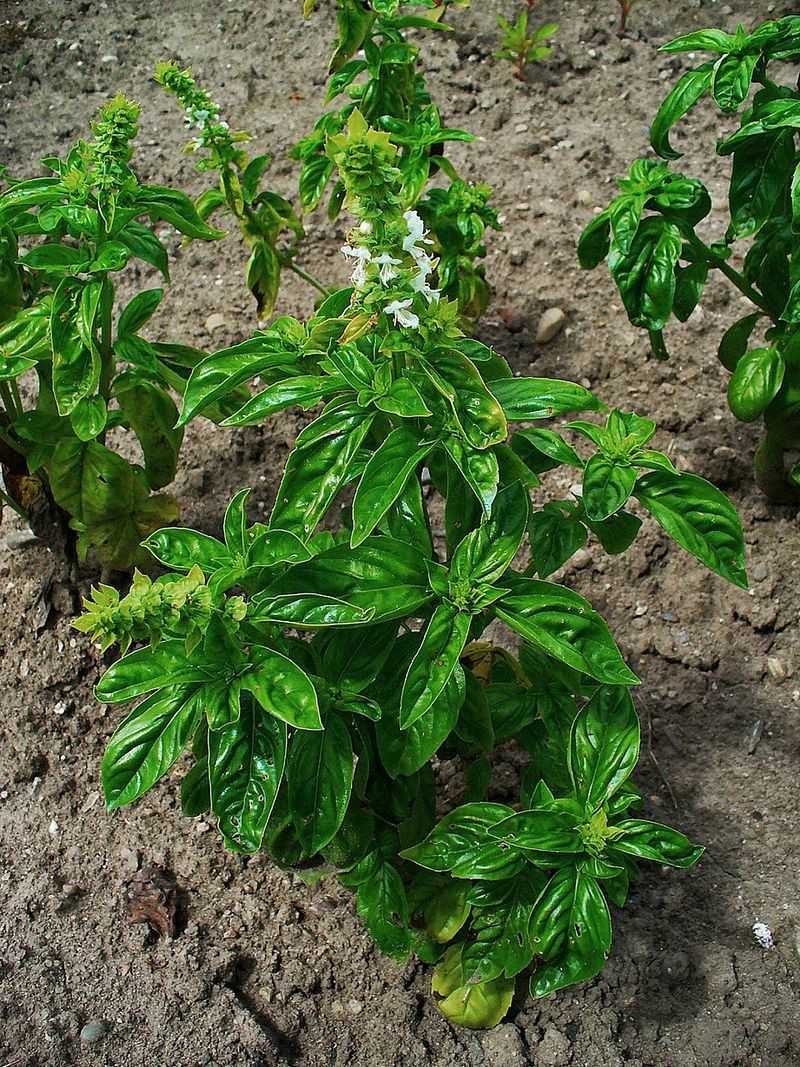
Aromatic leaves packed with eugenol and other volatile oils produce scents that mosquitoes dislike when released from crushed leaves, making basil a practical choice for edible landscapes. This warm-season annual thrives in Florida heat, growing rapidly when planted in full sun with regular watering.
Sweet basil, Thai basil, and lemon basil all produce strong scents, and their compact size makes them ideal for containers placed on patios or near outdoor dining areas.
Basil grows year-round in South Florida, while Central and North Florida gardeners treat it as a warm-season crop that flourishes from spring through fall.
Summer humidity encourages vigorous growth but also increases the risk of fungal issues, so space plants for good air circulation.
Pinch off flower buds regularly to keep foliage production strong and maintain the highest oil concentration in the leaves.
The scent is most potent when leaves are touched or bruised, so positioning basil where people brush against it as they move through your yard enhances its mosquito-deterring effect.
Basil does not create a mosquito-proof barrier, but it contributes to a layered defense when combined with proper drainage and strategic plant placement around your outdoor living spaces.
5. Mint
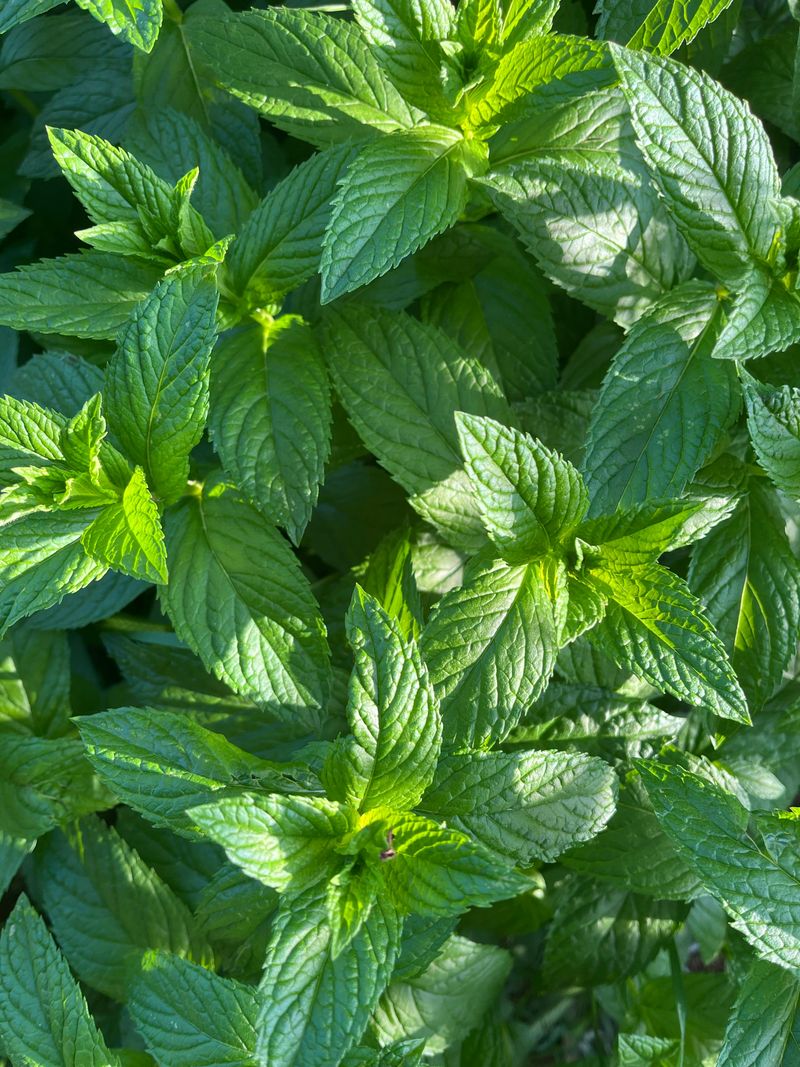
Intensely fragrant foliage releases menthol and other compounds that mosquitoes find overwhelming, making mint a powerful scent-masking plant for Florida yards.
However, mint spreads aggressively through underground runners and can quickly overtake garden beds, choking out other plants and becoming difficult to control.
Always grow mint in containers or controlled planters, never directly in the ground, to prevent it from becoming an invasive problem in your landscape.
Peppermint, spearmint, and chocolate mint all thrive in Florida’s heat and humidity when given partial shade and consistent moisture. South Florida gardeners can grow mint year-round, while Central and North Florida see the best growth from spring through fall.
Place potted mint near doorways, on patio tables, or along walkways where the scent can disperse into the air as people move past.
Crushing a few leaves between your fingers releases a burst of oils that temporarily masks the scents mosquitoes use to find you. Mint does not eliminate mosquitoes, but it may discourage mosquitoes in very small areas when foliage is disturbed.
Combine mint with habitat management and you will notice fewer mosquitoes hovering around your outdoor spaces during peak evening hours.
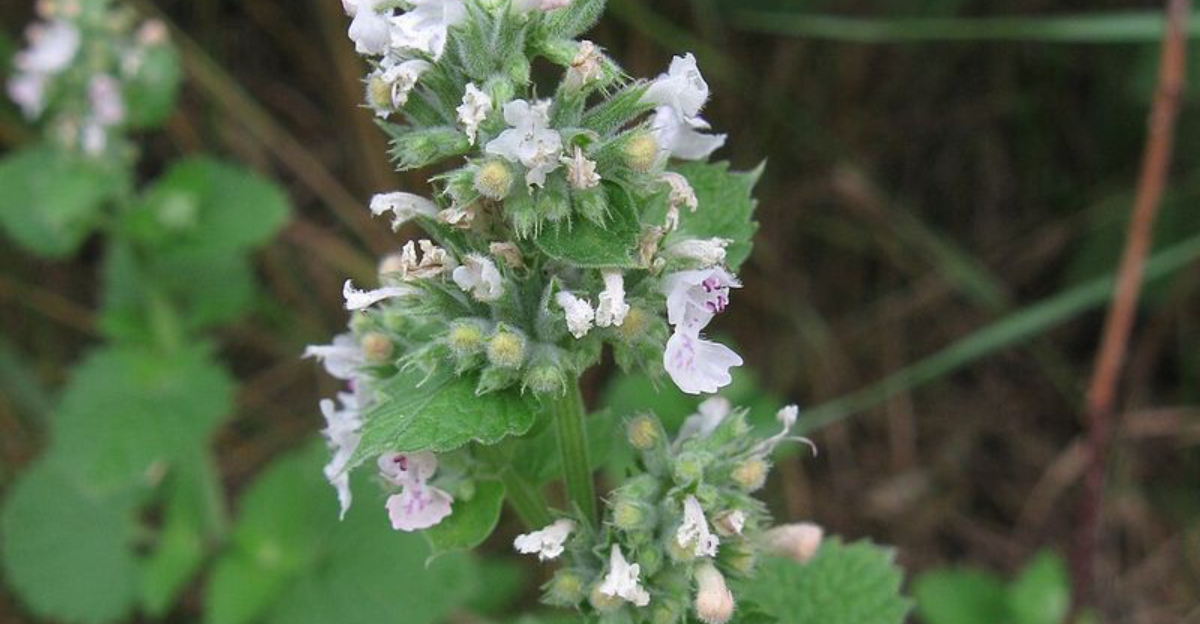
6. Catnip
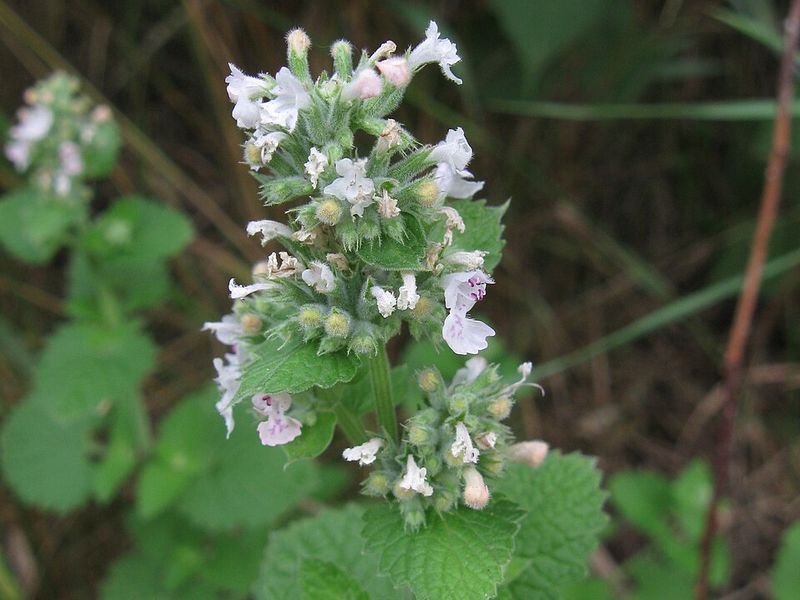
Gray-green foliage produces nepetalactone, a compound shown in laboratory studies to repel mosquitoes when extracted and concentrated. Catnip grows as a low-maintenance perennial herb across Florida, tolerating heat, humidity, and occasional drought once established.
It reaches one to three feet tall and spreads moderately, making it suitable for herb gardens, borders, or containers near outdoor living areas.
North Florida gardeners enjoy the longest catnip growing season, with plants thriving from early spring through late fall. Central Florida sees vigorous growth during the cooler months, while summer heat may stress plants unless they receive afternoon shade.
South Florida growers often treat catnip as a cool-season annual, planting in fall and enjoying fresh foliage through winter and spring.
Brushing against catnip releases its oils into the air, creating a scent zone that may interfere with mosquito scent detection and reduce their ability to locate hosts.
The plant does not create a mosquito-free environment, but it contributes to a layered approach that includes removing standing water and planting multiple scent-producing species around your yard.
Expect modest deterrence in the immediate area where catnip grows, especially during evening hours when mosquito activity peaks.
7. Rosemary
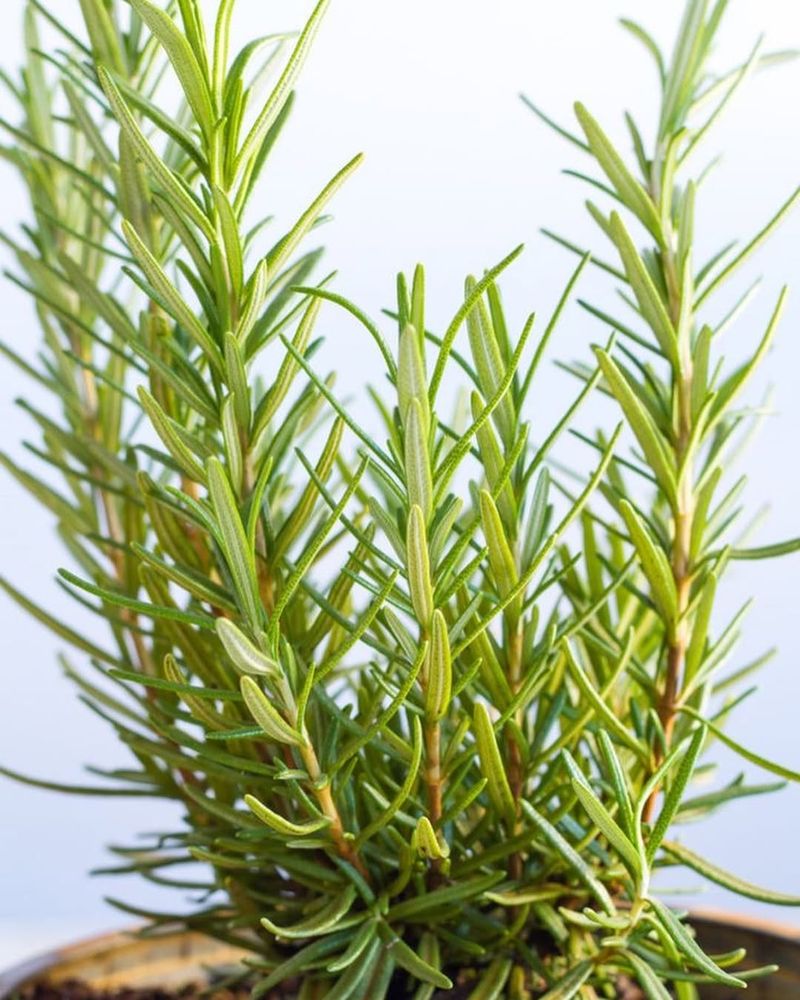
Woody stems and needle-like leaves filled with camphor and other aromatic oils create a strong scent that mosquitoes may avoid, making rosemary a dual-purpose plant that provides fragrance and limited mosquito deterrence when oils are released.
This Mediterranean herb prefers well-drained soil and full sun, performing best when planted in raised beds, containers, or sandy areas where water does not collect.
Upright varieties grow into shrub-like forms that work well as low hedges or border plantings near patios.
North Florida offers the most favorable conditions for rosemary, with cooler winters and lower humidity supporting healthy, long-lived plants. Central Florida gardeners succeed when they amend soil with sand and avoid overwatering during the summer rainy season.
South Florida presents challenges due to year-round heat and humidity, and rosemary often performs better in containers where drainage can be carefully managed.
Position rosemary near grilling areas or outdoor kitchens where you can harvest sprigs for cooking while benefiting from its mosquito-deterring scent.
The oils release most strongly when foliage is brushed or when you toss fresh cuttings onto hot coals, creating a fragrant smoke that may further discourage mosquitoes.
Rosemary does not eliminate mosquito activity, but it adds another layer of scent-based defense when combined with smart yard management and habitat control.
8. Beautyberry
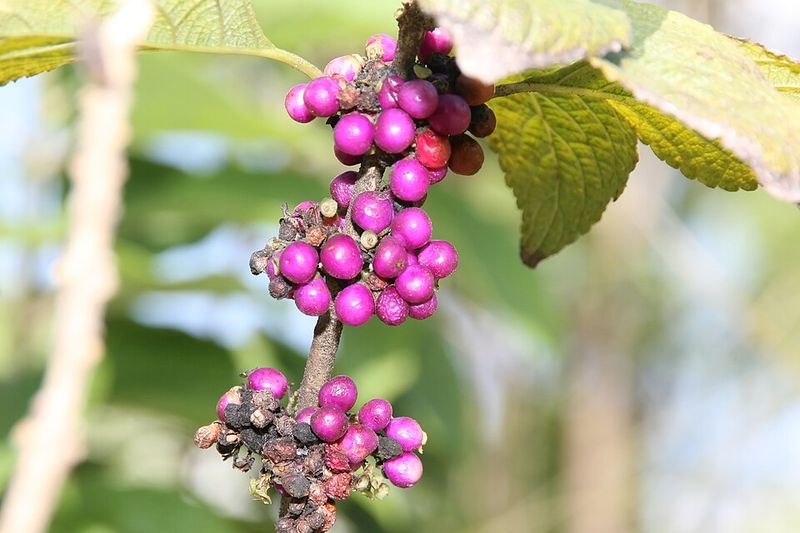
Clusters of bright purple berries catch the eye in late summer and fall, but the real mosquito-deterring power comes from the leaves.
University research has identified mosquito-repelling compounds in beautyberry leaves, though effectiveness is strongest when the leaves are crushed and oils are released rather than from passive planting alone.
This Florida native shrub thrives in our climate, growing four to eight feet tall and wide in partial shade to full sun with minimal care once established.
Beautyberry performs beautifully across all Florida regions, from the Panhandle to the Keys, making it one of Florida’s most popular native plants associated with mosquito-deterring properties. North Florida sees the most dramatic fall berry displays, while Central and South Florida enjoy year-round foliage and extended fruiting periods.
Plant beautyberry in naturalized areas, along woodland edges, or as a mid-sized shrub in mixed borders near outdoor seating zones.
Crushing fresh leaves releases aromatic oils, and the foliage has traditionally been used outdoors for temporary, short-term scent deterrence.
The plant does not create a mosquito-free zone simply by growing in your yard, but it offers a native, low-maintenance option that contributes to a layered mosquito-reduction strategy when combined with habitat management and other scent-producing plants.
9. Marigold
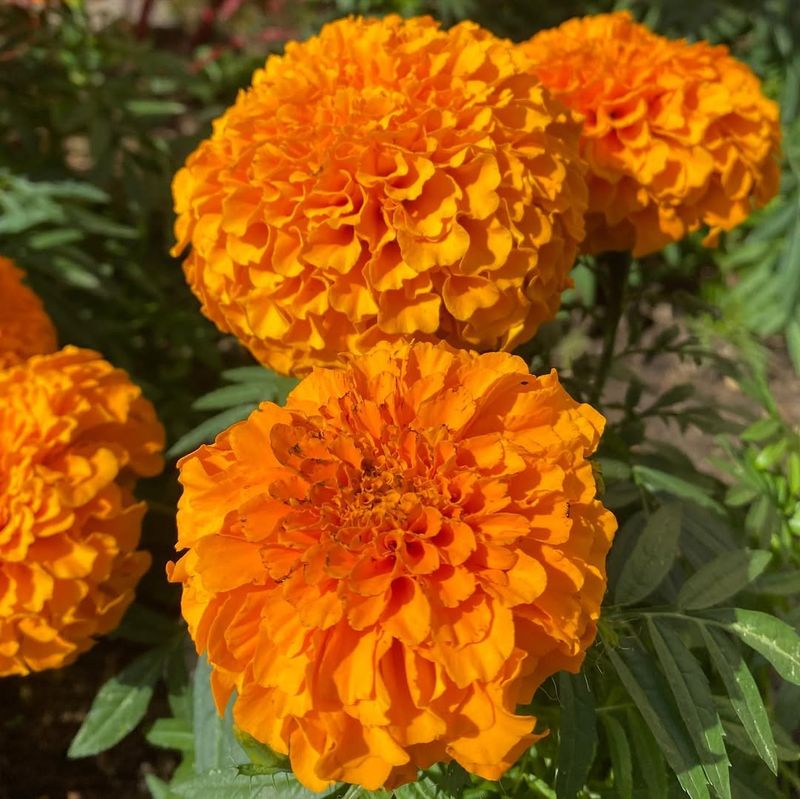
Bright orange and yellow blooms add cheerful color to Florida gardens while releasing a pungent scent that mosquitoes may find unpleasant. Marigolds contain natural compounds related to pyrethrins, though in much lower concentrations than commercial insect products.
These warm-season annuals thrive in full sun and well-drained soil, growing quickly from seed or transplants and blooming continuously from spring through fall.
South Florida gardeners can grow marigolds nearly year-round, while Central and North Florida treat them as warm-season annuals that perform best from late spring through the first frost.
Summer heat and humidity encourage vigorous growth, but afternoon thunderstorms can batter tall varieties, so choose compact French marigolds for containers or border plantings near patios.
Deadhead spent blooms regularly to keep plants flowering and producing scent throughout the growing season.
Position marigolds in clusters near doorways, along walkways, or in containers on patios where their scent can disperse into the air. The odor is most noticeable when you brush against the foliage or when you crush leaves between your fingers.
Marigolds do not eliminate mosquitoes, but they contribute to a sensory environment that makes it harder for mosquitoes to locate hosts, especially when combined with other scent-producing plants and proper yard drainage.
10. Sage
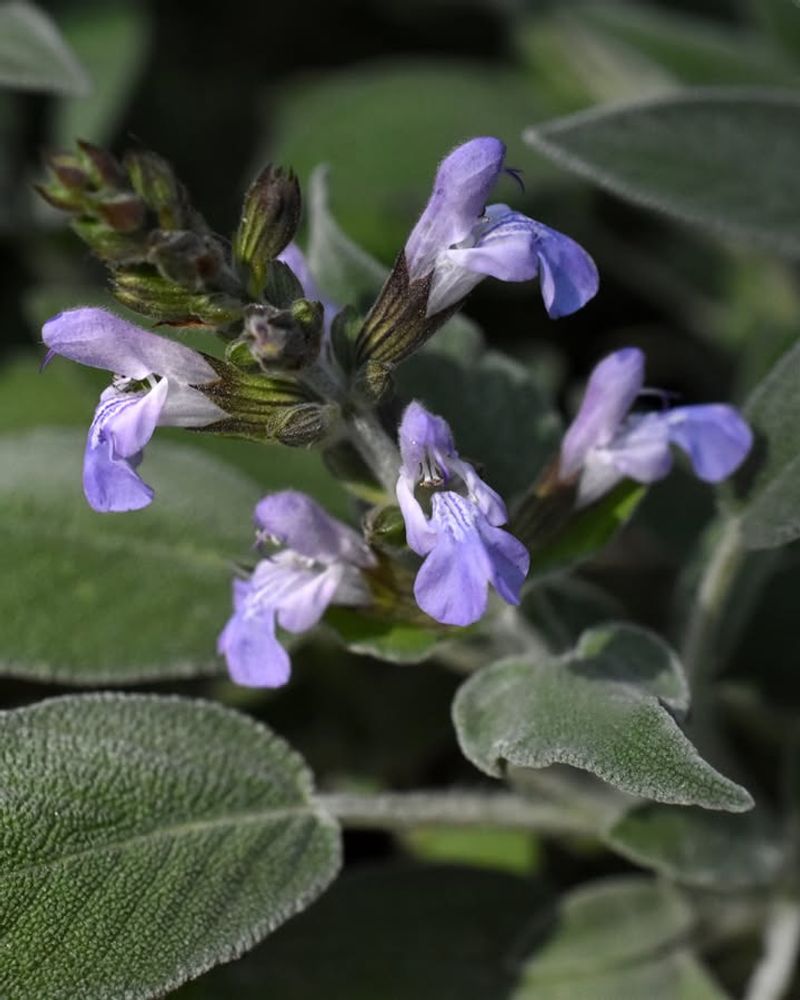
Velvety gray-green leaves produce a strong, earthy aroma that mosquitoes may avoid when oils are released, making sage a practical addition to Florida herb gardens and landscape borders. Common garden sage thrives in well-drained soil and full sun, growing into a low, mounding perennial that tolerates heat and drought once established.
The essential oils in sage foliage are most concentrated during the warm growing season, which coincides perfectly with peak mosquito activity across Florida.
North Florida gardeners enjoy the best long-term success with sage, as cooler winters and lower humidity support healthy, multi-year plants.
Central Florida growers can succeed by planting in raised beds or containers with excellent drainage and avoiding overwatering during summer rains.
South Florida presents the greatest challenge due to year-round humidity, and sage often performs better as a cool-season annual in tropical zones.
Place sage near outdoor cooking areas where you can harvest leaves for culinary use while benefiting from its mosquito-deterring scent.
Burning dried sage bundles outdoors can create fragrant smoke that may discourage mosquitoes in small areas, a practice that works well during outdoor gatherings at dusk.
Sage does not create a mosquito-proof barrier, but it adds another scent layer to your yard’s defense system when combined with habitat cleanup and strategic placement of other aromatic plants around your outdoor living spaces.
Let’s be real — no plant alone can completely stop mosquitoes. But when you combine aromatic plants with simple yard fixes like removing standing water, improving drainage, using outdoor fans, and applying trusted repellents, you’ll see a noticeable improvement in comfort.