10 Plants That Ruin Florida Foundations And Better Alternatives
Cracked driveways, uneven sidewalks, and shifting foundations are becoming more common across Florida neighborhoods. Many homeowners assume age or poor construction is to blame, but the real cause is often growing quietly right outside the front door.
The wrong tree or shrub planted too close to your home can send roots under slabs, lift concrete, damage underground pipes, and create expensive repair problems years later. Florida’s warm climate and high water table allow certain plants to grow faster and spread farther than most people expect.
What looks like a beautiful shade tree or privacy hedge today can become a hidden structural threat tomorrow. Want to avoid all these issues?
The solution is not to stop planting trees, but to choose the right plants for Florida yards and give them enough space to grow without damaging your home.
1. Ficus (Indian Laurel Fig / Weeping Fig)
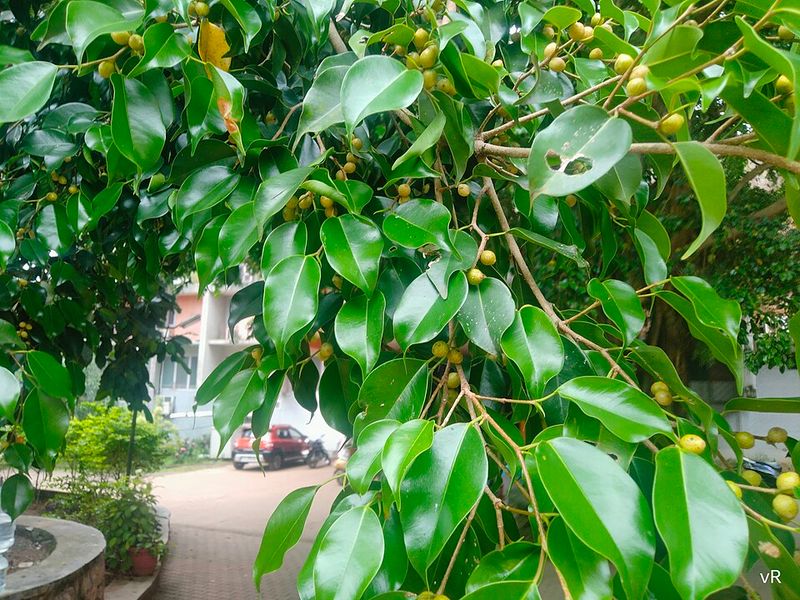
You’ve probably seen the sidewalk first, buckled into concrete waves that make walking a balancing act. The smooth gray trunk nearby looks innocent enough, providing dense shade that makes Florida summers bearable.
Ficus trees became landscape staples across South Florida because they grow fast, create privacy hedges, and tolerate our heat without complaint.
What homeowners don’t see happens underground. Ficus roots spread aggressively in all directions, seeking moisture and nutrients with remarkable persistence.
In areas with shallow water tables, these roots stay near the surface, lifting driveways, cracking foundation slabs, and infiltrating sewer lines with surprising force.
The roots commonly extend as far as or farther than the canopy spread, meaning a ficus planted fifteen feet from your house can still reach your foundation within a few years.
Once established, removal becomes expensive because the root system extends so far and regenerates from fragments left behind.
Better alternatives include Simpson Stopper or Dahoon Holly. Both provide evergreen screening, grow at moderate rates, and develop root systems that stay compact and less invasive, protecting your hardscape investments while still creating the privacy you want.
2. Banyan Tree
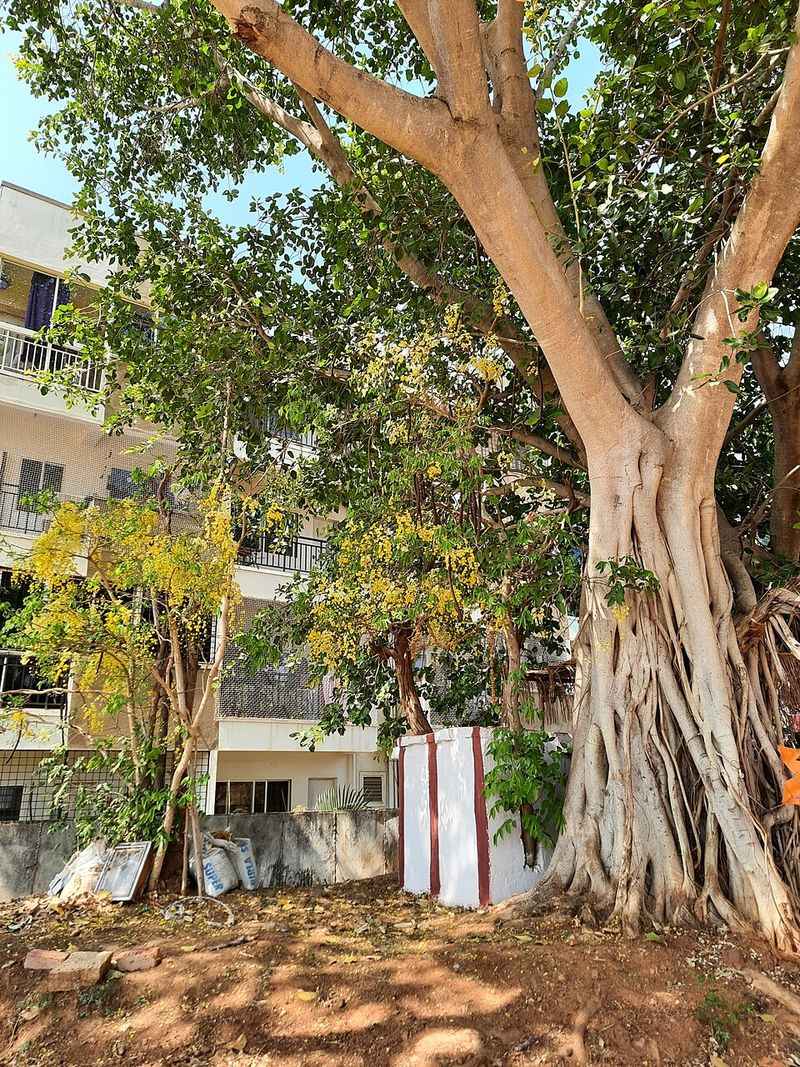
That magnificent tree with aerial roots cascading down like natural curtains looks magical in parks and botanical gardens. Homeowners sometimes plant young banyan trees thinking they’ll create a stunning focal point, not realizing what happens over the next decade.
Banyan trees don’t just grow; they colonize every available space around them.
Aerial roots drop from branches, take hold in the ground, and transform into new trunks. The original single tree becomes a grove that spreads outward relentlessly.
Underground, the root system mirrors this aggressive expansion, sending thick structural roots in every direction that can crack foundations, lift patios, and destroy underground utilities.
In South Florida’s moist climate, banyans thrive with almost unstoppable vigor. What starts as a charming ornamental quickly becomes a property management nightmare.
Some banyan-type fig species show invasive or aggressive growth tendencies in Florida and are discouraged outside of managed landscapes because they can displace native vegetation and overwhelm surrounding space.
Consider planting a Gumbo Limbo instead. This Florida native provides striking reddish bark, grows to impressive size, and develops a root system that respects boundaries.
You’ll get the dramatic presence without the structural problems banyans commonly create around homes.
3. Live Oak (When Planted Near Homes)
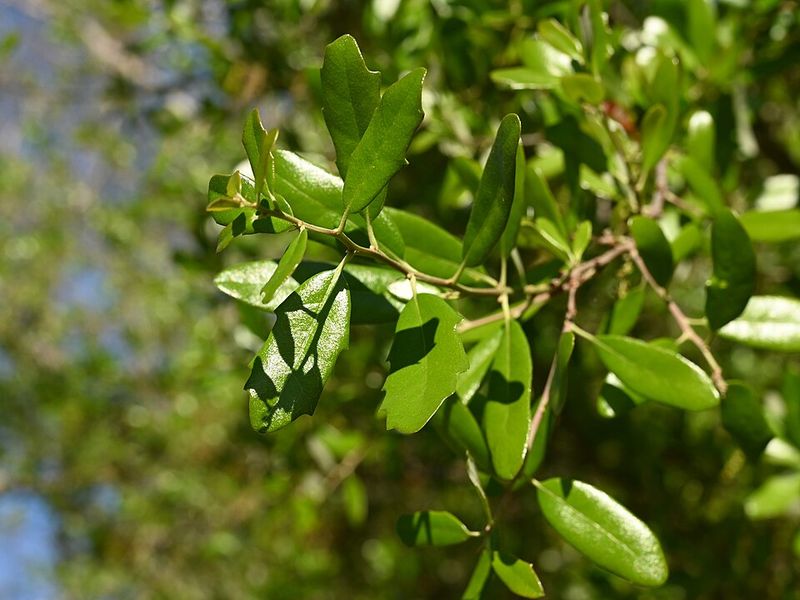
Few trees embody Florida’s natural beauty like the live oak, with its sprawling branches draped in Spanish moss creating cathedral-like canopies. These trees can live for centuries, becoming beloved landmarks that define neighborhoods.
The problem isn’t the tree itself but where people plant it relative to their homes.
Live oaks develop massive root systems that commonly extend well beyond the canopy and far past the dripline. When planted too close to houses, these roots commonly encounter foundations, driveways, and underground pipes.
The roots grow thick and woody, exerting tremendous pressure as they expand, capable of cracking concrete slabs and shifting foundation footings.
In Central Florida’s sandy soils, live oak roots spread wide to anchor the tree against storm winds. Homeowners often plant them fifteen feet from the house, not realizing the tree needs at least thirty to forty feet of clearance to avoid structural conflicts as it matures.
If you love live oaks, plant them as lawn specimens far from structures. For areas closer to your home, consider Slash Pine or Dahoon Holly, which provide Florida character and shade without the massive root spread that threatens foundations over time.
4. Laurel Oak
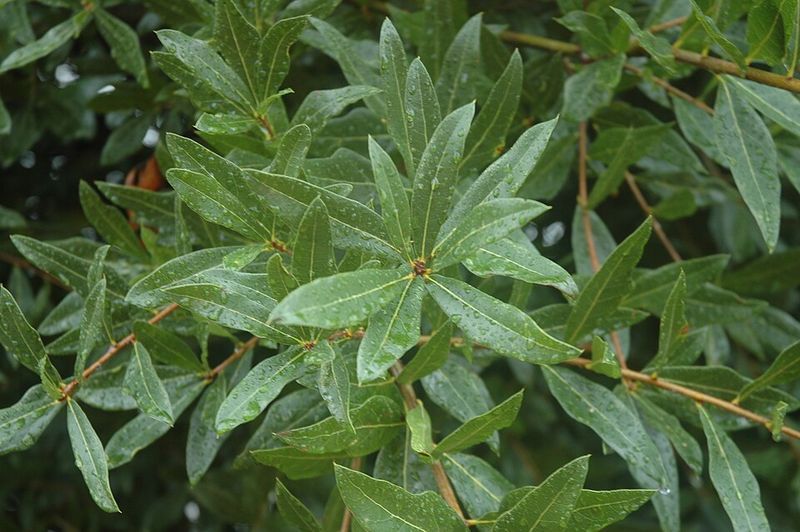
Neighborhoods across Florida feature these fast-growing shade trees lining streets and filling yards with greenery. Laurel oaks grow quickly, which appeals to homeowners wanting instant shade, and they adapt to various soil conditions without much fuss.
Unfortunately, that rapid growth comes with hidden costs that appear years after planting.
The wood tends to be weak and prone to storm damage, but the root system causes the real foundation problems. Laurel oak roots grow aggressively near the surface, especially in areas with high water tables or compacted soil.
These shallow roots lift sidewalks, crack driveways, and infiltrate sewer lines, causing expensive repairs.
In North Florida, where clay soils retain moisture, laurel oak roots spread wide and stay shallow, making them particularly problematic near hardscapes.
The trees also have relatively short lifespans, often declining after thirty to fifty years, meaning you get decades of root damage followed by the expense of removal.
Shumard Oak offers a better choice for Florida landscapes. It grows at a moderate pace, develops stronger wood that resists storm damage, and produces a deeper root system that causes fewer conflicts with foundations and utilities while still providing the shade and stature you want.
5. Weeping Willow
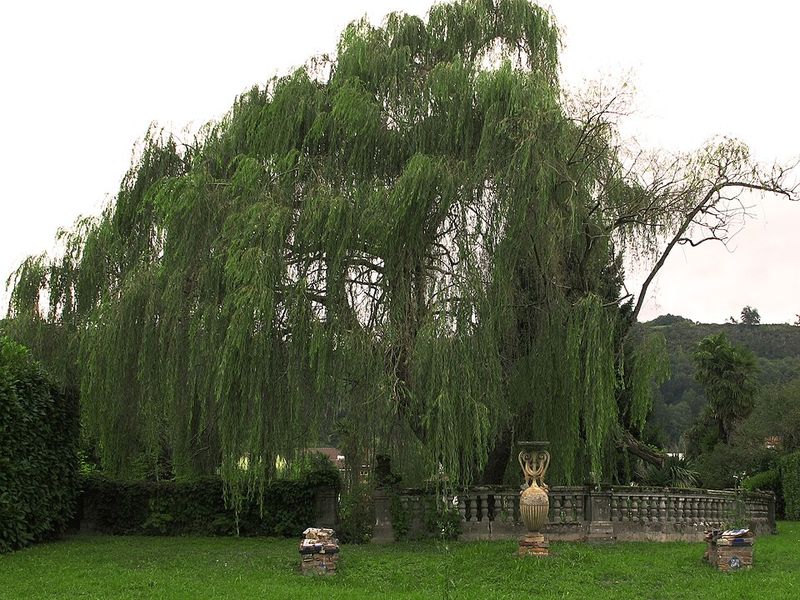
The graceful, cascading branches of a weeping willow create a romantic, almost dreamlike presence in landscapes. Homeowners attracted to this iconic silhouette sometimes plant them near ponds or in low-lying areas of their property.
What makes willows thrive in wet areas also makes them foundation nightmares.
Willow roots aggressively seek water, sending exploratory roots in every direction to find moisture sources. If you have underground pipes, septic systems, or foundation drainage systems, willow roots will find them and infiltrate, causing blockages and structural damage.
The roots can grow dozens of feet from the trunk, far beyond what the canopy suggests.
In South Florida’s high water table conditions, willows spread roots rapidly through the moist soil.
Even properties without visible water features can experience problems because willows detect moisture around foundations, air conditioning condensation lines, and irrigation systems, then grow toward these sources relentlessly.
For waterside plantings, consider Bald Cypress or River Birch. Both tolerate wet conditions beautifully, provide visual interest, and develop root systems that don’t aggressively pursue water sources the way willows do.
You’ll maintain the aesthetic appeal without risking your plumbing and foundation integrity over time.
6. Australian Pine
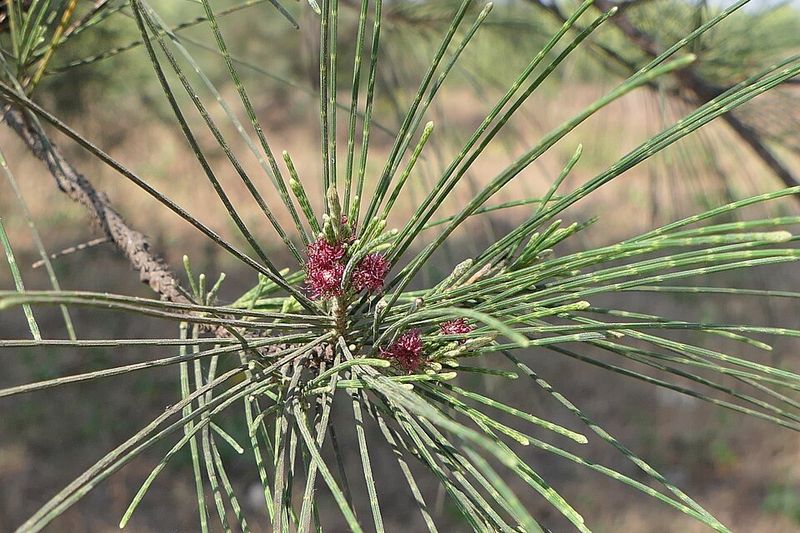
These towering trees line beaches and older neighborhoods, their feathery needles whispering in coastal breezes. Despite the name, they’re not true pines but invasive trees that cause both ecological damage and serious structural problems.
The Florida Exotic Pest Plant Council lists them as Category I invasive species, meaning they’re altering native plant communities across the state.
Australian pines develop shallow, wide-spreading root systems that make them extremely vulnerable to toppling during hurricanes. Before they fall, though, those surface roots wreak havoc on anything nearby.
They lift pavement, crack foundations, and create trip hazards across properties. The roots also release chemicals that inhibit other plants from growing, creating barren zones beneath the canopy.
In coastal areas, these trees displace native dune vegetation that protects against erosion. Their shallow roots can’t stabilize soil the way native species do.
When planted near homes, they pose both immediate foundation threats and long-term storm damage risks that can destroy property.
Native Sand Pine or Slash Pine provide coastal resilience without the invasive problems.
These Florida natives develop appropriate root systems, support local ecosystems, and won’t damage your foundation while still giving you the vertical presence and wind-tolerant characteristics you need in coastal landscapes.
7. Royal Poinciana
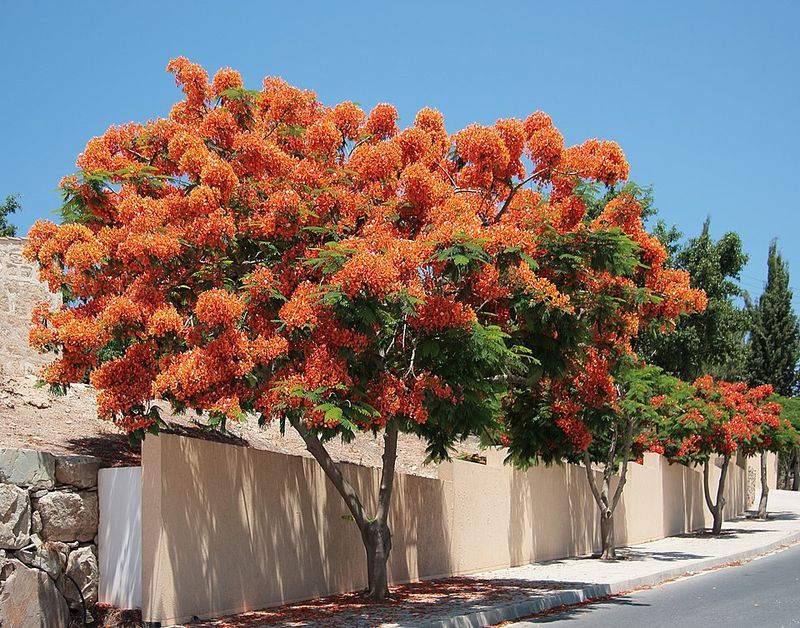
Few trees make a more spectacular statement than a royal poinciana in full bloom, its canopy exploding with brilliant orange-red flowers that stop traffic. This showstopper draws homeowners who want dramatic color and tropical flair.
The visual impact comes with structural consequences that many don’t anticipate until problems appear.
Royal poincianas develop wide, spreading root systems that stay relatively shallow, especially in South Florida’s thin topsoil over limestone. As the tree matures, surface roots become massive, lifting driveways, sidewalks, and even foundation edges.
The roots often extend well beyond the already-wide canopy, affecting hardscapes far from the trunk as the tree matures.
The tree’s growth habit creates another problem: the heavy horizontal branches and shallow roots make it prone to toppling in storms. When planted near homes, this creates both chronic foundation pressure from expanding roots and acute risk during hurricane season.
The combination makes royal poincianas beautiful but problematic near structures.
For spectacular flowering without the foundation risks, consider Tabebuia or Geiger Tree. Both produce stunning blooms, grow to manageable sizes, and develop root systems that respect nearby hardscapes.
You’ll enjoy seasonal color displays without spending years watching your driveway slowly buckle under relentless root pressure.
8. Southern Magnolia
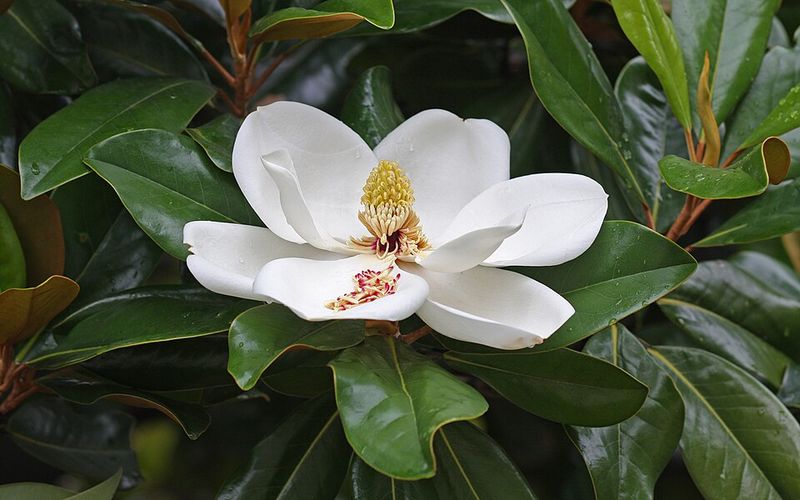
That glossy evergreen with dinner-plate sized white flowers represents Southern elegance, and its year-round foliage provides privacy that homeowners value. Southern magnolias grow throughout Florida, adapting to various conditions while maintaining their stately appearance.
The challenge comes from their size at maturity and how their roots interact with structures.
These trees can reach sixty feet tall with canopies spreading forty feet wide. While not considered aggressively invasive, the root system develops in proportion to the tree’s size, sending thick structural roots outward that can lift foundations, crack driveways, and damage underground utilities when planted too close.
When planted within twenty feet of homes, which happens frequently, conflicts become inevitable as the tree matures.
In Central Florida’s sandy soils, magnolia roots spread wide searching for stability and nutrients. The surface roots become increasingly prominent over time, creating visible ridges in lawns and applying pressure to nearby hardscapes.
The tree’s size also creates maintenance challenges, with large leaves constantly dropping and requiring cleanup.
Sweetbay Magnolia offers similar aesthetic appeal at a smaller scale. This Florida native produces fragrant white flowers, grows to manageable heights, and develops a more compact root system.
You’ll get the magnolia character and evergreen screening without the foundation-threatening root spread that comes with the Southern magnolia’s impressive but problematic size.
9. Bamboo (Running Varieties)
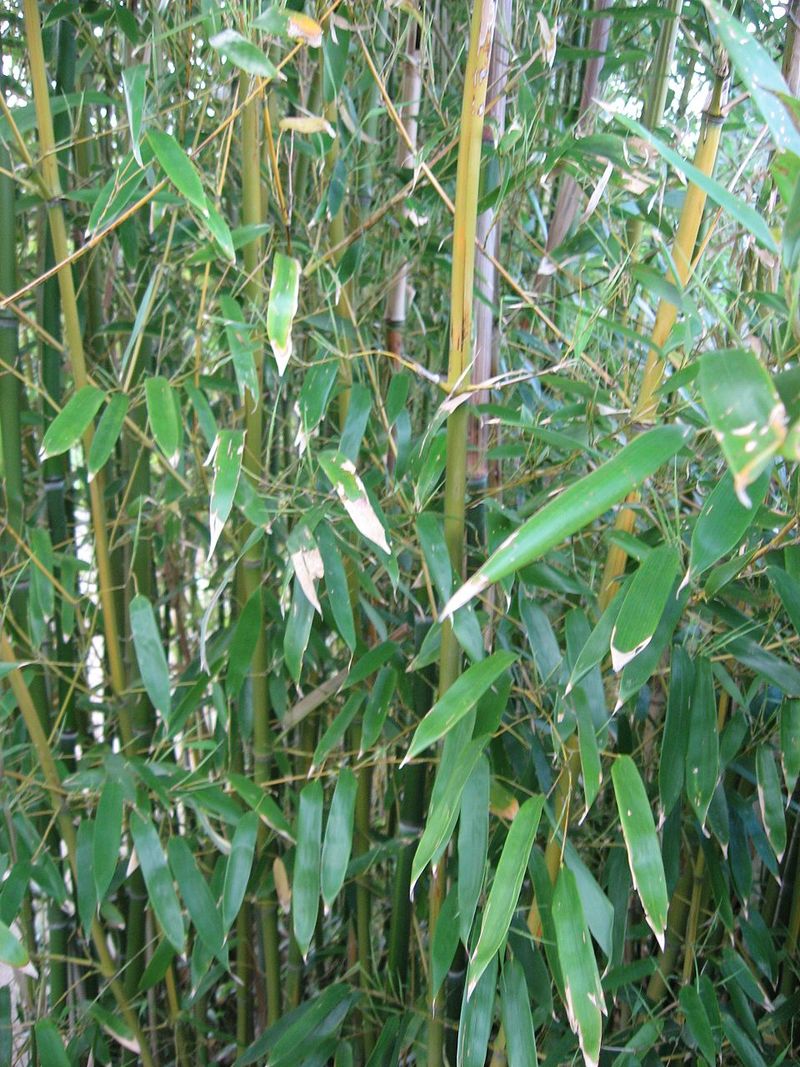
Bamboo creates instant tropical ambiance and privacy screens that grow remarkably fast, which explains its popularity in Florida landscapes. Homeowners plant it along property lines or near patios, expecting a controlled, elegant screen.
Running bamboo varieties have other plans entirely, sending underground rhizomes in every direction with unstoppable determination.
These rhizomes travel underground, sometimes dozens of feet from the original planting, then send up new shoots wherever they go. They can penetrate foundations, lift pavement, invade neighbor’s yards, and create dense thickets that become nearly impossible to remove.
The rhizomes can lift and damage pavement, edging, and thin concrete surfaces as they expand.
In Florida’s warm, moist climate, running bamboo spreads aggressively year-round without the winter dormancy that slows it in northern climates. What starts as a contained planting often becomes an aggressive spread problem that damages structures and relationships with neighbors.
Root barriers rarely contain the spread effectively, and removal requires excavating extensive areas.
Clumping bamboo varieties like Bambusa multiplex stay contained without spreading rhizomes. Alternatively, consider Areca Palm or Fishtail Palm for tropical screening.
These provide the vertical presence and privacy you want while developing root systems that stay where you plant them, protecting your foundation and your peace of mind.
10. Melaleuca (Paperbark Tree)
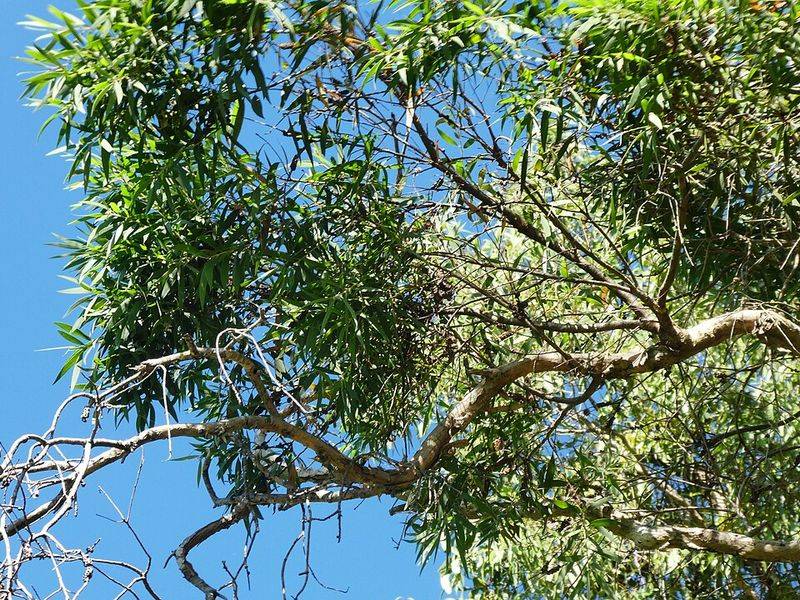
The distinctive papery bark peeling in layers makes melaleuca trees visually interesting, and their tolerance for wet conditions led to widespread planting across Florida decades ago. That decision became one of Florida’s most serious invasive species disasters.
The Florida Exotic Pest Plant Council lists melaleuca as a Category I invasive, and active removal programs work to eliminate it statewide.
Melaleuca trees produce millions of seeds and spread aggressively into wetlands, displacing native vegetation and altering entire ecosystems. Near homes, they develop dense, aggressive root systems that damage foundations, invade septic systems, and lift hardscapes.
The roots spread rapidly through Florida’s moist soils, especially in areas with high water tables.
These trees also create fire hazards because the papery bark and oil-rich leaves burn intensely. Planting or maintaining melaleuca on your property isn’t just structurally risky; it’s environmentally irresponsible.
The species is strongly discouraged statewide and is actively targeted by state and county removal programs when found on residential properties.
If you have melaleuca, work with professionals to remove it and replace it with native alternatives like Pond Cypress or Red Maple. Both tolerate wet conditions, support Florida ecosystems, and develop root systems that won’t threaten your foundation.
You’ll protect your property value while contributing to Florida’s environmental restoration efforts.
Choosing Florida-friendly plants recommended by UF/IFAS Extension not only protects your foundation, but also reduces storm damage risk and supports native wildlife habitat.