7 Plants That Should Be Left Alone After Freeze Damage In Florida
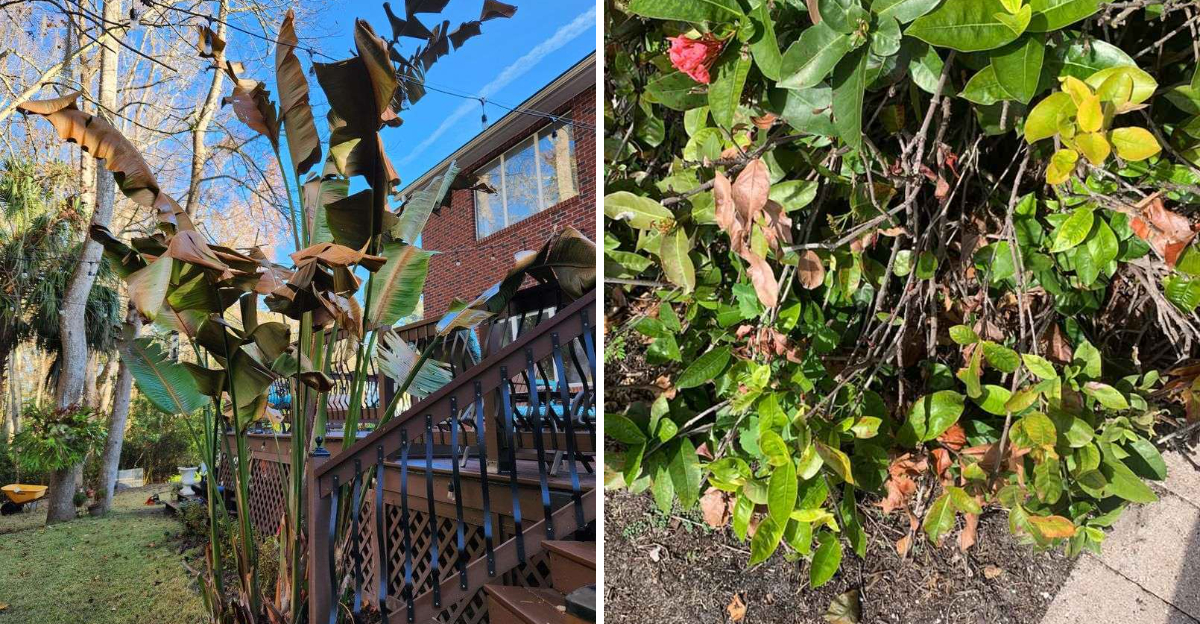
Florida gardeners know that feeling all too well: you walk outside after a cold night and your once-lush tropical plants look like they have given up entirely.
Blackened leaves, drooping stems, and bare branches can make even the most experienced gardener reach for the pruning shears.
But before you start cutting, there is something really important to know: many of Florida’s favorite landscape plants are far tougher than they look after a freeze.
Patience is one of the most powerful tools a Florida gardener can have, and giving your plants time to recover on their own can mean the difference between a full comeback and losing a plant that was still very much alive.
Florida’s warm climate means that most freeze events are temporary, and the soil rarely gets cold enough to finish off a well-established root system.
So take a breath, step back, and read on before touching a single stem.
1. Hibiscus Often Looks Worse Than It Really Is
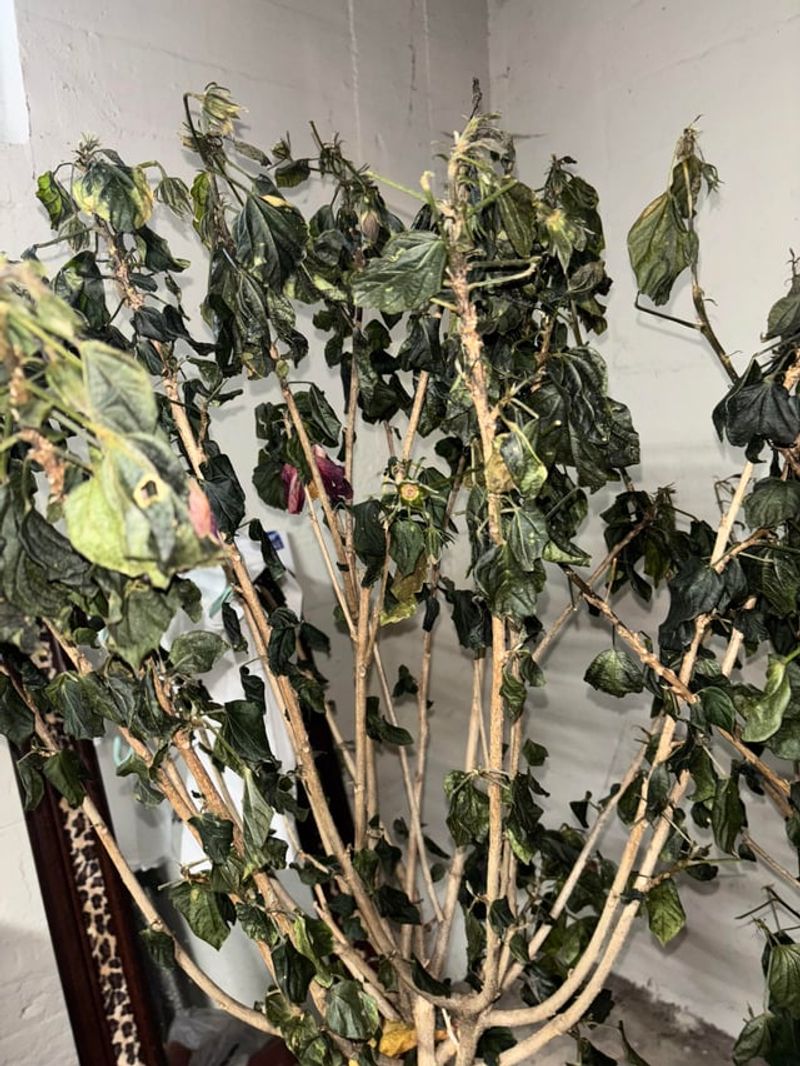
Few sights are more discouraging for a Florida gardener than a hibiscus that has turned into a tangle of brown, leafless sticks overnight. Tropical hibiscus is one of the most popular flowering shrubs in Florida, prized for its huge, colorful blooms and fast growth.
After a freeze, it can look completely finished, but looks can be very deceiving with this plant.
The key thing to understand is that tropical hibiscus often survives in its lower stems and root system even when the top growth appears completely gone. According to the University of Florida IFAS Extension, gardeners should resist the urge to prune right away after a cold event.
Cutting too soon removes the damaged tissue that actually acts as a natural insulator, protecting the live wood underneath from any follow-up cold snaps that might still be coming.
Florida winters can be unpredictable, especially in Central and North Florida, where temperatures can dip again in late January or even February. Waiting until late February or early March before doing any pruning gives the plant the best possible chance.
Once warmer temperatures settle in, scratch the bark on a few stems gently with your fingernail. If you see green tissue underneath, that branch is still alive and worth keeping.
New leaf buds will often appear along the lower stems first, giving you a clear signal that recovery is underway. Many Florida gardeners are surprised by just how much of their hibiscus bounces back once spring warmth arrives.
Hold off, watch, and let the plant show you what it can do.
2. Bougainvillea Usually Bounces Back With Time
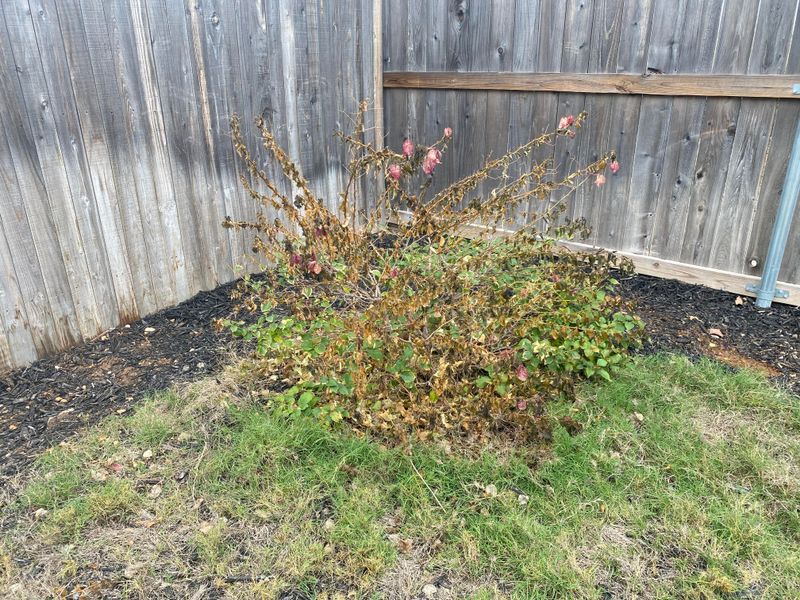
Walk past a freeze-damaged bougainvillea in a Florida yard and you might think it is completely finished. The papery bracts and leaves that made it so spectacular just weeks ago may now be brown, shriveled, and falling off in handfuls.
But bougainvillea is one of the most resilient plants in the Florida landscape, and its dramatic post-freeze appearance rarely tells the whole story.
Native to South America, bougainvillea has developed a tough, woody root system that can survive significant cold stress. In Florida, even plants that lose all of their foliage after a freeze frequently push out fresh new growth from the base of the plant or along lower stems once temperatures climb back into the comfortable range.
The University of Florida IFAS Extension notes that bougainvillea is particularly prone to looking worse than it actually is after cold weather.
Resist pruning until you are confident that no more cold nights are on the way, which in many parts of Florida means waiting until March. Cutting back too early not only removes the protective layer of damaged stems but also stimulates tender new growth that could be vulnerable if another cold night arrives.
Once spring is clearly established, prune back the withered wood to just above a healthy bud or green stem.
Bougainvillea that gets a little extra mulch around the root zone during winter tends to fare even better. Florida gardeners who have been through this before often say the biggest mistake is giving up on bougainvillea too soon.
Give it time and it will likely reward your patience with a spectacular flush of color.
3. Bird Of Paradise Can Recover From Root Growth
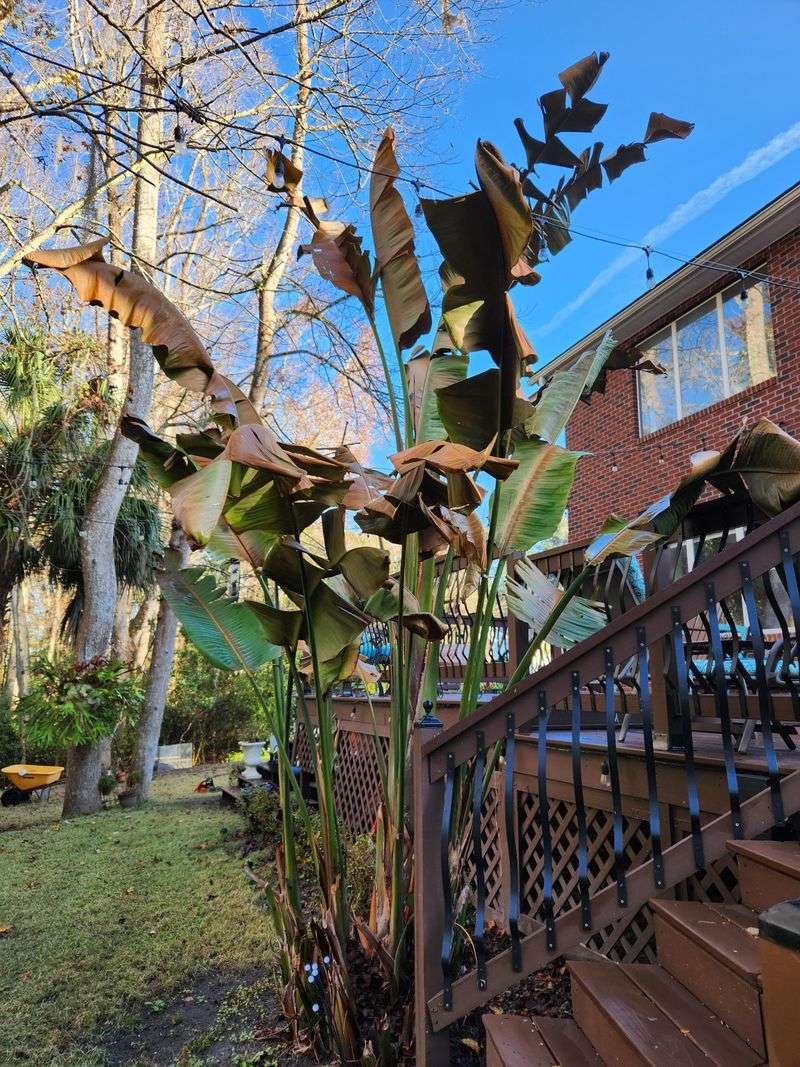
Seeing a Bird of Paradise plant collapsed flat on the ground after a Florida freeze is genuinely alarming. Those bold, architectural leaves that gave your garden such a tropical feel can turn to mush seemingly overnight when temperatures drop low enough.
Yet underneath all that sad-looking foliage, something important is often still very much intact.
Bird of Paradise, known botanically as Strelitzia reginae or Strelitzia nicolai depending on the variety, stores a significant amount of energy in its thick, fleshy root system. Even when the entire above-ground portion of the plant collapses after a freeze, those roots are often unharmed in Florida’s relatively mild soil conditions.
The University of Florida IFAS Extension recommends leaving damaged foliage in place through the remainder of winter, since the wilted leaves help insulate the crown and roots from any additional cold nights.
Once spring arrives and soil temperatures begin to rise, fresh shoots frequently emerge directly from the base of the plant. These new shoots can grow quickly once the weather cooperates, sometimes reaching a foot or more in just a few weeks.
Gardeners who prune too early often cut off the very parts of the plant that were about to send up new growth.
Patience really is the secret ingredient here. Florida’s warm spring weather tends to arrive reliably, and Bird of Paradise responds enthusiastically once it feels that warmth in the soil.
Adding a layer of mulch around the base after a freeze can help retain soil warmth and encourage faster recovery when the time is right.
4. Firebush May Resprout Even After Severe Damage
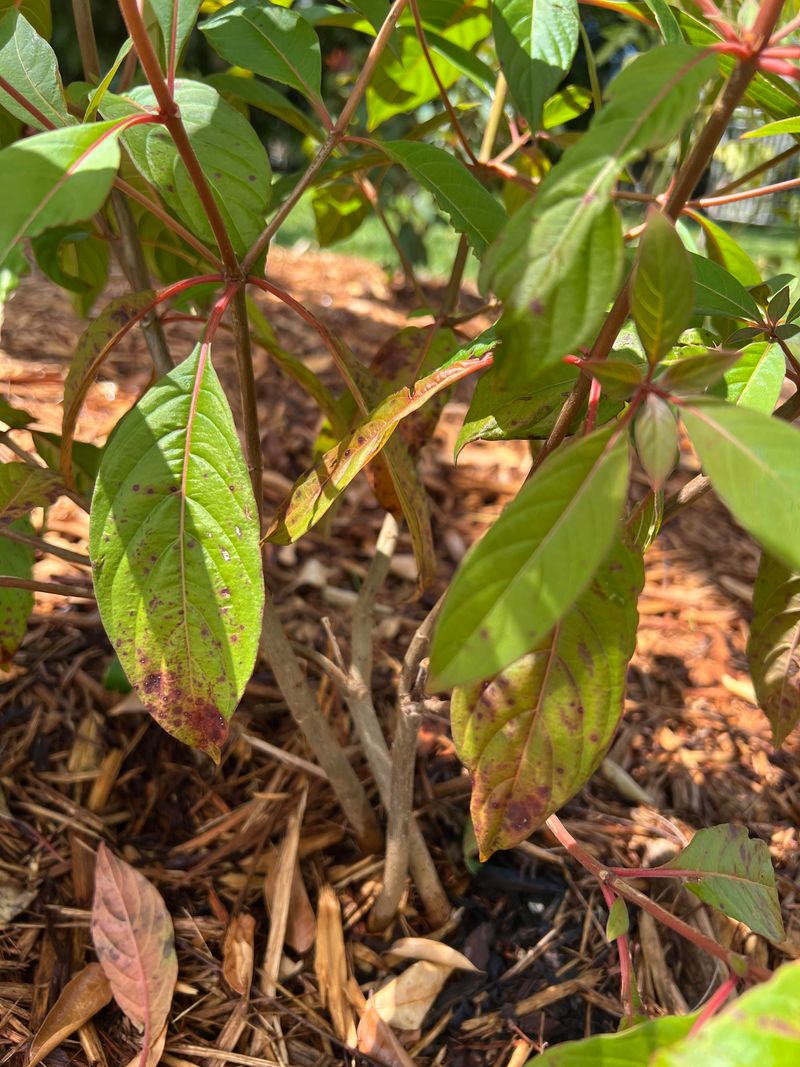
Firebush is one of those plants that Florida gardeners absolutely love for its bright orange-red tubular flowers and its ability to attract hummingbirds and butterflies throughout the warm months. After a hard freeze, though, it can look absolutely devastating, with stems turning black and foliage melting away almost completely.
Seeing a favorite firebush in that state makes it tempting to pull the whole thing out and start fresh.
Stop right there. Firebush, or Hamelia patens, is a Florida native that has evolved to handle periodic cold snaps.
Even when the entire above-ground structure appears to be gone, the root crown and underground portions of the plant can survive and send up vigorous new growth once conditions improve. This is actually a fairly common pattern with many Florida native shrubs, and firebush is one of the best examples of it.
The University of Florida IFAS Extension specifically mentions firebush as a plant that often experiences significant top dieback during freezes but recovers reliably from the base. Leaving the damaged stems in place through winter helps protect the crown from further cold exposure.
Once the danger of frost has passed, typically by late February or early March in North Florida and somewhat earlier in Central and South Florida, you can cut the withered stems back to the ground.
Within weeks of that pruning, new green shoots will often push up from the base with impressive speed. Florida gardeners who have seen firebush come back from what looked like total loss are rarely surprised by this resilience anymore.
Trust the process and give it room to recover.
5. Plumbago Frequently Returns After Cold Snaps
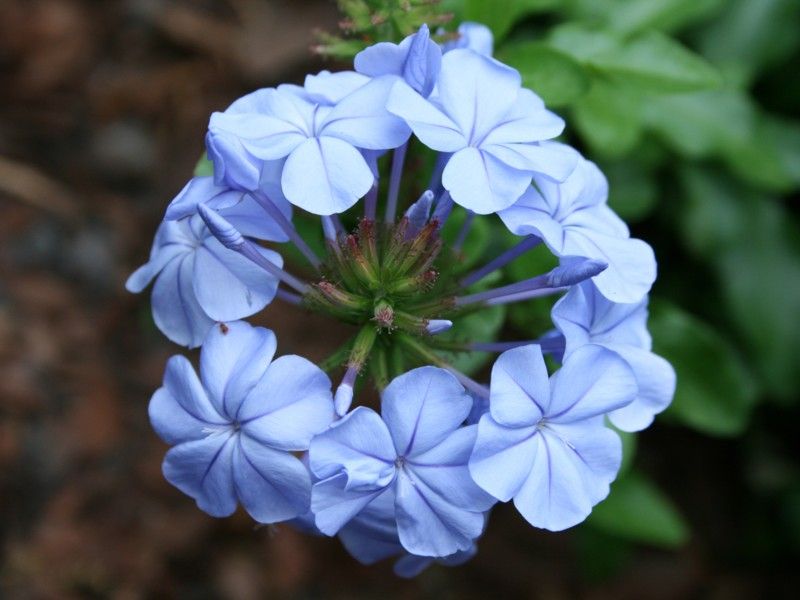
Anyone who has grown plumbago in a Florida garden knows how satisfying it is to have those clusters of sky-blue flowers blooming almost year-round. After a freeze, though, plumbago can look like it has completely given up, with foliage turning brown and stems going limp almost overnight.
The temptation to cut it all back immediately is understandable, but waiting is almost always the smarter move.
Plumbago auriculata is a tough subtropical shrub that handles Florida’s occasional cold snaps better than its post-freeze appearance suggests. While the top growth may look completely gone, the lower stems and root system often remain viable and ready to push out new growth as soon as warmer weather returns.
Florida gardeners in Central and South Florida tend to see faster recoveries because their winters are shorter and milder, but even North Florida plumbago can bounce back impressively.
The University of Florida IFAS Extension advises holding off on any significant pruning until new growth is clearly visible, which usually happens in late winter or early spring. Cutting too soon can remove stems that still have living tissue inside, and it also exposes the plant to any late-season cold that might still be coming.
A light scratch test on the stems, checking for green underneath the brown outer layer, can help you figure out how much of the plant is still alive.
Once you see new leaves beginning to unfurl along the stems, that is your cue to trim away only the clearly gone portions. Plumbago tends to fill back in quickly once Florida’s warm spring weather takes hold.
A little mulch around the base during winter can also make a noticeable difference in how fast recovery happens.
6. Ixora Needs Patience Before Any Pruning
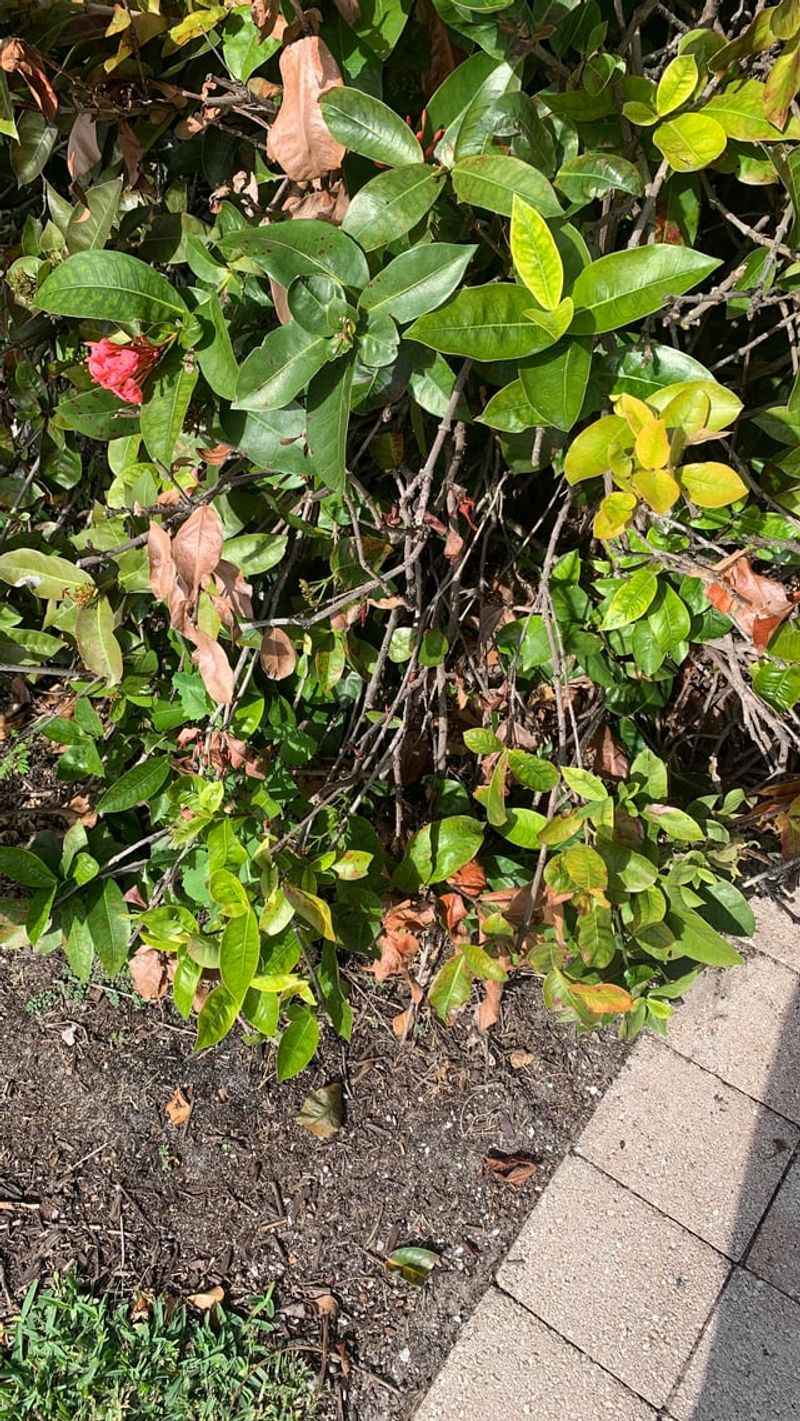
Ixora is one of those shrubs that defines the look of a well-maintained Florida landscape, with its dense clusters of tiny red, orange, or pink flowers and its glossy green foliage. After a freeze, ixora can look absolutely terrible, with leaves turning brown and papery and the whole plant taking on a scorched appearance.
Many Florida homeowners make the mistake of cutting it back hard right away, not realizing the plant might have been perfectly capable of recovering on its own.
Tropical ixora is sensitive to cold, and it does not hide that sensitivity well. However, the woody stems and established root system of a mature ixora plant can often survive temperatures that destroy the foliage entirely.
The University of Florida IFAS Extension recommends waiting until late winter or early spring before assessing the true extent of the damage and deciding how much to prune.
One reason patience matters so much with ixora is that new growth tends to emerge slowly, sometimes taking several weeks longer than other shrubs to show signs of recovery. Gardeners who give up too early and remove the plant entirely often find out later that their neighbors’ identical ixoras came back just fine.
Florida’s spring warmth is usually enough to trigger recovery, especially in Central and South Florida where freezes tend to be shorter in duration.
When you do finally prune, cut back only to where you can see healthy green wood. Avoid fertilizing right after a freeze, since pushing new growth too early can make the plant more vulnerable if another cold night arrives.
Let ixora set its own pace, and the results are usually worth the wait.
7. Crotons Can Surprise Gardeners With Late Recovery
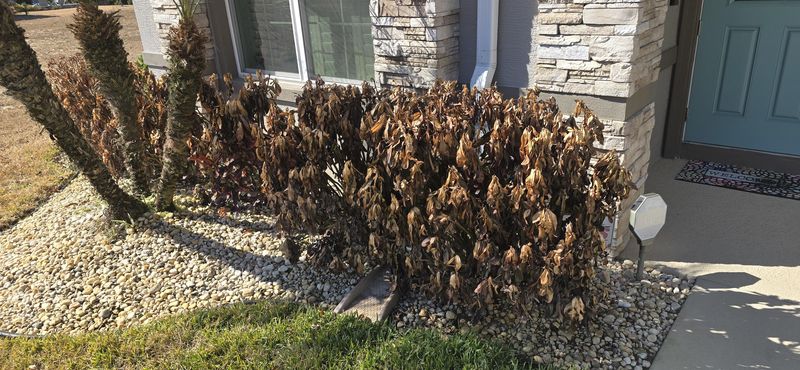
Nothing brightens up a Florida garden quite like a croton in full color, with its bold mix of red, orange, yellow, and green leaves that seem almost too vivid to be real. A freeze can strip all of that color away practically overnight, leaving behind bare, awkward-looking stems that seem to have nothing left to offer.
For gardeners who invested in large, established croton plants, that sight can feel like a real loss.
Here is the thing about crotons: they are genuinely tricky to read after cold damage. Unlike some plants that show quick signs of recovery, crotons often take their time before putting out new growth.
Weeks can pass without any visible change, leading gardeners to assume the plant is gone when it is actually just waiting for the right conditions to respond. Florida’s unpredictable late-winter weather makes crotons especially cautious about sending out new growth too early.
The University of Florida IFAS Extension notes that crotons can drop all of their leaves after a freeze and still recover from the stems or even from the root zone. Leaving the bare stems in place through winter is important because they continue to protect the plant from any additional cold snaps.
Removing them too soon eliminates that protection and can also remove stem tissue that was still alive and preparing to bud out.
Once nighttime temperatures in Florida consistently stay above 50 degrees Fahrenheit, watch the stems closely for small leaf buds forming along the nodes. Those tiny buds are the signal you have been waiting for.
Crotons that get through a Florida winter and come back on their own tend to be even more robust in the seasons that follow.