10 Plants That Struggle In Texas Clay Soil
Any Texan gardener knows the satisfaction of planting a new crop – then the frustration when it doesn’t seem to grow.
Much of that struggle comes from the heavy clay soil that dominates many yards in the Lone Star State.
This dense soil can be difficult to work, especially after rain, and can compact easily, making it hard for roots to spread freely.
Certain vegetables and flowers just don’t thrive in dense, poorly draining clay. Understanding which plants struggle and why can save you time, money, and a lot of extra sweat in the garden.
If you’re ready to plan smarter this season, focusing on what grows well versus what battles the soil will make your garden more productive and easier to maintain. Here’s a list of plants that typically struggle in Texas clay.
1. Carrots Struggling In Heavy Clay
Few vegetables are as picky about their growing conditions as carrots. In Texas clay soil, these popular root vegetables face a tough battle from the very start.
Clay is so dense and compacted that young carrot roots simply cannot push straight down the way they need to.
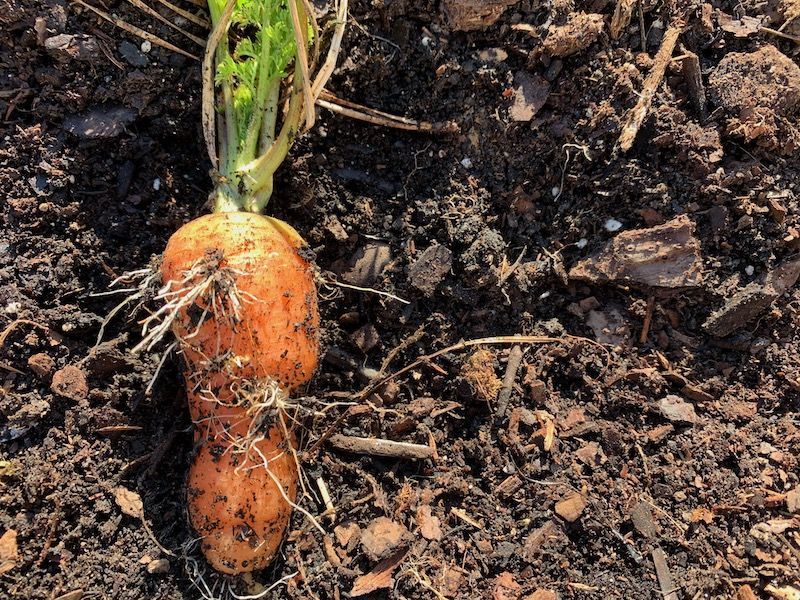
Instead of growing long and smooth, carrots grown in clay often come out short, twisted, or forked. The heavy soil resists the downward growth of the taproot, forcing it to bend and split in odd directions.
You might pull up what looks like a bunch of tiny, gnarled fingers instead of the straight orange roots you were hoping for.
Poor drainage in clay soil also causes water to sit around the roots for too long, which can lead to rotting before the carrot even matures. Texas summers can make clay soil very hard when it dries out, which can further restrict root growth.
Raised beds filled with loose, sandy loam or a mix of compost and sand are a much better option for growing carrots across Texas. Amending your existing garden bed with several inches of compost can also help loosen the soil enough to give carrots a fighting chance.
2. Radishes Fighting Dense Soil
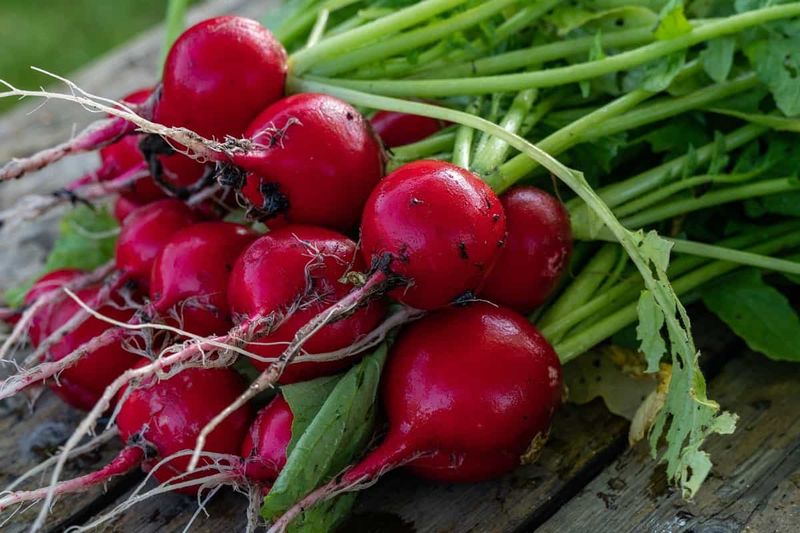
Often recommended as a beginner-friendly vegetable, radishes grow fast, but clay soil in Texas can make even this simple crop frustrating. Like carrots, radishes are root vegetables that need loose, well-draining soil to form properly round and smooth bulbs.
When radishes try to grow in heavy clay, the roots cannot expand freely. The result is often small, misshapen radishes with tough, woody textures that are not very pleasant to eat.
The compacted soil physically prevents the bulb from swelling to its full size, and the lack of oxygen in the dense ground stresses the plant overall.
Waterlogging is another real problem for radishes in Texas clay. After a heavy rain, water tends to pool around the roots, making them vulnerable to fungal issues and soft rot.
The extreme heat of a Texas summer dries the clay into hard clumps that crack around the roots, further damaging the developing vegetable. To grow radishes successfully across Texas, try planting them in raised beds or containers filled with a well-draining mix.
Adding coarse sand and compost to your native clay can also improve texture enough for short-rooted radish varieties to do reasonably well.
3. Potatoes Stressed By Poor Drainage
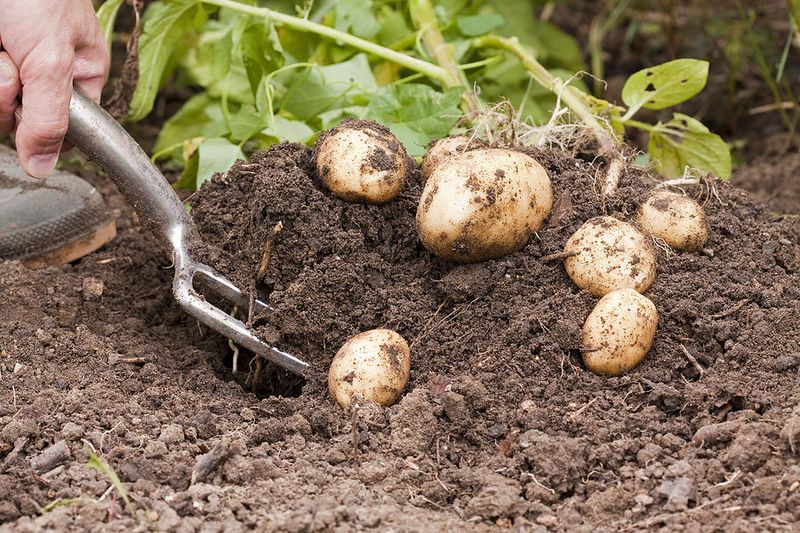
Needing room to spread out underground, potatoes struggle in Texas clay soil, making growth nearly impossible. These starchy favorites grow from tubers that expand in all directions, requiring loose, well-aerated soil to reach a decent size.
Clay soil simply does not give them that freedom.
When potatoes are planted in clay-heavy Texas gardens, the tubers end up small and misshapen because the surrounding soil is too firm to allow proper expansion. The lack of drainage also means water sits around the developing potatoes, which creates conditions where fungal diseases and rot can take hold quickly.
High temperatures in Texas can further stress potatoes growing in dense clay soil.
Another issue is that clay soil tends to crust over after watering or rain, which cuts off the oxygen supply that potato roots and developing tubers depend on. Without good air circulation in the soil, potatoes struggle to grow healthy and large.
Many experienced Texas gardeners have switched to growing potatoes in raised beds, fabric grow bags, or specially built mounds of amended soil. A mixture of compost, aged manure, and coarse sand creates the light, fluffy growing environment that potatoes love.
If you are set on using your in-ground garden, work in at least 6 to 8 inches of organic matter before planting.
4. Beets Battling Clay Challenges
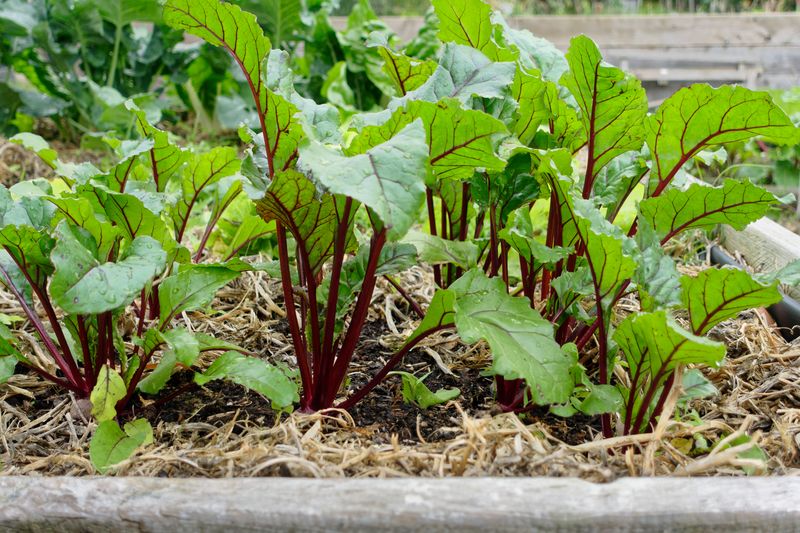
Packed with nutrients and natural sweetness, beets can be a real challenge to grow in Texas clay soil. Like other root vegetables, beets need soft, loose earth so their round globes can swell and develop evenly.
Clay soil fights against that process every step of the way.
When beet roots hit the resistance of compacted clay, they tend to stay small or develop irregular, lumpy shapes. The texture of the harvested beet can also suffer, becoming tough and stringy instead of smooth and tender.
Gardeners across Texas often notice that their beets look more like golf balls than the plump, round vegetables seen at the grocery store.
Beyond poor shape, waterlogged clay soil increases the chances of crown rot and other fungal issues that attack beets at the soil line. The roots also have trouble absorbing nutrients properly when the soil structure is too tight and poorly oxygenated.
Loosening the soil with compost and coarse sand to a depth of at least 12 inches before planting can make a significant difference. Growing beets in raised garden beds is one of the most reliable ways to enjoy a good harvest in Texas.
Shorter, rounder beet varieties tend to handle amended clay conditions a little better than longer cylindrical types.
5. Onions Struggling To Thrive
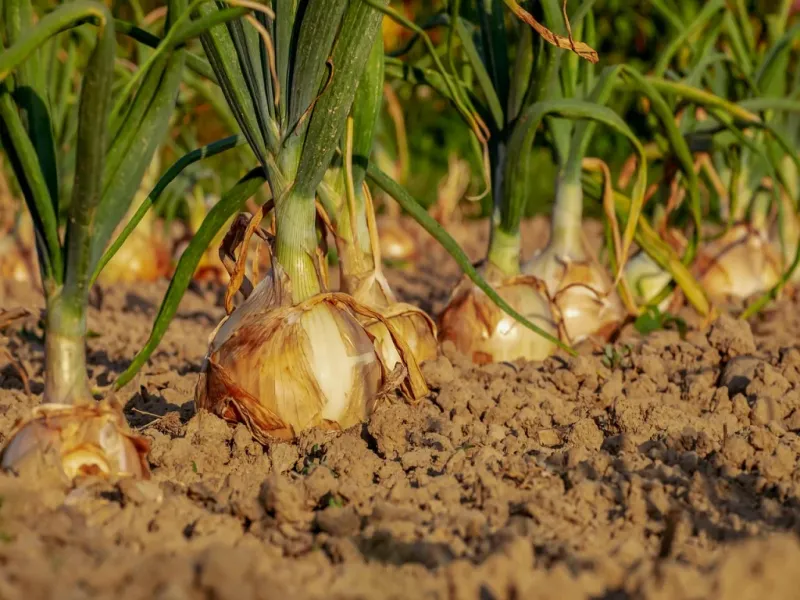
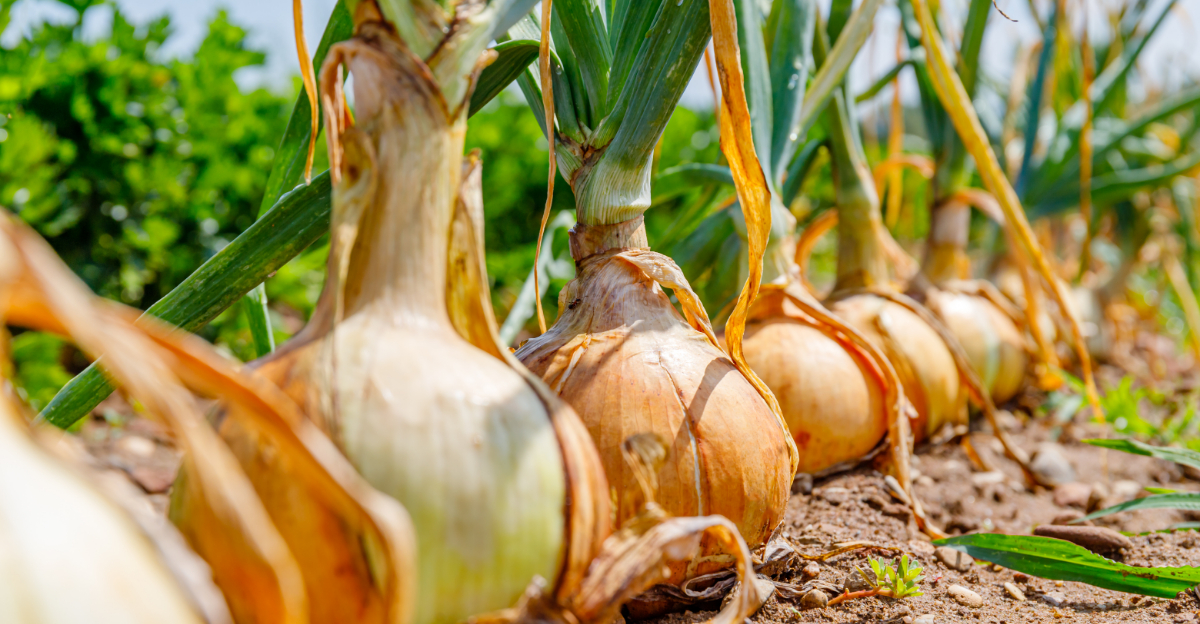
A staple in kitchens all over Texas, onions can be harder to grow big and flavorful in clay soil than most people expect. Onion bulbs develop just below the soil surface and need loose, well-draining ground to form properly.
Heavy clay restricts their growth and holds onto moisture far longer than onions prefer.
One of the most noticeable problems with growing onions in Texas clay is that the bulbs tend to stay small. The dense soil prevents the layers of the onion from expanding outward, which limits the final size of your harvest.
Wet clay also encourages neck rot and fungal diseases that can ruin an entire crop before you even get to harvest day.
Clay soil in Texas can also affect onion flavor. When roots cannot spread freely to absorb nutrients efficiently, the plant produces weaker, less flavorful bulbs.
Onions are also sensitive to soil pH, and Texas clay often leans toward alkaline conditions that onions do not love. Working compost into your garden bed and mixing in some sulfur to balance the pH can help.
Many Texas gardeners find the best onion results come from raised beds or rows built up with a blend of sandy loam, compost, and a slow-release fertilizer designed for bulb vegetables.
6. Leeks Suffering In Dense Ground
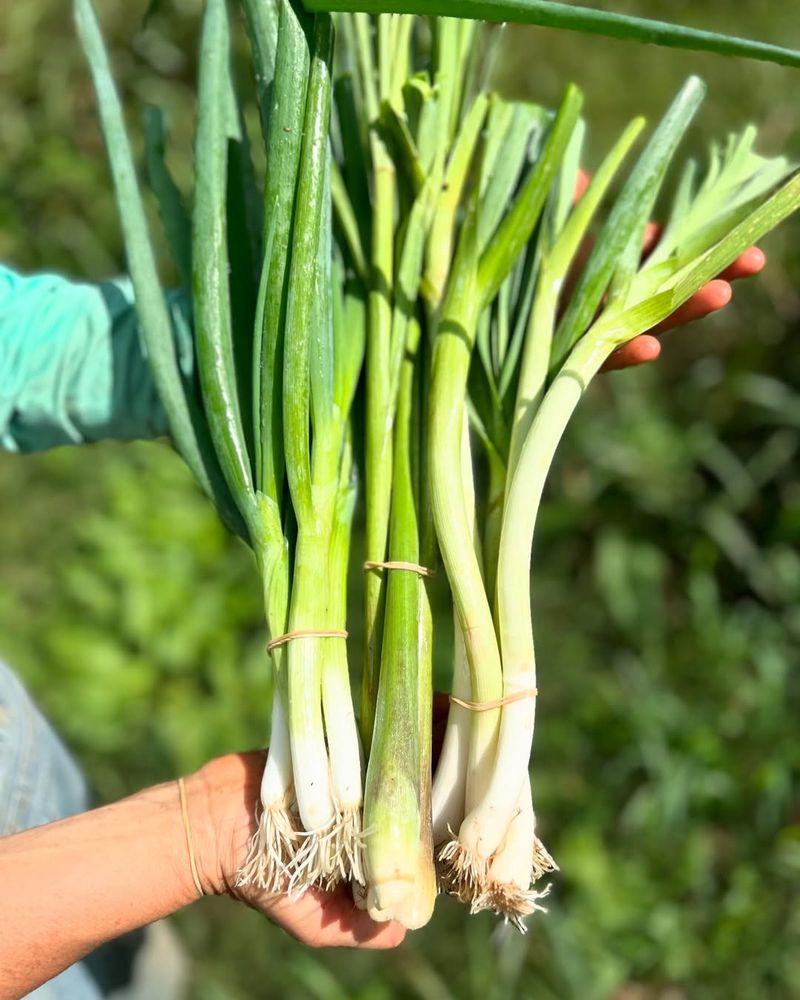
Leeks have a reputation for being a tough, cold-hardy vegetable, but even they have their limits when it comes to Texas clay soil. These tall, mild-flavored members of the onion family need deep, loose soil to develop long, thick white shanks.
Clay soil makes both of those things very difficult to achieve.
The edible part of a leek is the long white stem that forms below the soil surface. For that stem to grow long and tender, it needs to push down into soft, well-aerated earth.
When the soil is heavy clay, the leek cannot penetrate deeply, which results in short, tough stems with very little of the prized white section that cooks love to use.
Texas clay also tends to stay wet for extended periods after rainfall, and leeks are surprisingly sensitive to waterlogged roots. Prolonged moisture around the base of the plant encourages rot and fungal infections that can spread quickly through a leek patch.
Planting leeks in raised beds or in deep containers filled with a mix of compost and loamy soil is the smartest approach for Texas gardeners. Hilling up loose soil or compost around the base of leeks as they grow can also help lengthen the white shank even in less-than-ideal conditions.
7. Parsnips Fighting Compacted Soil
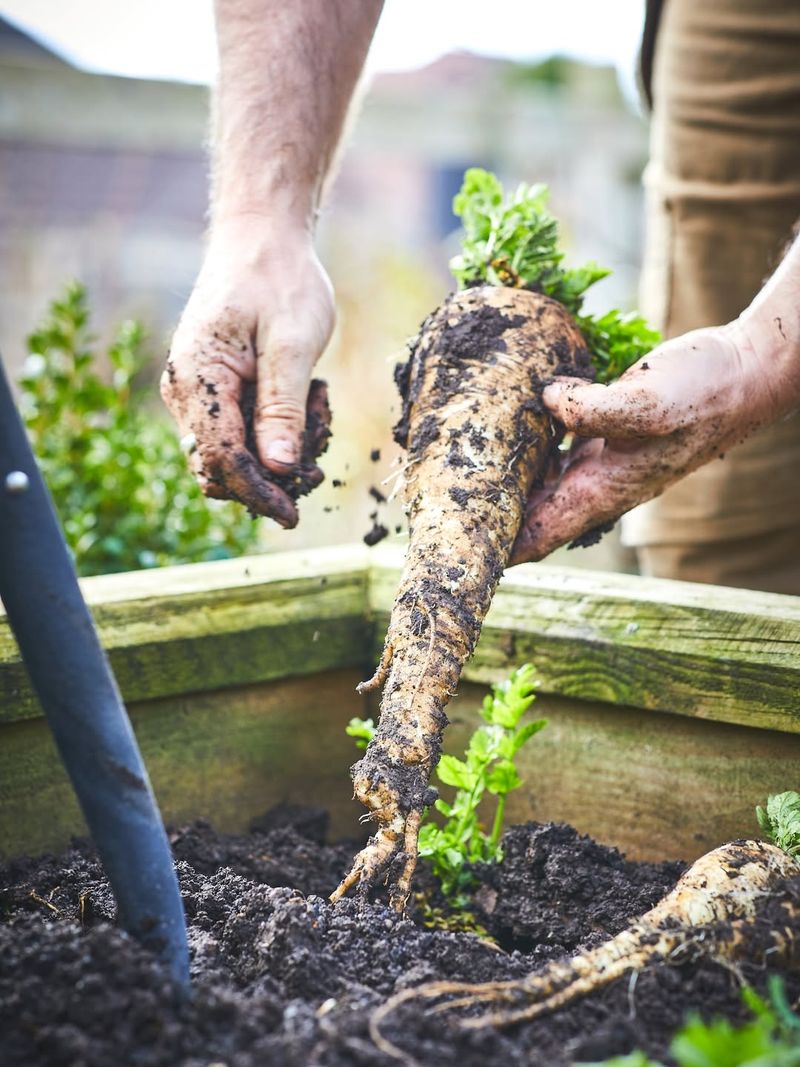
Highly dependent on deep roots, parsnips find Texas clay soil to be one of their worst enemies. A healthy parsnip root can reach 12 to 18 inches deep in ideal conditions, but clay soil stops that downward journey almost immediately.
When parsnips encounter the resistance of compacted clay, the roots fork, twist, and branch out sideways instead of growing straight down. The result is a tangled mess of thin, fibrous roots rather than the long, creamy white taproots that make parsnips worth growing.
Even getting the seeds to germinate properly can be tricky in clay, since the crusty soil surface can prevent seedlings from emerging successfully.
Parsnips have a relatively long growing season, and clay soil can make root development more challenging over time. Gardeners in Texas who want to try parsnips should invest in a deep raised bed filled with loose, well-draining soil.
Double-digging the garden bed and working in generous amounts of compost and coarse sand to a depth of at least 18 inches gives parsnips the best possible chance. Patience and proper soil preparation are the two most important ingredients for parsnip success in Texas.
8. Asparagus Struggling With Clay Roots
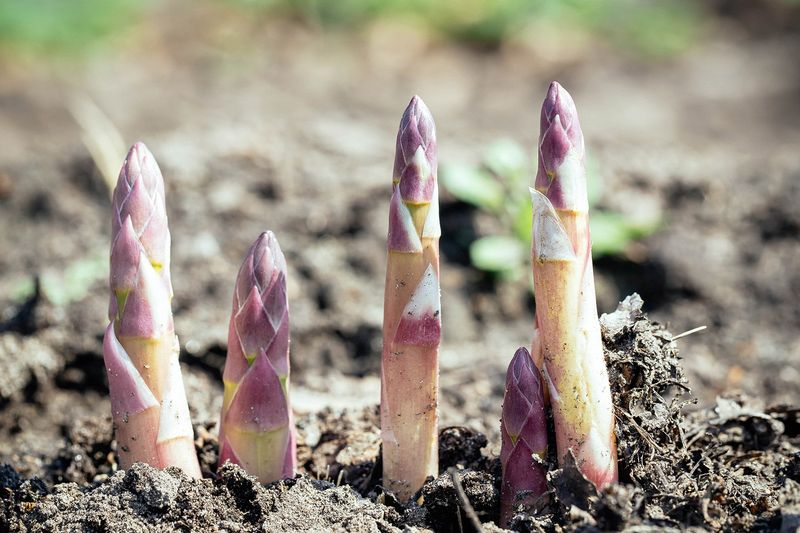
A long-term investment in your garden, asparagus can produce delicious spears for 15 to 20 years once established. The catch is that it needs excellent drainage and deep, loose soil to thrive, two things that Texas clay soil rarely provides.
Asparagus crowns are planted several inches deep and spread their fleshy roots outward over a wide area. In clay soil, those roots hit resistance almost immediately and struggle to establish the strong root system that asparagus needs for long-term productivity.
Poorly drained clay can leave crowns sitting in water after rain, increasing the risk of rot and reducing long-term productivity.
Texas summers add another layer of difficulty. When clay bakes dry in the intense heat, it contracts and cracks, which can physically damage the shallow root system of asparagus.
Many Texas gardeners who have tried asparagus in clay soil report thin, weak spears and short-lived plants that never reach their full potential. Building a dedicated raised bed at least 12 to 18 inches deep, filled with a rich mix of compost, sandy loam, and aged manure, gives asparagus the foundation it needs.
Good drainage is the single most important factor for growing this vegetable successfully anywhere in Texas.
9. Garlic Needing Better Drainage
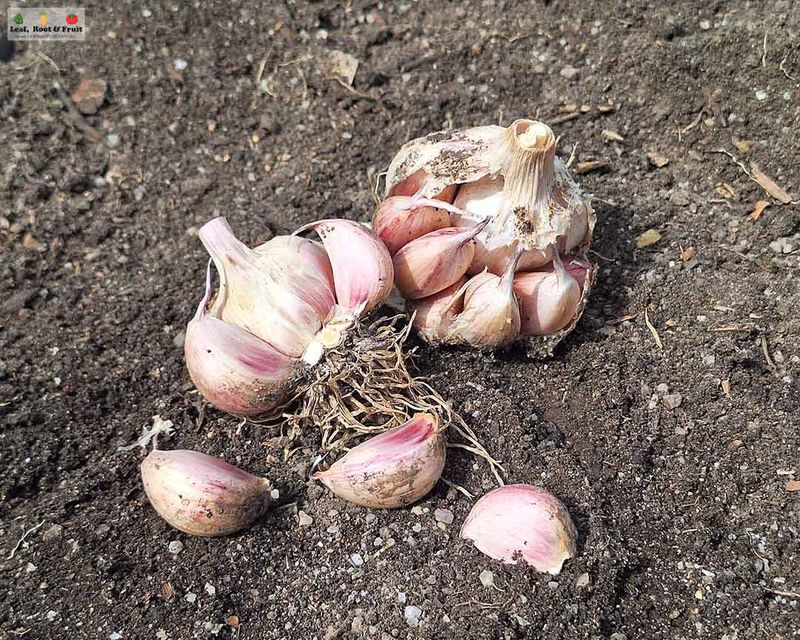
Beloved by cooks everywhere, garlic is also a favorite for Texas gardeners to grow. But clay soil creates a surprisingly tough environment for garlic to produce the plump, well-formed bulbs that make it worth growing.
The dense, compacted nature of clay prevents garlic cloves from expanding into full-sized heads.
When garlic is planted in clay-heavy Texas soil, the developing bulb cannot push outward as it grows. The cloves end up small, tightly packed, and difficult to separate.
Bulb size may be smaller than expected when garlic is grown in dense clay soil without soil amendments. Poor drainage in clay also keeps the soil too moist around the bulb, which encourages fungal diseases like white rot that can wipe out an entire garlic crop.
Garlic also prefers slightly acidic to neutral soil, and Texas clay tends to be on the alkaline side, which further limits nutrient availability. The good news is that garlic responds really well to soil improvement.
Working several inches of compost and coarse grit into your garden bed before planting in the fall can make a noticeable difference in bulb size and quality. Growing garlic in a raised bed with well-amended soil is the most reliable way for Texas gardeners to enjoy a satisfying harvest of big, flavorful heads.
10. Celery Struggling In Heavy Soil
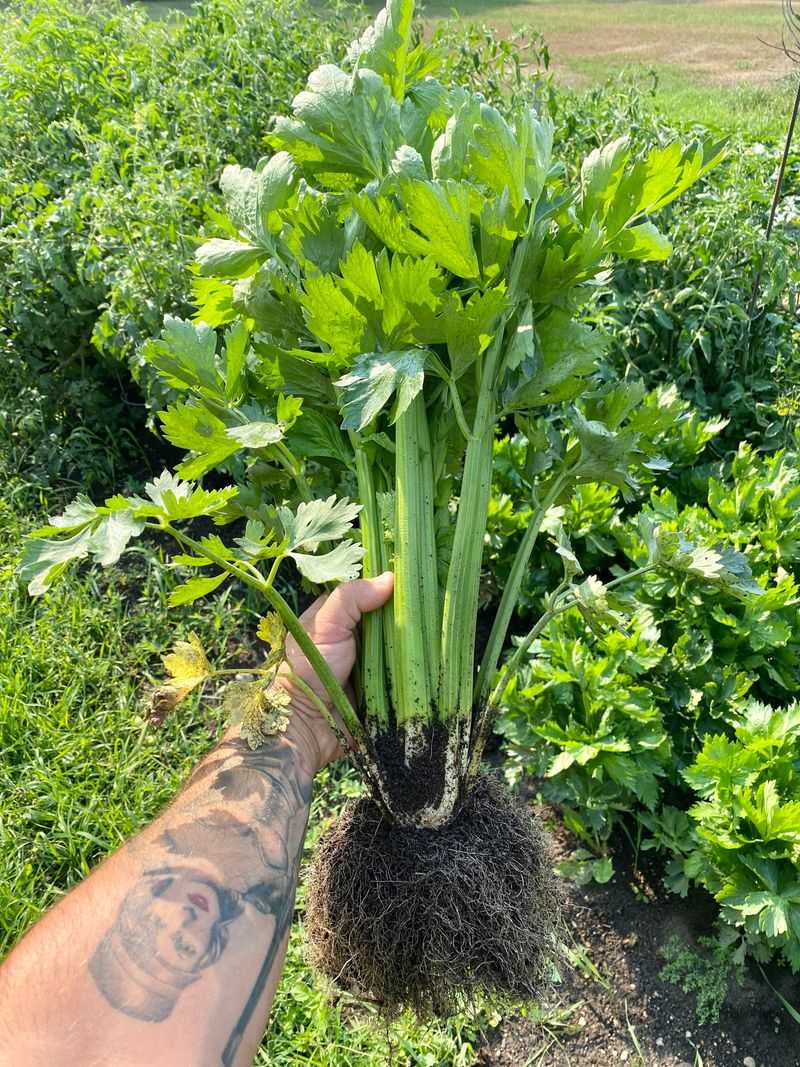
One of the most demanding vegetables to grow under any conditions, celery becomes even harder to cultivate in Texas clay soil. This crunchy, water-rich vegetable needs consistently moist but well-draining soil, a combination that clay almost never delivers.
Clay swings between waterlogged and bone dry, and celery cannot handle either extreme well.
When celery roots sit in saturated clay soil, they quickly become stressed and vulnerable to root rot. The stalks turn yellow, growth slows dramatically, and the plant rarely recovers to produce crisp, flavorful stems.
On the flip side, when Texas clay dries out hard in the summer heat, celery roots cannot access the consistent moisture they need to keep stalks tender and hydrated.
Celery performs best in a long, cool growing season, which can be challenging in some parts of Texas. Pairing that climate challenge with the added stress of clay soil makes growing celery a genuinely difficult task for most Texas gardeners.
Container gardening or raised beds filled with rich, moisture-retentive but well-draining soil give celery its best shot at success. Adding plenty of compost helps the soil hold moisture without becoming waterlogged.
Mulching heavily around celery plants also helps regulate soil temperature and moisture levels, which is especially useful during the unpredictable weather swings common across Texas.