10 Plants That Survive Florida Storms Better Than Others
Florida residents know the routine. The forecast turns orange and red, patio furniture gets stacked, shutters go up, and everyone wonders what the yard will look like when the storm finally passes.
After every hurricane season, the same pattern appears across neighborhoods. Some landscapes are flattened, while others look surprisingly untouched.
The difference usually comes down to plant choice.
Florida’s climate demands more than pretty landscaping. It demands plants that can handle high winds, heavy rain, salt spray, flooding, and intense heat without collapsing under pressure.
Native and well-adapted plants have evolved to survive exactly these conditions, which is why they consistently outperform fragile ornamentals after major storms.
If you want a yard that recovers faster, requires less cleanup, and stays safer during hurricane season, planting storm-resilient species makes a real difference. These plants bend instead of snapping, anchor themselves firmly in the soil, and return strong once the skies clear.
The following selections have proven their toughness across Florida’s toughest weather.
1. Saw Palmetto (Serenoa repens)
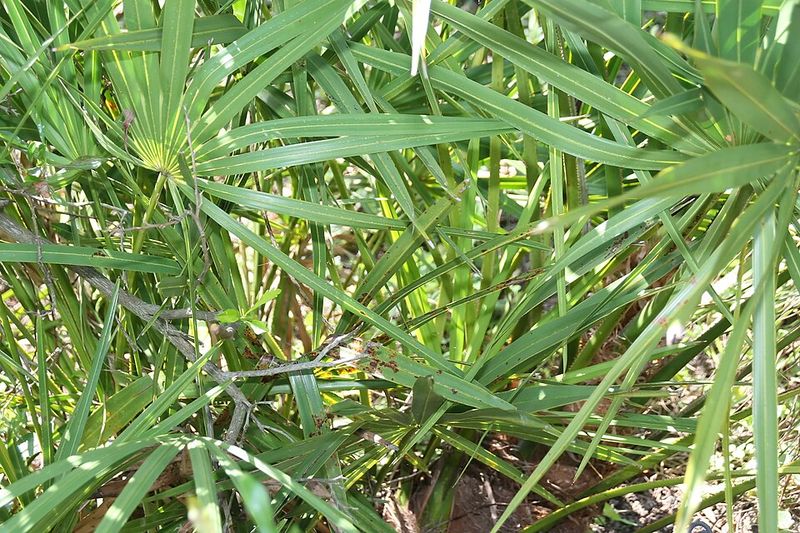
After a hurricane passes through Central Florida, you’ll notice low-growing palms still hugging the ground while taller shrubs lie toppled over.
Saw palmetto stays anchored because its trunk grows horizontally or just below the soil surface, giving wind nothing tall to grab onto.
Heavy rain saturates the ground around it, but this native palm thrives in wet conditions and begins recovery quickly after storms.
You’ll find saw palmetto performing well across Florida, from Pensacola to the Keys. Its fan-shaped fronds might look shredded after a storm, but new growth emerges quickly once conditions calm down.
Plant it in clusters along property edges or use it as a low foundation planting where storm debris tends to pile up.
Space each plant about four to five feet apart to allow room for spreading. Coastal homeowners appreciate how well saw palmetto tolerates salt spray and sandy soils that drain fast after torrential rain.
North Florida gardeners value its cold tolerance during winter wind events. This palm requires almost no maintenance and handles saturated soil better than most ornamental shrubs you’d find at a garden center.
2. Simpson’s Stopper (Myrcianthes fragrans)
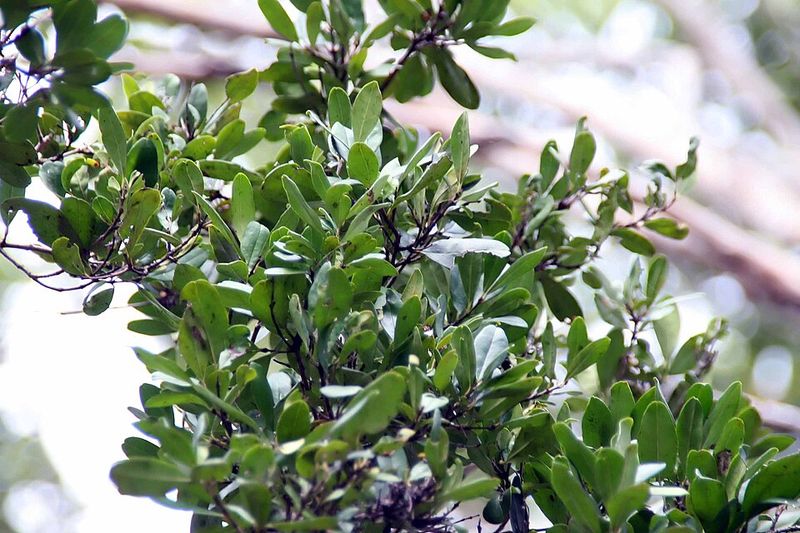
Stand in your yard after a tropical storm and look for small trees with glossy leaves still attached and branches intact. Simpson’s stopper earns its reputation as a storm survivor thanks to dense, flexible wood that bends under pressure instead of snapping.
Wind gusts that strip leaves from ficus and laurel barely disturb this South Florida native, and its deep root system keeps it upright even when soil turns to mud.
Homeowners in coastal areas from Miami to Naples rely on Simpson’s stopper as a hedge or privacy screen that won’t blow apart during hurricane season. The tree handles salt spray without browning and recovers quickly from any minor leaf loss.
In protected Central Florida locations, gardeners plant it in courtyards where reflected wind can damage more brittle species.
Give each tree about six feet of spacing if you’re building a hedge, or let it grow as a small specimen tree reaching fifteen feet tall. Fragrant white flowers appear after storms pass, attracting butterflies and bees back to your recovering landscape.
North Florida residents should plant it in warmer microclimates, as it prefers zones 10 and 11 but tolerates brief cold snaps in protected settings.
3. Coontie (Zamia integrifolia)

Low to the ground and extremely resilient, coontie plants look like small cycads with feathery fronds radiating from a central trunk. After storm winds flatten flower beds and scatter mulch across driveways, coontie often remains in place with minimal damage.
Its underground stem stores water and nutrients, allowing the plant to regrow fronds even if wind tears them completely away during a direct hurricane hit.
You’ll see coontie thriving in every Florida region, from shaded North Florida gardens to full-sun South Florida landscapes. Heavy rain doesn’t faze it, and saturated soil drains away without causing root rot.
Plant coontie under oak trees, along walkways, or in front of taller shrubs where storm debris tends to collect and smother less resilient ground covers.
Space plants about three feet apart for a naturalistic look, or closer for a dense ground cover effect. Coontie tolerates drought once established, but it also handles weeks of wet conditions during Florida’s rainy season and hurricane months.
Coastal gardeners appreciate its tolerance to salt spray, and Central Florida homeowners use it in rain gardens where water pools after storms. This native cycad requires zero fertilizer and almost no care beyond occasional frond cleanup.
4. Gumbo Limbo (Bursera simaruba)
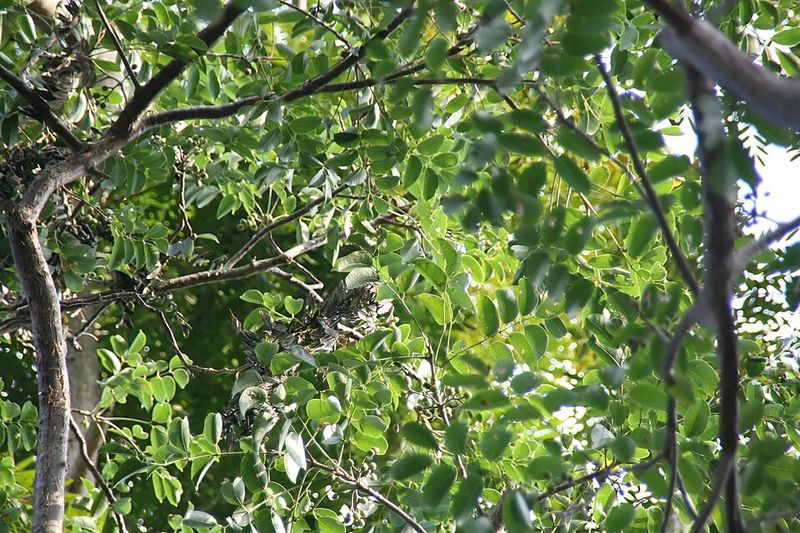
Nicknamed the tourist tree for its peeling reddish bark that resembles a sunburn, gumbo limbo bends dramatically during hurricane-force winds without breaking. Walk through South Florida neighborhoods after a major storm and you’ll spot gumbo limbo trees standing tall while exotic species lie uprooted across streets.
The secret lies in its soft, flexible wood and ability to drop leaves during extreme wind, reducing resistance and protecting branches from snapping off.
Gumbo limbo recovers faster than almost any other tree in Florida, pushing out fresh leaves within a week or two after a storm passes. Coastal residents from the Keys to Palm Beach plant it as a fast-growing shade tree that tolerates salt spray and sandy soils.
Central Florida gardeners use it in areas prone to flooding, as it handles saturated soil without developing root rot or structural weakness.
Give each tree at least twenty feet of space, as mature specimens spread wide and provide excellent shade for your home. North Florida gardeners should avoid gumbo limbo, as it thrives only in zones 10 through 11 and suffers damage from freezing temperatures.
Plant it away from structures where falling branches could cause problems, as even storm-resilient trees can lose limbs during extreme hurricanes.
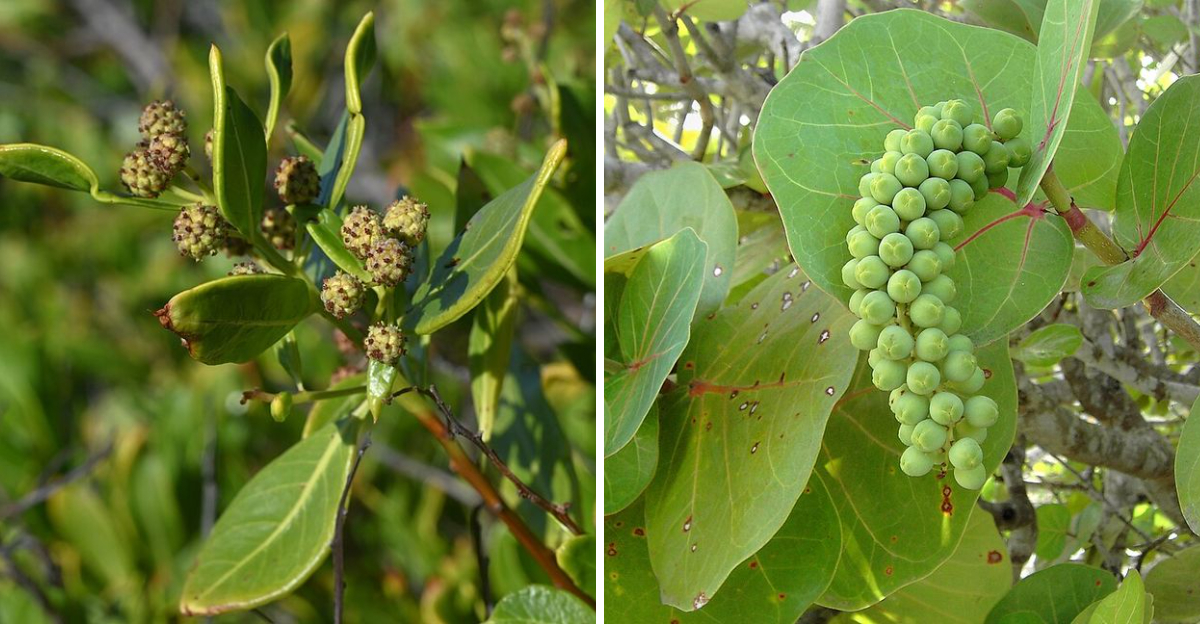
5. Sea Grape (Coccoloba uvifera)
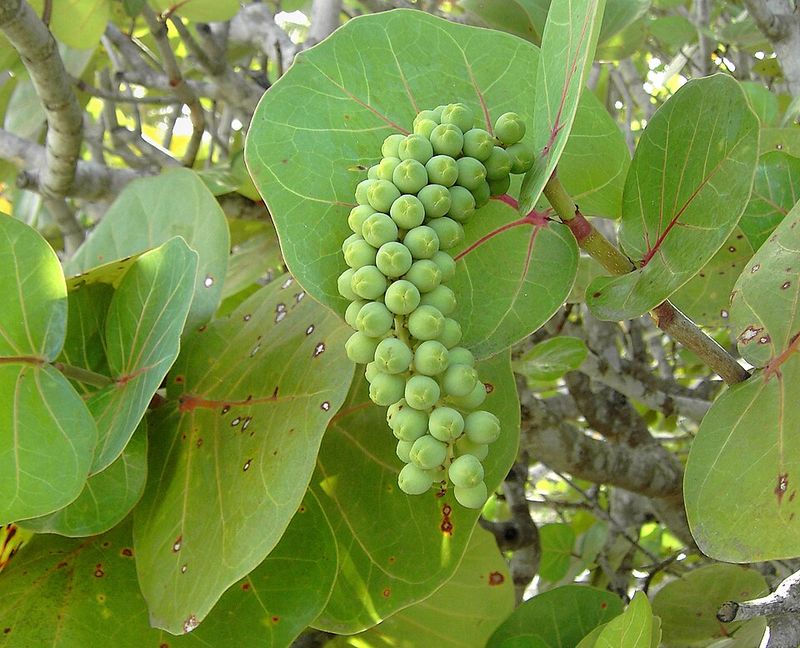
Thick, round leaves the size of dinner plates give sea grape a distinctive look, but those leaves also help the plant survive coastal storms better than most ornamental shrubs. Wind passes through the open canopy without building up enough force to uproot the plant, and the sturdy trunk bends instead of breaking when gusts intensify.
After hurricanes, you’ll find sea grape standing strong along beachfronts while imported palms and tropical plants lie toppled over or stripped bare.
Coastal homeowners in Central and South Florida rely on sea grape as a natural windbreak and privacy screen that tolerates salt spray and sandy soils. The plant handles flooding from storm surge and recovers quickly once water recedes.
Central Florida gardeners plant it in full sun where other shrubs struggle with intense heat and occasional drought between rain events.
Space plants six to eight feet apart for a hedge, or let a single specimen grow into a small tree reaching twenty-five feet tall. Sea grape produces clusters of purple fruit that attract birds back to your landscape after storms pass.
North Florida residents should avoid this plant, as it thrives only in zones 10 and 11 and suffers damage from freezing temperatures that occasionally reach the northern part of the state.
6. Yaupon Holly (Ilex vomitoria)
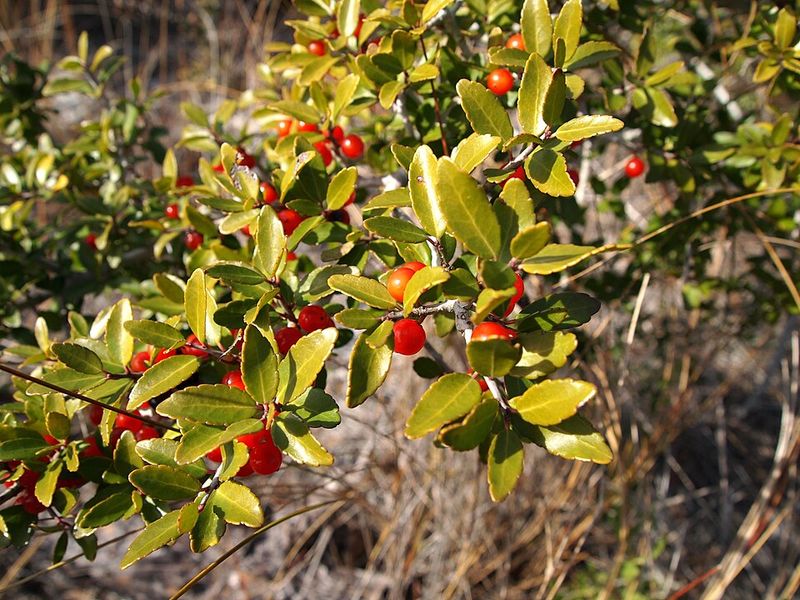
Small, dense evergreen leaves cover yaupon holly branches so thickly that you might worry about wind resistance, but this native shrub proves surprisingly storm-tolerant across Florida.
Its flexible branches bend under pressure, and even when wind strips some leaves away, the plant pushes out new growth within weeks.
Walk through North Florida neighborhoods after a tropical storm and you’ll see yaupon holly hedges still standing neat and tidy while exotic shrubs look battered and broken.
Yaupon holly performs well in all Florida regions, handling cold winter winds in the north and salt spray along southern coasts. The plant tolerates both drought and flooding, making it ideal for areas where soil conditions swing wildly during hurricane season.
Central Florida homeowners use it as a formal hedge or foundation plant that requires minimal pruning and bounces back quickly from storm damage.
Plant yaupon holly three to four feet apart for a tight hedge, or space them farther for a more naturalistic screen. Female plants produce bright red berries that persist through winter, providing food for birds when other sources become scarce after storms.
This holly adapts to full sun or partial shade and handles reflected heat from buildings better than most broadleaf evergreens you’ll find at garden centers.
7. Firebush (Hamelia patens)
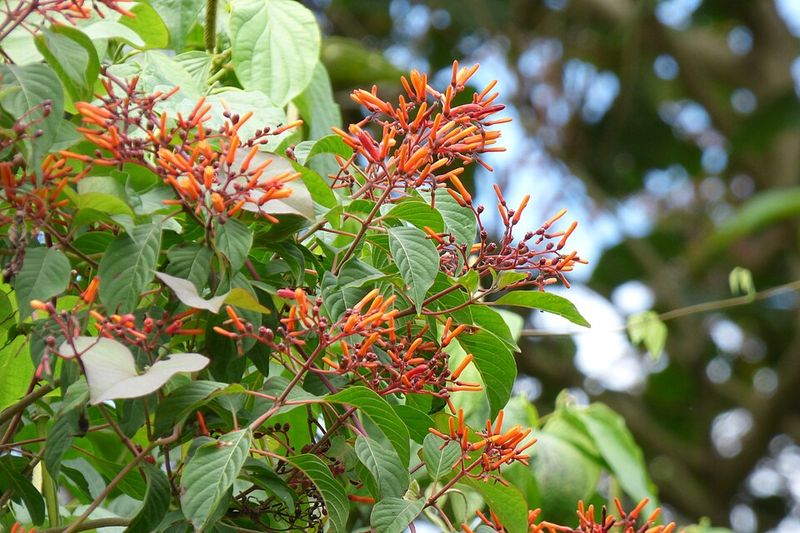
Bright orange-red tubular flowers make firebush a hummingbird magnet, but its real value shows up after storms when other flowering shrubs look flattened and bruised. Firebush stems bend dramatically under wind pressure, sometimes touching the ground, then spring back upright once conditions calm down.
Heavy rain and saturated soil don’t slow this native shrub down—it actually seems to grow faster after tropical storms dump several inches of rain across Central and South Florida.
You’ll find the Florida native firebush performing best in zones 9 through 11, where it blooms almost year-round and attracts pollinators back to your landscape immediately after hurricanes pass.
North Florida gardeners can grow it as a perennial that withers away during freezes but returns from the roots in spring.
Plant firebush in full sun or light shade where you need a splash of color that won’t require constant maintenance or storm cleanup.
Space plants four to five feet apart for a loose hedge or butterfly garden border. Firebush tolerates drought once established but also handles weeks of wet conditions during Florida’s rainy season without developing root problems.
Prune it lightly after storms to remove any broken stems, but avoid heavy cutting as the plant recovers quickly on its own and blooms on new growth.
8. Silver Buttonwood (Conocarpus erectus)
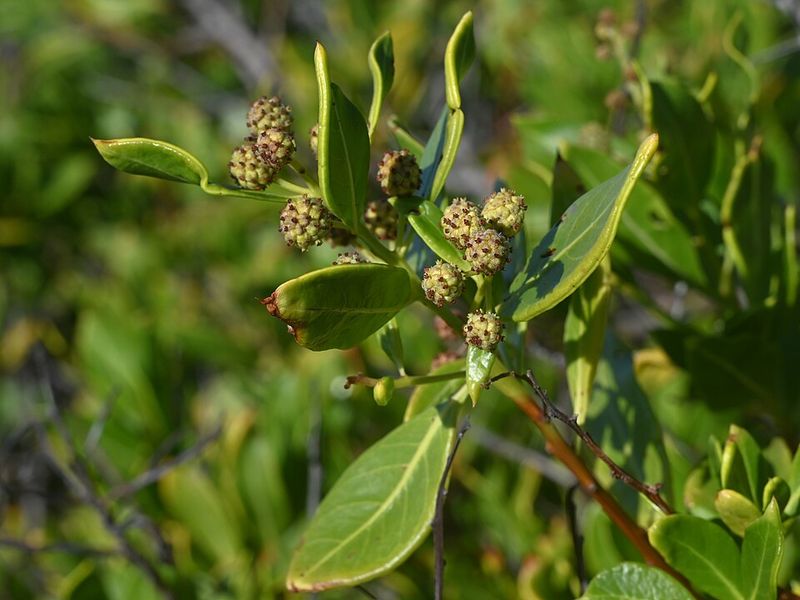
Silvery-gray foliage catches your eye from across the yard, but silver buttonwood earns its place in storm-resilient landscapes through tough, flexible wood and an extensive root system. Coastal winds that would topple less-adapted trees barely disturb this South Florida native, and salt spray only enhances the silvery color of its leaves.
After hurricanes, you’ll notice silver buttonwood standing upright with most of its foliage intact while nearby ornamental trees show significant damage or complete failure.
South Florida homeowners plant silver buttonwood as a windbreak, hedge, or small specimen tree that handles beachfront conditions better than almost any exotic species. The tree tolerates flooding from storm surge and recovers quickly once water drains away.
Central Florida gardeners use it in areas with poor drainage where other trees struggle with saturated soil during the rainy season and hurricane months.
Space trees eight to ten feet apart for a hedge, or give a single specimen twenty feet to develop into a small tree. Silver buttonwood adapts to pruning and shaping, making it useful for formal landscapes that need to withstand hurricane-force winds without losing structure.
North Florida residents should skip this tree, as it thrives only in zones 10 and 11 and suffers damage when temperatures drop below freezing during winter cold fronts.
9. Dwarf Palmetto (Sabal minor)

Growing only three to four feet tall, dwarf palmetto stays so close to the ground that hurricane winds pass right over it with minimal damage. After storms, you’ll often find this native palm looking largely unchanged, with fan-shaped fronds still attached and little visible stress.
Its underground trunk and deep root system keep it anchored even when soil turns to mud from days of heavy rain, and new fronds emerge quickly if any do get torn away by wind.
North Florida gardeners appreciate dwarf palmetto’s cold tolerance and ability to handle both winter freezes and summer tropical storms.
Central Florida homeowners plant it in shaded areas under oak trees or along property borders where taller palms would block views or create hazards during hurricanes.
South Florida residents use it less often, as larger palms dominate coastal landscapes, but it performs well in naturalistic settings where low-growing natives are preferred.
Space plants four to six feet apart for a ground cover effect, or use single specimens as accents in mixed native plantings. Dwarf palmetto tolerates a wide range of soil conditions, from dry sandy sites to areas that stay wet for weeks after storms.
This palm requires almost no maintenance and never needs pruning, making it perfect for low-effort landscapes that must withstand Florida’s unpredictable weather patterns year after year.
10. Southern Live Oak (Quercus virginiana)
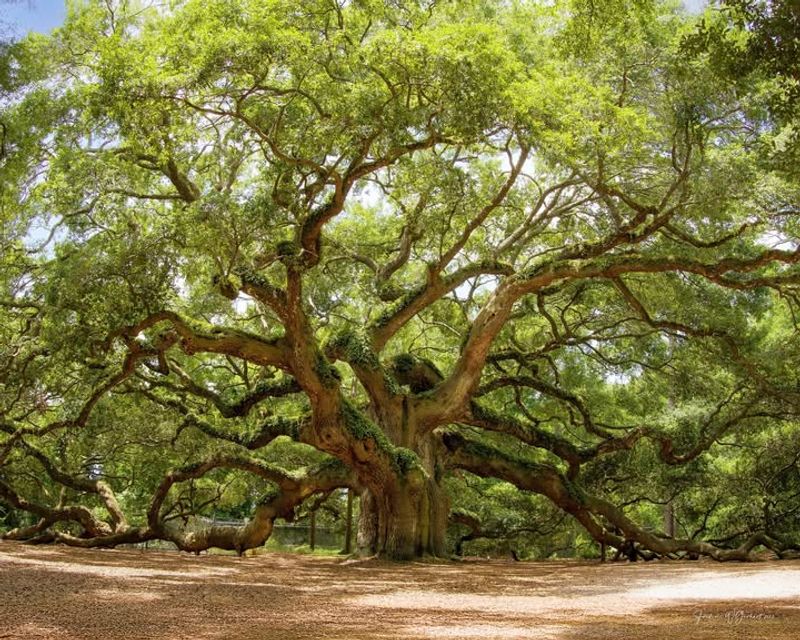
Massive branches spread horizontally from thick trunks, creating the iconic silhouette that defines Florida’s most storm-resilient tree.
Southern live oak has one of the highest hurricane survival rates among Florida’s large trees because its wood density and branch structure distribute wind force more evenly across the canopy.
Walk through any Florida town after a major storm and you’ll see live oaks still standing while exotic trees lie uprooted, their shallow roots no match for hurricane-force winds.
Live oak performs across all Florida regions, from Pensacola to the Everglades, adapting to different soil types and weather patterns. North Florida specimens handle winter ice storms and summer hurricanes with equal resilience.
Central Florida homeowners plant live oak as a long-term investment that provides shade and property value for generations. South Florida coastal residents appreciate its salt tolerance and ability to anchor landscapes against storm surge.
Give each tree at least forty feet of space, as mature specimens spread eighty feet wide or more. Plant live oak away from structures where falling branches could cause damage, as even storm-resilient trees can lose limbs during extreme hurricanes.
Young trees need several years to establish deep roots, so stake them properly and water during dry periods between hurricanes. Once established, live oak requires almost no care and survives conditions that eliminate less-adapted species from your landscape entirely.