9 Plants That Thrive In Arizona No Matter The Size Of The Pot
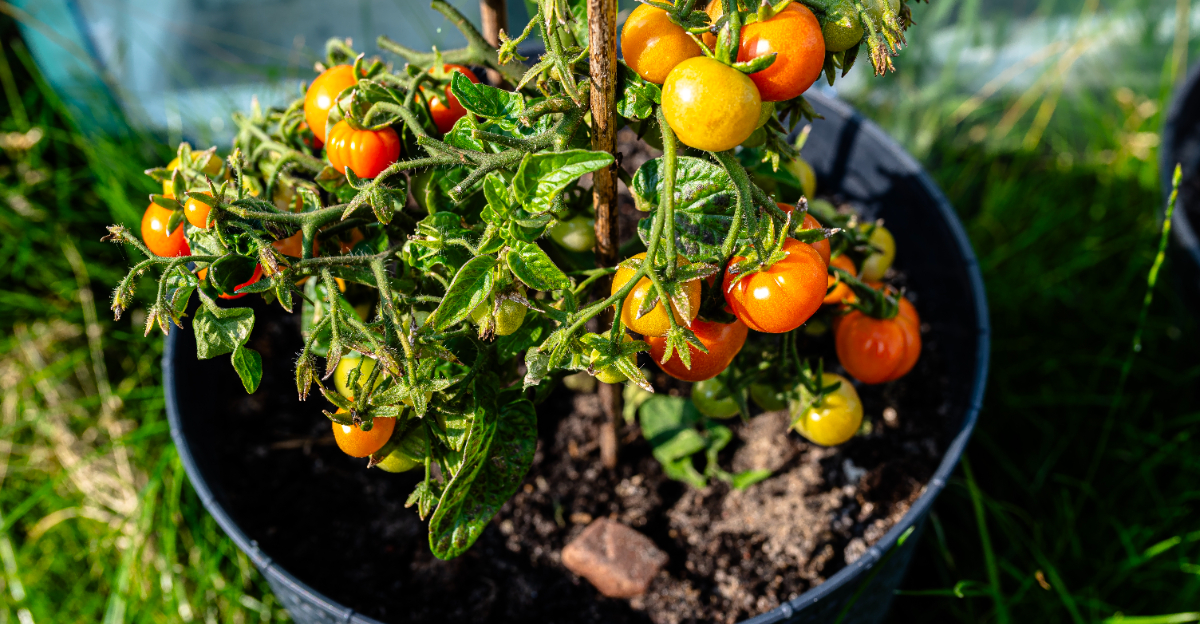
A container garden can look completely under control one day, then suddenly start struggling the next once stronger heat settles in around Arizona.
Smaller pots usually show problems first, especially when certain plants begin drying out faster than expected.
That is why some gardeners get frustrated with container growing by early summer. Constant watering, weak growth, and stressed leaves start turning simple patio pots into extra work very quickly.
Not every plant reacts that way, though. Some continue growing surprisingly well even when the container is not very deep or perfectly sized.
A few actually adapt better to tighter spaces than most people realize, which makes them much easier to keep looking healthy through long warm stretches.
1. Basil Adjusts Well To Smaller Pots In Hot Weather
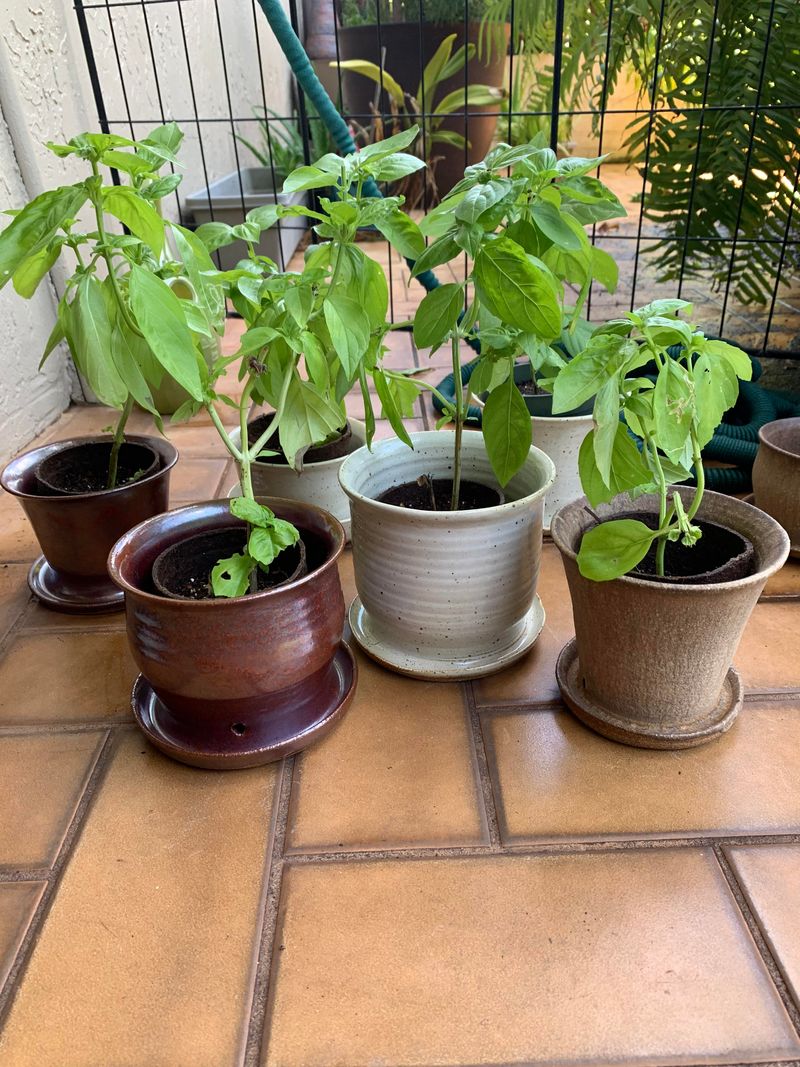
Basil is one of those herbs that actually performs better in smaller pots than most gardeners expect, especially in Arizona where the heat can be brutal from May through September.
Smaller containers warm up faster, and basil genuinely loves that kind of root warmth during the growing season.
Keep the pot in a spot that gets morning sun but is shaded by early afternoon. In Phoenix or Mesa, afternoon shade is not optional, it is what keeps basil from bolting too quickly.
A six-inch pot works fine for a single plant, and a ten-inch pot can handle two plants comfortably.
Water consistently but never let the soil stay soggy. Basil roots prefer moisture without being waterlogged, so a pot with drainage holes is non-negotiable.
Pinch off flower buds as they appear to keep leaves growing full and fragrant. Feed with a balanced liquid fertilizer every two weeks during the growing season.
Arizona gardeners who grow basil in containers often report better harvests than those growing it in the ground, mostly because soil quality and drainage are much easier to manage in a pot.
Terracotta pots usually work especially well for basil because they help excess moisture evaporate faster during long stretches of hot weather.
2. Hanging Containers Give Strawberries Enough Room To Spread
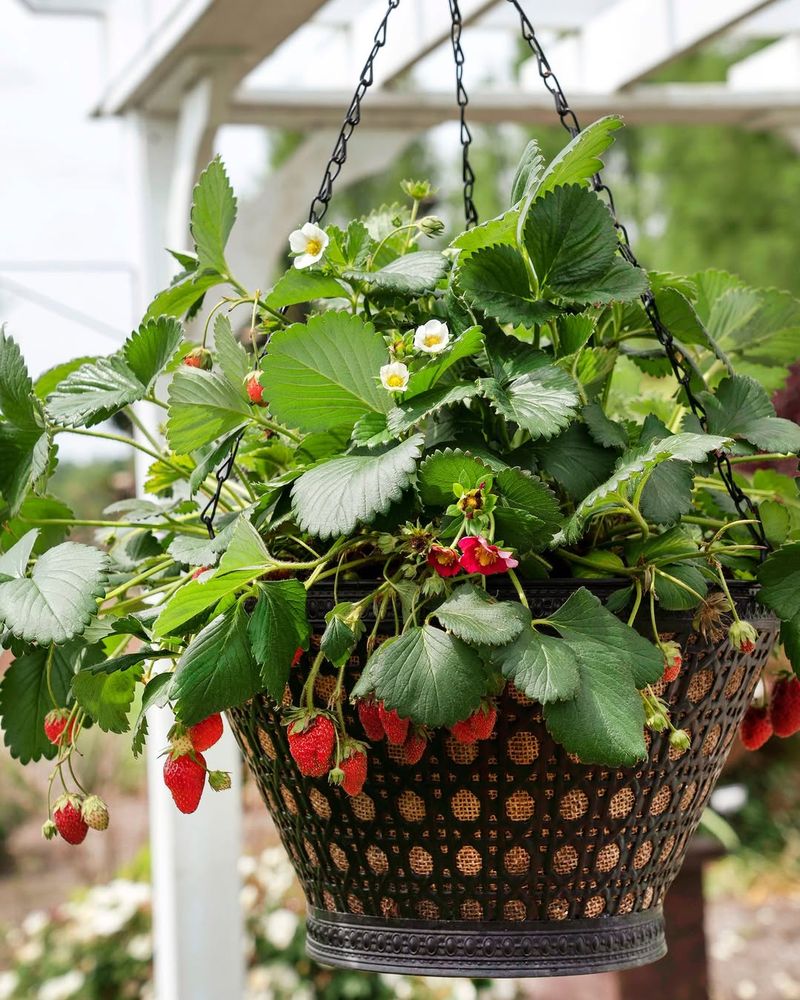
Strawberries in a hanging basket might sound unusual, but it is one of the smartest moves an Arizona gardener can make.
Hanging containers keep the fruit off the ground, improve air circulation, and let those runners cascade naturally without taking over your patio space.
In Arizona, plant strawberries in the fall rather than spring. October through November is the sweet spot in most of the state, giving plants time to establish before temperatures climb again in late February.
Day-neutral varieties like Seascape or Albion handle the mild Arizona winters well and produce fruit from late winter into spring.
Hanging baskets dry out faster than ground pots, so check moisture levels daily during warm stretches. A coconut coir liner holds moisture better than plain plastic and still drains well enough to prevent root problems.
Aim for at least a twelve-inch basket diameter to give roots enough room. Feed with a low-nitrogen fertilizer once flowering begins to encourage fruit production over leaf growth.
Your Arizona Garden Changes Every Week. Your Plan Should Too.
Gardening in Arizona changes quickly throughout the season. Every Friday you’ll receive a simple weekly plan showing exactly what to plant, prune, fertilize, harvest, and protect so you never miss the right timing.
Gardeners across Tucson and the Phoenix valley have had solid success with this method when watering stays consistent through the cooler growing months.
3. Rosemary Handles Different Pot Sizes Better Than Expected
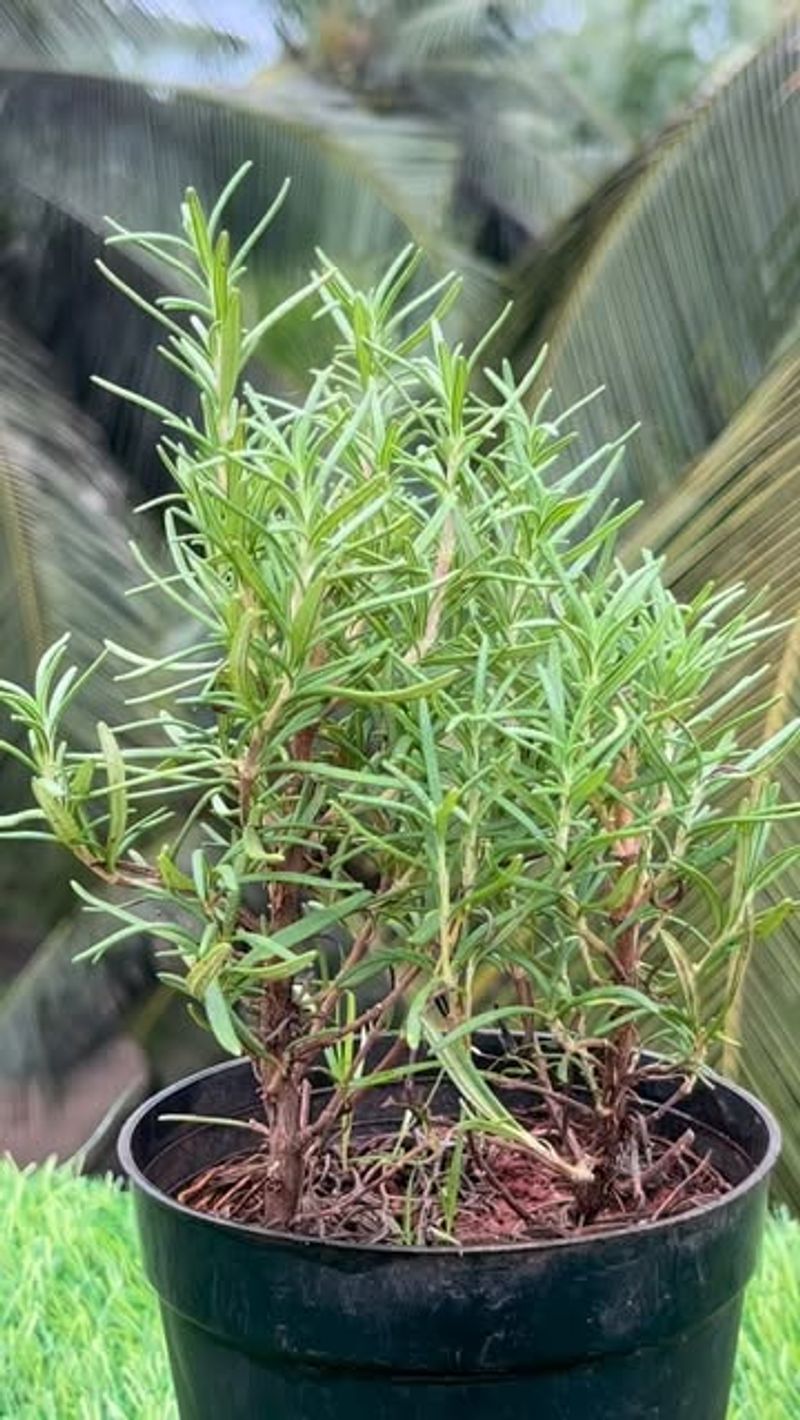
Rosemary is practically made for Arizona. It evolved in hot, dry, rocky Mediterranean climates, and the Sonoran Desert gives it almost exactly the same conditions.
What surprises most new gardeners is how well it adapts to different container sizes, from a compact six-inch pot to a large fifteen-gallon container.
Smaller pots work well when you want a manageable kitchen herb you can snip regularly. Larger containers let rosemary grow into a full shrub that can anchor a patio corner and even attract pollinators when it blooms in late winter.
Either way, the most important thing is drainage. Rosemary absolutely cannot sit in wet soil, so use a fast-draining cactus or Mediterranean herb mix.
Water deeply but infrequently. Let the soil dry out almost completely between waterings, especially during the cooler months when the plant slows down.
Fertilizer is not really necessary if you use a quality potting mix, but a light application of slow-release granules in early spring helps with new growth.
In Tucson and Scottsdale, outdoor rosemary in containers survives year-round with almost no extra care, making it one of the most low-maintenance plants available for Arizona patios of any size.
4. Peppers Continue Setting Fruit In Medium Sized Containers
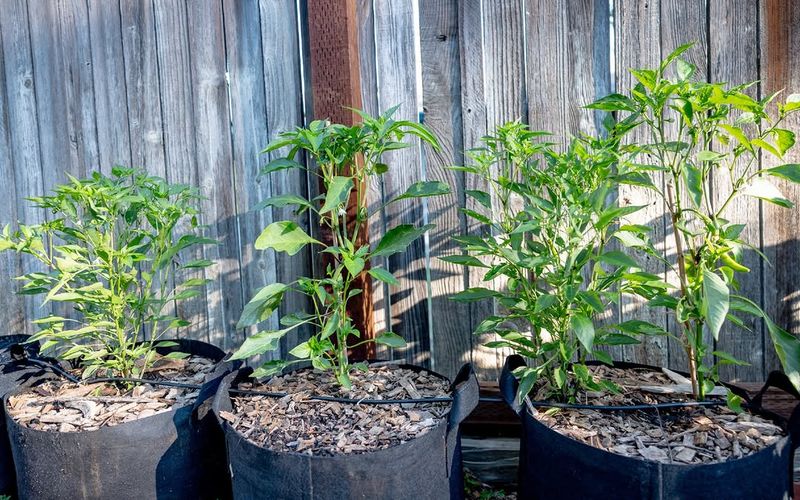
Peppers have a stubborn streak that Arizona gardeners tend to appreciate.
Even in a medium-sized container, around ten to twelve inches in diameter, pepper plants keep producing as long as temperatures stay within a workable range and watering stays consistent.
Both sweet and hot varieties do well in containers across Arizona. Jalapenos, serranos, and Anaheim peppers are especially reliable performers.
Plant in late February or early March in the low desert, and expect your first harvest by May or June before the peak heat arrives. Peppers can also be planted in August for a solid fall harvest as temperatures begin to drop.
One thing that catches gardeners off guard is that peppers actually slow fruit production when temperatures exceed 95 degrees consistently.
Moving containers into partial afternoon shade during July and August keeps the plants alive and ready to produce again as fall approaches.
Feed with a phosphorus-rich fertilizer once flowers appear to support fruit development. Avoid over-fertilizing with nitrogen, which pushes leafy growth at the expense of peppers.
A medium container is genuinely enough space for one healthy plant, and many Arizona gardeners line up several pots along a south-facing wall to maximize the growing season output.
5. Cherry Tomatoes Stay Productive In Containers With Deeper Soil
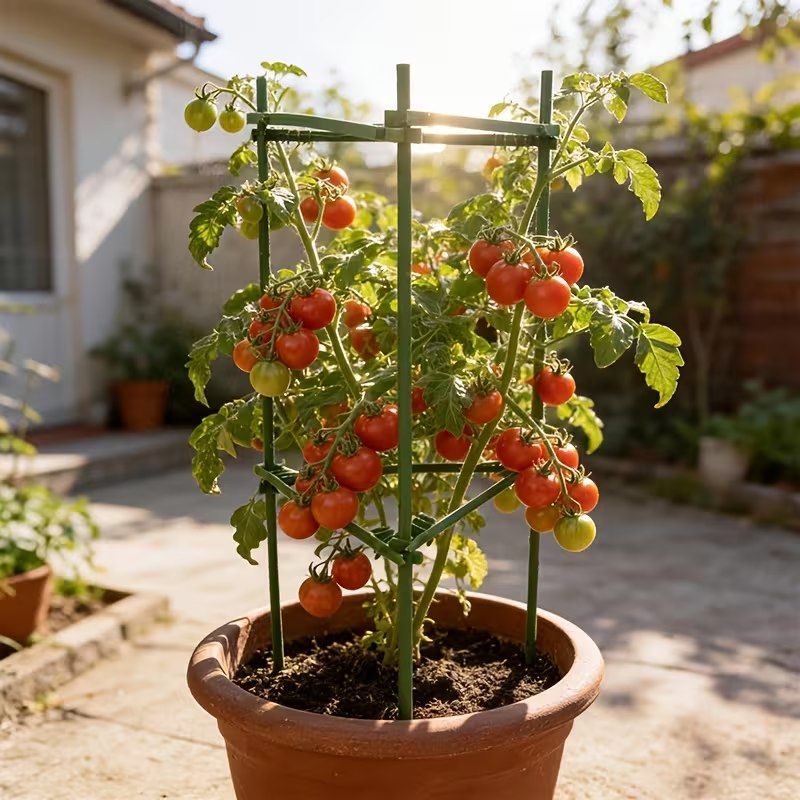
Cherry tomatoes are a container gardener’s best friend in Arizona, and the secret is simple: go deep.
A pot that is at least fourteen to sixteen inches deep gives the roots room to anchor, access moisture, and support heavy fruit production even during warm spring days.
Varieties like Sweet 100, Sun Gold, and Juliet are proven performers in Arizona containers. Plant in late January or early February in the low desert, and again in late August for a fall harvest.
Two growing windows per year means you can get a lot of fruit from a single container setup on your patio.
Consistent watering matters more with tomatoes than with almost any other container plant. Uneven moisture leads to blossom end rot, which is frustrating and completely preventable.
Water deeply every one to two days depending on temperatures, and mulch the top of the soil to slow evaporation. Stake or cage the plant early before it gets top-heavy.
A pot with wheels makes it easy to roll the container into afternoon shade once temperatures push past 95 degrees, which helps flowers set fruit rather than dropping from heat stress.
6. Green Onions Fit Easily Into Compact Patio Pots
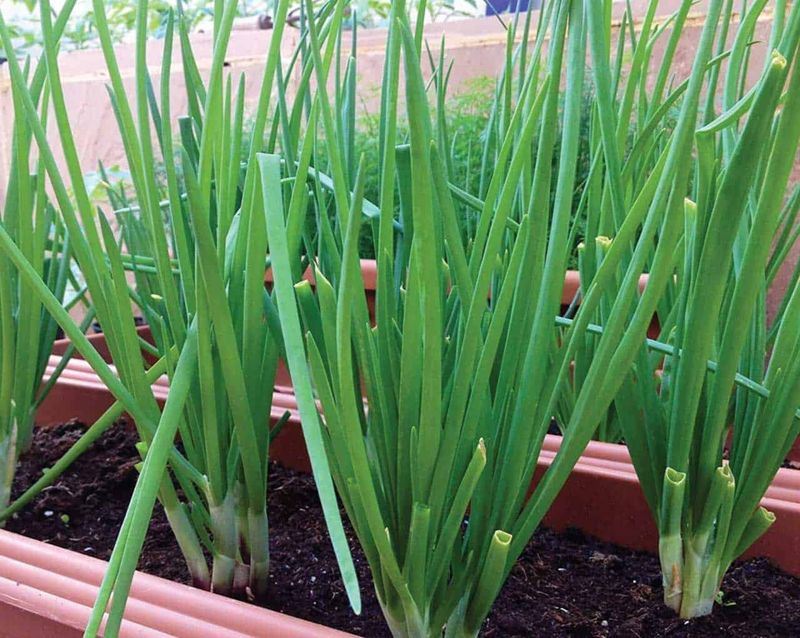
Apartment balconies and small patios in Arizona are no obstacle for green onions.
A pot as shallow as six inches and as narrow as four inches across can produce a steady supply of fresh scallions throughout the cooler months from October through April.
Green onions are one of the fastest crops you can grow in a container. Most varieties are ready to harvest in around sixty days from seed, and you can snip the tops and let them regrow multiple times from the same planting.
That kind of productivity from such a small pot is hard to beat anywhere, but especially in Arizona where space on a shaded patio is often limited.
Sow seeds thickly and thin lightly once seedlings are a few inches tall. Keep the soil consistently moist but not waterlogged, and place the pot where it gets at least six hours of sunlight daily.
During the mild Arizona winter, green onions need almost no extra protection and grow steadily without much fuss. A light liquid fertilizer every three weeks keeps growth moving.
Gardeners in Flagstaff and higher elevation areas of Arizona should start a few weeks later in fall and expect a slightly shorter window before hard freezes slow things down.
7. Cucumbers Adapt Better With Vertical Container Support
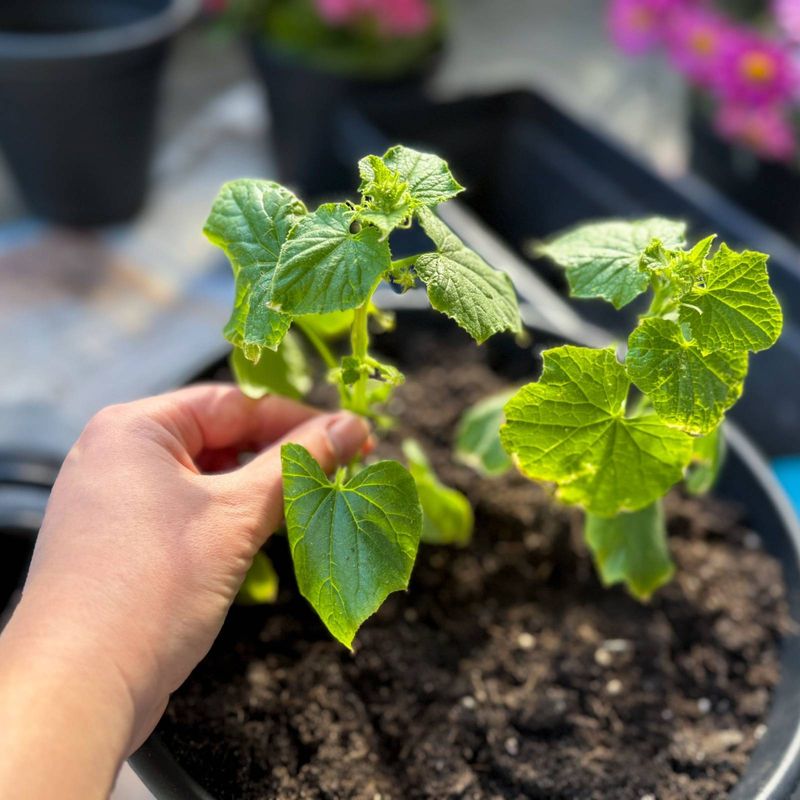
Growing cucumbers in a container without a trellis is a frustrating experience. Add vertical support, and suddenly the whole setup clicks into place.
Cucumbers are natural climbers, and directing that growth upward lets you grow a productive plant in a surprisingly compact footprint, which matters a lot on Arizona patios.
Bush cucumber varieties like Bush Pickle or Spacemaster work especially well in containers. A five-gallon pot with a simple wooden or metal trellis attached to the back handles one plant comfortably.
Plant in late February or early March in the Phoenix area, and water daily once temperatures climb past 85 degrees. Cucumbers are thirsty plants and do not respond well to uneven moisture.
Place the container where it gets full morning sun and filtered afternoon shade during peak summer.
In Arizona, full afternoon sun in June and July can stress cucumber plants beyond recovery, but morning sun gives them the energy needed for flowering and fruit production.
Harvest cucumbers frequently once they reach usable size, because leaving overripe fruit on the vine signals the plant to slow production. Feed with a balanced fertilizer every ten days during the growing season.
Vertical growing also improves airflow around the leaves, which reduces the risk of powdery mildew, a common issue in humid monsoon conditions across southern Arizona.
8. Zucchini Performs More Reliably In Larger Patio Containers
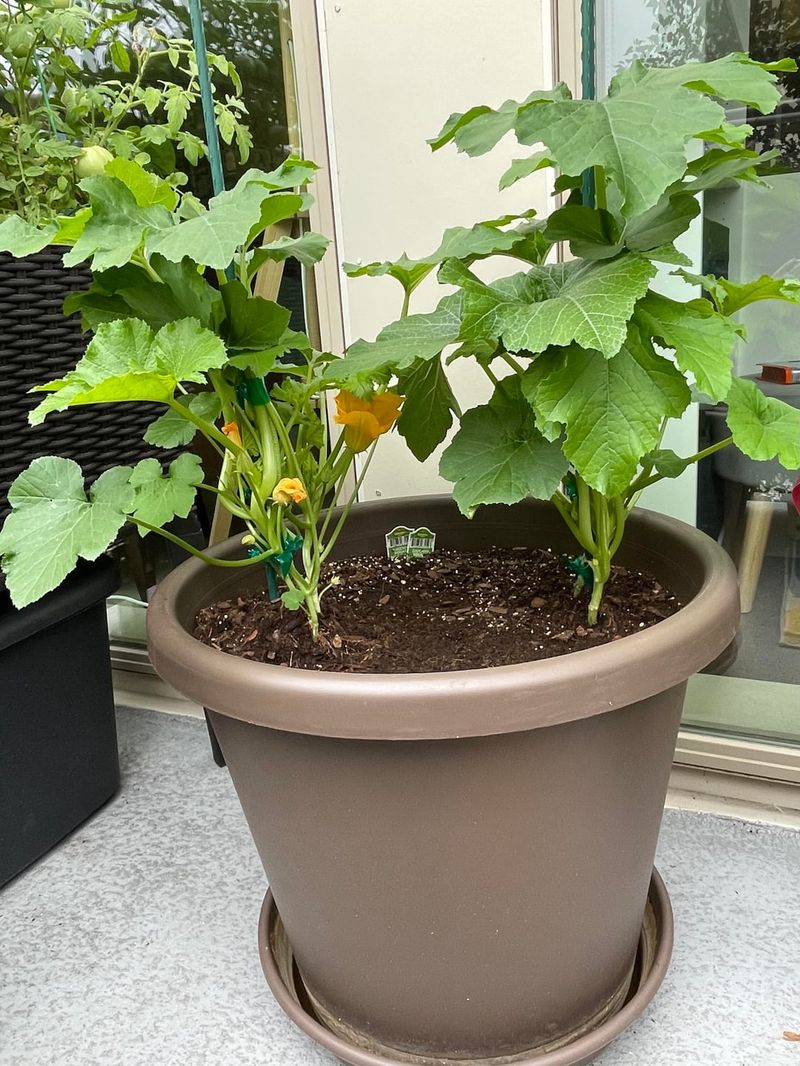
Zucchini has a reputation for being a space hog, and in the ground that reputation is earned. In a container, though, you get to set the limits.
A large pot, something in the fifteen to twenty-gallon range, gives zucchini exactly what it needs without letting it take over your entire outdoor space.
Plant zucchini in Arizona during late January or February for a spring harvest, or again in late August for fall production. Black Beauty and Patio Star are two compact varieties that handle container growing better than standard open-pollinated types.
Even so, expect the plant to get big. Large leaves and thick stems are normal, and they are a sign the plant is healthy and ready to produce.
Watering zucchini in a large container requires commitment. During warm Arizona spring days, the soil can dry out quickly, so check daily and water deeply when the top inch feels dry.
Mulching the soil surface with straw or wood chips slows evaporation significantly. Hand pollination helps when natural pollinators are scarce early in the season.
Use a small brush or cotton swab to transfer pollen from male to female flowers.
Gardeners in the Phoenix metro area often get their first zucchini within fifty days of transplanting, making it one of the faster-producing vegetables in a large patio container setup.
9. Mint Spreads Quickly Without Needing Oversized Pots
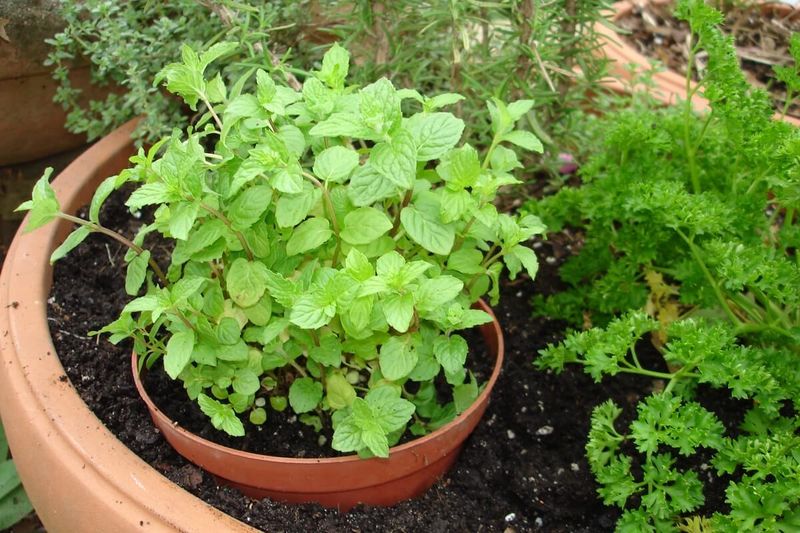
Mint does not need much space to be productive, which is actually what makes it both wonderful and a little wild. Left in the ground, it takes over everything around it.
In a pot, that aggressive energy becomes a feature, giving you a dense, fragrant plant that keeps producing all season long without needing a giant container.
A standard eight to ten inch pot is more than enough for one mint plant in Arizona. Spearmint and peppermint both handle the heat reasonably well when given afternoon shade.
Chocolate mint and apple mint are also worth trying and tend to hold up during warm stretches better than standard peppermint. Plant in fall or early spring for best results in the low desert.
Keep mint consistently moist since it does not tolerate drying out as well as rosemary or basil. Afternoon shade is important in Arizona from April through September to prevent leaf scorch.
Trim the plant back aggressively every few weeks to encourage bushy growth and prevent it from getting leggy. Mint grows fast enough that you can harvest generously without setting it back much.
Gardeners in Tempe, Chandler, and other Phoenix-area communities often keep a mint pot right outside the kitchen door for easy access to fresh leaves year-round during the cooler growing months.