8 Plants To Add To Your Florida Garden This April
April is one of the most exciting months for Florida gardeners. The soil has warmed up nicely, the days are getting longer, and the shift into warm-season planting is well underway across much of the state.
Florida gardeners have a real advantage this time of year because the climate allows for heat-loving plants that most other states can only dream about growing.
Whether you garden in North Florida, Central Florida, or the subtropical south, April opens a window for planting crops and ornamentals that will thrive as temperatures climb through spring and into summer.
Now is the time to get those plants in the ground before the intense Florida summer heat and humidity arrive in full force.
1. Seminole Pumpkin Thrives In Florida’s Tough Conditions
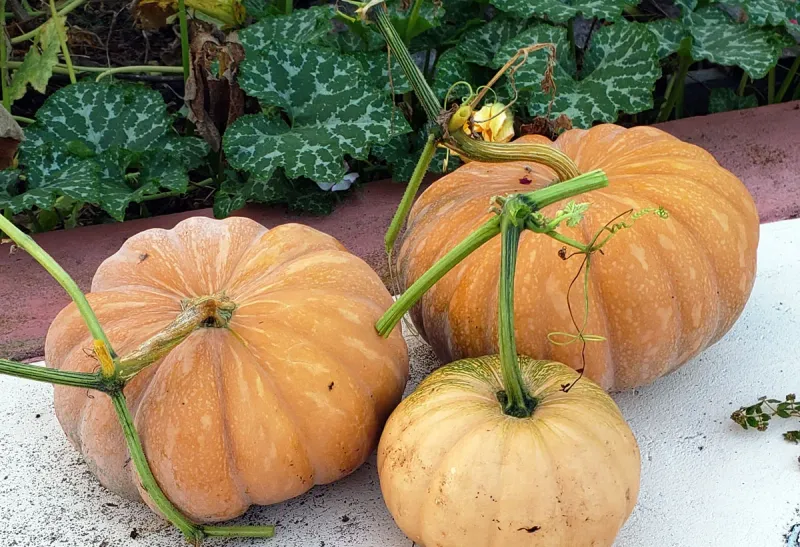
Developed and cultivated by the Seminole people of Florida for centuries, this tough, heat-tolerant pumpkin has earned its reputation as one of the most reliable warm-season crops in the state.
Planting in April gives the vines a long growing window before the most intense summer heat sets in.
Florida’s sandy soils and humid summers are no obstacle for Seminole pumpkin.
The vines spread aggressively, sometimes reaching fifteen feet or more, so gardeners should plan for ample space or train the vines along a fence or trellis. Full sun is essential, and the plants do well in Florida’s typical well-drained, slightly acidic soils.
Once established, Seminole pumpkin is notably drought-tolerant compared to other squash varieties.
Watering deeply but infrequently encourages deep root development, which helps the plant handle dry periods common in Florida between spring rains.
Mulching around the base retains soil moisture and helps moderate soil temperature as summer approaches.
Fruits typically mature in about 60 to 90 days and store well at room temperature for several months, making them a practical choice for Florida gardeners. The flesh is dense and sweet, excellent for soups, roasting, and baking.
2. Roselle Adds A Tropical Harvest For Late Summer
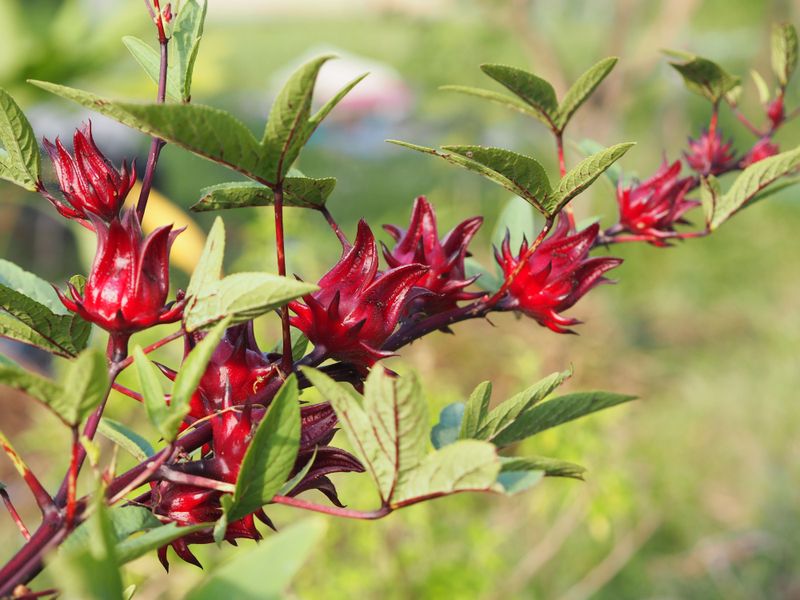
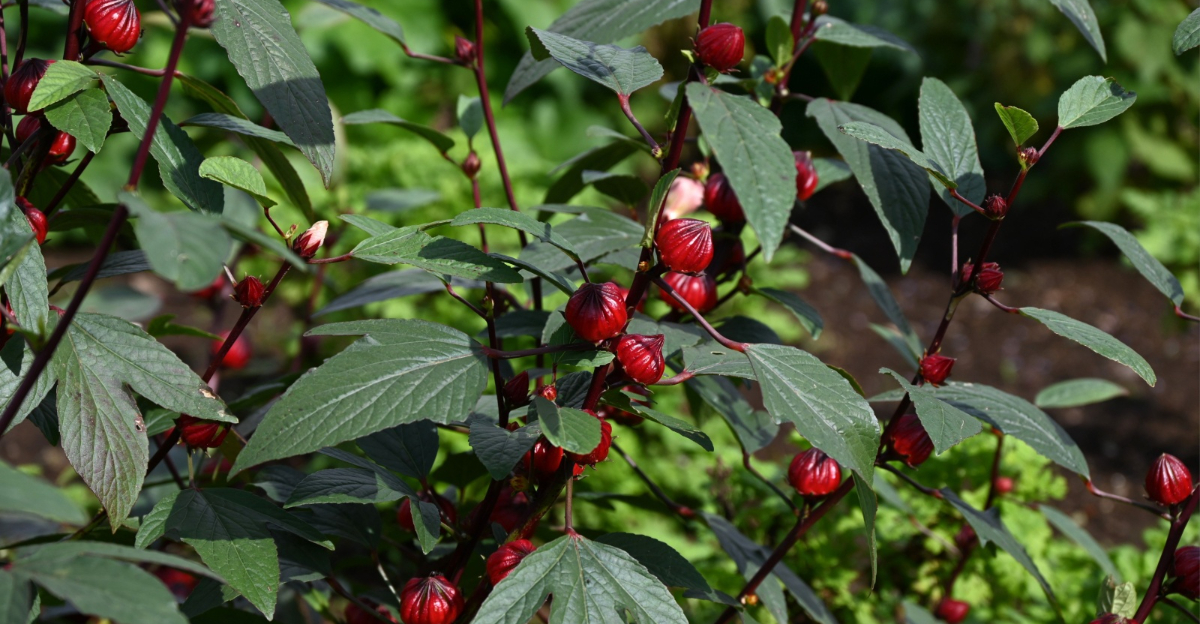
Few plants reward Florida gardeners quite like roselle, a tropical hibiscus relative that produces stunning red calyxes used in teas, jams, and syrups.
Planting roselle in April gives it plenty of time to establish before it begins flowering as the days shorten in late summer and fall.
Florida’s warm, humid conditions suit this plant exceptionally well.
Roselle grows best in full sun with well-drained soil and benefits from consistent moisture during establishment. Once rooted, it handles Florida’s heat with ease and can reach six to eight feet tall by harvest season.
Gardeners in Central and South Florida tend to see especially strong results, though North Florida growers can also expect a healthy harvest if they plant early in the month.
Space plants about three feet apart to allow for their large, bushy growth habit. Regular watering during dry spells encourages steady development, but avoid waterlogged conditions since roselle is sensitive to standing water.
A light application of balanced fertilizer at planting and again mid-season supports vigorous growth.
The calyxes are harvested after the flower petals drop and the fleshy red cups are fully developed. Each plant can produce a generous yield, making roselle a rewarding addition to any Florida edible garden.
Your Florida Garden Changes Every Week. Your Plan Should Too.
Gardening in Florida changes quickly throughout the season. Every Friday you’ll receive a simple weekly plan showing exactly what to plant, prune, fertilize, harvest, and protect so you never miss the right timing.
The flowers are also visually striking, adding ornamental appeal alongside the edible harvest.
3. Malabar Spinach Grows Fast In Heat And Humidity
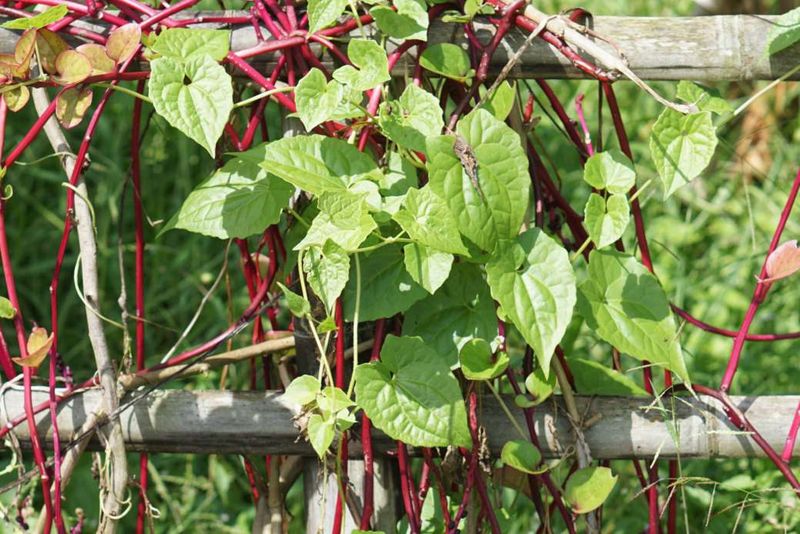
Regular spinach wilts and bolts quickly once Florida temperatures climb above 80 degrees, but Malabar spinach actually thrives when the heat turns up.
This vining plant, native to tropical Asia, produces thick, glossy leaves that taste mildly similar to spinach and hold up well in cooked dishes.
April is an excellent time to get it started in Florida gardens from North to South.
Malabar spinach climbs readily and benefits from a trellis, fence, or other vertical support. Given enough space and consistent watering, vines can grow several feet in a single season.
The plant handles Florida’s humidity with ease and keeps producing fresh leaves through the long, hot summer months when most cool-season greens have long since finished.
Plant seeds or cuttings in full sun to partial shade, spacing them about twelve inches apart. The plant prefers fertile, moisture-retentive soil and responds well to regular fertilization with a nitrogen-rich product to encourage lush leaf production.
Consistent moisture is key, especially during dry stretches in spring.
Harvest the young leaves and tender stem tips regularly to encourage continued growth and prevent the plant from becoming too woody.
Malabar spinach is a practical, productive choice for Florida gardeners looking for a reliable green that won’t struggle in the summer heat.
The red-stemmed variety also adds visual interest to garden beds and containers.
4. Yardlong Beans Produce Through The Warm Season
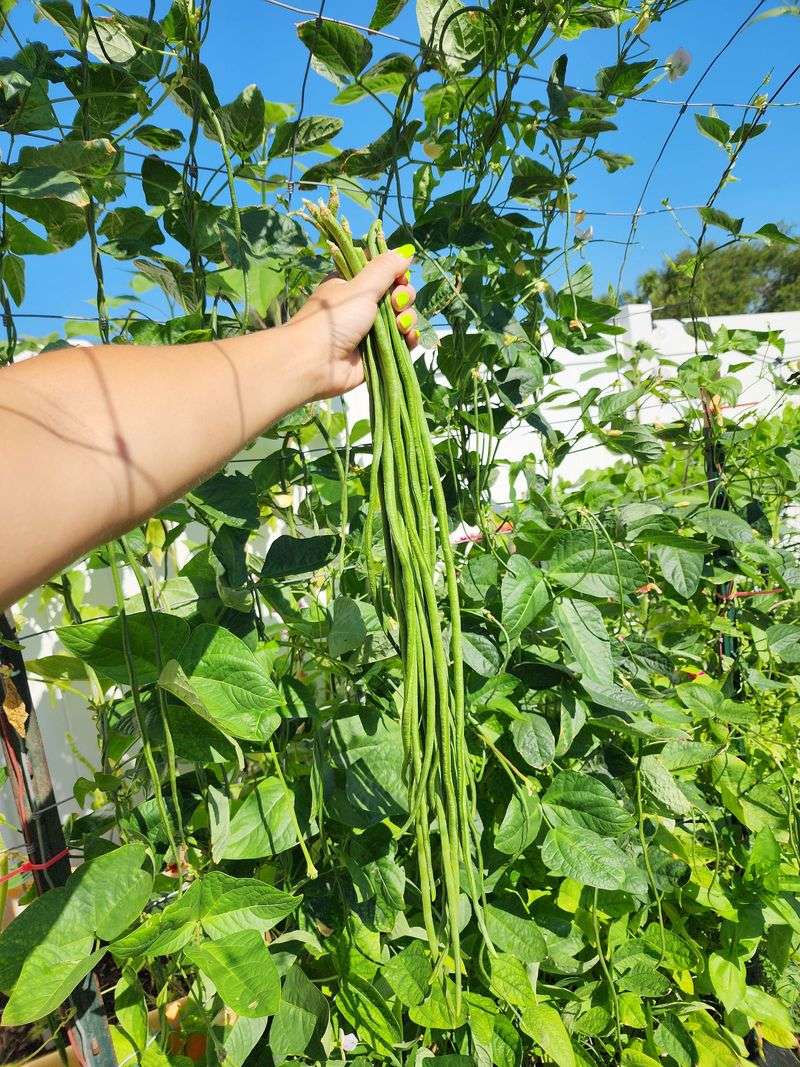
Yardlong beans, sometimes called asparagus beans or Chinese long beans, are a warm-season crop built for exactly the kind of heat and humidity Florida delivers from spring through fall.
The pods can grow up to 18 inches long, and the plants stay productive for a surprisingly extended period when given proper care.
Planting in April positions them to start producing well before the peak of summer.
These beans are vigorous climbers that need a sturdy trellis or support structure reaching at least five to six feet tall. Full sun is a must, and they perform best in well-drained soil with moderate fertility.
Unlike some beans, yardlong varieties tolerate Florida’s high humidity without the same susceptibility to fungal issues that can trouble other legumes.
Direct sow seeds about one inch deep and six inches apart along the base of your trellis. Keep the soil consistently moist during germination, which typically occurs within a week in warm Florida soil.
Once established, the plants need moderate watering and minimal fertilization since they fix their own nitrogen from the soil.
Pods are best harvested young, around 12 to 18 inches long, before they become tough and fibrous. Check plants every few days during peak production because the pods grow quickly in Florida’s warmth.
Stir-fried, steamed, or added to soups, yardlong beans are a versatile and rewarding addition to any Florida kitchen garden.
5. Mexican Tarragon Handles Heat Better Than Traditional Types
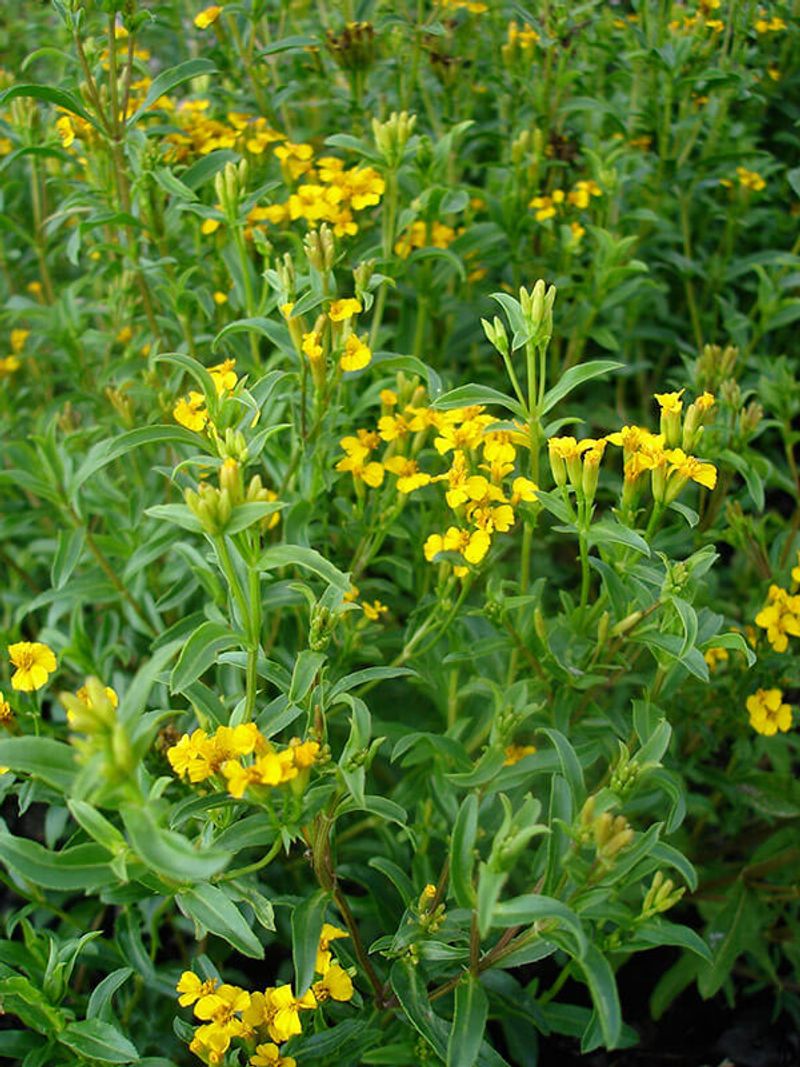
French tarragon is notoriously difficult to grow in Florida because it struggles in high heat and humidity, but its Mexican cousin is a completely different story.
Mexican tarragon, also known as Mexican mint marigold or Texas tarragon, produces the same anise-like flavor with far greater tolerance for Florida’s demanding climate.
Planting it in April gives the herb time to establish during the milder spring weather before summer arrives.
The plant grows as a compact, upright shrub reaching about two feet tall, and it produces cheerful bright yellow flowers in late summer and fall.
Beyond its culinary uses, Mexican tarragon doubles as an ornamental plant that attracts butterflies and other beneficial insects to the garden.
Florida gardeners across all regions can grow it successfully with minimal fuss.
Plant in full sun with well-drained soil and water moderately, allowing the soil to dry slightly between waterings. Mexican tarragon is reasonably drought-tolerant once established and does not require heavy fertilization.
Overly rich soil can actually reduce the intensity of its distinctive anise flavor.
Harvest leaves as needed throughout the growing season for use in cooking, teas, and herb blends. Trim the plant lightly after flowering to maintain a tidy shape and encourage fresh growth.
Mexican tarragon is well-suited to Florida landscapes, making it a smart swap for gardeners who struggle with traditional tarragon in the heat.
6. Tithonia Brings Bright Color And Pollinator Activity
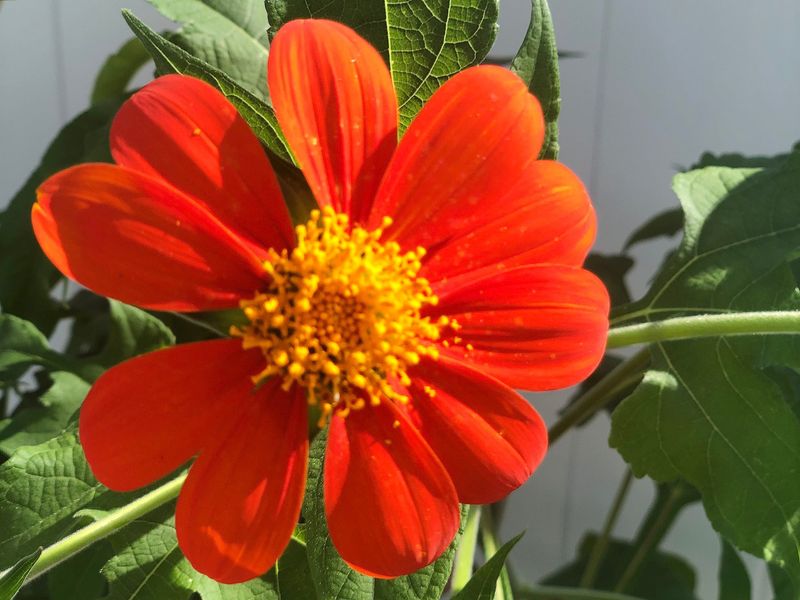
Known commonly as Mexican sunflower, tithonia is one of those plants that earns its place in any Florida garden through sheer visual impact and ecological value.
The blooms are a rich, vibrant orange that practically glow in the Florida sun, and the plants attract an impressive variety of butterflies, bees, and other beneficial insects.
April is an ideal time to sow seeds directly in the garden as soil temperatures climb into the optimal range for germination.
Tithonia grows quickly into a large, bushy plant that can reach four to six feet tall by midsummer. It thrives in full sun and tolerates Florida’s sandy, well-drained soils without needing much amendment.
Once established, it handles heat and moderate drought well, making it a low-maintenance choice for Florida gardeners who want reliable summer color.
Sow seeds about a quarter inch deep and thin seedlings to about two feet apart once they reach a few inches tall. The plants need minimal fertilization and can actually become floppy and produce fewer flowers if given too much nitrogen.
A modest application of balanced fertilizer at planting is generally sufficient.
Deadhead spent blooms regularly to extend the flowering season well into fall. Tithonia also makes an excellent cut flower, bringing that bold orange color indoors.
For Florida pollinator gardens, it is one of the most productive and easy-to-grow options available, offering months of continuous bloom through the long warm season.
7. Okinawa Spinach Adds Edible Color In Warm Climates
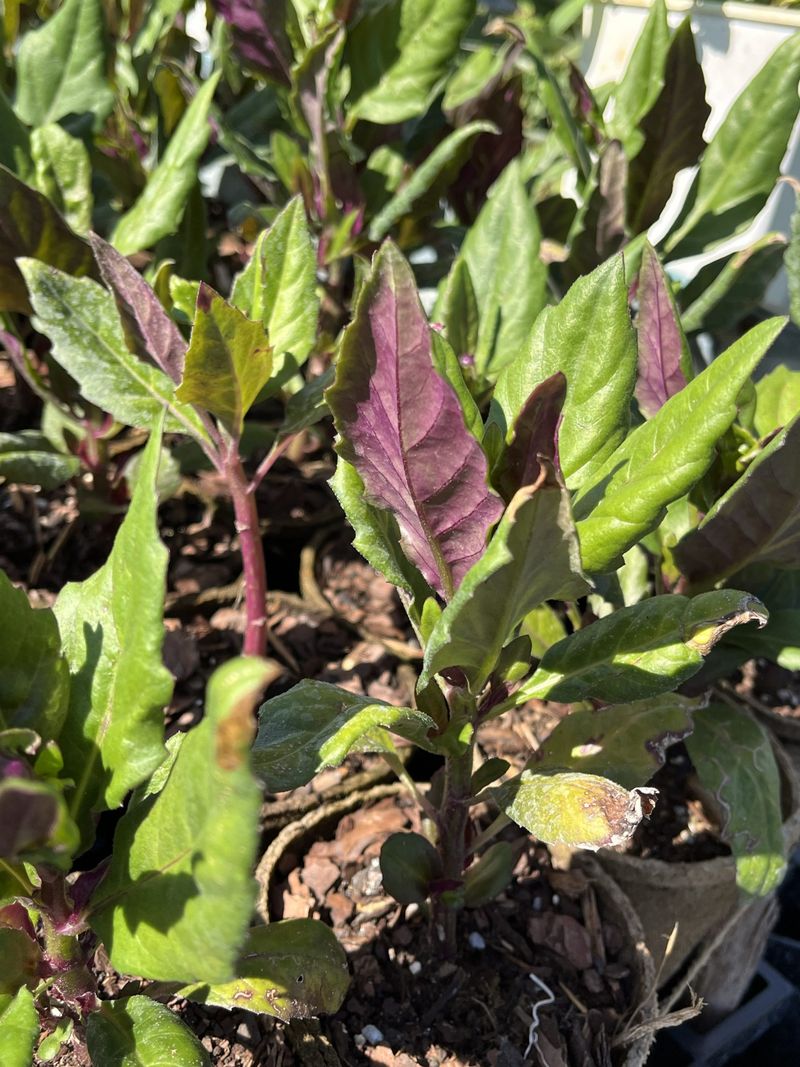
Okinawa spinach is one of those plants that earns admiring glances from visitors long before they realize it is actually edible.
The leaves are a striking combination of deep purple on the underside and glossy green on top, making it as ornamental as it is functional.
Florida’s warm, humid climate suits Okinawa spinach well, and April planting allows it to establish before the summer heat peaks.
This plant grows as a low, spreading groundcover or small shrub depending on how it is managed, typically reaching one to two feet tall with a spreading habit.
It prefers partial shade to full sun and does well in Florida’s typical garden soils with regular watering.
Unlike many greens, Okinawa spinach actually thrives rather than struggling as summer heat intensifies.
Plant cuttings or transplants about twelve to eighteen inches apart in enriched, well-drained soil. Regular watering keeps the leaves tender and productive, and a light fertilizer application every few weeks supports steady growth.
Avoid letting the soil dry out completely, as consistent moisture encourages the best leaf production.
Harvest young leaves and tender shoot tips for use in salads, stir-fries, and soups. The flavor is mild and slightly mucilaginous when cooked, similar in texture to cooked regular spinach.
For Florida gardeners looking for a low-effort, visually appealing edible plant that performs through the summer months, Okinawa spinach is a strong and practical choice.
8. Rosemary ‘Arp’ Handles Cooler Spring Conditions Well
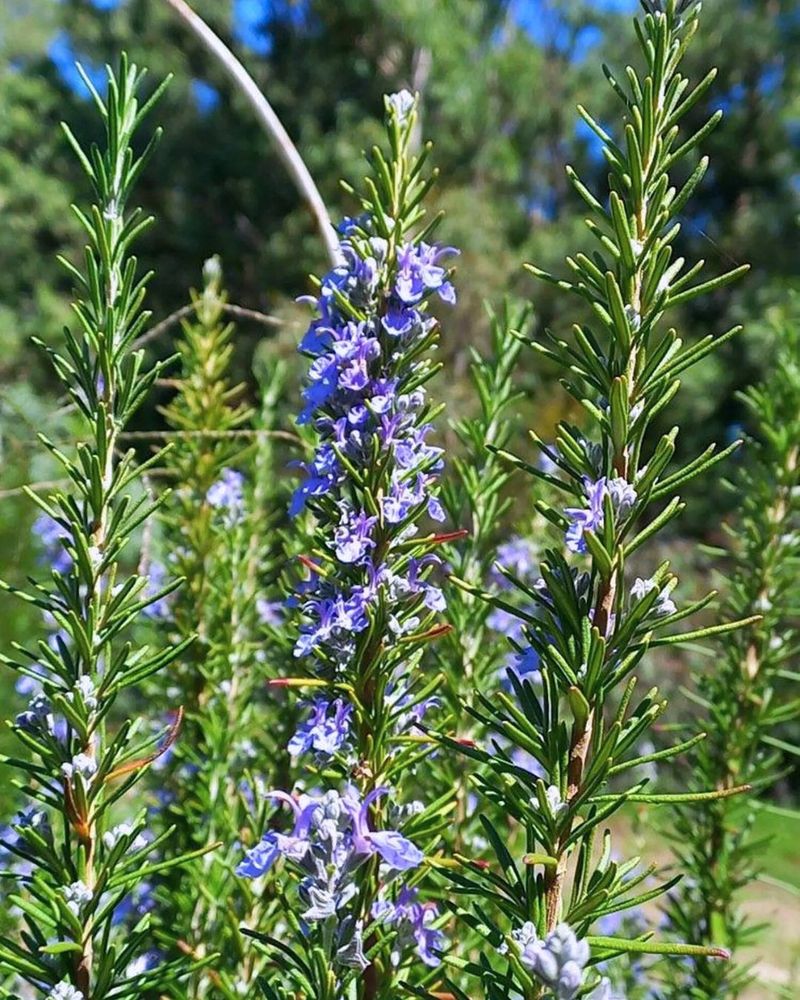
Rosemary is a beloved herb in Florida gardens, and the Arp cultivar stands out for its ability to handle temperature swings that can catch other varieties off guard during Florida’s transitional spring months.
Named after a small town in Texas where it was first discovered growing through a cold snap, Arp rosemary brings both culinary value and landscape beauty to Florida gardens.
April is a great month to establish new plants before summer heat fully arrives.
Arp rosemary grows as an upright, woody shrub reaching two to four feet tall with silvery-green, needle-like foliage and soft blue flowers that attract bees and other pollinators.
It thrives in full sun and insists on well-drained soil, making it well-suited to Florida’s sandy conditions.
Overly wet or clay-heavy soils can lead to root problems, so raised beds or amended planting areas work well in areas with poor drainage.
Water newly planted rosemary regularly until established, then reduce frequency since mature plants prefer drier conditions between waterings.
Avoid overwatering, which is one of the most common issues Florida gardeners encounter with rosemary. A light mulch layer helps moderate soil temperature without retaining excessive moisture.
Prune lightly after flowering to maintain shape and encourage fresh, flavorful growth.
Arp rosemary is generally more adaptable across Florida’s regions than standard rosemary varieties, performing reasonably well in North Florida winters and holding up through Central Florida’s summer heat with minimal intervention.
It is a reliable, long-lived herb for Florida landscapes.