8 Plants To Grow Instead Of Oleander In Florida
Oleander has fooled a lot of Florida gardeners. It looks tough, handles heat, and fills space fast, so it seems like an easy win at first glance.
Then the downsides start piling up. Toxicity gives many people pause, the shape can turn coarse without regular care, and that old-school look does not always do a yard any favors.
In a state packed with colorful, hardworking plants, plenty of gardeners are starting to ask the same thing: why settle for oleander at all? Florida offers better options for bright flowers, lush foliage, wildlife value, and that polished look people actually want out front.
Some bring a softer feel, some handle heat like champs, and some simply make a yard look far more current. Once you see what can take its place, oleander starts to feel less like a classic and more like a plant Florida has outgrown.
1. Firebush Brings The Heat Without The Oleander Risk
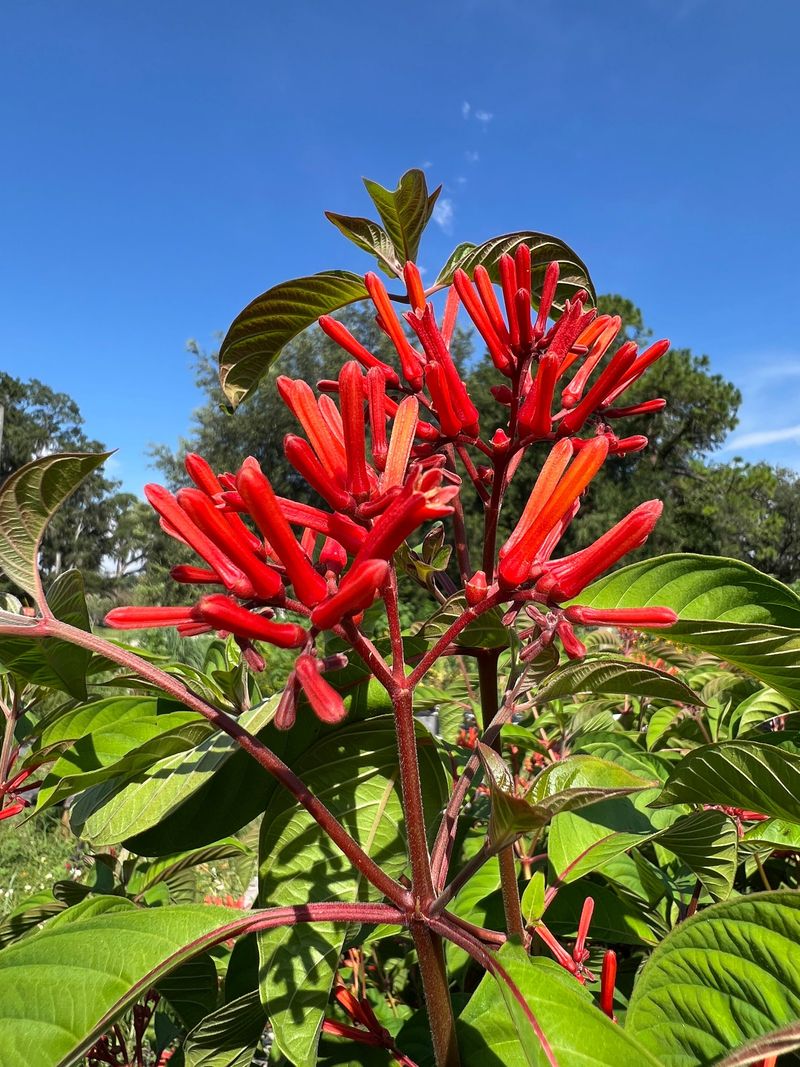
Few shrubs put on a show quite like firebush during a Florida summer. Hamelia patens is a Florida native that produces clusters of tubular orange-red flowers from late spring all the way through fall, making it one of the longest-blooming shrubs in the state.
It thrives in full sun and handles the heat and humidity that would stress many other plants.
Firebush grows quickly, reaching anywhere from 3 to 10 feet tall depending on how much you prune it and whether you are growing the native species or a compact cultivar.
The compact form works well in smaller beds or foundation plantings, while the full-size native fits naturally into larger, wilder-looking landscapes.
Both versions draw hummingbirds and butterflies in impressive numbers.
According to UF/IFAS, firebush is well-suited to a wide range of Florida soils, including sandy and well-drained types. It does best with regular moisture while getting established but becomes quite drought-tolerant once its roots settle in.
Unlike oleander, it poses no toxicity risk to children or pets. If you want bold tropical color without the worry, firebush is a reliable and responsible choice for almost any Florida yard.
2. Walter’s Viburnum Gives Florida Yards A Fuller, Softer Look
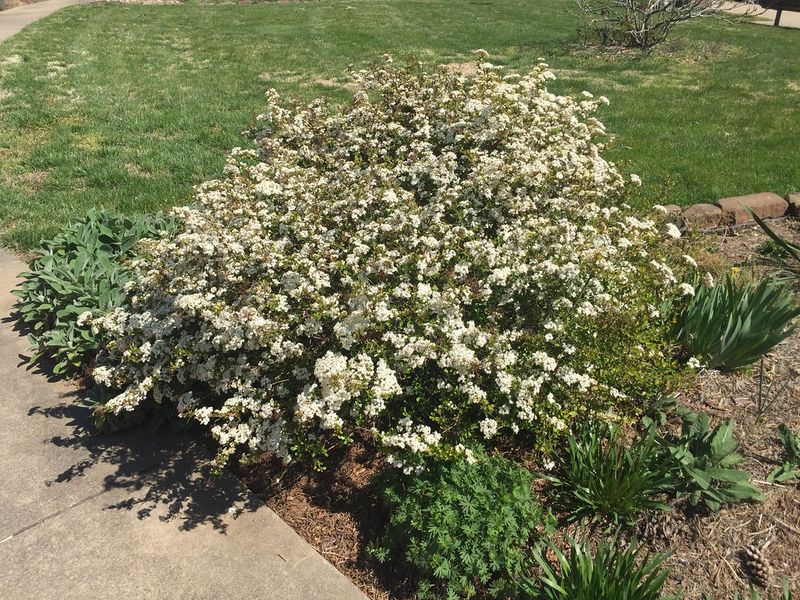
Gardeners who want a thick, natural-looking hedge without dealing with oleander’s toxicity should take a close look at Walter’s viburnum. Viburnum obovatum is a Florida native that forms a dense, evergreen wall of small, rounded leaves.
It is one of the most adaptable native shrubs in the state, growing well across North, Central, and even parts of South Florida.
In spring, the shrub covers itself in clusters of tiny white flowers that attract bees and other pollinators. By fall, dark berries appear and provide food for birds.
The plant can be left to grow naturally into a loose, multi-stemmed form reaching 10 to 15 feet, or it can be pruned into a tight formal hedge. That flexibility makes it useful in all kinds of landscape situations.
UF/IFAS recommends Walter’s viburnum for screening, borders, and naturalistic plantings. It tolerates periodic flooding, dry spells, and a range of soil types, which is exactly what Florida gardeners need.
Your Florida Garden Changes Every Week. Your Plan Should Too.
Gardening in Florida changes quickly throughout the season. Every Friday you’ll receive a simple weekly plan showing exactly what to plant, prune, fertilize, harvest, and protect so you never miss the right timing.
The texture is softer and more refined than oleander, and it never poses a risk to curious kids or animals. For a hedge that earns its place through structure and wildlife value, this native viburnum is a top-tier pick.
3. Beautyberry Adds Native Charm And Bright Fall Color
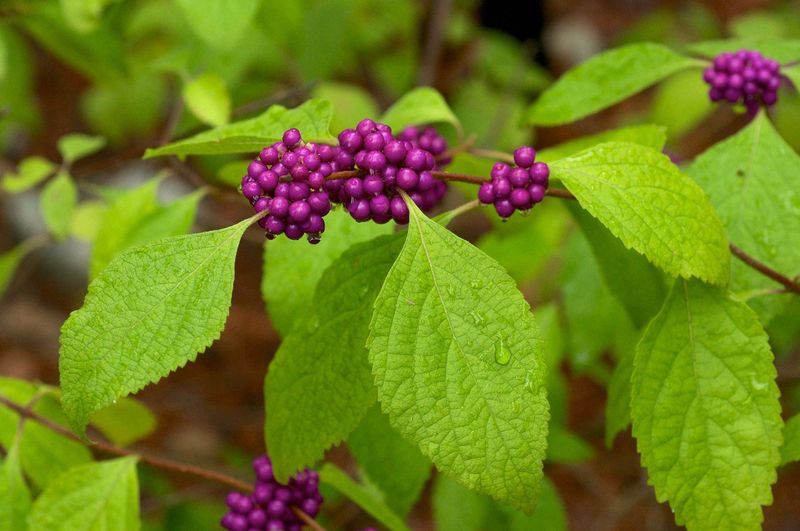
Walk through a Florida woodland in late summer and you will likely stop in your tracks when you spot beautyberry. American beautyberry, Callicarpa americana, produces clusters of brilliant magenta-purple berries that line its arching branches in late summer and fall.
No other native shrub delivers that kind of color pop at that time of year.
Beautyberry grows 4 to 8 feet tall and wide, with long, arching branches that give it a loose, informal shape. It works best in landscapes where you want a natural, relaxed feel rather than a manicured look.
The shrub tolerates partial shade well, which is useful in spots where full-sun plants like oleander would struggle under a tree canopy.
The berries are a magnet for mockingbirds, cardinals, and other birds that feed heavily during migration and fall. According to UF/IFAS, beautyberry grows in moist to moderately dry soils and does well across most of Florida.
It may lose some leaves in North Florida winters but leafs back out reliably in spring. Beautyberry will not give you the evergreen wall that oleander does, but the seasonal drama it creates in fall is genuinely hard to match with any other shrub.
4. Thryallis Keeps The Yellow Blooms Coming In Full Sun
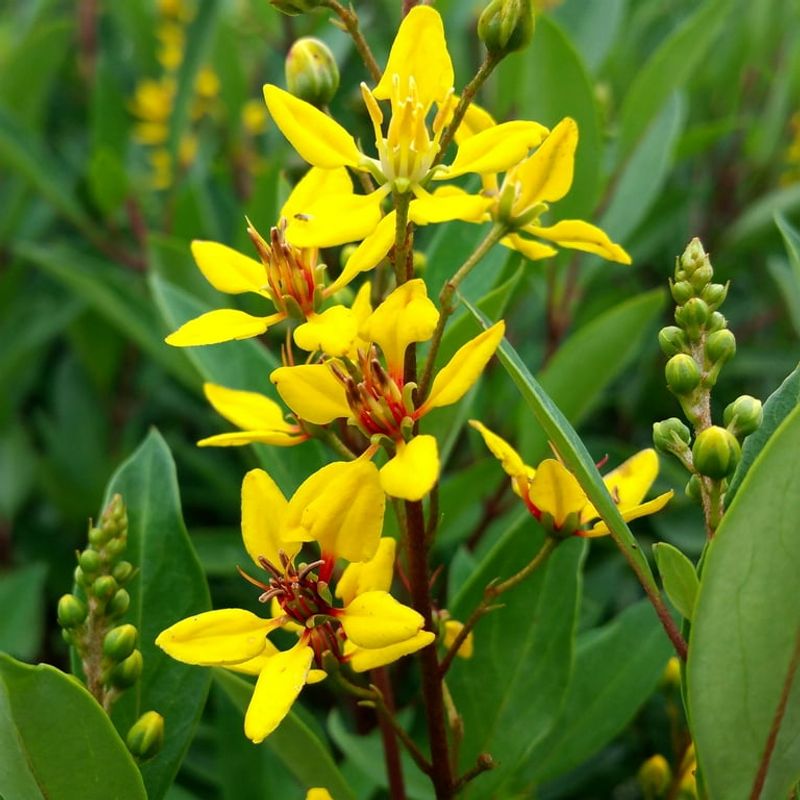
Gardeners who love the bold color oleander provides but want something safer and a little more refined should spend some time with thryallis. Galphimia gracilis is a tropical shrub that blooms almost continuously from spring through fall in Central and South Florida.
The flowers are small and star-shaped, bright yellow, and they appear in long clusters at the tips of the branches.
Thryallis grows into a rounded shrub typically reaching 4 to 6 feet tall and wide. It prefers full sun and well-drained soil, making it a natural fit for the sandy conditions common across much of South and Central Florida.
It does not handle frost well, so it is best suited to Zone 9b and warmer, though gardeners in Zone 9a sometimes grow it with some protection.
What makes thryallis stand out as an oleander alternative is its incredibly long flowering window. While many shrubs bloom for a few weeks, thryallis keeps producing yellow flowers for months on end.
It requires minimal pruning to stay tidy, and it does not attract the pest pressure that oleander does. For a sunny border, median planting, or foundation bed in South Florida, thryallis delivers consistent color without the risks oleander brings.
5. Yaupon Holly Stays Tough Through Heat, Salt, And Dry Spells
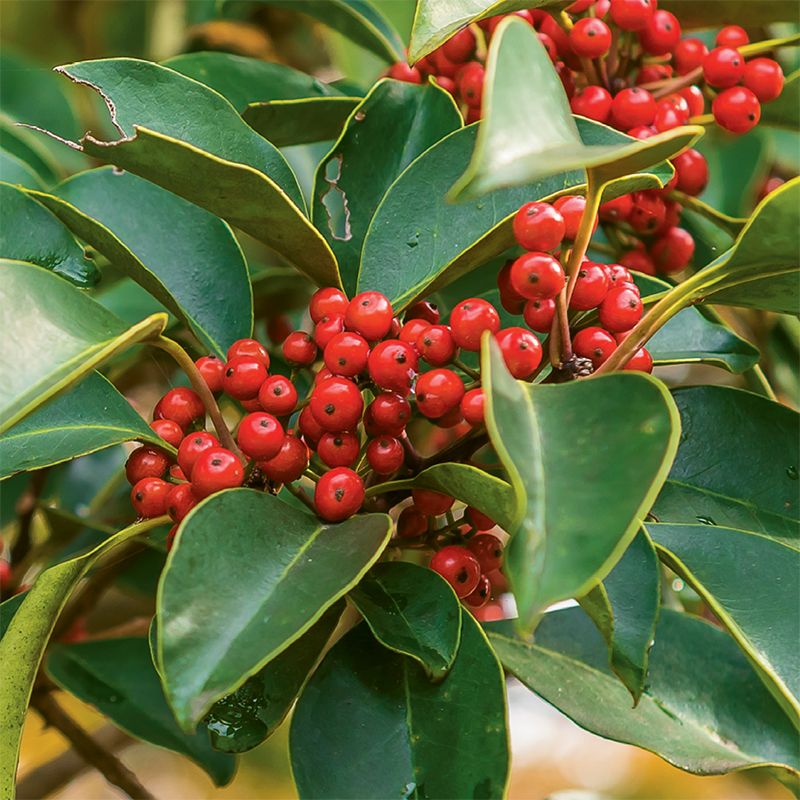
Some plants earn their spot in a Florida yard by being absolutely unshakeable, and yaupon holly is one of them. Ilex vomitoria is a native evergreen shrub that shrugs off drought, salt spray, poor sandy soils, and punishing summer heat.
It grows naturally in coastal areas, scrublands, and upland forests across Florida, which tells you a lot about how tough it really is.
Yaupon holly can be grown as a dense privacy hedge, a clipped formal shrub, or a small multi-stemmed tree depending on how it is pruned. Female plants produce small red berries in fall and winter that birds absolutely love.
The foliage is small, dark green, and dense, giving it a fine-textured look that feels cleaner and more refined than oleander’s coarser leaves.
According to UF/IFAS, yaupon holly tolerates a wide range of soil conditions and is considered one of the most adaptable native shrubs in the southeastern United States. It responds well to heavy pruning and can be shaped into tight hedges or topiary forms.
For coastal properties, difficult dry sites, or anyone who simply wants a no-fuss evergreen that holds its own through Florida’s toughest weather, yaupon holly is a genuinely dependable substitute.
6. Bottlebrush Lights Up The Yard And Pulls In Pollinators
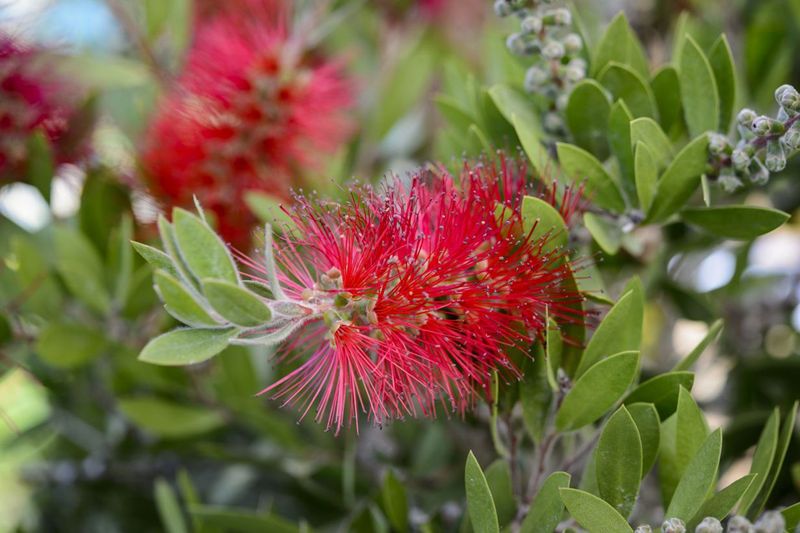
There is something almost theatrical about a bottlebrush in full bloom. The flowers form long, cylindrical spikes of bright red stamens that really do look like old-fashioned bottle brushes, and when the plant is covered in them, it stops people in their tracks.
Callistemon citrinus, the crimson bottlebrush, is widely grown across Florida and thrives in the full sun and heat that the state delivers year-round.
Bottlebrush typically grows 10 to 15 feet tall if left unpruned, but regular trimming keeps it shrub-sized and encourages more blooms. It blooms most heavily in spring and fall, with sporadic flowers in between.
Hummingbirds and butterflies visit the flowers constantly, and the plant adds a strong tropical character to any landscape.
Bottlebrush prefers well-drained soil and full sun, and it handles drought reasonably well once established. It does not tolerate salt spray as well as some other plants on this list, so it is better suited to inland yards than beachfront properties.
Compared to oleander, it offers similar toughness and bold color without the toxicity concerns. For gardeners who want a focal-point shrub that creates real visual energy and pulls in pollinators all season, bottlebrush is a strong and satisfying choice.
7. Banana Shrub Brings Fragrance To Spots Oleander Cannot Improve
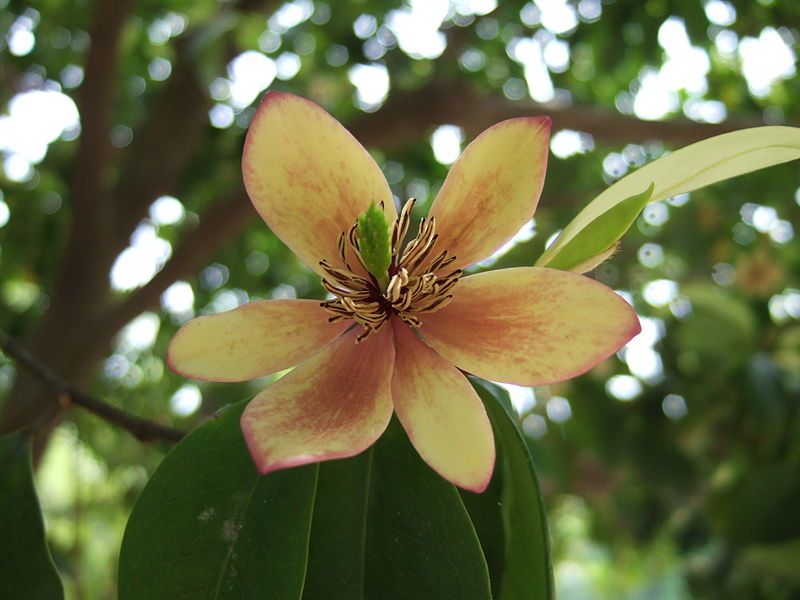
Not every spot in a Florida yard gets blasted with full sun, and banana shrub is made for exactly those shadier, more sheltered areas where oleander would never really thrive.
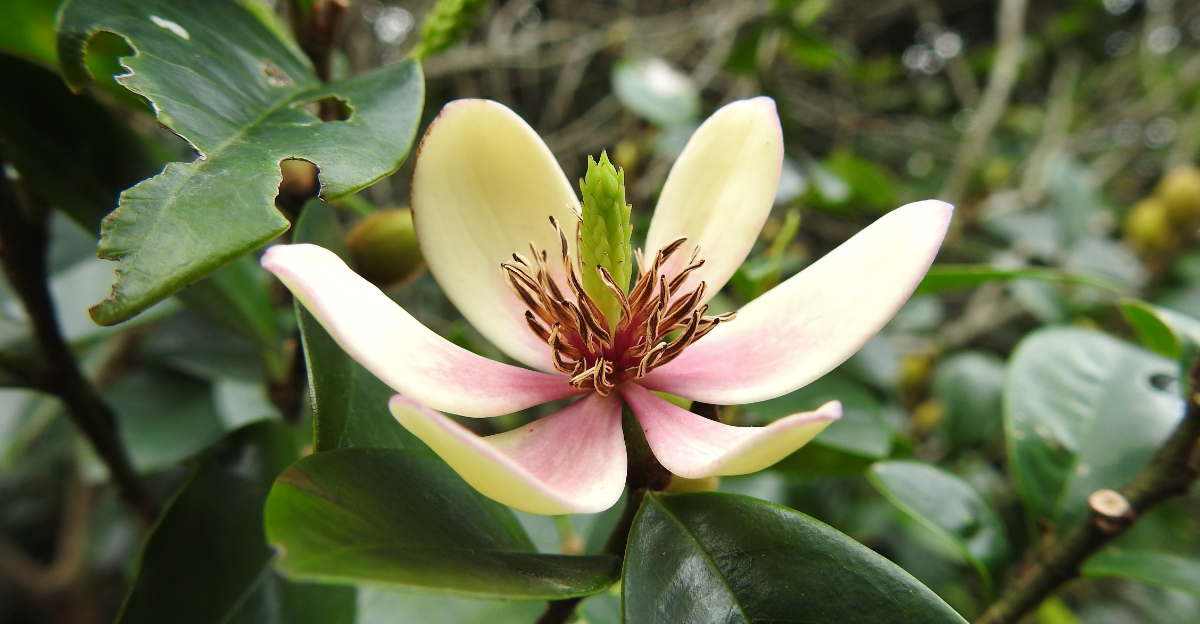
Michelia figo is a slow-growing evergreen shrub that produces small, creamy-yellow flowers with a scent that genuinely resembles ripe bananas.
It is one of those plants that surprises people the first time they walk past it in bloom.
Banana shrub grows best in partial shade to full sun and prefers well-drained, slightly acidic soil. It is well-suited to North and Central Florida and grows more slowly in the cooler parts of the state, typically reaching 6 to 10 feet at maturity.
Because it is dense and evergreen, it works well as a privacy screen, a foundation planting near a porch or patio, or an accent near an entryway where its fragrance can be enjoyed up close.
Unlike oleander, which tends to look harsh and spiky in formal or close-quarters settings, banana shrub has a refined, tidy appearance that fits neatly into more polished landscape designs. It requires little pruning and has no serious pest issues in Florida.
For gardeners who want scent, structure, and year-round greenery in a spot that gets some shade, banana shrub fills that role with quiet confidence.
8. Tea Olive Delivers Evergreen Privacy With A Sweeter Bonus
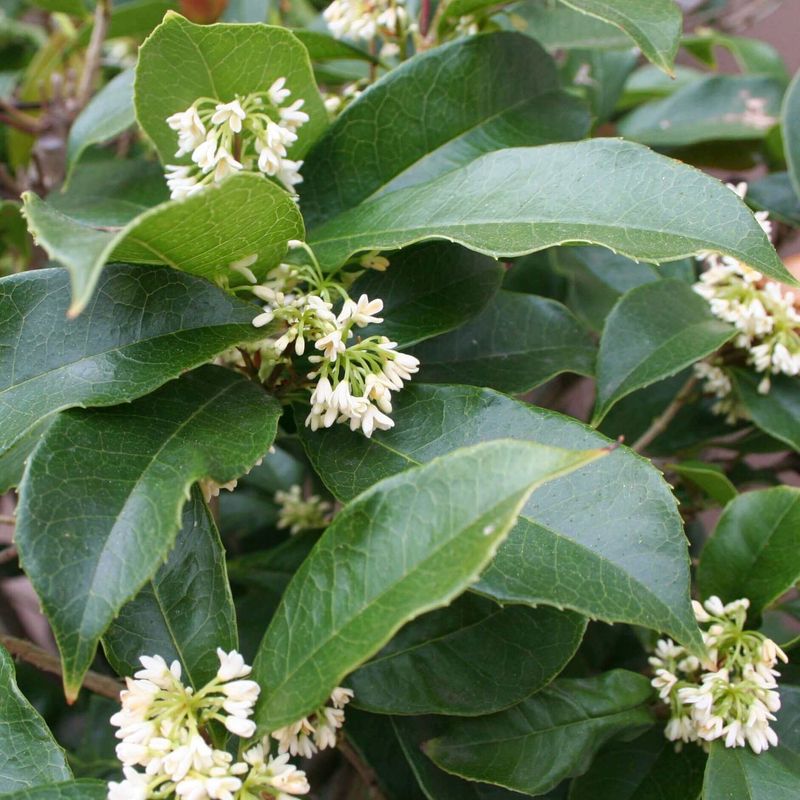
Ask any long-time North Florida gardener about tea olive and you will probably get a smile along with the answer.
Osmanthus fragrans is an evergreen shrub or small tree that produces tiny white flowers with an extraordinarily sweet fragrance, often compared to ripe apricots or jasmine.
The blooms are small enough that you might not even notice them at first, but the scent carries far and is unmistakable.
Tea olive grows best in North and Central Florida where winters are cooler. It prefers partial shade to full sun and well-drained soil with a slightly acidic pH.
Left to its own devices, it can reach 10 to 20 feet tall, making it a solid choice for tall privacy screens or background plantings. Regular pruning keeps it compact and encourages more flowering.
Compared to oleander, tea olive offers a more elegant, refined look with glossy, dark green leaves and a tighter growth habit. It does not have oleander’s toxicity issues, and it does not attract pest problems the way oleander does with its caterpillars.
For gardeners in North or Central Florida who want year-round privacy, a polished appearance, and the bonus of one of the most pleasant fragrances in any landscape, tea olive is genuinely worth the space it takes up.