6 Plants To Prune In Florida This May (And 4 To Leave Alone)
May can make a Florida yard look like it changed overnight. One week, shrubs look neat.
The next, vines crawl past trellises, hibiscus shoots race toward the roofline, and storm season waits around the corner. A quick cut can help, but the wrong cut can erase an entire flower show before it starts.
That is the trap many gardeners fall into this month. Florida does not follow the garden calendar used in colder states, and plants do not all want the same treatment.
Some need a light trim now to stay full, strong, and under control. Others need total peace because buds have already formed for their next bloom.
Grab the pruners too soon, and you may trade months of color for bare stems. This Florida May guide shows which plants can handle a cut and which ones deserve hands off.
Read this before one snip costs next season’s blooms.
1. Lightly Prune Firebush To Control Size Without Losing Blooms
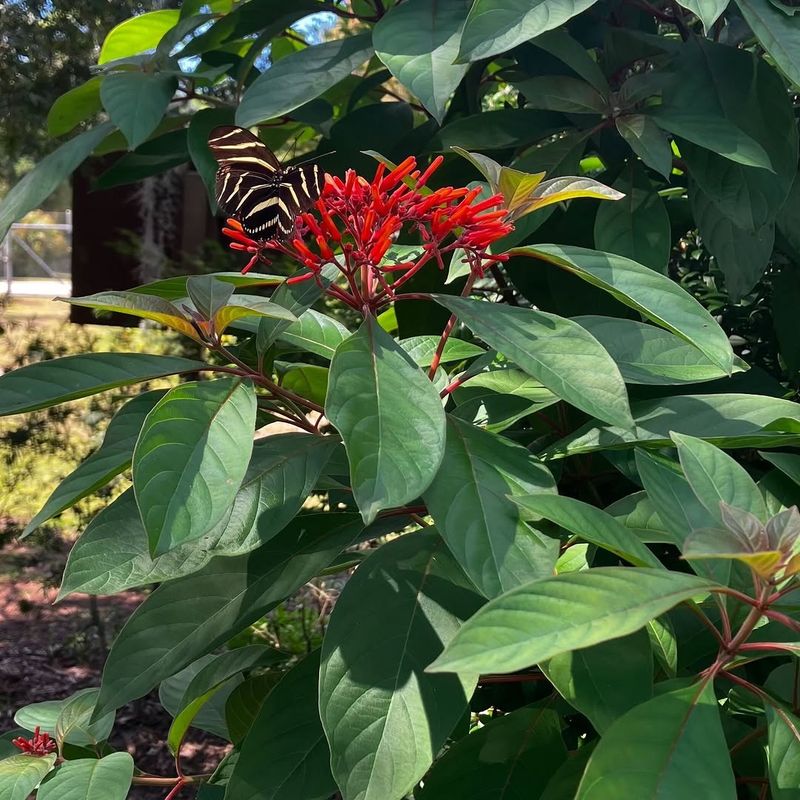
Firebush is one of those plants that seems to grow a foot overnight during Florida’s warm months. By May, it can already be pushing well beyond its intended space, which makes a little shaping tempting.
The good news is that light pruning in May is totally fine for firebush, as long as you keep it gentle.
UF/IFAS describes firebush as a fast-growing Florida-Friendly shrub that can become quite large in warm parts of the state.
In many home landscapes, trimming back the tips and longest stems in May helps keep firebush within bounds without removing too many flowering stems.
Avoid cutting more than one-third of the plant at a time, since heavy pruning removes the flowering stems and pushes the plant into a recovery mode that delays blooms.
Use clean, sharp bypass pruners and focus on stems that are crossing, growing inward, or just getting too long. A quick shape-up now will encourage branching lower on the plant, giving you a fuller, more compact shrub heading into summer.
Skip the hedge trimmer, which creates a flat surface that actually reduces flowering. Firebush rewards a light, thoughtful touch far more than an aggressive cut.
2. Shape Hibiscus To Encourage Fresh Summer Growth
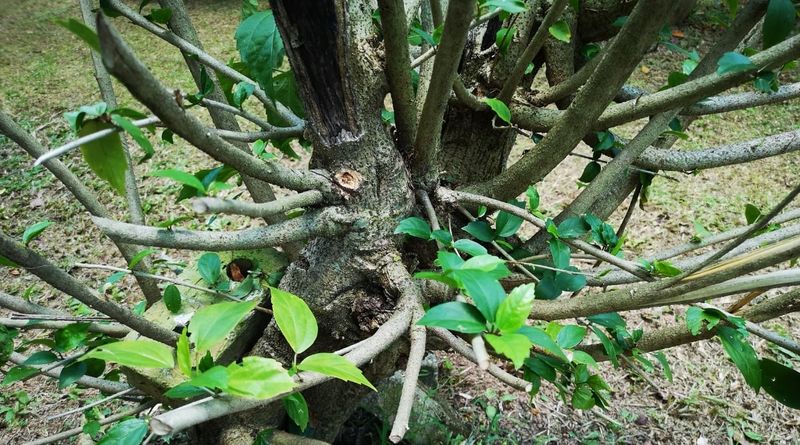
Few plants say “Florida yard” quite like a tropical hibiscus loaded with dinner-plate blooms. May is actually a great time to give hibiscus a light shaping, and the plant responds well to it.
Tropical hibiscus blooms on new growth, which means pruning encourages the fresh stems that carry the flowers.
According to UF/IFAS extension guidance, tropical hibiscus can be pruned several times throughout the year in Florida’s warm climate. A light trim in May, focused on overly long, weak, or crossing stems, helps open up the canopy and encourages fresh flowering growth.
Do not cut all branches at once, and avoid cutting stems back to bare wood with no leaves, since that can slow recovery significantly.
Focus on removing weak, crossing, or overly long branches first. After pruning, water the plant well and consider a balanced slow-release fertilizer to support the flush of new growth.
Your Florida Garden Changes Every Week. Your Plan Should Too.
Gardening in Florida changes quickly throughout the season. Every Friday you’ll receive a simple weekly plan showing exactly what to plant, prune, fertilize, harvest, and protect so you never miss the right timing.
Hibiscus in Florida can get leggy quickly in summer heat, and a May trim keeps the plant shapely and productive. Just avoid going overboard since a moderate, thoughtful cut always works better than an aggressive one on this tropical beauty.
3. Trim Ixora Lightly After A Flowering Flush
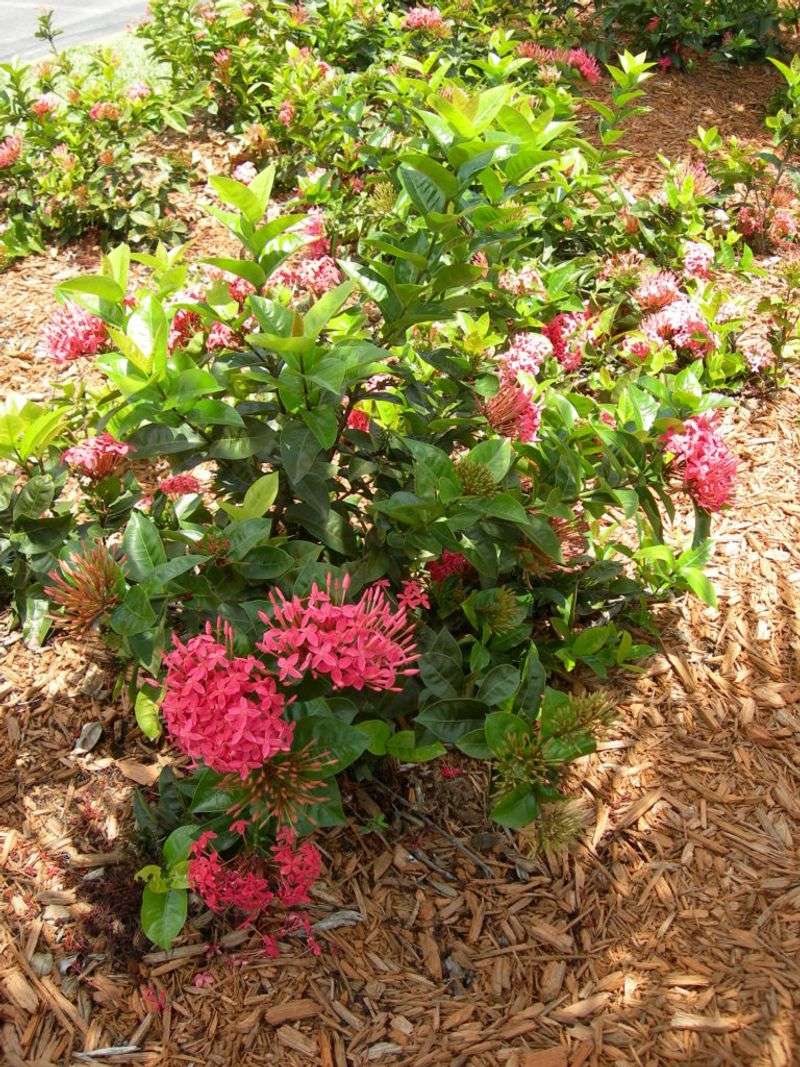
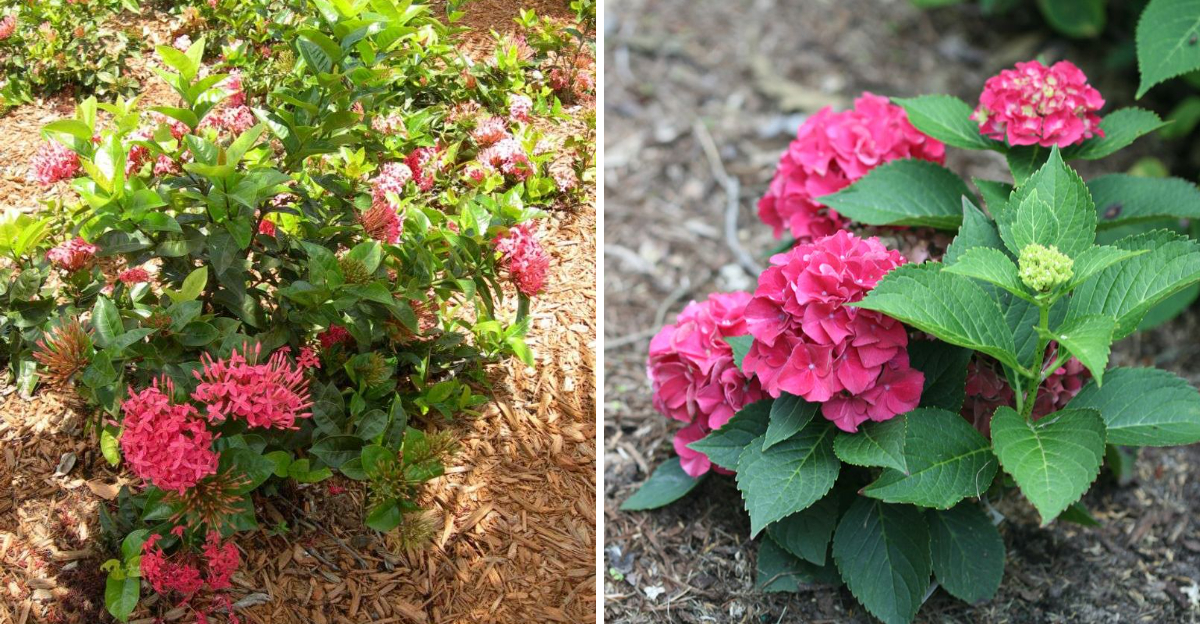
Ixora is a Florida landscape staple, famous for its tight clusters of tiny flowers in shades of red, orange, and yellow. After a spring flowering flush, May is a reasonable time to do a light cleanup trim, but the keyword here is light.
Ixora is sensitive to heavy pruning, and aggressive cuts can set it back for months.
One of the biggest mistakes Florida gardeners make with ixora is using electric hedge trimmers to shear it into a tight ball shape. This removes the branch tips where flowers form and leads to a shrub that looks tidy but rarely blooms.
Because pruning can reduce flowering, the safest approach is to hand-prune ixora selectively, removing only the longest stems and any withered or crossing branches after a bloom cycle ends.
In May, check whether the current flush has finished before picking up the pruners. If flowers are still going strong, wait another week or two.
Once blooms have faded, trim lightly to shape and encourage branching. Ixora also prefers slightly acidic soil, so a spring application of an acid-forming fertilizer after pruning supports healthy new growth.
Treat it with patience and a careful hand, and ixora will reward you with color all through the warmer months ahead.
4. Pinch Back Coleus To Keep Foliage Full
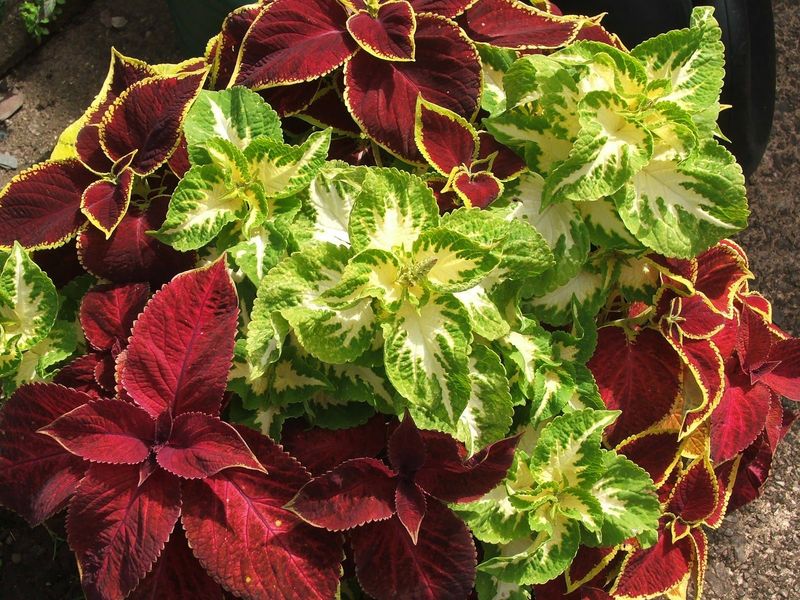
Coleus is not grown for its flowers. It is grown for those bold, almost electric leaves that come in combinations of red, purple, lime green, and deep burgundy.
The challenge in Florida’s May heat is that coleus tends to bolt, meaning it stretches upward and starts pushing out flower spikes, which actually makes the foliage look sparse and less vibrant.
Pinching back coleus is simple and does not require any special tools. Just use your fingers or small snips to remove the top inch or two of each stem, right above a leaf node.
This redirects the plant’s energy back into producing lush side growth instead of tall, leggy stems. Do this every couple of weeks throughout May and into summer, and your coleus will stay full and colorful rather than thin and floppy.
Also pinch off any flower spikes as soon as you see them forming. Letting coleus flower speeds up the plant’s decline and reduces leaf quality.
Florida-Friendly Landscaping guidelines suggest keeping coleus in partial shade during the hottest months, which also reduces bolting.
A little pinching now is genuinely one of the easiest and most effective things you can do to keep a coleus planting looking its absolute best through the summer.
5. Prune Salvia Lightly To Keep Blooms Coming
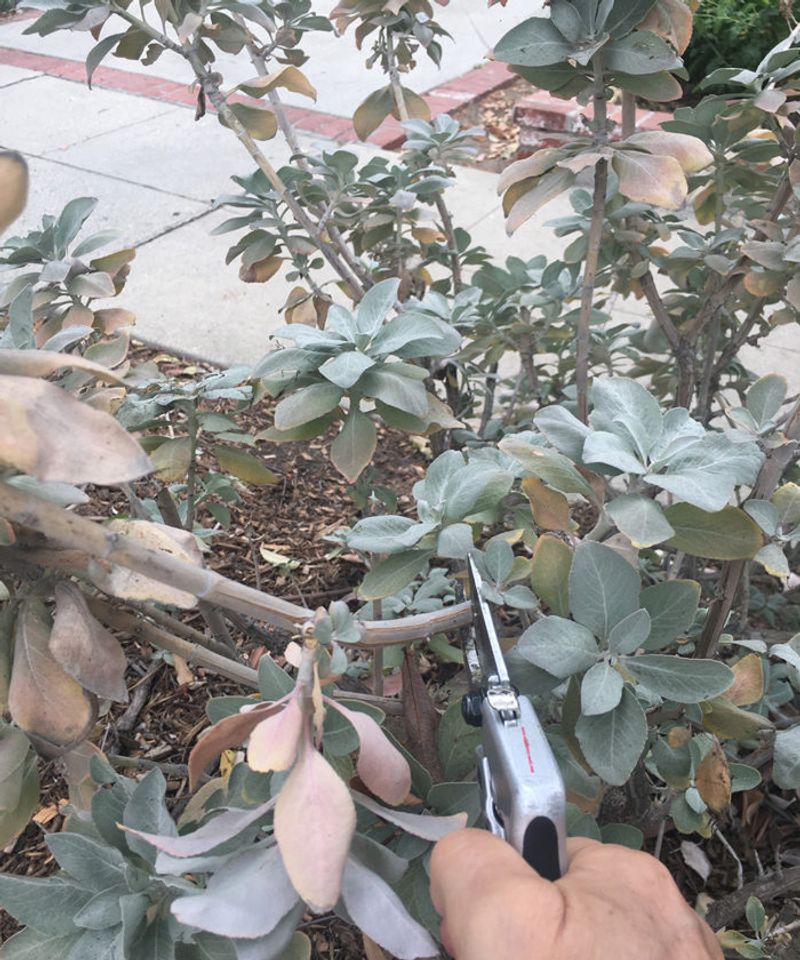
Salvia is a dependable Florida pollinator plant, and by May, many varieties are already blooming heavily or starting to stretch in the heat.
A light trim this month helps keep the plant compact, encourages fresh branching, and prevents it from looking woody or leggy as summer arrives.
The key is to prune lightly rather than cutting the whole plant back hard. Focus on spent flower spikes, overly long stems, and any growth that is flopping into walkways or nearby plants.
Removing faded blooms also helps redirect the plant’s energy into producing more flowers instead of seed.
Use clean hand pruners and cut just above a healthy leaf node. This encourages branching and often leads to another flush of blooms.
Avoid shearing salvia into a tight shape, since selective pruning keeps the plant looking more natural and supports better flowering.
After pruning, water deeply if conditions are dry and avoid overfertilizing, which can push leafy growth at the expense of flowers. With a light May trim, salvia can keep feeding pollinators and adding color well into Florida’s hot season.
6. Tidy Mandevilla Vines To Keep Growth In Bounds
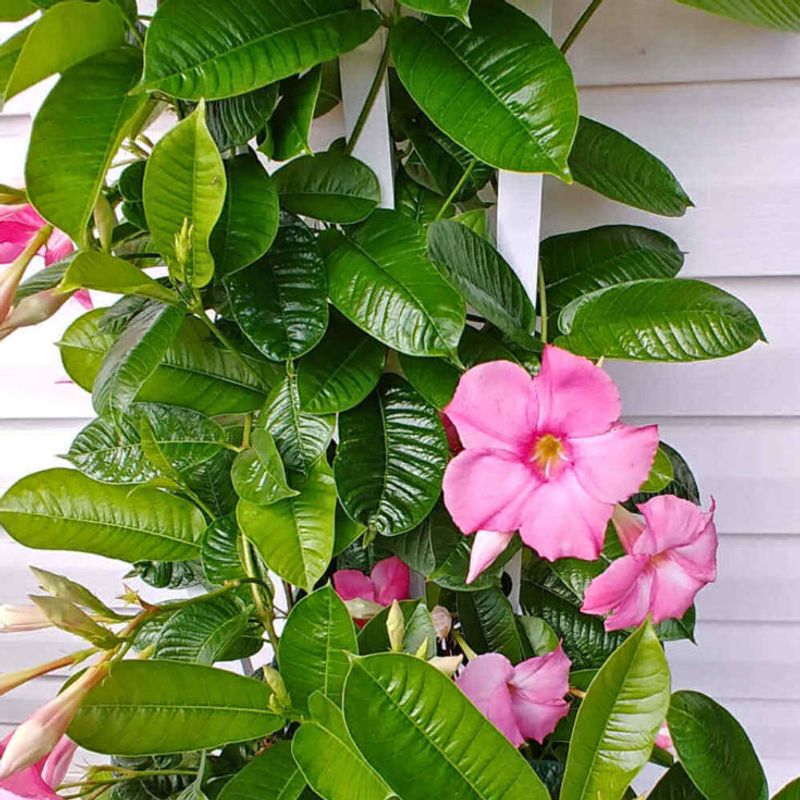
Mandevilla is a showstopper. Those glossy leaves and trumpet-shaped pink or red blooms make it one of the most popular flowering vines in Florida.
But mandevilla grows fast in warm weather, and by May it can start sprawling well beyond its trellis or support structure if left unchecked.
A light trim in May helps keep mandevilla tidy without sacrificing blooms. The key is to focus on the longest, unruly stems that are growing away from the support rather than cutting back established flowering stems.
Mandevilla blooms on new growth, so light pruning actually encourages the fresh stems that will carry the next wave of flowers.
Avoid heavy pruning that removes large portions of the vine, which can temporarily stop blooming and stress the plant during an already warm period.
Use sharp, clean pruners and make cuts just above a leaf node to encourage branching.
After tidying, check that the vine is properly tied to its support so new growth heads in the right direction.
Mandevilla prefers full sun and consistent moisture, and May is a good time to feed lightly if the plant is actively growing and the soil is moist. A little attention now keeps this beautiful vine looking intentional rather than wild all season long.
7. Skip Ornamental Grasses After Spring Cleanup Season
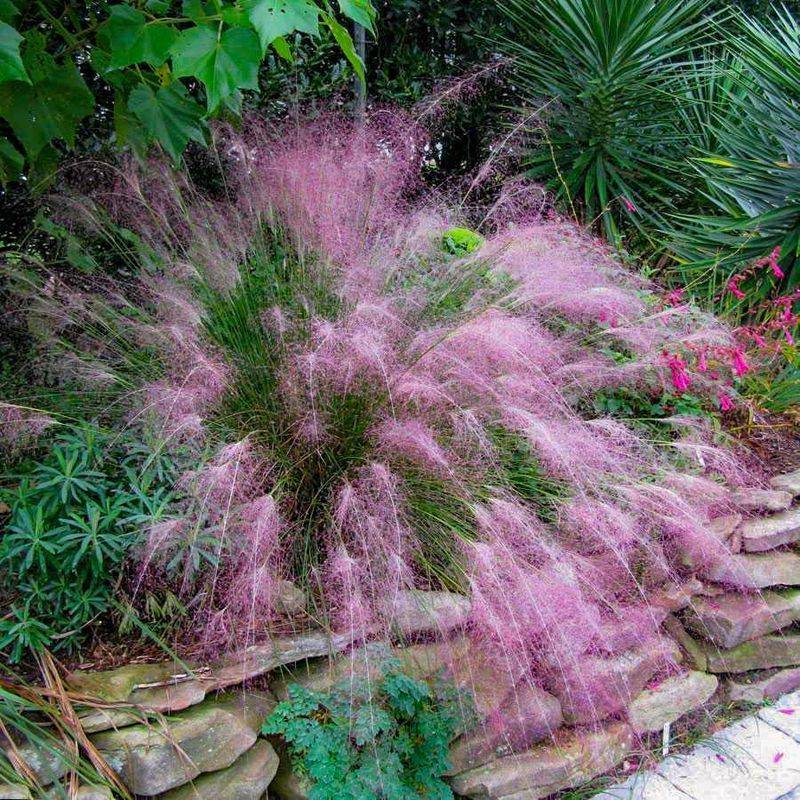
If you missed the window to cut back ornamental grasses in late winter or very early spring, May is not the time to try to catch up.
Most ornamental grasses used in Florida landscapes, including muhly grass, fakahatchee grass, and many native bunchgrasses, should be cut back or cleaned up before new growth emerges in late winter.
By May, that new growth is already well underway.
Cutting ornamental grasses now means slicing right through the fresh green blades that the plant has been working hard to produce. This stresses the plant, creates an unsightly brown stubble effect, and can interfere with the grass’s ability to support itself structurally through summer storms.
UF/IFAS recommends cutting ornamental grasses back in late winter or early spring before new growth begins. By May, a hard cutback would remove fresh growth and leave the clump looking rough for much of the growing season.
The best approach in May is to simply leave ornamental grasses alone. Remove any individual withered or damaged blades by hand if needed, but skip the dramatic cutback entirely until next late winter.
If the clump looks untidy, a light hand-combing to remove old material is a much safer option than shearing.
Ornamental grasses in Florida are tough, drought-tolerant, and low-maintenance when managed on the right schedule, and that schedule simply does not include May pruning.
8. Avoid Late Pruning On Azaleas Once Bud Timing Begins
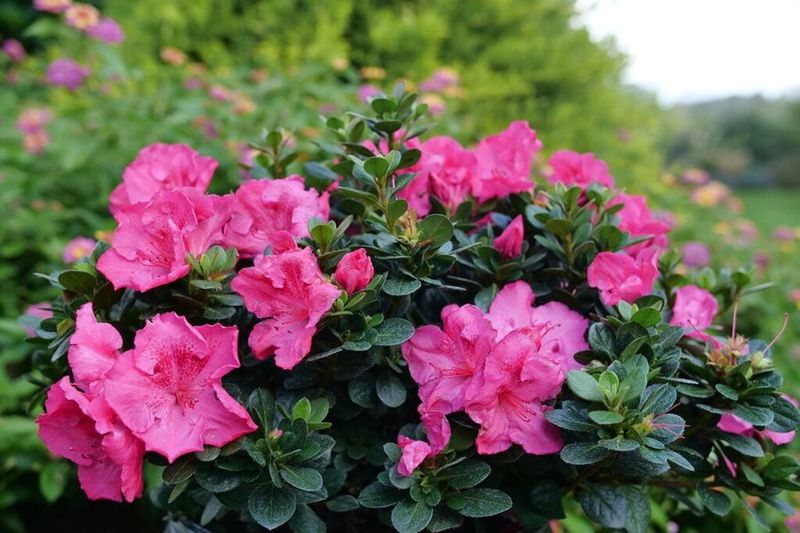
Azaleas are one of Florida’s most beloved flowering shrubs, and timing is everything with them. The window for pruning azaleas in Florida is narrow and falls right after they finish blooming, typically in March or early April.
By May, that window is closing or already closed in much of Florida, especially once new growth has begun.
Florida azaleas set their flower buds on old wood, meaning the buds for next year’s blooms begin developing on this year’s new growth shortly after the spring flowering period ends.
Cutting into the plant in May removes that new growth along with the developing buds, which can significantly reduce or completely eliminate next year’s bloom.
UF/IFAS recommends pruning azaleas shortly after flowering, before summer bud development is underway.
If your azaleas look a little wild right now, resist the urge to tidy them up. The best thing you can do is leave them alone, water consistently during dry spells, and apply a slow-release azalea fertilizer to support healthy growth through the summer.
Any shaping that needs to happen should be planned for right after next spring’s bloom cycle ends. Patience now pays off with a spectacular floral show next year.
9. Leave Gardenias Until Flowers Finish
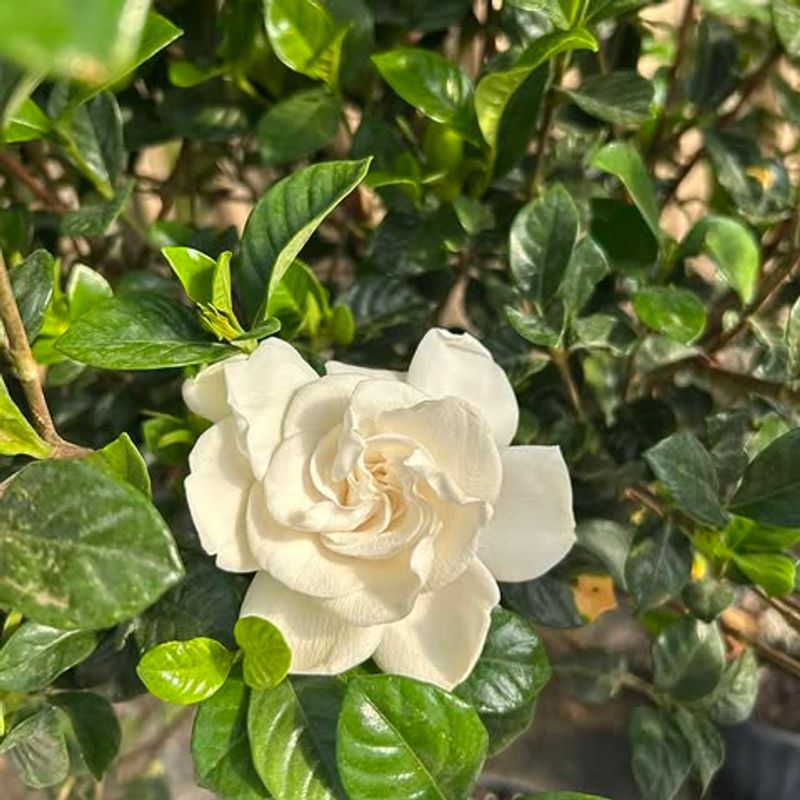
Few scents in the Florida garden are as unmistakable as gardenia in full bloom. May is peak flowering time for many gardenia varieties in Florida, and picking up the pruners right now would be one of the biggest gardening regrets of the season.
Gardenias set their buds well before they open, and cutting into the shrub now removes both open flowers and the buds still waiting to unfurl.
Gardenias form flower buds ahead of bloom, so the safest pruning window is immediately after flowering ends. In Florida, that window typically falls in late May through June, depending on the variety and location.
Pruning before that point cuts off the show before it is over and removes the energy the plant has invested in producing those buds all spring.
For now, enjoy the blooms and focus on good care instead of pruning. Keep the soil consistently moist, since gardenias are sensitive to drought stress during flowering.
A light application of an acid-forming fertilizer after blooms finish will support the new growth that follows pruning. Watch for yellowing leaves, which often signal a soil pH issue rather than a pruning problem.
Let the flowers finish on their own schedule before reaching for the pruners.
10. Hold Off On Hydrangeas Until Bloom Timing Is Clear
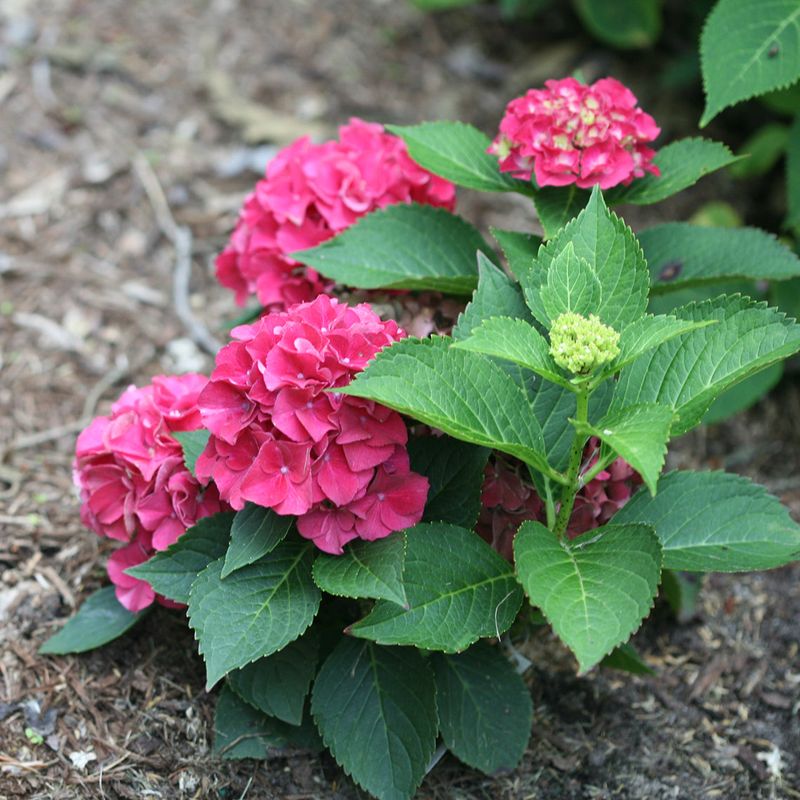
Hydrangeas can be confusing even for experienced gardeners, mostly because different types bloom at different times and on different types of wood. In Florida, the most commonly grown hydrangeas are bigleaf varieties, which bloom on old wood.
That means the flower buds you are hoping to see this summer were set on last year’s stems, making May pruning a real risk. Some hydrangeas, such as panicle types, bloom on new wood, so identifying the type matters before making any major cuts.
Cutting back a bigleaf hydrangea in May, before you can clearly see whether buds have formed and where they are located, can remove an entire season’s worth of blooms.
UF/IFAS notes that improper pruning timing is one of the most common reasons Florida gardeners end up with hydrangeas that produce lots of leaves but no flowers.
The frustration is real, and it is almost always caused by pruning at the wrong time.
The safest approach in May is to wait and watch. Once you can see buds swelling or flowers beginning to open, you will know exactly which stems are productive and which are not.
Withered or clearly non-productive stems can be removed carefully at any point. For most Florida gardeners, the best pruning window for bigleaf hydrangeas falls right after flowering ends in summer.
A little patience in May protects the blooms you have been waiting all year to see.