8 Plants To Prune In May In Arizona Before Heat Takes Over
May is a turning point in Arizona, and what gets trimmed now can shape how plants handle the heat that follows. Some hold onto extra growth that drains energy, while others respond better when cut back at the right moment.
Waiting too long often leads to stress once temperatures spike, and recovery becomes harder.
Knowing which plants benefit from a quick prune this month makes a noticeable difference in how they look and perform later.
Timing matters just as much as how much gets removed, especially in a climate where sun exposure and dry air can push plants fast. Small, careful cuts now can help keep growth more balanced and manageable.
Taking action before the real heat settles in can set plants up to stay stronger and more stable through the toughest part of the season.
1. Bougainvillea Can Be Lightly Trimmed After Bloom

Few plants put on a show quite like bougainvillea does in Arizona. After that big spring flush of color fades, May is actually a smart time to clean things up a little.
You are not going for a dramatic reshape here, just snipping back the tips and removing any damaged or crossing stems.
Keep your cuts light and targeted. Bougainvillea blooms on new growth, so a gentle trim can actually encourage another round of color before the heat shuts things down.
Going too hard with the shears right now, though, can leave the plant struggling when temperatures start pushing past 105 degrees in June.
In Arizona, bougainvillea is tough but not invincible. Stress from heavy pruning combined with extreme heat is a combination worth avoiding.
Focus on removing spent blooms, wayward branches, and anything rubbing against a wall or fence.
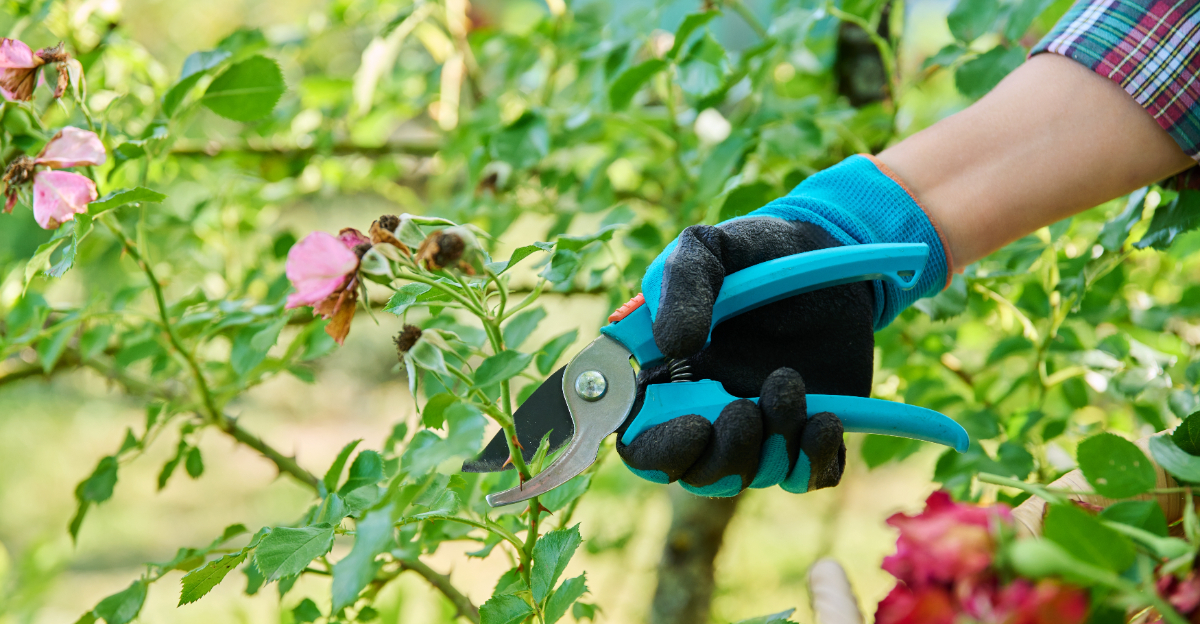
Wear thick gloves every single time. Those thorns are no joke, and they can cause some nasty punctures if you are not careful.
Sharp, clean pruning shears are your best friend here, and wiping them down between plants helps prevent spreading any disease. A little care now keeps your bougainvillea looking great all the way through fall.
A light cleanup also improves airflow through the plant, which helps reduce stress and keeps growth healthier as Arizona heat starts building.
2. Lantana Handles Light Shaping In Warm Weather
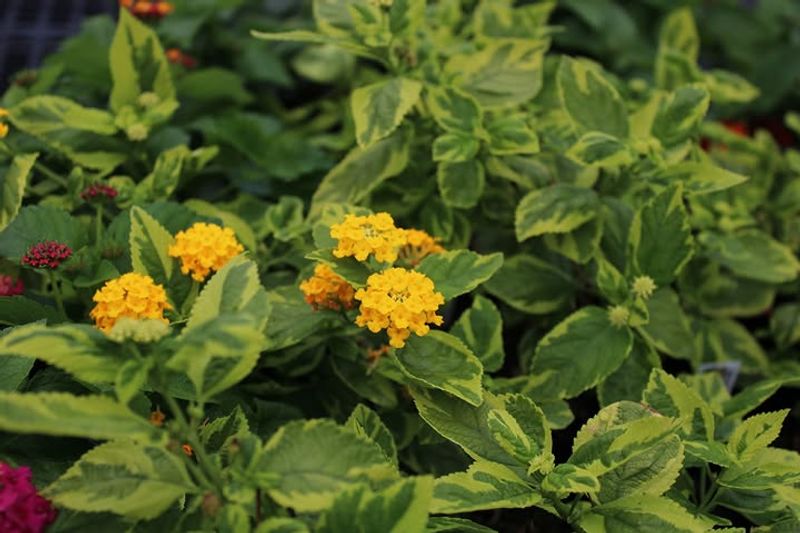
Lantana is one of those plants that practically thrives on neglect in Arizona, but a little shaping in May can make a real difference in how full and tidy it looks through summer.
By this point in the season, you might notice some leggy stems or damaged tips from any late cool nights. Snipping those back encourages compact, bushy new growth.
Light shaping is the goal here, not a hard cutback. Removing about a third of the plant at most keeps it from going into shock when the heat ramps up.
Lantana is a survivor, but pushing it too hard before a brutal Arizona summer is not the move.
One thing worth knowing is that lantana blooms continuously on new growth. Trimming in May actually sets you up for better color payoff in June and July, even when it is scorching outside.
Your Arizona Garden Changes Every Week. Your Plan Should Too.
Gardening in Arizona changes quickly throughout the season. Every Friday you’ll receive a simple weekly plan showing exactly what to plant, prune, fertilize, harvest, and protect so you never miss the right timing.
That is a real bonus for anyone trying to keep their yard looking alive and colorful during the hottest stretch of the year.
Lantana also attracts butterflies and hummingbirds, so keeping it healthy has benefits beyond just appearance. Clean up the base of the plant too, removing any old debris that can trap moisture against the stems.
In Arizona gardens, good airflow around plants matters more than most people realize
A quick check for overcrowded stems also helps keep the plant open and balanced, which improves overall growth as summer heat settles in.
3. Oleander Can Be Pruned Lightly If Needed
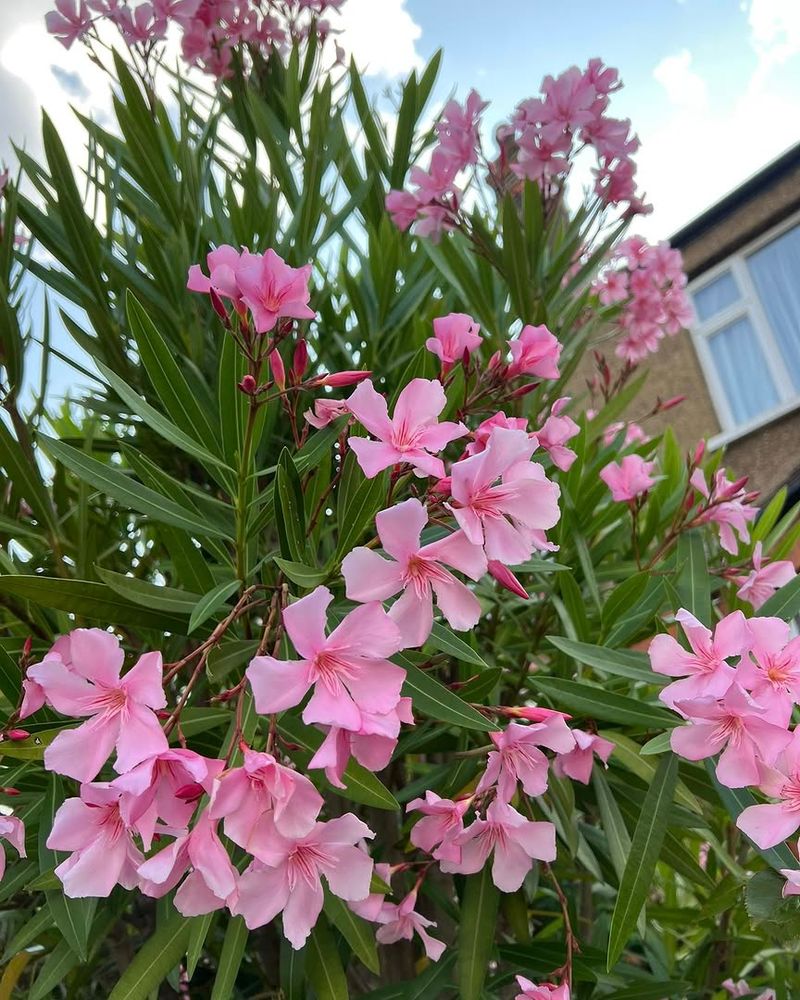
Oleander is practically a symbol of the Arizona landscape, lining highways and filling suburban yards with bursts of pink, red, and white. By May, some oleanders start looking a little ragged after their early bloom cycle, and a light cleanup can go a long way toward keeping them tidy heading into summer.
Keep in mind that oleander is a plant that responds well to restraint. If yours looks fine and is blooming strong, there is no need to touch it at all.
Pruning should only happen when there are damaged stems, crowded branches, or growth heading in the wrong direction. Unnecessary cuts right before peak heat can stress the plant more than help it.
One practical note worth repeating every single time oleander comes up: wear gloves, long sleeves, and avoid touching your face while working with it. Every part of the plant contains compounds that can irritate skin and cause serious problems if ingested.
This is especially important if children or pets are around while you are working.
In Arizona, oleander handles heat remarkably well once established, but freshly pruned cuts need time to seal before temperatures get extreme. Aim to finish any trimming by mid-May so the plant has a few weeks to recover before June rolls in with full force.
Sharp, sanitized tools make every cut cleaner and safer for the plant.
4. Texas Sage Should Only Be Pruned After Bloom
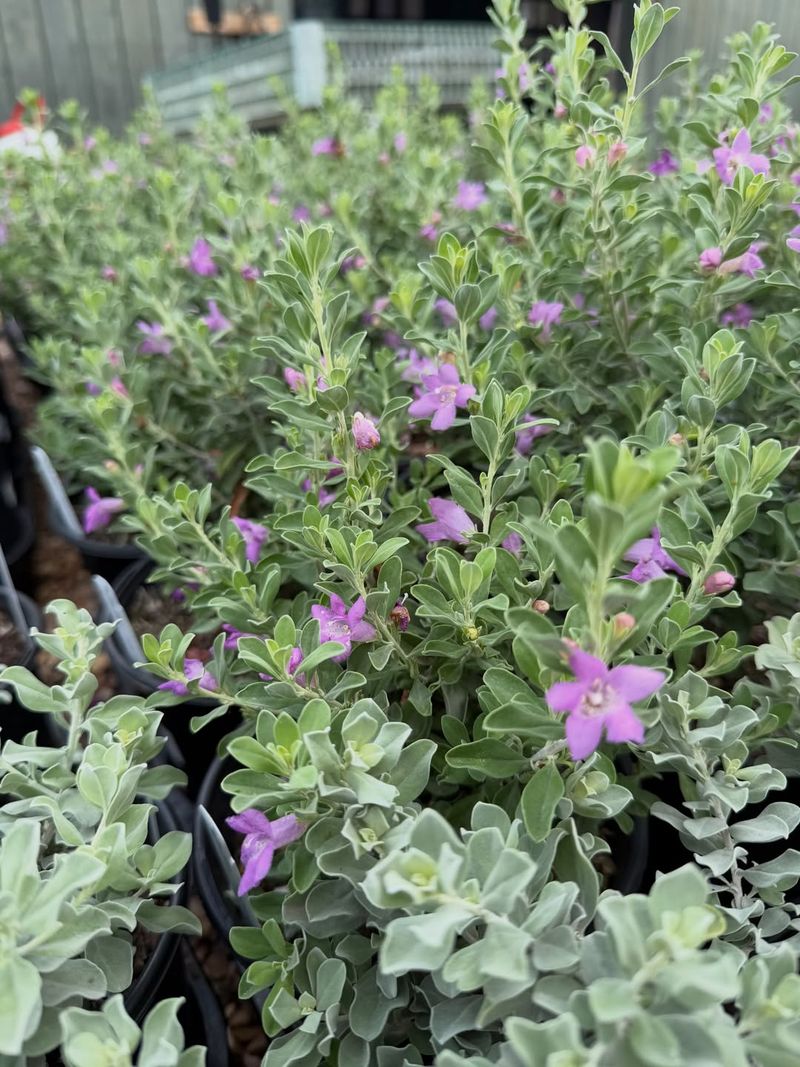
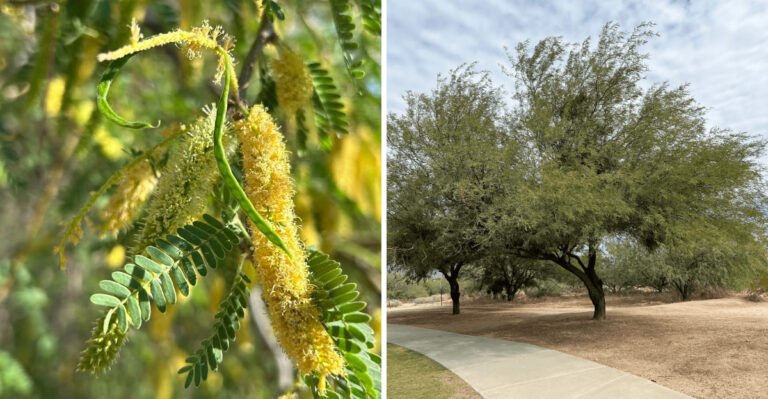
Texas sage, sometimes called purple sage or cenizo, is one of the most reliable shrubs in the Arizona desert landscape. It blooms in response to humidity, which means after a monsoon tease in late spring, you might see a beautiful flush of purple flowers.
Pruning should wait until that bloom cycle is completely finished.
Cutting into Texas sage while it is blooming or about to bloom removes the flowers before you ever get to enjoy them. Patience pays off here.
Once the blooms fade and drop, a light shaping helps the plant maintain a natural, rounded form without looking over-trimmed or stiff.
Hard pruning is not something Texas sage handles well, especially heading into a hot Arizona summer. Stick to removing damaged wood, crossing branches, and any stems that have gotten too long and floppy.
A natural silhouette suits this plant far better than a tightly clipped hedge shape anyway.
Texas sage is extremely drought-tolerant once established, which makes it a staple in low-water Arizona landscapes from Scottsdale to Yuma. After pruning, skip the extra watering unless the plant is newly installed.
Established plants prefer to be left alone, and overwatering combined with summer heat creates root problems that are tough to reverse. Less intervention is almost always the right call with this one.
5. Rose Bushes Need Light Cleanup After Spring Bloom
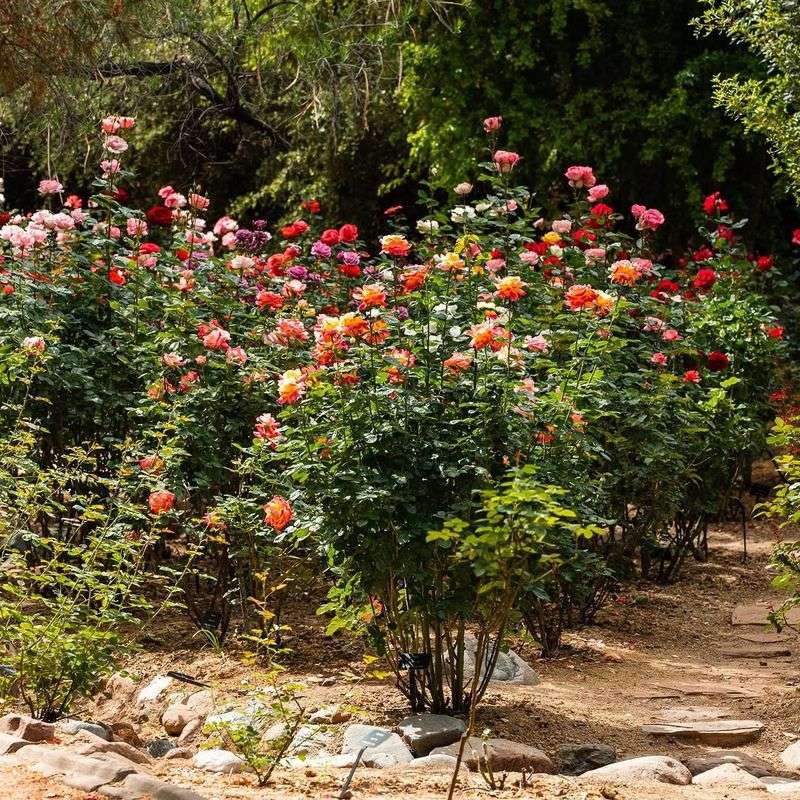
Roses in Arizona have a unique rhythm compared to other parts of the country. Spring bloom usually peaks in April, and by May, many rose bushes are winding down and looking a bit tired.
Deadheading spent flowers and removing weak or crossing canes at this point helps channel energy into strong new growth rather than seed production.
Go light with the pruning shears. Removing spent blooms just below the first set of healthy leaves is usually enough.
If there are any canes that look shriveled, discolored, or clearly not producing, those can come off too. But avoid any major reshaping right now since large open cuts heading into summer heat can leave the plant vulnerable.
Watering consistency matters a lot after pruning roses in Arizona. The desert heat pulls moisture out of the soil fast, and a freshly trimmed rose bush needs reliable irrigation to push out healthy new growth.
Mulching around the base helps hold soil moisture and keeps root temperatures from spiking too dramatically.
One thing many Arizona gardeners learn quickly is that roses here go semi-dormant in the worst of summer, usually July and August. A clean May pruning sets them up to coast through that rough stretch and come back strong in fall.
Fall bloom is often the most impressive of the year in this region, and good spring care is a big part of making that happen.
6. Citrus Trees Should Only Have Damaged Growth Removed
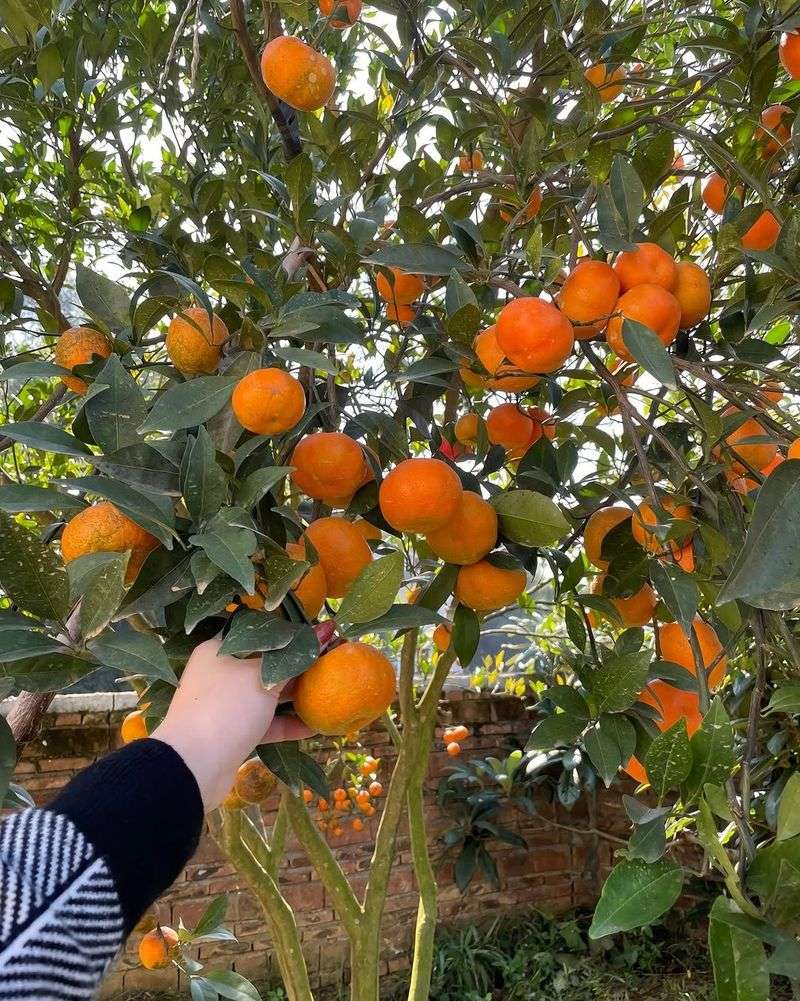
May is not a heavy pruning month for citrus, but it is a good time to walk your trees and pull off anything that is clearly not going to make it, like dry branches, brittle twigs, and any suckers shooting up from the base or below the graft line.
Removing suckers is actually one of the most important things you can do for citrus health in spring. Those fast-growing shoots pull energy away from the main canopy and fruit production.
They tend to grow straight up with different-looking leaves, making them fairly easy to spot once you know what to look for.
Avoid any significant canopy thinning in May. Citrus bark is sensitive to sunburn, and the leaves provide crucial shade for the branches and trunk during Arizona summers.
Removing too much foliage right before peak heat can cause sunscald on the bark, which leads to long-term damage that takes years to recover from.
If you notice any branches with yellowing leaves, unusual spotting, or signs of pest activity, those are worth investigating before you simply prune them off. Sometimes the issue is nutritional, sometimes it is pests, and removing the evidence without addressing the cause does not solve anything.
A quick check with your local Arizona cooperative extension office can save a lot of guesswork.
7. Hibiscus Can Be Lightly Trimmed In Warm Conditions
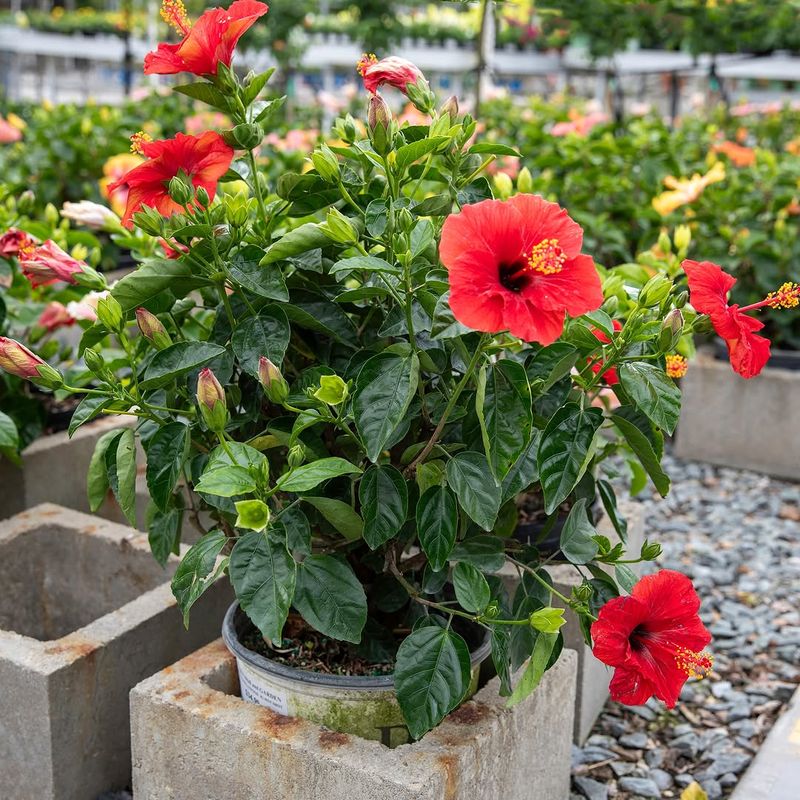
Hibiscus loves warmth, and in Arizona, May delivers exactly that. Tropical hibiscus varieties are actively pushing out new growth by this time of year, making it a decent window for a light trim to shape the plant and encourage bushier growth rather than long, leggy stems reaching in every direction.
Focus on pinching back the tips of long stems rather than making hard cuts deep into the plant. Pinching encourages branching, which means more flowering points later in the season.
Hibiscus blooms on new wood, so stimulating fresh growth now pays off with more flowers through the summer months.
One thing to watch in Arizona is watering after any trimming. Hibiscus is thirsty compared to most desert plants, and trimming triggers a burst of new growth that demands consistent moisture.
Letting the soil dry out completely right after pruning can cause bud drop and leaf stress, especially when afternoon temperatures are already climbing into the 90s.
Desert rose hibiscus, sometimes called Adenium, is a different plant entirely and has its own pruning rules. Make sure you know exactly which type of hibiscus you have before picking up the shears.
Tropical hibiscus handles light trimming well in warm weather, but timing and technique still matter. A clean cut just above a leaf node is the standard approach that works reliably across most hibiscus varieties grown in Arizona landscapes.
8. Desert Marigold Can Be Cut Back To Refresh Growth
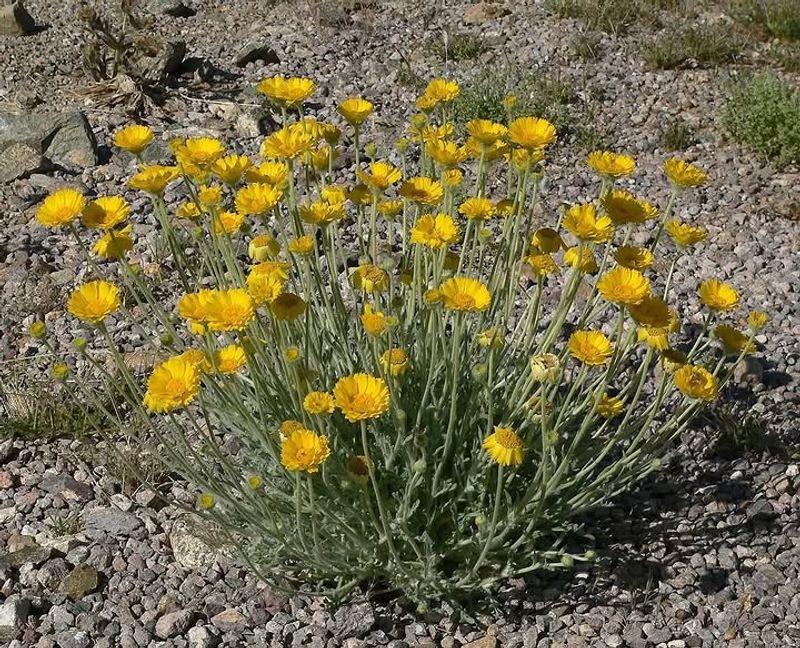
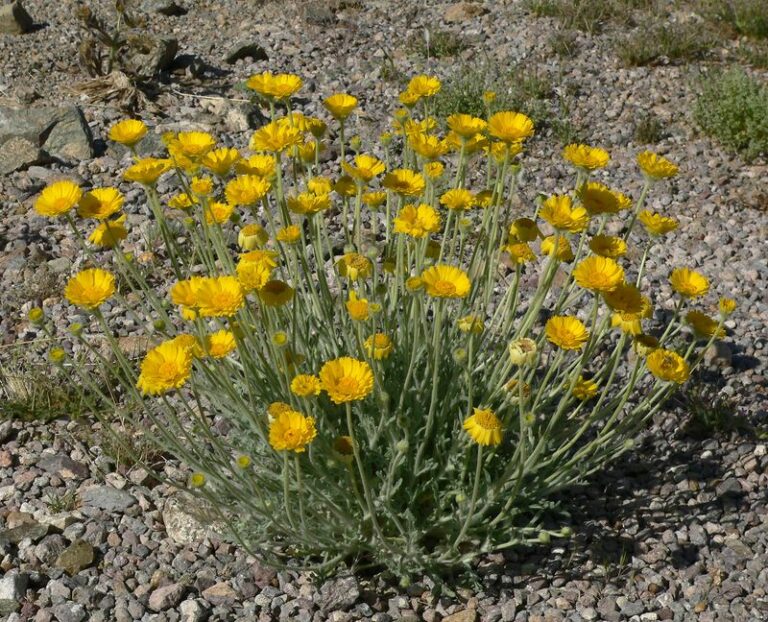
Desert marigold is one of those cheerful, tough little plants that lights up Arizona roadsides and rock gardens with bright yellow blooms for months at a time. By May, after a strong spring showing, the plant can start to look a bit spent and scraggly.
Cutting it back by about a third at this point genuinely refreshes the whole plant.
Unlike some desert plants that sulk after a trim, desert marigold responds quickly and enthusiastically to being cut back. New stems push out within a couple of weeks, and a fresh round of blooms usually follows not long after.
It is one of the more rewarding pruning jobs in an Arizona garden because the results show up fast.
Use clean shears and cut just above a set of healthy leaves or a branching point. Avoid cutting all the way down to bare woody stems, especially in May when heat is building fast.
Leaving some green foliage on the plant helps it photosynthesize and recover quickly without going into stress mode.
Deadheading spent flowers between bigger cutbacks also helps extend the blooming season considerably. Rather than letting old flowers go fully to seed, snipping them off encourages the plant to keep producing.
In the Arizona heat, desert marigold is genuinely low-maintenance, but a little attention in May sets it up for a strong second act that carries through to fall without much fuss.