10 Plants With Big And Huge Flowers That Thrive In Texas Backyards
In Texas backyards, bigger often feels better, especially when it comes to flowers.
When plants start pushing out big, bold blooms, they turn heads and stop folks in their tracks.
These are the kinds of plants that refuse to blend in.
They show up loud and proud, filling garden beds with color and personality that can handle the Texas heat.
Texas weather is not for the faint of heart.
Scorching summers, sudden storms, and long dry stretches can make gardening feel like an uphill battle.
Still, some flowering plants take it all in stride.
They soak up the sun, shrug off tough conditions, and keep blooming when others call it quits.
That kind of grit is worth its weight in gold for backyard gardeners.
Growing huge flowers is not about constant fussing or babying plants.
It comes down to choosing varieties that thrive in local conditions and know how to pull their own weight.
When matched with the right spot, these plants reward gardeners with oversized blooms that last and repeat the show.
In Texas backyards, the right flower choices can turn ordinary space into something that feels larger than life.
1. Hibiscus
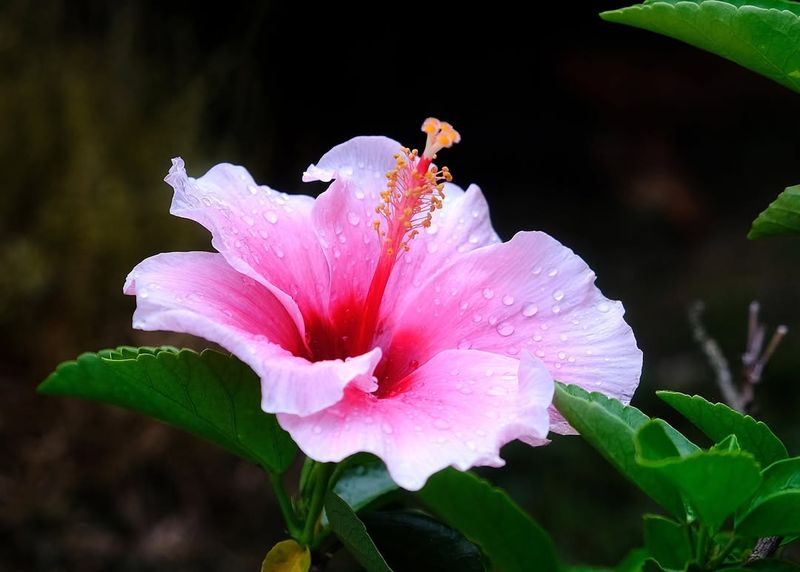
Hibiscus plants produce some of the most dramatic flowers you’ll ever see in a Texas garden, with blooms that can reach up to 12 inches across.
These tropical-looking beauties come in stunning shades of red, pink, orange, yellow, and white, creating an instant focal point wherever they’re planted.
Texas gardeners love hibiscus because they bloom from spring through fall, giving months of continuous color.
The heat and humidity that Texas summers bring don’t bother hibiscus plants one bit.
They actually thrive in full sun and warm temperatures, making them perfectly suited to the state’s climate.
Water them regularly during hot spells, and they’ll reward you with blooms that look like they belong in a tropical paradise.
Both tropical and hardy varieties grow well across Texas, though hardy hibiscus can handle cooler winters better.
Plant them in well-draining soil enriched with compost for best results.
Fertilize monthly during the growing season to keep those massive flowers coming.
Hummingbirds and butterflies absolutely adore hibiscus blooms, so expect plenty of winged visitors.
The flowers only last a day or two each, but the plant produces so many that you’ll always have fresh blooms to enjoy.
Consider planting several colors together for a truly spectacular display in your Texas backyard.
2. Texas Star Hibiscus

Native to Texas wetlands and pond edges, this stunning plant produces brilliant crimson flowers shaped like five-pointed stars.
Each bloom can measure 6 to 8 inches across, creating a dazzling display against the plant’s deep green foliage.
Texas Star Hibiscus stands out as one of the most beautiful native wildflowers the state has to offer.
Gardeners in Texas appreciate this plant because it’s perfectly adapted to local conditions and requires minimal fussing.
It loves moisture and can even tolerate boggy soil that would cause other plants problems.
If you have a low spot in your yard that stays damp, Texas Star Hibiscus might be your perfect solution.
The blooming period runs from summer into fall, providing vibrant color when many other plants are struggling with the heat.
Full sun to partial shade works well, though more sun typically means more flowers.
This perennial comes back year after year, getting bigger and more impressive with each season.
Wildlife benefits greatly from Texas Star Hibiscus, as hummingbirds and native bees frequently visit the blooms.
The plant can grow quite tall, sometimes reaching 6 feet, so give it plenty of room.
Combine it with other native Texas plants for a low-maintenance, eco-friendly garden that celebrates the state’s natural beauty.
3. Dinner Plate Dahlia

Nothing quite compares to the jaw-dropping size of Dinner Plate Dahlia blooms, which can easily reach 10 to 12 inches in diameter.
These magnificent flowers come in practically every color imaginable, from soft pastels to bold jewel tones, with petal arrangements ranging from tight pompoms to loose, flowing layers.
Texas gardeners who want maximum impact choose these showstoppers without hesitation.
Growing dahlias in Texas requires some planning since they prefer cooler temperatures than the state typically offers in midsummer.
Plant tubers in early spring so they can establish before the worst heat arrives.
Provide afternoon shade in the hottest regions to help them cope with intense Texas sun.
These plants need consistent moisture and rich soil amended with plenty of organic matter.
Stake the tall stems to prevent wind damage, especially important in areas prone to Texas thunderstorms.
Deadhead spent blooms regularly to encourage continuous flowering throughout the growing season.
Many Texas gardeners treat dahlias as annuals, digging up the tubers after the first frost and storing them indoors until spring.
This extra effort pays off with flowers so spectacular they’re worth every bit of work.
Cut them for stunning bouquets that last over a week indoors, bringing that Texas garden beauty right into your home.
4. Confederate Rose
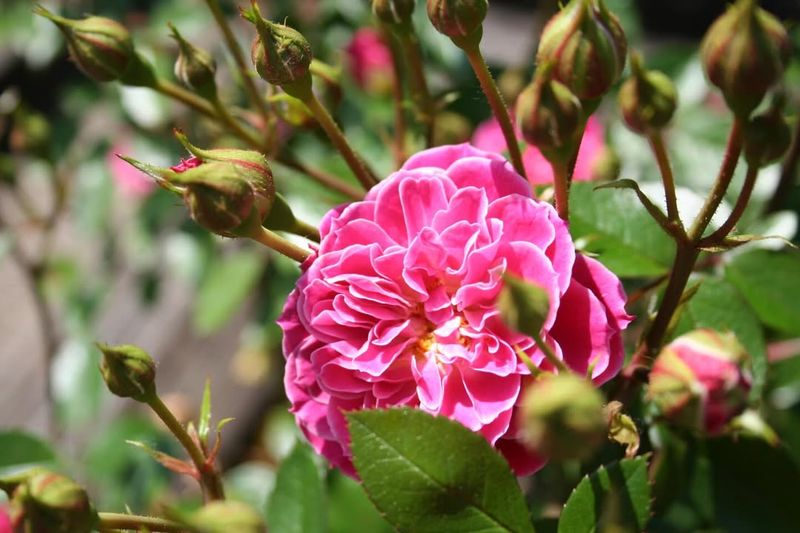
Confederate Rose isn’t actually a rose at all but a hibiscus relative that produces enormous double flowers up to 6 inches wide.
What makes this plant truly magical is how the blooms change color throughout the day, opening white or pale pink in the morning and deepening to rose-red by evening.
This color-changing trick never fails to amaze visitors to Texas gardens.
The shrub itself can grow quite large, reaching 6 to 12 feet tall in a single growing season in Texas.
It behaves like a perennial in southern parts of the state but may freeze to the ground in northern areas, then regrow vigorously each spring.
Full sun and regular watering produce the most abundant blooms from summer through fall.
Confederate Rose tolerates Texas heat remarkably well and doesn’t mind the humidity that comes with it.
The large, soft leaves provide nice texture even when flowers aren’t present.
Plant it where you can watch the color transformation happen, perhaps near a patio or window.
Butterflies visit the flowers frequently, adding even more beauty to your Texas landscape.
The plant requires minimal maintenance once established, though you can prune it in early spring to control size and shape.
Old-fashioned Southern charm combined with easy care makes Confederate Rose a beloved choice for Texas backyards.
5. Magnolia
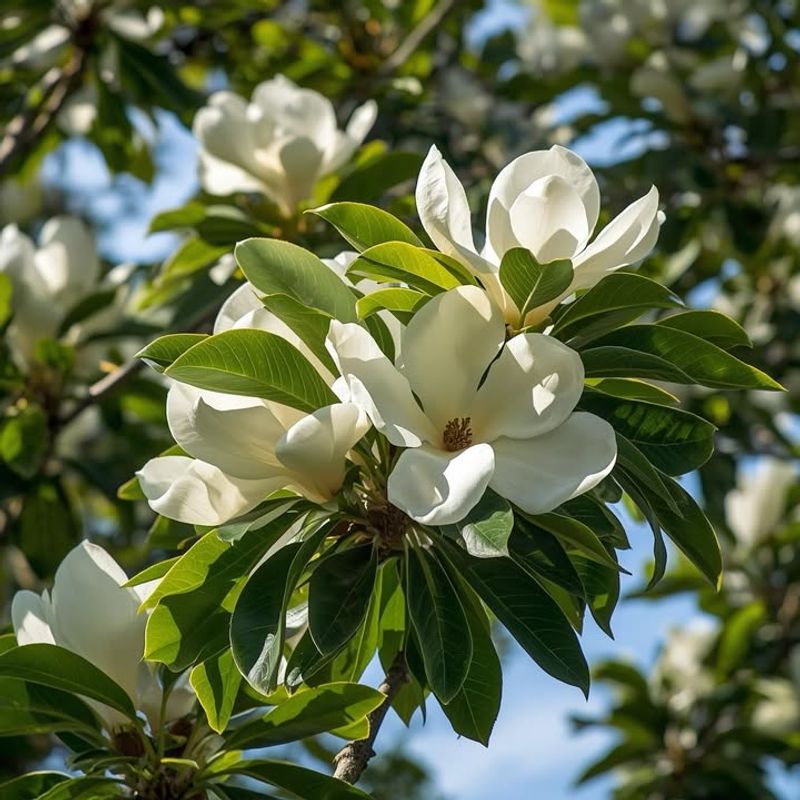
Few flowers can match the elegant beauty and intoxicating fragrance of magnolia blooms, which can measure 8 to 12 inches across.
The thick, creamy petals look almost sculptural, creating a stunning contrast against the glossy dark green leaves.
Several magnolia varieties thrive in Texas, from the classic Southern Magnolia to the early-blooming saucer types.
Southern Magnolia trees grow exceptionally well throughout most of Texas, tolerating heat, humidity, and various soil types.
These evergreen beauties provide year-round interest with their attractive foliage, but they truly shine when covered in those massive white flowers.
The blooms appear in late spring and early summer, filling the air with their sweet, lemony scent.
Planting a magnolia requires thinking ahead since they eventually become large trees.
Choose a location with plenty of space and well-draining soil.
They prefer full sun to partial shade and appreciate consistent moisture, especially during establishment.
Once mature, magnolias handle Texas conditions with minimal care.
The flowers attract various pollinators and their sweet perfume can fill an entire Texas backyard.
Fallen petals create a pretty carpet beneath the tree, though some gardeners find cleanup tedious.
Consider the long-term commitment before planting, as magnolias can live for decades, becoming beloved landscape anchors that increase your property’s value and beauty.
6. Angel’s Trumpet
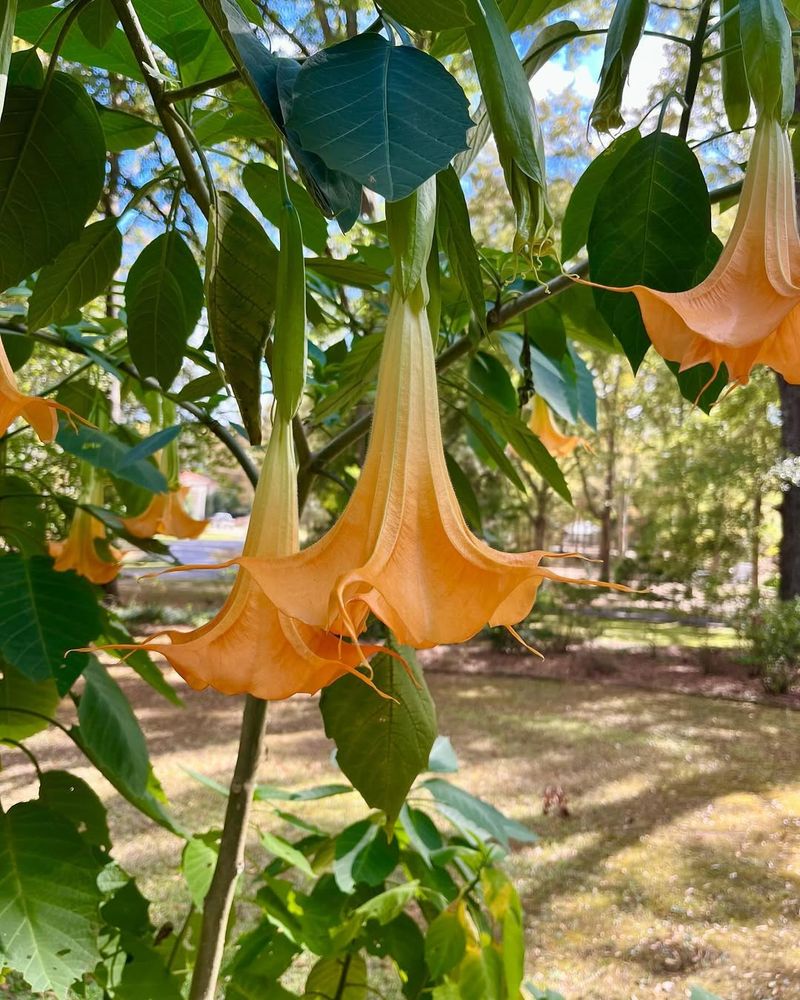
Angel’s Trumpet produces some of the most dramatic flowers imaginable, with huge trumpet-shaped blooms that can reach 10 to 20 inches long.
These pendulous flowers hang downward like bells, creating an almost otherworldly appearance in Texas gardens.
Colors range from pure white to soft yellow, peach, and pink, often with a heavenly fragrance that intensifies at night.
Texas gardeners in warmer zones can grow Angel’s Trumpet as a perennial shrub or small tree, while those in cooler areas often keep it in containers.
The plant loves heat and sun, making it well-suited to Texas summers.
It grows rapidly when given plenty of water and fertilizer, sometimes producing dozens of blooms at once.
One important note is that all parts of Angel’s Trumpet are toxic if ingested, so plant it away from areas where children or pets play unsupervised.
Despite this caution, it remains popular because of its unmatched beauty.
The flowers attract sphinx moths and hummingbirds, especially in evening hours.
In colder parts of Texas, container growing allows you to move plants indoors during winter.
Prune in early spring to maintain shape and encourage bushier growth.
The spectacular blooms make Angel’s Trumpet a conversation starter, with neighbors constantly asking about the impressive flowers hanging from your Texas backyard plant.
7. Giant Coneflower
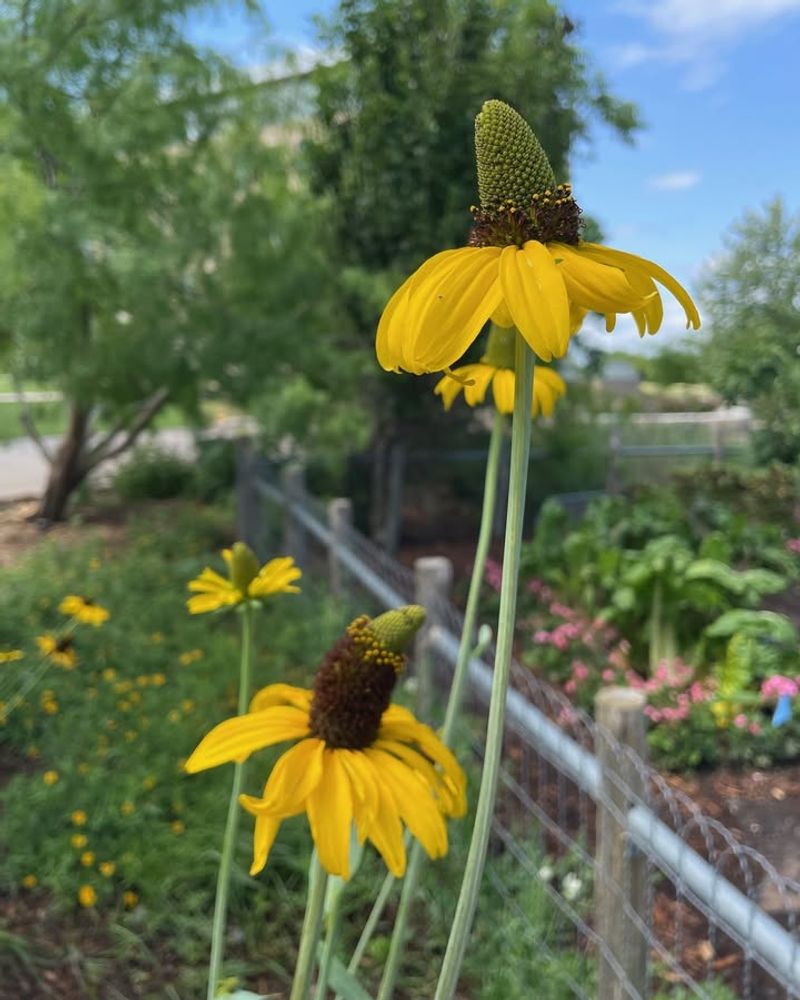
Giant Coneflower, also called Mexican Hat in some regions, produces impressive blooms up to 5 inches across with bright yellow petals surrounding a prominent brown cone.
This Texas native wildflower brings prairie beauty right into your backyard with minimal effort required.
The tall stems can reach 6 to 9 feet, creating a bold vertical element in the landscape.
Perfectly adapted to Texas conditions, Giant Coneflower handles heat, drought, and poor soil without complaint.
It actually prefers lean soil and full sun, making it ideal for those challenging spots where other plants struggle.
Once established, it needs little to no supplemental watering, even during typical Texas dry spells.
Blooming occurs from late spring through summer, providing reliable color during the hottest months.
The flowers attract numerous butterflies, bees, and goldfinches, who love eating the seeds from the cone centers.
Let the seed heads stand through winter to feed birds and provide architectural interest.
This perennial spreads slowly to form impressive clumps over time, creating more impact with each passing year.
It works beautifully in wildflower meadows, cottage gardens, or modern native plantings across Texas.
The combination of large flowers, easy care, and wildlife value makes Giant Coneflower a smart choice for any Texas gardener wanting big blooms without big maintenance demands.
8. Mandevilla

Mandevilla vines produce an abundance of large, trumpet-shaped flowers that can reach 4 to 5 inches across in shades of pink, red, and white.
The glossy green leaves provide the perfect backdrop for these tropical-looking blooms that appear continuously from spring until frost.
Texas gardeners love how Mandevilla brings vacation vibes right to their own backyards.
These vigorous vines climb trellises, arbors, and fences with enthusiasm, quickly covering vertical surfaces with color.
They thrive in the heat and humidity that Texas summers deliver, actually performing better as temperatures rise.
Full sun to partial shade works well, though more sun typically means more flowers throughout the growing season.
Mandevilla needs regular watering and feeding to support its prolific blooming habit.
Well-draining soil is essential to prevent root problems.
In southern Texas, some varieties survive mild winters outdoors, while northern gardeners often grow them as annuals or bring containers indoors before frost.
Hummingbirds frequently visit the tubular flowers, adding movement and life to your Texas garden.
The vines can grow quite long, sometimes reaching 10 to 15 feet in a single season, so provide sturdy support.
Deadheading isn’t necessary since Mandevilla self-cleans, dropping spent blooms and producing new ones continuously.
This combination of big flowers, easy care, and non-stop color makes Mandevilla a Texas favorite.
9. Texas Bluebonnet (Large Varieties)
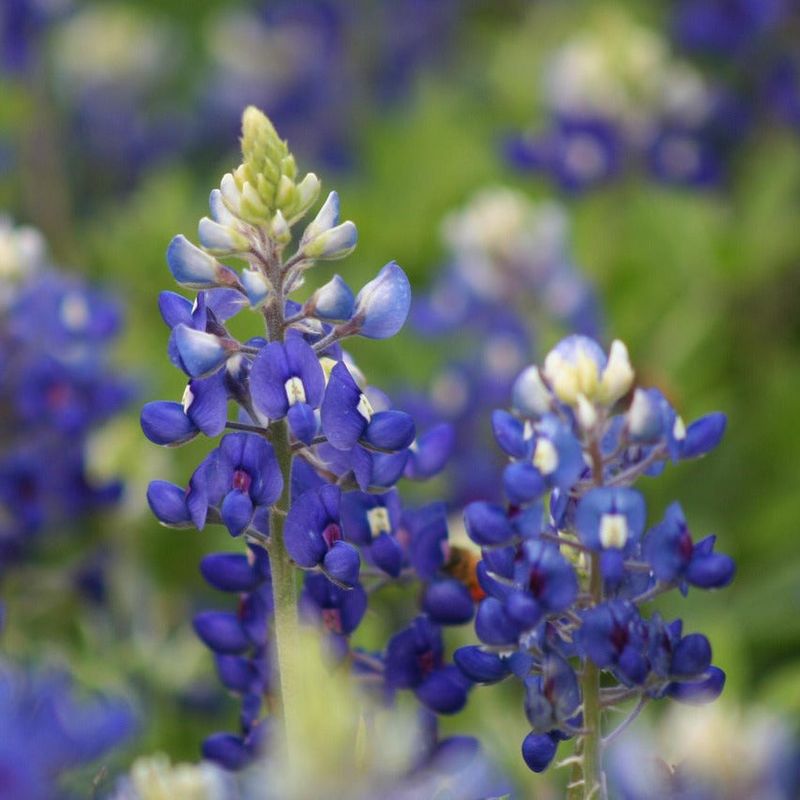
While individual bluebonnet flowers aren’t huge, the flower spikes of certain varieties create impressively large displays up to 12 inches tall, packed with dozens of blooms.
These beloved Texas wildflowers produce dense clusters of blue, purple, and white flowers that blanket the landscape each spring.
Some newer cultivated varieties have been bred for larger, showier flower spikes than their wild cousins.
Texas bluebonnets are the state flower and hold a special place in every Texan’s heart.
They’re surprisingly easy to grow if you understand their needs, preferring full sun and well-draining soil.
Plant seeds in fall for spring blooms, mimicking their natural cycle.
Once established, they reseed themselves, creating bigger displays each year.
The flowers attract numerous bees and butterflies, supporting important pollinators across Texas.
Bluebonnets fix nitrogen in the soil, actually improving conditions for other plants.
They’re drought-tolerant once established, handling typical Texas spring weather without supplemental watering.
Let the seed pods mature and scatter before mowing to ensure next year’s show.
Combining bluebonnets with other spring wildflowers like Indian paintbrush creates the classic Texas roadside look right in your backyard.
The large flower spikes photograph beautifully, continuing the Texas tradition of bluebonnet photos.
Growing these iconic flowers connects you to Texas heritage while providing stunning seasonal color that celebrates the state’s natural beauty.
10. Rose Of Sharon

Rose of Sharon produces flowers that can reach 3 to 4 inches across, appearing continuously from summer through fall when many other plants are taking a break.
These hibiscus relatives come in colors ranging from white to pink, purple, and blue, often with contrasting centers that add extra interest.
The shrub’s upright growth habit and reliable blooming make it a Texas landscape staple.
Extremely adaptable to various Texas conditions, Rose of Sharon tolerates heat, drought, humidity, and different soil types once established.
It grows well in full sun to partial shade across the state, though flowering is most abundant with at least six hours of direct sunlight.
The shrub can reach 8 to 12 feet tall, making it useful for privacy screens or background plantings.
Minimal maintenance is required beyond occasional pruning to shape the plant or control its size.
Rose of Sharon blooms on new growth, so prune in late winter or early spring if needed.
The flowers attract butterflies and hummingbirds throughout the long blooming season.
Newer cultivars offer improved flower size and unique color combinations.
Some Texas gardeners appreciate that Rose of Sharon self-seeds readily, creating new plants, while others consider this trait a nuisance.
Choosing sterile cultivars prevents unwanted seedlings if that concerns you.
The combination of large flowers, easy care, and long bloom time makes Rose of Sharon a practical choice for Texas backyards needing reliable color.