4 Plants You Should Fertilize During Early March In Texas And 3 You Should Skip
Have you ever stood in the garden aisle in early March, fertilizer in hand, wondering if now is the right time or a total mistake? In Texas, timing can make all the difference.
The weather starts to warm up, trees begin to bud, and lawns slowly turn green again. It feels like the perfect moment to feed everything in sight. But not every plant is ready for that boost.
Some plants are gearing up for a strong growing season and will gladly soak up those extra nutrients.
Others are still easing out of dormancy and can actually suffer if you rush the process. Giving fertilizer too soon can lead to weak growth, stressed roots, or wasted product.
Knowing which plants are ready and which ones need a little more patience helps you protect your yard and get better results. A smart plan now sets the stage for healthier growth all spring long.
1. St. Augustine Grass
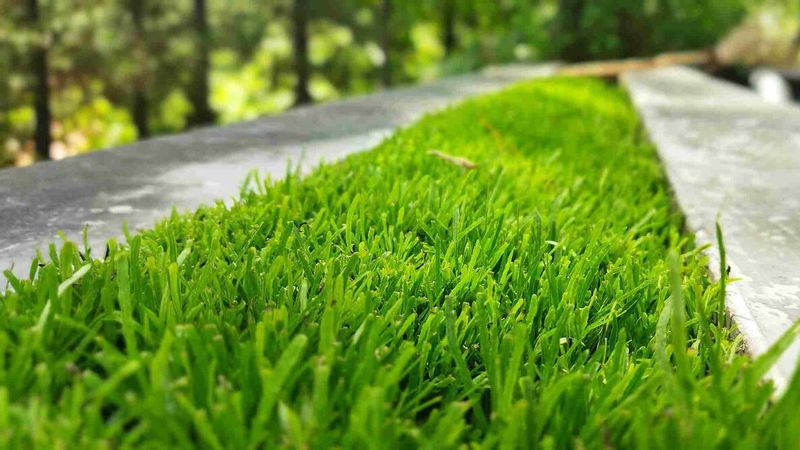
Walk barefoot across a healthy St. Augustine lawn in Texas, and you will instantly understand why so many homeowners swear by it. This thick, carpet-like grass is one of the most popular choices across the state, from Houston all the way to San Antonio.
But timing your fertilizer application just right is what separates a thriving lawn from a struggling one.
St. Augustine grass starts greening up when soil temperatures reach around 65 degrees Fahrenheit. In most parts of Texas, that happens sometime in early to mid-March.
Before you grab that fertilizer bag, get down close to the grass and check for signs of active growth like fresh green blades pushing through.
Once you see real growth happening, apply a slow-release nitrogen fertilizer. Slow-release formulas feed the grass steadily over several weeks, which is much better than a quick burst that fades fast.
Look for a product labeled for St. Augustine specifically, since it has different needs than Bermuda or Zoysia grass.
If you live in North Texas, hold off a little longer. Frost risk is still real in late February and early March up there.
Fertilizing before the last frost can push tender new growth that gets damaged by cold snaps. Patience pays off big when it comes to lawn care in Texas.
Wait until you are confident the cold nights are behind you, and your grass will reward you with thick, healthy coverage all spring and summer long.
2. Roses
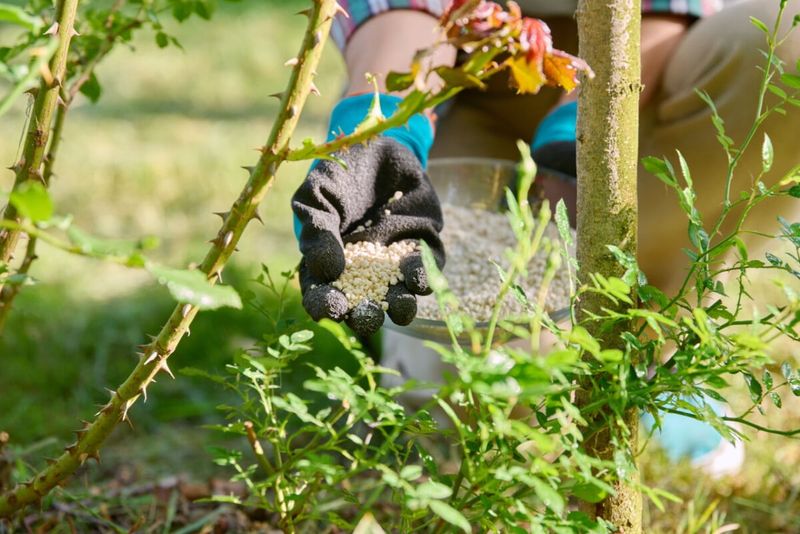
There is something almost magical about watching a rose bush come back to life after a Texas winter.
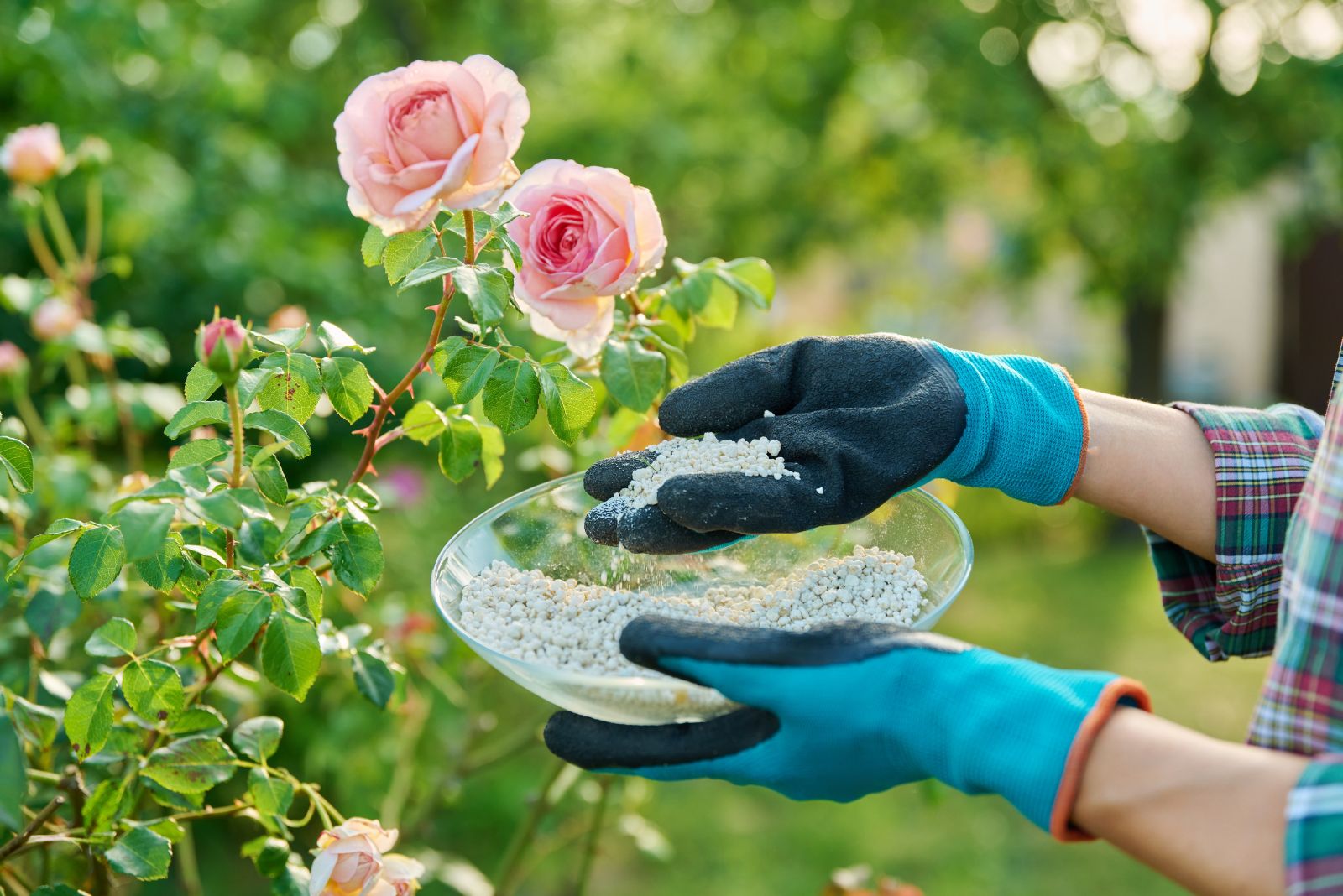
Early March is genuinely one of the best times to fertilize your roses across most of the state, because the plants are already sending out fresh new growth and they are hungry for nutrients right now.
Before you even open the fertilizer bag, grab your pruning shears. Pruning should always come first with roses.
Cut away any dry or crossing canes, and shape the plant while it is still early in the season. Once you have cleaned things up, then it is the right moment to feed.
A balanced rose fertilizer works great, and so does a slow-release formula designed for flowering shrubs. Look for something with equal or near-equal amounts of nitrogen, phosphorus, and potassium.
Nitrogen encourages leafy growth, phosphorus supports strong roots and blooms, and potassium helps the overall health of the plant.
Gardeners in Central and South Texas may already see quite a bit of new growth by the first week of March. In North Texas, the timing might be just a few days later depending on your local weather.
Either way, fertilizing as new growth emerges gives your roses the fuel they need to produce big, beautiful blooms by late spring. Water the fertilizer in well after applying it, and keep an eye on the soil moisture throughout the month for the best results.
3. Citrus Trees
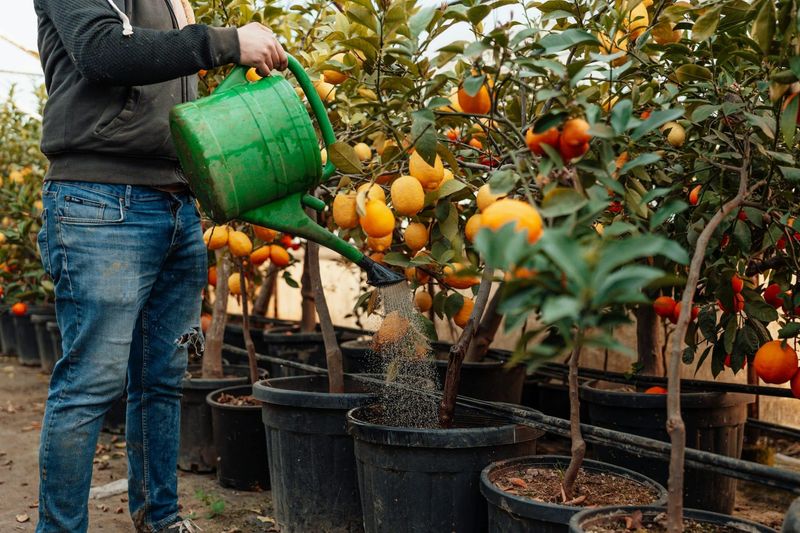
Few things feel more rewarding than picking a fresh orange or lemon right off a tree in your own Texas backyard. Citrus trees are especially popular in Central and South Texas, where the winters are mild enough to keep them thriving year-round.
Early March is prime time to give these trees the nutrition they need to set up a productive growing season.
As soon as you spot new spring growth appearing on your citrus tree, that is your green light to fertilize.
New leaves unfurling and fresh shoots emerging are clear signals that the tree is actively growing and ready to absorb nutrients. Do not wait too long once you see those signs.
Use a fertilizer made specifically for citrus trees. These products contain micronutrients like iron, manganese, and zinc that citrus trees need in addition to the standard nitrogen, phosphorus, and potassium.
A general-purpose fertilizer just does not cover all the bases for citrus the way a specialized formula does.
Container-grown citrus trees need fertilizing just as much as in-ground ones, sometimes even more since nutrients wash out of pots faster with regular watering.
Apply the fertilizer evenly around the drip line of the tree, which is the outer edge of the canopy, rather than right up against the trunk.
Water it in thoroughly after application. Doing this in early March sets your citrus tree on the right path for strong growth and a generous harvest later in the year across Texas.
4. Hydrangeas
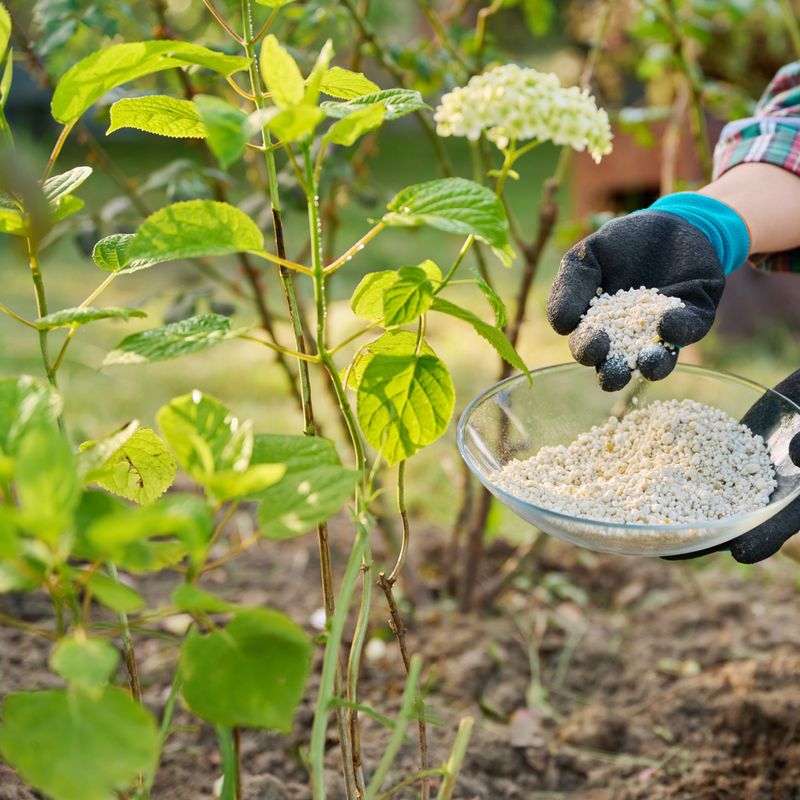
East Texas is practically hydrangea country. The humidity, the shade from towering pines, and the slightly acidic soil in that region create near-perfect conditions for these showy flowering shrubs.
If you grow hydrangeas anywhere in the eastern part of the state, early March is when you want to start paying attention to them.
Watch the buds closely as temperatures warm up. When you notice the buds starting to swell and tiny leaves beginning to unfurl, that is the right moment to apply a light fertilizer.
Fertilizing too early, before the plant shows any signs of waking up, is not very effective and can even stress the plant unnecessarily.
Choose a balanced, slow-release fertilizer for hydrangeas. Something with roughly equal parts nitrogen, phosphorus, and potassium works well.
The key word here is balanced because you do not want to go heavy on nitrogen. Too much nitrogen pushes the plant to produce lots of leaves and stems, but it actually reduces the number of blooms you get. Fewer flowers is the last thing any hydrangea fan wants.
Sprinkle the fertilizer evenly around the base of the plant, staying a few inches away from the main stem. Water it in gently after applying.
One application in early spring is usually enough to get hydrangeas off to a strong start. You can follow up with another light feeding in early summer if needed.
Proper early care in March leads to those stunning, full flower heads that make hydrangeas so beloved across Texas.
5. Bluebonnets
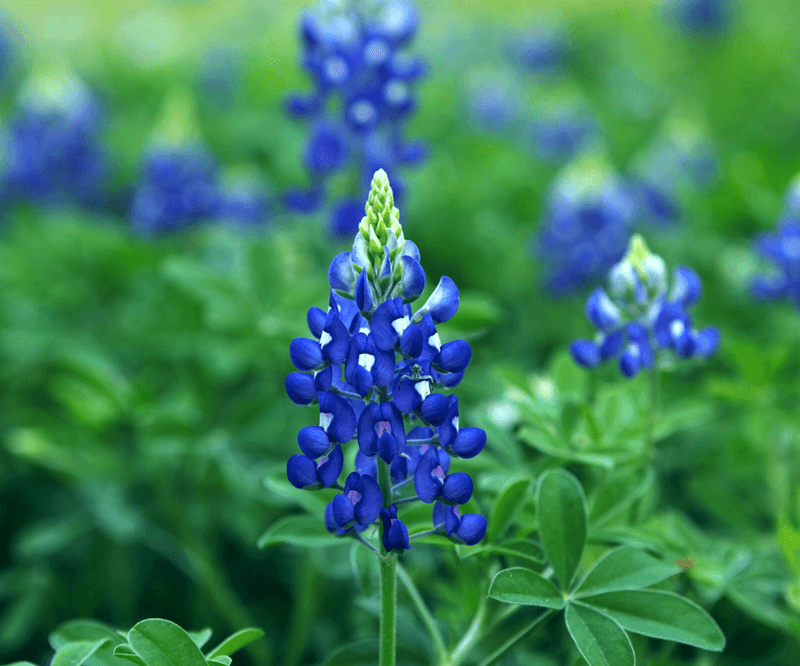
Bluebonnets are basically the celebrities of the Texas wildflower world. Every spring, families pile into cars and drive out to the Hill Country just to take photos in those famous blue fields.
These flowers have been blooming across Texas long before anyone thought about fertilizing them, and that is actually a huge clue about how to treat them.
Bluebonnets are native Texas wildflowers, and they genuinely prefer lean, poor soil. Rich, heavily fertilized soil throws off their natural growing habits.
When you add fertilizer to bluebonnets, the plants respond by putting all their energy into producing big, bushy green foliage instead of the gorgeous blue blooms everyone loves. You end up with a lot of leaves and very few flowers.
Bluebonnets also belong to the legume family, which means they have a cool natural trick. They can pull nitrogen directly from the air and fix it into the soil through their roots with the help of certain soil bacteria.
So they are basically fertilizing themselves already, without any help from you.
The best thing you can do for bluebonnets in your Texas yard or garden is simply leave them alone. Do not add fertilizer, do not amend the soil heavily, and try not to overwater them either.
If you planted seeds in the fall, just let nature do its thing. Let the plants grow, bloom, drop their seeds, and naturally reseed for next year.
Bluebonnets thrive on neglect, and that is one of the many reasons Texans love them so much.
6. Crape Myrtle
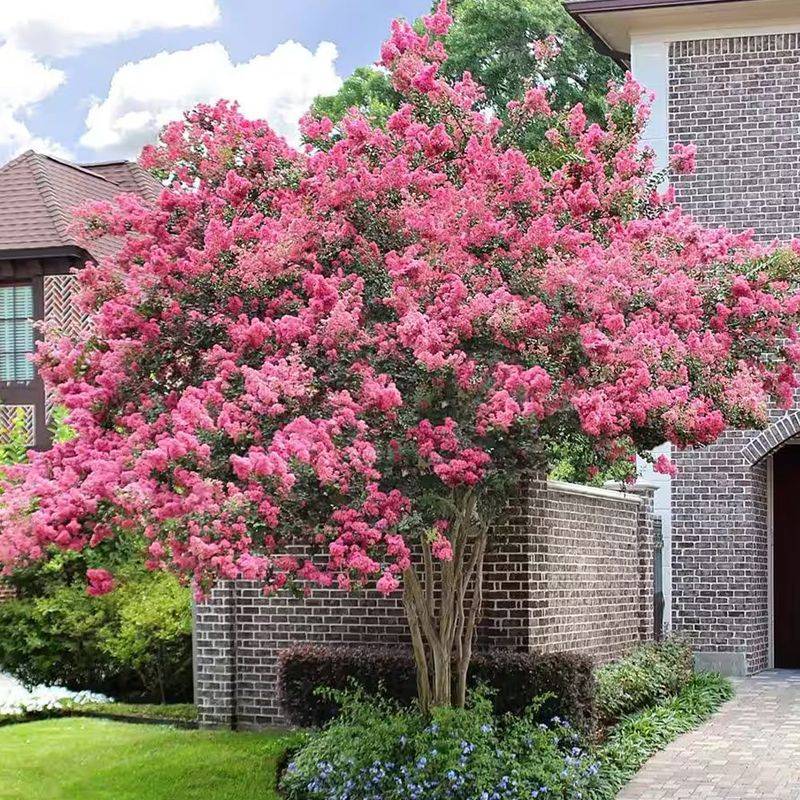
Crape myrtles are everywhere in Texas. Drive through any neighborhood from Dallas to Austin to Corpus Christi and you will spot them lining driveways, filling front yards, and brightening up street medians.
They are tough, beautiful, and relatively low-maintenance, but fertilizing them at the wrong time is a mistake that many well-meaning gardeners make every spring.
Early March is simply too soon to fertilize crape myrtles in most parts of Texas. These trees are still dormant or just barely waking up at that point.
Applying fertilizer before the tree has leafed out is not very useful because the roots are not actively absorbing nutrients at full speed yet. The fertilizer can end up washing away or sitting unused in the soil.
There is a bigger concern too. Fertilizing early can push new, tender growth to emerge before the last frost has passed.
That soft new growth is extremely vulnerable to cold temperatures. A late frost in March, which does happen in North Texas and even parts of Central Texas, can damage or wipe out that fresh growth quickly.
Wait until you see consistent, full leaf-out on your crape myrtle before reaching for the fertilizer. In most of Texas, that happens somewhere between late March and mid-April depending on your location.
Once the tree is clearly growing and covered in leaves, a balanced slow-release fertilizer applied around the drip line works perfectly. Patience in early spring leads to a crape myrtle that looks absolutely stunning by summer.
7. Succulents Including Aloe
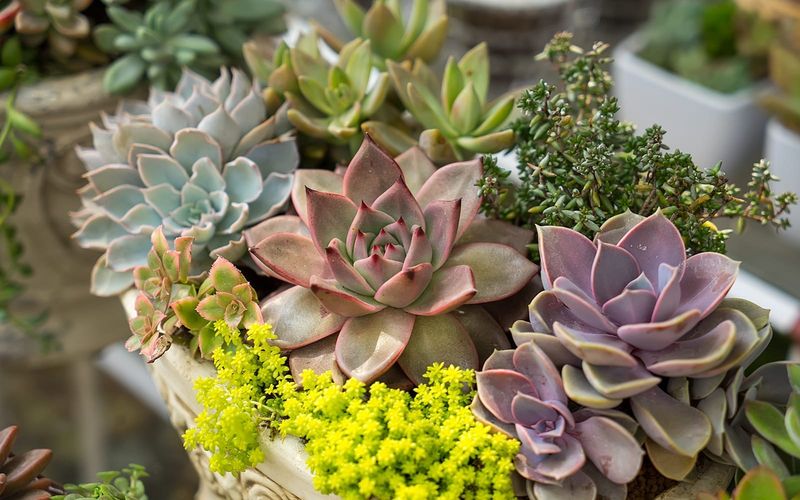
Succulents have had a serious moment in the spotlight over the past decade, and Texas gardeners have fully embraced them.
From trendy patio arrangements to low-water landscaping in the backyard, aloe, agave relatives, and other fleshy-leaved plants are showing up everywhere across the state.
But early March is not the time to start feeding them, no matter how eager you are to get your garden going.
Most succulents, including aloe, are still in a semi-dormant state during the first weeks of March in Texas. Even though daytime temperatures can feel warm and spring-like, nighttime temps are often still cool enough to keep these plants in a resting phase.
Their roots are not actively growing yet, which means they cannot properly absorb fertilizer right now.
Pushing fertilizer on a dormant or semi-dormant succulent causes more problems than it solves. The most common result is weak, stretched-out, soft growth that looks unhealthy and is far more vulnerable to pests and environmental stress.
Over-fertilizing succulents at the wrong time essentially forces growth that the plant is not ready to support.
Hold off until you have several weeks of steady warm temperatures, both day and night. In most parts of Texas, that reliable warmth arrives somewhere in April.
Once temperatures are consistently warm and you notice fresh new growth appearing on your succulents and aloe plants, a light application of a diluted, balanced fertilizer is all they need.
Less is genuinely more when it comes to feeding succulents throughout the Texas growing season.