Plants You Should Never Grow Near Cucumbers In A California Garden
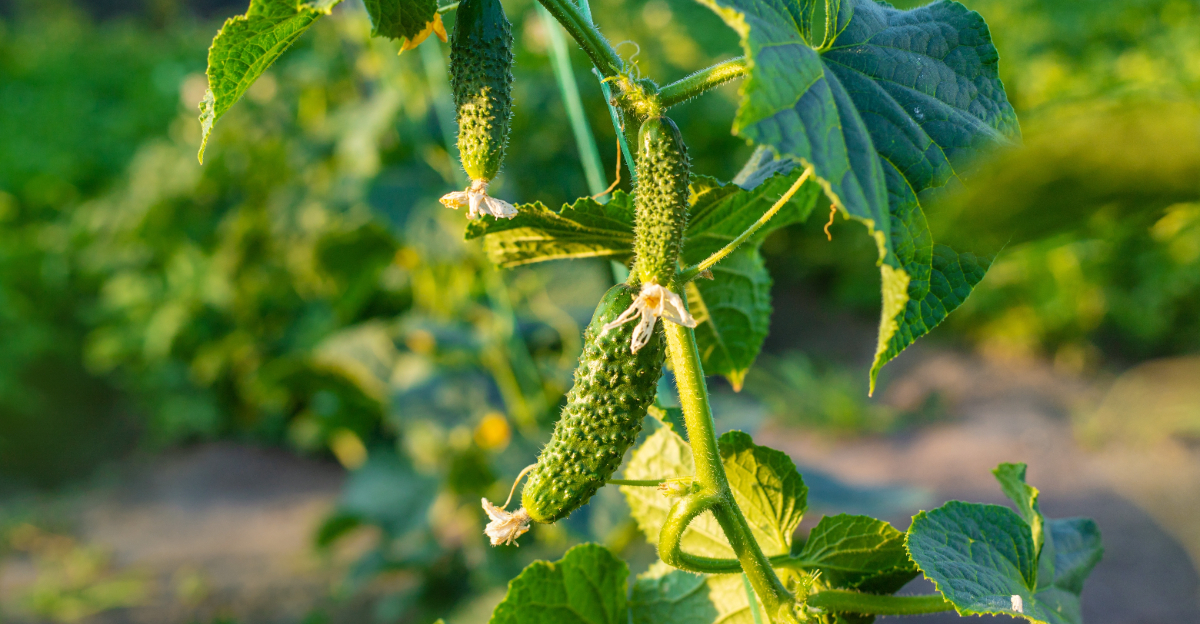
Cucumbers can be fussy little vines when their neighbors are wrong. They may start strong, stretch across the bed, and look ready to take over the salad bowl. Then growth slows, leaves look stressed, or the harvest turns disappointing.
In a California garden, that can happen fast once heat builds and water becomes harder to manage.
Some nearby plants compete too much, attract the wrong pests, or create crowded conditions that cucumbers do not enjoy. The tricky part is that bad pairings often seem harmless at first.
A plant may look friendly beside young cucumber vines, then become a problem once roots spread or shade shifts.
Cucumbers already have enough drama with summer heat, powdery mildew, and thirsty soil. They do not need difficult neighbors adding to the chaos.
Before planting, it helps to know which plants may make cucumber season harder than it needs to be.
1. Potatoes Can Bring Pest And Disease Trouble
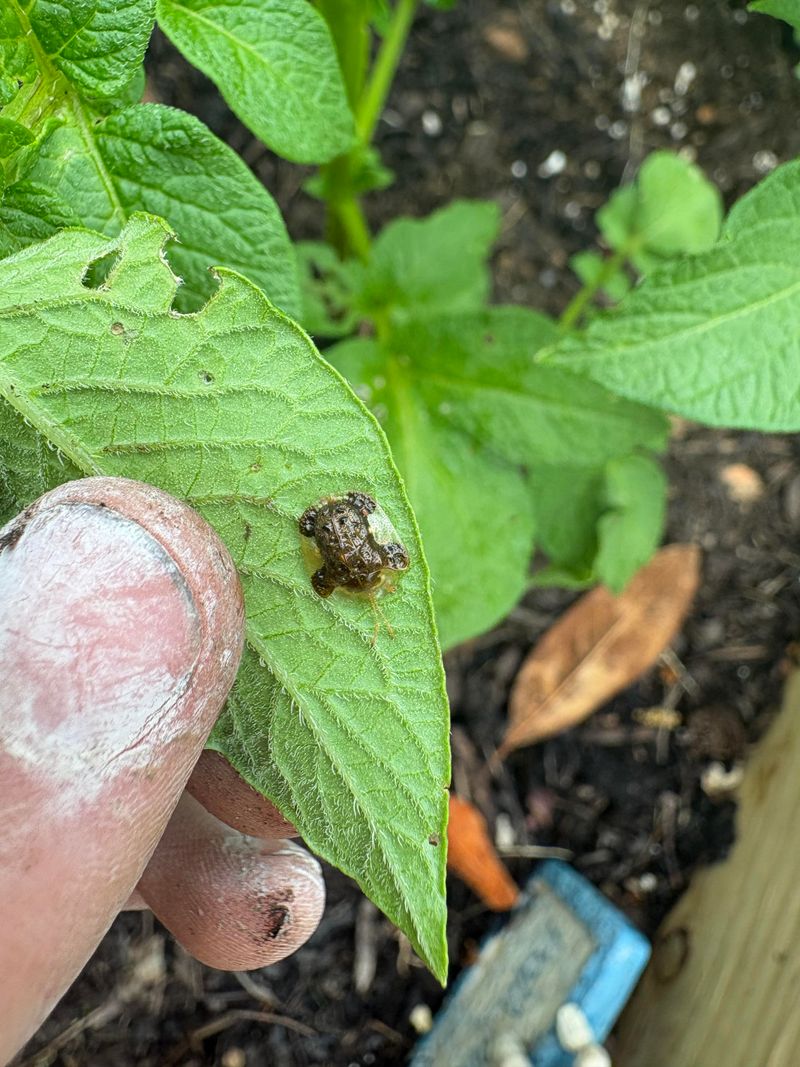
Few garden combinations cause as much hidden trouble as potatoes planted near cucumbers.
Both crops are vulnerable to some of the same soil-borne diseases, and growing them side by side practically rolls out the welcome mat for problems.
Potatoes are known to carry late blight, a fungal disease caused by Phytophthora infestans. Once it gets into the soil, it can spread quickly to nearby plants.
Cucumbers are not immune to fungal infections, and the close proximity makes spreading even easier.
Aphids and whiteflies love both crops. When these pests move from potato leaves to cucumber vines, they can carry viruses that stunt growth and reduce your harvest.
In our state’s warm climate, pest populations can explode fast, so giving them two favorite hosts right next to each other is never a good idea.
Colorado potato beetles are another concern. While they prefer potatoes, they will happily explore neighboring plants when food gets scarce.
Keeping potatoes on the far side of the garden, away from your cucumbers, helps break this pest cycle.
There is also the issue of soil competition. Both crops are heavy feeders that pull a lot of nutrients from the ground.
Planting them together stresses both plants and leads to weaker yields. Give each crop its own dedicated space for the best results this season.
2. Melons Compete For The Same Space And Water
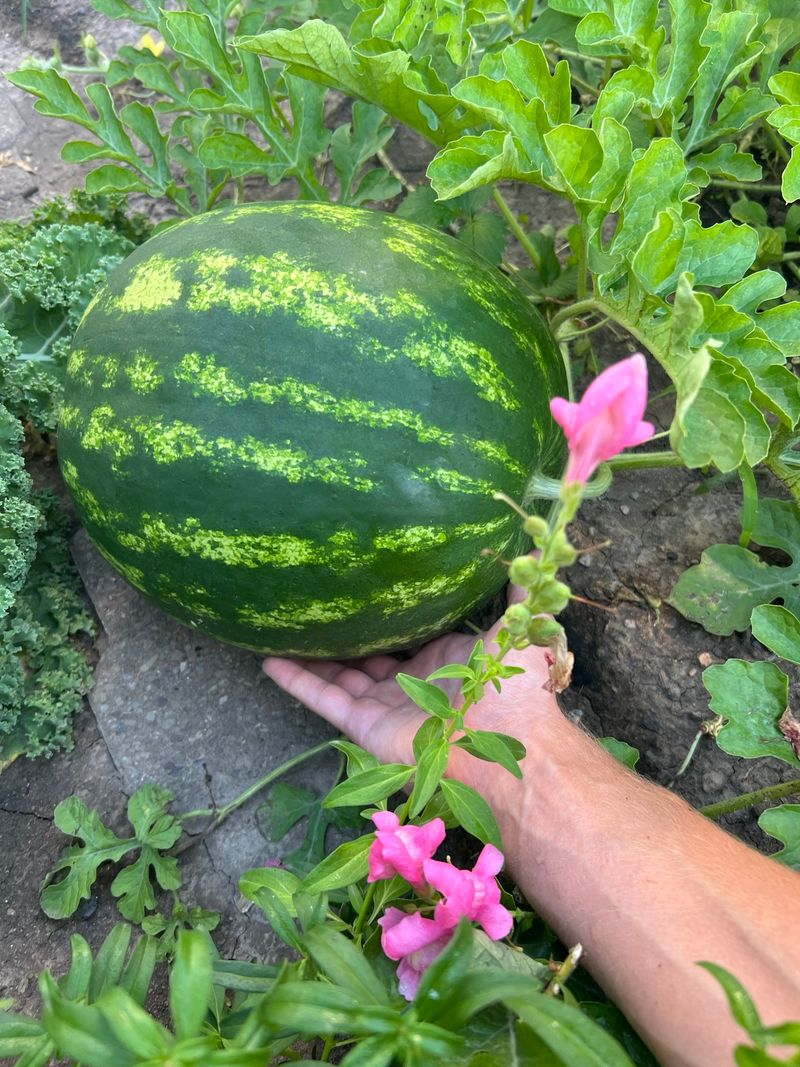
Melons and cucumbers belong to the same plant family, the Cucurbitaceae. That shared background sounds like they would get along well, but the reality in the garden is quite different.
Because they are so closely related, melons and cucumbers compete fiercely for the same resources.
Water, nutrients, and sunlight all become battlegrounds when these two are planted close together. In our state’s dry summers, water is already precious, and having two thirsty crops fighting over every drop puts both plants under stress.
Cross-pollination is another real concern. Bees and other pollinators move freely between melon and cucumber flowers.
While cucumbers will not become melons, the pollen transfer can sometimes affect fruit quality and flavor in unexpected ways, especially in heirloom varieties.
Your California Garden Changes Every Week. Your Plan Should Too.
Gardening in California changes quickly throughout the season. Every Friday you’ll receive a simple weekly plan showing exactly what to plant, prune, fertilize, harvest, and protect so you never miss the right timing.
Powdery mildew spreads easily between cucurbit family members. If one plant develops this common fungal problem, the spores travel fast to nearby relatives.
In warm, dry inland areas of our state, powdery mildew is a seasonal headache that gets much worse when susceptible plants are crowded together.
Spacing melons and cucumbers on opposite ends of the garden is a simple fix. Both plants will have more room to spread their vines, better airflow around their leaves, and less competition for the water and fertilizer you work hard to provide each week.
3. Pumpkins Can Crowd Cucumbers Fast
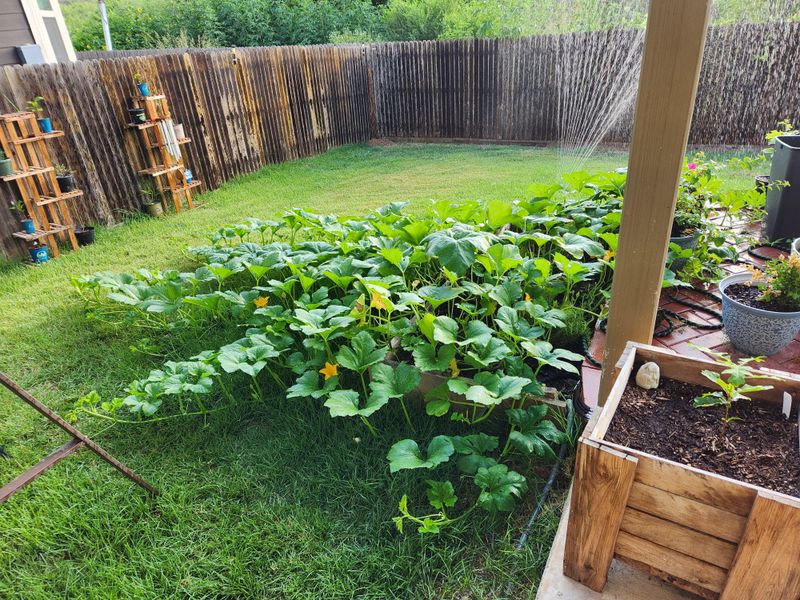
Pumpkins are impressive plants, no question about it. Their vines grow fast and spread wide, sometimes covering ten feet or more in a single season.
That aggressive growth habit makes them a poor neighbor for cucumbers, which need their own space to thrive.
When pumpkin vines sprawl into cucumber territory, they block sunlight from reaching the lower leaves of the cucumber plant.
Without enough light, cucumbers slow down their growth and produce fewer fruits. In our state’s long growing season, this competition can start early and get worse as summer heats up.
Pumpkins and cucumbers also share several common pests, including cucumber beetles and squash bugs.
Planting them together creates a dense patch of host plants that makes it very easy for pest populations to grow out of control. Once a squash bug colony gets established, it is tough to manage without heavy intervention.
Soil nutrients take a hit too. Pumpkins are heavy feeders that pull large amounts of nitrogen, potassium, and phosphorus from the ground.
Cucumbers growing nearby end up competing for those same nutrients and often come out on the losing end, producing yellowed leaves and small, bitter fruits.
Give pumpkins their own dedicated corner of the garden with plenty of room to roam. Your cucumber patch will reward you with a much healthier and more productive harvest when it has space to breathe.
4. Squash Shares Too Many Pest Problems
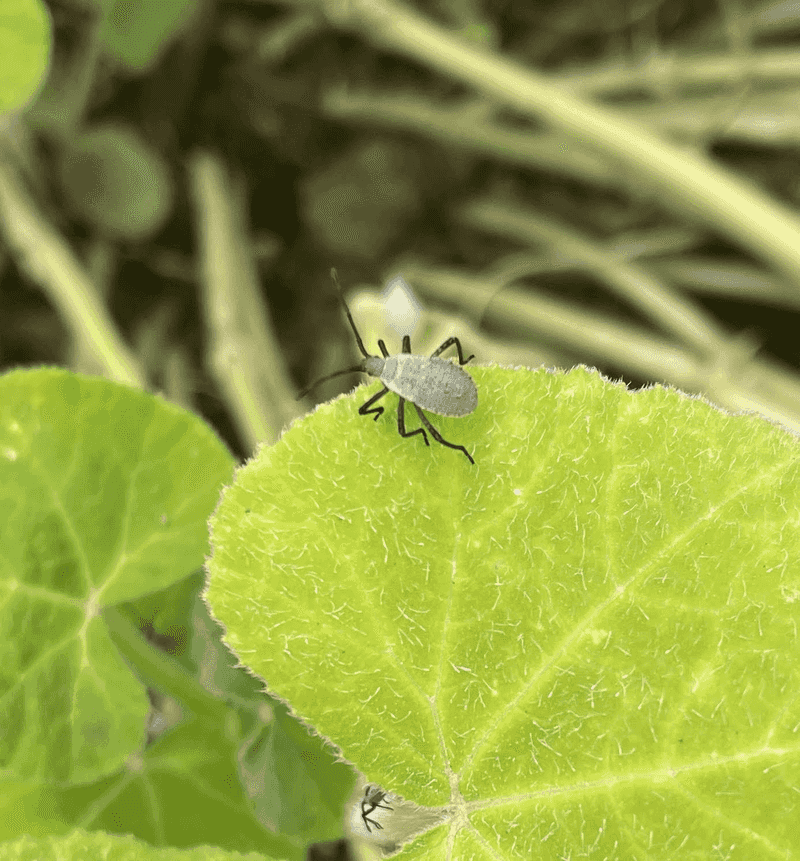
Squash and cucumbers look like a natural pairing at first glance. They are both summer vegetables, both love warmth, and both thrive in similar soil conditions. But that similarity is exactly the problem when it comes to garden planning.
Cucumber beetles are one of the worst shared threats. These small, striped or spotted insects attack both squash and cucumber plants with equal enthusiasm.
When you plant these crops together, you essentially create a buffet that keeps beetle populations fed and breeding all season long.
Squash bugs are another serious issue. These flat, brownish insects hide under leaves and feed on plant sap, weakening stems and causing wilting. They prefer squash but will move to cucumbers without hesitation.
In the warmer regions of our state, squash bug populations can become overwhelming by midsummer.
Bacterial wilt, a disease spread by cucumber beetles, affects both crops. Once a beetle feeds on an infected plant and then moves to a healthy one, the disease spreads fast.
Keeping squash and cucumbers separated reduces the chances of this disease moving from one plant to the other.
Powdery mildew also travels easily between these two crops because they share similar leaf structures and moisture needs.
Spacing them apart improves airflow and reduces fungal spread. A little planning at the start of the season goes a long way toward keeping both crops healthy all summer.
5. Zucchini Can Overwhelm Cucumber Vines
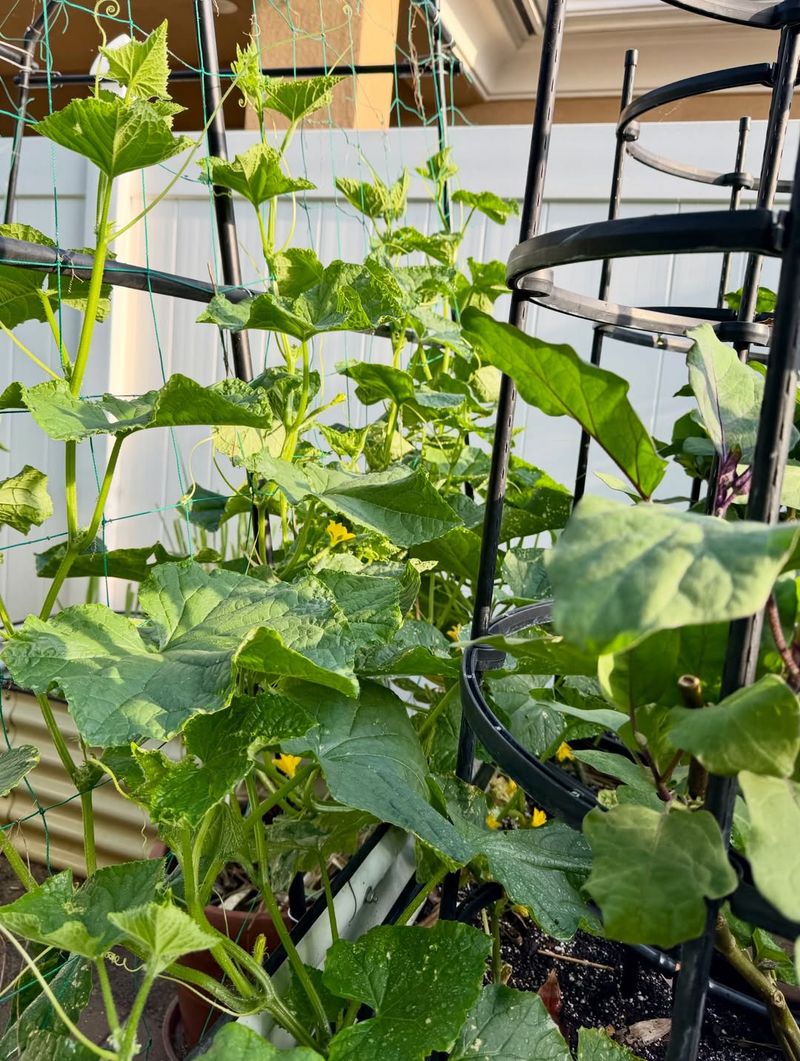
Zucchini is one of those garden plants that almost grows too well. Its broad, oversized leaves cast deep shade, and its thick stems spread outward quickly.
For cucumbers growing nearby, that aggressive growth can spell serious trouble before the season even hits its stride.
The shading problem is significant. Cucumbers need full sun to produce well, ideally six to eight hours of direct sunlight each day. When zucchini leaves spread over the cucumber bed, they block that precious light.
Shaded cucumbers stretch toward the sun, grow weakly, and produce fewer fruits overall.
Like squash and melons, zucchini belongs to the same plant family as cucumbers. That means they share a long list of pests and diseases.
Aphids, whiteflies, and cucumber beetles all love zucchini as much as they love cucumbers. Putting both plants in the same area creates a concentrated target for these pests.
Mosaic virus is a particular concern. This plant virus spreads through aphid feeding and can affect both zucchini and cucumbers.
Infected plants develop mottled, distorted leaves and produce stunted, misshapen fruits. The virus spreads faster when host plants are grouped closely together.
Keeping zucchini at least several feet away from your cucumber patch, or in a completely separate bed, is the smartest move.
Both plants will grow stronger, produce more fruit, and stay healthier throughout the entire growing season in your garden.
6. Fennel Doesn’t Play Well With Vegetable Beds
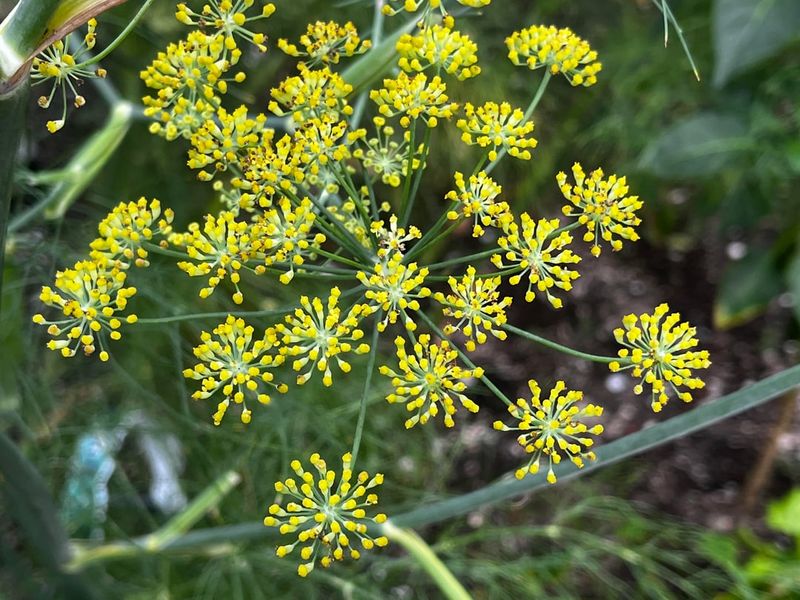
Fennel has a reputation in the gardening world, and it is not a flattering one. Most experienced gardeners will tell you the same thing: fennel is a loner.
It does not play well with almost any vegetable, and cucumbers are no exception to that rule.
The reason fennel causes so much trouble comes down to chemistry. Fennel roots release compounds into the surrounding soil that inhibit the growth of nearby plants.
This natural process is called allelopathy, and it is fennel’s way of reducing competition for resources. Unfortunately, cucumbers are very sensitive to these chemical signals.
Cucumbers growing near fennel often show stunted growth, yellowing leaves, and reduced fruit production.
The allelopathic compounds interfere with the cucumber plant’s ability to absorb water and nutrients properly.
Even in the nutrient-rich soils common in well-tended gardens across our state, fennel can undermine a healthy cucumber crop.
Fennel also attracts certain insects that are not welcome near cucumbers. Aphids, in particular, are drawn to fennel plants.
Once a colony establishes on fennel, it can easily spread to nearby cucumber vines, causing leaf curling, stunted shoots, and the spread of plant viruses.
The best approach is to give fennel its own isolated container or a bed far from any vegetable crops.
It grows beautifully on its own and makes a great culinary herb without creating chaos in the rest of your garden space.
7. Sage Prefers Drier Soil Than Cucumbers
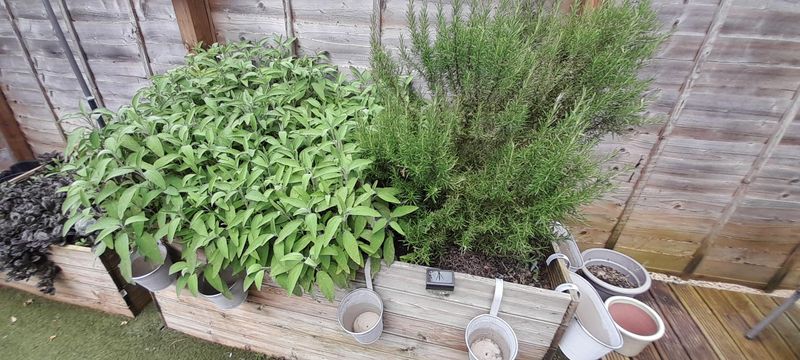
Sage is a beautiful, fragrant herb that thrives in well-drained, dry soil with minimal watering.
Cucumbers, on the other hand, are thirsty plants that need consistently moist soil to produce well. Right from the start, these two plants have completely opposite needs.
When you try to water your cucumbers enough to keep them happy, the sage sitting nearby gets far more moisture than it wants.
Overwatered sage develops root rot, loses its flavor, and eventually declines. If you hold back water to protect the sage, your cucumbers suffer from drought stress, which leads to bitter-tasting fruits and reduced yields.
There is simply no watering schedule that satisfies both plants at the same time. In the dry inland regions of our state, where summer heat can be intense, this conflict becomes even more pronounced. Gardeners end up sacrificing one crop to save the other.
Sage also has a strong aromatic oil that some gardeners believe can affect the flavor or growth of nearby vegetable plants.
While the science on this is not fully settled, many experienced growers prefer to keep strongly scented herbs like sage away from cucumbers just to be safe.
Plant sage in a dry herb garden, a container, or a raised bed with excellent drainage, far from your cucumber patch.
Both plants will be happier with their own dedicated space, and you will get better results from each one throughout the growing season.
8. Rosemary Wants The Opposite Watering Routine
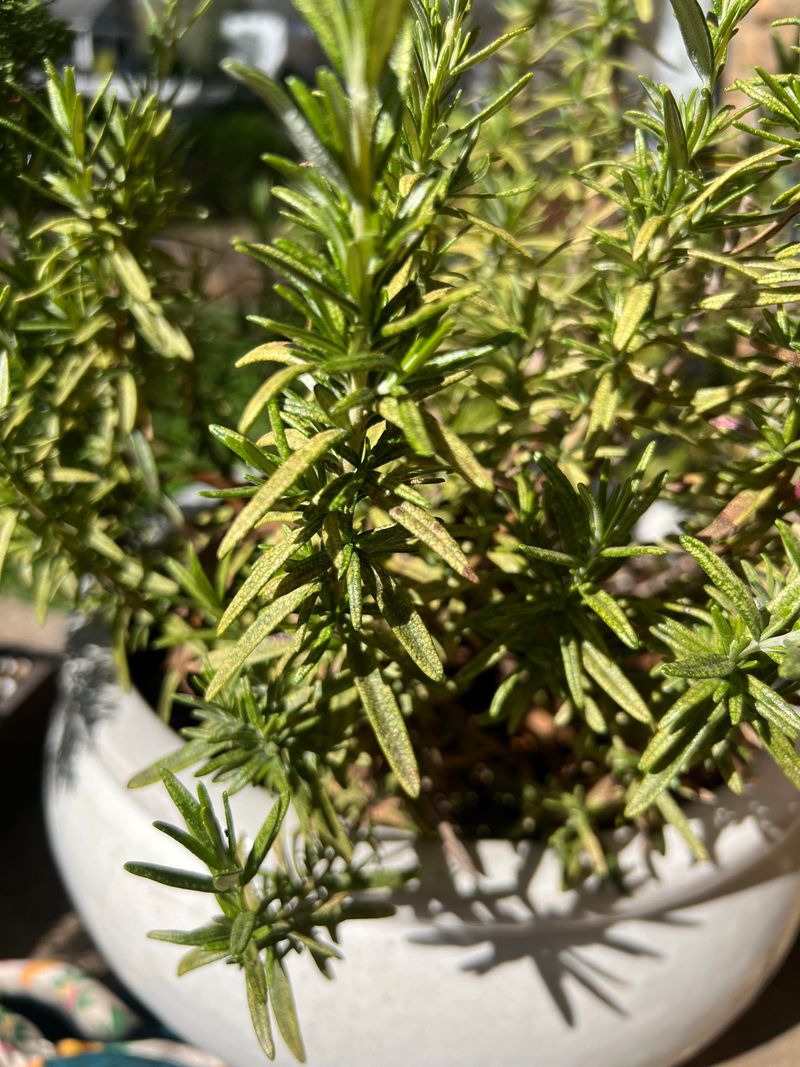
Rosemary is a tough, drought-tolerant herb that actually prefers to be a little dry. It evolved in the rocky, sun-baked landscapes of the Mediterranean, where rainfall is sparse and soils drain fast.
Cucumbers come from a completely different background, needing regular, deep watering to stay productive and healthy.
Putting rosemary and cucumbers in the same bed creates an impossible situation for any gardener.
Cucumbers need the soil to stay consistently moist, especially during flowering and fruiting.
Rosemary sitting in that same moist soil quickly develops root rot, a condition where the roots essentially break down from too much water sitting around them.
Root rot in rosemary is hard to reverse. The plant yellows, droops, and slowly declines no matter how much you try to fix things. Meanwhile, if you cut back watering to help the rosemary, your cucumbers become stressed.
Stressed cucumbers produce misshapen fruits, drop flowers, and become more vulnerable to pests and disease.
In the warm, dry summers common across much of our state, cucumbers already need extra attention to stay hydrated.
Adding a plant with the opposite water needs right next to them just creates more work and more frustration for the home gardener.
Rosemary thrives in its own container or a dedicated dry herb bed. Keep it separate from your vegetable garden and it will reward you with years of fragrant, flavorful growth without causing problems for your cucumber crop.
9. Mint Can Take Over The Bed
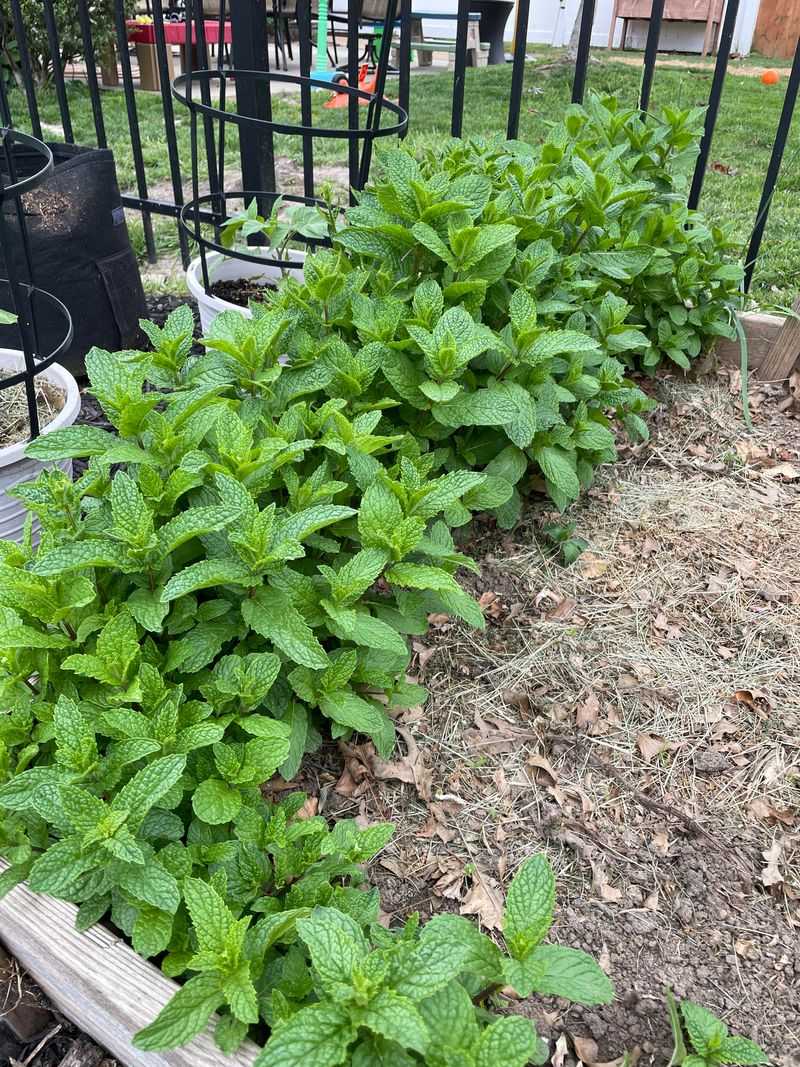
Mint is one of the most aggressive spreaders in the entire plant world. Gardeners who have made the mistake of planting it directly in the ground know exactly how fast it takes over.
Its underground runners spread in every direction, pushing into neighboring plants and stealing space without mercy.
When mint gets into a cucumber bed, the results are not pretty. The spreading roots compete directly with cucumber roots for water and nutrients.
In our state’s warm climate, where cucumbers are already working hard to stay hydrated and fed, having a mint invasion underground can seriously weaken the crop.
Above ground, mint grows dense and bushy. When it spreads into the cucumber area, it can block airflow around the base of the plants.
Poor airflow is one of the main reasons fungal diseases like powdery mildew and downy mildew take hold.
Cucumbers need good air circulation to stay disease-free through the long growing season.
Some gardeners believe mint repels certain pests, which is true to a degree. But the damage mint does as an aggressive competitor far outweighs any minor pest-repelling benefit it might offer near cucumbers.
The safest way to grow mint near your vegetable garden is in a container with solid walls that prevent the roots from escaping.
A buried pot or a raised container on a hard surface keeps mint contained and useful without letting it wreak havoc on your cucumber bed.
10. Sunflowers Can Steal Light And Space

Sunflowers are gorgeous, cheerful, and wonderfully easy to grow. They bring pollinators to the garden and make any outdoor space feel bright and alive.
But their impressive height comes with a serious downside when cucumbers are growing nearby.
A mature sunflower can reach six to ten feet tall, sometimes even taller in the warm, fertile conditions found in many parts of our state.
That towering height creates a massive shadow that falls directly on any plants growing nearby. Cucumbers need full sun, and even a few hours of shade each day can noticeably reduce their fruit production.
Sunflowers are also heavy feeders with deep, wide root systems. Those roots compete aggressively with cucumber roots for nitrogen, phosphorus, and other key nutrients in the soil.
When cucumbers are nutrient-deprived, their leaves turn yellow, their growth slows, and the fruits they do produce tend to be smaller and less flavorful.
There is also some research suggesting that sunflowers release compounds from their roots and decomposing plant matter that can inhibit nearby plant growth.
While this effect is not as strong as fennel’s allelopathy, it is still worth considering when planning your garden layout.
Plant sunflowers on the north side of the garden where their shadows fall away from vegetable beds.
That way you get all the beauty and pollinator benefits of sunflowers without sacrificing the health and productivity of your cucumber crop during the growing season.