10 Plants You Should NEVER Grow Next To Your Tomatoes In Texas
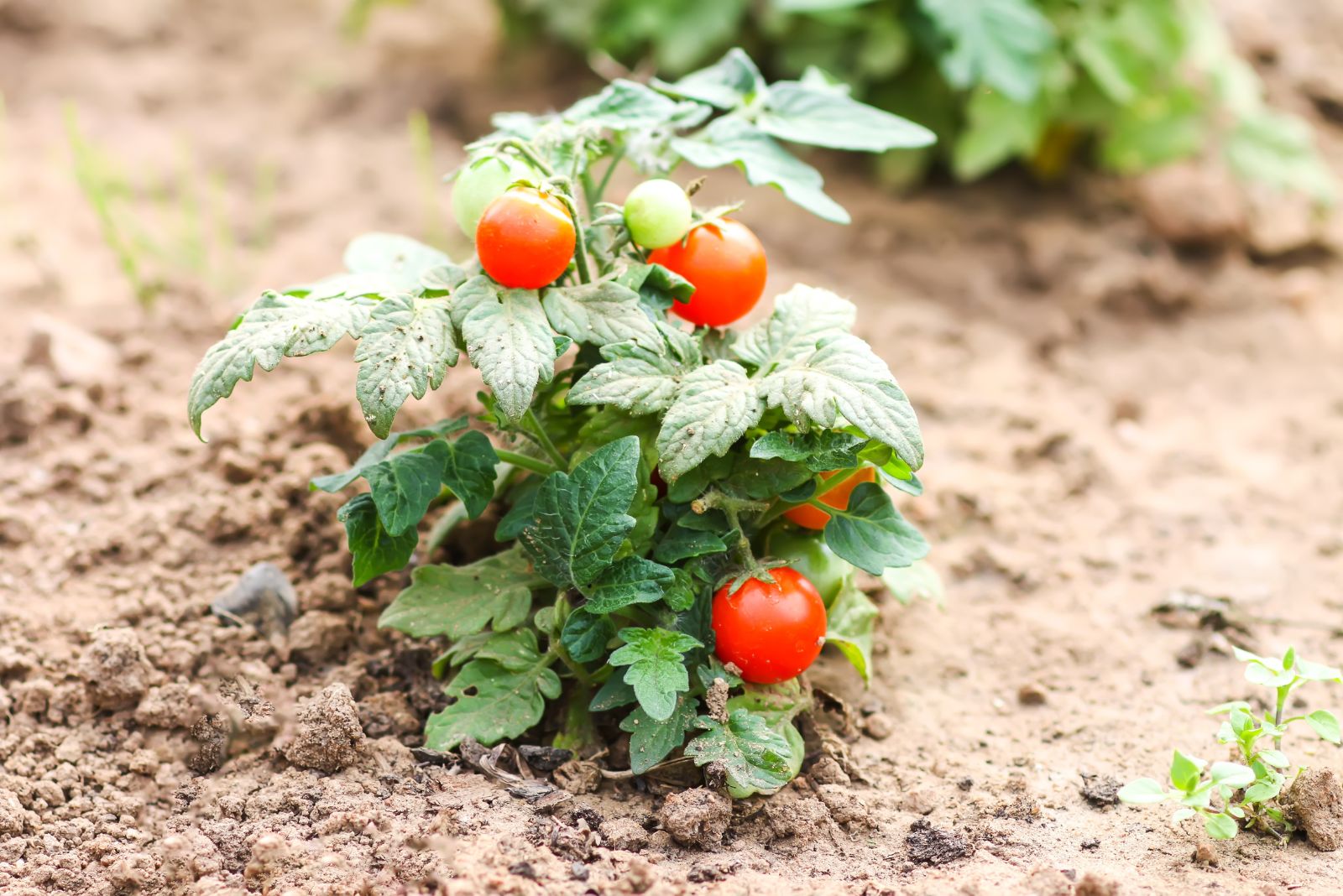
Growing tomatoes in Texas can be a rewarding experience, but it’s not just about choosing the right variety and soil. Companion planting plays a huge role in helping your tomatoes thrive, and some plants can actually do more harm than good when planted nearby.
While it’s tempting to mix things up and add a variety of crops, certain plants can compete for nutrients, attract pests, or even spread diseases to your tomatoes.
In Texas, where the weather can be hot and dry, keeping your tomatoes healthy is even more important. Some plants, like certain herbs and flowers, might seem like a good fit but can lead to poor growth or less fruit.
Knowing which plants to avoid can save you from wasted space and a less-than-ideal harvest. By keeping the wrong plants at bay, you’ll give your tomatoes the best chance to grow strong, produce abundant fruit, and thrive in the Texas heat.
1. Potatoes (Solanum Tuberosum)
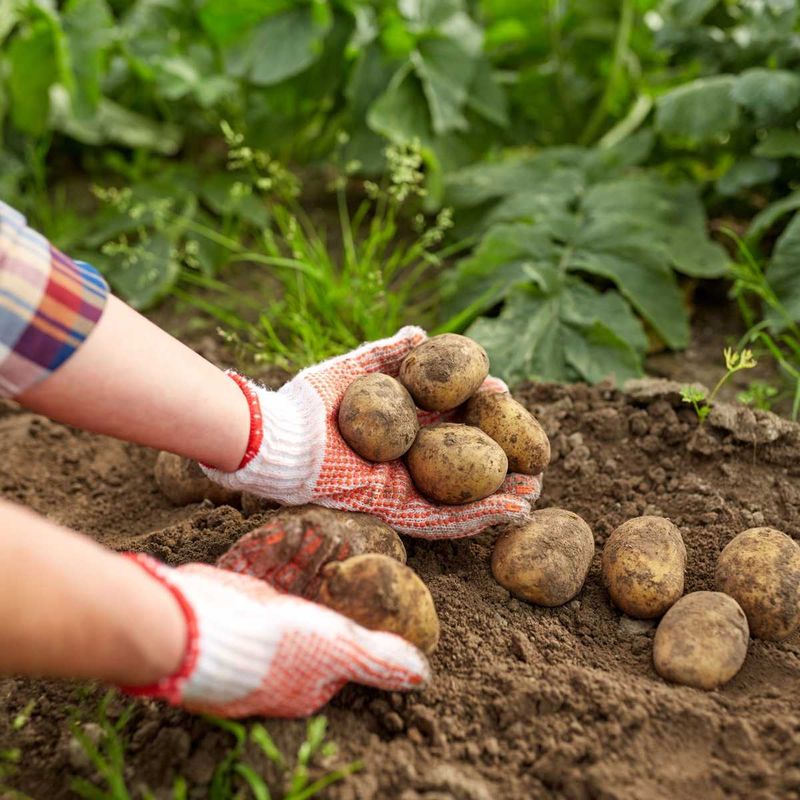
Most gardeners do not realize that tomatoes and potatoes are actually cousins. Both belong to the nightshade family, known scientifically as Solanaceae.
That family connection might sound harmless, but it creates a serious problem in your Texas garden.
Because they share the same plant family, tomatoes and potatoes are vulnerable to the exact same diseases. Late blight is one of the most damaging.
This fungal disease can sweep through both crops fast, especially during Texas summers when humidity spikes after rain. Once blight takes hold, it spreads rapidly from one plant to the next.
Growing potatoes and tomatoes side by side basically doubles the risk. If one plant gets infected, the other is likely to follow.
Texas gardeners in areas with heavy clay soil or poor drainage face an even higher risk, since moisture tends to linger longer around roots.
The smartest move is to grow potatoes in a completely separate section of your garden. Put some distance between them, at least several garden beds apart.
Rotating your crops each season also helps break the disease cycle. Keep your tomatoes and potatoes apart, and both crops will have a much better chance of producing a strong, healthy harvest in the Texas heat.
2. Peppers (Capsicum Spp.)
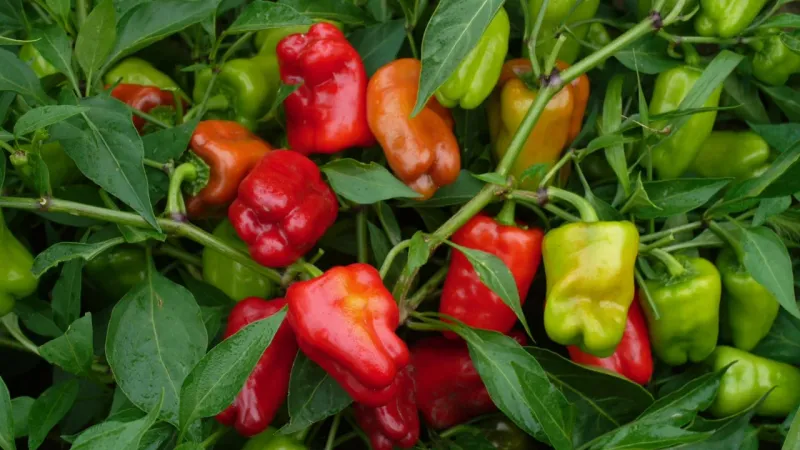
Peppers and tomatoes look like a natural pair. They both love sunshine, warm soil, and long growing seasons, which makes Texas feel like the perfect place to grow them together. But planting them side by side is actually a recipe for trouble.
Just like potatoes, peppers belong to the nightshade family. That shared ancestry means peppers and tomatoes are prone to the same pests and diseases.
Fusarium wilt, bacterial spot, and aphid infestations can easily travel from one plant to the other when they are planted close together. In Texas, where summer temperatures push plants to their limits, stressed plants are especially vulnerable to these problems.
Aphids in particular love both crops. When you cluster peppers and tomatoes together, you create a buffet for pests that can quickly get out of control.
The spread happens faster than most gardeners expect, especially during the hot and dry stretches common across central and south Texas.
Space your peppers and tomatoes far apart in the garden to reduce the chance of shared disease and pest problems. Better yet, place them in entirely separate beds.
You can still grow both successfully in Texas, just not as next-door neighbors. A little distance goes a long way toward protecting your harvest.
3. Carrots (Daucus Carota)
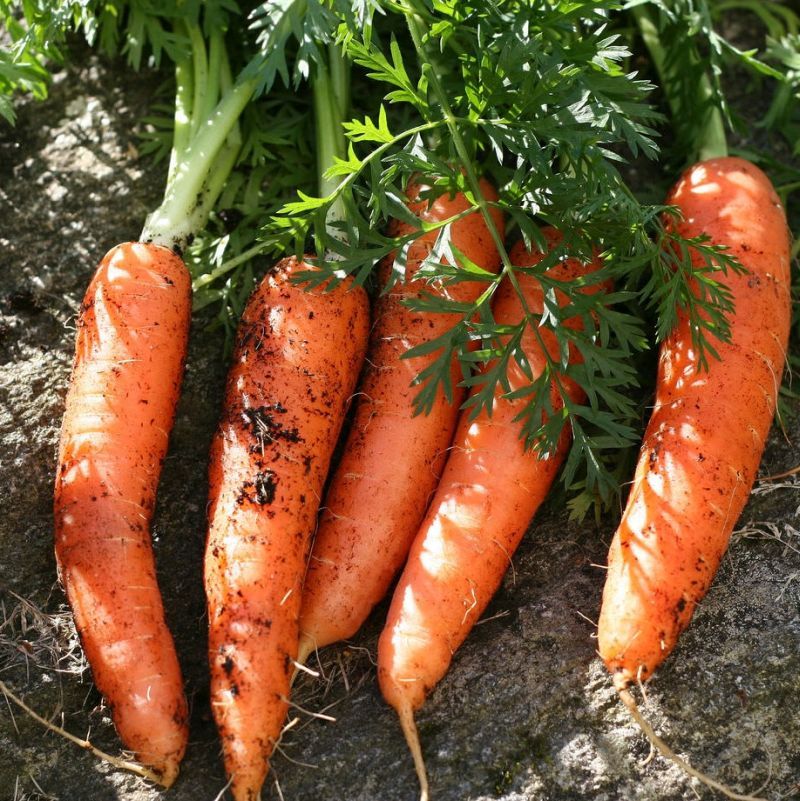
Carrots seem innocent enough. They are small, quiet, and do not make much fuss above the soil.
But underground, they can cause real problems for your tomatoes, especially in the nutrient-rich but sometimes shallow soils found across Texas gardens.
Carrots are root vegetables that grow deep. They need plenty of room to push down through the soil, and as they grow, they compete with tomato roots for space, water, and nutrients.
Tomatoes are already heavy feeders, meaning they pull a lot from the soil to fuel their growth and fruit production. When carrots are nearby pulling from the same reserves, both plants can end up struggling.
In Texas, where summer heat dries out soil quickly, water competition becomes an even bigger issue. Tomatoes need consistent moisture to avoid problems like blossom end rot.
When carrots are drawing from the same water supply, your tomatoes may not get enough, even if you are watering regularly.
Growing carrots in a separate garden bed or in containers keeps the root competition from becoming a problem. Containers work especially well in Texas urban gardens where space is limited.
Keep your carrots at a comfortable distance from your tomatoes, and both crops will grow stronger, produce better, and give you more to harvest at the end of the season.
4. Fennel (Foeniculum Vulgare)
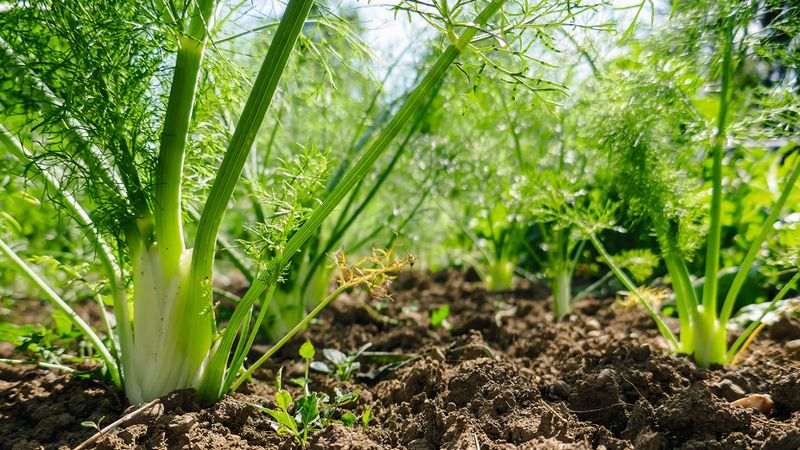
Fennel is one of those plants that seems perfectly harmless standing on its own. It smells wonderful, attracts pollinators, and grows beautifully in warm climates like Texas. But put it near your tomatoes, and you will start noticing problems fast.
Fennel produces natural chemicals called allelopathic compounds. These chemicals leach into the surrounding soil and can slow or completely stop the growth of nearby plants.
Tomatoes are especially sensitive to these compounds. Gardeners across Texas have reported stunted tomato plants, poor fruit production, and yellowing leaves when fennel was planted too close.
What makes fennel particularly tricky is that it looks harmless. There are no obvious signs that it is releasing growth-inhibiting substances.
You might spend weeks trying to figure out why your tomatoes are not performing well, never suspecting that the pretty fennel plant nearby is the culprit.
The best approach is to grow fennel in its own dedicated spot, well away from your vegetable garden. Many Texas gardeners plant fennel along a fence line or in a separate herb bed where it can do its thing without bothering other crops.
Fennel is still a valuable plant to have around, just not anywhere near your tomatoes. Give it its own space and everybody wins.
5. Cabbage Family (Broccoli, Kale, Cabbage, Etc.)
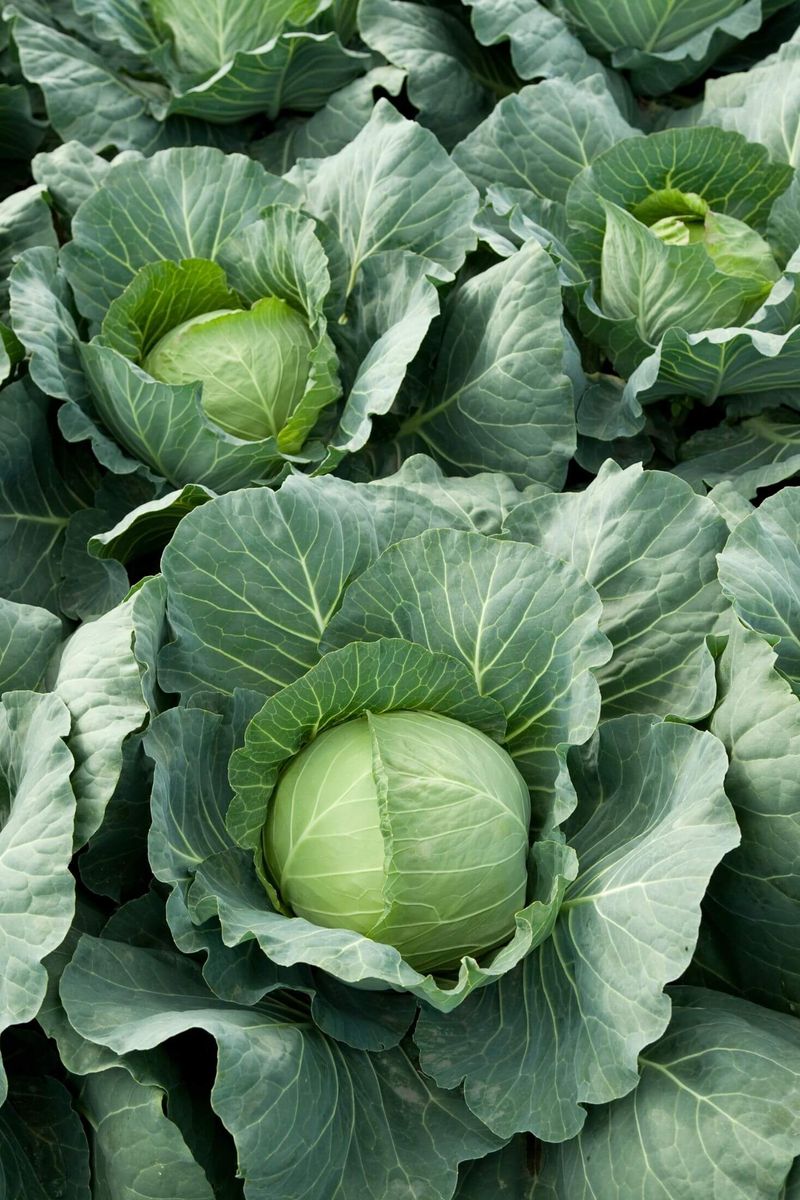
Brassicas are a powerhouse group of vegetables. Broccoli, kale, cabbage, cauliflower, and their relatives are all heavy feeders, meaning they pull large amounts of nutrients from the soil to fuel their growth.
Tomatoes are also heavy feeders. Put them together, and you are setting up a nutrient tug-of-war that neither plant will win.
In Texas, where gardeners often deal with sandy or clay-heavy soils that can be low in organic matter, this competition becomes even more intense.
Your tomatoes may start to show signs of nitrogen deficiency, like yellowing leaves and poor fruit set, simply because the brassicas nearby are soaking up what your tomatoes need.
There is another problem too. Brassicas attract many of the same pests as tomatoes, including aphids and caterpillars like cabbage loopers.
When both plant types are growing side by side, pest populations can build up quickly and become much harder to manage. Texas gardeners already deal with high pest pressure during the warm months, and clustering these plants together only makes it worse.
Grow your brassicas in a separate raised bed or garden section. Since brassicas actually prefer cooler weather, many Texas gardeners plant them in fall or early spring anyway.
Keeping them apart from your tomatoes is simply smart planning that protects both crops and keeps your garden healthier all season long.
6. Corn (Zea Mays)
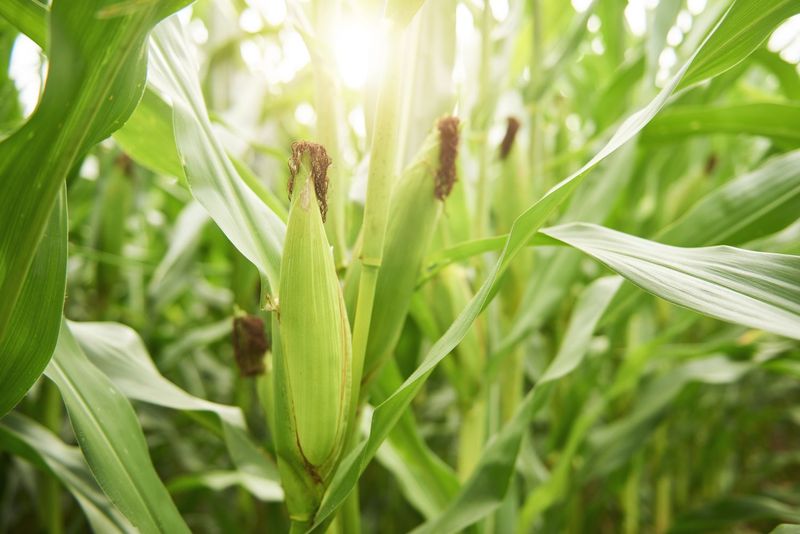
Corn is a Texas garden staple. Many families across the Lone Star State have grown it for generations, and there is nothing quite like fresh sweet corn in the summer.
But if you are also growing tomatoes, you need to keep these two crops far apart from each other.
The biggest issue with corn is its height. Corn grows tall fast, and those towering stalks can cast heavy shade over your tomato plants.
Tomatoes need full sun to thrive, ideally six to eight hours per day. When corn blocks that sunlight, tomato plants grow weak, produce fewer flowers, and set less fruit. In a Texas summer, reduced sunlight can mean a significantly smaller harvest.
Beyond shade, corn and tomatoes share a nasty common enemy: the corn earworm. This pest is one of the most destructive insects in Texas gardens.
It attacks corn ears but also feeds on tomato fruits, leaving behind damage that invites rot and other secondary problems. Growing corn next to your tomatoes basically sends an open invitation for earworm populations to explode.
Plant your corn in a separate section of the garden, preferably on the north or west side so its shade falls away from your other crops. With some thoughtful placement, you can enjoy both a great corn crop and a fantastic tomato harvest without one hurting the other.
7. Walnut Trees (Juglans Spp.)
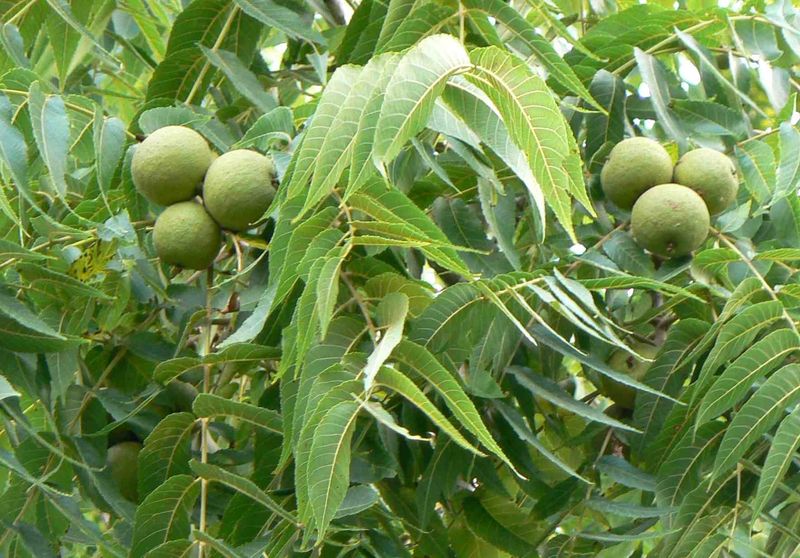
If you have a walnut tree on your Texas property, this is one warning you absolutely cannot ignore. Walnut trees, especially black walnuts, produce a powerful natural chemical called juglone.
This substance seeps into the surrounding soil through the tree’s roots, fallen leaves, and even its outer shell husks.
Juglone is toxic to many plants, and tomatoes are among the most sensitive. When tomato roots come into contact with juglone-contaminated soil, the plants can quickly show signs of distress.
Leaves wilt, plants stop growing, and fruit production drops sharply. Many gardeners in rural Texas have lost entire tomato crops without ever knowing the walnut tree nearby was to blame.
The affected zone around a walnut tree can extend surprisingly far. The root system spreads well beyond the tree’s canopy, which means even tomatoes planted what seems like a safe distance away can still be affected.
Experts recommend keeping tomatoes at least fifty to eighty feet away from any black walnut tree.
If your Texas yard has a walnut tree and limited space, consider growing your tomatoes in raised beds filled with fresh, clean soil. This creates a physical barrier between the contaminated ground and your tomato roots.
It takes a little extra planning, but it is absolutely worth it to protect your tomatoes from juglone damage.
8. Lettuce (Lactuca Sativa)
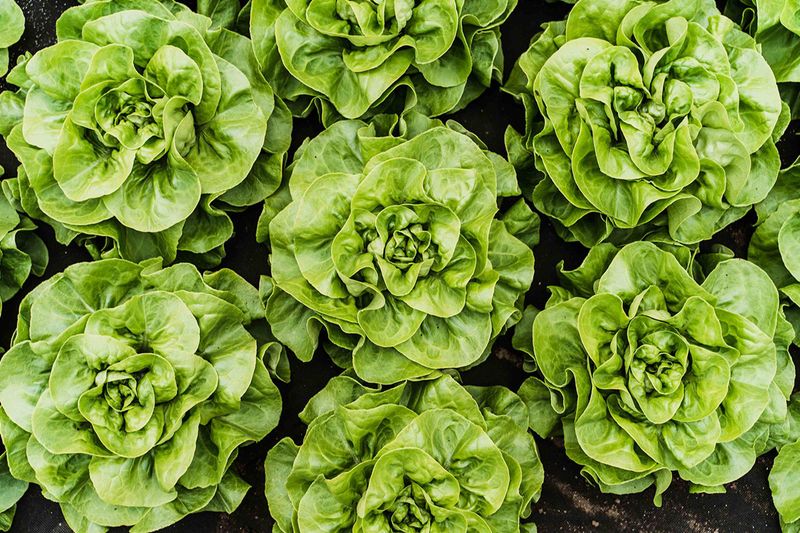
Lettuce might seem like a totally harmless garden companion. It is small, grows low to the ground, and does not take up much space.
In cooler climates, lettuce and tomatoes are sometimes planted together without major issues. But in Texas, that combination creates a specific set of problems you should think carefully about.
Texas summers are brutal. Temperatures regularly soar past 95 degrees Fahrenheit, and lettuce simply cannot handle that kind of heat.
When temperatures rise, lettuce bolts, which means it sends up a flower stalk, turns bitter, and stops producing edible leaves.
A bolting lettuce plant is not only useless as a food crop, it is also taking up valuable space and pulling nutrients and water from the soil that your tomatoes desperately need.
In the intense Texas heat, every drop of water and every bit of soil nutrition matters. Having struggling lettuce plants nearby competing for those limited resources puts extra stress on your tomatoes at the worst possible time of year.
Lettuce grows beautifully in Texas during fall and early spring when temperatures are mild. Plant it during those cooler seasons in a separate bed, and you will get great results.
Save your prime summer garden space for crops that can actually handle Texas heat, and let your tomatoes have the room and resources they need to produce their best.
9. Dill (Anethum Graveolens)
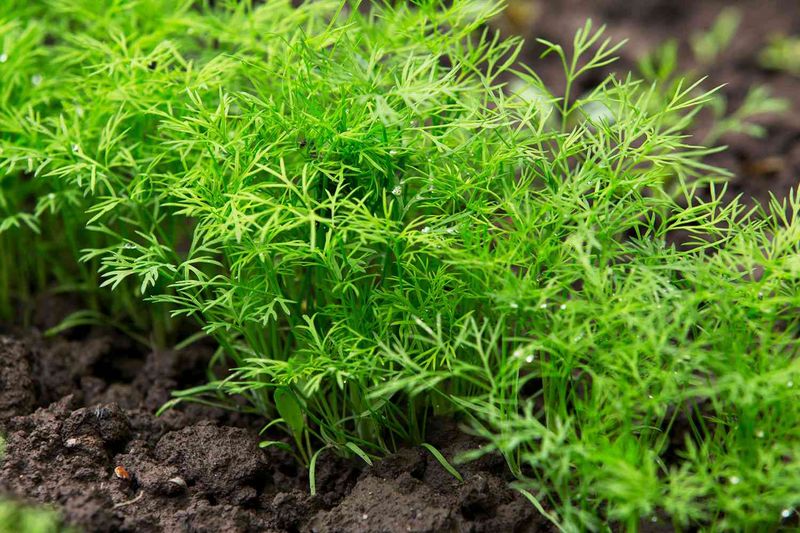
Young dill plants actually have a decent reputation in the garden. When dill is small and still growing, it can attract beneficial insects like parasitic wasps that help manage pest populations.
But here is the catch: once dill matures, the relationship with your tomatoes takes a turn for the worse.
Mature dill releases substances into the soil that can interfere with tomato growth. Gardeners who have planted mature dill near their tomatoes often notice slower growth and reduced fruit production compared to tomatoes grown in dill-free areas.
In Texas, where the growing season is long and the conditions are already demanding, you want every advantage you can get, not a nearby plant working against you. There is also a pest problem. Dill is a magnet for aphids.
These tiny insects cluster on dill in huge numbers, and when they run out of space or food on the dill plant, they move right over to your tomatoes. Aphid infestations on tomatoes can spread plant viruses and weaken stems and leaves, causing serious setbacks in your harvest.
Plant dill in a separate herb garden or in a container well away from your tomatoes. You can still enjoy fresh dill for cooking and pickling, which is especially popular in Texas kitchens.
Just make sure it stays far enough away that it cannot interfere with your tomato crop or invite pests to the party.
10. Mint (Mentha Spp.)
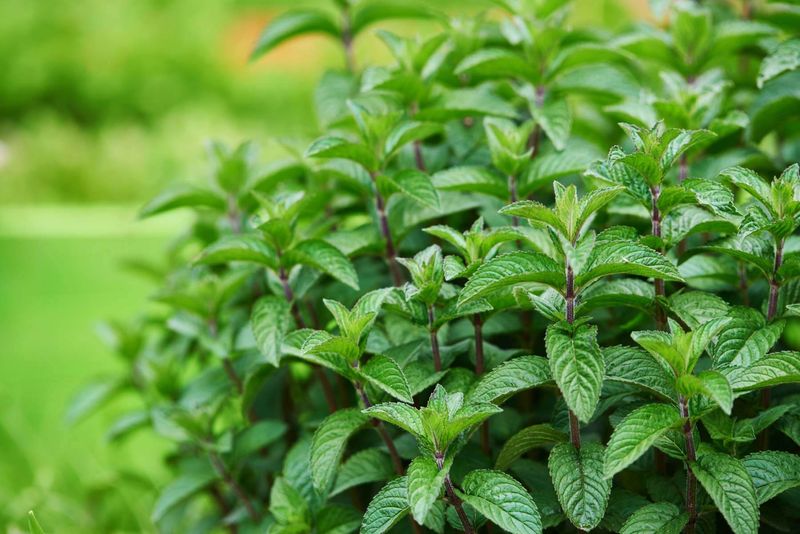
Mint is one of those plants that gardeners either love or have a complicated history with. It smells incredible, it is useful in the kitchen, and it grows with almost no effort at all. That last part, though, is exactly what makes mint so dangerous near your tomatoes.
Mint is wildly invasive. It spreads through underground runners that shoot out in every direction, popping up far from where you originally planted it.
Once mint gets established in a garden bed, it is extremely difficult to remove completely. In the warm Texas climate, mint can spread even faster than it does in cooler regions, quickly taking over the space your tomatoes need.
As mint spreads, it competes aggressively for water and nutrients. Tomatoes need consistent access to both, especially during fruit development.
When mint is muscling in from all sides, your tomatoes end up stressed, and stressed tomatoes in Texas heat produce fewer fruits and are more susceptible to cracking and disease.
The smartest way to enjoy mint in your Texas garden is to grow it in a container. A pot or bucket with drainage holes keeps mint contained while still letting you harvest fresh leaves whenever you need them.
Set the container away from your tomato beds, and you get the best of both worlds, fresh mint and thriving tomatoes, without one wrecking the other.