7 Plants You Should NOT Plant Before April In Texas
Spring in Texas brings a rush of excitement for gardeners eager to get their hands dirty. But with the warmer weather comes the temptation to plant too early.
While it’s tempting to jump into planting as soon as the first hint of warmth arrives, some plants simply aren’t ready for the unpredictable Texas spring. Planting too soon can lead to stunted growth, poor performance, or even a complete loss of your hard work.
In Texas, it’s important to remember that late freezes, unexpected cold snaps, and fluctuating temperatures can all spell trouble for certain plants. Some need a little more time to adjust to the warmer weather before they can thrive.
Whether it’s delicate annuals or tropical plants, planting too early can throw them off their natural rhythm and leave you disappointed.
Knowing which plants to wait on before April can help you avoid common mistakes and set yourself up for a lush, successful garden season.
1. Tomatoes
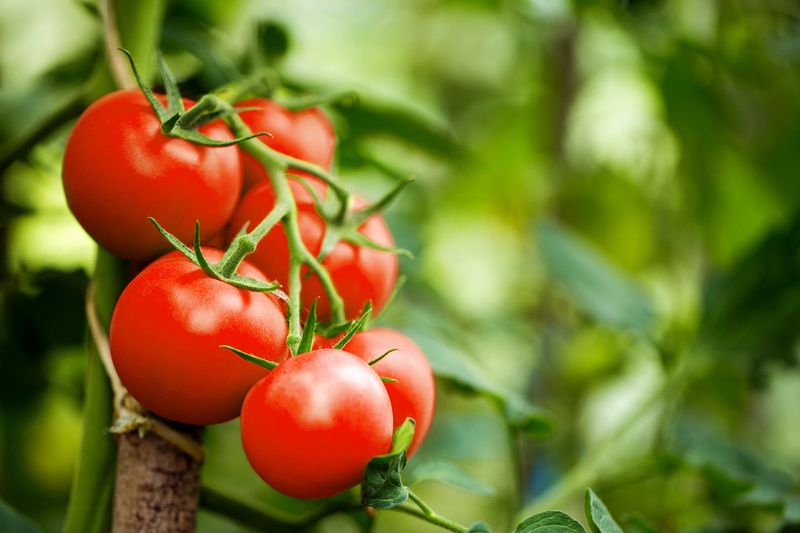
Nothing says summer garden quite like a big, juicy tomato fresh off the vine. But in Texas, rushing to plant tomatoes before April can really hurt your harvest.
Tomatoes are highly sensitive to cold temperatures, and even a brief frost can damage young plants badly enough to stall their growth for weeks.
Soil temperature matters just as much as air temperature. Tomatoes need the soil to be at least 60 degrees Fahrenheit before they can establish strong roots.
When the soil is too cold, the roots struggle to absorb water and nutrients, leaving the plant weak and slow to grow.
Across most of Texas, the last frost date falls somewhere between mid-February and mid-March depending on your region. North Texas tends to see cold snaps later than South Texas.
That is why April is the sweet spot for most Texas gardeners who want to give their tomatoes the best possible start.
Planting in April means your tomatoes go into warm soil with consistently mild nights and sunny days ahead. They will establish roots faster, grow more vigorously, and start producing fruit sooner than plants set out too early in the season.
Choose heat-tolerant varieties like Celebrity or Solar Fire, which are well-suited to the intense Texas summer that follows spring.
Starting seeds indoors six to eight weeks before April gives you strong transplants ready to go when the time is right. Patience here truly pays off in a big way.
2. Peppers
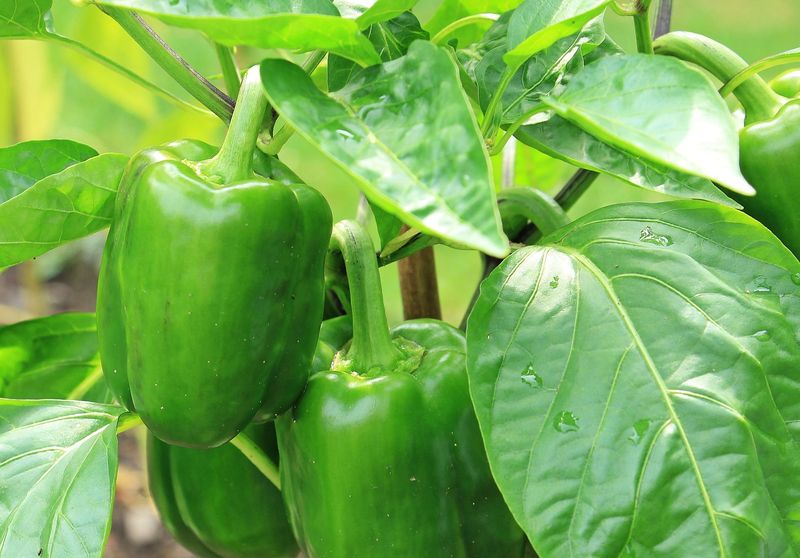
Peppers and Texas summers seem made for each other, but getting there requires patience. Peppers are heat-loving plants that absolutely refuse to cooperate in cold conditions.
Planting them before April in Texas is a gamble that rarely pays off, because cold soil and chilly nights slow their growth to a crawl.
Unlike some vegetables that can bounce back from a cold snap, peppers tend to stay stunted once they have been stressed by the cold. Their roots stop functioning properly when soil temperatures drop below 60 degrees Fahrenheit.
Even if the plant survives, it may never fully recover its vigor, leading to a smaller and later harvest than you were hoping for.
Both sweet bell peppers and hot chili varieties share this sensitivity. Jalapenos, serranos, and habaneros are all popular in Texas kitchens, and they all need warm conditions to get going.
Waiting until April ensures that nighttime temperatures stay reliably above 50 degrees, which is the minimum peppers need to grow without stress.
One smart strategy for Texas gardeners is to start pepper seeds indoors in late January or early February. By the time April arrives, those seedlings will be six to eight weeks old and ready to hit the ground running.
Transplant them on a calm, warm day and water them in well. Peppers planted at the right time in Texas can produce fruit all the way through fall, giving you a long and rewarding harvest season worth waiting for.
3. Cucumbers
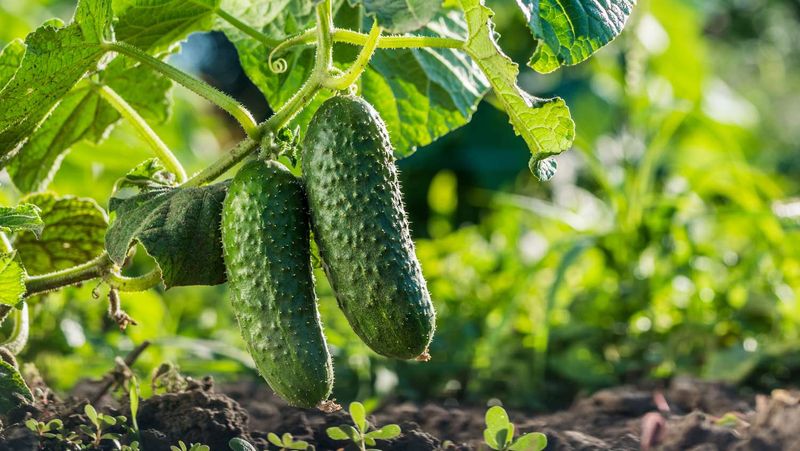
Cucumbers are one of those vegetables that look easygoing but are actually quite picky about temperature. Cold weather is their biggest enemy.
If you plant cucumbers in the ground before April in Texas and a late frost rolls through, those seeds may simply refuse to germinate at all.
Soil temperature is the key factor for cucumber success. The soil needs to be at least 60 degrees Fahrenheit, and ideally closer to 70 degrees, for cucumber seeds to sprout reliably.
Below that threshold, seeds can rot in the ground before they ever get a chance to grow. Even transplants started indoors can struggle badly if they go into cold soil too soon.
Cucumbers also grow fast once conditions are right, which is another reason to be patient. A cucumber plant set out in warm April soil will often catch up to and surpass one planted a month earlier under cold stress.
Waiting is actually the smarter strategy when you think about it that way.
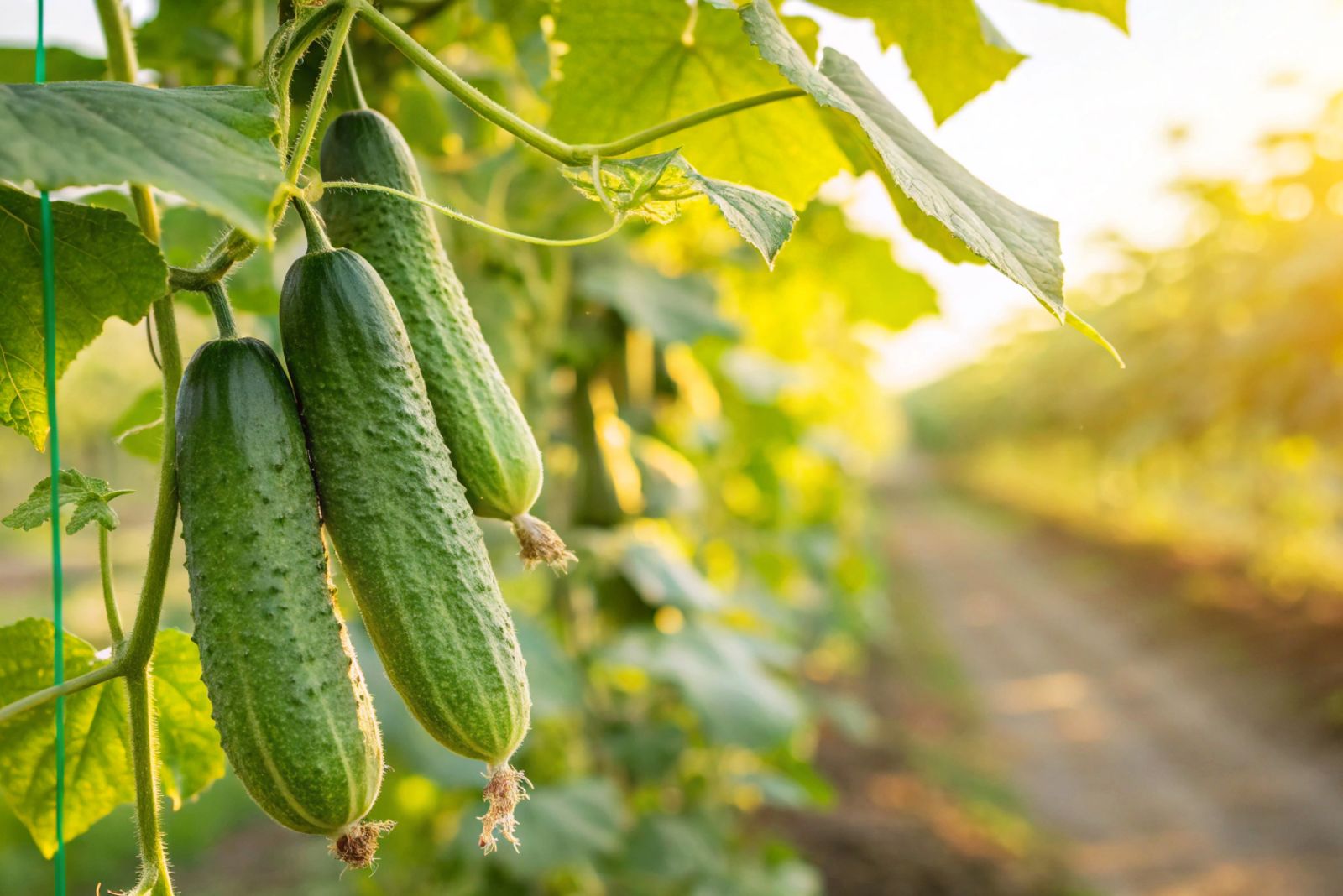
In Texas, April brings the combination of warm days and mild nights that cucumbers absolutely love. Pick a sunny spot in your garden with well-draining soil and give the plants something to climb.
Trellising cucumbers saves space and keeps the fruit clean and straight. Varieties like Straight Eight and Bush Pickle do especially well in the Texas climate.
Water consistently, because cucumbers are mostly water themselves and need steady moisture to stay crisp and productive through the warm Texas spring and early summer months ahead.
4. Beans
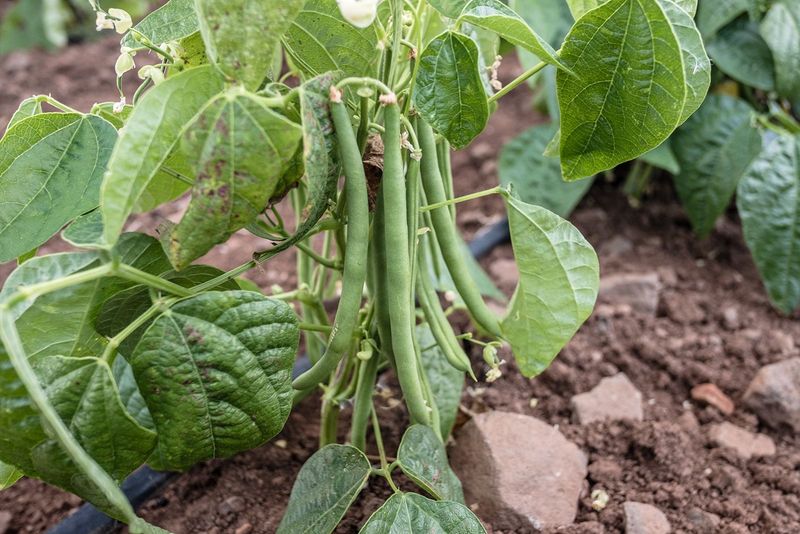
Beans might seem tough, and in many ways they are. But even beans have their limits when it comes to cold soil.
Planting beans too early in Texas, before the ground has had a chance to warm up properly, often leads to seeds that rot instead of sprout. That is a disappointing outcome for something so simple to grow under the right conditions.
Green beans, pole beans, and bush beans all prefer soil temperatures above 60 degrees Fahrenheit to germinate well. Below that, germination rates drop sharply and the seeds become vulnerable to soil-borne diseases.
A late cold snap in February or March can wipe out an entire planting in just one night, which is why April is the safer and smarter choice across most of Texas.
One thing that makes beans special is how quickly they grow once they are happy. Under warm Texas spring conditions, bean seeds can sprout in as little as five to eight days.
From there, bush beans can go from planting to harvest in about 50 to 60 days. That fast turnaround makes the wait until April feel very worthwhile.
Beans also do something pretty cool for your garden. They fix nitrogen from the air into the soil, naturally improving the soil quality for future crops.
Plant them in a sunny spot with loose, well-draining soil and avoid overwatering. Direct sow seeds about one inch deep and two to four inches apart.
In Texas, April conditions are ideal for beans to thrive, produce abundantly, and enrich your garden soil at the same time.
5. Squash (Summer Squash And Zucchini)
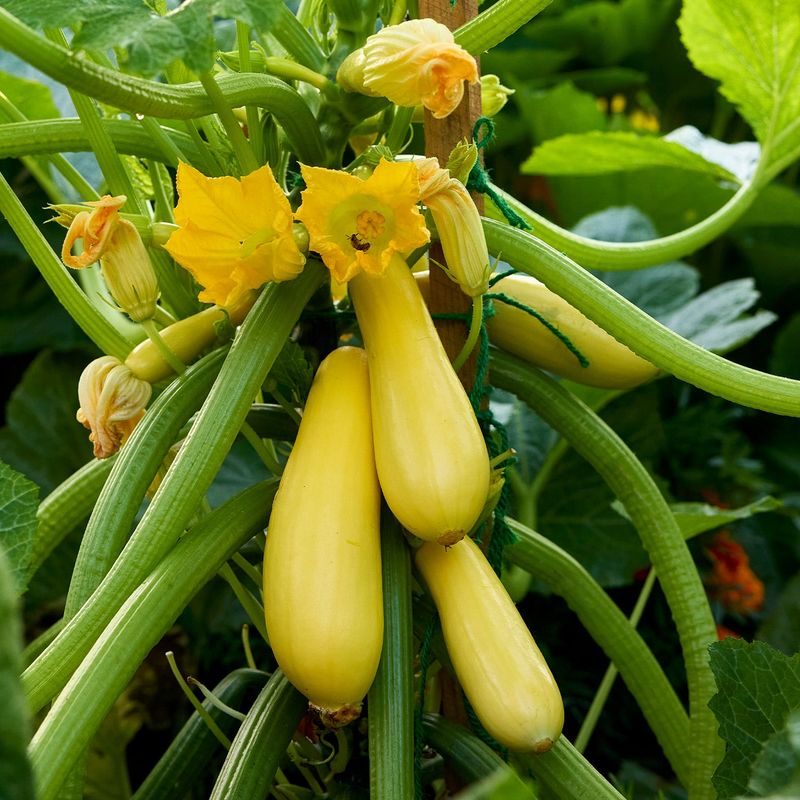
Ask any Texas gardener about squash and they will probably laugh. Once squash gets going in warm weather, it grows so fast you almost cannot keep up with it.
But before that happens, squash needs warm soil and warm air to even get started. Planting it before April in Texas is asking for trouble.
Squash is extremely frost-sensitive. Even a light frost can damage the broad leaves and tender stems that young squash plants depend on.
Cold soil also slows germination dramatically and makes the seedlings vulnerable to fungal problems. In Texas, where late cold snaps can sneak in through March, the risk of losing an early planting is very real.
Summer squash and zucchini are warm-season crops through and through. They thrive when daytime temperatures are between 70 and 90 degrees Fahrenheit, which is exactly what April delivers across most of Texas.
Once the soil hits 60 degrees or warmer, squash seeds germinate quickly and plants establish fast. You can go from seed to harvest in as little as 50 days under good conditions.
Give squash plants plenty of space because they spread out quickly with their large leaves. Plant seeds about one inch deep and give each plant at least 24 to 36 inches of room.
Full sun is a must. Water at the base of the plant rather than overhead to reduce the chance of powdery mildew, which is a common issue in Texas.
With the right timing in April, your squash plants will reward you with more produce than you ever expected from just a few seeds.
6. Annual Flowers (Like Petunias And Marigolds)
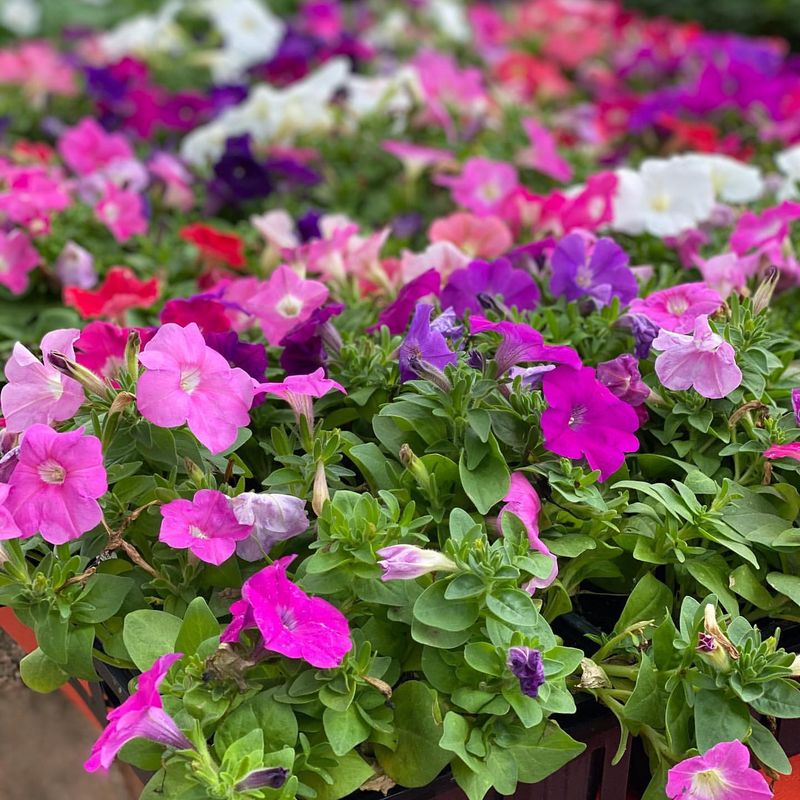
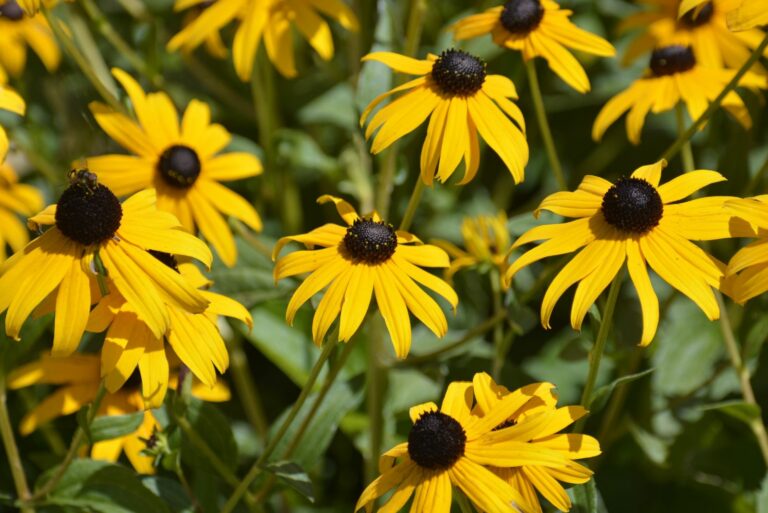
Annual flowers bring color, life, and joy to any Texas garden. Petunias spill over pots in shades of pink and purple.
Marigolds line garden beds in cheerful orange and gold. Both are beloved by Texas gardeners for good reason.
But planting them before April is one of the most common mistakes beginners make in the Lone Star State.
Petunias and marigolds are warm-weather annuals that do not handle frost well at all. A cold snap in February or early March can damage their delicate petals and stems almost overnight.
Even if the frost does not completely harm them, cold temperatures slow their growth and leave them looking sad and pale instead of lush and vibrant. They need warmth to truly come alive.
Marigolds in particular are known for being great companion plants in Texas vegetable gardens. They naturally repel certain insects that would otherwise munch on your tomatoes and peppers.
Planting them at the same time as your vegetables in April creates a beautiful and functional garden combination that works hard all season long.
Petunias love full sun and warm nights, which Texas delivers beautifully from April onward. They will bloom continuously through spring and into summer with regular watering and occasional fertilizing.
Deadheading spent blooms keeps them producing fresh flowers week after week. Both petunias and marigolds are easy to find at Texas nurseries in April, often already in bloom and ready to go.
Waiting for that April planting window means you get flowers that thrive instead of struggle from the very start.
7. Sweet Potatoes
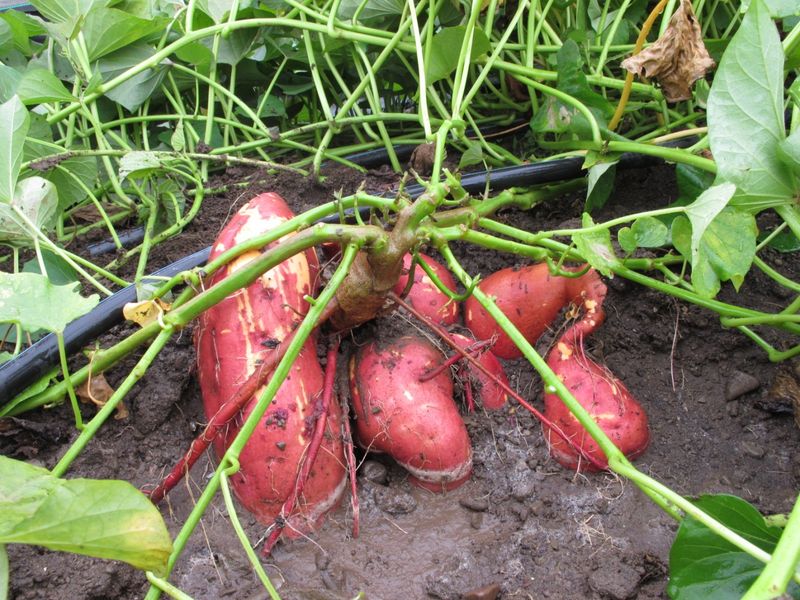
Sweet potatoes are one of those crops that truly reward patience. They are not just sensitive to frost.
They actually need warm soil to develop the sweet, starchy roots that make them so delicious. Planting sweet potato slips before the soil has warmed up in Texas leads to slow establishment and poor root development that affects the whole harvest.
Unlike regular potatoes, sweet potatoes are planted using slips, which are small rooted cuttings grown from a mature sweet potato. These slips need soil temperatures of at least 65 to 70 degrees Fahrenheit to take hold and grow well.
In most parts of Texas, that threshold is not reliably reached until April. Planting slips into cold soil stresses them immediately and slows their development significantly.
Sweet potatoes also have a long growing season, typically 90 to 120 days from planting to harvest. That means getting the timing right at the start is extra important.
Plant too early in cold soil and they sit there struggling. Plant in April when conditions are right and they take off quickly, using the long warm Texas summer to develop big, flavorful roots underground.
Choose a sunny garden spot with loose, well-draining soil. Sandy loam works especially well for sweet potatoes because it allows the roots to expand freely.
Space slips about 12 to 18 inches apart in rows. Texas gardeners in warmer southern regions may be able to plant a bit earlier, but for most of the state, April remains the reliable target.
The wait is absolutely worth it when you pull those beautiful roots from the soil come harvest time.