5 Plants You Should Trim Before Spring In Texas And 5 You Shouldn’t Touch Yet
There’s nothing like a crisp Texas morning in early March, when the air smells like earth and mesquite, and gardeners start eyeing overgrown shrubs with a pair of pruning shears in hand.
We’ve all been there: tempted to “tidy up” a bush only to realize later the blooms never appear or the shape looks off.
Timing is everything, especially in Texas yards where hot sun and unpredictable winters play a part.
Some plants respond beautifully to a late-winter cut, while others hold their buds from last year and need a gentle hand. Pruning at the wrong time can cost weeks of flowers or slow growth just when you’re eager to see color.
Keep reading to learn which shrubs should be clipped now and which ones deserve a patient pause, so your garden bursts with Texas-friendly blooms without any regrets.
1. Crape Myrtle Bursting With Summer Color
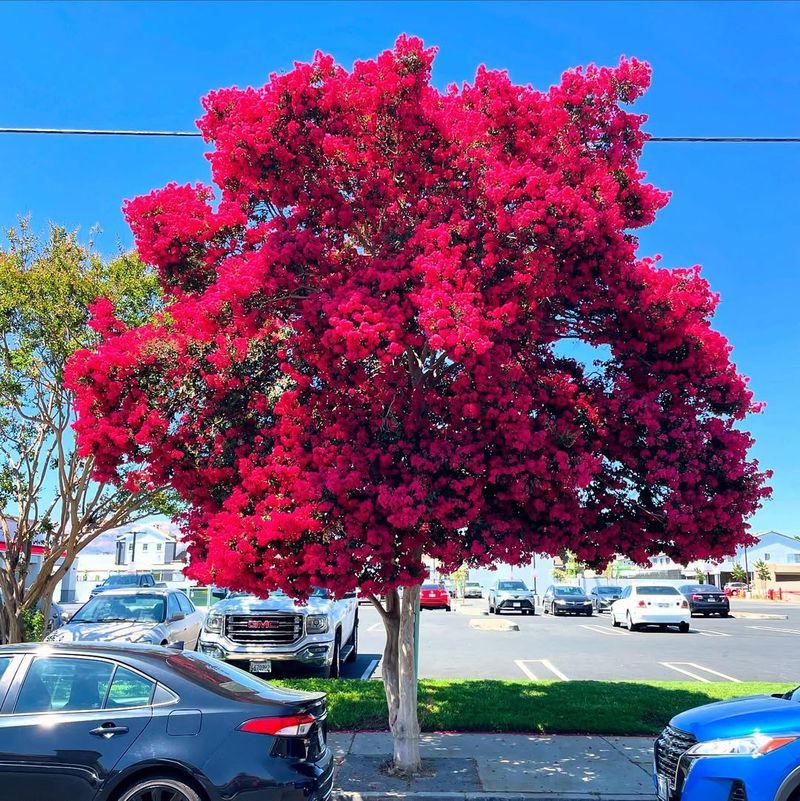
Few trees are as beloved across Texas as the crape myrtle, and for good reason. Its stunning summer blooms and graceful shape make it a staple in neighborhoods from Houston to Fort Worth.
But here’s something a lot of homeowners get wrong: over-pruning, also known as “crape murder,” actually hurts the tree more than it helps.
Late winter, typically from February to early March depending on location, is a suitable window to give your crape myrtle a careful trim before new growth begins. Focus on removing branches that cross over each other, rub together, or grow toward the center of the tree.
These kinds of branches can create weak spots and reduce airflow over time.
You do not need to chop the entire top off to encourage blooming. A lighter, more thoughtful approach keeps the tree’s natural shape intact and leads to much healthier growth come spring.
Thinning out the canopy just a bit is all it really takes.
Crape myrtles are tough, drought-tolerant trees that are perfectly suited to the Texas climate. Giving them a smart late-winter trim sets them up for a full, gorgeous bloom season ahead.
Keep your cuts clean and minimal, and this iconic Texas tree will reward you with beautiful color all summer long.
2. Glossy Abelia And Its Graceful Blooms
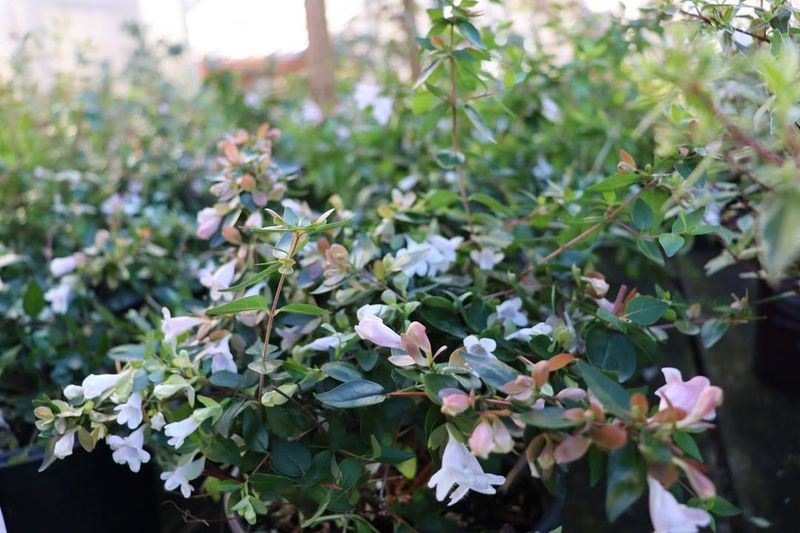
One hardworking shrub that often flies under the radar but earns its place every season is glossy abelia. With arching branches, small shiny leaves, and delicate pinkish-white flowers that bloom from summer into fall, it brings quiet beauty to any yard.
Pruning this shrub before spring is actually a smart move. Late winter is the right time to remove any dead, damaged, or crossing branches, and to lightly shape the plant before it pushes out new growth.
Because abelia blooms on new wood, trimming it now encourages fresh, vigorous stems that will carry more flowers later in the season.
One thing to keep in mind is that abelia responds well to a light hand. You do not need to cut it back drastically.
Removing about one-third of the older stems at the base helps rejuvenate the plant while maintaining its natural, flowing shape.
Across Texas, glossy abelia is valued not just for its looks but for its toughness. It handles heat, humidity, and even some drought without much fuss.
A thoughtful late-winter trim keeps it compact, healthy, and ready to put on a show once warmer temperatures roll back in. It is a low-maintenance gem worth taking care of properly.
3. Texas Sage Shining In The Sun
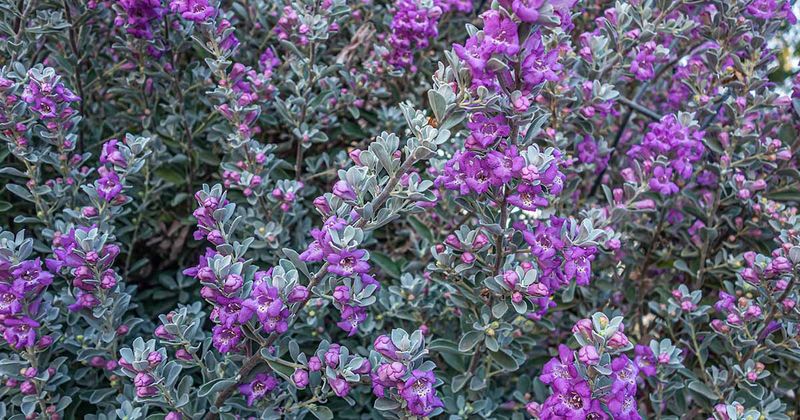
Walk through almost any neighborhood in West Texas or San Antonio, and you will spot Texas sage growing along fences, driveways, and garden borders. Also called cenizo or purple sage, this native shrub is practically built for the Texas landscape.
It thrives in heat, handles dry spells like a champ, and bursts into purple blooms right after rain.
Before spring arrives, giving Texas sage a light trim is a great way to refresh its shape and remove any wood that got damaged during winter cold snaps. Pruning in late winter encourages strong new growth and helps the plant maintain a tidy, rounded form rather than getting leggy and unruly over time.
The key with Texas sage is to keep things gentle. A hard cutback is not necessary and can actually stress the plant.
Instead, focus on shaping it and cutting back stems that are sticking out awkwardly or have turned gray and brittle from the cold.
Because Texas sage blooms on new growth, a light late-winter trim encourages healthy branching and supports abundant flowering during the warm season, though frequency of blooms depends on weather and soil conditions. It is one of the most rewarding native plants in Texas to care for, since just a little attention goes a long way.
Keep your pruning light and let this resilient shrub do what it does best.
4. Butterfly Bush Attracting All The Pollinators
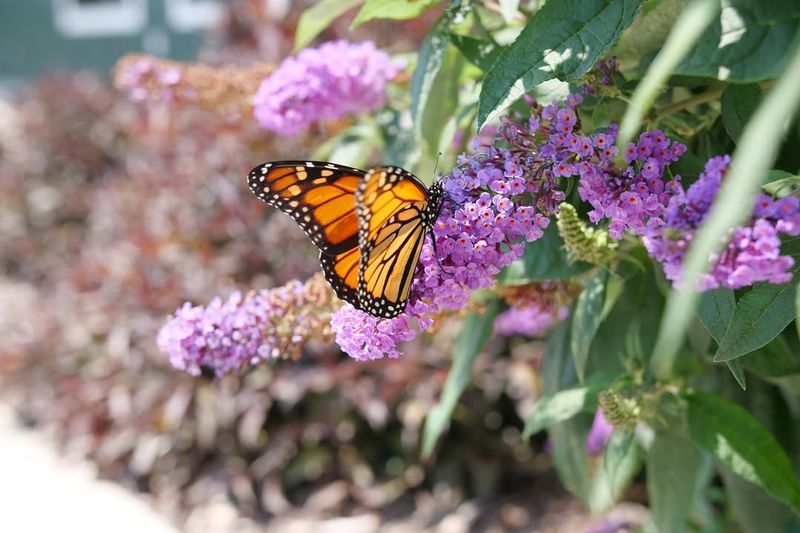
Butterfly bush has a bit of a dramatic personality when it comes to pruning, and Texas gardeners who know this plant well will tell you: do not be afraid to cut it back hard before spring. Butterfly bush generally responds well to a strong late-winter trim, but timing and intensity should be adjusted based on plant size and local conditions to support healthy growth.
Because butterfly bush blooms on new wood produced in the current season, cutting it back to within about 12 inches of the ground in late winter is the move that leads to the biggest, most fragrant flower spikes come summer. Left unpruned, the plant tends to become a tangled, woody mess that produces fewer blooms and looks unkempt by midsummer.
In Texas, the warm climate means butterfly bush can grow rapidly once temperatures climb. Giving it a strong cutback in February or early March channels all that energy into fresh, productive stems rather than maintaining old, tired wood from the previous year.
Beyond the blooms, butterfly bush earns its name by attracting monarchs, swallowtails, and other pollinators throughout the summer. Pruning it correctly means more flowers, which means more butterflies visiting your Texas garden.
It is a win all around. Grab your shears, cut it down low, and watch this bold shrub come roaring back to life once the season turns.
5. Yaupon Holly With Cheerful Red Berries
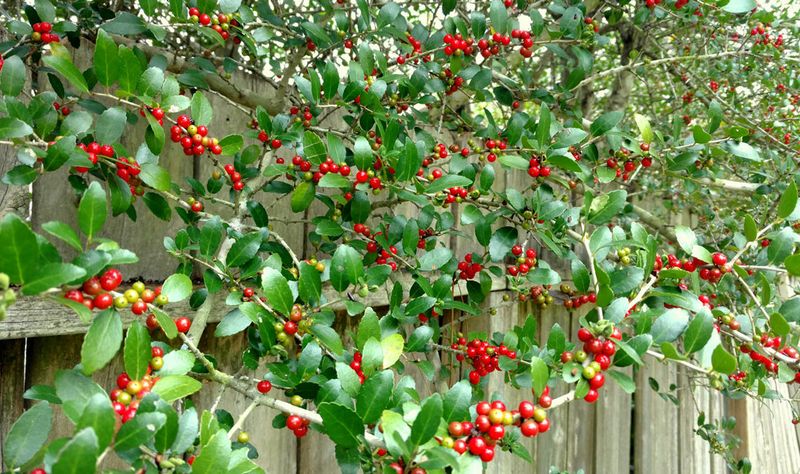
Among Texas natives, few plants are as quietly overlooked as yaupon holly. It grows everywhere from the Piney Woods of East Texas to the Hill Country, tolerates almost any soil, and produces cheerful red berries that wildlife absolutely love.
Best of all, it is incredibly forgiving when it comes to pruning.
Late winter or very early spring can be a suitable time to shape yaupon holly before most new growth begins, depending on regional temperatures. Whether you are maintaining a formal hedge, a naturalistic screen, or a small multi-trunk specimen tree, trimming now allows you to clean up the plant’s structure and remove any cold-damaged or wayward branches without interfering with the growing season ahead.
One fun fact: yaupon holly is the only plant native to North America that contains caffeine. Indigenous peoples across the Southeast brewed it as a ceremonial tea long before coffee arrived on the continent.
That little bit of history makes tending to this plant feel a bit more special.
For Texas homeowners looking for a tough, drought-tolerant, wildlife-friendly shrub that requires minimal fuss, yaupon holly checks every box. A late-winter trim keeps it looking sharp and encourages denser, healthier foliage as the weather warms up.
Whether you prefer it wild and natural or neatly sculpted, this native gem handles pruning with ease and comes back stronger every single time.
6. Azalea Thriving In Vibrant Shades
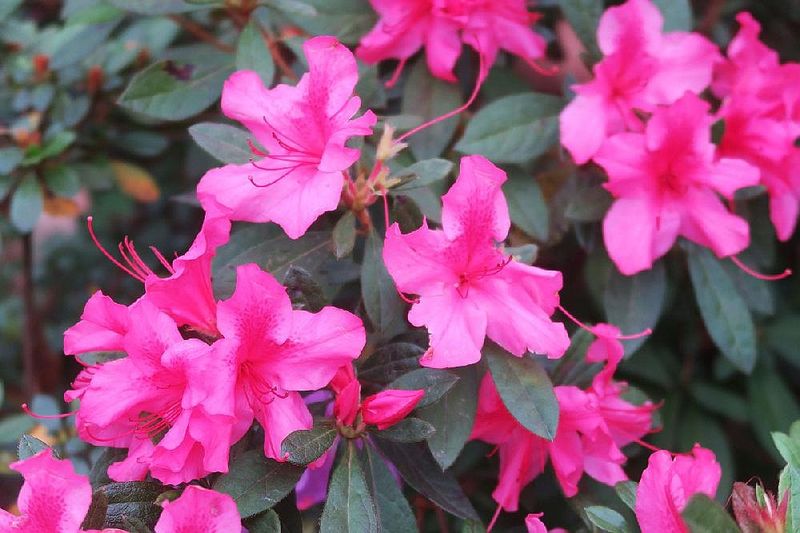
In Texas, especially in the eastern and central regions with suitable soil and humidity, one of the most beloved flowering shrubs is the azalea. Come spring, a well-tended azalea bursts into clouds of pink, red, white, or purple blooms that can stop you in your tracks.
But here is the catch: pruning at the wrong time, such as late winter or early spring, can significantly reduce or eliminate that season’s flowers.
Azaleas set their flower buds in the late summer and fall for the following spring bloom. If you trim them in late winter or early spring before they flower, you are cutting off all those buds that have been quietly developing for months.
The result is a healthy-looking shrub with absolutely no blooms, which is a frustrating outcome after waiting all winter.
The right time to prune azaleas is immediately after they finish flowering in spring. That short window right after the blooms fade gives the plant enough time to grow new stems and set fresh buds before summer ends.
Across Texas, azaleas thrive in partial shade and acidic soil, particularly in areas like Tyler, which is famous for its annual Azalea Trail. If you want your azaleas to put on a show this spring, keep the pruning shears away from them until after those gorgeous blooms have come and gone.
Patience here pays off in a big way.
7. Lilac And Their Sweet Nostalgic Fragrance
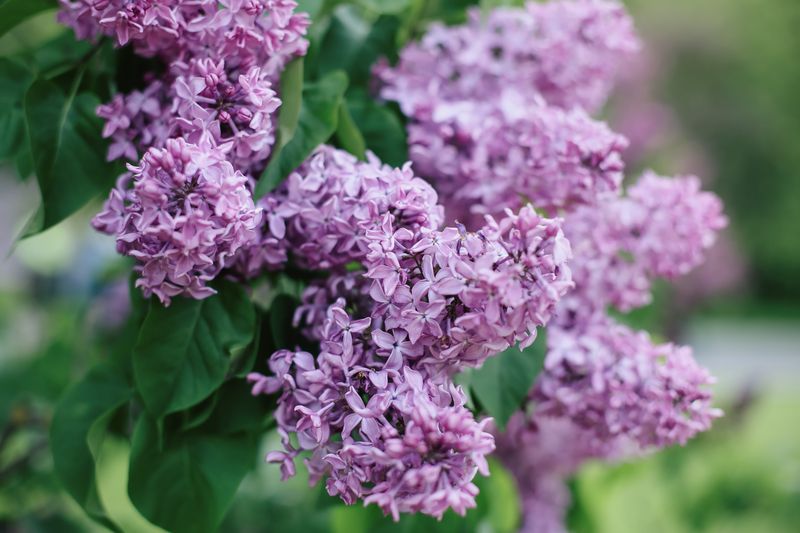
Lilacs are a little surprising to find on a Texas plant list, but certain cold-hardy varieties do grow in the northern and higher-elevation parts of the state, where winter temperatures dip low enough to give them the chill hours they need. When they do bloom, the fragrance is absolutely unforgettable, sweet and nostalgic in a way that few other flowers can match.
Like azaleas, lilacs bloom on old wood, meaning the flower buds for this spring were already set on the branches last summer and fall. Trimming a lilac before it blooms in late winter or early spring removes those buds and wipes out your chance at seeing flowers for the entire year.
The proper time to prune a lilac is right after the blooms fade, usually in late spring. That post-bloom window allows the plant to spend the rest of the growing season developing new stems that will carry next year’s flowers.
Pruning too late in summer or in fall can also remove developing buds, so timing really does matter with this plant.
For Texas gardeners growing lilacs in areas like Amarillo or the Panhandle, patience before spring is absolutely essential. Let the plant bloom first, enjoy every fragrant moment, and then pick up your pruning shears after the flowers drop.
That simple rule keeps lilacs healthy, happy, and blooming reliably year after year.
8. Camellia With Elegant Winter Blooms
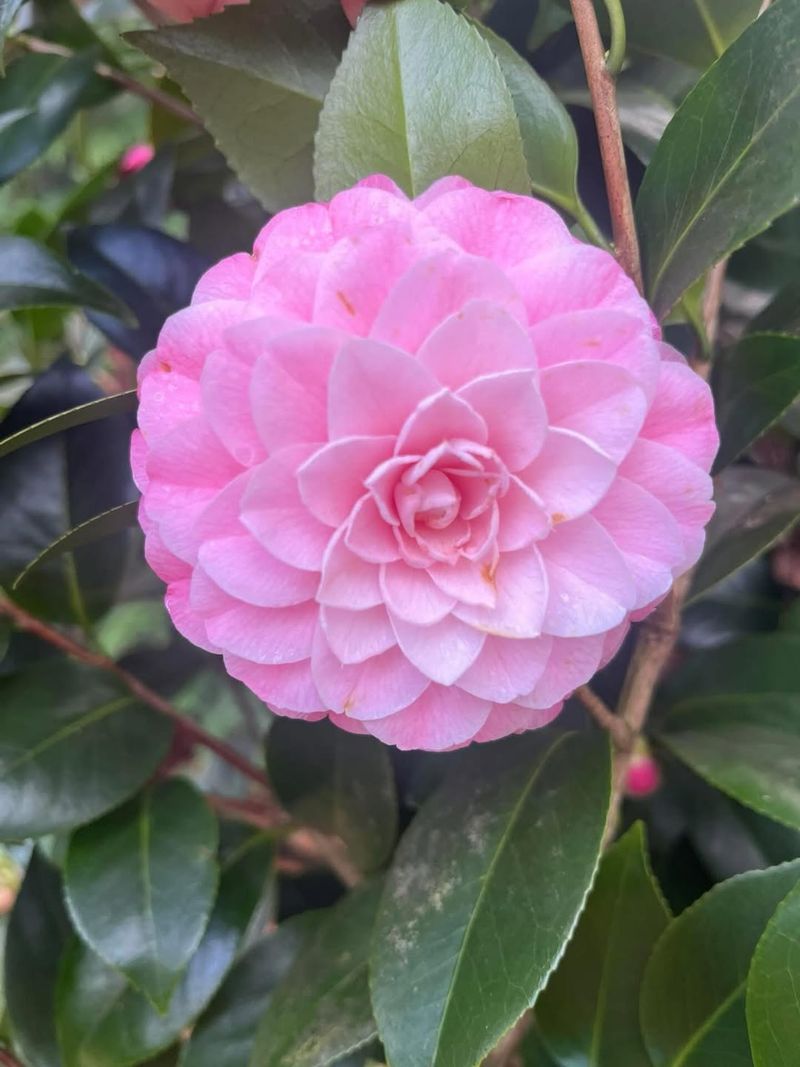
Southern gardens have long embraced a quietly sophisticated bloom, and Texas is no exception when it comes to camellias. In the eastern and southeastern parts of the state, camellias bloom during winter and early spring, producing large, rose-like flowers in shades of pink, red, and white that look almost too beautiful to be real.
They are genuinely one of the most elegant shrubs a Texas gardener can grow.
Because camellias bloom in winter or very early spring, pruning them before that bloom period is a mistake you will regret. Those flower buds were set months earlier, and cutting the plant back before it blooms means removing all that hard work before you ever get to enjoy it.
The plant may still survive and look fine, but the flowers will be gone for that entire season.
The correct approach is to wait until right after your camellia finishes blooming, then do any shaping or size control you need. This post-bloom window is also a good time to remove any crossing branches or stems that are crowding the center of the plant.
Camellias prefer partial shade and well-drained, slightly acidic soil, conditions that can be found in parts of East Texas and the Gulf Coast region. They are slower growers, so heavy pruning is rarely needed.
A light, well-timed trim after blooming is all it takes to keep these stunning shrubs looking their absolute best season after season.
9. Mock Orange Filling The Air With Citrus Scent
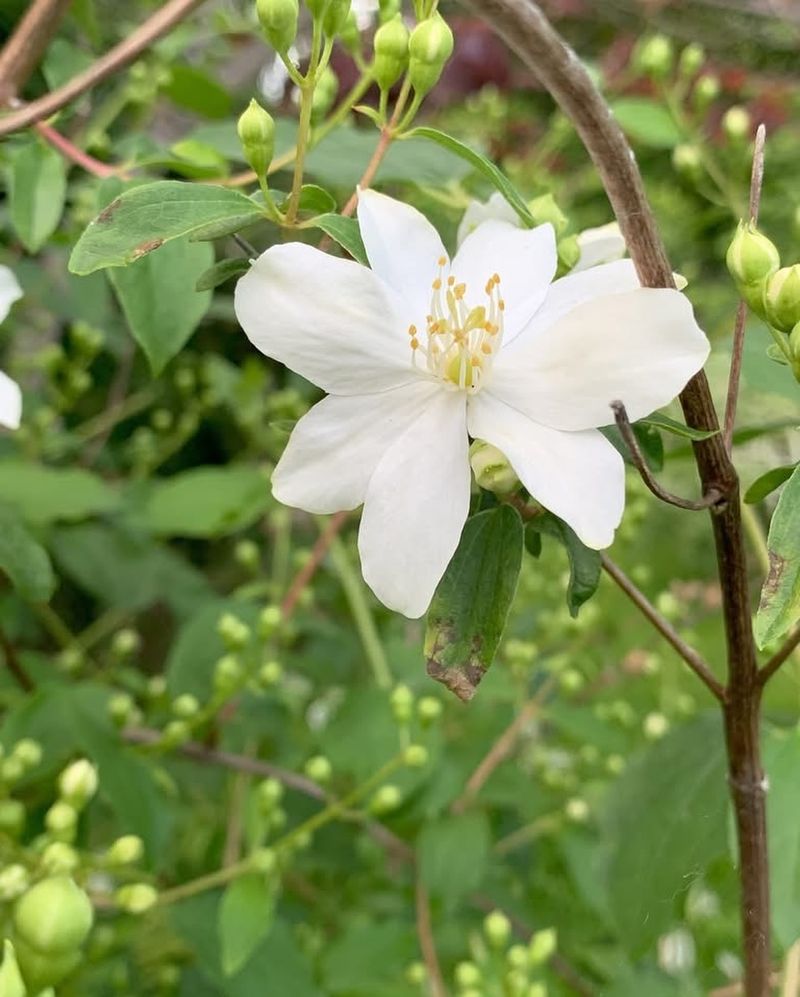
If you have ever caught a whiff of mock orange in full bloom, you already know why this shrub has such a loyal following among Texas gardeners. The white, four-petaled flowers smell remarkably like fresh orange blossoms, filling the air around them with a clean, citrusy sweetness that makes any garden feel like a special place to be.
Mock orange blooms on old wood, just like azaleas and lilacs, which means the buds for this spring’s flowers are already sitting on the branches right now. Pruning the shrub in late winter or early spring before it blooms can reduce the number of flowers for the season because the buds are already set.
It is a timing mistake that is easy to avoid once you understand how the plant works.
Wait until mock orange finishes its spring bloom, then do your pruning. Removing one-third of the oldest stems at the base each year after flowering is a great way to keep the plant vigorous and well-shaped without stressing it out.
Mock orange grows well across much of Texas, tolerating heat and occasional dry spells better than many flowering shrubs. It works beautifully as a loose hedge, a specimen plant near a patio, or tucked into a mixed border.
Let it bloom first this spring, breathe in that incredible fragrance, and then reach for your pruning shears. The wait is absolutely worth it.
10. Forsythia Exploding With Bright Yellow Flowers
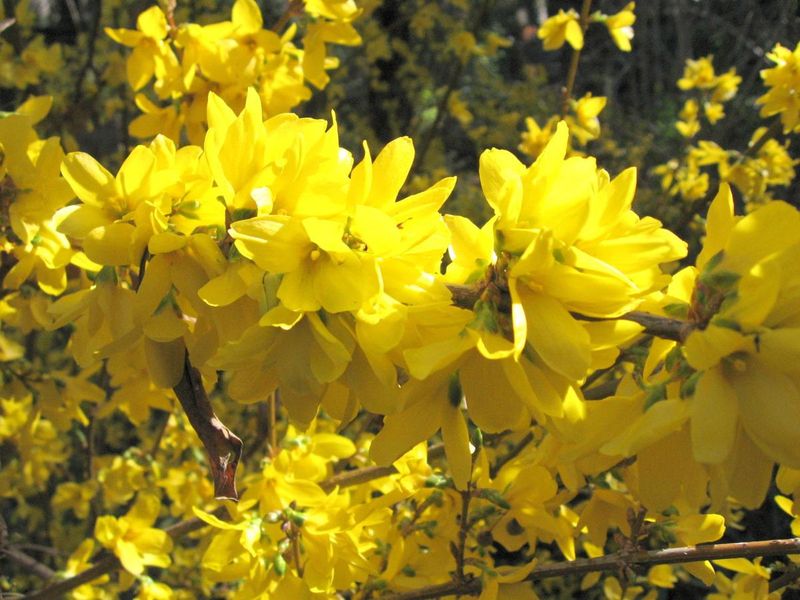
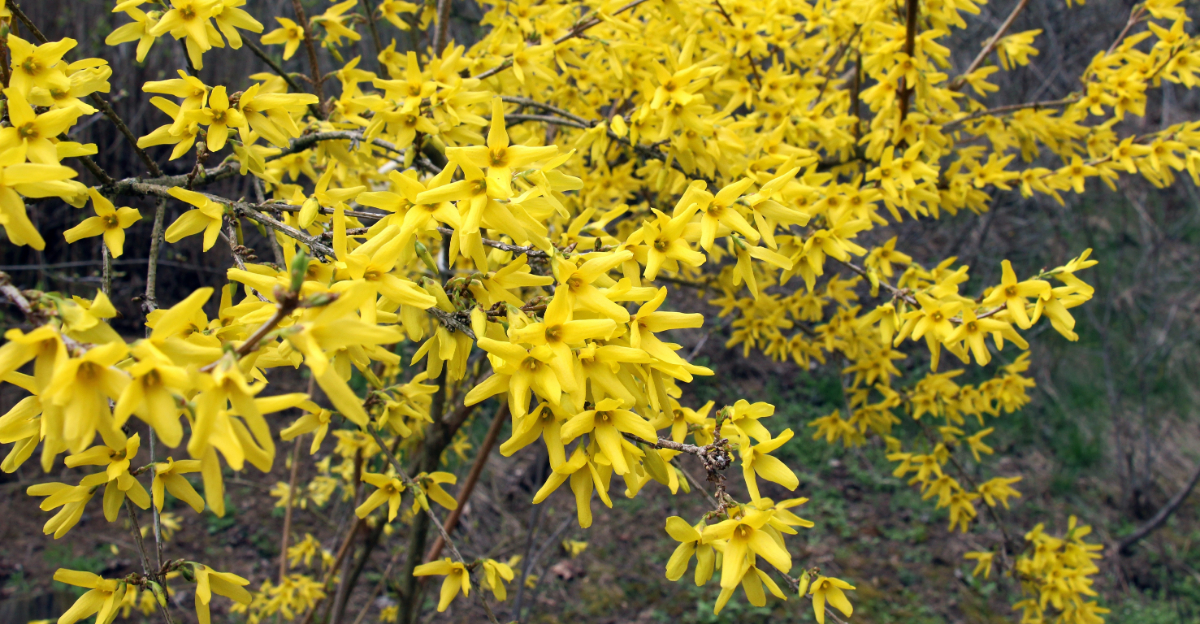
There is something genuinely joyful about a forsythia in full bloom. Those bright yellow flowers explode onto bare branches in very early spring, often before a single leaf appears, creating a burst of color that feels like the garden’s way of announcing that winter is finally over.
In Texas, forsythia varieties that handle the milder winters tend to put on a decent show in late February or March.
Forsythia is another plant that blooms on old wood, meaning the buds for those cheerful yellow flowers formed on last year’s stems. Cutting the plant back before it blooms in late winter removes flower-bearing wood, which can result in fewer blooms for the season.
The right time to prune forsythia is right after it finishes blooming in spring. At that point, you can remove older stems, shape the plant, and thin out crowded branches to encourage strong new growth that will carry next year’s flowers.
Forsythia can get large and sprawling if left unpruned for several years, so annual post-bloom maintenance keeps it manageable and looking its best. For Texas gardeners in the northern parts of the state where forsythia performs most reliably, resisting the urge to prune before those yellow blooms appear is the single most important rule to follow.
Let the color come first, then get to work.