11 Poisonous Creatures Every Texas Homeowner Should Be Aware Of
Texas landscapes offer wide open spaces, bold colors, and wildlife that adds real character to every backyard.
Still, life on the wild side comes with a few sharp edges.
Some creatures carry venom that can turn an ordinary afternoon into a scene no homeowner wants to relive.
They slip under stones, rest on porch rails, or wander through tall grass as quietly as a passing shadow.
Most keep to themselves, yet one wrong step or curious reach can spark trouble in the blink of an eye.
A little know-how goes a long way.
Recognizing the shapes, patterns, and habits of poisonous species gives homeowners the upper hand.
Yard work becomes less of a guessing game, and outdoor chores move along without a knot forming in the stomach.
Texas may be big and bold, but its hazards often come in small packages that pack a punch.
Staying informed turns caution into confidence.
With a sharp eye and steady approach, any homeowner can enjoy time outside without feeling like danger lurks behind every corner.
A bit of awareness today keeps surprises from biting back tomorrow.
1. Western Diamondback Rattlesnake
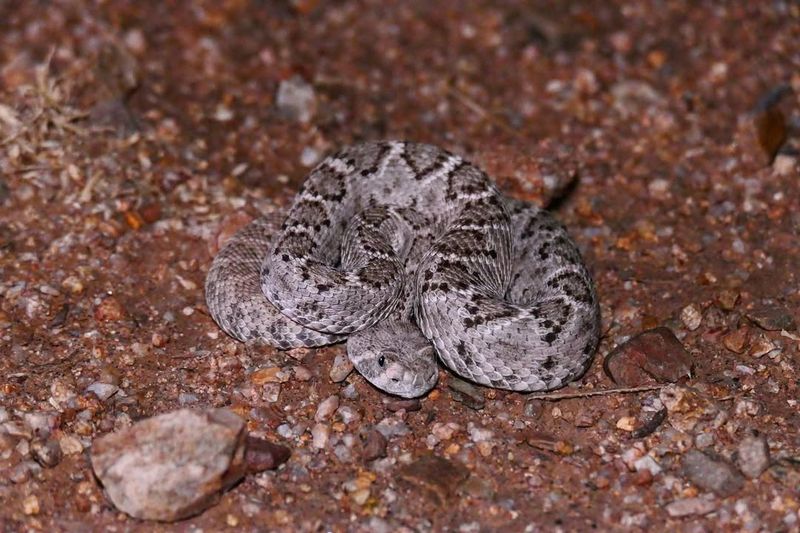
Spotting one of these snakes in your yard can make your heart skip a beat, and for good reason.
The western diamondback rattlesnake is the most common venomous snake across Texas, found in nearly every corner of the state except the far eastern piney woods.
You can recognize them by their distinctive diamond-shaped patterns running down their backs and the black and white bands near their tail.
Adults typically grow between three to five feet long, though some reach seven feet.
When threatened, they coil up and shake their rattle as a warning before striking.
Their venom is hemotoxic, meaning it attacks blood cells and tissue.
Most bites happen when people accidentally step on them or try to handle them.
Keep your grass trimmed short and remove brush piles where these snakes like to hide.
Always wear boots when hiking or working in areas with tall grass or rocks.
If you encounter one on your property, back away slowly and call a professional wildlife removal service.
Never attempt to catch or harm the snake yourself, as this increases your risk of being bitten.
Teaching children to recognize the rattling sound and stay far away can prevent dangerous encounters around Texas homes.
2. Copperhead Snake
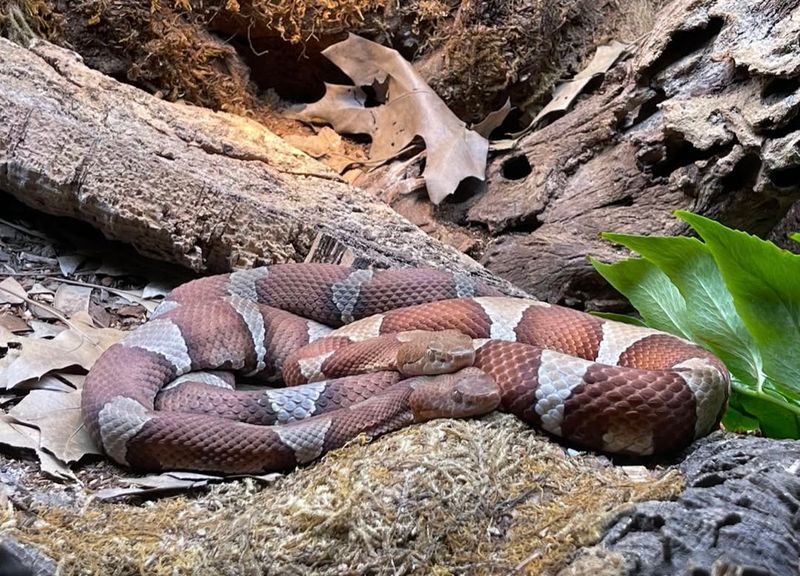
Many Texas residents never realize they have copperheads living near their homes because these snakes are masters of camouflage.
Their tan to pinkish-brown bodies with darker hourglass-shaped bands blend perfectly with fallen leaves and mulch.
Copperheads prefer wooded areas, rock piles, and gardens where they hunt for mice, frogs, and insects.
Unlike rattlesnakes, copperheads do not have rattles and rarely give warning before biting.
Their venom is milder than other pit vipers, but bites still cause intense pain, swelling, and require medical treatment.
Most bites occur when people reach into woodpiles or step near hidden snakes while gardening.
These snakes are more active during spring and fall when temperatures are moderate.
Remove leaf litter and keep firewood stacked away from your house to reduce hiding spots.
Always wear gloves when moving logs or reaching into areas you cannot see clearly.
Copperheads are found throughout eastern and central Texas, particularly near water sources.
Installing outdoor lighting can help you spot these snakes during evening activities in your yard.
Remember that copperheads are actually beneficial because they control rodent populations around homes.
3. Coral Snake
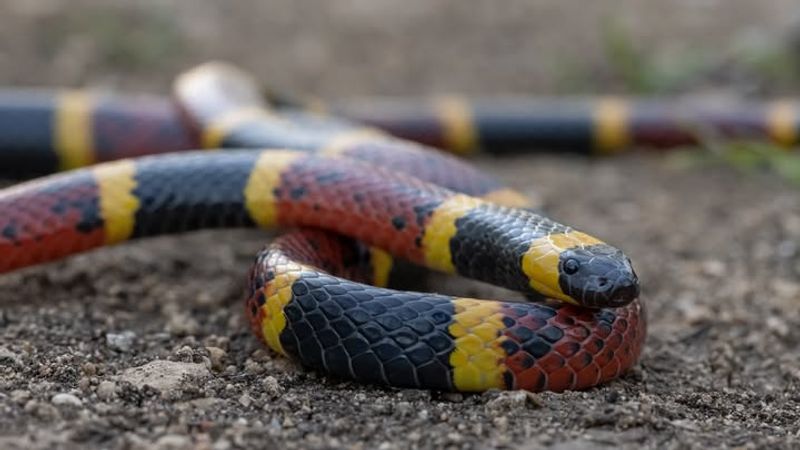
Remembering the rhyme red touches yellow means danger for a fellow helps identify this beautiful but dangerous snake.
Coral snakes have bright bands of red, yellow, and black circling their bodies, making them one of the most colorful snakes in Texas.
They are shy creatures that spend most of their time underground or hiding beneath debris.
Unlike other venomous Texas snakes, coral snakes have small mouths and short fangs, so they typically bite only when handled or stepped on.
Their venom is neurotoxic and affects the nervous system, making bites extremely serious despite the snake’s small size.
Fortunately, coral snake bites are rare because of their secretive nature.
These snakes live in wooded areas, gardens, and under rocks throughout central and southern Texas.
Never pick up any brightly colored snake, even if you think it might be the harmless scarlet kingsnake.
Teach your children to admire all snakes from a safe distance and never touch them.
Wearing closed-toe shoes when working outdoors protects your feet from accidental encounters.
Clear away garden debris and avoid reaching into dark spaces where coral snakes might be resting.
If bitten, seek emergency medical care immediately, even if you feel fine at first.
4. Cottonmouth Water Moccasin
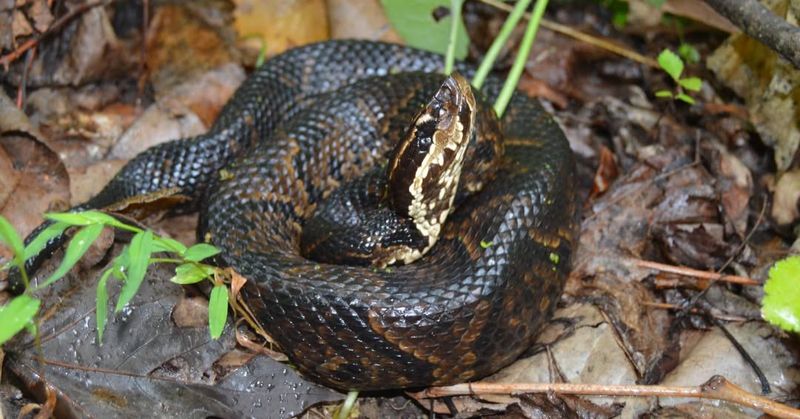
Anyone living near lakes, ponds, or streams in eastern Texas should watch carefully for these aggressive swimmers.
Cottonmouths get their name from the bright white interior of their mouths, which they display as a warning when threatened.
Their thick bodies are dark brown to black, often with faint bands that become less visible as they age.
Unlike most snakes that flee when approached, cottonmouths often stand their ground and may strike if they feel cornered.
They are excellent swimmers and can be found basking on logs, rocks, or vegetation near water.
Their venom causes severe tissue damage and swelling that requires immediate medical attention.
Be especially careful when fishing, boating, or letting pets play near water in Texas.
These snakes eat fish, frogs, and small mammals, so they are common around backyard ponds.
Always watch where you step when walking along shorelines or through marshy areas.
Keep grass mowed short near water features on your property to reduce hiding places.
If you spot a cottonmouth, give it plenty of space and never try to move it yourself.
Professional snake removal services can safely relocate these reptiles away from high-traffic areas around your home.
5. Black Widow Spider
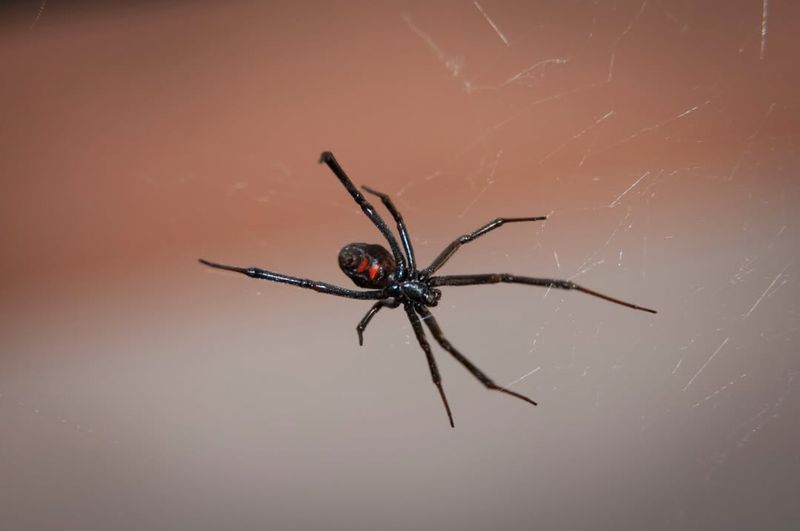
Finding one of these shiny black spiders with a red hourglass marking underneath can be unsettling for any homeowner.
Black widows are common throughout Texas and often make their messy, tangled webs in dark, undisturbed places.
Garages, sheds, woodpiles, and outdoor furniture are favorite hiding spots for these venomous spiders.
Female black widows are the dangerous ones, as males are much smaller and rarely bite.
Their venom is neurotoxic and can cause severe muscle pain, cramps, and other serious symptoms.
However, black widows are not aggressive and bite only when accidentally pressed against skin or trapped.
Most bites happen when people reach into boxes, put on shoes left outside, or move items stored in dark corners.
Regularly clean and organize storage areas to discourage these spiders from settling in.
Always shake out gloves, shoes, and clothing that have been stored before putting them on.
Seal cracks and gaps around windows, doors, and foundations to prevent spiders from entering your Texas home.
Use a flashlight when reaching into dark spaces, and wear gloves when handling stored items.
If bitten, try to remain calm and seek medical attention right away, especially for children and elderly family members.
6. Brown Recluse Spider
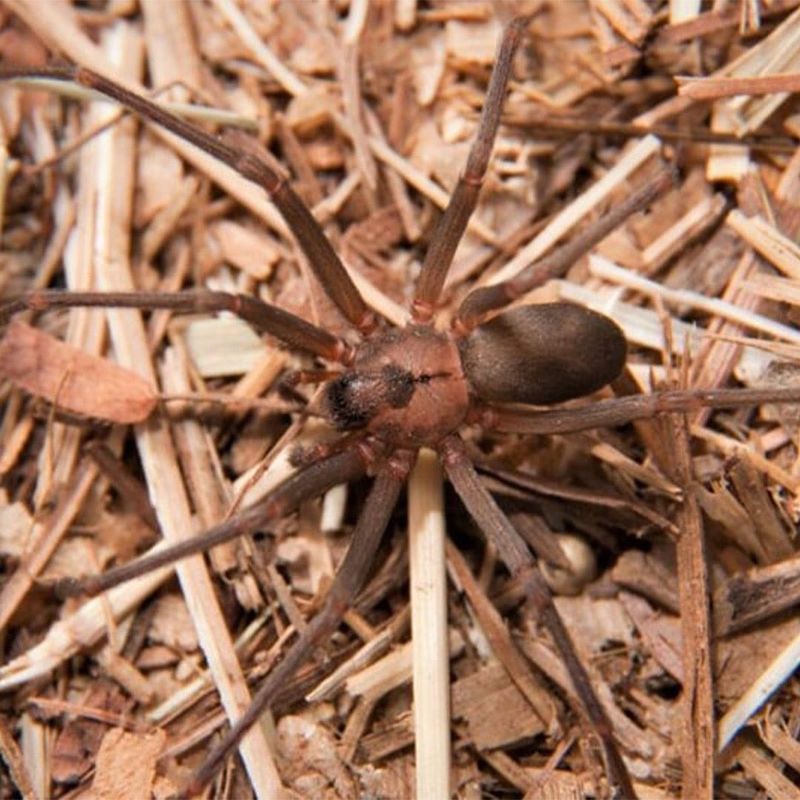
You might have heard scary stories about these spiders, and while they deserve respect, they are not as aggressive as many people believe.
Brown recluse spiders have a distinctive violin-shaped marking on their back, though this can be hard to see on smaller specimens.
They are tan to dark brown in color and prefer to hide in quiet, undisturbed areas both indoors and outdoors.
Closets, attics, basements, and behind furniture are common places to find them in Texas homes.
Their venom can cause tissue damage that creates slow-healing wounds, though severe reactions are actually uncommon.
Brown recluse spiders are nocturnal hunters that actively avoid human contact whenever possible.
Most bites occur when the spider is accidentally trapped against skin, such as in bedding or clothing.
Reduce clutter in your home to eliminate hiding places these spiders find attractive.
Store seasonal clothing in sealed plastic containers rather than cardboard boxes.
Vacuum regularly in corners, behind furniture, and in closets to remove spiders and their webs.
Pull beds away from walls and avoid letting bedding touch the floor to prevent nighttime encounters.
If you suspect a brown recluse bite, clean the area and monitor it closely while seeking medical advice.
7. Scorpions
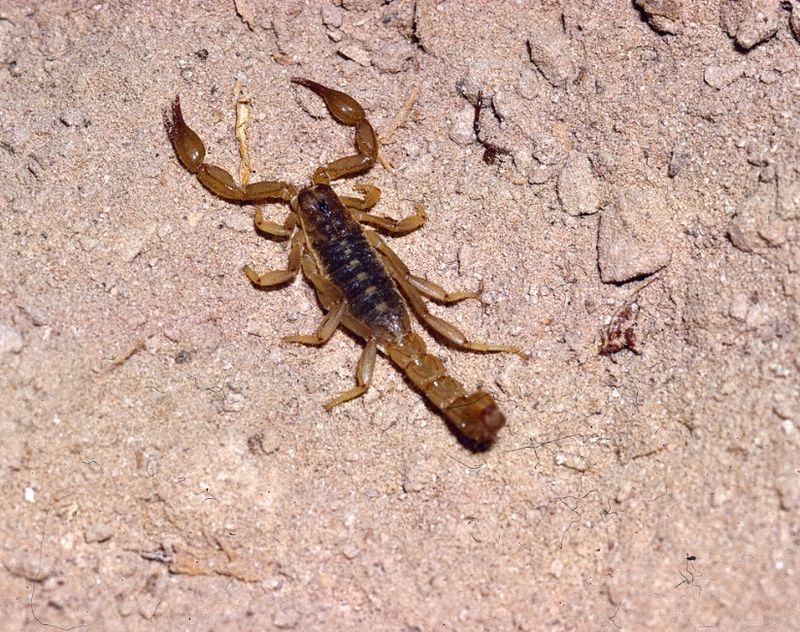
Walking barefoot at night in Texas can lead to a painful encounter with one of these eight-legged creatures.
The striped bark scorpion is the most common species found around homes throughout central and western Texas.
They have a yellowish-tan color with two dark stripes running down their backs and a curved tail with a stinger at the end.
Scorpions are nocturnal and hunt for insects at night, often entering homes through tiny cracks and gaps.
Their sting causes immediate sharp pain, swelling, and numbness that usually resolves within a few hours.
While painful, scorpion stings in Texas are rarely dangerous to healthy adults, though children and elderly people should seek medical evaluation.
These creatures love to hide in shoes, folded towels, and under objects left on the floor.
Always shake out shoes and clothing before putting them on, especially in the morning.
Seal cracks around doors, windows, and pipes to prevent scorpions from entering your home.
Remove piles of rocks, lumber, and debris from around your foundation where scorpions like to hide during the day.
Using a blacklight flashlight at night makes scorpions glow bright blue-green, helping you spot them easily.
Keep your yard free of excessive moisture and fix leaky outdoor faucets that attract scorpion prey.
8. Fire Ants
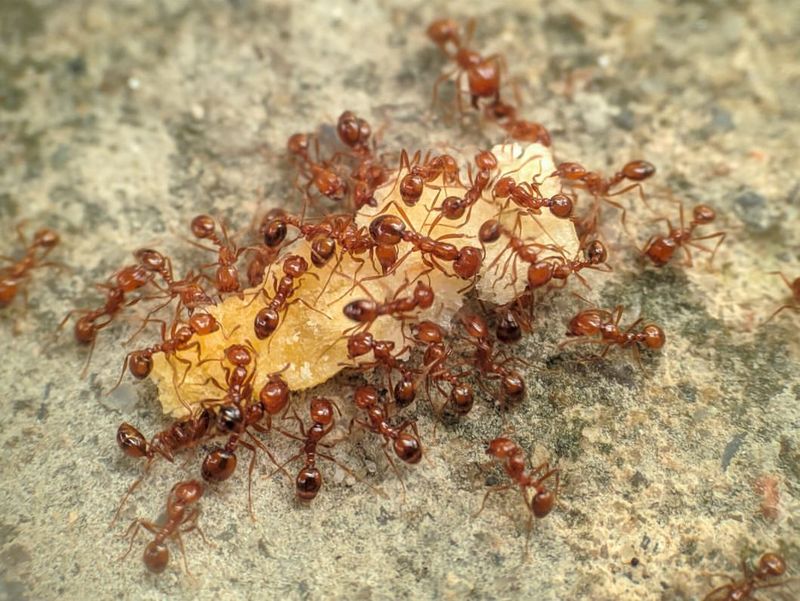
Step on one of their mounds and you will quickly understand why these tiny insects are considered one of Texas most painful pests.
Red imported fire ants build large dome-shaped mounds in lawns, gardens, and open areas throughout the state.
When disturbed, hundreds of aggressive ants swarm out and deliver burning stings that create itchy, pus-filled blisters.
Each ant can sting multiple times, and they often attack in large numbers all at once.
Their venom contains toxins that cause intense burning pain, which is how they got their common name.
Some people experience severe allergic reactions to fire ant stings that require immediate emergency care.
These invasive insects from South America have spread across Texas and cause billions of dollars in damage annually.
Regularly inspect your yard for new mounds, which can appear overnight after rain.
Treat mounds promptly with approved pesticides or call a professional pest control service.
Never let children or pets play near fire ant mounds, as attacks can be overwhelming for small bodies.
Teach kids to recognize mounds and stay away from any disturbed soil with ants crawling around.
Keep outdoor eating areas clean and free of food debris that attracts foraging fire ants to your Texas property.
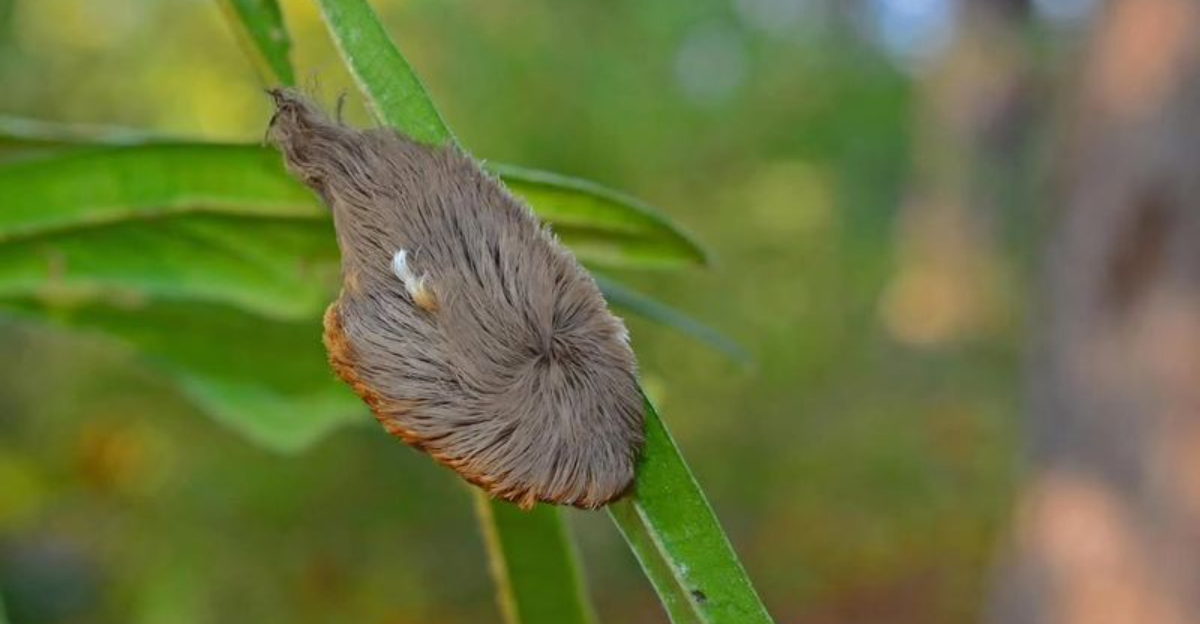
9. Asp Caterpillar
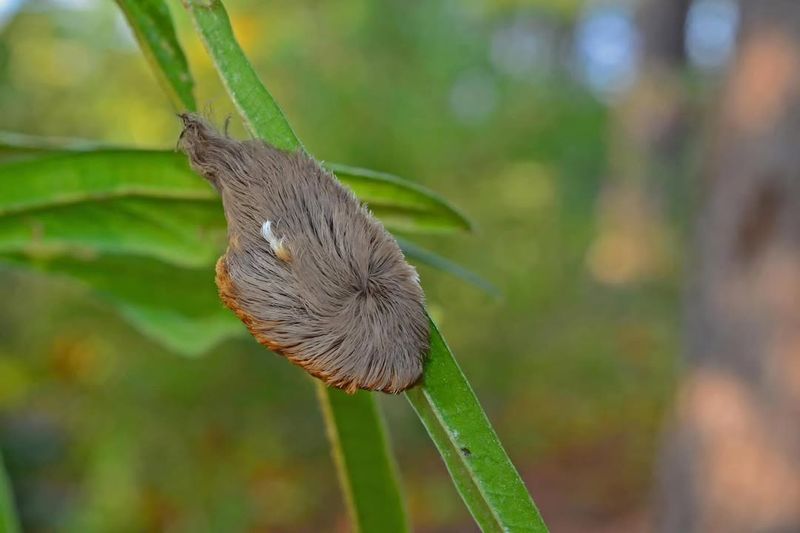
Its fuzzy, adorable appearance tricks many people into thinking this caterpillar is harmless and safe to touch.
The asp caterpillar, also called the puss caterpillar, is actually the most venomous caterpillar in the United States.
Beneath its soft-looking tan or grayish hair are hidden venomous spines that deliver an incredibly painful sting.
People describe the pain as feeling like a broken bone or severe burn that radiates up the affected limb.
These caterpillars are found on trees and shrubs throughout Texas, especially in late summer and fall.
They feed on oak, elm, and other common landscape trees around homes.
Children are often tempted to pick up these cute-looking caterpillars, making education extremely important.
Teach your family never to touch any caterpillar, no matter how harmless it appears.
If stung, immediately remove any spines with tape and wash the area thoroughly with soap and water.
Apply ice packs to reduce pain and swelling, and consider taking over-the-counter pain medication.
Seek medical attention if the pain is severe or if symptoms spread beyond the sting site.
Inspect outdoor furniture and play equipment before use during caterpillar season in Texas.
10. Tarantulas

Seeing one of these giant spiders crossing your driveway can be startling, but tarantulas are actually quite docile creatures.
Texas brown tarantulas are the largest spiders in the state, with leg spans reaching up to five inches across.
Males often wander in search of females during late summer and fall, which is when homeowners most commonly spot them.
Despite their intimidating size and hairy appearance, these spiders are not considered medically dangerous to humans.
Their venom is quite mild and their bite feels similar to a bee sting for most people.
Tarantulas are actually beneficial because they eat insects, small lizards, and other pests around your property.
They prefer to live in underground burrows and rarely enter homes unless accidentally carried inside.
If you find one indoors, simply capture it in a container and release it outside away from your house.
Never handle tarantulas roughly, as they can flick irritating hairs from their abdomen when threatened.
These hairs cause itching and irritation if they contact skin or eyes.
Watch for tarantulas crossing roads during mating season and try to avoid running them over if possible.
Living peacefully alongside these gentle giants is easy for most Texas homeowners who understand their harmless nature.
11. Blister Beetles
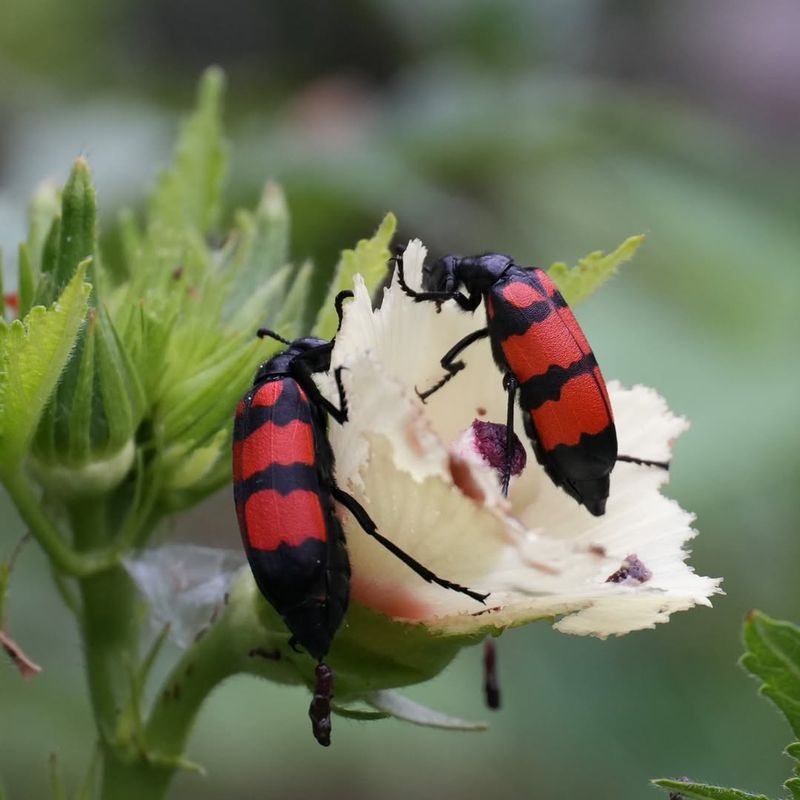
Crushing one of these beetles against your skin can cause painful blisters that last for days or even weeks.
Blister beetles are common throughout Texas and come in various colors including black, gray, and striped patterns.
They have elongated soft bodies and are often found feeding on flowers, vegetables, and garden plants.
When threatened or squashed, these beetles release a toxic chemical called cantharidin that burns and blisters skin on contact.
The blisters can be quite painful and may become infected if not properly cared for.
Large numbers of blister beetles sometimes swarm gardens and crops, causing both plant damage and health concerns.
Never crush these beetles with your bare hands or try to brush them off your skin roughly.
Instead, gently blow them away or use a stick to remove them without direct contact.
Wear gloves when gardening in areas where blister beetles are common, especially during summer months.
If the toxic chemical contacts your skin, wash the area immediately with soap and plenty of water.
Apply cool compresses and antibiotic ointment to any blisters that develop, keeping them clean and covered.
Livestock owners in Texas should also watch for these beetles in hay, as horses can become seriously ill from eating them.