8 Poisonous Plants Kentucky Residents Should Know About Before Winter
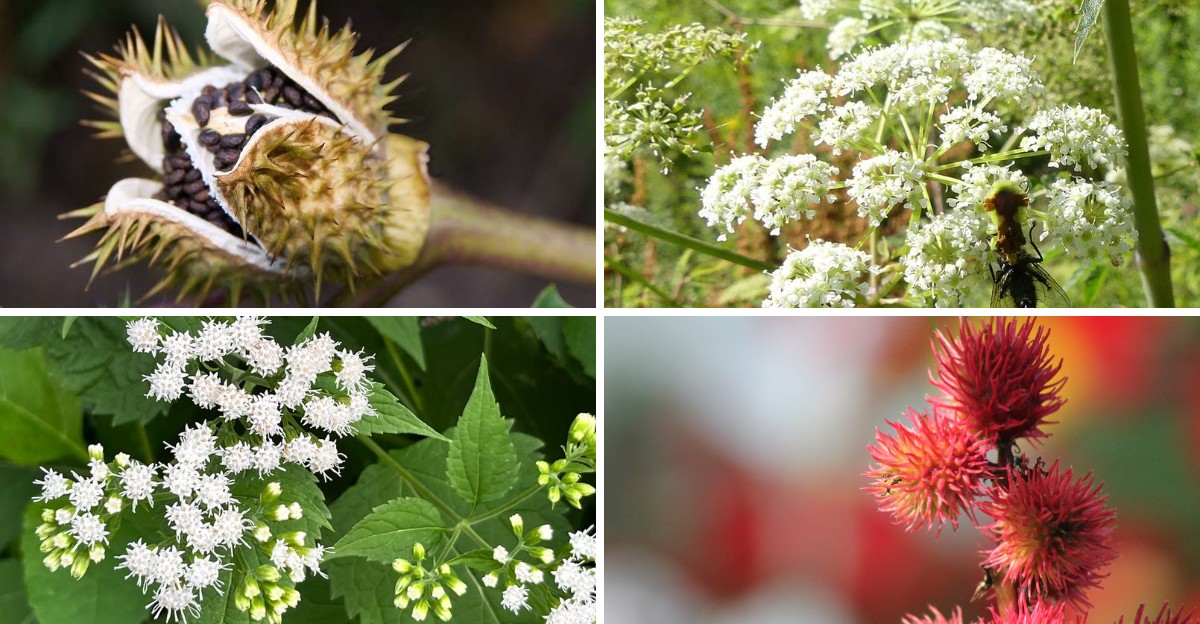
Abraham Lincoln’s mother fell ill with a frontier sickness linked to milk from cows that grazed on one sneaky woodland wildflower. That wildflower still blooms along Kentucky trails every fall, and plenty of hikers walk right past it.
Every plant on this list is poisonous, which means it can cause real trouble when you touch it or swallow even small pieces. Some of them still hold bright berries or seed pods in winter, so they are easy to overlook.
I have to admit that fall cleanup is my favorite chore, but bare vines can still hide nasty surprises. You need sharp eyes before a Kentucky winter, because leafless stems and bright berries look harmless to kids.
A few of these troublemakers grow along busy roadsides, and a couple lurk in soggy ditches near creeks. How many of them do you think you could spot in your own backyard or garden this weekend?
1. Hairy Poison Ivy Vines Stay Itchy All Winter
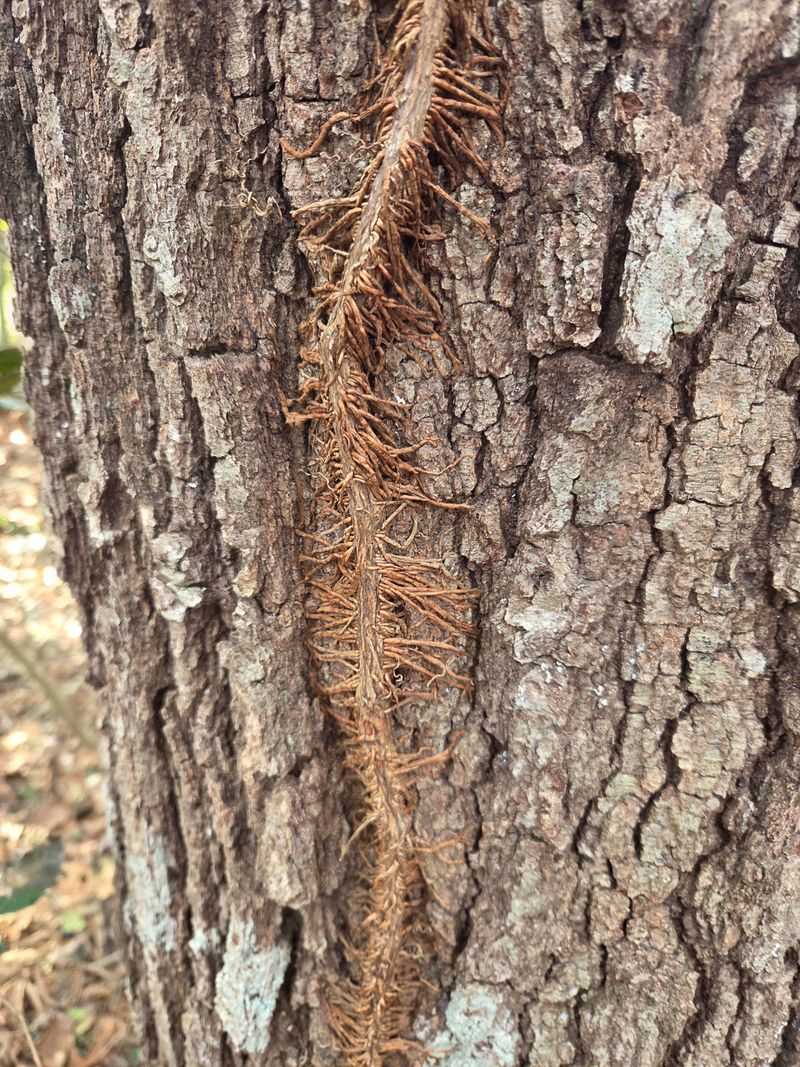
Fuzzy brown ropes climbing an old oak look harmless in November, yet those hairy vines are poison ivy. I learned that lesson the itchy way after yanking one bare stem off my fence one chilly afternoon.
Every part of Toxicodendron radicans carries urushiol, an oily resin that triggers a blistering rash in most people. That oil can stay active on garden tools and gloves for years, so it may find you much later.
Leaves usually come in groups of three, with the middle leaflet sitting on a noticeably longer little stalk. Right now, many leaves are glowing red or orange before they drop and leave the vines bare.
Small whitish berries often hang on through winter, and birds happily eat them without getting any rash at all. Those birds also spread the seeds, which explains why new plants pop up along fence lines so often.
Extension experts say this vine grows across the whole state, including woodland edges and busy suburban backyards. It can creep along the ground as a low cover or climb trees with clinging aerial roots.
Before winter cleanup, wear long sleeves and disposable gloves, then wash everything in warm soapy water afterward. Please skip the burn pile, because smoke from burning poison ivy can carry urushiol into your lungs.
I cut thick vines at the base and let the upper stems dry out, but I still wear gloves when removing them, since dead vines keep carrying active oil. Bag the pieces carefully, and keep your dog away, since pets can carry the oil inside on fur.
2. Poison Sumac Lurks In Soggy Wetland Thickets
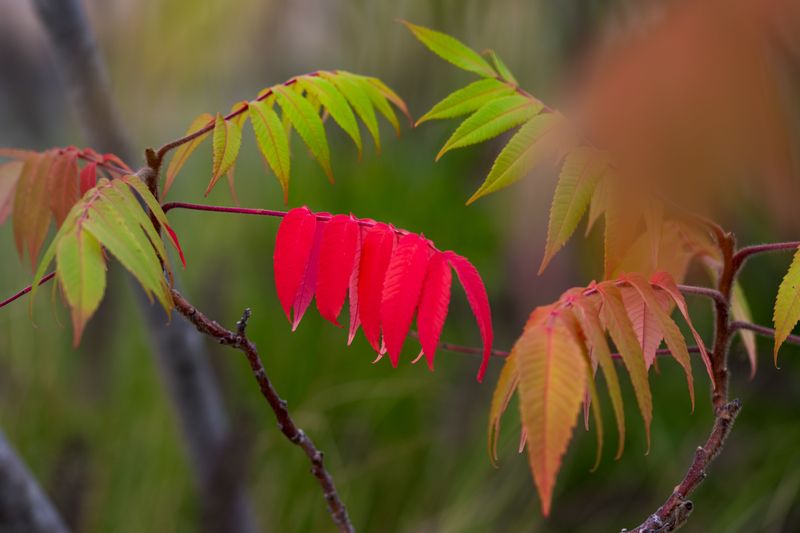
Wet boots are part of the deal when you hunt for poison sumac, because it loves boggy ground. I find it oddly pretty, with glossy leaflets that blaze bright red and orange before the first frost.
Toxicodendron vernix grows as a tall shrub or small tree, usually reaching somewhere between five and twenty feet. Each leaf holds seven to thirteen pointed leaflets lined up in neat pairs along a reddish stem.
Like its cousin poison ivy, this shrub carries urushiol in its leaves, stems, berries, and even roots. Some experts consider it even more irritating than poison ivy, so a brush against it can itch for weeks.
Harmless sumacs, like smooth sumac, grow on dry hillsides and hold fuzzy red berry clusters pointing upward. Poison sumac has drooping clusters of waxy white or tan berries, and that difference matters a lot.
Those pale berries often hang on into winter, making them your best clue once the colorful leaves drop. Bare branches still carry active oil, so a leafless twig can cause the same miserable rash.
In Kentucky, look for it near marshes and swampy woods rather than in sunny, dry upland fields. Because it is less common than poison ivy, many folks fail to recognize it during fall walks.
If you cut wetland brush for duck blinds or trails, wear waterproof gloves and wash tools right away. You’ll thank yourself later, trust me, because nobody wants an itchy rash during holiday gatherings with family.
3. Purple Pokeweed Berries Tempt Curious Kids
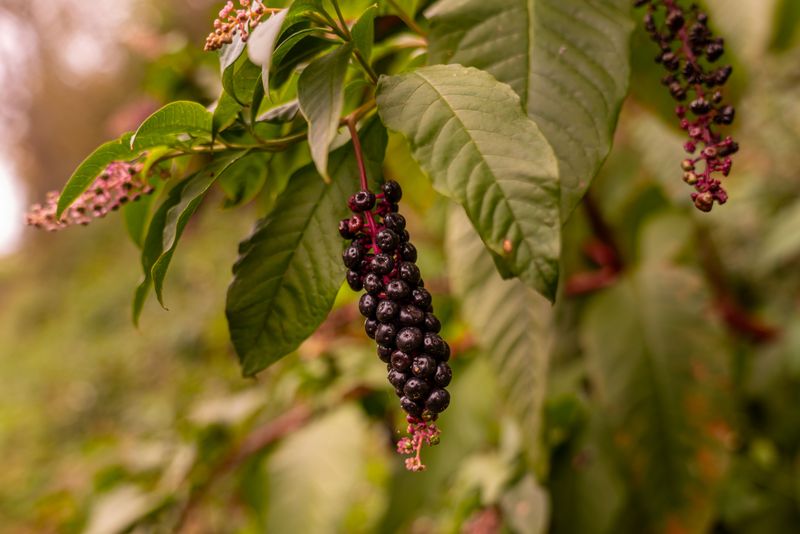
Grape-like clusters of shiny purple berries dangle from magenta stems, and honestly, they look good enough to eat. That is the problem with pokeweed, because those berries often hang around well into late fall.
Phytolacca americana is a native perennial that can shoot up four to ten feet in one season. It grows from a thick white taproot that keeps sending up new stems each spring for years.
Every part is toxic to people and animals, but the root carries the strongest dose of poison by far. Swallowing it can cause painful stomach cramps and vomiting, so call poison control quickly if it happens.
Birds like mockingbirds and robins gobble the berries without trouble, then plant new pokeweed everywhere they perch. I love watching them feast, but I still pull seedlings out of my flower beds every single spring.
You’ll find it along Kentucky roadsides, field edges, barnyards, and almost any patch of disturbed soil. Frost usually knocks the plant back, yet the berry clusters can cling to bare stalks for weeks.
Snip off those berry clusters before winter and bag them, especially if little ones play near the fence. Wear gloves while you work, because the sap can irritate skin and should stay away from cuts.
Fun fact for history buffs, people once used the deep purple juice as a homemade ink and dye. Some Southern cooks still boil young spring leaves as poke sallet, but experts warn against trying it casually.
4. Spiny Jimsonweed Seed Pods Split Open In Fall
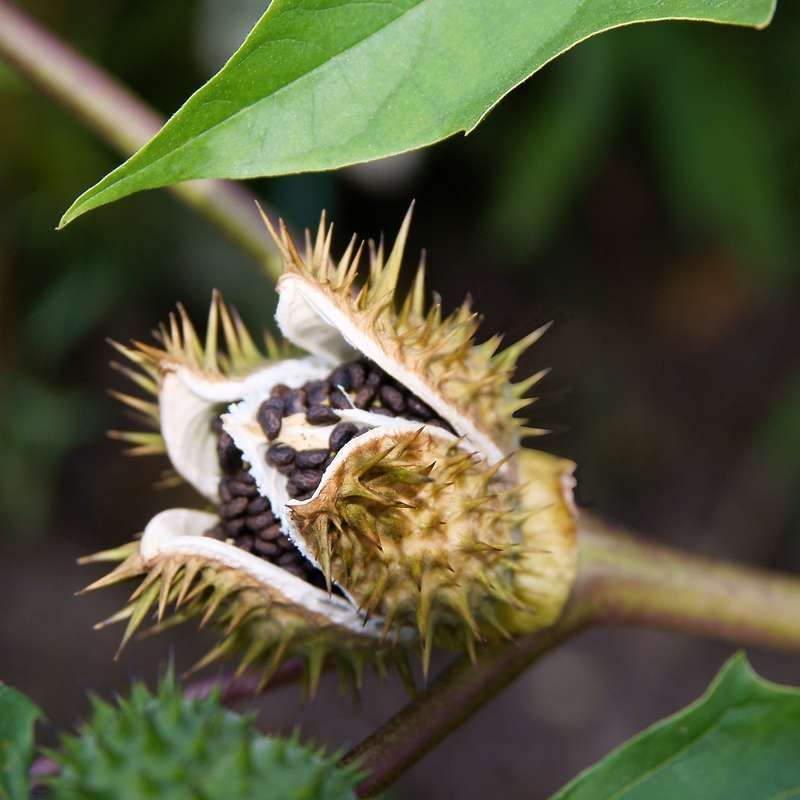
Huge white trumpet flowers that open in the evening sound romantic, until you smell the crushed leaves of jimsonweed. The odor is rank and unpleasant, and I think the plant is basically warning you to back away.
Datura stramonium is an annual that usually grows two to five feet tall on thick, branching stems. Those stems can range from green to purple, and the large leaves have jagged, uneven teeth along the edges.
After blooming, it forms egg-shaped pods covered in sharp spines, which explains its other name, thornapple. Those pods split open in early fall and scatter glossy black seeds that can last in soil for years.
Every part is highly toxic, especially the seeds and leaves, thanks to powerful compounds called tropane alkaloids. Even a small amount can cause a racing heart and frightening hallucinations, so treat it as a medical emergency.
Look for it in barnyards and along pasture edges where the ground has been churned up by hooves. It also pops up in vegetable gardens now and then, especially on freshly tilled, sunny soil.
Frost knocks the plant down quickly, but the seeds are the real concern heading into the cold months. If you still see unopened pods, clip them carefully into a bag before they release another crop.
Wear sturdy gloves for this job, because the toxins can be absorbed through skin during careless handling. I also keep an eye on my pasture each summer, since livestock usually avoid it unless food runs short.
5. Castor Bean Seeds Hide Inside Spiny Red Pods
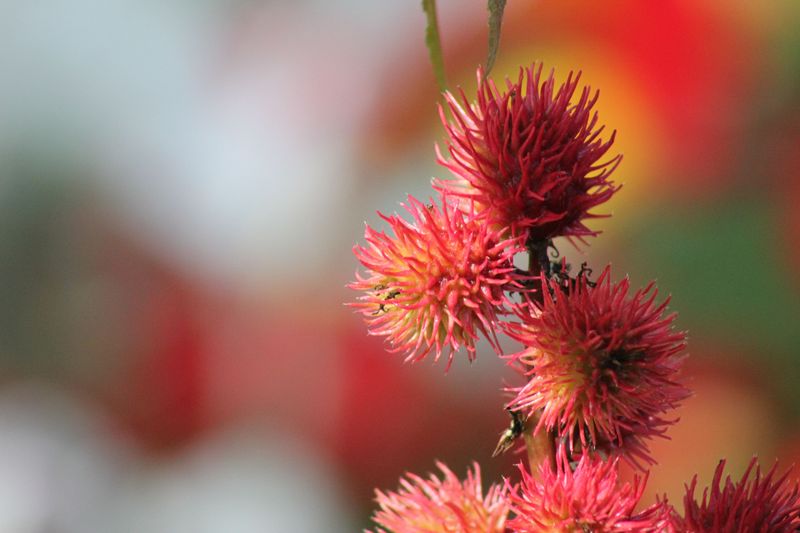
Garden centers sometimes sell castor bean for its tropical drama, and those giant leaves really do turn heads. I get the appeal, but I can’t imagine growing it near a swing set or a curious puppy.
Ricinus communis is a tropical shrub that Kentucky gardeners grow as an annual, since frost takes it down. Its big leaves are deeply lobed like a star and range from bright green to deep maroon.
Here in cooler climates, flowers and seeds usually appear late in summer or early fall instead of all season. Spiny reddish capsules hold mottled seeds that resemble plump ticks, and Ricinus actually means tick in Latin.
Those seeds contain ricin, one of the most toxic natural substances known, especially when the seeds are chewed. A few chewed seeds can seriously harm a child or a dog, so quick medical help matters.
Handling the leaves can also irritate sensitive skin, so gloves are a smart idea when you pull plants. The plant can escape into roadsides and pastures in warmer regions, though cold winters keep it in check here.
If you love the look, pinch off the flower spikes or small capsules before any seeds can ripen. That simple habit keeps the toxic part out of your yard while you still enjoy those bold leaves.
Before winter, gather any dropped pods from the soil and bag them instead of tossing them into compost. Saving seeds for next year is tempting, but please store them far from kids and hungry pets.
6. Spotted Water Hemlock Grows Along Muddy Creek Banks
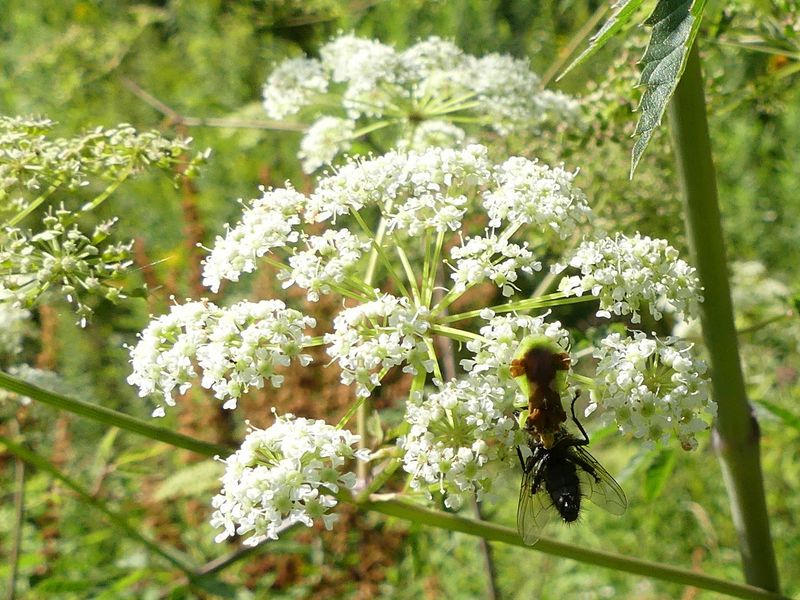
Scientists often call spotted water hemlock the most toxic plant native to North America, and it looks downright innocent. Lacy white flower umbrellas wave beside creeks, and I admit they could fool almost anyone at first.
Cicuta maculata is a native perennial that can reach seven or eight feet with sturdy, hollow stems. Those stems often show purple streaks or blotches, especially near the base and at the leaf joints.
Leaf veins offer a neat clue, because they run to the notches between teeth instead of the tips. Below ground, a cluster of fleshy roots oozes yellowish oily sap with a foul smell when cut.
Those roots hold the highest levels of cicutoxin, a nerve toxin that can trigger violent seizures very quickly. Poisonings are rare but serious, and they often happen when someone mistakes the root for wild parsnip.
Grazing cattle can be poisoned too, especially in early spring when fresh shoots and exposed roots are easy to reach. Wet soil can let animals pull roots up easily, so check soggy pasture corners before turning stock out.
By winter, the stems fade to gray or brown but stay upright and hollow, sometimes holding a few seeds. Those roots stay toxic underground all season, so digging near ditches deserves extra attention and good gloves.
You need one firm rule here, which is to skip foraging any carrot-family plant growing in wet ground. Snap a photo instead and show it to your county extension office if you feel unsure about it.
7. White Snakeroot Blooms Late In Shady Woodlands
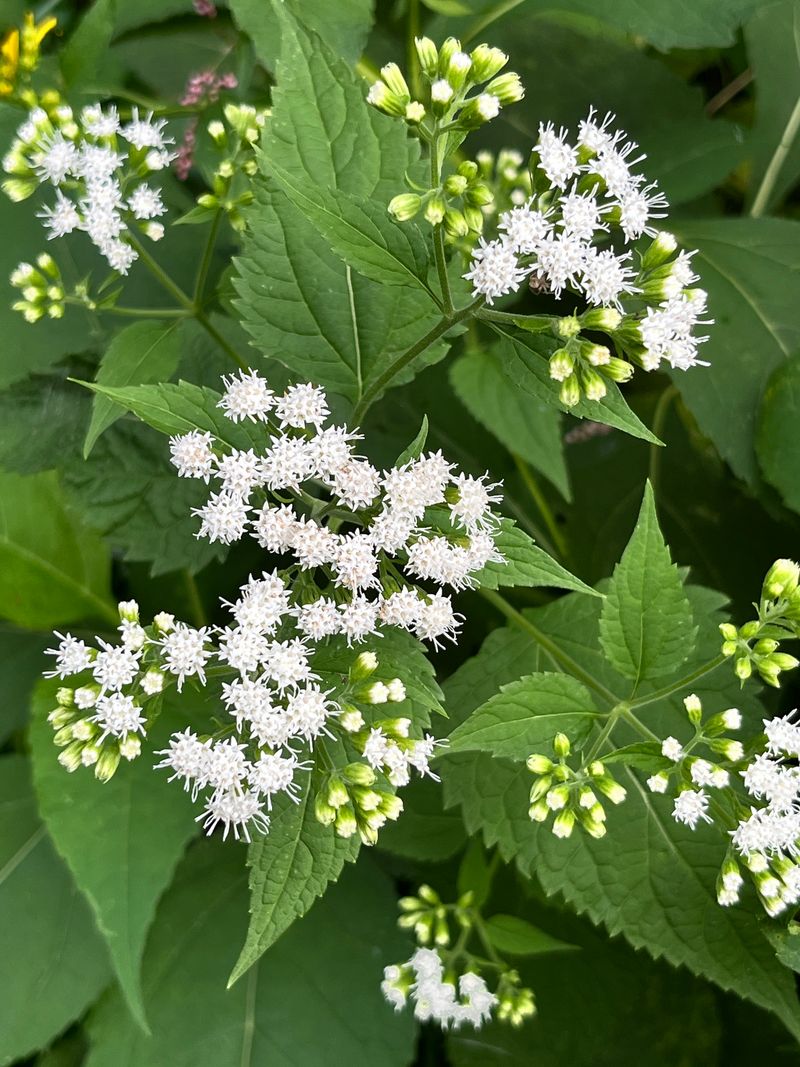
Fluffy white blossoms brighten shady woods long after most wildflowers fade, and I love that late show. That pretty plant is white snakeroot, the same one tied to Nancy Hanks Lincoln and her sad story.
Back in the 1800s, frontier families suffered from milk sickness after their cows grazed on this woodland plant. A toxin called tremetone passed into the milk, causing trembling in cattle and serious illness in people.
Ageratina altissima is a native perennial that usually stands one to five feet tall in partial shade. Its oval leaves have sharp teeth and grow in pairs, while the stems sometimes carry a reddish-purple tint.
In Kentucky, it thrives along woodland edges and shady roadsides, blooming from late summer right up until frost. Pollinators adore those fuzzy flower clusters, so you’ll often spot bees and butterflies working them on warm afternoons.
Modern milk is pooled from many farms and processed, so milk sickness is rare today for store buyers. Eating the plant directly is still dangerous, though, and horses or goats grazing woodland edges can get sick.
What surprises me most is that dried plants can stay toxic after frost, which matters for hay and pastures. If you keep animals, check shady fence lines now and pull clumps before they get mixed into feed.
Gardeners who love native plants can still enjoy it in spots where livestock and pets do not roam. Just teach kids that this pretty fluff belongs to the look-but-don’t-nibble crowd in your shady little backyard.
8. Purple Blotched Poison Hemlock Stems Line Roadsides
Socrates reportedly met his end after swallowing a potion made from poison hemlock, and that plant lines our roadsides. You might notice its lacy leaves in ditches right now, looking a lot like harmless carrot tops.
Conium maculatum is a biennial, so it spends its first year as a low clump of ferny leaves. During year two, it shoots up four to eight feet tall and opens flat clusters of tiny white flowers.
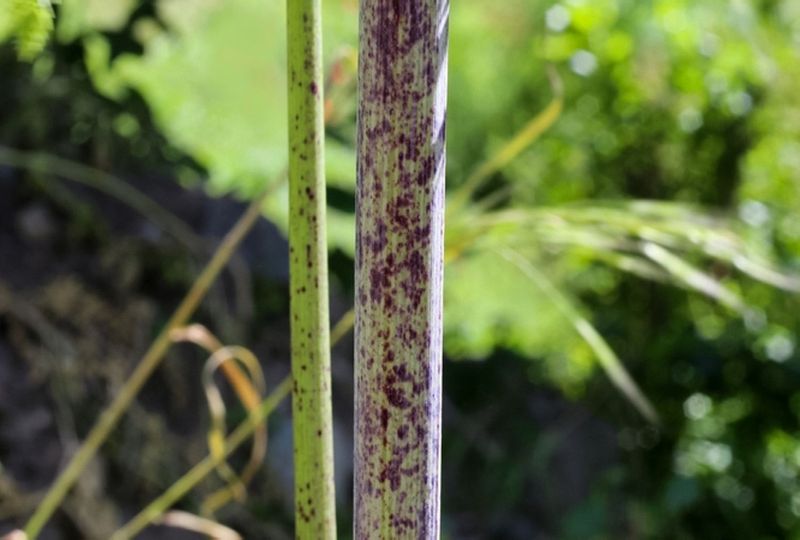
The giveaway is the smooth, hollow stem covered in purple blotches, which Queen Anne’s lace does not have. Crushed leaves also give off a musty odor that many folks compare to mice, which is truly unpleasant.
All parts contain coniine and related toxins that can paralyze muscles, including the ones that help you breathe. Even small amounts can be dangerous to people and livestock, so this is not a plant to taste.
Extension specialists report it has spread widely across Kentucky, especially along roads and ditches with moist soil. It is not native, and it often moves into neighborhoods, popping up beside sheds and garden fences.
Fall is a smart time to spot first-year rosettes, since they stay green while many neighbors fade away. Dig them out with the taproot or spot-treat them before they bolt next spring and spread more seed.
Gloves and long sleeves are a must, and I like wearing eye protection when stems might splash sap. Bag the plants instead of mowing them, because mowing spreads seeds and sends toxic bits flying everywhere.