What A Hummingbird Sighting In Your Kentucky Yard Really Means
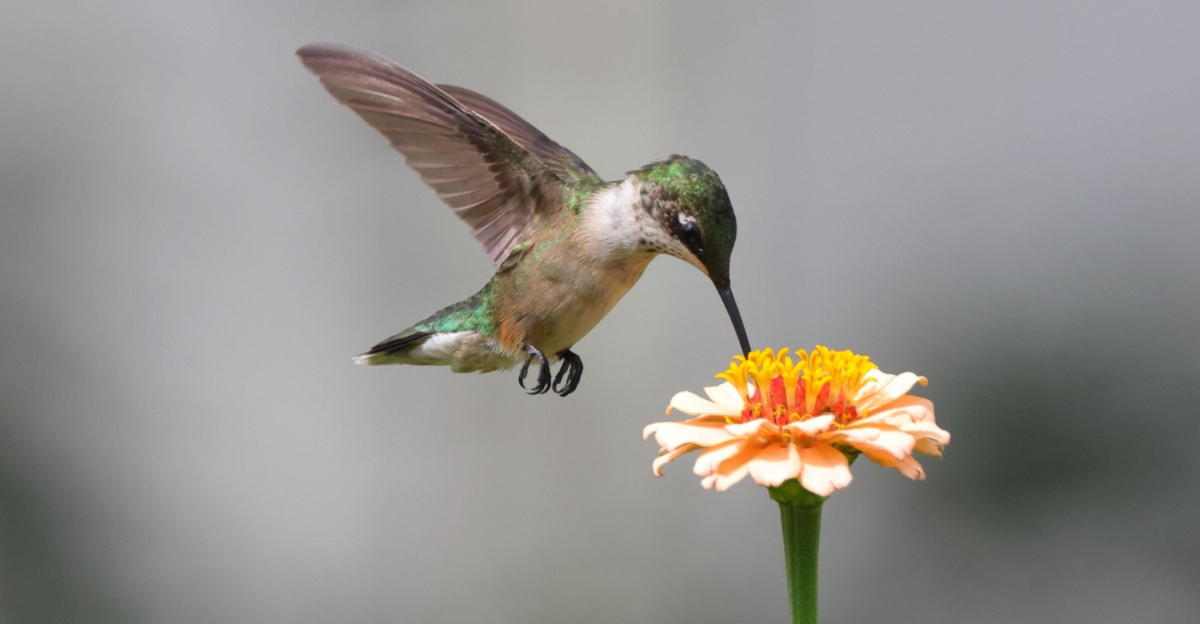
Ruby-throated hummingbirds do not stumble into Kentucky yards by accident. These thumb-sized travelers cross the Gulf of Mexico on empty stomachs, and when one finally brakes mid-air outside your window in Kentucky, your yard earned that visit.
Two summers ago, a single trumpet vine on a fence post pulled in three hummingbirds before noon, and none of them were strangers to that flower. They had clocked it from the sky.
The nectar, the shelter, the red blooms bright as a stop sign all read as a landing signal from above. You do not need acres of land or a greenhouse.
You need a yard that speaks hummingbird. The right plants, the right feeders, and the right timing work like a broadcast on a frequency only they can hear.
A hummingbird does not visit, it auditions your yard for a return trip. Get the signal right, and they will find you first.
Nectar-Producing Flowers Are Feeding Your Visitors
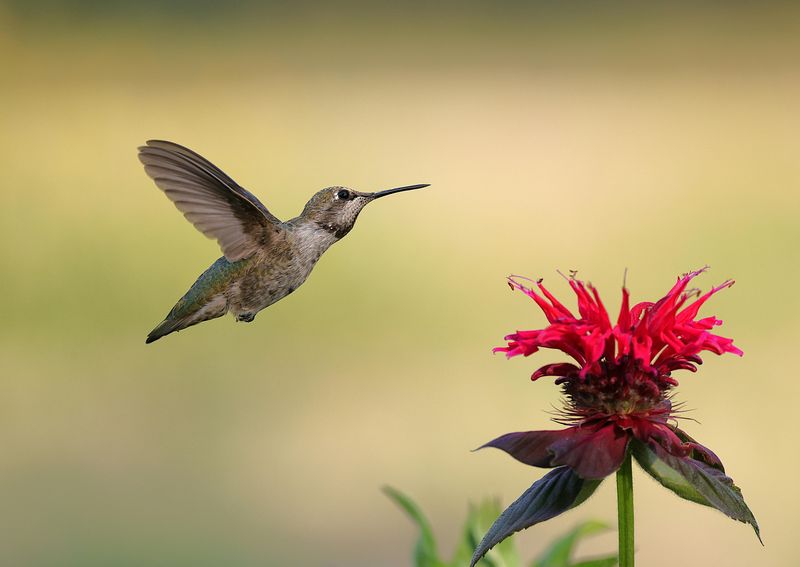
Your yard is basically a five-star restaurant, and the hummingbird just walked in hungry. Nectar-producing flowers are the single biggest reason a hummingbird sighting in your Kentucky yard happens at all.
When these tiny birds spot a cluster of blooms, they zero in fast, burning through energy at a rate that would exhaust any other creature.
They feed frequently throughout the day because of their extremely high energy needs. Flowers like bee balm, cardinal flower, and salvia are absolute magnets because they produce deep, sugar-rich nectar that gives the birds the fuel they need.
Planting a mix that blooms at different times throughout the season keeps the buffet open from May through September. A single ruby-throated hummingbird can visit hundreds of flowers in one day.
That sounds exhausting, but for them it is just Tuesday. The more variety you plant, the longer each bird lingers before moving on to the next yard.
Removing spent blooms encourages fresh flower production, which keeps your yard on the hummingbird circuit longer.
Avoid hybrid flowers bred for looks but stripped of nectar, because those are essentially empty calories wrapped in a pretty package.
If your garden already has a healthy mix of blooming plants, that hummingbird outside your window is giving your yard its highest possible rating.
A Hummingbird Feeder With Sugar Water Seals The Deal
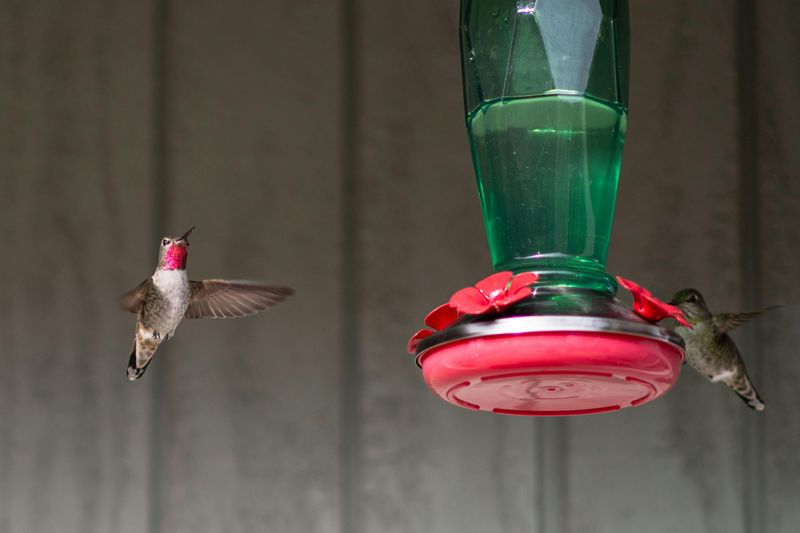
Hanging a feeder is like putting out a neon sign that says open for business. A simple mix of one part white sugar dissolved in four parts water is all it takes to create a reliable food source that hummingbirds trust.
Skip the red dye completely, because the color of the feeder itself does the advertising just fine. Placement matters more than most people realize.
Hang your feeder near natural cover like shrubs or trees so the birds feel safe while feeding, but keep it visible from a window so you actually get to enjoy the show.
If you place it too close to a busy door or high-traffic area, nervous birds may skip it entirely.
Your Kentucky Garden Changes Every Week. Your Plan Should Too.
Gardening in Kentucky changes quickly throughout the season. Every Friday you’ll receive a simple weekly plan showing exactly what to plant, prune, fertilize, harvest, and protect so you never miss the right timing.
Changing the sugar water every two to three days prevents fermentation and mold, which can harm the birds you are trying to help. In hot Kentucky summers, that window shrinks to every other day.
A clean feeder is a busy feeder, and a busy feeder means more sightings. Once a hummingbird finds your feeder, it memorizes the location and returns on a predictable schedule.
They have extraordinary spatial memory and will fly the same route through your yard each day like a tiny commuter.
That regularity is what makes feeder placement such a powerful tool for turning an occasional visitor into a loyal guest who shows up before your morning coffee is even done brewing.
Red And Orange Tubular Flower Colors Are Waving Them In
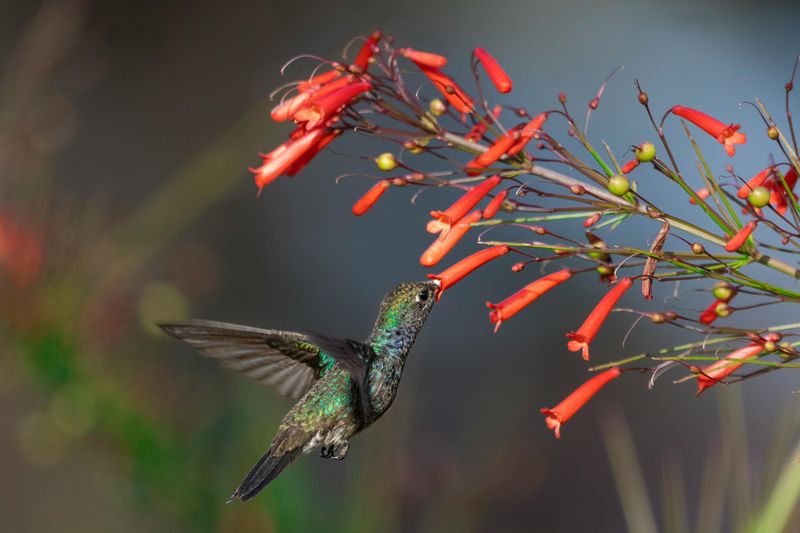
Color is the hummingbird’s first language, and red is basically shouting. These birds are drawn to red and orange tubular flower shapes more than almost any other visual cue in a yard.
The tube shape is not just aesthetic, it is structural genius, designed to match the length and curve of a hummingbird’s bill perfectly.
Coral honeysuckle and red hot poker are classic Kentucky-friendly plants that check every box. Trumpet vine works too, though it spreads aggressively and needs a firm hand to keep it from taking over fences and nearby trees.
Their narrow, elongated blooms act like a private entrance that most other insects cannot easily access, which means the nectar stays fresher and more abundant for the birds. That exclusivity is part of why hummingbirds keep coming back.
Interestingly, hummingbirds can also see into the ultraviolet spectrum, which means some flowers we think look plain to them actually glow with hidden signals. But red and orange remain their go-to colors in the visible range.
If your yard is heavy on purple and yellow blooms, you might be accidentally routing traffic to your neighbor’s garden instead.
Adding even one or two bold red or orange plants near your existing garden can dramatically increase the number of hummingbird visits you see in a season. Think of it as putting up a billboard on a busy highway.
Once the birds associate your yard with those colors, they start treating your space as a reliable stop on their daily route. That kind of loyalty is something every Kentucky gardener should want.
Native Plants Signal A Healthy Habitat
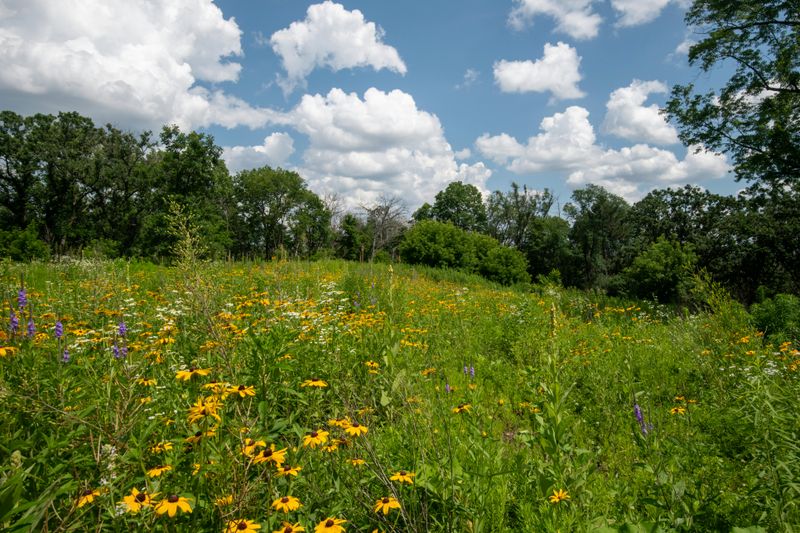
Native plants are not just pretty, they are a promise. When a hummingbird spots native species in your yard, it recognizes them on an instinctual level built over thousands of years of co-evolution.
These plants and birds developed together, which means the nectar chemistry, bloom timing, and flower structure are all tuned to each other like a lock and key.
Kentucky natives like wild columbine, eastern red columbine, and trumpet honeysuckle bloom right when migrating hummingbirds arrive in late April and early May.
That timing is not a coincidence. Nature synchronized these relationships long before anyone thought to plant a garden.
Non-native ornamentals can look stunning but often lack the nectar depth or bloom timing that supports wildlife effectively.
A yard packed with native plants also supports the insects hummingbirds depend on for protein, creating a complete ecosystem rather than just a pretty backdrop. You are essentially building a self-sustaining system that requires less work from you over time.
Adding even a modest share of native plants can increase wildlife activity. Local native plant nurseries in Kentucky often carry regionally specific varieties that are already adapted to your soil and climate.
Starting small with just two or three native additions can begin shifting your yard’s identity from a manicured space into a genuine wildlife corridor. Hummingbirds and other creatures will actively seek it out season after season.
A Water Source Tells Hummingbirds Your Yard Is Complete
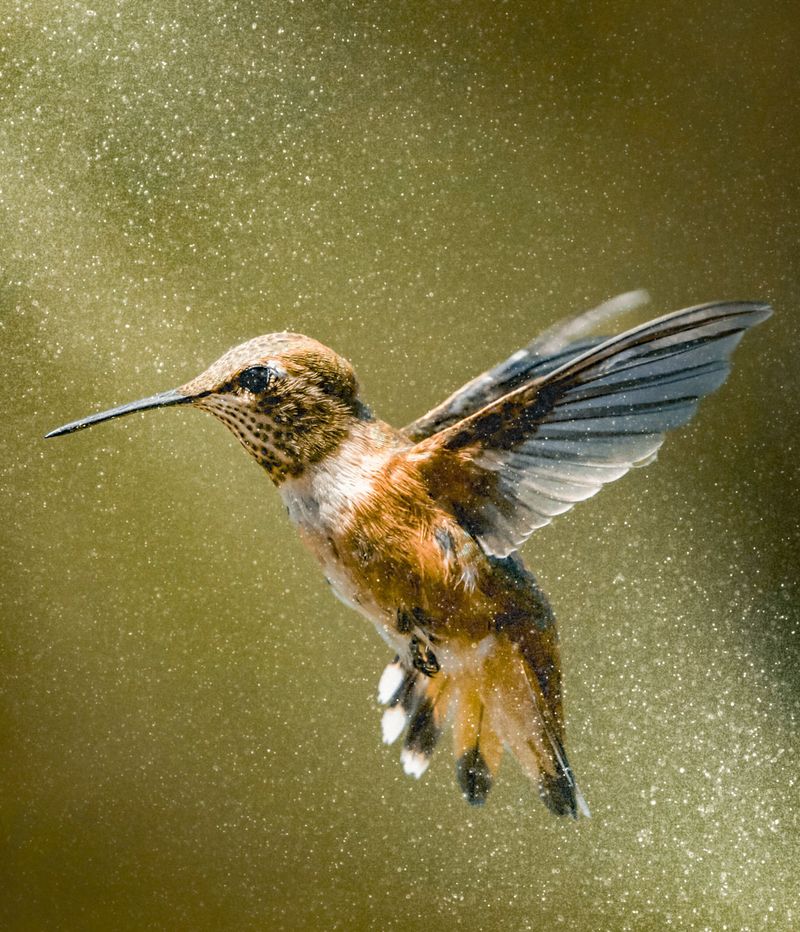
Hummingbirds love nectar. Far fewer people know they are obsessed with bathing. A hummingbird sighting near a water source in your Kentucky yard signals that the bird is not just passing through, it is treating your space like a full-service stop.
These birds bathe multiple times a day to keep their feathers in top flying condition. Misters and drippers are the gold standard for attracting hummingbirds to water.
Unlike traditional birdbaths that are too deep for their tiny bodies, a fine mist or gentle drip lets them flutter through the spray or perch and shake in the droplets. It looks like pure joy, and honestly, watching it feels like it too.
A solar-powered mister attached to a plant stake near your garden requires almost no maintenance and runs quietly all day.
Positioning it near flowering plants creates a combination zone that covers feeding, drinking, and bathing in one small corner of your yard. That kind of efficiency is exactly what a fast-moving, energy-hungry bird is looking for.
Fresh, moving water also signals habitat quality in a way that standing water simply cannot. Hummingbirds are wired to notice motion, and the shimmer of a mist catches their attention from surprising distances.
If you have been wondering why hummingbirds cluster around one particular yard, a water feature is likely the quiet reason. Other gardens never even see the visitors it pulls in.
Insects And Spiders Mean Your Yard Offers Real Nutrition
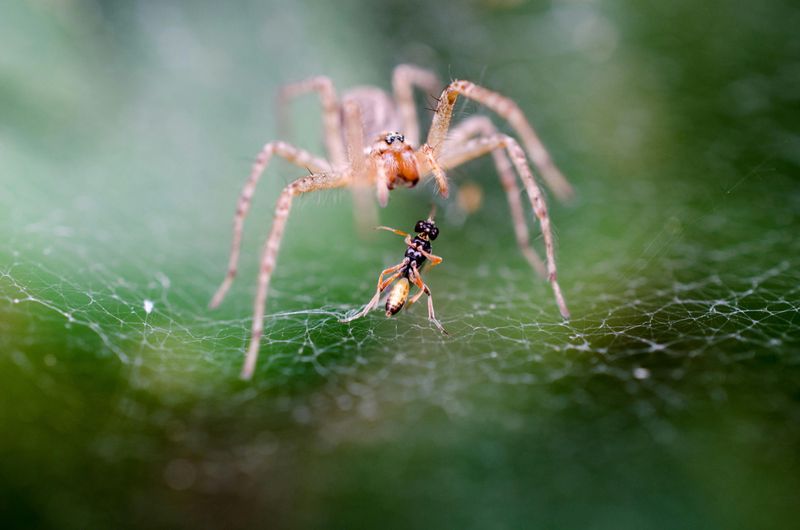
Hummingbirds are not sugar addicts, they are athletes who eat like it. About one quarter to one third of their diet comes from insects and spiders, which provide the protein and fat needed for muscle repair, feather growth, and long-distance migration.
If your yard has a healthy insect population, that hummingbird is reading it as a complete grocery store, not just a candy aisle. Gnats, fruit flies, small beetles, and aphids are all fair game.
Hummingbirds hunt them mid-air with surprising precision, snatching tiny bugs with quick snapping motions that happen so fast most people never notice.
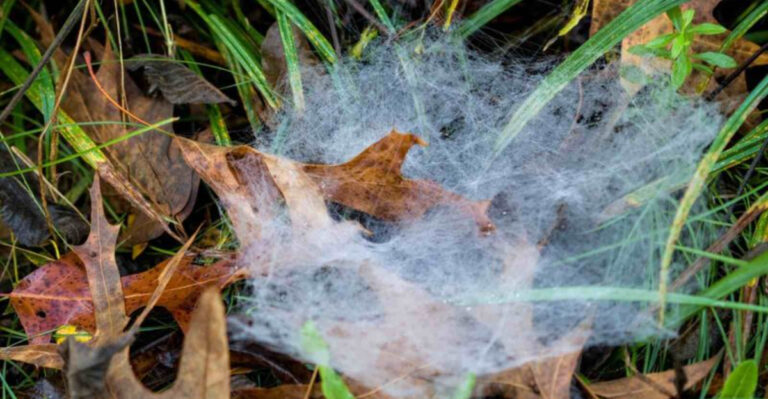
They also raid spider webs for trapped insects and steal the silk itself to build their nests. A yard with diverse plantings naturally supports more insect life than a monoculture lawn.
Leaving a few leaf piles in corners, tolerating some aphids on less important plants, and avoiding excessive tidying all contribute to a layered ecosystem. That kind of depth feeds hummingbirds at every level.
Messy corners are not laziness, they are habitat. Gardeners who obsess over a perfectly clean yard often unknowingly strip out the food web that makes their space worth visiting.
Allowing a little wildness, a patch of clover here, some native grasses there, builds the insect base that keeps hummingbirds returning well into fall.
The bird hovering near your shrubs right now might not be after your flowers at all, it might be hunting the tiny creatures living inside them.
Tree Canopy For Perching Shows Your Yard Feels Safe
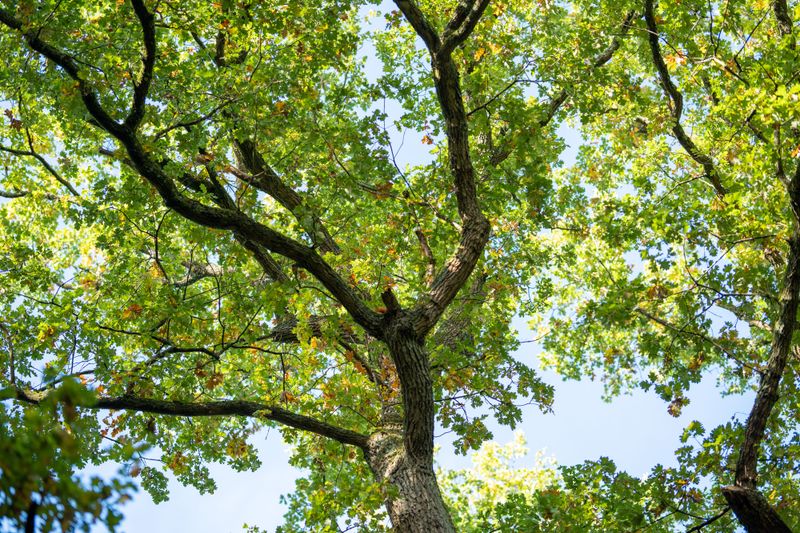
Hummingbirds spend more time perching than most people ever realize. Despite their reputation for nonstop motion, these birds rest frequently, and a good perch in a tree canopy is as important to them as any flower or feeder.
When your yard has mature trees with open branches, it communicates one critical thing: this place is safe. A resting hummingbird sits at the very tip of a thin branch, perfectly positioned to scan the area for rivals, predators, or incoming food sources.
Males use high perches to guard territory, announcing themselves with chirping calls surprisingly loud for a bird that weighs less than a nickel. That tiny sentinel in your oak tree is running a whole operation from up there.
Trees also provide shade that cools the yard during intense Kentucky summers, which helps nectar stay fresh longer in both feeders and flowers.
The canopy layer creates a microclimate that benefits every living thing below it, from the plants to the insects to the birds themselves. A yard without any trees is a yard without a ceiling, and most wildlife finds that unsettling.
You do not need a forest to make this work. Even one or two medium-sized native trees like a serviceberry or redbud can transform the structure of your yard dramatically.
A hummingbird sighting in the upper branches of your Kentucky trees is a sign that the bird has decided your space is worth defending. That is the highest compliment a wild creature can offer.
Low Pesticide Use Keeps The Welcome Mat Out Year After Year
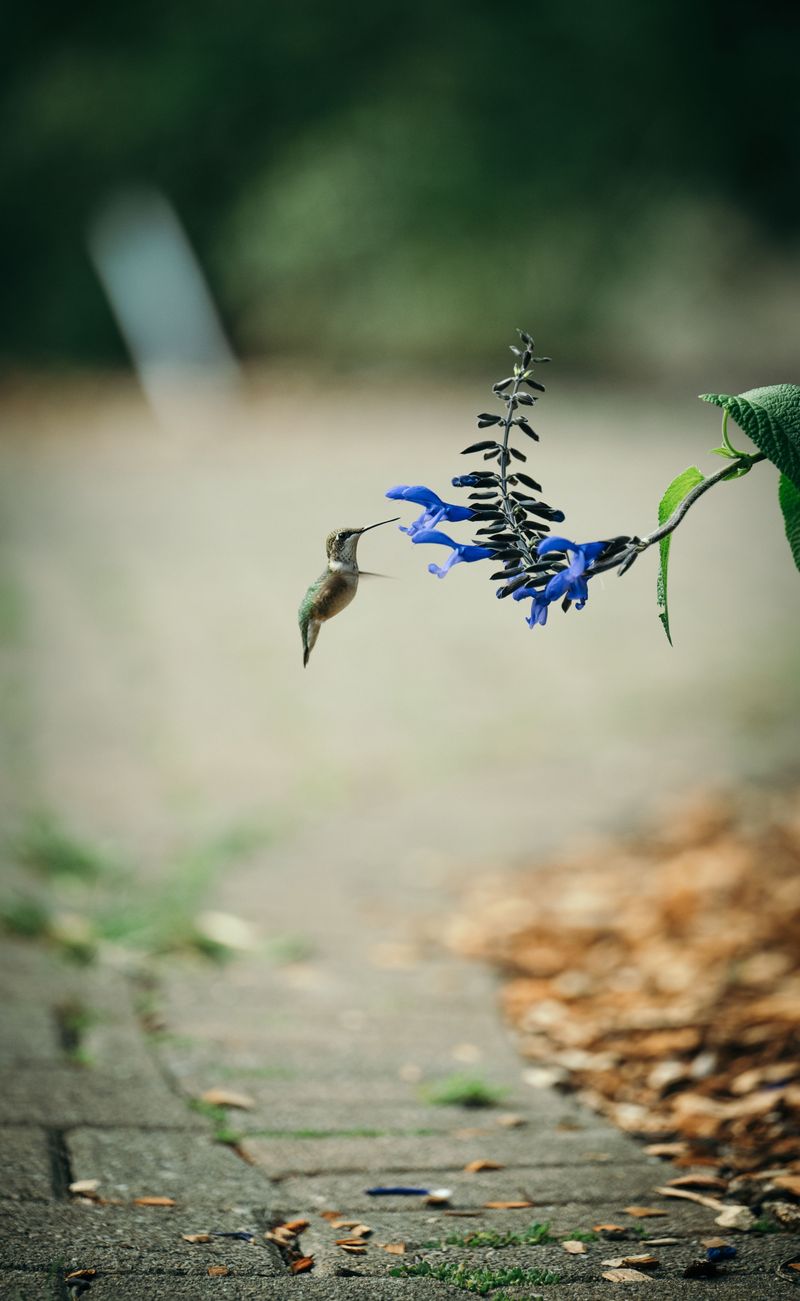
Pesticides don’t just target pests. They disrupt the food web your yard depends on. A hummingbird sighting in your Kentucky garden is partly a report card on your chemical habits.
These birds are sensitive to toxins in ways that show up subtly, through reduced insect availability, contaminated nectar, and weakened immune systems.
Systemic pesticides like neonicotinoids are absorbed into every part of a treated plant, including the nectar.
A hummingbird feeding from a treated flower ingests those chemicals directly. This can impair navigation, reduce reproductive success, and weaken the bird over time without any obvious single cause.
The damage is quiet, cumulative, and completely avoidable. Switching to targeted, organic pest management protects both the insects hummingbirds eat and the flowers they feed from.
Introducing beneficial insects like ladybugs and lacewings handles many common garden pests without a single spray.
Tolerating minor leaf damage on non-focal plants is a small price for a yard that stays genuinely alive with wildlife.
Neighbors who go pesticide-free often notice a cascade effect within just one or two seasons, more insects, more birds, more activity across the board. A hummingbird sighting in your Kentucky yard after you make this shift is not a coincidence.
It is the ecosystem responding to your choices, sending its smallest and most spectacular ambassador to let you know that the work you put in is absolutely paying off.