10 Pollinator Plants That Actually Thrive In Florida Heat
Florida heat doesn’t play nice with most garden plants. One week they look great, the next they’re drooping, scorched, or completely done.
But pollinators still need food, and your yard can still be full of color and movement even in the hottest months. Butterflies, bees, and hummingbirds are always on the hunt for reliable blooms that can handle blazing sun and sticky humidity.
The good news is some plants were built for this climate. They bloom longer, bounce back faster, and keep showing up when other flowers give up.
If you’re tired of wasting money on plants that can’t survive summer, it’s time to switch to smarter choices. Imagine stepping outside and seeing bright flowers, busy pollinators, and a yard that looks alive instead of stressed.
These heat-loving plants do more than survive. They thrive, attract wildlife, and make your Florida garden finally work with the weather instead of fighting it.
1. Firebush (Native Variety) Brings Constant Color And Keeps Hummingbirds Coming Back
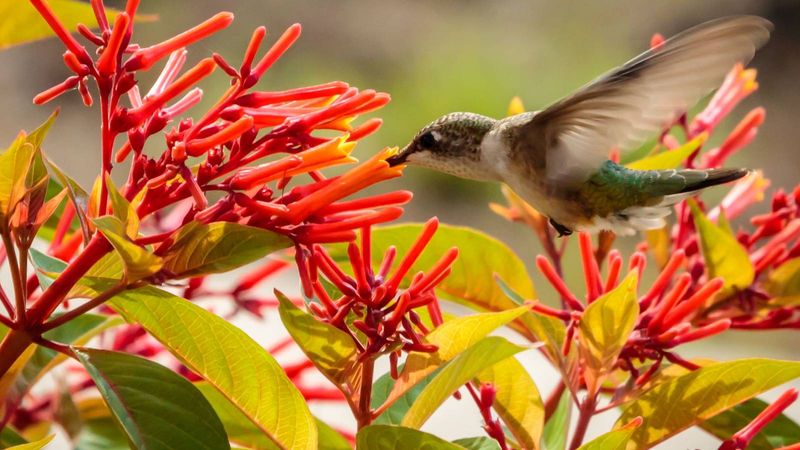
You’ll notice the hummingbirds first, hovering near clusters of tubular orange-red flowers that seem to glow even brighter under Florida’s intense midday sun. Native firebush (Hamelia patens var. patens) earns its reputation as one of the most reliable heat-tolerant plants for attracting pollinators, especially ruby-throated hummingbirds that return daily once they discover your planting.
True native firebush (not the ornamental African firebush often sold in big-box stores) handles full sun and sandy soils without complaint, blooming continuously from spring through fall and sometimes into winter in South Florida.
The flowers produce nectar even during drought periods, and butterflies join hummingbirds at the blooms throughout the day.
This shrub grows quickly in Central and South Florida, reaching four to eight feet tall depending on your pruning habits and regional conditions. North Florida gardeners can grow it as a seasonal bloomer that returns reliably each year after occasional freezes.
After planting, you’ll see the first hummingbird visits within days if the shrub is already flowering. Firebush tolerates heat that would stress most ornamentals, and its berries provide food for migrating birds in fall, extending wildlife benefits beyond pollinator season and creating year-round garden interest for observant homeowners.
2. Blanket Flower Delivers Bold Blooms Even During Florida’s Hottest Months
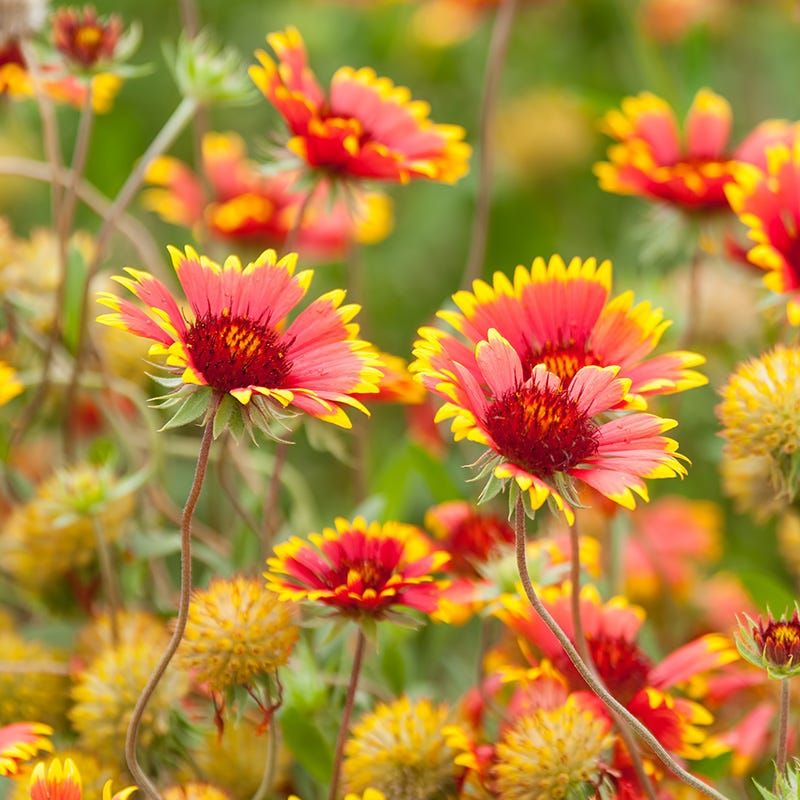
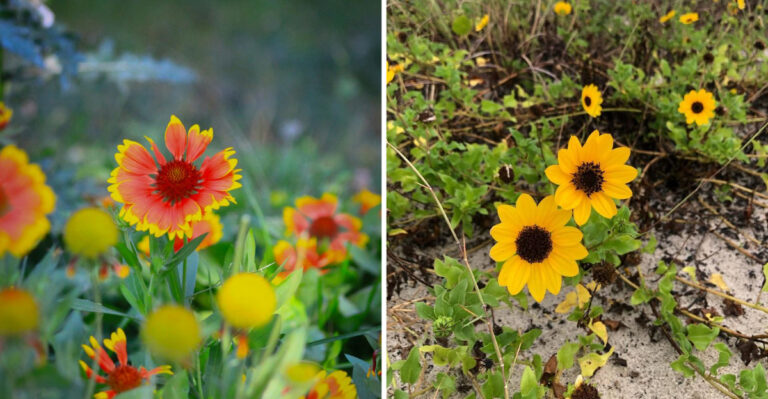
Bright red and yellow petals catch your eye from across the yard, looking almost painted against the summer sky. Blanket flower produces those cheerful daisy-like blooms without pause, even when July heat settles over your garden and other perennials slow their flowering.
Bees and butterflies visit these flowers constantly, drawn to the open centers filled with nectar and pollen. The plant thrives in full sun and well-drained sandy soils common throughout Florida, asking for almost nothing once established.
Blanket flower blooms from spring through fall, with peak flowering during summer when pollinators need reliable food sources most. The flowers stay open during hot afternoons when many blooms close, giving bees extended foraging time throughout the day.
Coastal gardeners appreciate how blanket flower tolerates salt spray and windy conditions without dropping blooms or showing stress.
Central Florida homeowners find it perfect for filling sunny spaces where irrigation is limited, and North Florida gardens benefit from its long bloom season that extends into cooler months, providing nectar when asters and sunflowers begin their show.
3. Swamp Milkweed Gives Monarch Butterflies The Home Base They Need To Survive
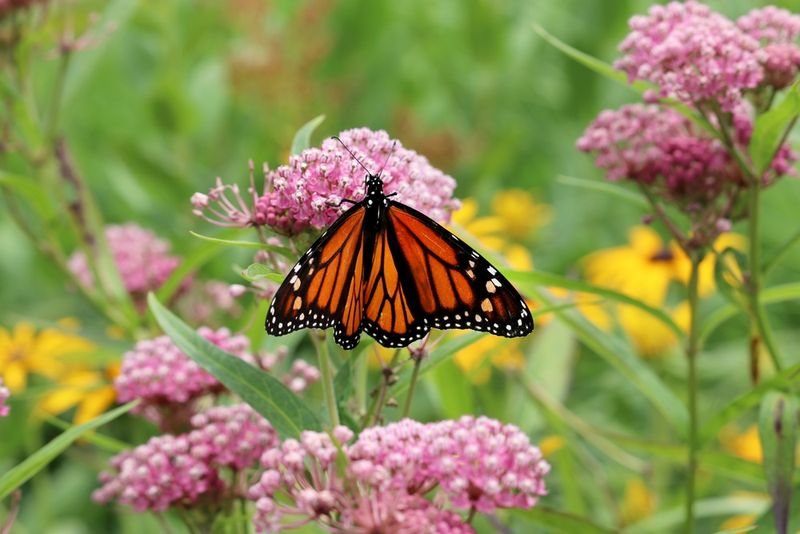
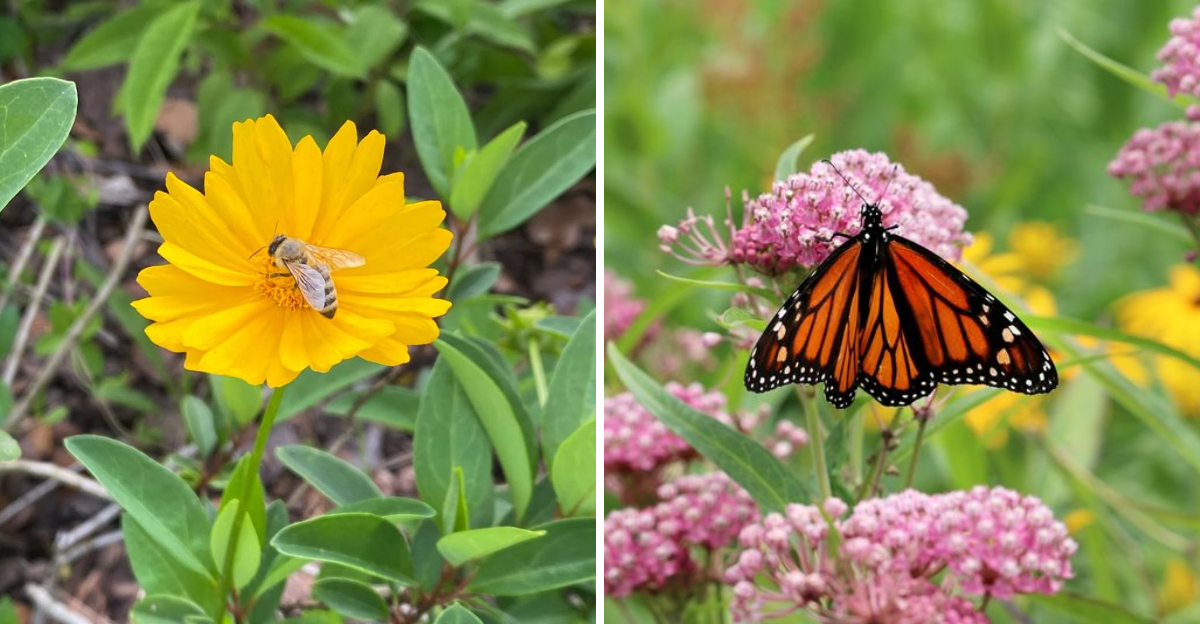
Monarch butterflies circle your garden slowly before settling on the pale pink flower clusters, and you know immediately why they chose this plant. Swamp milkweed provides everything monarchs need during their journey through Florida, from nectar for adults to leaves where females lay eggs that become the next generation.
Despite its name, swamp milkweed adapts well to average garden conditions and handles Florida heat beautifully once roots establish, preferring consistently moist soil but tolerating short dry periods once established.
It blooms through summer into early fall, offering nectar precisely when monarchs migrate through the state heading south.
The plant grows three to four feet tall with clusters of fragrant flowers that also attract bees, butterflies, and occasional hummingbirds. Unlike tropical milkweed, swamp milkweed naturally withers away in winter across most of Florida, which helps break parasite cycles that can harm monarch populations.
You’ll notice caterpillars munching leaves within weeks of planting if monarchs are active in your area, and watching those striped caterpillars grow into chrysalises becomes a highlight of your gardening season.
Swamp milkweed tolerates periodic flooding and brief dry spells once established, making it well suited for Central Florida’s unpredictable rainfall patterns.
4. Coreopsis Lights Up Gardens With Easy, Cheerful Spring Color
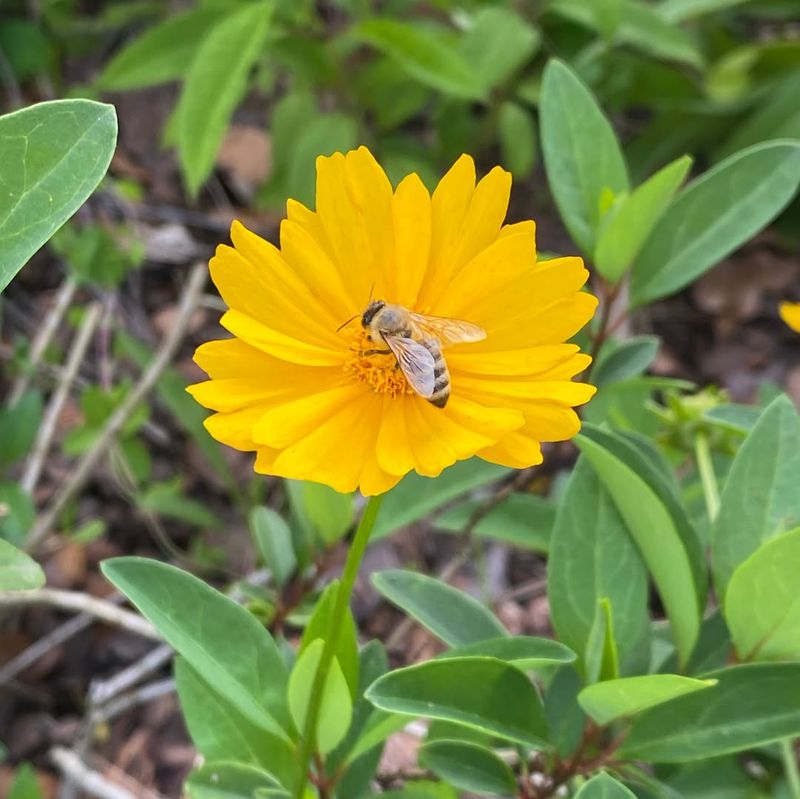
Golden yellow flowers blanket your garden bed in early spring, creating that burst of color you’ve been waiting for after winter’s quiet months. Coreopsis is Florida’s state wildflower for good reason, thriving in conditions that challenge less adapted plants and feeding pollinators when they emerge hungry after cooler weather.
Bees cover the flowers on sunny mornings, working systematically from bloom to bloom while butterflies flutter between plants throughout the day.
The flowers handle full sun and heat beautifully in spring and early summer, with most Florida coreopsis varieties slowing or pausing bloom during peak midsummer heat.
Coreopsis grows easily from seed or transplants, spreading naturally to fill spaces without becoming aggressive or requiring constant maintenance. The plants tolerate drought once established, making them perfect for homeowners who want pollinator gardens that don’t demand frequent watering during dry springs.
North Florida gardeners see the longest bloom periods, sometimes extending into fall with occasional summer flowers, while South Florida plantings perform best as cool-season bloomers.
Central Florida hits the sweet spot with reliable spring shows and occasional rebloom when fall rains return, and all regions benefit from this plant’s low-maintenance nature.
5. Beach Sunflower Spreads Fast And Fills Sunny Spaces With Golden Flowers
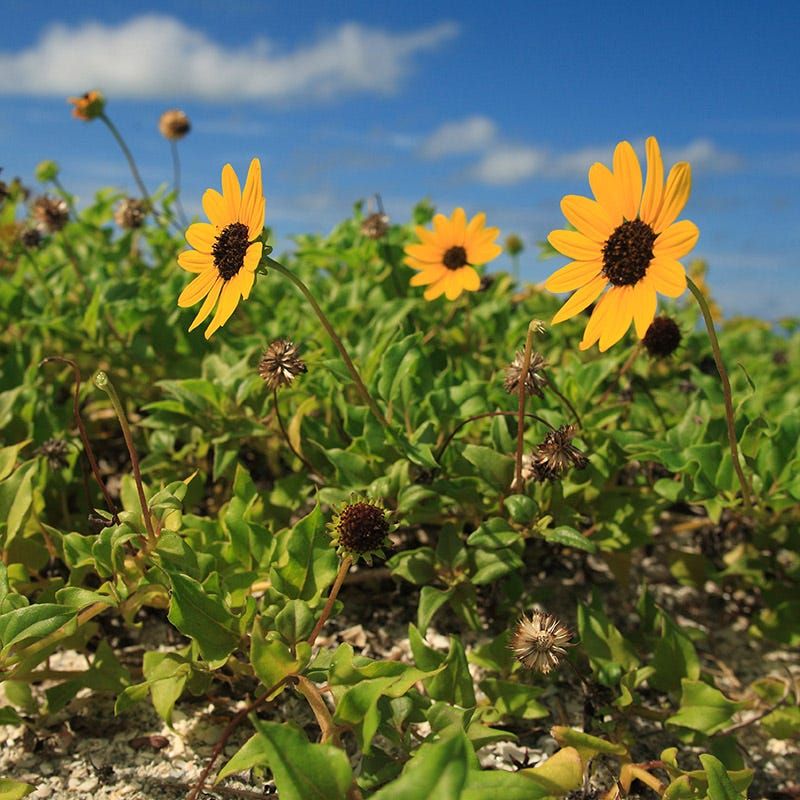
Small golden sunflowers appear constantly across a spreading mat of green foliage, creating a groundcover that blooms instead of just filling space. Beach sunflower grows vigorously in full sun, tolerating sandy soils, salt spray, and heat that would stress most flowering plants within days.
Butterflies and bees visit these cheerful yellow flowers throughout the day, finding nectar even during afternoon heat when many pollinators rest. The plant blooms year-round in South Florida and most months in Central Florida, providing consistent food sources that help sustain pollinator populations through seasonal changes.
Beach sunflower spreads quickly once established, making it perfect for covering bare ground along driveways, filling hellstrips between sidewalks and streets, or stabilizing sandy slopes near coastal areas. The vigorous growth means you’ll need to trim edges occasionally to keep it within bounds.
Coastal gardeners love how this native handles salt exposure without showing damage, while inland plantings appreciate its drought tolerance once roots establish.
North Florida homeowners can grow it as a warm-season bloomer that may return from roots after light freezes, and the flowers keep producing even during extended dry periods that challenge irrigation systems.
6. Blue Porterweed (Native) Feeds Pollinators With Nectar For Months At A Time
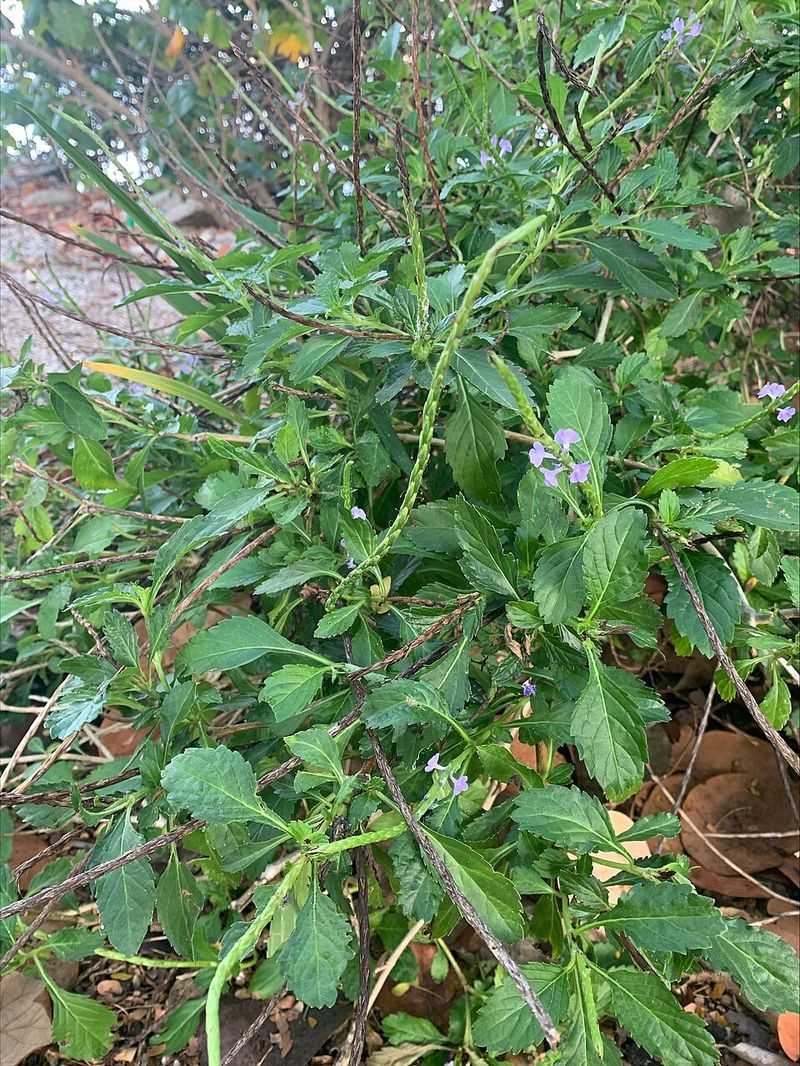
Tiny blue-purple flowers cluster at the tips of arching stems, and butterflies seem to find them instantly despite their small size. Blue porterweed blooms prolifically from spring through fall, producing nectar-rich flowers that attract an impressive variety of pollinators including butterflies, bees, and hummingbirds that appreciate the reliable food source.
This Florida native handles extreme heat without wilting, continuing to bloom even during the driest weeks when other plants pause flowering. Native blue porterweed (Stachytarpheta jamaicensis) stays lower growing, usually 1 to 2 feet tall, with a somewhat sprawling habit that softens garden edges and fills spaces naturally.
Native blue porterweed thrives in full sun to partial shade, adapting to various light conditions across your landscape. It tolerates both sandy and clay soils, making it suitable for different Florida regions without requiring soil amendments or special preparation.
You’ll notice zebra longwings, gulf fritillaries, and swallowtail butterflies visiting regularly, often with multiple butterflies feeding simultaneously on the flower spikes.
South Florida gardens see year-round blooms, while Central and North Florida plantings bloom heavily through warm months and may experience some winter dieback before returning vigorously each spring with minimal care required from homeowners.
7. Scarlet Sage Adds Bright Red Blooms That Pollinators Spot Instantly
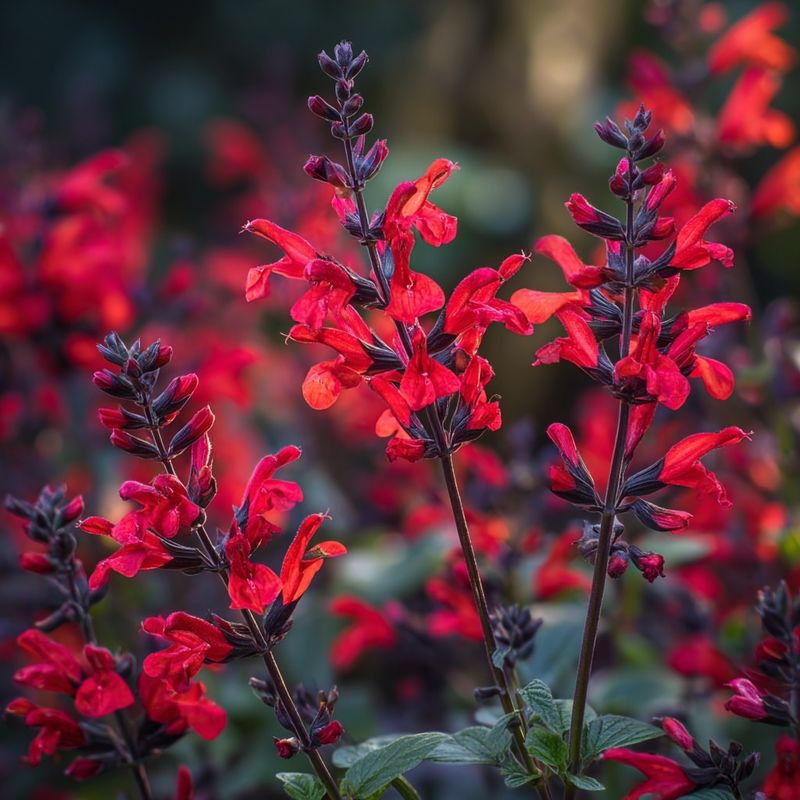
Vibrant red flower spikes stand tall above green foliage, visible from far across your yard and apparently just as noticeable to hummingbirds flying overhead.
Scarlet sage produces those eye-catching blooms continuously through warm months, creating vertical accents that draw pollinators from surprising distances once they discover your planting.
Hummingbirds visit scarlet sage repeatedly throughout the day, working their way up each flower spike before moving to the next plant. Butterflies also feed on the nectar, and bees occasionally visit despite the tubular flowers being primarily adapted for hummingbird pollination.
The plant handles full sun and heat beautifully, blooming most heavily during summer when temperatures peak and continuing into fall as weather moderates. Scarlet sage grows two to three feet tall, working well in mixed borders or planted in groups for maximum visual impact.
Central Florida gardeners find scarlet sage reliable for attracting hummingbirds during migration periods when ruby-throats pass through in spring and fall.
South Florida plantings may attract resident hummingbirds year-round, while North Florida gardens see heavy hummingbird activity during peak summer months when the plants bloom most prolifically and nectar production reaches its highest levels.
8. Elliott’s Aster Provides Late-Season Flowers When Other Plants Are Finished
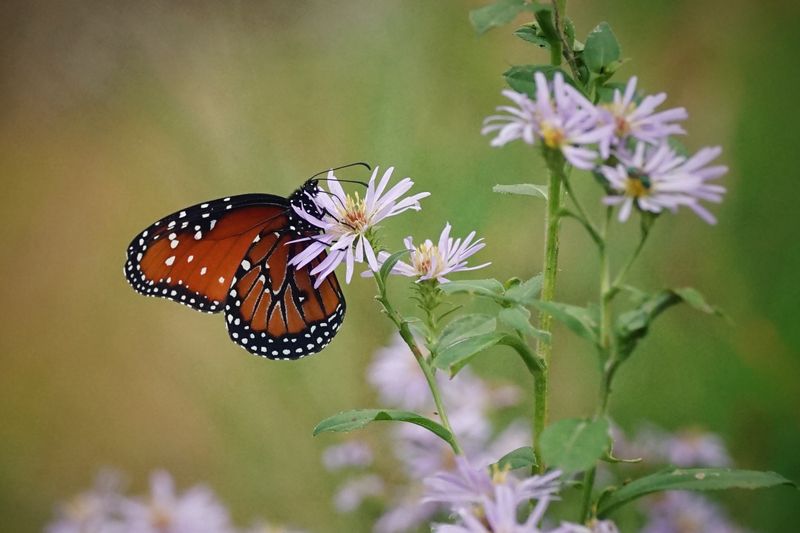
Small white flowers with yellow centers appear in abundance just as summer plants begin slowing down, creating a fresh show when your garden needs it most. Elliott’s aster blooms from late summer through fall, providing crucial nectar sources for pollinators preparing for winter or migrating south through Florida.
Butterflies cover these flowers on sunny fall days, with monarchs, sulphurs, and skippers all visiting regularly during migration periods. Bees also work the flowers heavily, gathering late-season pollen and nectar to sustain colonies through cooler months ahead.
This Florida native thrives in full sun to partial shade, tolerating a range of soil conditions from sandy to slightly moist. The plants grow two to three feet tall, spreading gradually to form attractive clumps that fill spaces without aggressive spreading.
North Florida gardeners especially appreciate Elliott’s aster for extending pollinator season into November when few other plants bloom. Central Florida plantings provide fall color and wildlife value during the transition between summer heat and winter’s milder temperatures.
South Florida gardens benefit from blooms that coincide with monarch migration, and the flowers keep producing even during occasional dry spells that can challenge less adapted plants during autumn months.
9. Fakahatchee Grass Supports Butterflies While Thriving In Florida Heat
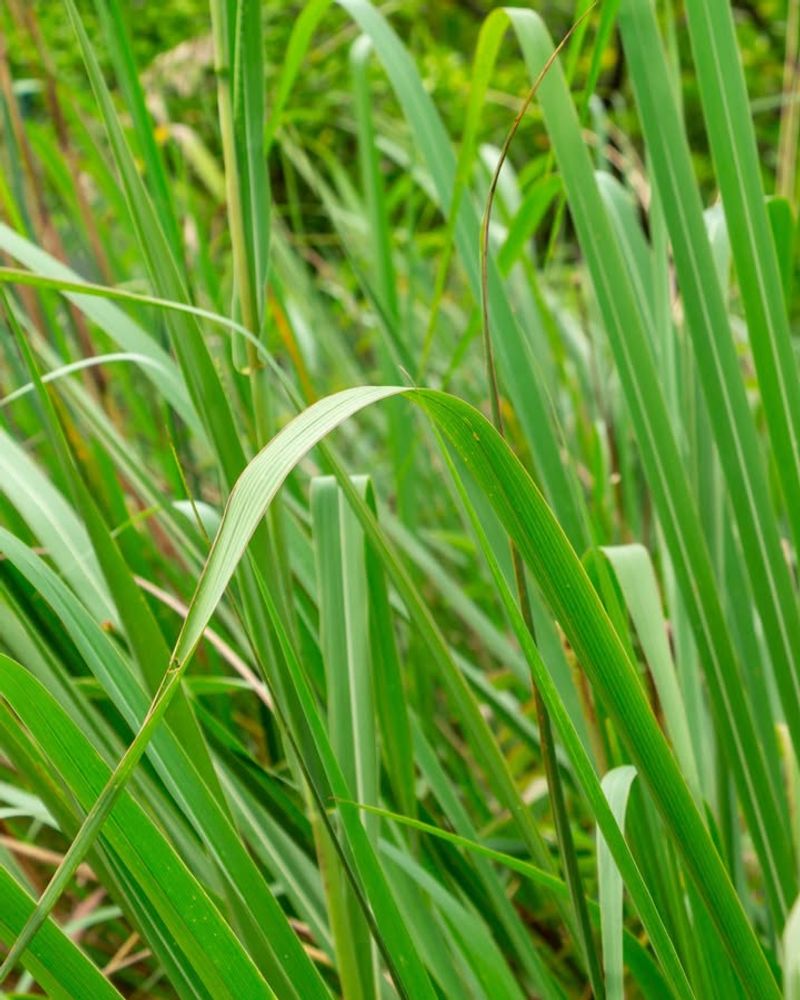
Tall arching blades form graceful clumps that stay green through Florida’s hottest months, adding movement and texture to pollinator gardens when many flowering plants slow down. Fakahatchee grass is a Florida native that thrives in heat, humidity, and heavy rain, making it one of the toughest ornamental grasses available for wildlife-friendly landscapes.
This plant serves as a larval host for several skipper butterfly species while also providing shelter and nesting material for beneficial insects. Birds feed on the seeds in fall and winter, extending its wildlife value beyond pollinator season.
Fakahatchee grass tolerates full sun to partial shade and adapts to both wet and moderately dry soils once established. It grows three to six feet tall, making it useful as a natural screen, background plant, or focal point in native garden designs.
South Florida gardeners appreciate its year-round greenery, while Central and North Florida landscapes benefit from its strong summer performance and cold tolerance. Once established, it requires little supplemental watering and no fertilizer, making it ideal for sustainable Florida landscapes.
10. Frogfruit Creates A Living Carpet That Bees And Butterflies Love
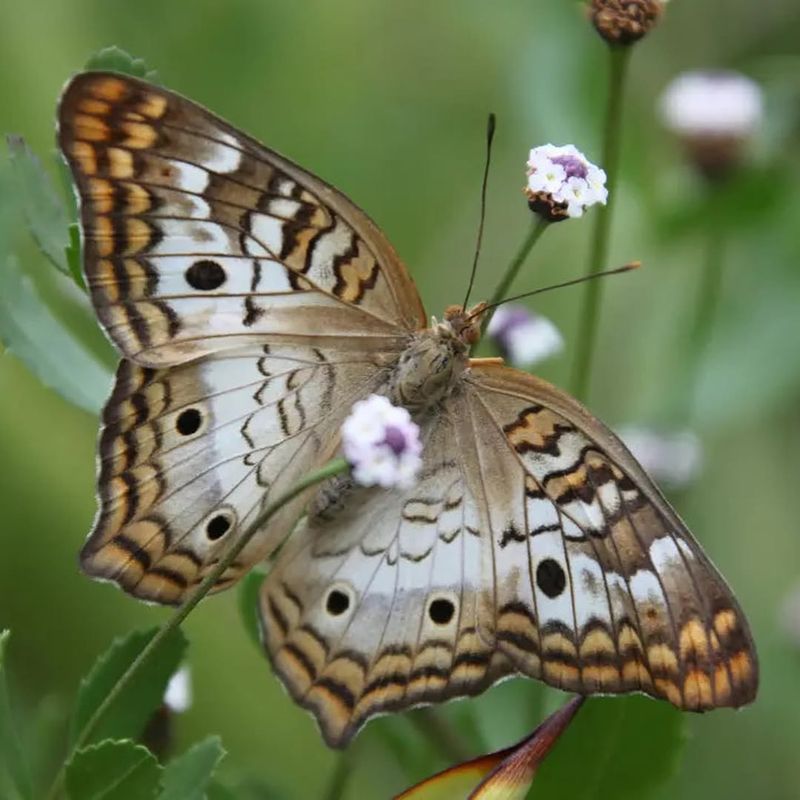
Tiny white and pink flowers appear on short stems above a dense mat of small leaves, creating a living carpet that stays green even during hot, dry weeks. Frogfruit grows only a few inches tall, spreading horizontally to cover ground quickly while producing those small but nectar-rich flowers that attract surprising numbers of pollinators.
Bees absolutely love frogfruit, working the flowers so intensely on sunny mornings that the entire planting seems to hum with activity. Small butterflies also visit regularly, and the low-growing habit provides safe landing spots for pollinators of all sizes.
This native groundcover tolerates foot traffic reasonably well, making it useful as a lawn alternative in low-traffic areas where you want something that feeds pollinators instead of just needing mowing. Frogfruit handles full sun to partial shade and various soil types, establishing quickly once planted.
South Florida gardeners see year-round blooms and pollinator activity, while Central Florida plantings bloom heavily from spring through fall with some winter dormancy.
North Florida gardens can grow frogfruit as a warm-season groundcover that returns each year, and all regions benefit from this plant’s ability to thrive without pesticides, which helps protect the bees and butterflies visiting your flowers daily.