7 Pollinator Plants That Can Attract Bees In May In Georgia
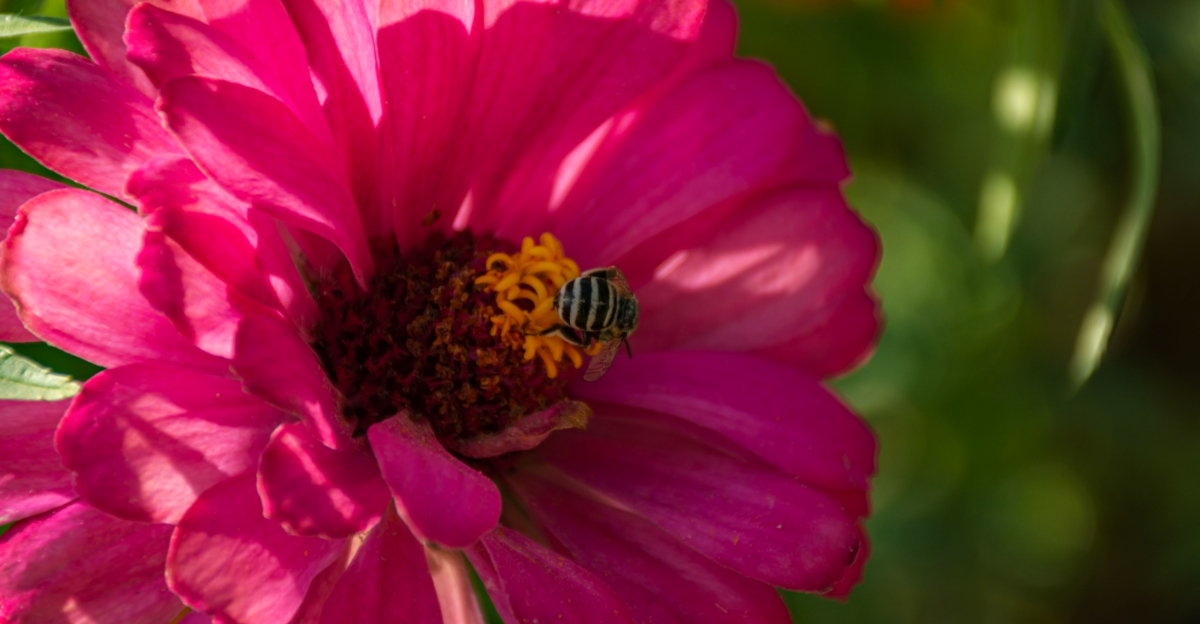
May in Georgia feels like the garden suddenly turned the volume up. Flowers start showing off, bees get busy, and sunny afternoons come with that steady little hum that lets you know pollinator season is fully underway.
One minute the yard feels quiet, then suddenly every bloom has visitors clocking in for work like tiny flying employees who never take a coffee break. This is the time of year when the right plants can completely change the energy of a garden.
A few well-placed flowers can bring in bees surprisingly fast, especially once warm temperatures settle in across Georgia.
Even small backyard spaces, patio beds, and simple borders can become active pollinator hangouts with the right mix of blooms.
Plus, watching bees move through the garden all day is oddly relaxing. It is basically nature’s version of people-watching, just with a lot more pollen involved.
1. Zinnias Bring Bright Blooms To Sunny Garden Beds
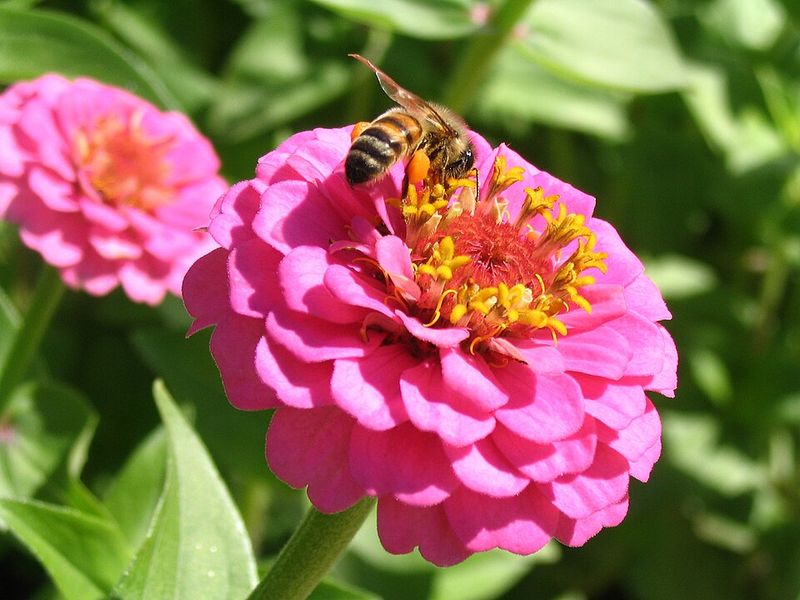
Zinnias are among the most recognizable summer flowers, and Georgia gardeners who start seeds or transplants in May can expect vivid blooms that bees will begin visiting as soon as the flowers open.
The wide, flat flower heads in shades of red, orange, pink, yellow, and white give foraging bees plenty of surface area to land on and explore.
Their bold color and extended bloom season make them a practical and visually rewarding choice for pollinator beds.
These warm-season annuals thrive in the heat and humidity that Georgia summers bring, which means May plantings tend to establish quickly as temperatures rise.
Zinnias prefer full sun and well-drained soil, and they respond well to consistent moisture during the first few weeks after transplanting.
Once they are established, they tend to handle short dry spells reasonably well, though regular watering during hot stretches helps keep bloom production steady.
In a Georgia landscape, Zinnias work beautifully in cutting gardens, along sunny borders, or in large containers placed on patios and decks.
Planting a mix of single-flowered varieties alongside double-flowered ones gives bees easier access to pollen and nectar, since single blooms tend to have more open centers.
Deadheading spent blooms regularly encourages the plant to keep producing new flowers rather than setting seed too early. For anyone new to gardening in Georgia, Zinnias offer an approachable and rewarding way to bring bees into the yard.
2. Eastern Red Columbine Blooms Early For Spring Pollinators
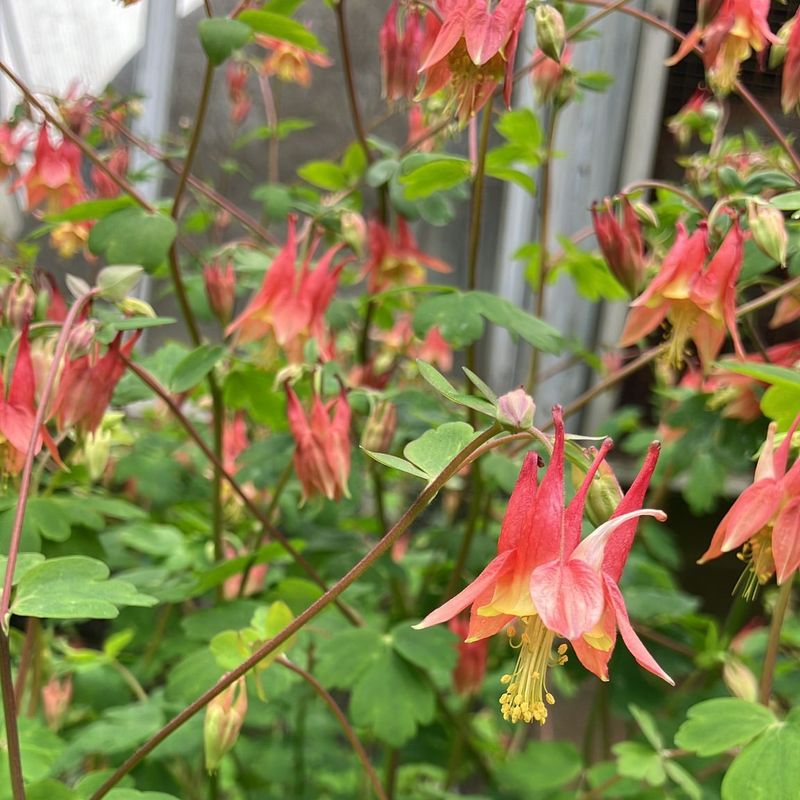
One of the earliest bloomers to greet Georgia spring gardens, Eastern Red Columbine brings a pop of nodding red and yellow flowers that bees find genuinely hard to resist.
The blooms have a distinctive tubular shape with long spurs, which works especially well for attracting native bees that are already active by early May in Georgia.
Gardeners who want a plant that earns its place without much fuss tend to appreciate what this native wildflower brings to a shaded or partly shaded spot.
Eastern Red Columbine is native to the eastern United States, which means it has already adapted to Georgia’s climate and soil conditions over a long period of time.
Your Georgia Garden Changes Every Week. Your Plan Should Too.
Gardening in Georgia changes quickly throughout the season. Every Friday you’ll receive a simple weekly plan showing exactly what to plant, prune, fertilize, harvest, and protect so you never miss the right timing.
It tends to settle in comfortably along woodland edges, shaded borders, or areas beneath taller plants where direct afternoon sun does not reach for long.
During May, the nodding flowers hang gracefully from slender stems, creating movement even on calm days.
For home gardeners in Georgia, planting Eastern Red Columbine near a path or garden border gives bees easy access while letting people enjoy the blooms up close. It pairs well with ferns or other shade-tolerant plants that fill in around it.
Watering during dry spells in spring helps young plants settle in and produce more blooms. Once established, it tends to hold its own without much extra attention from the gardener.
3. Beardtongue Brings Tubular Blooms To Native Gardens
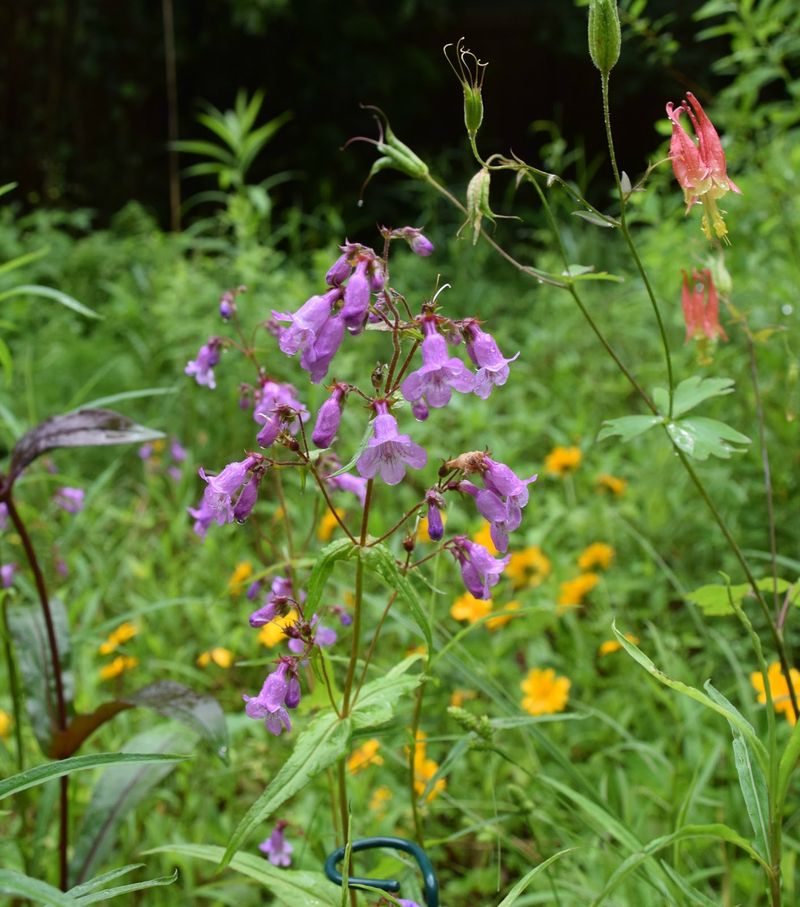
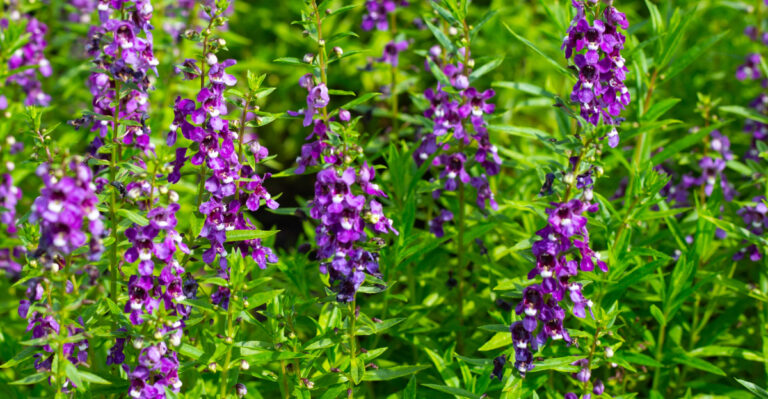
Tall spikes of tubular flowers make Beardtongue one of the more visually interesting native plants a Georgia gardener can add to a spring pollinator bed.
The blooms open along upright stems and come in shades of pink, white, and lavender depending on the variety, offering bees a steady source of nectar during May when pollinator activity is ramping up across the state.
Bees seem particularly drawn to the open-throated blossoms, which are shaped in a way that makes feeding easy.
Beardtongue, also known as Penstemon, includes several species native to Georgia and the southeastern United States.
Choosing a native species or a cultivar well-suited to the region gives gardeners the best chance of seeing strong bloom performance during late spring.
These plants tend to prefer well-drained soil and do especially well in sunny beds where they receive at least six hours of direct light each day.
In a Georgia landscape, Beardtongue works well along garden borders, in rain gardens, or as part of a mixed native planting.
It tends to stay upright without staking and does not require heavy watering once it has had a few weeks to settle in after planting.
Adding a layer of mulch around the base can help hold moisture during warm May days. Pairing it with other native bloomers creates a layered look that bees will visit frequently throughout the season.
4. Coreopsis Adds Cheerful Color For Visiting Bees
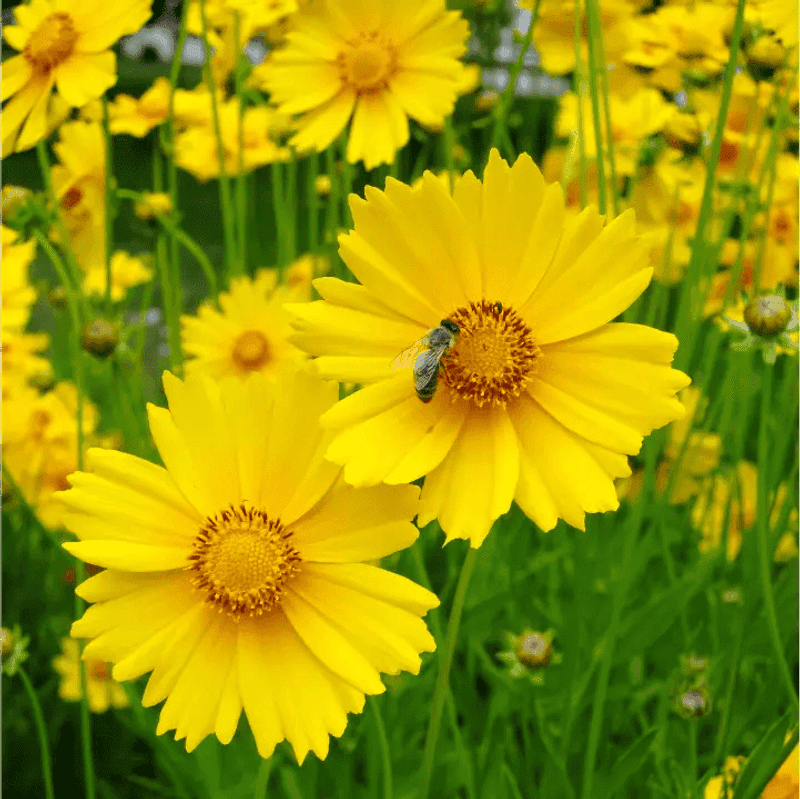
Few flowers bring as much cheerful energy to a Georgia garden as Coreopsis, with its sunny yellow daisy-like blooms that seem to glow in late spring sunlight.
Bees are drawn to the open, flat flower heads, which make landing and feeding straightforward compared to more complex bloom shapes.
May is one of the peak months for Coreopsis bloom activity in Georgia, and a well-placed cluster of these plants can attract steady bee traffic throughout the day.
Coreopsis is the official state wildflower of Florida but grows exceptionally well throughout Georgia, thriving in the warm, sunny conditions that late spring brings.
It tolerates a range of soil types, including sandy or clay-heavy soils that are common across different parts of the state.
Drought tolerance is one of its more practical traits, making it a reasonable choice for gardeners who do not want to commit to frequent watering schedules.
In a home garden, Coreopsis fits well in sunny borders, raised beds, or along pathways where its compact size does not overwhelm neighboring plants.
Planting in groups of three or more tends to create a stronger visual display and gives bees more blooms to visit at once.
Removing spent flowers encourages new buds to form, which can extend the bloom period well into summer.
For Georgia gardeners looking for a low-maintenance plant that still delivers strong pollinator appeal, Coreopsis is a reliable and colorful option.
5. Annual Salvia Adds Spikes Of Color For Pollinators
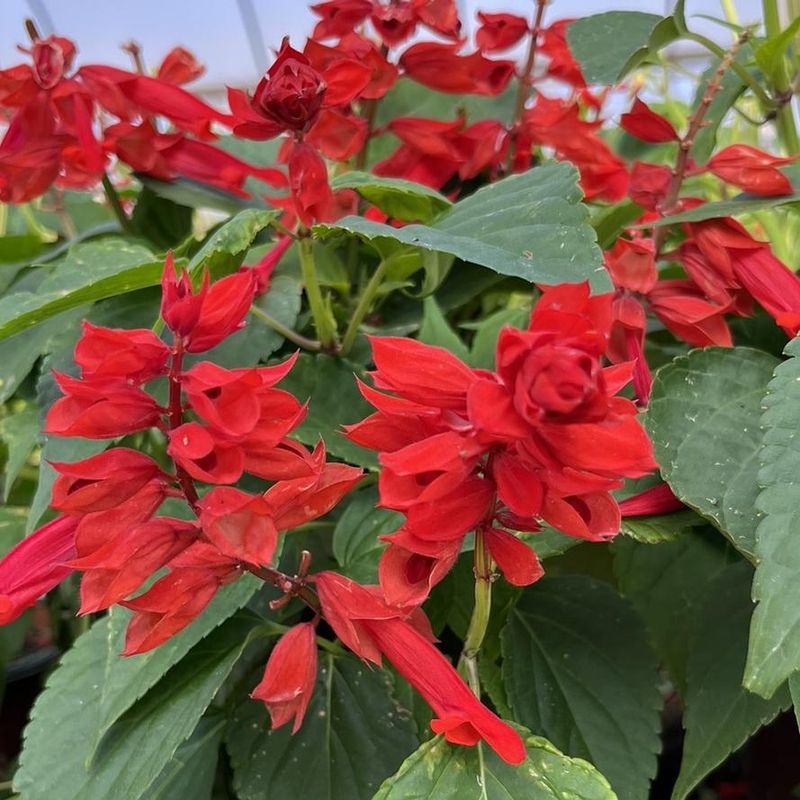
Spikes of red, purple, or coral blooms rising above tidy green foliage make Annual Salvia one of the more striking additions a Georgia gardener can make to a late-spring pollinator bed.
Bees tend to work these plants methodically, moving from one small tubular flower to the next along each bloom spike in a way that is satisfying to watch on a warm May afternoon.
The nectar-rich flowers give foraging bees a reliable food source during a season when they are especially active.
Annual Salvia, sometimes sold as Salvia splendens or related varieties, thrives in Georgia’s warm spring temperatures and handles the transition into summer heat reasonably well.
It prefers full sun but can manage in spots with light afternoon shade, especially during the hottest parts of the day.
Soil that drains well and receives regular moisture tends to support the strongest bloom performance from these plants.
For home gardeners in Georgia, Annual Salvia fits naturally into front borders, container arrangements, or mixed pollinator plantings where height and structure are useful.
It tends to stay upright without support and maintains a tidy appearance throughout the growing season with minimal pruning.
Pairing it with lower-growing plants like Coreopsis or Zinnias creates a layered effect that adds depth to a garden bed.
Planting transplants in May gives them enough time to settle in before summer temperatures climb, and consistent watering during the first few weeks supports strong root development.
6. Black Eyed Susan Supports Bees In Warm Weather
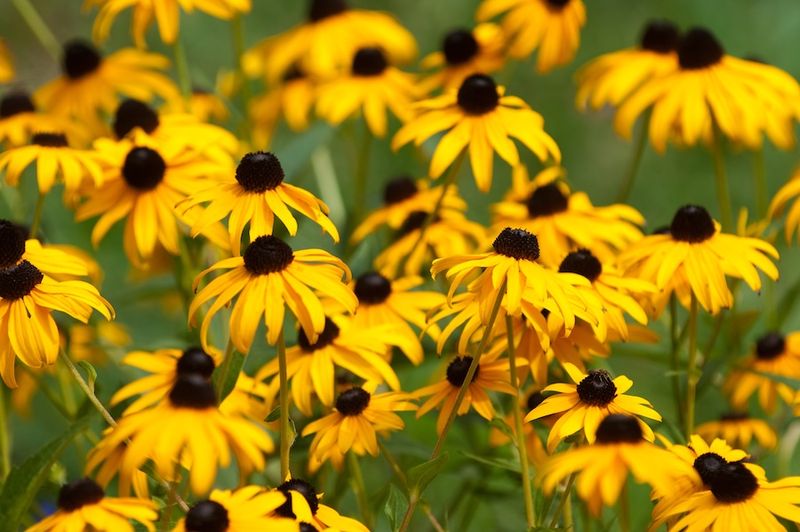
Golden yellow petals surrounding a rich dark center make Black Eyed Susan one of the most recognizable wildflowers in the eastern United States, and Georgia gardens are no exception when it comes to this cheerful bloomer.
By May, established plants are often already producing their first round of flowers, giving bees an early and reliable nectar source as the season heats up.
The open, daisy-like flower heads are easy for bees to land on and work efficiently.
Black Eyed Susan, known botanically as Rudbeckia hirta, is a native plant that grows across Georgia in a range of conditions, from open meadows and roadsides to backyard pollinator gardens.
It tolerates heat, humidity, and occasional dry spells better than many other flowering plants, which makes it a practical choice for Georgia gardeners who want something that can handle the state’s sometimes unpredictable late-spring weather.
It tends to do best in full sun with reasonably well-drained soil.
In a home landscape, Black Eyed Susan works well in naturalized areas, mixed borders, or as part of a dedicated pollinator planting alongside native grasses and other wildflowers.
Planting in clusters gives bees more blooms to visit and creates a stronger visual impact from a distance.
Watering young plants regularly through May helps them build strong root systems before summer arrives. Leaving seed heads in place at the end of the season also supports other wildlife and allows the plant to self-sow in future years.
7. Butterfly Weed Offers Nectar In Sunny Georgia Gardens
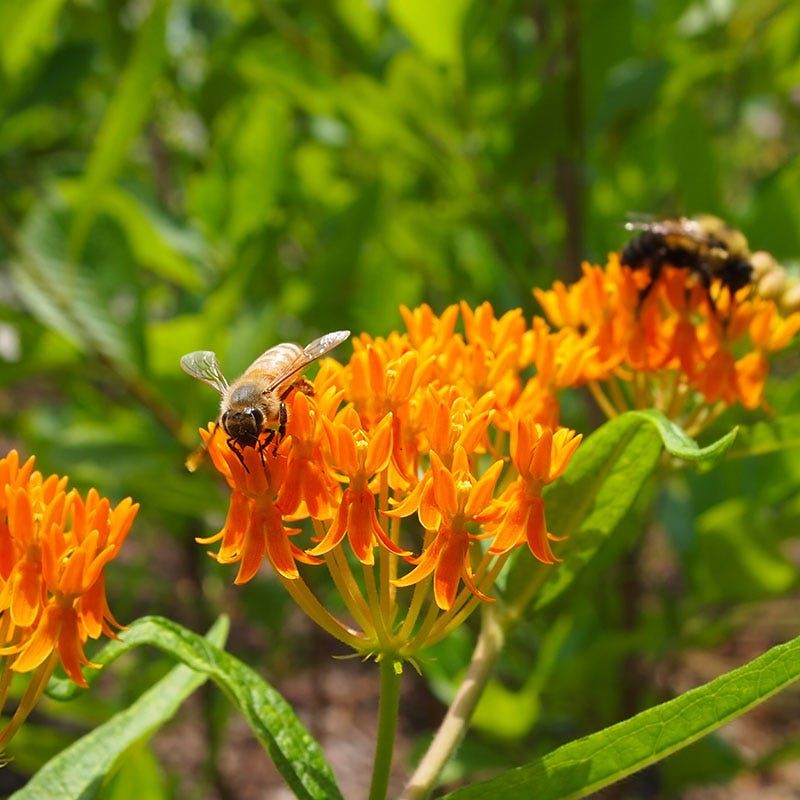
Clusters of vivid orange flowers perched atop sturdy stems make Butterfly Weed one of the most eye-catching native plants available to Georgia gardeners, and the bees that visit it in May seem to agree.
As a member of the milkweed family, Butterfly Weed produces nectar-rich blooms that attract a wide range of pollinators, including bumble bees, honey bees, and several native bee species that are active across Georgia during late spring.
The plant’s compact, upright form makes it easy to work into a variety of garden styles.
Butterfly Weed, known scientifically as Asclepias tuberosa, is a native perennial that thrives in well-drained, sandy, or rocky soils where other plants sometimes struggle.
It is well adapted to the dry, sunny spots that are common in Georgia yards, and it handles summer heat with ease once its deep taproot is established.
May is a good time to plant transplants, giving roots time to settle before the hottest months arrive.
For home gardeners in Georgia, Butterfly Weed fits well in rock gardens, sunny slopes, raised beds, or along the edges of a driveway or path where it can soak up full sun throughout the day.
It does not respond well to overwatering or heavy clay soils, so placement in a spot with good drainage is worth planning carefully.
Once established, it tends to return year after year with minimal care, making it a long-term investment in both garden color and pollinator support.