7 Popular Florida Plants You’re Probably Watering Too Much As September Arrives
The hose has been part of the daily routine all summer. Same amount, same schedule, same assumption that more water means a healthier yard.
September doesn’t work that way for a lot of what’s getting watered on autopilot right now.
Several popular Florida plants actually want less water as temperatures ease off. Not the same amount pushed through cooler soil that doesn’t dry out nearly as fast.
Keep watering on a summer schedule and roots sit in soil that stays wet too long, inviting rot and fungal problems that have nothing to do with drought. The plant doesn’t show stress right away either, which is exactly why the mistake repeats every year.
Cutting back at the right moment changes how these plants handle the rest of fall. Skipping that adjustment undoes weeks of good care without anyone noticing until it’s too late.
1. Let Beach Sunflower Dry Out Before Rust Takes Hold
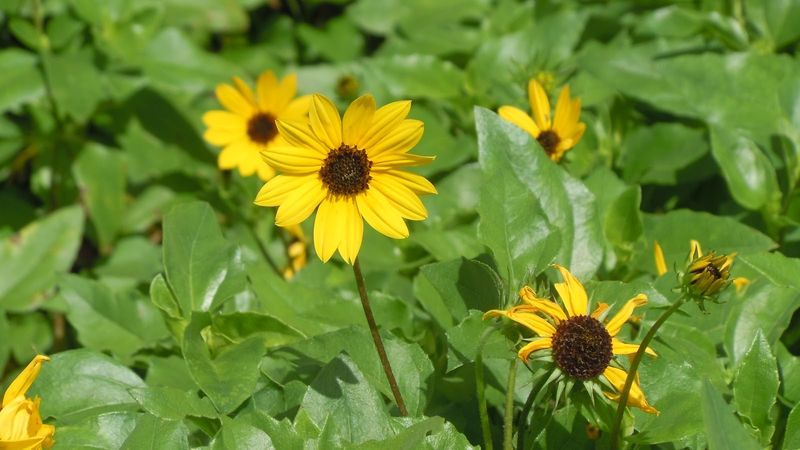
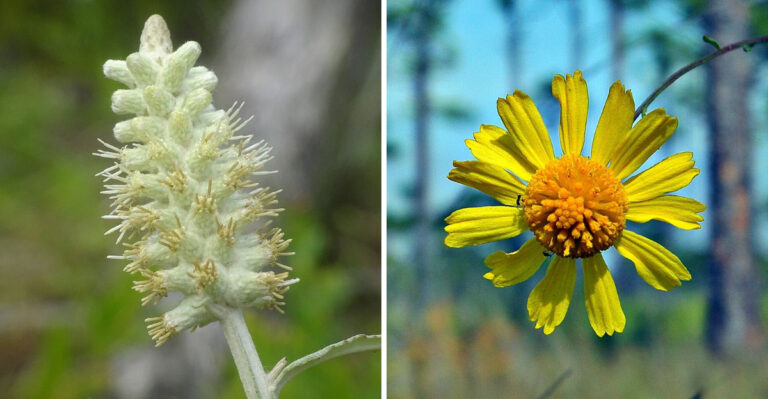
Few plants shrug off salt spray and blazing sun like beach sunflower. Toss it in sandy soil, walk away, and it rewards you with cheerful yellow daisies for months.
Trouble starts when gardeners treat it like a fussy bedding flower. Helianthus debilis is a Florida native that becomes quite drought-tolerant once established and generally needs little supplemental irrigation.
Extra moisture actually slows it down, and it opens the door to sunflower rust. Look for tiny cinnamon-brown pustules, mostly on the undersides of leaves.
Rust gets comfortable when foliage stays wet for long stretches and temperatures hover between 55 and 85 degrees. September mornings in Florida hit that range often, especially after a humid night.
When the disease spreads, leaves yellow, curl, wilt, and shrivel, leaving bare stems behind. Prevention is far easier than cleanup.
Check the soil two to three inches down with your finger before watering. If it feels cool and damp, skip the round entirely.
Water at the base rather than overhead, and do it early so any splashed leaves dry fast. Full sun and fast-draining sandy soil handle the rest.
A patch left slightly thirsty tends to look better than one babied with daily sprinklers. Beach sunflower proves that sometimes the kindest thing is restraint.
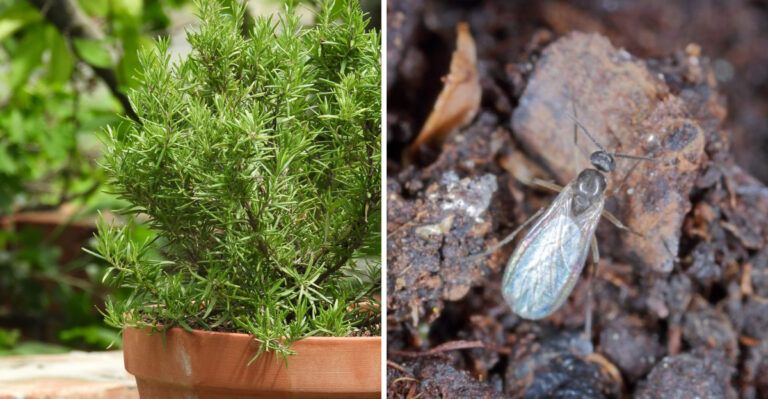
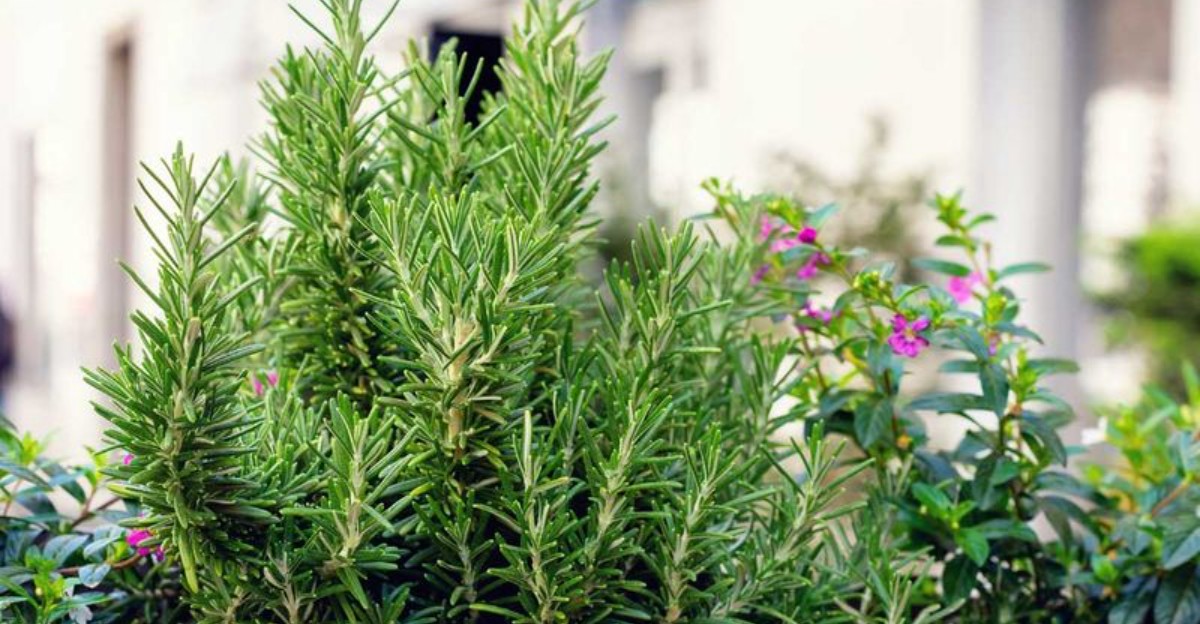
2. Keep Rosemary On The Dry Side As Summer Rains Linger
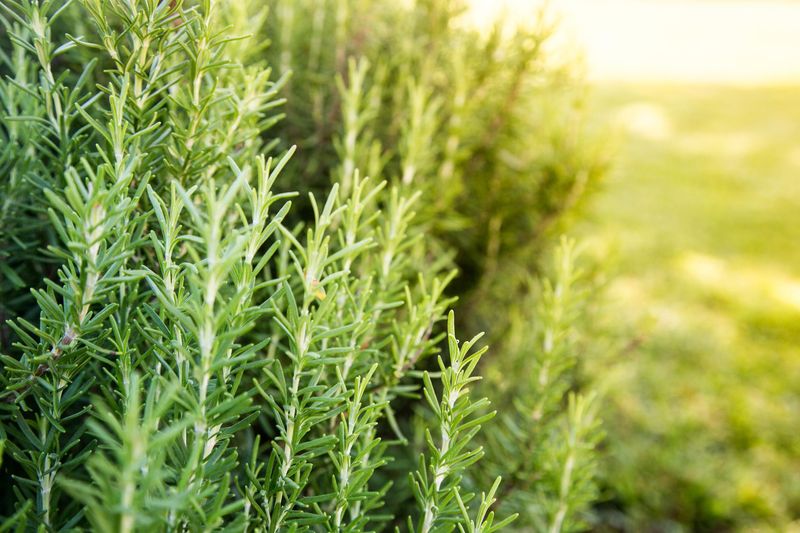
Rosemary comes from rocky Mediterranean hillsides where rain arrives on its own schedule. That heritage explains a lot about why Florida gardeners struggle with it.
The phrase old-timers use is wet feet, and rosemary has no patience for it. Roots sitting in soggy soil turn soft and stop working, and the plant slowly browns from the inside out.
Overwatering ranks as the number one complaint with this herb. In warmer parts of the state, lingering summer rains often supply every drop it needs through September.
Check the soil before watering, and let the upper portion of the soil dry before reaching for the hose.
For in-ground rosemary, checking every few days is plenty this time of year. Many established plants coast through the whole month on rainfall alone.
Your Florida Garden Changes Every Week. Your Plan Should Too.
Gardening in Florida changes quickly throughout the season. Every Friday you’ll receive a simple weekly plan showing exactly what to plant, prune, fertilize, harvest, and protect so you never miss the right timing.
Container rosemary dries faster, so it may want water once or twice a week during active growth. Even then, the dry-inch rule decides, not the calendar.
Mix grit or coarse sand into the planting area and raise beds slightly if drainage is poor. Skip heavy mulch right against the stems.
Here is a bonus: stems grown a little lean tend to carry stronger fragrance and flavor. Your roast potatoes will notice the difference.
3. Back Off The Hose To Keep Bougainvillea Blooming
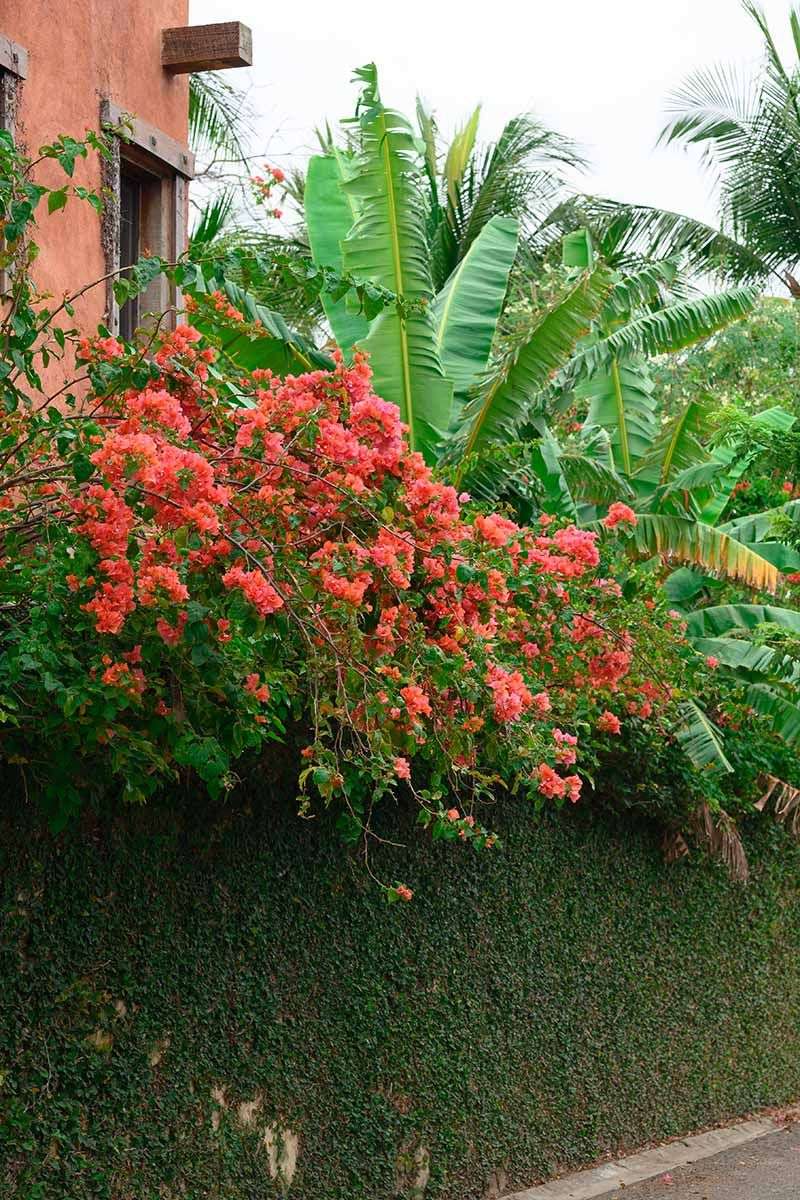
Everybody wants the bougainvillea from the postcards, that wall of hot magenta paper flowers. Then they water it faithfully and end up with a big leafy green hedge instead.
Mild thirst is the trigger. Bougainvillea blooms hardest when the soil dries between drinks, which is why Southwest Florida sees the wildest displays from November through May.
Generous irrigation tells the plant to build foliage rather than bracts. Constant dampness also invites root rot, the kind of problem you notice only after the damage is done.
For established vines, let the soil dry between deep waterings rather than following a fixed calendar. Make each session deep so moisture reaches lower roots.
Let the top few inches dry out fully before the next round. A wooden dowel pushed into the soil tells you more than any timer.
Aim water at the base, not the canopy. Wet leaves and bracts encourage fungal spotting, and nobody wants speckled flowers.
September is the month to shorten your schedule so the plant enters fall slightly lean and ready to set buds. Pair that with full sun and a light hand on nitrogen fertilizer.
Treat bougainvillea a bit tough and it responds like a diva who finally got the spotlight. The color payoff is worth the patience.
4. Stop Treating Established Coontie Like A Thirsty Tropical
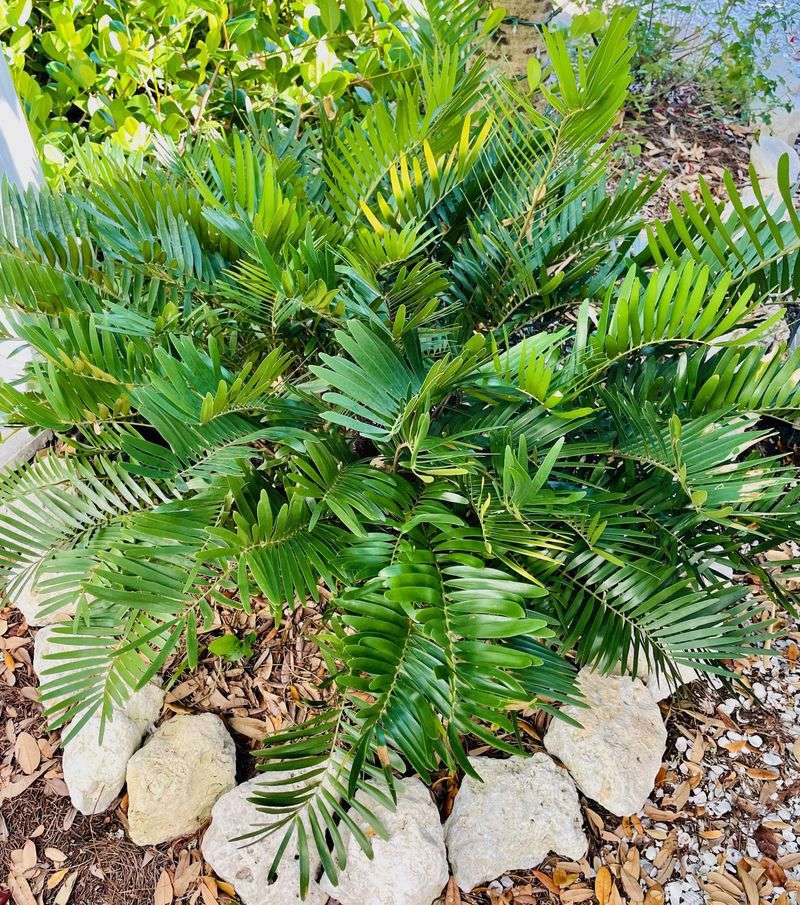
Coontie looks like a small palm crossed with a fern, so people assume it craves tropical rainfall. Its actual history says otherwise.
Zamia integrifolia is a Florida native cycad with an underground stem built like a canteen. That swollen storage organ holds water through long dry spells.
Once established, coontie asks for surprisingly little. Watering on a strict weekly schedule is the mistake that gets most homeowners in trouble.
Soil checks beat calendars every time. Slide a finger one to two inches into the ground, and water only when that layer feels dry.
In practice, that often lands around every 10 to 14 days. Sandy, fast-draining soil makes the timing forgiving.
Roots kept steadily soggy can rot, and a rotting coontie declines quietly before anything shows above ground. Letting the soil dry well between drinks protects the whole plant.
As September cools slightly and growth slows, stretch the gaps even further. Skipping a scheduled watering after a rainy night costs you nothing.
Fun bit of history: early Floridians processed coontie roots into a starch called arrowroot flour, and the plant is also the only host for the rare atala butterfly caterpillar.
Plant it, mulch it lightly, and let it be. Few landscape plants reward neglect this handsomely.
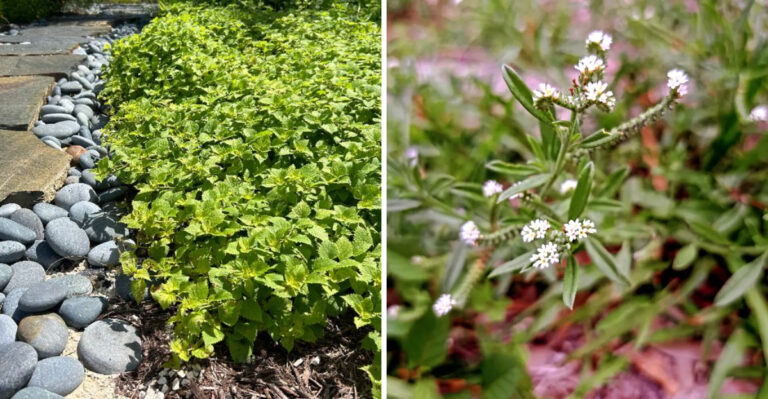
5. Let Beautyberry Coast Longer Between Waterings
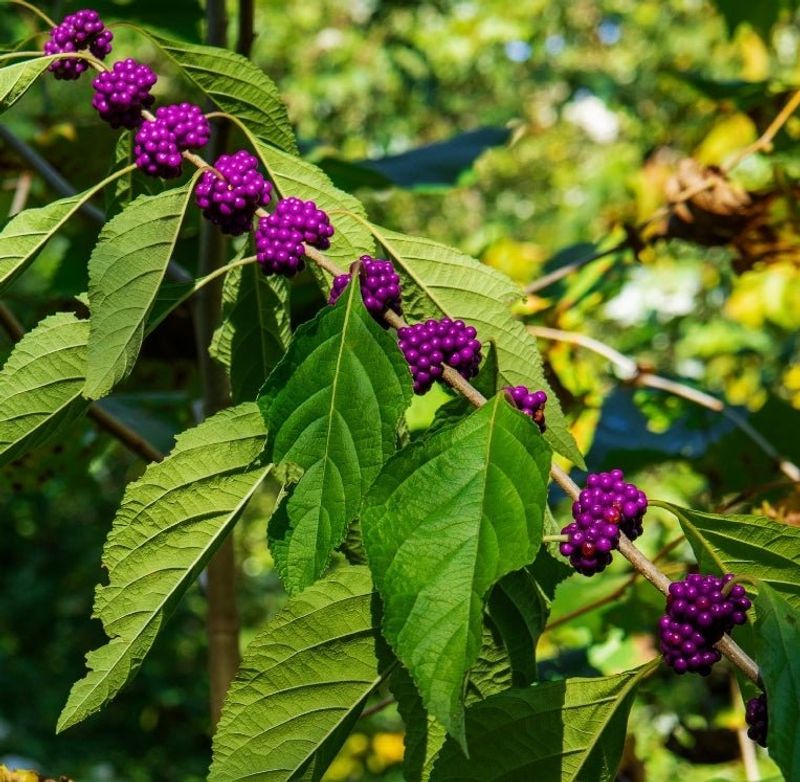
Those clusters of electric purple berries hugging the stems are pure Southern autumn. American beautyberry puts on that show with almost no help from you.
Callicarpa americana grows wild through the Southeastern woods, which tells you plenty about its needs. Once roots settle in, it handles dry stretches without complaint.
The first growing season is the exception. New plants benefit from regular water while they establish, and that early attention pays off for years.
After that, supplemental irrigation belongs in the toolbox for extended droughts only. Beautyberry prefers moist soil but tolerates dry ground comfortably when mature.
During a genuine dry spell, give the shrub a slow, thorough soak and check the soil again before watering. Many shrubs sail along on considerably less.
September rains often cover the whole month, so check before you water. Dig down a few inches near the drip line and feel for dampness.
Consistently wet feet lead to weak roots and leaf problems, especially in heavier soils. Spacing drinks further apart encourages deeper root growth instead.
Birds, including mockingbirds and cardinals, strip the berries through fall, so think of the shrub as a free wildlife buffet. Some folks even simmer the fruit into jelly.
Low fuss, high drama. Beautyberry earns its spot in any Florida yard.
6. Trust Muhly Grass To Handle More Than Its Delicate Look Suggests
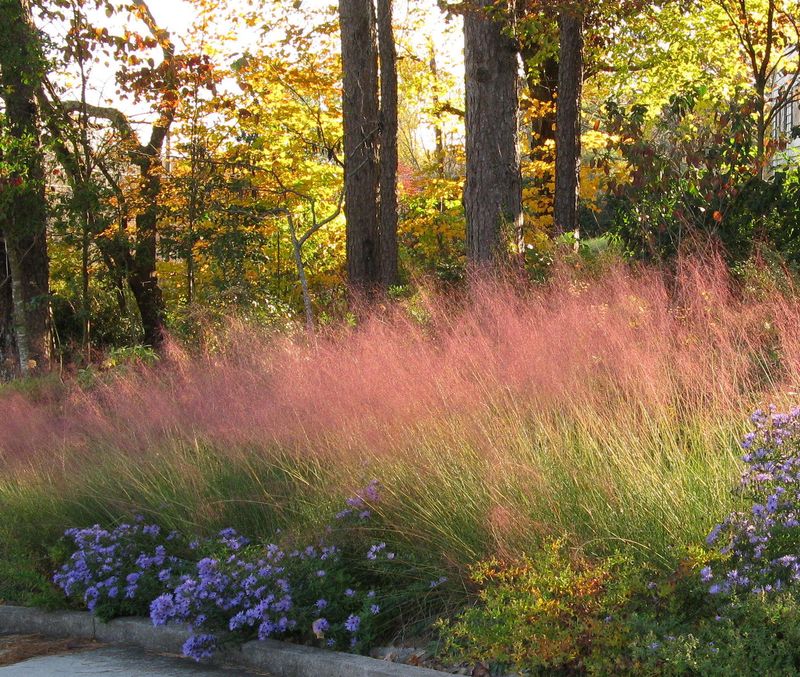
Pink muhly grass looks like cotton candy caught in a breeze. That airy softness fools people into coddling it.
Muhlenbergia capillaris is a Florida native that prefers dry to moderately dry ground. Soggy soil is the one thing it genuinely resents.
Newly planted clumps do need consistent water for the first two to three months. Consider that the tuition payment for years of easy care.
After establishment, natural rainfall usually handles everything. Water only if the soil is dry down to about two inches.
The rule worth remembering: let the soil dry out between waterings rather than keeping it evenly moist. Deep, occasional drinks build the tough root system this grass is known for.
Full sun and quick-draining soil bring out the best color. In shade or wet beds, plumes come in sparse and stems flop.
By early fall, muhly grass is heading toward its famous rosy display, which typically develops later in the season. Easing off the irrigation now helps rather than hurts.
Resist the urge to cut it back this month. Save the trim for late winter, before new growth pushes.
A roadside planting nobody waters is often the prettiest muhly in town. Take the hint from those unattended medians and give yours a little healthy independence.
7. Let Aloe Vera Dry Before Giving It Another Drink
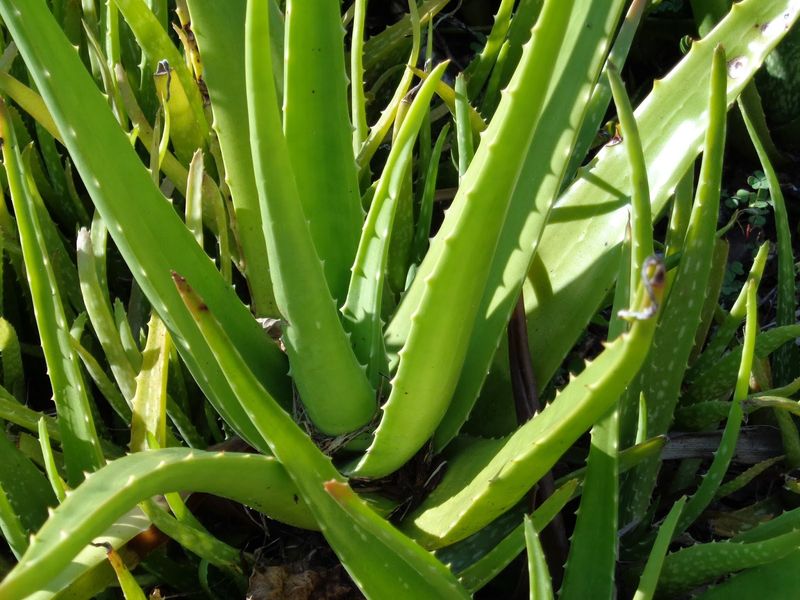
Aloe vera stores its own water supply right in those fat, juicy leaves. Every plump leaf is basically a built-in reservoir.
Given that design, frequent watering does more harm than good. Mushy foliage and dark spots usually point straight to root rot from excess moisture.
The touch test settles the question. Water only when the top inch of soil feels dry against your fingertip.
When you do water, soak the soil thoroughly and let the excess drain away. Leaving the pot sitting in a saucer of water invites trouble.
Established aloe in active spring and summer growth often wants water just every two to three weeks. Come winter dormancy, roughly once a month can be enough.
Outdoor aloe baking in full summer heat may need drinks twice weekly, but the soil check still decides. September is when that demand starts easing off, so stretch the gaps.
Potting mix matters as much as schedule. A sandy, gritty blend in a container with real drainage holes prevents most problems before they begin.
Healthy leaves stand firm and feel taut. Soft, translucent, or yellowing leaves are asking you to put the watering can down.
Treat aloe like the desert dweller it is, and you will have soothing gel on hand whenever a sunburn shows up.