Mistakes Every New Pennsylvania Gardener Makes That Cause Big Problems
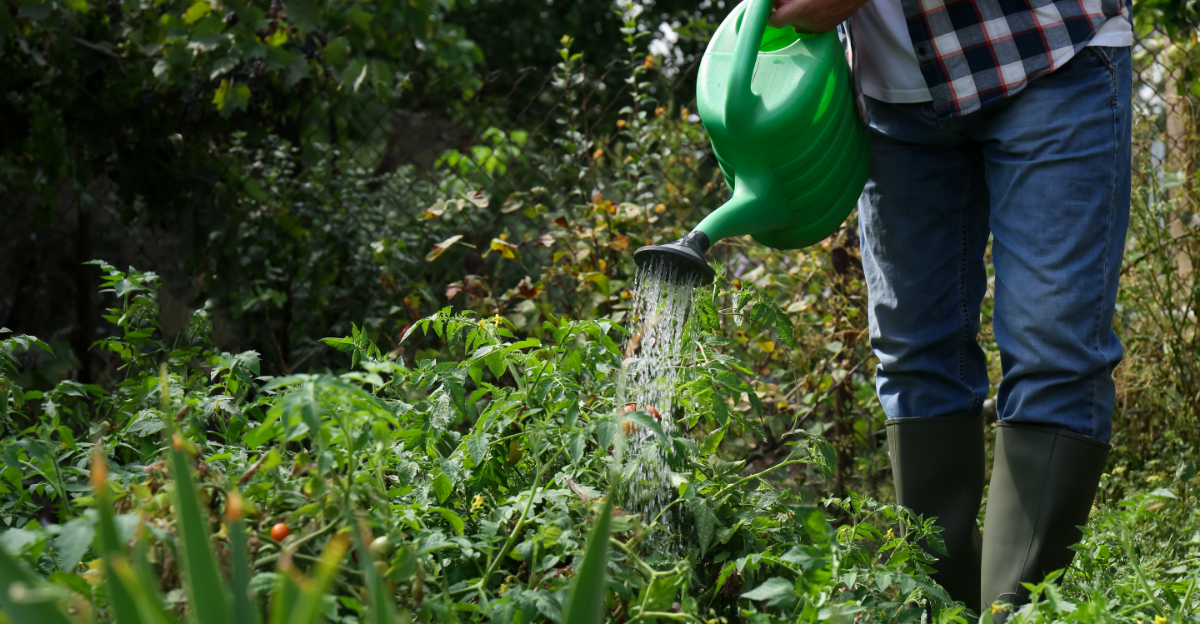
Most gardening mistakes do not start with carelessness. They start with enthusiasm.
The weather softens, the garden center looks irresistible, and suddenly you are loading up the cart like you have been waiting all winter for this exact moment.
That excitement gets plenty of new Pennsylvania gardeners into trouble. It is easy to plant too soon, water too much, crowd things together, or assume a warm stretch means the season has fully settled down.
Spring can be generous here, but it can also be sneaky.
The trouble is that early mistakes rarely announce themselves right away. They build quietly, then show up later as weak growth, pest issues, poor flowering, or plants that never seem to hit their stride.
What feels harmless in the moment can shape the whole season, and some of the biggest setbacks begin with habits that seem completely reasonable at first.
1. Skipping A Soil Test
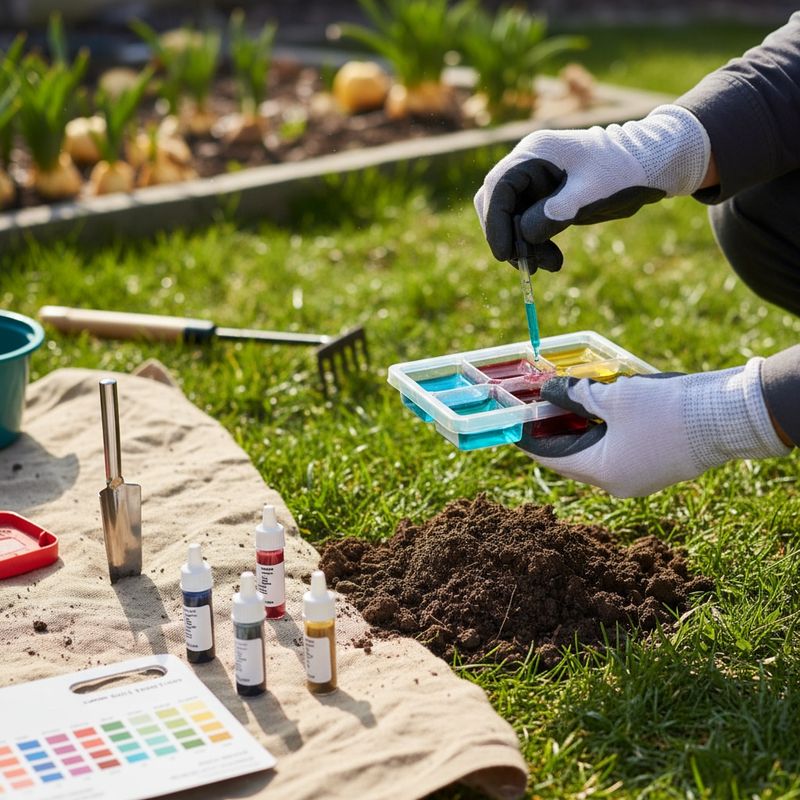
Healthy gardens start from the ground up, and skipping a soil test is one of the fastest ways to set yourself up for disappointment right from the beginning. Pennsylvania soils vary widely across the state.
Some areas have naturally acidic soil, while others lean more alkaline, and that difference matters more than most new gardeners realize.
Without knowing your soil’s pH and nutrient levels, you are essentially gardening blind. You might add fertilizers your soil does not need or miss critical deficiencies that are quietly starving your plants.
A basic soil test costs very little and is available through Penn State Extension, making it one of the smartest investments a new Pennsylvania gardener can make.
Once you get your results, you will know exactly what amendments to add, whether that is lime to raise pH or sulfur to lower it. Organic matter like compost is often a helpful addition for Pennsylvania gardens, but the best amendment depends on your soil test results and site conditions.
Testing your soil every two to three years keeps you informed and helps you adjust your approach as the garden matures. Gardeners who skip this step often spend years wondering why their plants look stressed.
Do not guess when a simple test can give you a clear, actionable roadmap to better results in your Pennsylvania yard.
2. Putting Plants In The Wrong Light Or Site
Picture a beautiful tomato plant stuck in a shady corner of a Pennsylvania backyard, producing barely anything all summer long. That is exactly what happens when gardeners choose planting spots based on convenience rather than the actual needs of their plants.
Site selection is one of the most critical decisions you will make, and getting it wrong affects everything else.
Most vegetables and many flowering plants need at least six full hours of direct sunlight each day to grow and produce well. Shaded spots might look like nice, quiet places for a garden bed, but they often lead to weak, leggy growth and poor yields.
Before you plant anything, observe how sunlight moves across your yard throughout the day and note which areas receive the most consistent light.
Your Pennsylvania Garden Changes Every Week. Your Plan Should Too.
Gardening in Pennsylvania changes quickly throughout the season. Every Friday you’ll receive a simple weekly plan showing exactly what to plant, prune, fertilize, harvest, and protect so you never miss the right timing.
Beyond sunlight, soil drainage also plays a huge role in site selection. Pennsylvania experiences significant rainfall throughout the growing season, and low-lying areas that collect water can suffocate roots and encourage fungal problems.
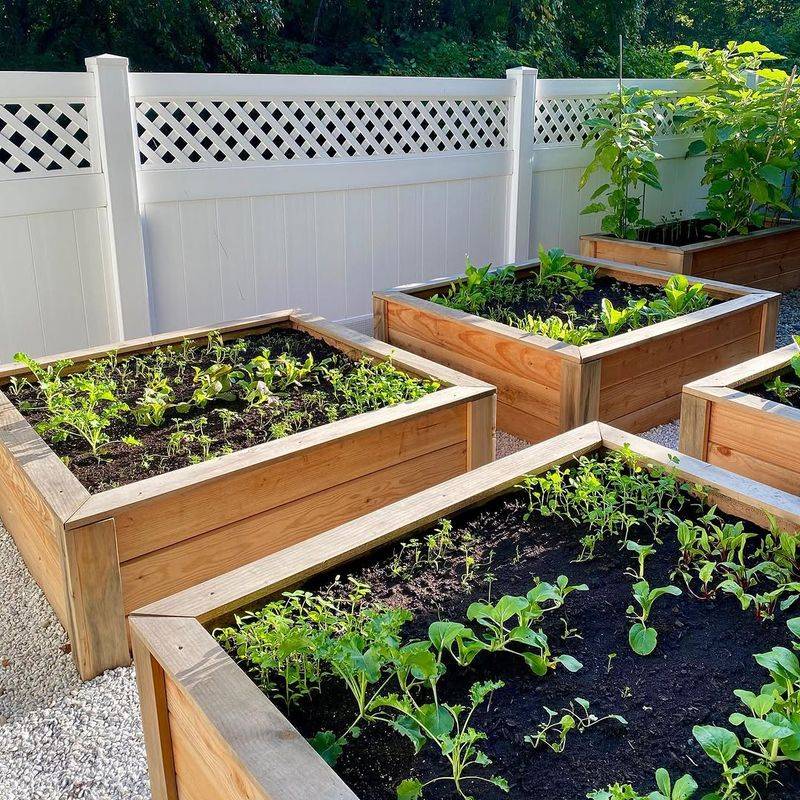
Raised beds are a fantastic solution for areas with poor drainage. Also consider wind exposure, proximity to trees with invasive roots, and how close you are to structures that cast shade.
Taking the time to evaluate your site before planting gives your Pennsylvania garden the best possible chance of producing healthy, abundant results from spring through fall.
3. Planting Incorrectly From The Start
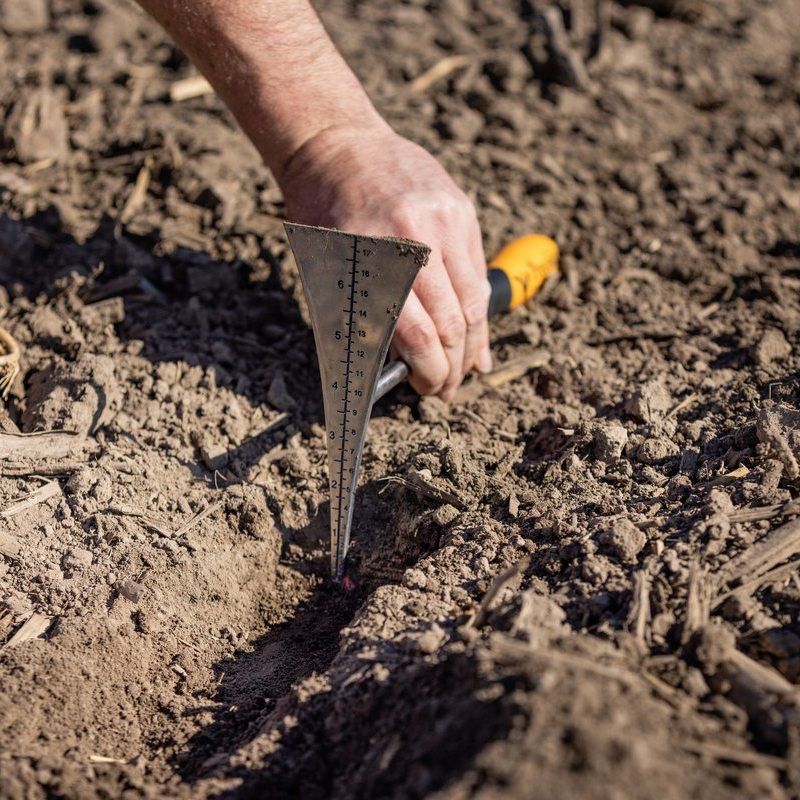
You found the perfect plant, bought it from a local nursery, and then buried it way too deep or set it in at an awkward angle. Sound familiar?
Incorrect planting technique is surprisingly common among new Pennsylvania gardeners, and the damage it causes can linger for the entire growing season or longer.
Planting too deep is one of the most frequent errors. When the crown of a plant, the point where roots meet stem, gets buried under too much soil, it can lead to rot, poor establishment, and stunted growth.
On the flip side, planting too shallow leaves roots exposed to temperature swings, which are common in Pennsylvania’s variable spring weather. The right depth matters, and it varies by plant type, so always check the tag or do a quick search before you dig.
Spacing is another planting mistake that creates big headaches down the road. Crowding plants together might look fine at first, but as they grow, poor air circulation sets in and disease spreads quickly.
Roots also compete for water and nutrients, weakening every plant in the cluster. Timing matters too.
Pennsylvania’s last frost date varies by region, so planting warm-season crops before the soil warms up consistently above 60 degrees Fahrenheit can stall growth significantly. Take your time during planting and give each plant the proper start it deserves.
4. Piling Mulch Too Deep
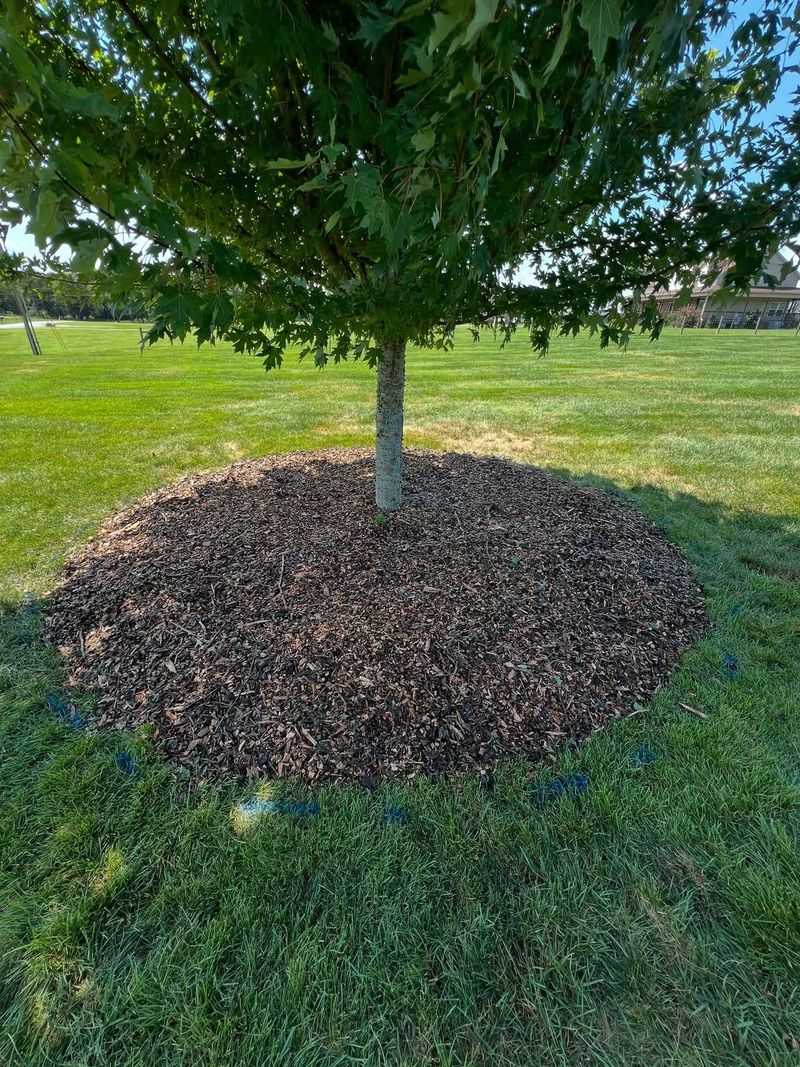
Mulch is one of the best tools a Pennsylvania gardener has, helping to retain moisture, regulate soil temperature, and suppress weeds all at once. But there is a point where a helpful layer of mulch becomes a suffocating problem, and many new gardeners cross that line without even realizing it.
Applying mulch more than three inches deep can block air and water from reaching the soil and root zone. Roots need oxygen just as much as they need water, and when mulch piles up too thick, it creates a dense barrier that restricts both.
Overly deep mulch can also stay wet for long periods, encouraging fungal growth and creating a habitat for insects that can harm your plants.
The sweet spot for most Pennsylvania gardens is a two to three inch layer of organic mulch like shredded hardwood, bark chips, or straw. This amount is enough to do all the good things mulch is supposed to do without creating new problems.
When you are refreshing mulch each season, rake back the old layer first to check how much is already there before adding more. New gardeners often keep adding fresh mulch on top of old mulch year after year without checking the depth.
A quick check before each application keeps your garden beds healthy and functioning the way they should throughout the entire growing season.
5. Letting Mulch Touch Trunks Or Stems
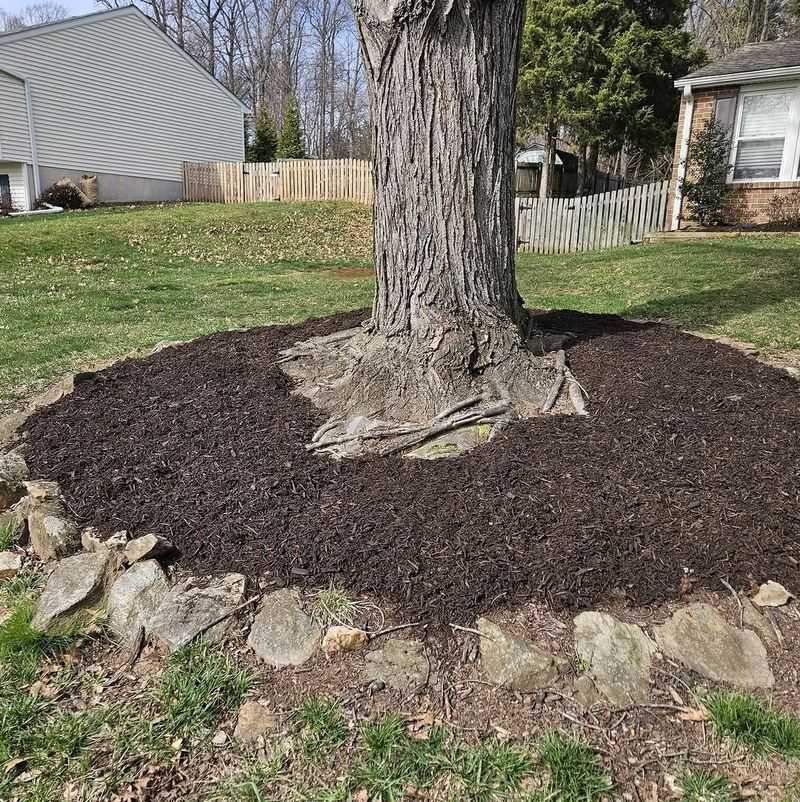
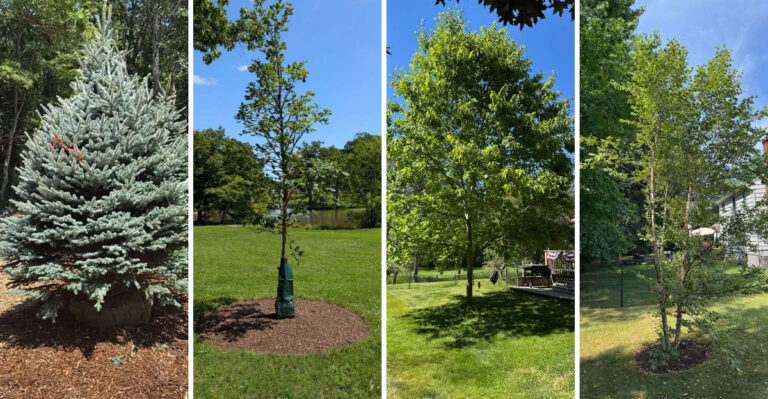
Walk through almost any neighborhood in Pennsylvania and you will spot what landscapers call a mulch volcano, a big mound of mulch piled right up against the trunk of a tree or the stem of a shrub. It looks tidy, but it is actually one of the most damaging things you can do to a woody plant over time.
When mulch stays in constant contact with bark or stems, it traps moisture against tissue that needs to stay dry. Over time, this causes the bark to break down, making the plant vulnerable to rot, fungal infections, and pest activity.
Insects love the warm, moist environment that mulch volcanoes create, and they will often set up camp right where the mulch meets the trunk, causing unseen damage below the surface.
Keeping mulch pulled back two to three inches from trunks and stems is a simple habit that protects your plants for the long haul. Think of it like leaving breathing room around the base of each plant.
Spread mulch outward in a flat, even layer rather than mounding it upward. For trees, extend the mulch ring out to the drip line if possible, which also helps protect surface roots from lawn mower damage.
Pennsylvania gardeners who learn this early avoid years of slow decline in their trees and shrubs, keeping their landscapes looking strong and vibrant season after season.
6. Overwatering Or Watering Poorly Drained Soil Too Often
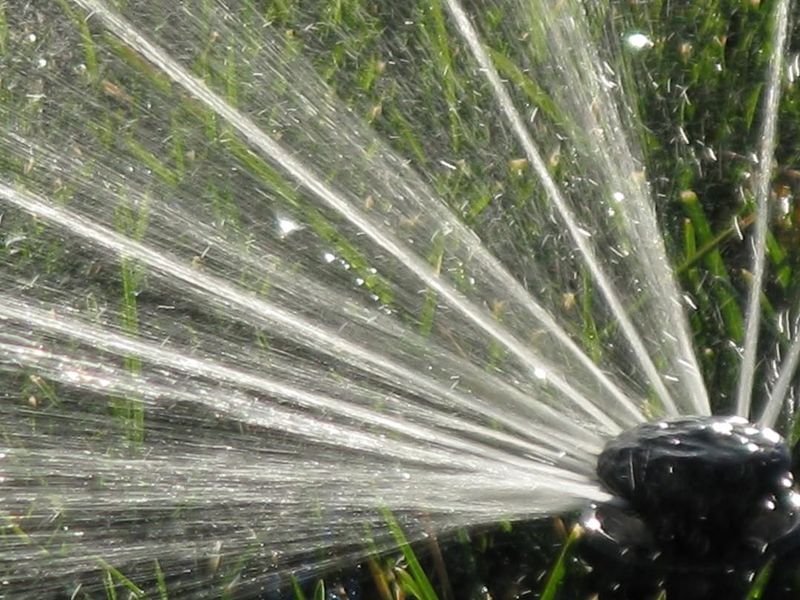
More plants struggle from too much water than from too little, and that might surprise gardeners who think they are doing their plants a favor by watering often. Pennsylvania already receives a good amount of rainfall throughout the growing season, so adding extra water on top of what nature provides can quickly push roots into a soggy, oxygen-starved environment.
Roots need both water and air to function properly. When soil stays waterlogged for extended periods, air pockets in the soil collapse and roots begin to suffer.
Yellowing leaves, wilting despite wet soil, and a sour smell coming from the ground are all signs that overwatering may be the culprit. New gardeners often see a wilting plant and immediately reach for the hose, when in reality, the problem is already too much moisture.
Before watering, push your finger two inches into the soil. If it still feels moist at that depth, hold off and check again the next day.
Gardeners dealing with poorly draining clay soils, which are common in many parts of Pennsylvania, should be especially cautious. Amending clay soil with compost and coarse organic matter improves drainage over time.
Raised beds are another excellent option for areas where water tends to pool. Matching your watering habits to your soil type and actual plant needs makes a significant difference in the overall health and productivity of your Pennsylvania garden.
7. Overfertilizing
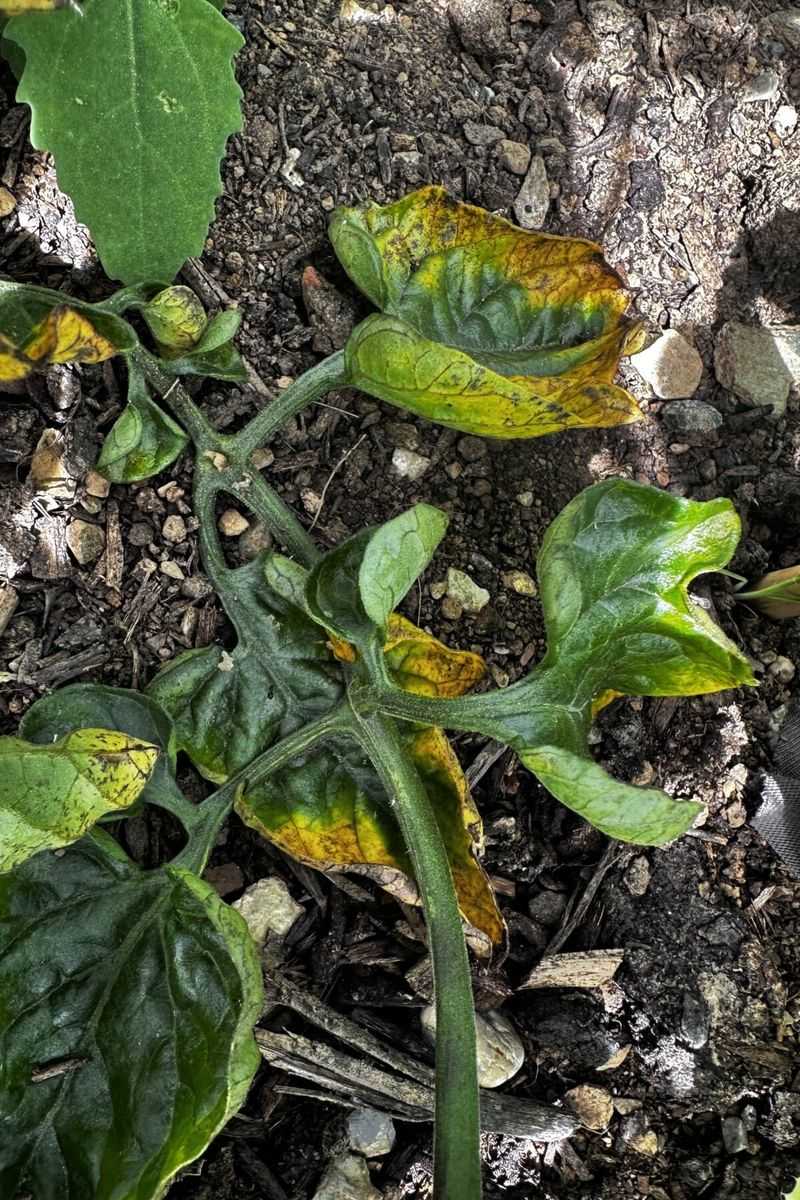
More fertilizer does not mean more growth, and learning that lesson the hard way can mean watching your carefully tended Pennsylvania garden struggle through a season of burned, stressed plants. Overfertilizing is a surprisingly common mistake, especially among new gardeners who assume that feeding plants more often will speed things along.
Too much nitrogen, which is one of the main nutrients in most fertilizers, pushes plants to produce lots of leafy green growth at the expense of flowers and fruit. Excess fertilizer salts can also burn roots and leaf edges, leaving plants looking worse than before any fertilizer was applied.
Runoff from over-fertilized gardens can also affect local waterways, which is a real concern for environmentally conscious Pennsylvania gardeners.
Starting with a soil test takes the guesswork out of fertilizing entirely. Once you know what your soil actually needs, you can apply only what is missing rather than dumping in a broad-spectrum fertilizer and hoping for the best.
Organic fertilizers are a great choice for beginners because they release nutrients slowly and are much harder to overdo. Always read the label carefully and apply at the recommended rate, resisting the urge to add a little extra for good measure.
Consistent, measured feeding tailored to your specific plants and soil conditions produces far better results than heavy, frequent applications ever will in a Pennsylvania garden.
8. Ignoring Early Pest Or Disease Signs
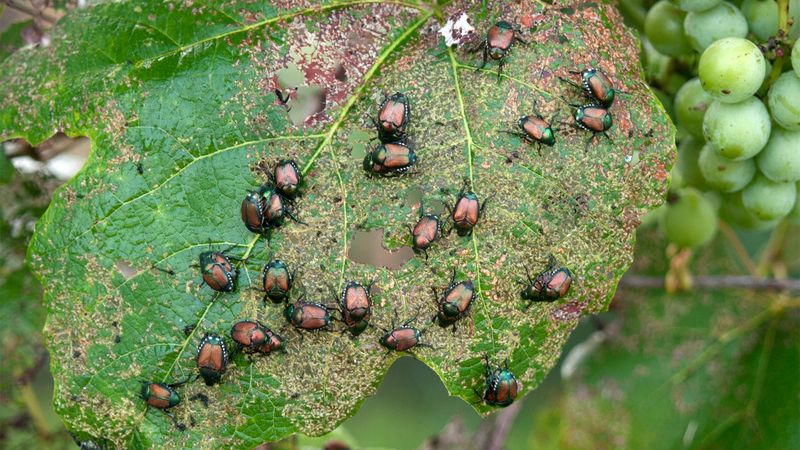
Catching a problem early is always easier than dealing with a full-blown outbreak, yet many new Pennsylvania gardeners walk past early warning signs without giving them a second thought. A few spots on a leaf, a small cluster of insects on a stem, or slightly distorted new growth might seem minor, but these are often the first signals that something bigger is developing.
Pennsylvania’s warm, humid summers create ideal conditions for fungal diseases like powdery mildew, blight, and black spot. Common pests like aphids, Japanese beetles, and squash vine borers can also move through a garden quickly if left unchecked.
The longer you wait to address an issue, the more it spreads, making treatment harder and outcomes less predictable. Getting into the habit of walking through your garden a few times each week and really looking at your plants changes everything.
Flip leaves over to check for egg clusters, look at the soil surface for unusual activity, and note any changes in color, texture, or plant posture. When you spot something suspicious, identify it before reaching for any treatment.
Penn State Extension offers excellent resources for diagnosing common Pennsylvania garden pests and diseases. Many issues can be handled with simple interventions like hand-picking insects, improving air circulation, or adjusting watering habits.
Early action keeps small problems from turning into garden-wide setbacks that take weeks or months to recover from.
9. Leaving Diseased Or Pest-Harboring Debris In The Garden
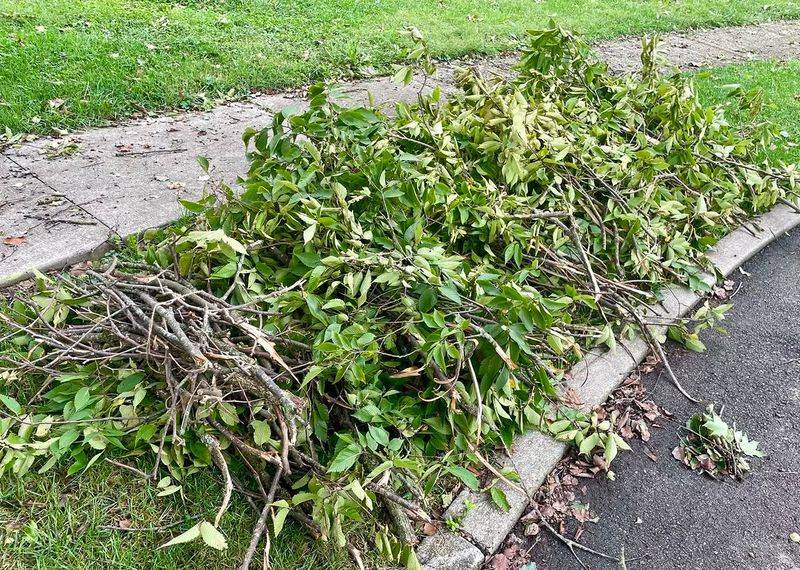
At the end of a long growing season, the last thing most gardeners want to do is spend extra time cleaning up the garden. But leaving diseased plant debris, spent stems, and fallen leaves piled up in your Pennsylvania garden beds is essentially rolling out a welcome mat for problems to return next year.
Fungal spores, pest eggs, and bacteria can overwinter in plant debris and soil surface litter. When spring arrives and temperatures warm back up, those problems wake up right where your new plants will be growing.
Tomato plants that struggled with blight, squash leaves covered in mildew, or rose canes with black spot should be removed from the garden, and in most home gardens it is safer not to add that diseased material to a backyard compost pile. Bag them and dispose of them separately to break the cycle.
Good end-of-season cleanup is one of the most effective and completely free preventive measures a Pennsylvania gardener can take. Remove spent vegetable plants, cut back perennials that showed signs of disease, rake up fallen fruit, and clear out any debris where insects could be hiding.
Healthy plant material can absolutely go into the compost pile and will return valuable nutrients to your soil over time. Building a consistent fall cleanup routine each year dramatically reduces the number of pest and disease problems you face in the following growing season, making spring planting in Pennsylvania feel like a fresh, hopeful start.