8 Popular Perennials That Cause Trouble In Texas Gardens And What To Grow Instead
Texas gardens are full of colorful perennials that promise easy blooms year after year, but not all of them live up to the hype. Some popular varieties can quickly take over, struggle in heat, or attract pests that turn your garden into more work than pleasure.
For gardeners who want beauty without constant frustration, knowing which perennials cause trouble is key.
Plants like certain non-native species may spread aggressively, outcompete other flowers, or fail to thrive in Texas heat and dry conditions. Even attractive blooms can become a headache if they require constant attention or special care.
The good news is there are plenty of alternatives that handle Texas conditions much better. Native and heat-tolerant perennials provide color, texture, and structure without overwhelming your garden.
By choosing the right plants, you can enjoy vibrant blooms, support local wildlife, and create a low-maintenance garden that thrives season after season.
1. Lavender
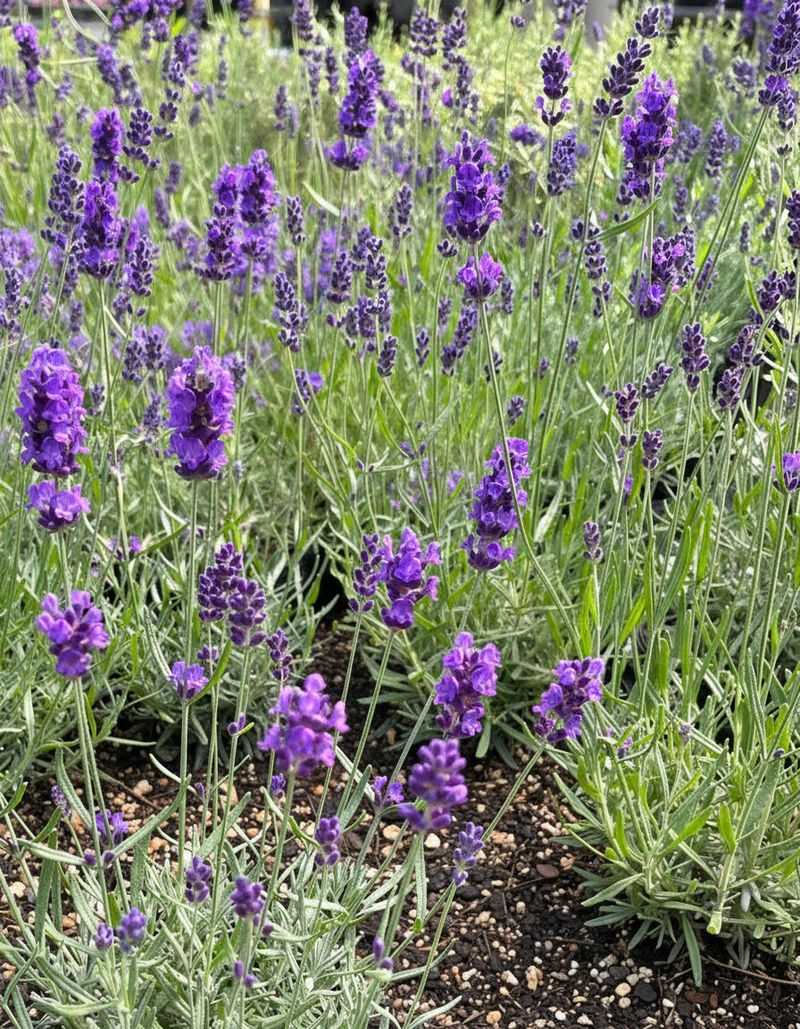
Walk into almost any garden center in Texas and you will spot lavender on the shelves. It looks beautiful, it smells amazing, and it seems like a must-have. But English lavender and Texas are not a great match.
Lavandula angustifolia prefers dry, well-drained soil and cool nights. Texas, especially East and Central Texas, offers the opposite: heavy clay soil, muggy summers, and very little relief from the heat. The roots sit in moisture too long and the plant begins to rot before you know it.
Humidity is also a real problem. Lavender is prone to fungal issues when air stays warm and wet for extended periods, which is basically a Texas summer in a nutshell. Many gardeners try mulching or raised beds to help, but results are often disappointing.
A much smarter swap is Texas Sage, also known as Leucophyllum frutescens. This native shrub was practically made for Texas conditions.
It handles full sun, poor soil, and long dry spells without missing a beat. The silver-green foliage looks stunning year-round, and after a good rain, it bursts into gorgeous purple blooms almost overnight.
Texas Sage is low maintenance, deer resistant, and thrives in the very conditions that send lavender into decline. If you want that purple pop in your garden without the headaches, Texas Sage is your answer.
2. Delphinium
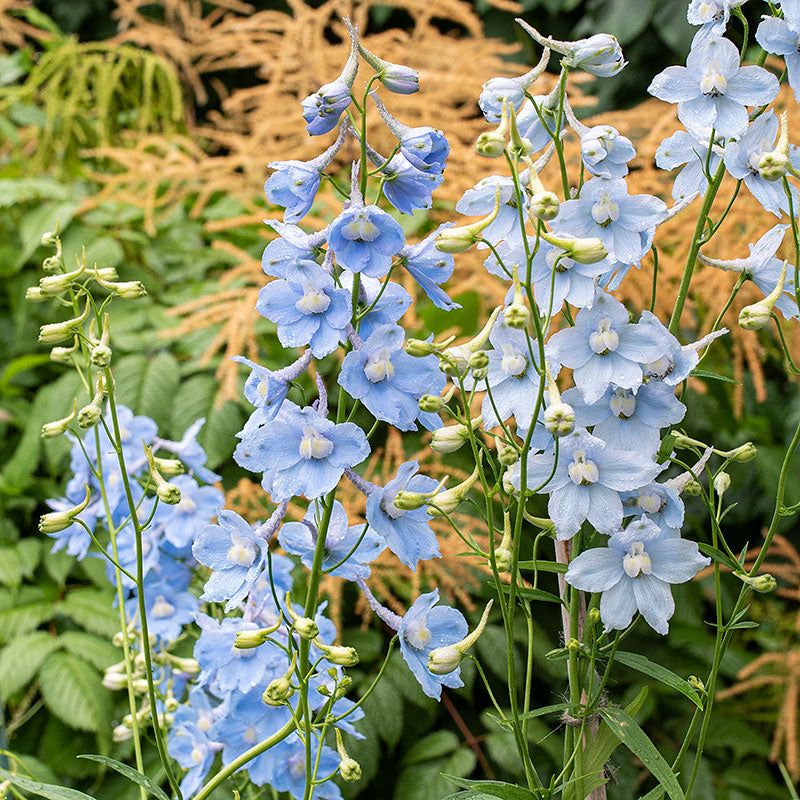
Delphiniums are the showstoppers of cottage gardens up north, with tall spires of blue, purple, and white blooms that look straight out of a fairy tale. Many Texas gardeners see them in magazines and want that same look in their own yards.
Unfortunately, delphiniums have very specific needs that Texas simply cannot meet for long.
Cool summers are at the top of that list. Delphiniums prefer temperatures that stay mild and nights that drop comfortably low.
Texas summers are the opposite of that. The heat stresses the plant quickly, and the humidity brings on fungal diseases that spread through the foliage fast.
Most delphiniums in Texas barely make it through one season before they fade out completely.
A far better choice for Texas gardeners is Salvia greggii, commonly called Autumn Sage. This tough little native thrives in the heat and keeps blooming from spring all the way into fall, which is rare for any plant in this climate.
It comes in red, pink, coral, and white, offering plenty of variety for different garden styles. Pollinators absolutely love it, and hummingbirds visit constantly throughout the season.
Autumn Sage handles drought well, needs very little care, and comes back reliably year after year. Swapping delphiniums for Autumn Sage means less work and a lot more success in the Texas garden.
3. Garden Phlox
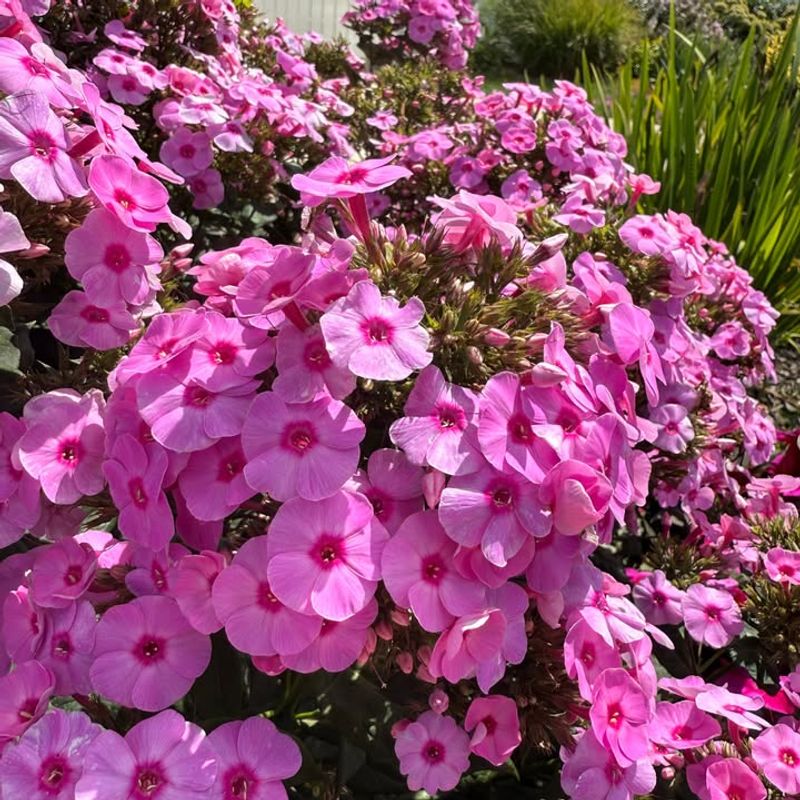
Garden phlox has a loyal following for good reason. The tall clusters of fragrant flowers in shades of pink, lavender, and white are truly lovely.
In the right climate, it puts on a show that lasts for weeks. Sadly, Texas is not that climate for most gardeners.
Powdery mildew is the number one enemy of garden phlox in Texas. The combination of warm nights and sticky humidity creates the perfect environment for this fungal disease to spread across the leaves like a white dusty film.
Once it takes hold, the plant looks terrible and flowering drops off fast. Even mildew-resistant varieties struggle when Texas heat really cranks up in July and August.
Cooler nights help phlox thrive, and in most parts of Texas, those just do not happen often enough during the growing season. The plant ends up exhausted and disease-ridden before summer is even halfway over.
Mealy Blue Sage, or Salvia farinacea, is a fantastic replacement that was practically born for Texas. It pushes out spikes of rich blue-purple flowers from spring through fall without complaining about heat or dry spells.
It is drought tolerant once established and handles the intense Texas sun beautifully. Butterflies and bees flock to it all season long.
Best of all, it requires almost no special care, making it a reliable, gorgeous choice for any Texas garden.
4. Hostas
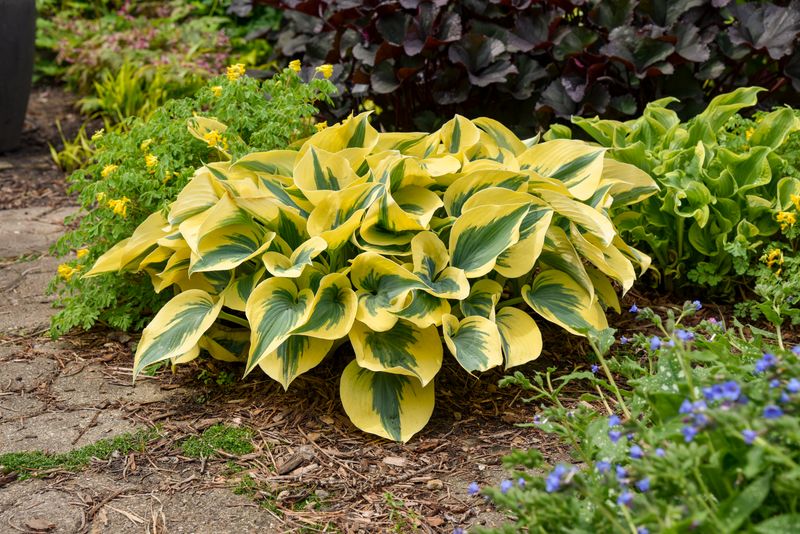
Hostas are the royalty of shady gardens in cooler parts of the country. Their big, bold leaves in shades of green, blue, and gold create a lush, tropical look that many gardeners love.
Plenty of Texas gardeners try them, hoping the shade under a live oak will be enough. Sometimes it is, for a little while, but hostas rarely stay happy here for long.
The heat is brutal on hosta foliage. Even in partial shade, Texas summers push temperatures high enough to scorch the leaves and stress the roots.
Hostas also need consistent soil moisture, and Texas summers are known for stretches of serious drought. Keeping the soil moist enough for hostas while also dealing with triple-digit temperatures is a constant battle.
Slugs are another headache. Warm, moist conditions in shaded spots attract them quickly, and they can shred hosta leaves overnight. Between the heat, drought, and pests, hostas in Texas often look rough by midsummer.
Turk’s Cap, known scientifically as Malvaviscus arboreus, is a brilliant native alternative. It handles shade and heat with ease, which almost no other plant can claim in Texas.
The red, turban-shaped blooms attract hummingbirds and butterflies all season. It spreads naturally over time, filling in shady spots beautifully with minimal effort.
Wildlife loves it, maintenance is nearly zero, and it comes back strong every year. For shady Texas gardens, Turk’s Cap is a true gem.
5. Astilbe
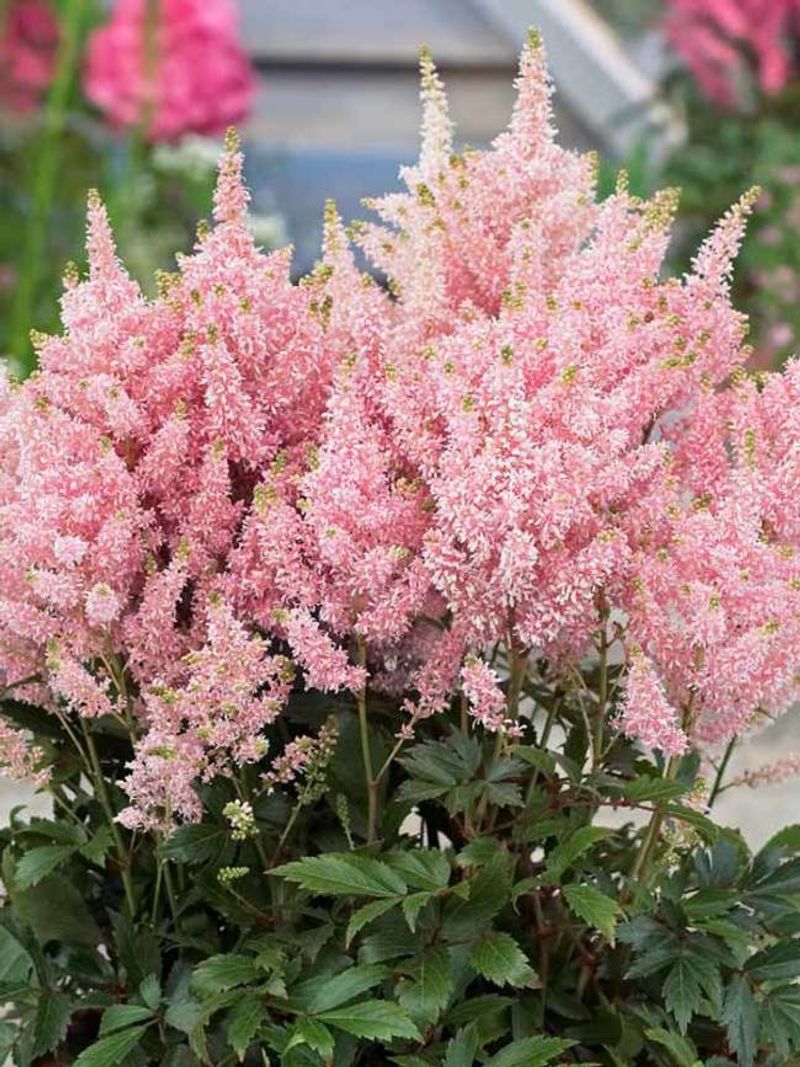
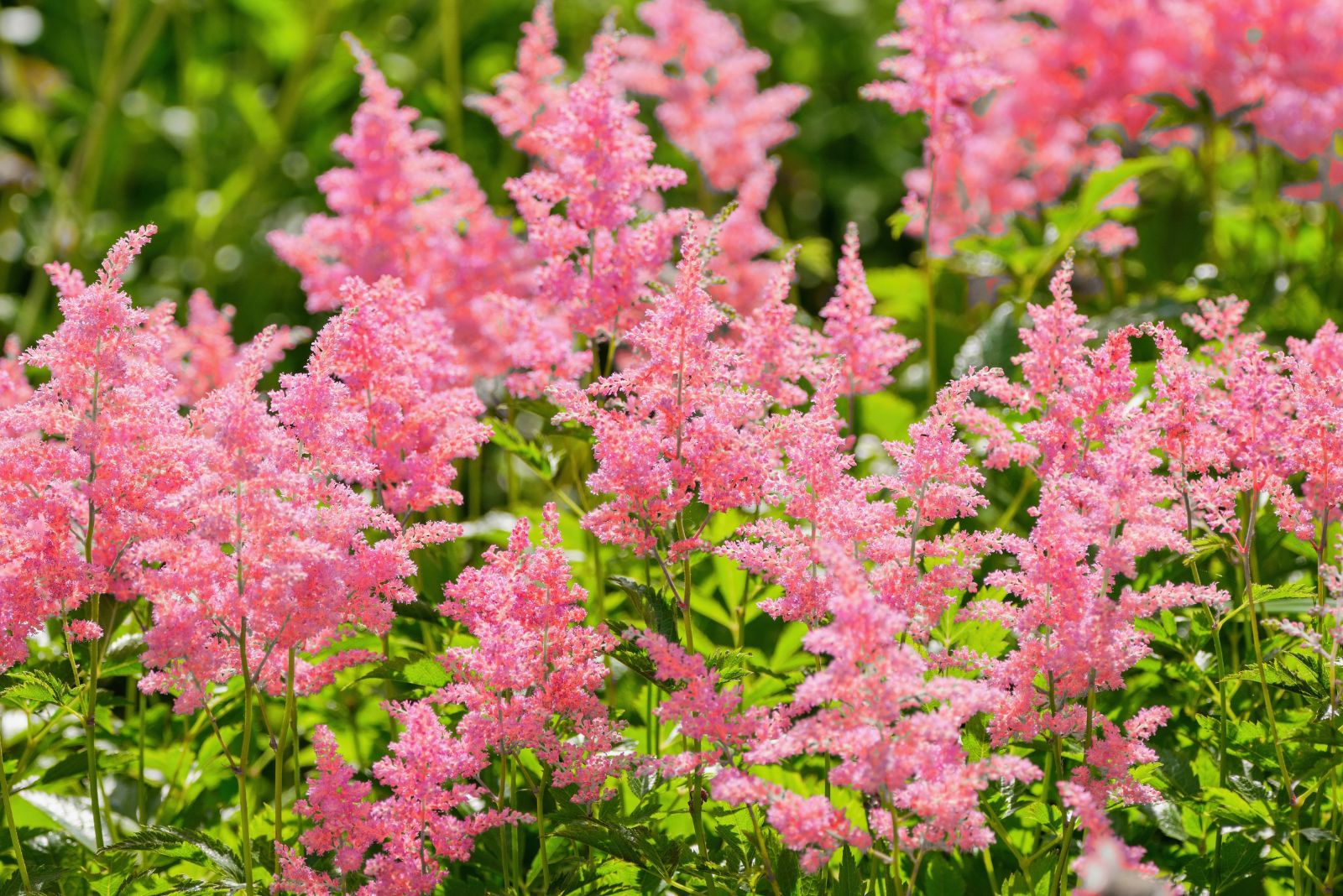
Few plants match the feathery elegance of astilbe in full bloom. Those soft, cloud-like plumes in shades of pink, red, and white make it one of the most photographed perennials in gardening magazines.
But behind that beauty is a plant that needs things Texas simply does not offer in abundance.
Astilbe craves cool, consistently moist conditions. It wants shade, rich soil, and temperatures that do not push into extreme heat for months at a time.
Texas, with its long, punishing summers and unpredictable rainfall, checks none of those boxes reliably. Most astilbe plants put on a decent show in their first spring, then struggle through summer and never fully recover.
By the second year, many have faded out entirely. Trying to keep astilbe alive in Texas means constant watering, mulching, and babying, which gets exhausting fast.
Gulf Coast Muhly, or Muhlenbergia capillaris, is a dramatically different but equally stunning option for Texas gardeners. Come fall, this native grass explodes into a cloud of airy, rose-pink plumes that look almost unreal in the afternoon light.
It is incredibly drought tolerant, loves full sun, and thrives in the poor soils common across Texas. Once established, it needs almost no attention.
The fall display is absolutely worth the wait, and it pairs beautifully with other native plants. Gulf Coast Muhly is tough, reliable, and genuinely breathtaking.
6. Lupine (Non-Texas Species)
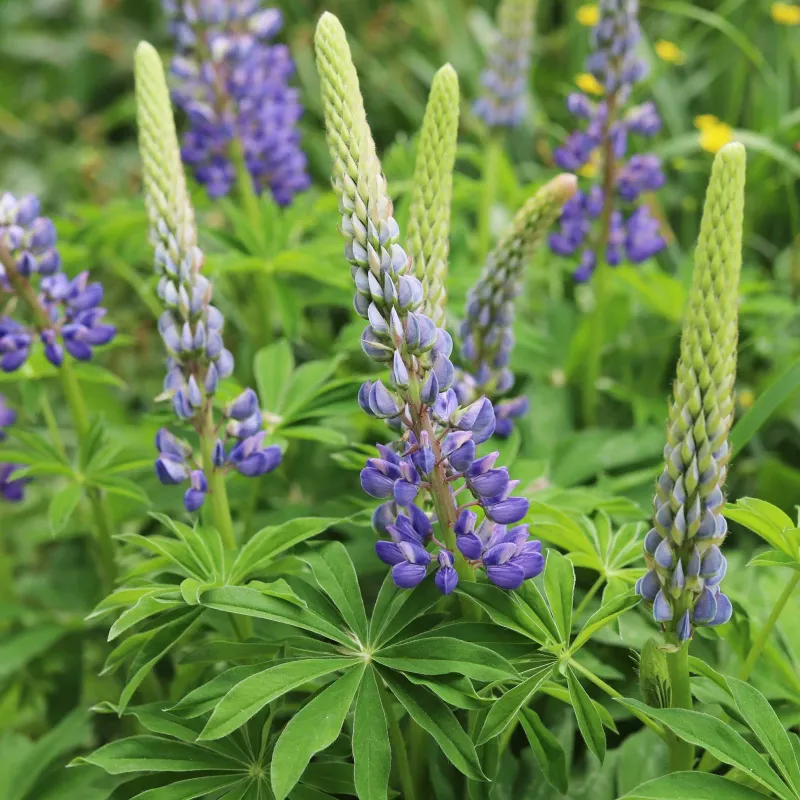
Lupines are stunning. Those tall, colorful flower spikes covered in pea-like blooms are hard to resist at the garden center.
Many popular lupine varieties, like the Russell hybrids, are bred for gardens in the Pacific Northwest or the Northeast, where summers stay cool and soils drain well. Bring them to Texas and the story changes quickly.
Heat shortens their season dramatically. Non-native lupines prefer cool springs and mild summers, and they start declining the moment Texas temperatures climb into the upper 80s.
Humidity adds another layer of trouble by promoting root rot and fungal problems in plants that already prefer dry, well-drained conditions. Most non-native lupines in Texas bloom briefly in early spring and then fade out, leaving gardeners frustrated.
Here is a fun twist: Texas already has its own incredible lupine. The Texas Bluebonnet, Lupinus texensis, is the state flower for a reason.
It is perfectly adapted to Texas soils and weather, blooming reliably every spring in a way that non-native species never could. Bluebonnets thrive in poor, rocky, or sandy soil and actually fix nitrogen, improving the ground around them.
They reseed themselves naturally, so once you establish them in your Texas garden, they tend to come back on their own. Low maintenance, native, and iconic, bluebonnets are the obvious choice over struggling imported lupines.
7. Shasta Daisy
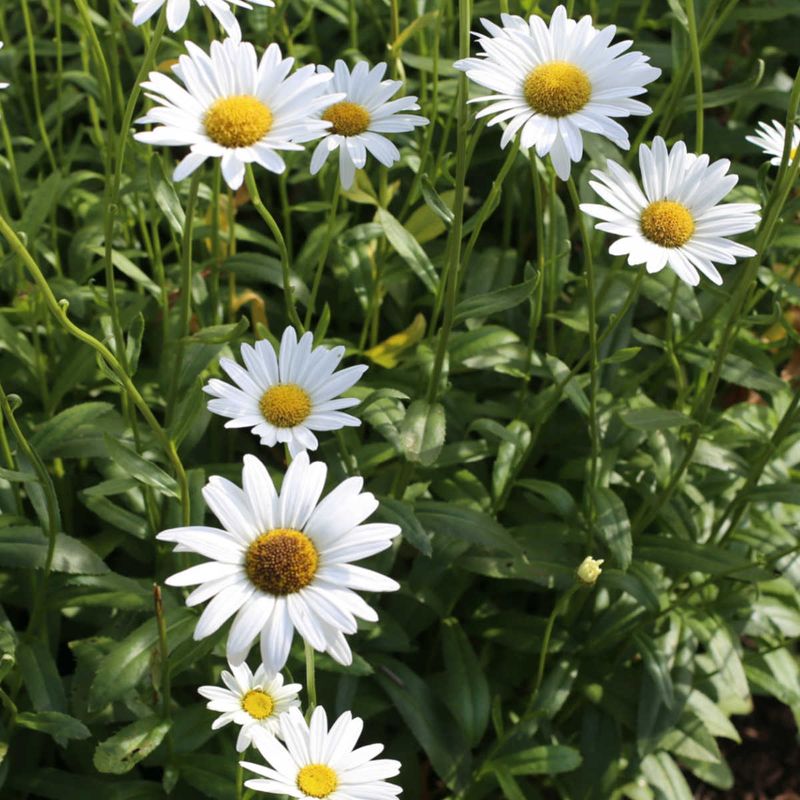
Shasta daisies have a classic, cheerful look that fits perfectly in a cottage-style garden. The bright white petals around a bold yellow center are timeless, and they photograph beautifully.
It is easy to see why Texas gardeners keep trying them. But in most parts of Texas, Shasta daisies are more of a short-term guest than a long-term resident.
The heat wears them down fast. Shasta daisies bloom best when temperatures stay moderate, but Texas summers push well past that comfort zone.
Flowering weakens noticeably as the heat builds in June, and by July many plants look spent and tired. Heavy clay soil, which is common across much of Texas, creates another problem by holding too much water around the roots, leading to rot during rainy periods.
Even gardeners who give Shasta daisies ideal care often find them declining by their second or third summer in Texas.
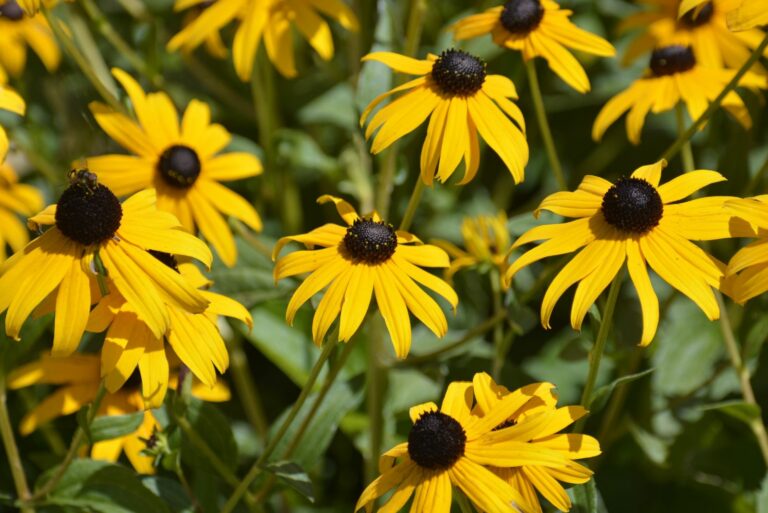
Black-Eyed Susan, or Rudbeckia hirta, fills the same bright, cheerful role without any of the drama. It handles Texas heat and drought like a champion, blooming from early summer well into fall.
The golden yellow flowers with dark centers attract butterflies, bees, and other pollinators throughout the season. It reseeds readily, so your patch naturally expands over time.
Black-Eyed Susan is tough, low maintenance, and looks fantastic in any Texas garden setting, from formal beds to wildflower meadows.
8. Coral Bells (Heuchera)
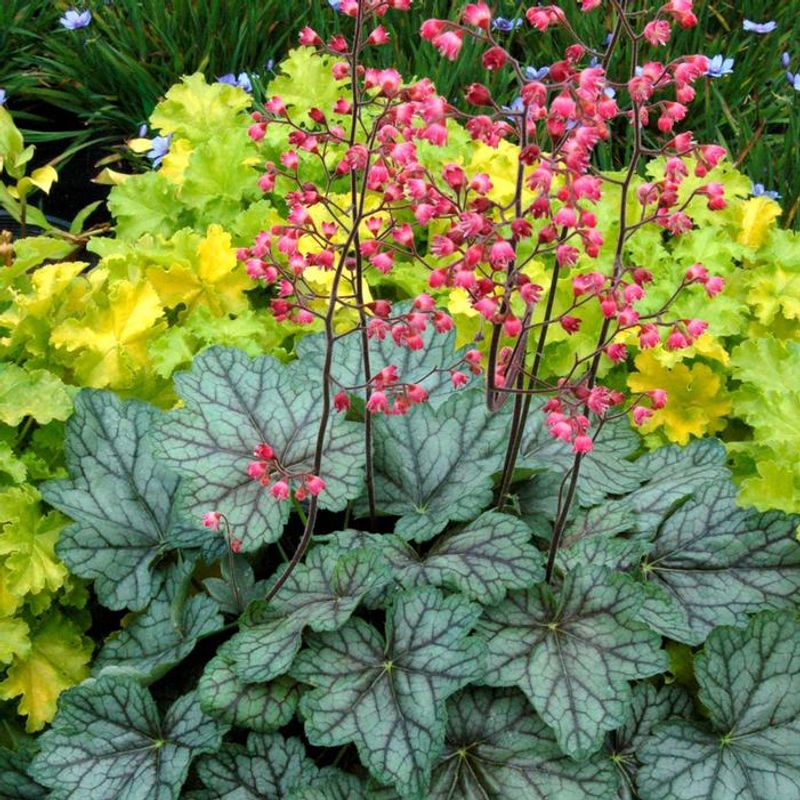
Coral bells have become wildly popular in recent years, and it is easy to understand why. The foliage comes in an incredible range of colors, from deep burgundy and caramel to bright lime green and silver.
Garden centers across Texas stock them heavily, and shoppers snap them up fast. But many of the most popular heuchera varieties were developed for cooler, northern climates, and they run into serious trouble in Texas.
Long, hot Texas summers push these plants to their limits. The combination of heat and humidity stresses many northern heuchera varieties until the foliage scorches, the crowns heave out of the soil, and the whole plant starts declining.
Some varieties can survive in protected spots with afternoon shade and consistent moisture, but they rarely look their best and often need replacing every couple of years.
If you love that bold foliage look, there is a much more exciting option waiting for you. Esperanza, also called Yellow Bells or Tecoma stans, is a Texas-tough shrub that absolutely loves the heat.
From early summer through the first frost, it covers itself in clusters of bright, sunny yellow trumpet-shaped blooms. Hummingbirds and butterflies cannot stay away from it.
Esperanza is extremely drought tolerant once established, grows quickly to fill a space, and brings a bold tropical energy to any Texas garden without demanding constant attention or care.