This Underrated Native North Carolina Shrub Blooms Through Summer And Handles Dry Spells Well
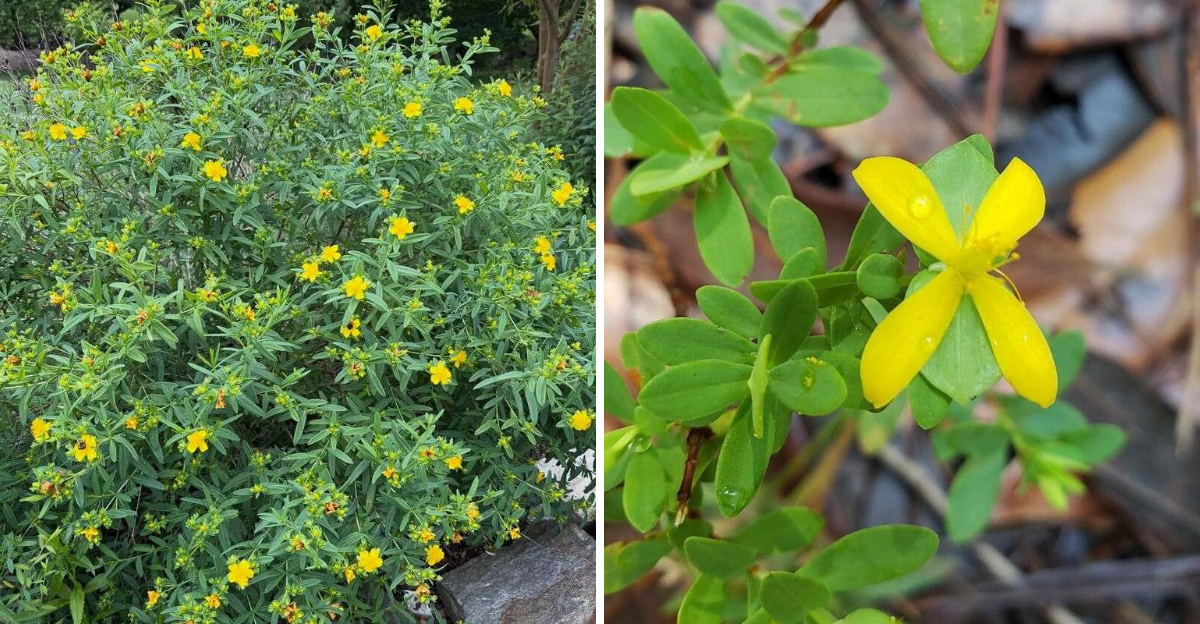
North Carolina summers have a way of exposing every weak link in your landscape, and shrubs that need constant watering or babysitting during a July heat stretch get old really fast.
So when a native shrub comes along that blooms through the heat, handles dry spells without drama, and still looks reasonably tidy doing it, gardeners tend to pay attention.
St. Andrew’s Cross is exactly that kind of plant, and somehow it still does not get nearly enough credit in North Carolina gardens. It is not a miracle shrub, and we are going to be upfront about that.
But what it does well, it does genuinely well. If you have been sleeping on this one, it might be time to take a second look at what your landscape has been missing.
1. St. Andrew’s Cross Blooms Longer Than Many Gardeners Expect
Summer bloom seasons in North Carolina can feel brutally short for a lot of flowering shrubs. Many plants put on a big show in spring, then go quiet just when the heat really settles in.
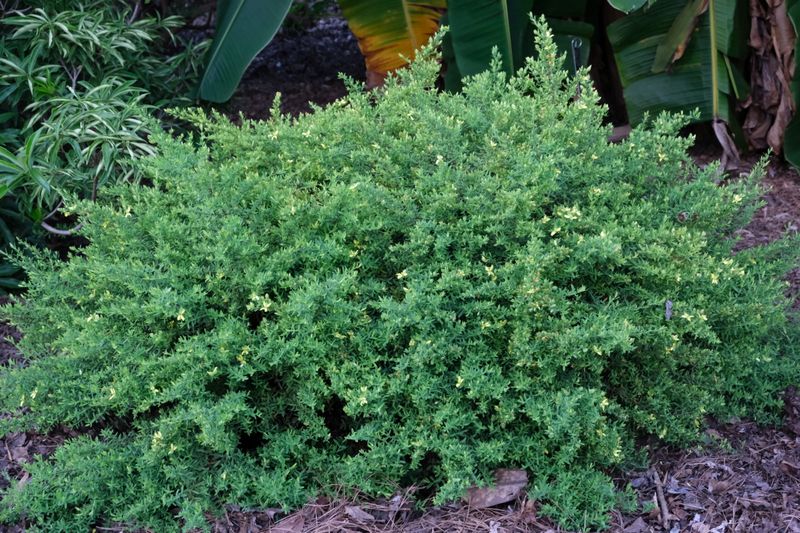
St. Andrew’s Cross takes a different approach, producing its cheerful yellow flowers from roughly late spring through much of summer, which is a longer display than most gardeners expect from a small native shrub.
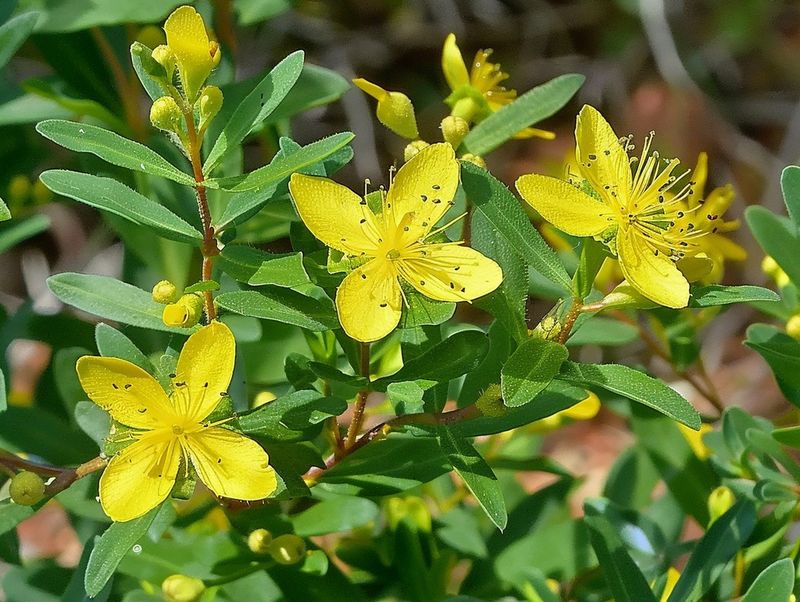
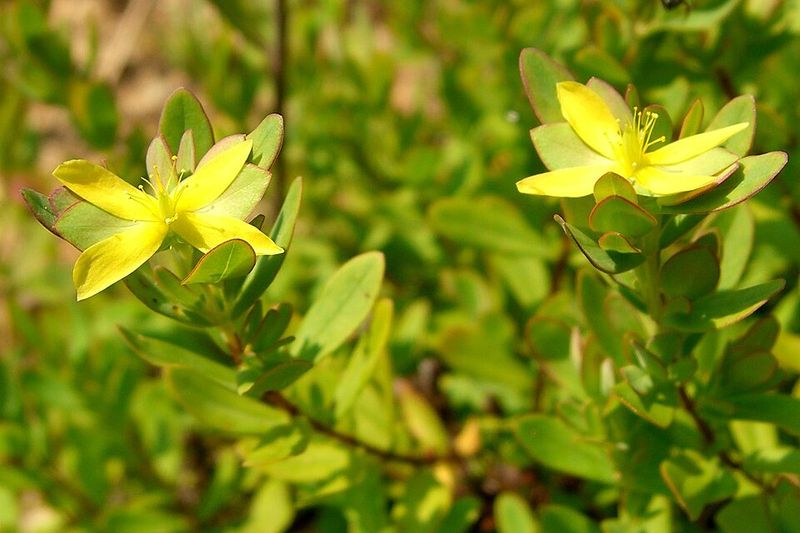
The blooms themselves are modest in size, with four narrow petals arranged in a cross shape that gives the plant its common name. They appear in clusters along the stems, and new flowers keep opening as the season moves forward.
In North Carolina landscapes, this extended bloom window is genuinely useful because it fills a gap when other shrubs have already finished flowering.
The length of the bloom period can vary depending on local conditions. Rainfall, temperature swings, and soil drainage all play a role in how long the flowers keep coming.
In a dry summer, blooms may slow down a bit, but the plant tends to keep pushing new buds when conditions allow.
For gardeners looking for reliable summer color from a native North Carolina shrub, this bloom persistence is one of the most appealing things St. Andrew’s Cross brings to the table without much effort.
2. Dry Spells Do Not Bother It As Much
Drought tolerance is one of the most talked-about qualities of St. Andrew’s Cross, and for good reason.
Native to the southeastern United States, this shrub evolved in conditions that include dry, sandy, and nutrient-poor soils, which means it has naturally developed the ability to get through dry stretches without looking completely stressed.
North Carolina summers can bring weeks with very little rain, and that is exactly the kind of pressure that causes many ornamental shrubs to struggle.
What makes St. Andrew’s Cross hold up reasonably well during dry spells is partly its root system and partly its preference for well-drained soils.
It does not like sitting in wet conditions, so a site with good drainage actually sets it up to handle dry weather more effectively.
Your North Carolina Garden Changes Every Week. Your Plan Should Too.
Gardening in North Carolina changes quickly throughout the season. Every Friday you’ll receive a simple weekly plan showing exactly what to plant, prune, fertilize, harvest, and protect so you never miss the right timing.
Gardeners in the Piedmont and Coastal Plain regions of North Carolina often find it performs especially well in spots where other shrubs would wilt or look ragged by midsummer.
That said, drought tolerance does not mean the plant thrives on zero water. During its first growing season, regular watering helps the root system get established well enough to handle future dry periods on its own.
Once settled in, it becomes noticeably more self-sufficient, but a deep soak during unusually long dry stretches can still help it look its best and keep those summer blooms coming through the heat.
3. Small Yellow Flowers Carry The Show Through Summer
Four petals, bright yellow, and arranged in a neat cross shape – the flowers of St. Andrew’s Cross have a simple, cheerful look that catches the eye without being showy or dramatic.
Each bloom is small, measuring roughly half an inch across, but the plant produces them in good numbers along its arching stems.
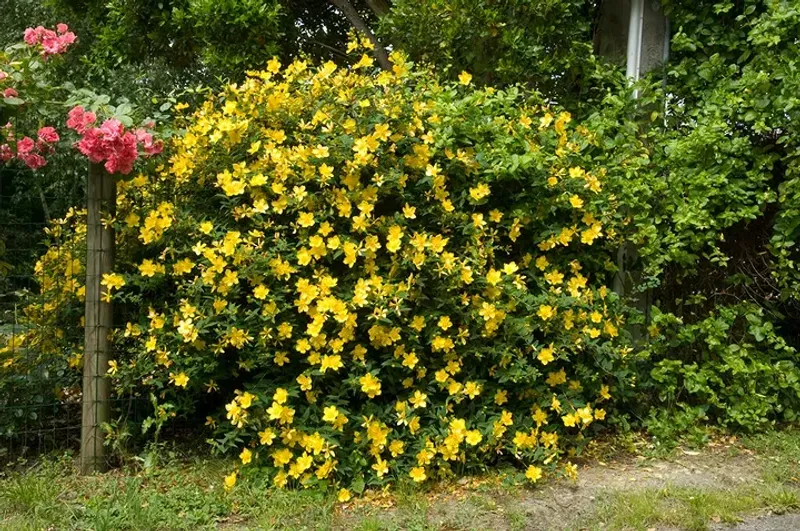
When several plants are grouped together in a North Carolina border or native planting, the effect is a soft wash of yellow that reads well from a distance.
The color itself is a clean, warm yellow that pairs nicely with other summer-blooming natives and ornamental grasses. It does not clash with purple coneflowers or the rusty tones of native sedges, making it a flexible choice for mixed plantings.
North Carolina gardeners who work with native plant palettes often find that this quiet yellow fills a color gap that bolder flowers tend to skip right over.
Beyond color, the flowers have a texture that feels natural and unforced, which is part of what makes St. Andrew’s Cross look so at home in informal landscapes and naturalized areas.
The blooms do not need deadheading to keep coming, which means less maintenance during the busiest weeks of summer.
New flowers open steadily as older ones drop, keeping the display fresh through much of the warm season without requiring gardener intervention to stay presentable.
4. Its Compact Size Fits More Gardens Easily

One of the quieter selling points of St. Andrew’s Cross is how small it actually stays.
Most plants top out somewhere between one and two feet tall, with a slightly wider spread, which makes it genuinely useful in spots where larger shrubs would quickly overwhelm the space.
Foundation beds, narrow borders along walkways, and the front edges of mixed shrub plantings are all places where this compact habit works in its favor.
North Carolina homeowners who garden in smaller yards or on properties with limited planting space often overlook native shrubs because they assume most of them grow too large.
St. Andrew’s Cross challenges that assumption with a naturally tidy, low-growing form that rarely needs heavy pruning to stay in bounds.
It tends to have a slightly mounded, relaxed shape that fits well in both formal and informal garden styles.
The low profile also makes it a good candidate for mass planting on slopes or in areas where a groundcover-height shrub adds visual interest without blocking sightlines.
In rain gardens and naturalized areas across North Carolina, it shows up as a practical choice for filling space between taller natives.
Its size also means it works well in containers on sunny patios, though container-grown plants will need more consistent watering than those planted in the ground, particularly during hot North Carolina summers when pots dry out quickly.
5. Sun And Light Shade Both Work Well

Finding a shrub that handles both full sun and light shade is more useful than it might sound.
North Carolina landscapes are full of spots where the light shifts throughout the day, from sunny in the morning to shaded by mid-afternoon, and most plants have strong preferences that make placement tricky.
St. Andrew’s Cross adapts reasonably well to this kind of variable light, which gives gardeners more flexibility when choosing where to put it.
In full sun, the plant tends to bloom most freely and hold its compact shape well. It handles the intense summer heat of open North Carolina gardens without much complaint, especially when the soil drains well.
In light shade, it still flowers but may produce fewer blooms and grow with a slightly more open, relaxed form. Deep shade is generally not a good fit, as flowering drops off significantly and the plant can become leggy over time.
Woodland edges and naturalized areas where trees cast a broken canopy are often sweet spots for St. Andrew’s Cross in North Carolina.
It grows naturally in these kinds of transitional environments, which is part of why it adapts so easily to similar conditions in home landscapes.
Gardeners who have a mix of sunny and partially shaded areas can use it as a unifying plant that carries the same yellow flower color through different light conditions without needing separate plant selections for each spot.
6. Tough Soil Does Not Ruin Its Good Looks
Soil quality is one of the biggest frustrations for North Carolina gardeners, especially in areas where the native soil is heavy clay, compacted, or so sandy it barely holds moisture.
Many ornamental shrubs need amended, fertile soil to perform well, which adds both cost and effort to any planting project.
St. Andrew’s Cross has a different relationship with soil, one that works more in the gardener’s favor than against it.
This shrub grows naturally in lean, sandy, and rocky soils across the southeastern United States, which means it is genuinely adapted to the kinds of difficult ground that challenge other plants.
In North Carolina, that includes the sandy soils of the Coastal Plain and the rocky, thin soils found on slopes and hillsides in the Piedmont and Mountains. It does not need rich, heavily amended beds to look presentable through summer.
Good drainage matters more than soil fertility for this plant.
Waterlogged or poorly drained soil is a much bigger problem than low nutrient levels, so raised beds, slopes, and naturally well-drained sites are better choices than low spots that collect standing water after rain.
Adding excessive fertilizer can actually push the plant toward lush, soft growth that looks less tidy and may be more prone to flopping.
A light hand with soil preparation and a well-drained location are usually all that St. Andrew’s Cross needs to settle in and look good through the season.
7. Pollinators Keep Finding Their Way To It
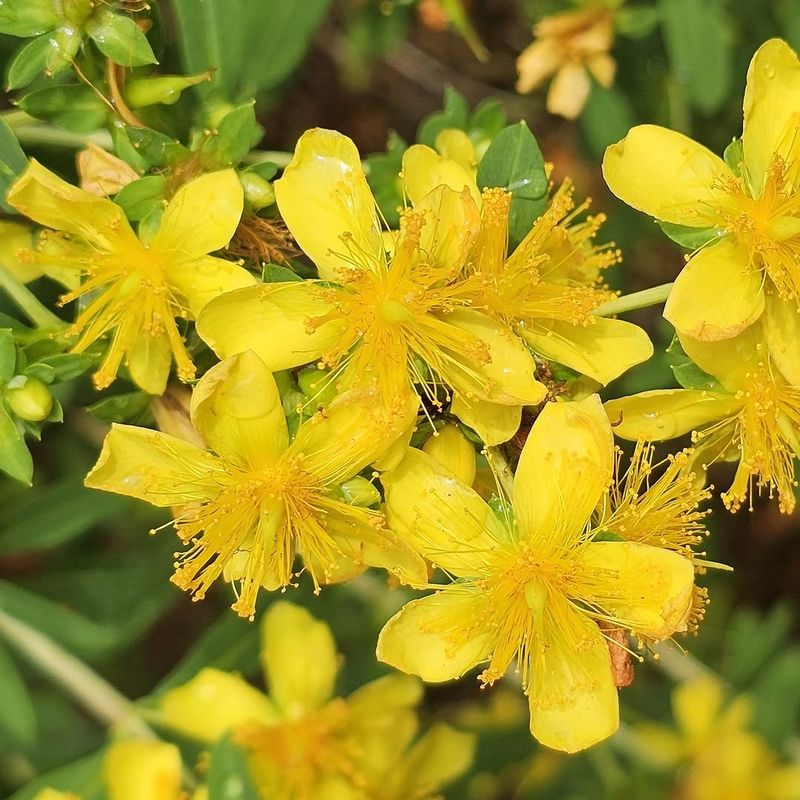
Bees have a way of finding St. Andrew’s Cross even when it is tucked into a corner of the garden that does not get much foot traffic.
The small yellow flowers are particularly attractive to native bees, including several specialist bee species that favor plants in the St. Johnswort family.
In North Carolina, where native bee populations face real pressure from habitat loss, planting shrubs that support pollinators throughout the summer months carries genuine ecological value.
The extended bloom season is part of what makes this shrub useful for pollinators. Rather than offering a single burst of flowers that lasts a week or two, St. Andrew’s Cross keeps producing blooms across a longer stretch of summer.
That consistency gives bees a more reliable food source during a season when floral resources can become scarce between the big spring bloom and fall’s aster season.
Butterflies and other beneficial insects also visit the flowers, though native bees tend to be the most frequent and enthusiastic guests.
Gardeners who are building pollinator-friendly landscapes in North Carolina will find that St. Andrew’s Cross pairs well with other summer-blooming natives like black-eyed Susans, mountain mint, and native coneflowers.
Together, these plants create a layered, season-long resource for pollinators without requiring much maintenance from the gardener.
The fact that this pollinator support comes wrapped in a drought-tolerant, compact, and long-blooming package makes it a smart addition to almost any native planting.