Power Up Your Peonies Before Spring Arrives In Texas
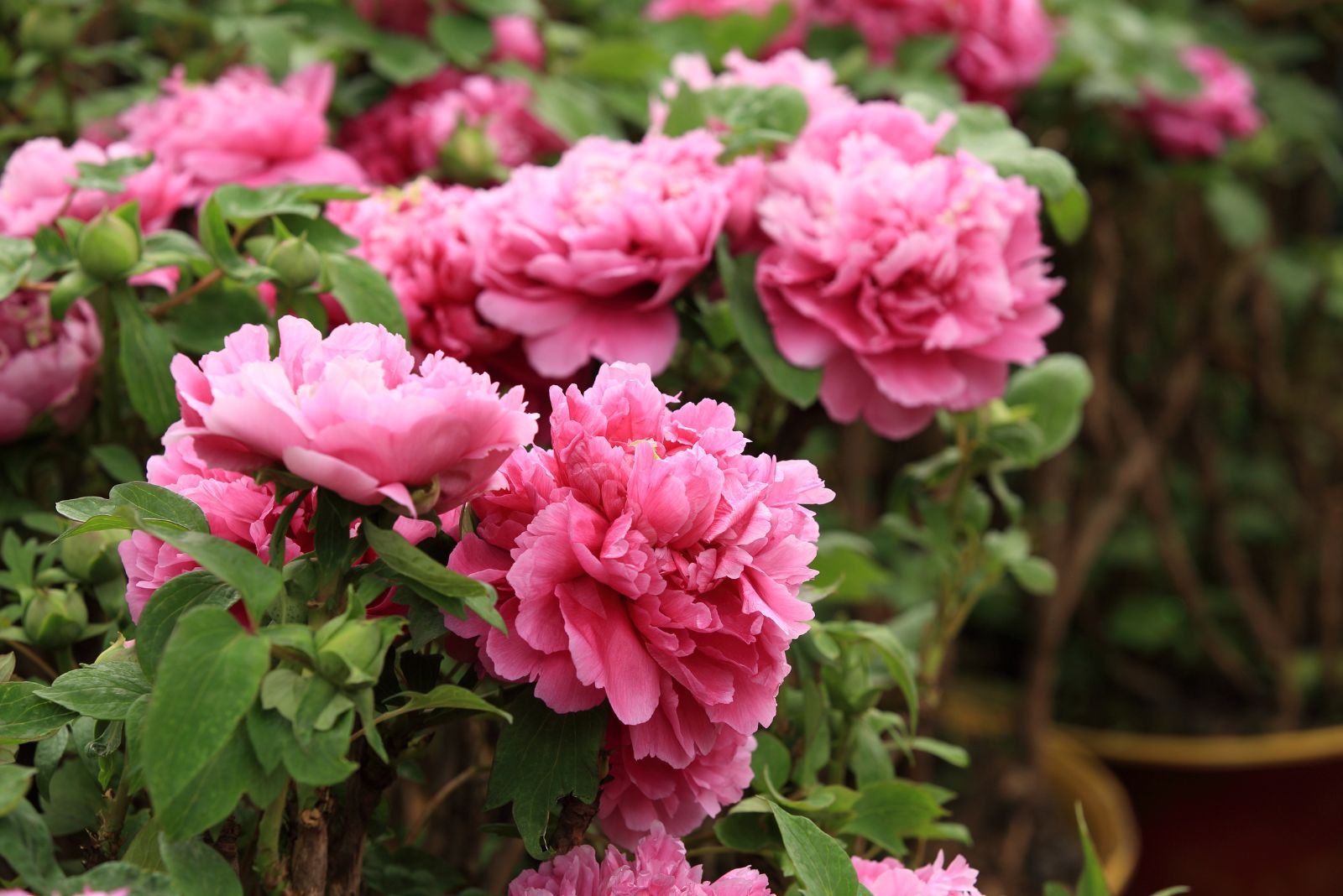
Peonies are a favorite in Texas gardens, with their large, vibrant blooms and sweet fragrance. But to get them looking their best when spring arrives, a little pre-season prep can make all the difference.
In Texas, where the weather can go from chilly to hot in the blink of an eye, giving your peonies a head start ensures they bloom beautifully and stay healthy all season long.
Powering up your peonies before spring doesn’t require much effort, just a few simple steps to help them wake up strong.
Whether it’s pruning dry growth, adding some much-needed nutrients, or checking their roots, taking care of these tasks early can set the stage for more vibrant flowers and sturdier plants.
With the right care, your peonies will not only survive Texas’ unpredictable spring but thrive, giving you a stunning garden full of color and fragrance throughout the season.
1. Use A Balanced Fertilizer
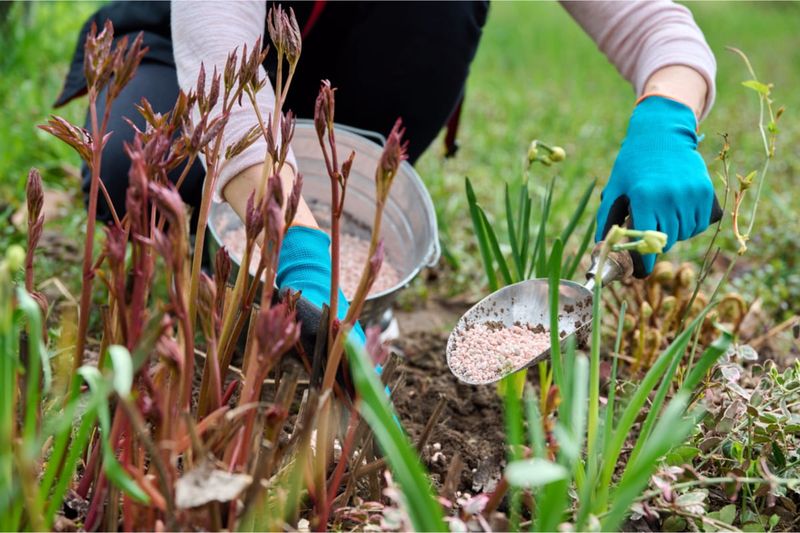
A good fertilizer is like a power meal for your peonies. Choosing the right one makes all the difference between a plant that barely grows and one that explodes with color.
For peonies in Texas, a balanced fertilizer with equal parts nitrogen (N), phosphorus (P), and potassium (K) is the smartest pick. Look for a label that reads something like 10-10-10 or 5-5-5 at your local garden center.
Nitrogen helps leaves and stems grow strong. Phosphorus supports healthy root development and helps flowers form.
Potassium keeps the whole plant tough and able to handle Texas heat and stress. When all three are balanced, your peonies get everything they need without one nutrient overpowering the others.
Slow-release granular fertilizers work especially well for peonies. They break down gradually, feeding the plant steadily over several weeks.
This steady feeding style suits peonies much better than a sudden nutrient rush. Sprinkle the granules evenly around the base of each plant.
Make sure to follow the package directions so you do not over-apply. Texas soils can vary quite a bit from region to region. In some areas, the soil is sandy and drains fast.
In others, it is heavy clay that holds water. A balanced fertilizer helps level out those differences by giving peonies what the soil might be lacking.
Testing your soil first is always a smart move. Once you know what your soil needs, a balanced fertilizer fills in the gaps and sets your peonies up for a gorgeous spring show.
2. Apply Fertilizer Early In The Spring
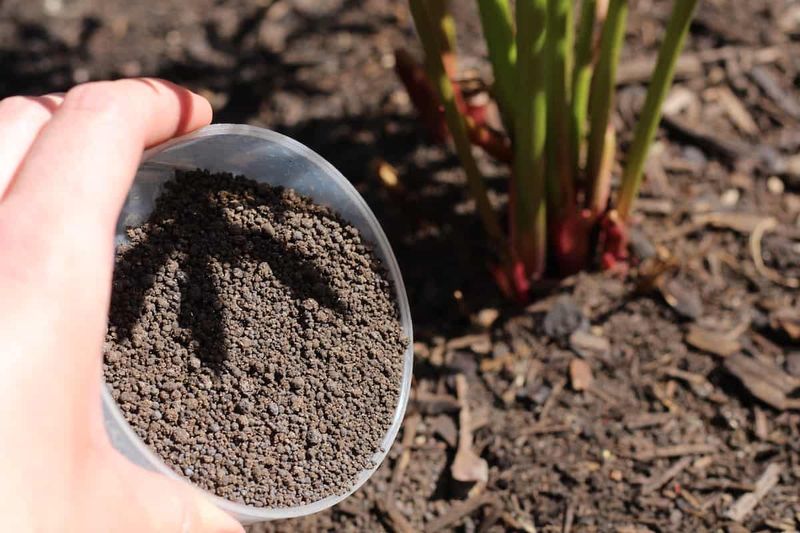
Timing really is everything when it comes to feeding peonies. Early spring is the golden window you do not want to miss.
In Texas, that means watching for those first tiny red or green shoots poking up from the ground. As soon as you spot those new sprouts, it is time to fertilize.
This early boost gives your peonies the energy they need right when they are waking up from dormancy.
Peonies go through a rest period during winter, even in warmer parts of Texas. When spring arrives, they come back to life and start pulling nutrients from the soil fast.
Feeding them at this exact moment is like handing someone a hearty breakfast right after they wake up. It fuels their growth at the most important time of year.
Missing this early window can slow down your plants for the entire season. If you fertilize too late, the nutrients arrive after the plant has already done most of its early growing.
The blooms may end up smaller or fewer than you hoped. Getting out there early, even if the weather still feels a little cool in northern Texas, makes a real difference.
A second lighter application after blooming in early summer can also help. This gives your peonies a small energy top-off to stay strong through the rest of the season.
But that first spring feeding is the most critical one. Mark it on your calendar, keep an eye on your garden beds, and act quickly when those first shoots appear. Your peonies will reward you with stunning flowers.
3. Avoid High Nitrogen Fertilizers
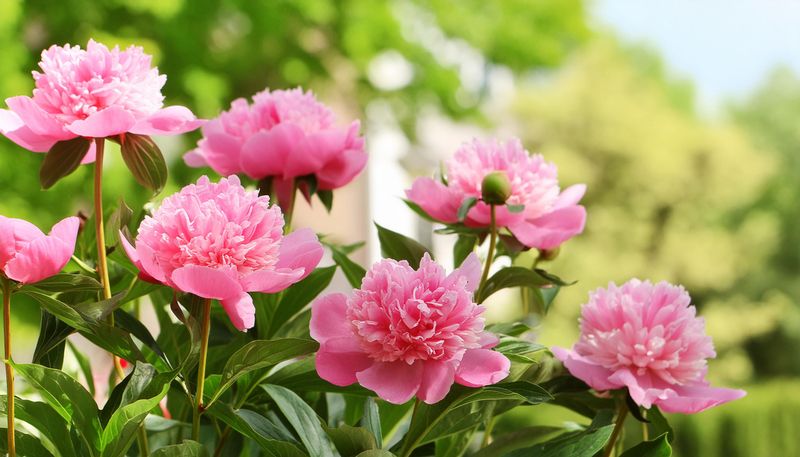
Too much of a good thing can actually backfire when it comes to peony care. Nitrogen is an important nutrient, but loading up your peonies with too much of it sends the wrong message to the plant.
Instead of putting energy into flowers, the plant goes all-in on producing big, leafy green growth. You end up with a bushy plant and very few blooms, which is not what any Texas gardener is hoping for come spring.
High-nitrogen fertilizers are often marketed for lawns and fast-growing leafy plants. They work great for grass, but peonies are a different story.
These flowers need a more balanced approach to really shine. If you accidentally grab a fertilizer that is heavy on nitrogen, save it for your lawn and pick something more suitable for your flower beds.
Reading the label on your fertilizer bag before buying is a quick habit that saves a lot of frustration. The three numbers on the bag represent nitrogen, phosphorus, and potassium in that order.
A product like 30-5-5 is way too nitrogen-heavy for peonies. Something closer to 10-10-10 or even 5-10-5 is a much better fit for encouraging strong stems and abundant blooms.
In Texas, where the growing season can be intense, peonies already push hard to perform in the heat. Giving them the wrong fertilizer adds unnecessary stress.
Stick with a lower-nitrogen formula and let phosphorus and potassium do the heavy lifting. Your peonies will focus their energy on producing those gorgeous, full blooms that make every Texas garden feel like something straight out of a magazine.
4. Incorporate Organic Matter
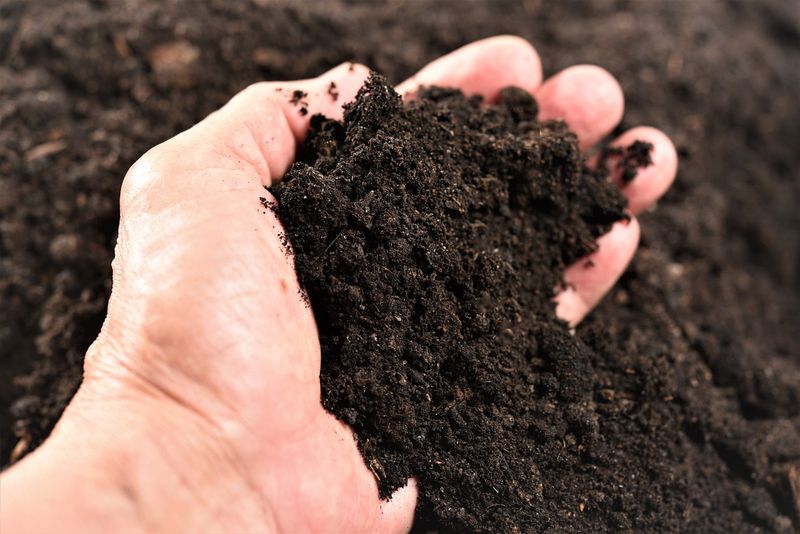
Organic matter might just be the secret weapon that Texas peony growers are missing. Compost and well-rotted manure do more than just add nutrients to the soil.
They actually change the texture and structure of the ground around your plants. In Texas, where soils can swing between dry, sandy ground and thick, heavy clay, organic matter helps create a more balanced growing environment that peonies absolutely love.
Clay soil is a common challenge in many parts of Texas. It holds water for too long and can suffocate roots if not improved.
Mixing in compost opens up the soil, allowing air and water to move more freely. Sandy soils, on the other hand, drain so fast that nutrients wash away before roots can absorb them. Organic matter helps sandy soil hold onto moisture and nutrients much longer.
Adding compost is easy and affordable. You can buy bags at any garden store, or start your own compost pile at home using kitchen scraps and yard waste.
Work a few inches of compost into the top layer of soil around your peonies each spring. Be careful not to disturb the roots or bury the crown too deeply. Peonies are sensitive about planting depth.
Well-rotted manure is another excellent option. It is packed with nutrients and breaks down slowly, feeding your soil over many weeks.
Chicken, cow, and horse manure all work well when fully composted. Fresh manure should never go directly on plants since it can burn roots.
With regular additions of organic matter, your Texas peony beds will become richer and more productive with each passing year.
5. Fertilize Around The Root Zone, Not Directly On The Plant
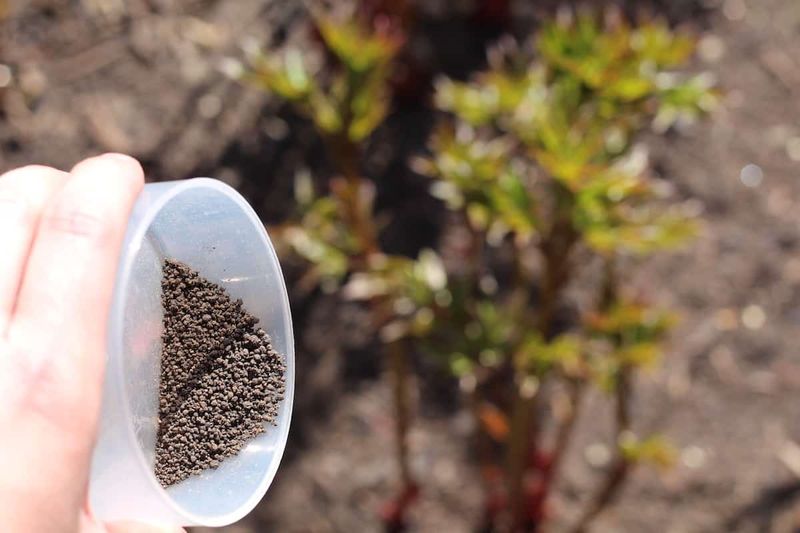
Where you put fertilizer matters just as much as which fertilizer you choose. A common mistake many gardeners make is dumping fertilizer right at the base of the plant or directly on the stems and leaves.
This can actually cause serious problems, including fertilizer burn that damages tissue and weakens the plant. Keeping the fertilizer away from direct contact with the plant is a simple step that protects your peonies.
The goal is to get nutrients to the roots, not the tops of the plant. Peony roots spread outward in a wide zone beneath the soil.
Applying fertilizer in a ring around the plant, starting a few inches out from the crown and extending to the outer edge of the plant, puts the nutrients right where the roots are actively feeding. Think of it like setting food at the table rather than throwing it at the person eating.
In Texas, where summer heat arrives fast and fierce, stressed plants are especially vulnerable to fertilizer burn. The warm soil and intense sun speed up chemical reactions, which means a little too much fertilizer in the wrong spot can cause harm quickly.
Taking a few extra seconds to spread the fertilizer carefully around the root zone is well worth the effort.
After you apply the fertilizer, use a garden rake or your fingers to lightly work it into the top inch of soil. This helps move the nutrients toward the root zone even faster.
Avoid digging too deep, as peony roots sit relatively close to the surface. A gentle, wide application around the drip line of each plant is the ideal technique for strong, healthy growth all spring long in Texas.
6. Water After Fertilizing
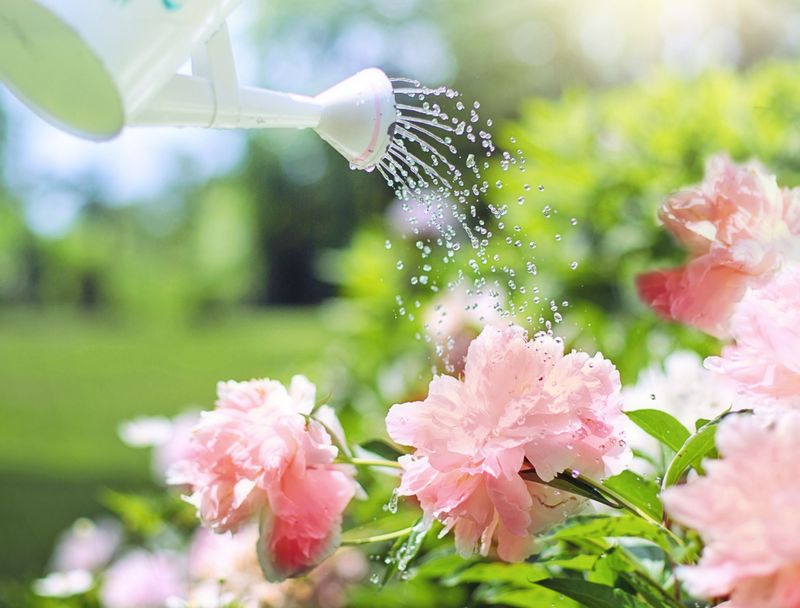
Fertilizer sitting dry on top of the soil is not doing your peonies any good. Water is what activates those nutrients and carries them down into the soil where the roots can actually use them.
After every fertilizer application, give your peonies a deep, thorough watering. This step is so simple, but skipping it wastes your effort and leaves your plants without the boost they need.
Texas heat is no joke. Even in early spring, temperatures can climb quickly, and the sun dries out soil faster than you might expect.
When the soil dries out right after fertilizing, the nutrients can crystallize on the surface or get carried away by wind before they ever reach the roots. Watering right after fertilizing seals the deal and makes sure all that good nutrition gets delivered underground where it belongs.
Deep watering is better than a quick sprinkle. Aim to soak the soil several inches down to encourage roots to grow deeper.
Deeper roots mean a more drought-tolerant plant, which is a huge advantage during a Texas summer. Let the water run slowly so it soaks in rather than running off the surface. A soaker hose or drip system works beautifully for this purpose.
Peonies need about one inch of water per week during the growing season. After fertilizing, you can give them a bit more to help flush the nutrients into the root zone.
Keep an eye on the soil moisture in the days that follow, especially if Texas weather turns dry and sunny. Consistent watering after fertilizing is one of the easiest ways to make sure your spring peony display is absolutely spectacular.