Privacy Plants California Gardeners Should Use Instead Of Bamboo
Bamboo can look like the perfect privacy fix until it starts acting like it owns the whole yard.
One screen becomes a spreading problem, and suddenly the neighbor’s side of the fence is part of the drama too.
California gardeners who want privacy do not have to gamble on a plant with such pushy habits.
There are better ways to block a view, soften a fence, or make a patio feel tucked away. Some plants grow dense without causing chaos underground. Others bring flowers or fresh green texture that makes the screen feel less like a wall.
The best privacy plant should make the yard feel calmer, not turn into a weekend battle. Bamboo may grow fast, but speed is not everything.
A smart screen can look beautiful, behave better, and still give you that cozy “please stop looking into my yard” feeling.
1. Marina Strawberry Tree Adds Screening With Polished Evergreen Leaves
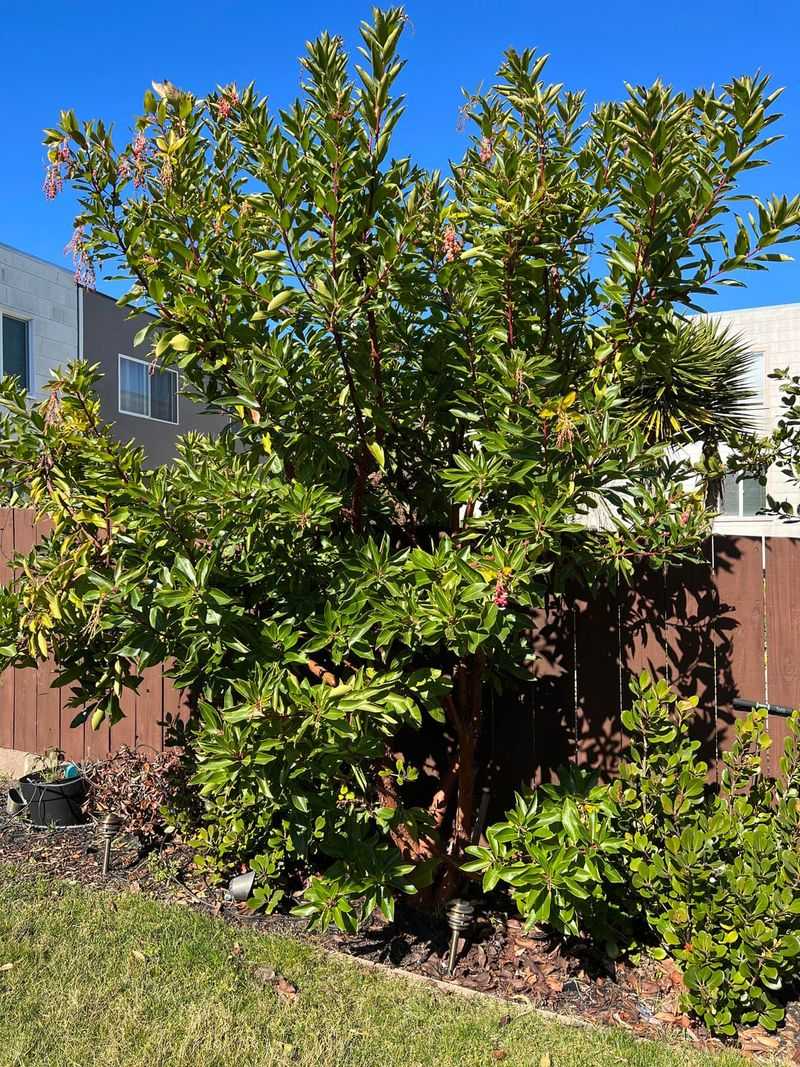
Few plants look as polished year-round as the Marina Strawberry Tree. Its deep green, leathery leaves stay on the plant through every season, making it a reliable screen no matter the time of year.
The tree also produces small clusters of pinkish flowers and round, bumpy fruits that turn from yellow to red as they ripen.
What makes this plant stand out is how clean and structured it looks without much effort. It grows into a dense, rounded form that blocks views naturally.
You can let it grow as a multi-trunk tree or trim it into a formal hedge shape depending on your style.
It handles drought well once established, which is a big bonus in our state. It also tolerates coastal winds, heat, and poor soils, making it flexible enough for many different yard conditions. Mature plants can reach 15 to 25 feet tall, giving you serious screening power.
Birds love the fruits, so you get wildlife activity along with your privacy. Planting several in a row creates a thick, attractive wall of greenery that looks planned and intentional.
This tree is also fire-resistant, which is an important quality for many homeowners in our state.
If you want a low-maintenance, good-looking screen that delivers all year, the Marina Strawberry Tree is one of the best choices available.
2. Silk Tassel Bush Makes A Native Screen With Winter Drama
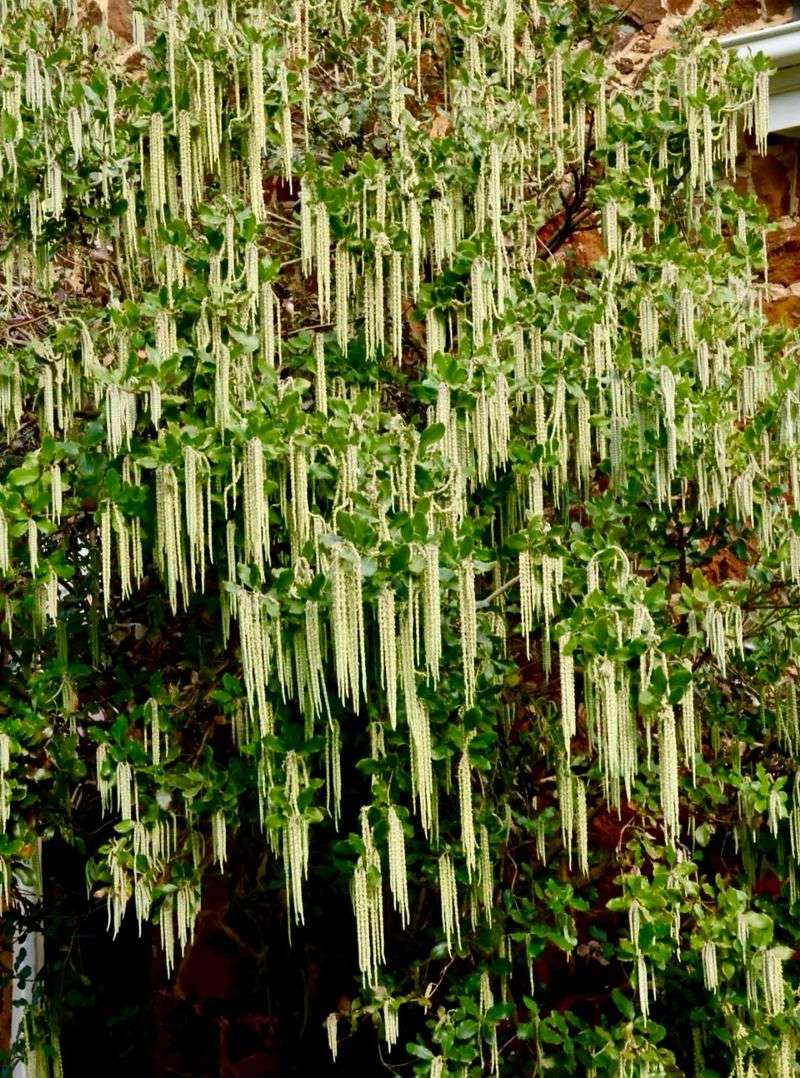
Most privacy plants go quiet in winter, but the Silk Tassel Bush does the opposite. Long, dangling catkins hang from its branches like silvery-green streamers, creating a dramatic display when the rest of the garden looks bare.
That winter show alone makes it worth planting. This plant is a true California native, which means it evolved to thrive in our state’s dry summers and mild, wet winters.
Once it gets established, it needs very little water. That makes it a smart, eco-friendly choice for gardeners who want to reduce their water bills and help support local wildlife.
The Silk Tassel Bush grows into a large, rounded shrub that can reach 6 to 15 feet tall. Its evergreen leaves are dark green on top and lighter underneath, with a slightly wavy edge that adds texture.
Your California Garden Changes Every Week. Your Plan Should Too.
Gardening in California changes quickly throughout the season. Every Friday you’ll receive a simple weekly plan showing exactly what to plant, prune, fertilize, harvest, and protect so you never miss the right timing.
Plant several together and they quickly form a dense, natural-looking screen. Birds and native insects are drawn to this plant throughout the year.
It grows well in full sun to partial shade and handles slopes and hillside gardens with ease. Because it is native, it rarely needs fertilizing or pest control.
It is a no-fuss plant that gives a lot back. If you want a screen with personality and a native spirit, the Silk Tassel Bush brings something truly special to your yard.
3. Flannel Bush Brings Big Yellow Flowers Without Bamboo Roots
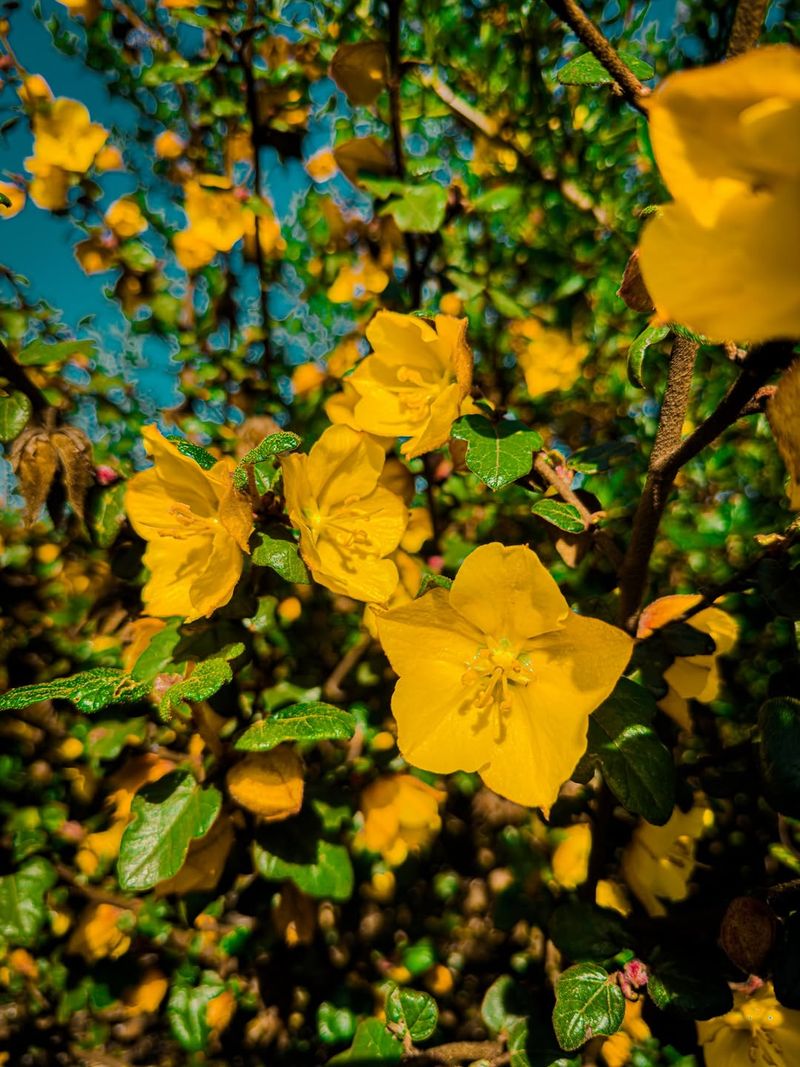
There is nothing subtle about a Flannel Bush in full bloom. Each spring, it explodes with large, cup-shaped flowers in a rich golden yellow that can stop traffic.
The blooms are so bold and cheerful that neighbors will ask what you are growing before they even realize it is a privacy screen.
Unlike bamboo, the Flannel Bush stays exactly where you plant it. Its roots do not run or spread aggressively, so you never have to worry about it creeping into other areas of your yard.
That alone makes it a far better neighbor than bamboo in almost every situation. This plant is native to our state and loves hot, dry conditions.
It thrives in full sun and well-drained soil, making it ideal for hillsides, dry slopes, and areas where other plants struggle. Once established, it is very drought tolerant and needs almost no supplemental watering.
It can grow anywhere from 6 to 20 feet tall depending on the variety, giving you flexibility based on how much screening you need.
The velvety leaves have a soft, fuzzy texture that gives the plant its name. Keep in mind that it does not like overwatering or heavy clay soils.
Plant it right and it will reward you with years of stunning blooms and reliable privacy. For a bold, native screen with serious flower power, this one is hard to beat.
4. Bush Anemone Creates A Clean Native Hedge Look
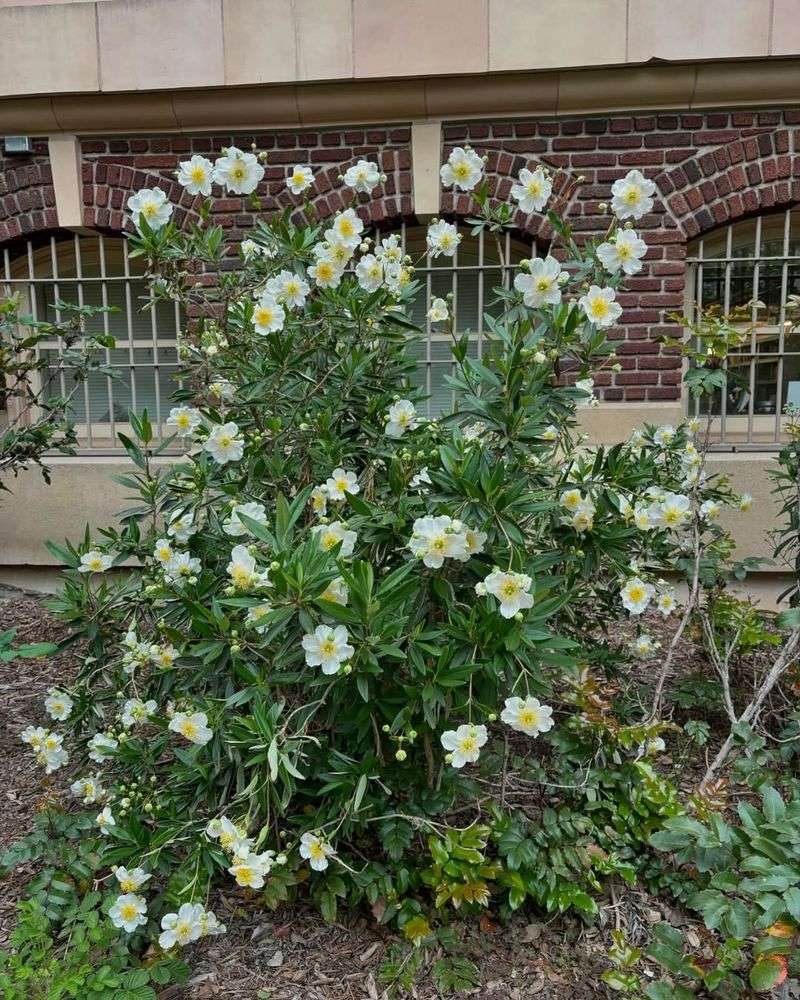
Clean lines and soft white flowers are not usually found in the same plant, but Bush Anemone pulls it off beautifully.
It grows into a tidy, upright shrub that naturally forms a neat shape without constant trimming.
That makes it ideal for gardeners who want a structured look without spending weekends with a pair of hedge clippers.
Bush Anemone is a California native that grows best in the shade or partial shade of larger trees.
If your yard has a shadier area where other plants struggle to fill in, this shrub is a great solution. It brings greenery and texture to spots that often get ignored.
The flowers are creamy white with a cluster of bright yellow stamens in the center, and they bloom from late spring through summer.
They have a light, pleasant fragrance that adds another layer of appeal. Butterflies and native bees visit the blooms regularly, so you get a little pollinator garden built right into your privacy screen.
It typically reaches 4 to 8 feet tall and wide, making it a medium-sized screen option. It handles drought reasonably well once established and rarely needs fertilizer. Pruning once a year after blooming helps keep it looking full and tidy.
For a shady corner that needs a soft, natural privacy barrier with native credentials, Bush Anemone is a smart and beautiful choice.
5. Desert Willow Screens Without Feeling Heavy
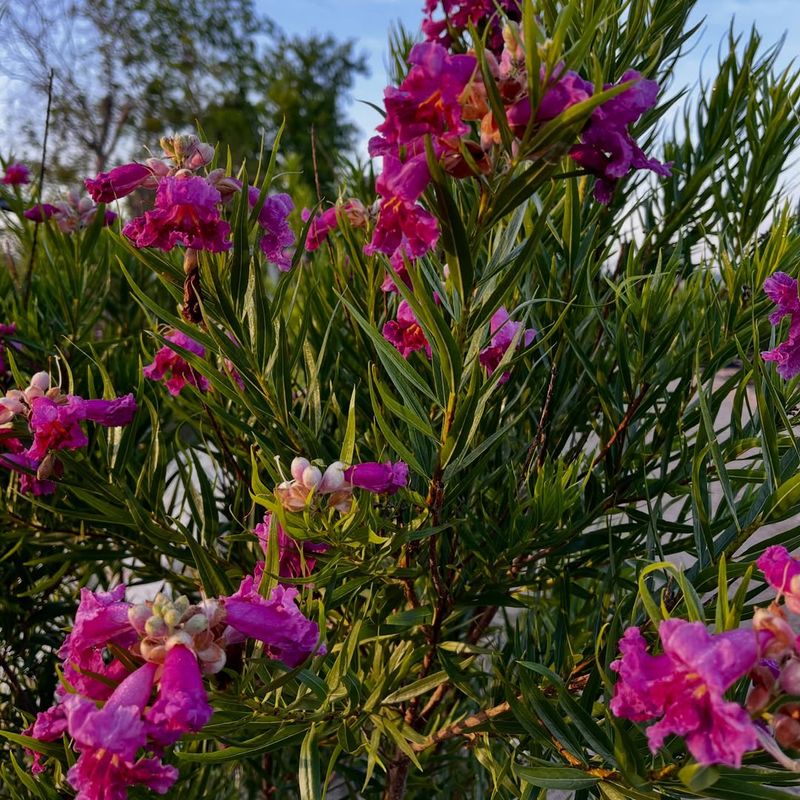
Some privacy screens feel like walls, but the Desert Willow feels more like a curtain. Its long, narrow leaves give it an open, airy quality that filters views without completely blocking sunlight.
That makes it a great choice for spaces where you want privacy but still want to keep things feeling light and open.
Despite its name, this plant is not a true willow. It belongs to its own unique family and is well-suited to hot, dry climates. Our state’s inland valleys and desert-adjacent regions are perfect for it.
It handles summer heat and drought with ease, and it rarely needs extra water once it settles in.
The flowers are the real showstopper. They are trumpet-shaped and come in shades of pink, lavender, and white, depending on the variety.
They bloom repeatedly from spring through fall, attracting hummingbirds and butterflies throughout the season.
Having a privacy screen that doubles as a pollinator magnet is a real bonus. Desert Willow grows 15 to 25 feet tall and spreads out gracefully, creating a natural, informal screen.
It is deciduous, meaning it drops its leaves in winter, so it works best in spots where year-round screening is not critical.
For warm, sunny yards that need a breezy, flower-filled screen, this plant brings charm and practicality together in a way few others can match.
6. Sweet Bay Laurel Makes A Useful Evergreen Wall
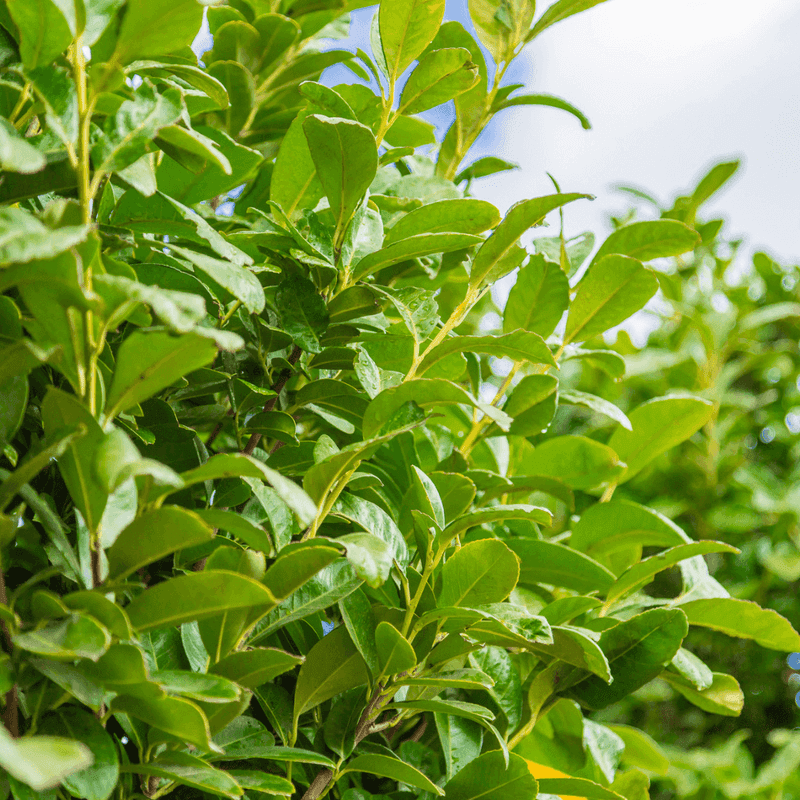
Not many privacy plants are also useful in the kitchen, but Sweet Bay Laurel earns a spot on both lists.
The aromatic leaves are the same bay leaves used in soups, stews, and sauces around the world. Having a hedge that also seasons your dinner is a genuinely fun bonus that not many gardeners expect.
Beyond the culinary appeal, this plant is a serious performer in the garden. It grows into a dense, upright form with glossy, dark green leaves that hold their color all year.
Trim it into a formal hedge or let it grow naturally into a large, rounded tree. Either way, it creates a thick, effective screen that blocks views and reduces noise.
Sweet Bay Laurel thrives in full sun to partial shade and handles a wide range of soil types. It is moderately drought tolerant once established, which suits our state’s dry summers well.
It also grows well in containers, which is helpful for gardeners with patios or small spaces. It can reach 10 to 40 feet tall in the ground, though most gardeners keep it trimmed to a more manageable height.
Growth is steady rather than fast, so patience is needed. But the payoff is a handsome, long-lived screen that improves every year.
For a multi-purpose evergreen wall that smells wonderful and earns its keep in the kitchen too, Sweet Bay Laurel is a standout option.
7. Silver Sheen Pittosporum Gives Fast Privacy With Airy Texture
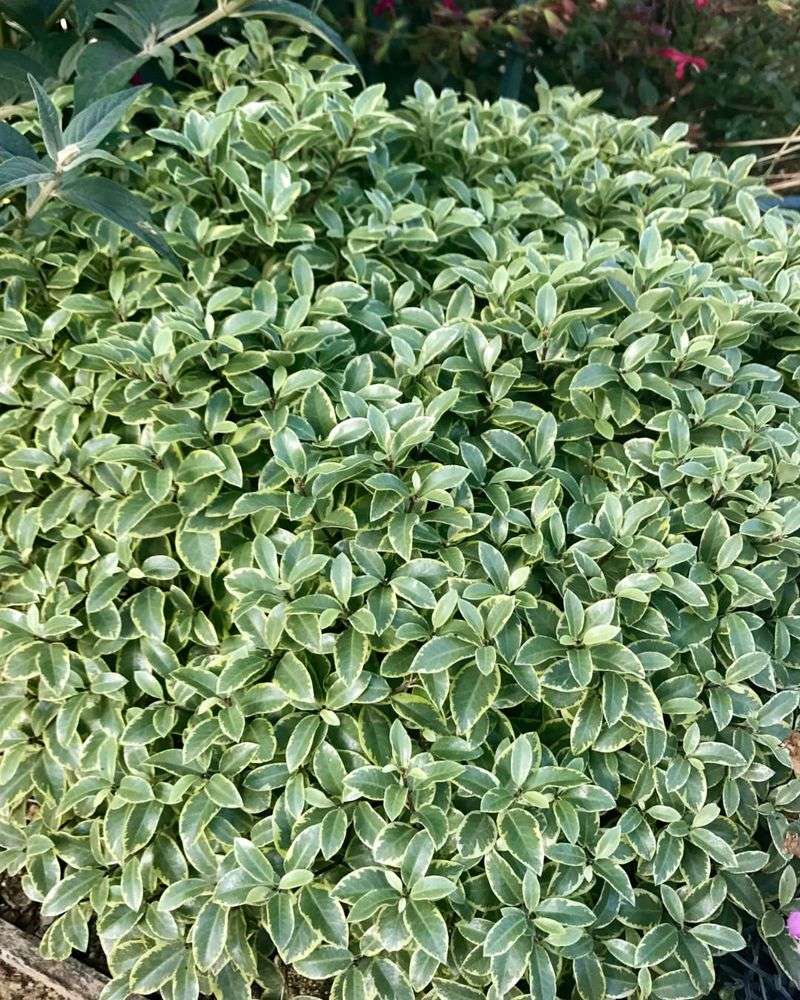
Speed matters when you need privacy fast. Silver Sheen Pittosporum is one of the quickest-growing privacy plants available for our state, and it does not sacrifice beauty for speed.
Its small, shimmering leaves flutter in the breeze and catch light in a way that makes the whole hedge look alive and dynamic.
The growth habit is naturally tall and narrow, which makes it ideal for tight spaces between homes or along fences where you do not want a plant taking over the whole yard.
It can reach 15 to 20 feet tall while staying relatively slim, giving you vertical screening without a huge footprint.
It handles a wide range of conditions, including coastal fog, heat, and mild drought. Once established, it needs only occasional watering in summer.
It also tolerates light frost, making it useful in cooler inland areas and foothill communities across our state.
Small, honey-scented flowers appear in spring and attract pollinators. The fragrance is subtle but noticeable when you are near the plant, adding a sensory layer to your garden. Pruning is simple and only needed occasionally to keep the shape tidy.
This plant is also resistant to most common pests, which keeps maintenance easy and stress-free.
If you want a fast, elegant screen that works in tight spaces and still looks polished, Silver Sheen Pittosporum is one of the top choices available.
8. Westringia Keeps Privacy Soft And Low-Maintenance
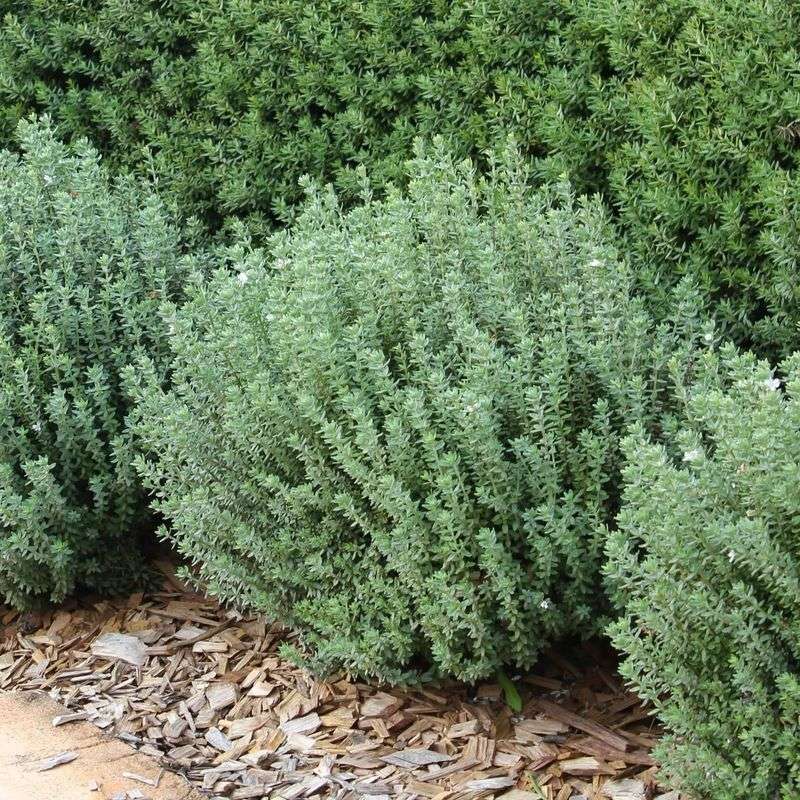
Rosemary gets a lot of attention, but its Australian cousin Westringia deserves far more credit.
The two plants look similar at first glance, with soft, needle-like leaves and small flowers. But Westringia is tougher, more flexible in the landscape, and handles coastal conditions like a champion.
It grows into a rounded, bushy shrub that reaches 3 to 6 feet tall, depending on the variety. Some taller forms can reach up to 8 feet, making them useful for mid-height screens along fences or property lines.
The foliage is a soft gray-green that pairs beautifully with both modern and cottage-style gardens.
Small white or pale lavender flowers appear almost year-round in mild climates, which means the plant rarely looks bare or dull. Bees and small native insects visit the flowers constantly.
Having a privacy screen that supports pollinators without any extra effort is a real win for the ecosystem and for your garden.
Westringia is drought tolerant, salt tolerant, and handles wind well. It thrives in full sun and well-drained soil, which suits many yards in our state perfectly. Light trimming once or twice a year keeps it looking neat and full.
It rarely has pest or disease problems, making it one of the most carefree hedging plants around.
For a soft, silvery screen that practically takes care of itself, Westringia is a smart and stylish pick.
9. Bottlebrush Brings Hummingbirds Along With Screening
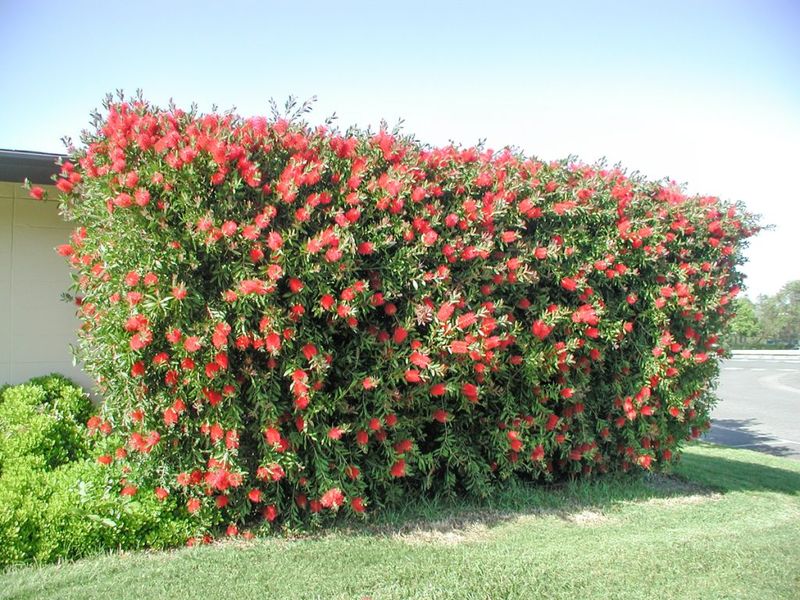
A hummingbird hovering at a bright red bottlebrush bloom is one of the most satisfying sights a garden can offer.
Bottlebrush plants produce long, cylindrical flower spikes that look exactly like their name suggests, and hummingbirds absolutely cannot resist them. Planting a row of these along your property line means privacy and a built-in wildlife show.
There are many varieties to choose from, ranging from compact 3-foot shrubs to tree forms that reach 20 feet or more.
That range of sizes makes it easy to find one that fits your specific screening needs. Weeping varieties create a softer, more flowing look, while upright forms give a cleaner, more structured hedge appearance.
Bottlebrush thrives in full sun and handles heat and drought well once established. It is a popular choice throughout our state because it suits so many different climates, from coastal gardens to hot inland valleys.
It also tolerates poor soils and is generally pest-resistant. The flowers appear in spring and often again in fall, giving you two big bloom seasons per year.
In between, the plant stays evergreen and dense, providing consistent screening. Minimal pruning is needed, though shaping after each bloom cycle keeps it tidy.
Fertilizing is rarely necessary. For a bold, bird-friendly privacy screen that delivers color and excitement twice a year, Bottlebrush is one of the most rewarding plants you can grow.
10. Texas Mountain Laurel Gives Privacy With Fragrant Purple Blooms
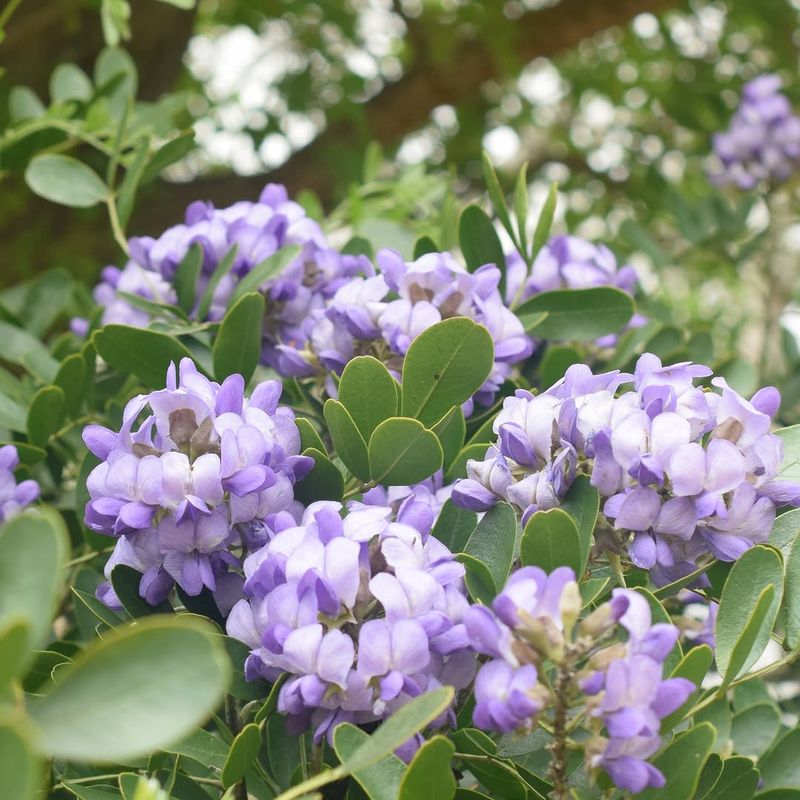
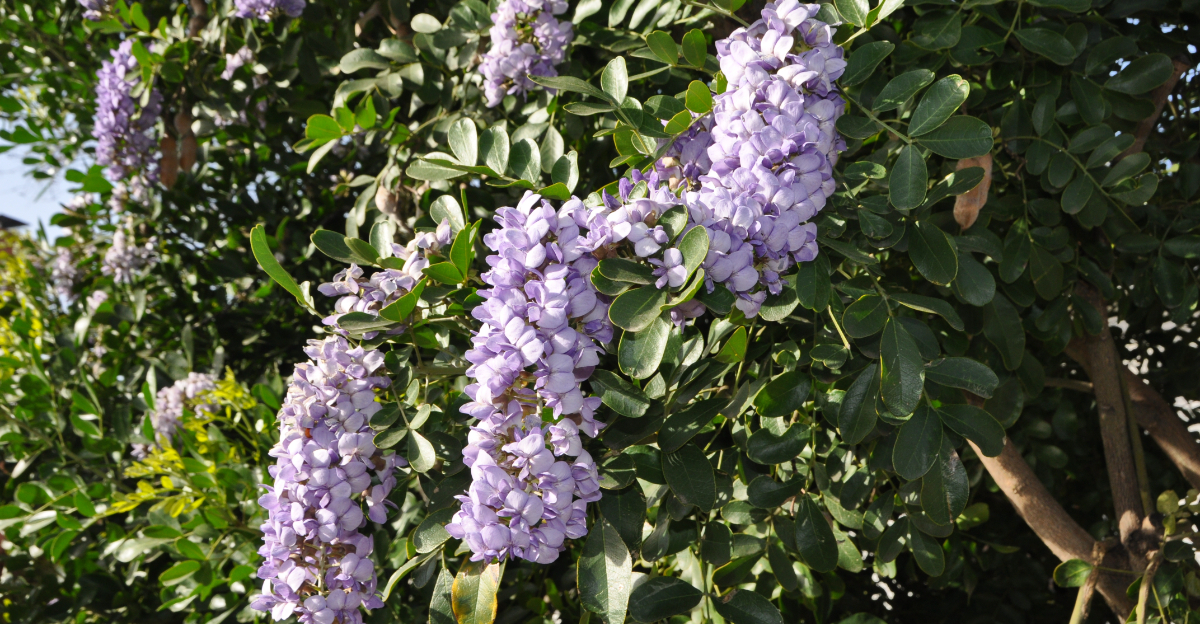
The scent of Texas Mountain Laurel in full bloom has been compared to grape soda, and once you smell it, you never forget it.
Each spring, the plant covers itself in clusters of deep purple flowers that drip from the branches like tiny bunches of grapes. The fragrance drifts across the whole yard and often into neighboring spaces too.
Despite its name, this plant grows very well in our state, especially in drier inland areas and regions with rocky or sandy soil.
It is extremely drought tolerant and actually prefers to be left alone once established. Overwatering is one of the few things that can cause problems, so it suits low-water gardens perfectly.
The foliage is dark, glossy, and evergreen, giving you a rich, full-looking screen year-round. The leaves stay deep green through summer heat and winter cold alike.
Growth is slow to moderate, so patience is required, but the result is a dense, long-lived screen that looks better every year.
It typically reaches 10 to 15 feet tall and can be shaped into a formal hedge or allowed to grow naturally.
The seeds inside the pods are toxic, so keep that in mind if children or pets use the yard regularly.
For a fragrant, drought-tough, evergreen screen that delivers one of the most memorable bloom displays in any garden, Texas Mountain Laurel is truly in a class of its own.