8 Pro-Approved Flowers Texas Gardeners Can Grow For Stunning Arrangements
You don’t need to be a floral designer to grow gorgeous flowers for arrangements, especially if you live in Texas. Thanks to the long growing season and plenty of sunshine, many pro-loved flowers grow beautifully right in your backyard.
Whether you’re filling a vase for your kitchen table or building a show-stopping bouquet, the right blooms can make all the difference.
The key is choosing varieties that thrive in Texas soil and heat while also offering strong stems, long vase life, and eye-catching color.
Many of these flowers are surprisingly easy to grow and require minimal effort once established. From classic favorites to bold statement-makers, these blooms are sure to impress whether you’re gifting, decorating, or simply enjoying them yourself.
Let’s take a look at the top flowers that expert gardeners and floral pros recommend growing in Texas for stunning, fresh-from-the-garden arrangements.
1. Zinnias
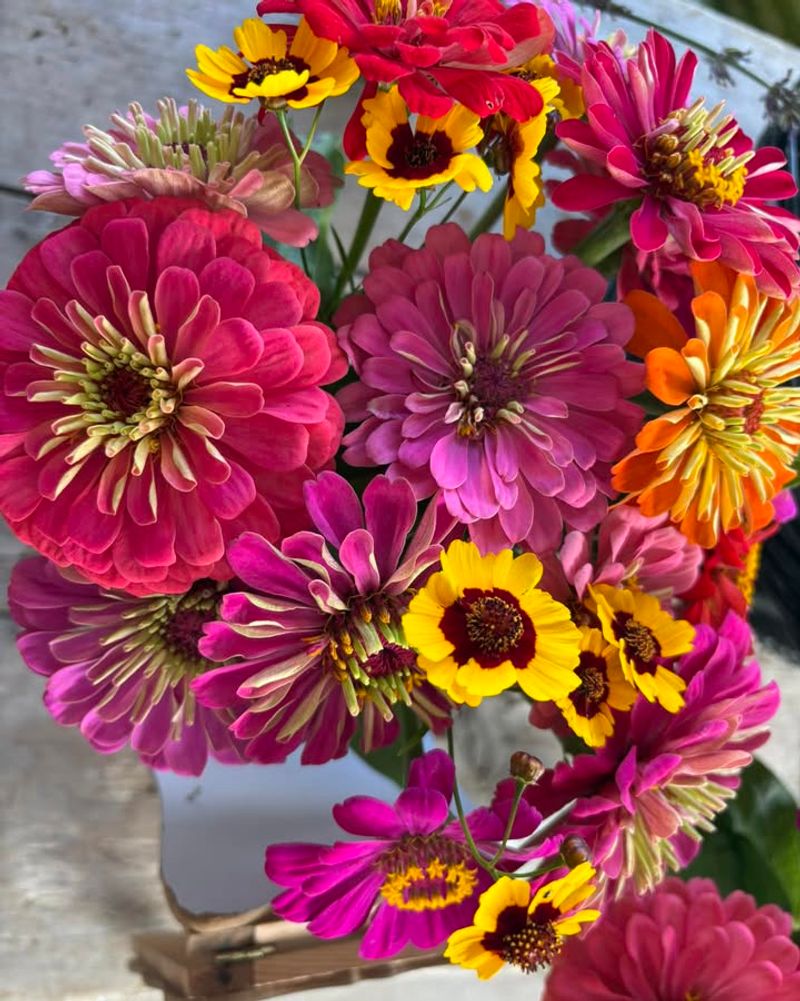
Bright, cheerful, and incredibly easy to grow, zinnias have become a favorite among Texas gardeners who love cutting flowers for arrangements.
These colorful blooms come in practically every shade imaginable, from deep burgundy to soft pastels, and they keep producing new flowers all summer long when you cut them regularly.
Professional florists appreciate zinnias because their sturdy stems hold up beautifully in vases, often lasting a week or more with fresh water.
Texas heat doesn’t bother zinnias one bit. In fact, they absolutely thrive when temperatures climb, making them perfect for our long, hot summers.
Plant them in full sun after the last frost, and you’ll have flowers ready to cut within 60 days. The more you snip, the more they bloom, which makes them ideal for gardeners who want continuous bouquets throughout the season.
Choosing tall varieties like Benary’s Giant or Queen Lime gives you those long stems that florists love, making arrangement design so much easier. These varieties can reach three feet tall with blooms spanning four inches across.
Mix different colors together in your garden beds, and you’ll always have the perfect combination for any arrangement style.
Zinnias rarely face serious pest problems in Texas gardens, though powdery mildew can appear during humid spells. Spacing plants properly and watering at ground level helps prevent this issue.
For continuous blooms, plant new seeds every two weeks through early summer, ensuring fresh flowers from June through the first frost in your area.
2. Sunflowers
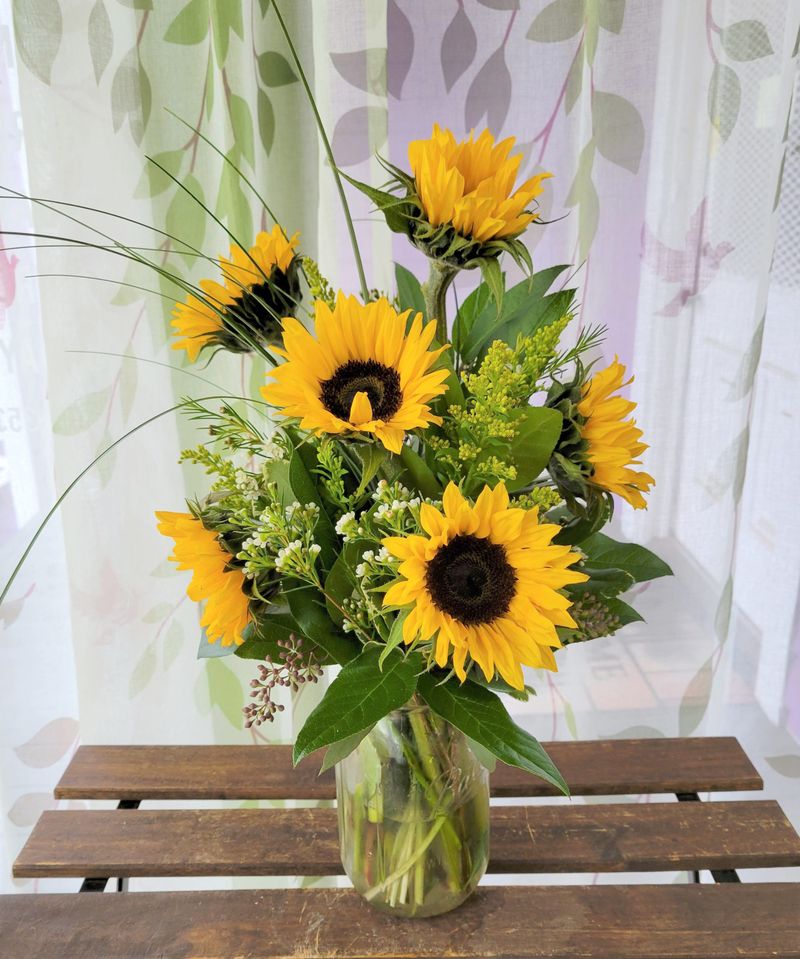
Nothing says Texas gardening quite like towering sunflowers reaching toward the bright blue sky. These iconic blooms bring instant drama to any arrangement, whether you choose giant varieties that stretch over six feet tall or compact types that stay around three feet.
Their bold, cheerful faces add a rustic charm that works beautifully in everything from casual mason jar displays to elegant wedding centerpieces.
Sunflowers adapt remarkably well to Texas conditions, handling our intense heat and requiring minimal fussing once established. Plant seeds directly in the ground after the soil warms up in spring, giving them plenty of space since they develop extensive root systems.
They’ll germinate quickly, often within a week, and grow rapidly during our warm spring and early summer months.
For arrangement purposes, varieties like ‘ProCut’ series have been specifically bred for the cut flower industry, offering uniform stem lengths and bloom sizes that make designing easier.
These types produce multiple blooms per plant rather than just one massive flower, giving you more cutting opportunities.
Harvest sunflowers early in the morning when the petals have just opened but before the flower fully matures for longest vase life.
Texas gardeners should watch for birds who love snacking on developing seeds, though this typically becomes an issue only if you let flowers mature completely.
Cutting blooms regularly for arrangements actually prevents this problem while encouraging some varieties to produce additional flowering stems from side shoots throughout the season.
3. Celosia
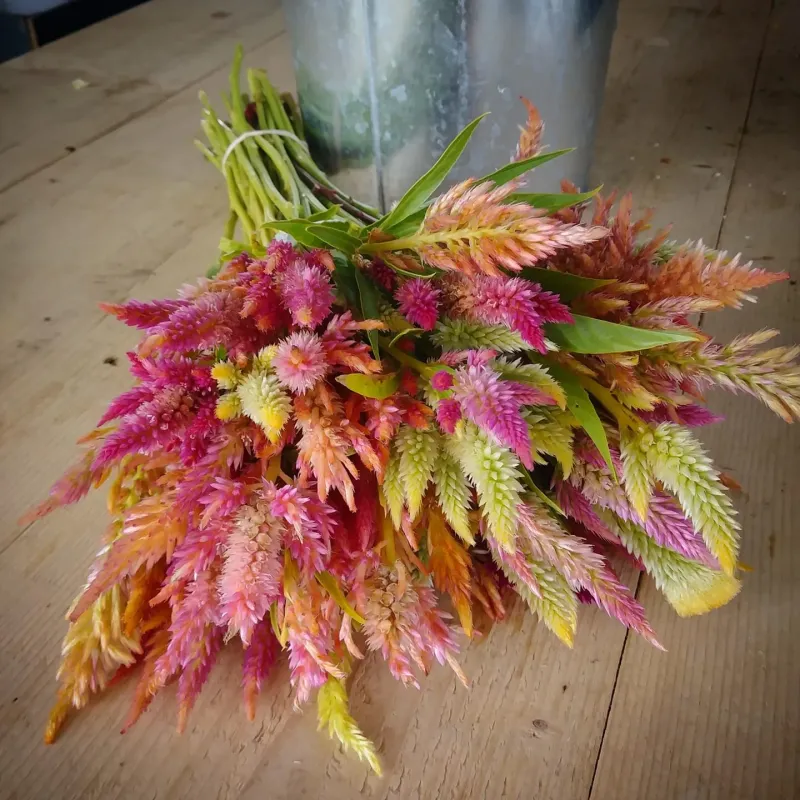
Exotic-looking celosia brings incredible texture to arrangements with its unique plume-like or brain-shaped blooms that seem almost otherworldly.
Professional designers adore this flower because it adds architectural interest that you simply can’t get from typical round blooms.
The vibrant colors ranging from hot pink and red to golden yellow and deep burgundy create stunning focal points in any arrangement style.
Texas summers were practically made for celosia since this heat-loving annual thrives when temperatures soar. Plant it in full sun once the soil has thoroughly warmed, and it’ll reward you with continuous blooms from early summer until frost.
The flowers hold their color beautifully both fresh and dried, giving you versatility in how you use them throughout the year.
Two main types work wonderfully in arrangements: plumed varieties with feathery flower spikes and crested types that form fascinating coral-like heads. Both offer excellent vase life, often lasting two weeks or more when properly conditioned.
Cut stems early in the morning and immediately place them in water for best results. Remove any foliage that would sit below the water line to prevent bacterial growth.
Celosia performs exceptionally well in Texas gardens because it tolerates drought once established, though consistent watering produces larger, more impressive blooms. Space plants about 12 inches apart in beds with well-draining soil.
Many Texas gardeners plant celosia in successive sowings every three weeks to ensure a constant supply of fresh flowers for cutting throughout the entire growing season.
4. Cosmos
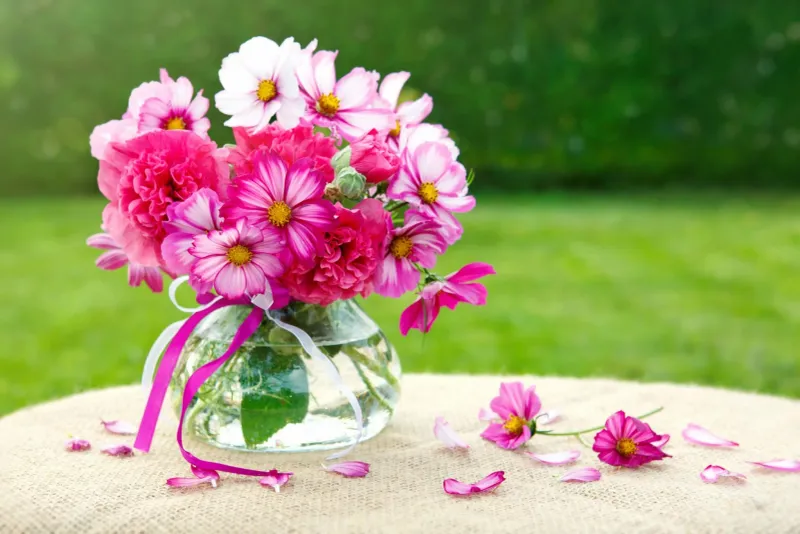
Delicate cosmos flowers dance on wiry stems, creating an airy, romantic feel in arrangements that heavier blooms simply cannot achieve.
These charming flowers come in shades of pink, white, burgundy, and even chocolate brown, with daisy-like petals surrounding bright yellow centers.
Despite their delicate appearance, cosmos actually hold up quite well in vases, especially when cut at the right stage and conditioned properly.
Texas gardeners love cosmos because they’re practically foolproof, germinating easily from seed and blooming prolifically with minimal care.
They actually prefer lean soil and can become too leafy with excessive fertilizer, so our Texas soil often suits them perfectly without amendments.
Plant seeds directly in the garden after the last frost, and you’ll have flowers ready to cut within two months.
Taller varieties like ‘Sensation Mix’ reach four feet high, providing those long stems that make arrangement design easier and more professional-looking. The ‘Double Click’ series offers fully double blooms that resemble small dahlias, adding extra elegance to bouquets.
Cosmos flowers keep coming when you harvest regularly, so don’t hesitate to cut armloads for your arrangements.
One quirk about cosmos in Texas gardens is that they sometimes slow down during the absolute hottest part of summer, then rebound beautifully when temperatures moderate slightly in late summer and fall.
This makes them excellent for extending your cutting garden season well into autumn.
Deadhead spent blooms if you’re not cutting regularly to encourage continuous flowering and prevent excessive self-seeding throughout your garden beds.
5. Gomphrena
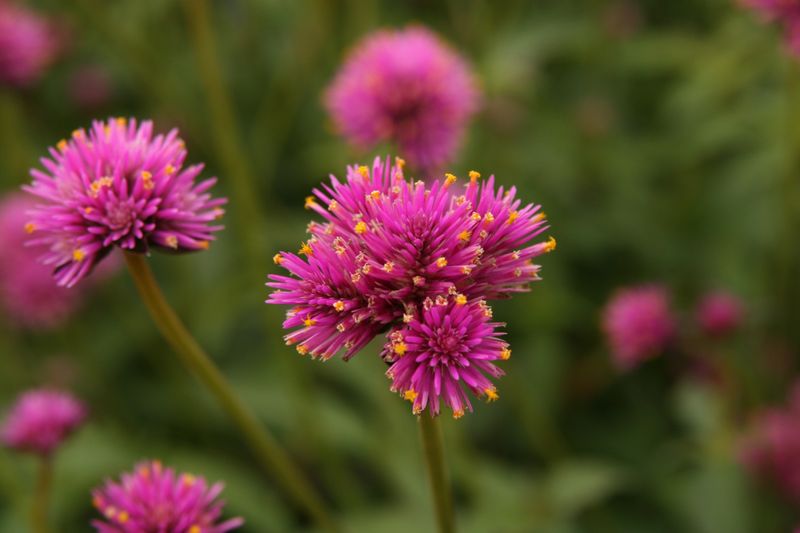
Round, clover-like blooms of gomphrena add whimsical charm to arrangements while offering something most flowers can’t: incredible longevity both fresh and dried.
These papery globe-shaped flowers come in vivid magenta, purple, pink, white, and even strawberry red, maintaining their brilliant colors for weeks in a vase.
Florists treasure gomphrena as a filler flower that adds texture and visual interest without overwhelming focal blooms.
Heat-loving gomphrena practically begs to be grown in Texas, thriving in our hottest months when other flowers might struggle.
This tough little plant handles drought surprisingly well once established and keeps blooming relentlessly from early summer straight through to frost.
Plant it in full sun with well-draining soil, spacing plants about 10 inches apart for best results.
The variety ‘Fireworks’ produces particularly striking pink blooms on stems that can reach three feet tall, perfect for arrangement work. Standard globe types grow shorter but fuller, making them ideal for mass plantings in cutting gardens.
Cut stems when flowers have fully colored but before they begin to fade for maximum vase life. Strip lower leaves and place immediately in water.
Many Texas gardeners appreciate that gomphrena requires virtually no deadheading or maintenance beyond occasional watering during extended dry spells.
The flowers air-dry beautifully if you want to preserve them for winter arrangements, maintaining their vibrant colors for months.
Simply hang cut stems upside down in a dark, dry location for about two weeks, and you’ll have gorgeous dried flowers that remind you of your Texas garden all year long.
6. Marigolds
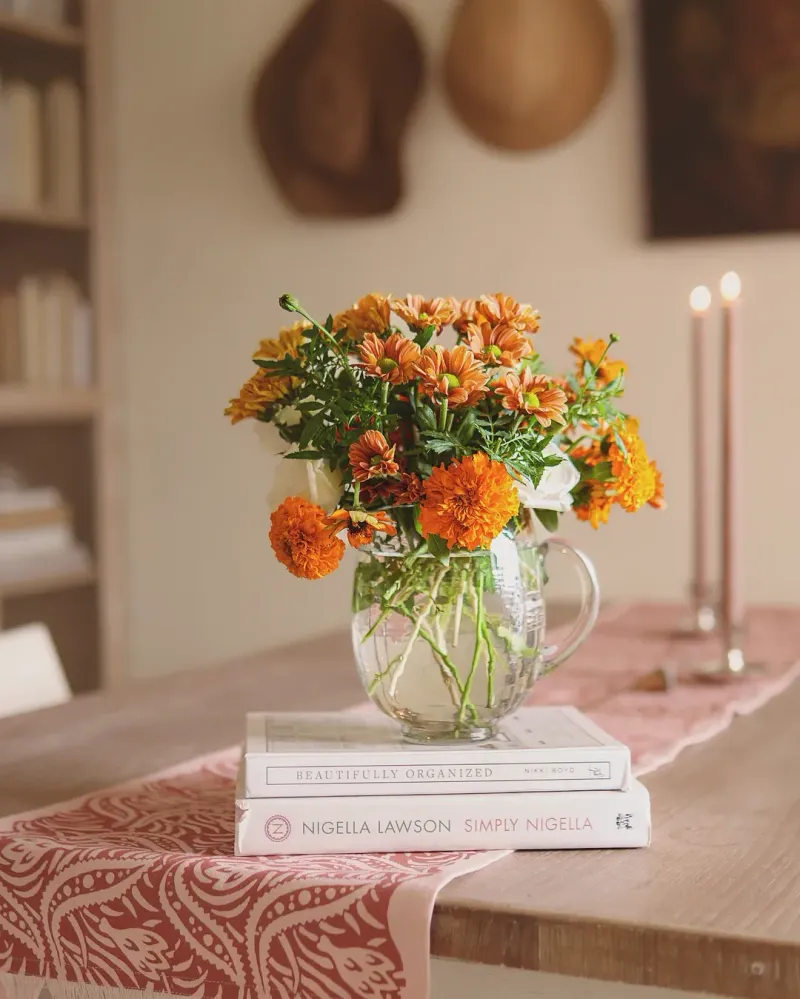
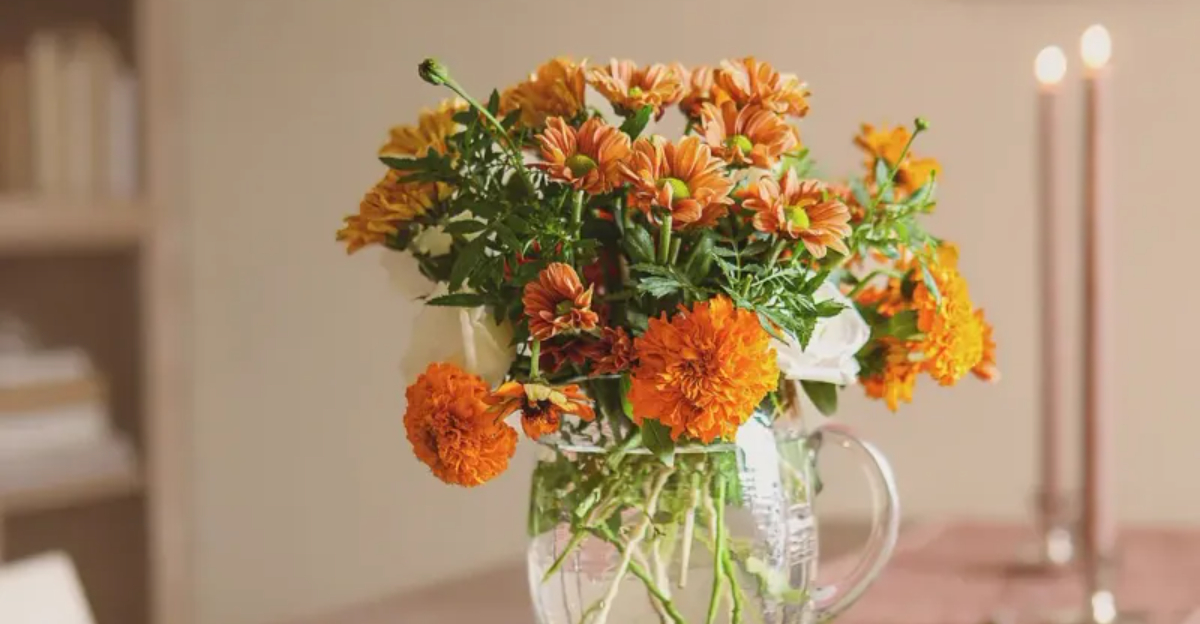
Cheerful marigolds deserve way more credit than they typically receive as arrangement flowers. While many people think of them only as bedding plants, the tall African marigold varieties produce substantial blooms on stems long enough for professional-looking bouquets.
Their warm golden, orange, and yellow tones bring sunshine to any arrangement, and their spicy fragrance adds an unexpected sensory element.
Growing marigolds in Texas gardens is remarkably straightforward since they tolerate our heat and rarely encounter serious pest problems. In fact, many gardeners plant them specifically because they’re believed to repel certain insects.
Sow seeds directly in the garden after frost danger passes, or start them indoors about six weeks earlier for earlier blooms. They germinate quickly and grow rapidly in warm Texas spring weather.
For cutting purposes, look for varieties labeled as African or American marigolds rather than the shorter French types. ‘Antigua’ and ‘Moonstruck’ series produce huge blooms up to four inches across on stems that can reach 18 inches tall.
These substantial flowers work beautifully as focal points in arrangements, especially when paired with complementary blues and purples from other garden flowers.
Texas gardeners should plant marigolds in full sun for best flowering, though they’ll tolerate partial shade better than many other cutting flowers.
Water consistently to encourage continuous blooming, and cut flowers regularly to prevent them from setting seed, which slows production.
The blooms last surprisingly well in arrangements, often staying fresh for over a week when cut at peak bloom and properly conditioned with fresh water changes every couple of days.
7. Roses
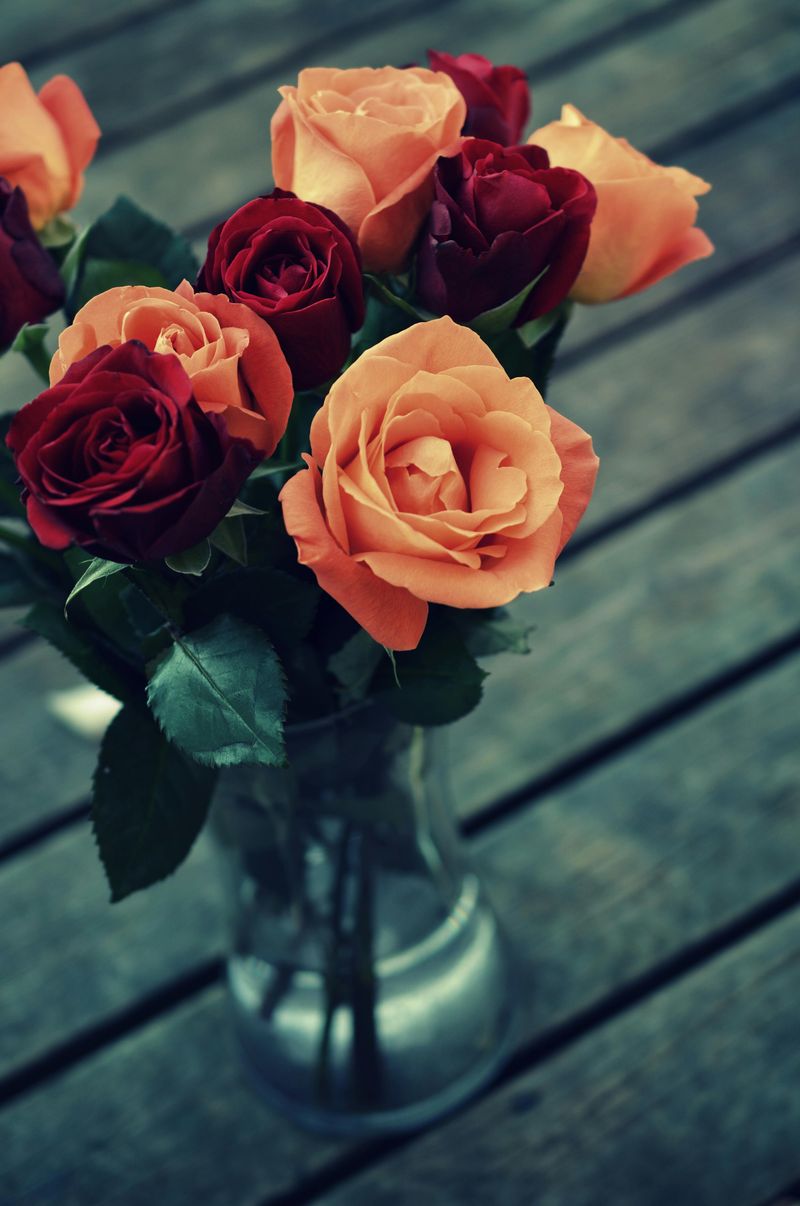
Classic roses remain the gold standard for elegant arrangements, and Texas gardeners can absolutely grow gorgeous cutting roses with the right variety selection.
Modern shrub roses and certain hybrid teas thrive in our climate, producing long-stemmed blooms with the classic rose form that everyone loves.
Nothing elevates an arrangement quite like a perfectly formed rose in shades ranging from pure white to deep crimson.
Selecting roses suited to Texas conditions makes all the difference between frustration and success. Look for varieties bred to handle heat and humidity, such as those from the Earth Kind program developed specifically for tough Southern conditions.
‘Belinda’s Dream,’ ‘Knock Out,’ and many David Austin roses perform beautifully across Texas, producing abundant blooms for cutting without requiring excessive spraying or fussing.
Plant roses in locations receiving at least six hours of direct sun daily, amending Texas soil with compost to improve drainage and fertility. Space plants according to their mature size, typically three to four feet apart for most shrub types.
Water deeply but infrequently to encourage strong root development, and apply a balanced fertilizer monthly during the growing season to support continuous bloom production.
Harvest roses for arrangements early in the morning when stems are fully hydrated, cutting just above an outward-facing five-leaflet leaf. Choose blooms that have just begun to open rather than tight buds or fully open flowers for longest vase life.
Remove thorns carefully and strip lower foliage before placing stems in water. Many Texas gardeners discover that homegrown roses actually last longer in arrangements than store-bought ones because they’re cut at the perfect stage and handled with care.
8. Lisianthus
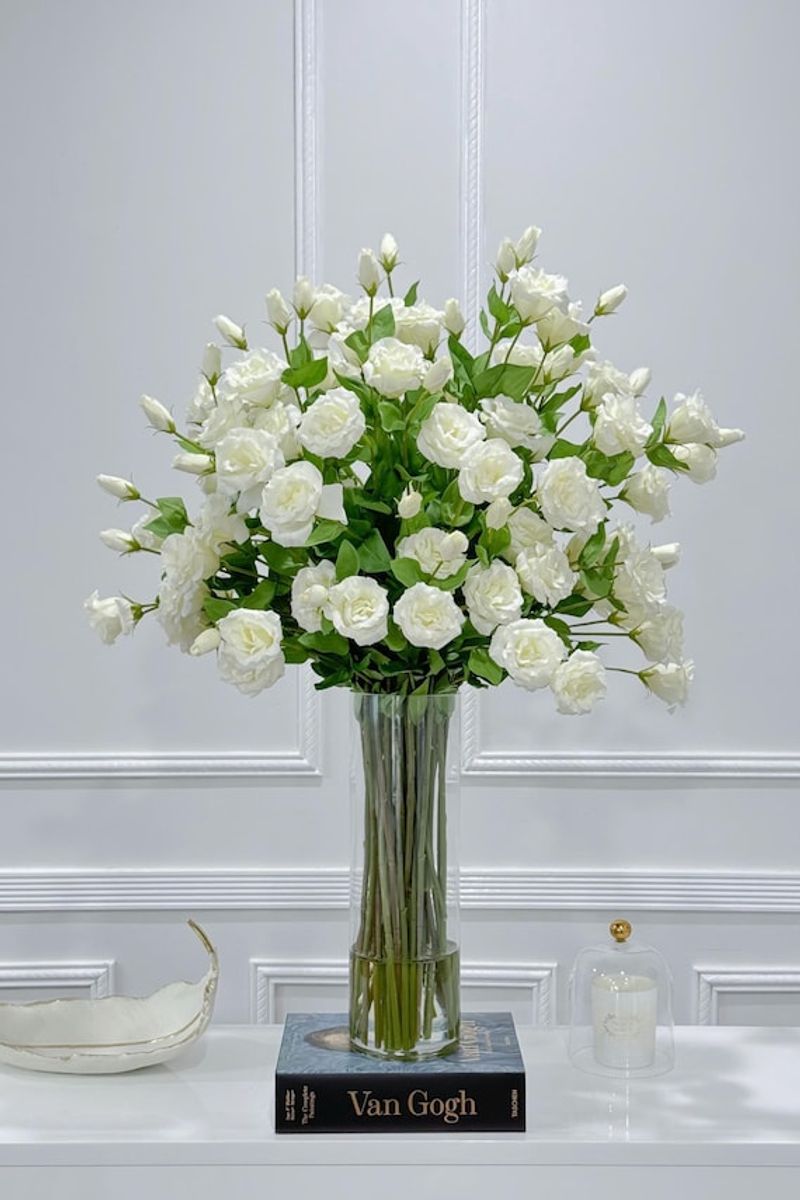
Sophisticated lisianthus flowers look remarkably like roses but offer their own unique elegance with ruffled petals and a delicate appearance that commands attention in any arrangement.
These stunning blooms come in soft pastels including lavender, pink, white, and cream, often with darker edges that add depth and visual interest.
Professional florists charge premium prices for lisianthus, making them especially rewarding to grow in your own Texas garden.
Growing lisianthus presents more challenges than some other cutting flowers, but Texas gardeners who master them enjoy spectacular results.
These plants prefer cooler temperatures for germination and early growth, so starting seeds indoors in late winter works best for most Texas regions.
Transplant seedlings to the garden in early spring, giving them time to establish before summer heat arrives. They need consistent moisture and excellent drainage to thrive.
Lisianthus takes longer to bloom than many annuals, often requiring four to five months from seeding to first flowers, but the wait proves worthwhile. The blooms last an incredibly long time in arrangements, often two weeks or more, making them excellent value despite the growing challenges.
Plant them in full sun to partial shade, especially in hotter Texas regions where afternoon shade helps blooms last longer on the plant.
Many Texas gardeners find that lisianthus performs best when planted in spring for early summer blooms, then again in late summer for fall flowers, avoiding the absolute hottest months.
The plants appreciate regular feeding with balanced fertilizer and consistent watering, never allowing soil to completely dry out.
Cut stems when the first flower on each stem has opened but before others fully develop for maximum vase life and to encourage additional flowering stems from the plant base.