Pro Tips For Fertilizing California Geraniums For Bigger Blooms
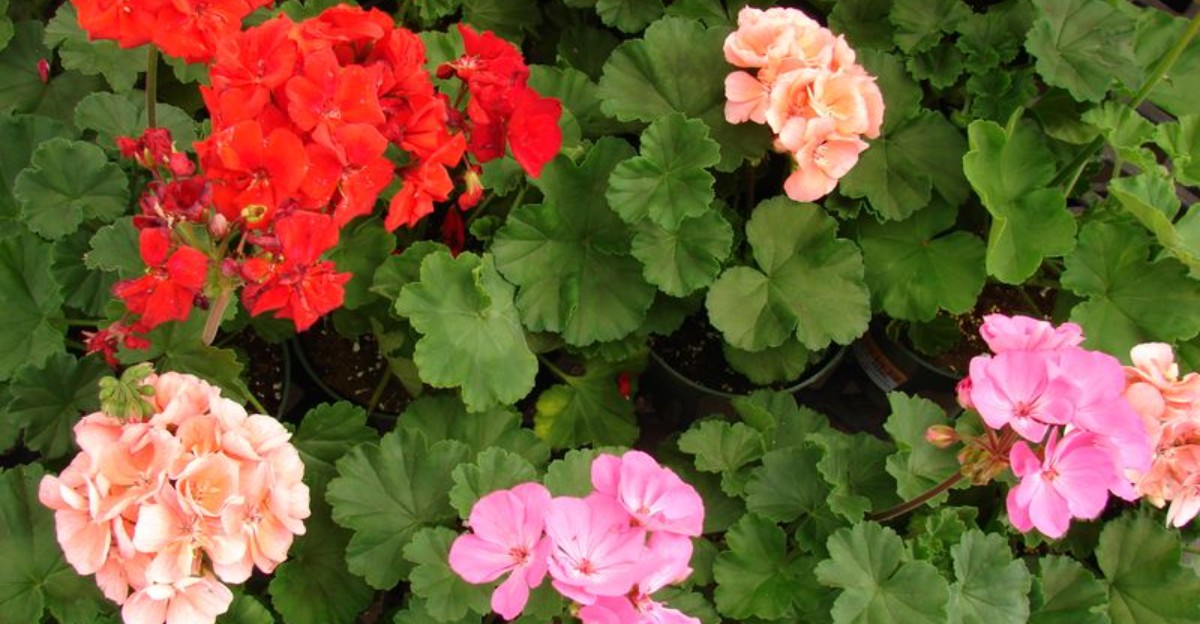
Sunny California patios and geraniums go together like summer and long evenings. Bright clusters of red, pink, coral, and white can brighten a doorstep for months.
Sometimes, though, the plant grows lush and leafy while flowers stay scarce.
That mismatch often traces back to the feeding routine rather than the plant itself.
Geraniums respond quickly to how they’re fed, for better or worse, and small changes can shift their energy in surprising directions.
Timing, strength, and a few simple habits matter far more than an expensive shelf of specialty products.
The difference between a leafy bush and a steady parade of color frequently comes down to restraint. A lighter, smarter touch tends to reward patient gardeners with blooms worth admiring.
1. Start With A Balanced Fertilizer
Every fertilizer package carries three numbers, such as 10-10-10 or 20-20-20. They stand for nitrogen, phosphorus, and potassium, always in that order.
A balanced fertilizer has those numbers equal or close to equal.
Geraniums do best with that kind of even diet. Nitrogen fuels leaves and stems, phosphorus supports roots and buds, and potassium helps the plant stay sturdy under stress.
UC garden guidance notes that most flowering bedding and container plants thrive on a complete, balanced product.
Many California soils already hold plenty of phosphorus, so extra rarely helps garden beds, and pricey bloom boosters with huge middle numbers aren’t required for strong flowering.
Labels listing small amounts of micronutrients, such as iron, zinc, and magnesium, offer added value, since potting mixes can run low over time.
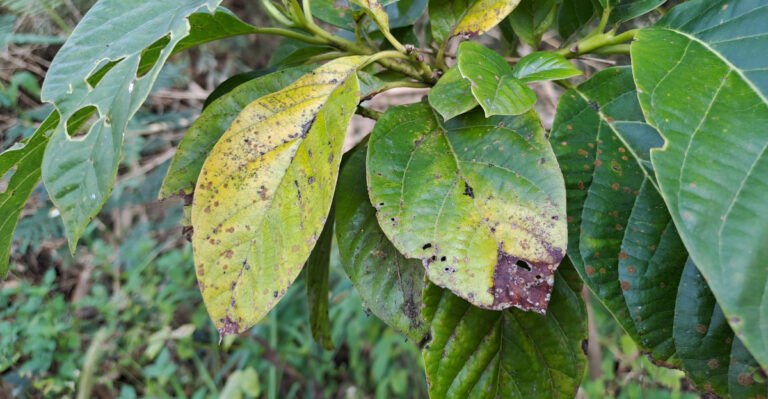
A pale, yellowish geranium with green veins may be signaling an iron shortage.
Both liquid and granular forms work well. Liquids act fast and suit frequently watered pots, while granules last longer and save time.
Organic choices such as fish emulsion or worm castings also feed geraniums nicely. They tend to be gentler, though their nutrient levels usually run lower.
Whatever the product, careful label reading and following directions matter most.
A balanced start lays a solid foundation for a flower-filled season, and every habit that follows builds on it.
Fall shoppers often find balanced products on sale, a good moment to stock up for spring.
2. Feed Every Two To Four Weeks In Season
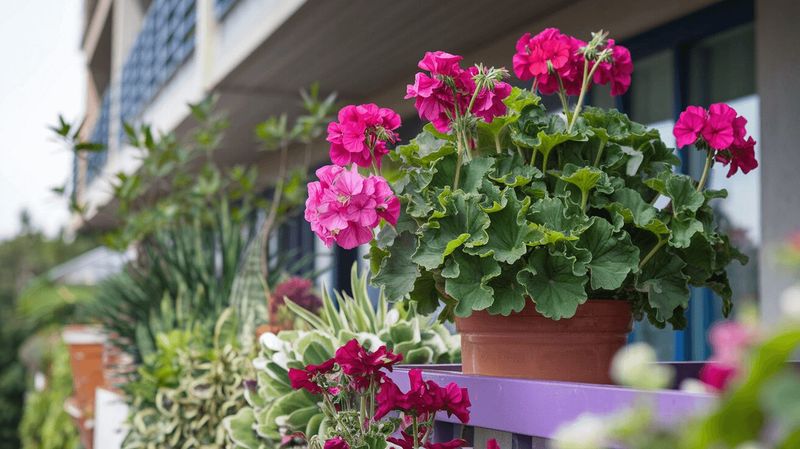
Spring arrives in California, and geraniums wake up hungry. New leaves unfurl, stems stretch, and buds start forming, so a steady food supply keeps flowers rolling.
A good rhythm means feeding every two to four weeks from spring through early fall.
Container plants sit closer to the two-week end, while geraniums in garden beds can usually wait closer to four weeks, since soil holds nutrients longer.
The difference comes down to water. Pots often need watering almost daily in hot weather, and each soaking flushes nutrients out the drainage holes.
Container plants therefore run low much faster than their in-ground cousins.
Feeding days marked on a calendar or a phone reminder keep the routine on track. Consistency matters more than big doses.
Small, regular meals give the plant a steady flow of energy for blooms rather than a feast followed by a famine.
Your California Garden Changes Every Week. Your Plan Should Too.
Gardening in California changes quickly throughout the season. Every Friday you’ll receive a simple weekly plan showing exactly what to plant, prune, fertilize, harvest, and protect so you never miss the right timing.
Geraniums offer clues. Pale lower leaves and slow growth may mean they need food a bit sooner, while very dark, floppy growth with few flowers suggests overfeeding.
Hot spells deserve care too. During heat waves in the Central Valley or Inland Empire, plants slow down to cope, and stressed roots handle fertilizer poorly.
Skipping a feeding until temperatures ease protects them, and cool mornings make the best feeding windows.
A simple, steady schedule keeps geraniums well fed without overloading them, and flower clusters keep coming week after week.
3. Dilute Liquid Feed To Half Strength
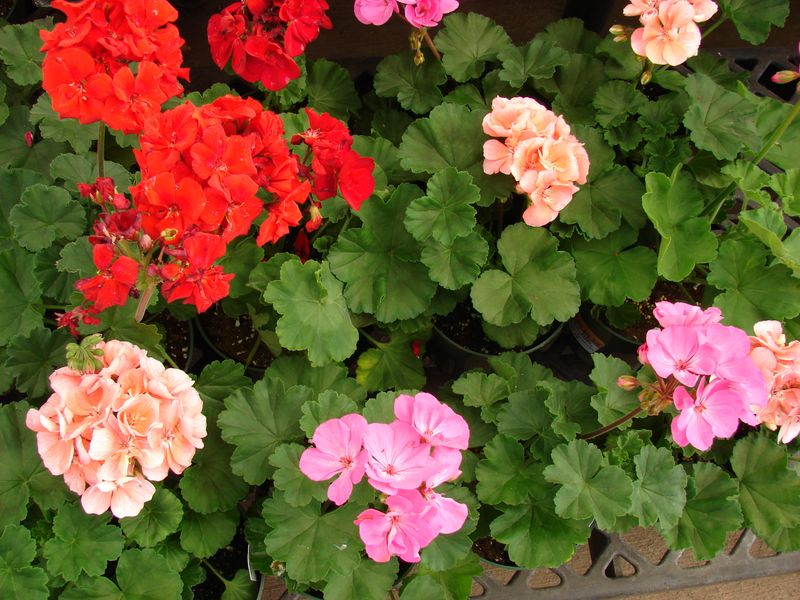
Crispy brown leaf edges offer a classic sign of fertilizer burn. Too much salt from a strong feed pulls moisture away from roots, leaving the plant thirsty even in wet soil.
Mixing liquid fertilizer at half the label rate offers a simple fix. A package calling for one tablespoon per gallon becomes half a tablespoon.
Geraniums still receive nutrients, just in a gentler dose.
Half strength pairs nicely with a frequent schedule, and container growers often feed this way every couple of weeks.
The plant gets a smooth supply rather than sharp spikes that can scorch tender root tips.
Geraniums aren’t heavy feeders compared with some flowers, and they often bloom better kept a little lean. A weaker solution helps avoid that soft, overfed look.
Salt buildup sneaks up in pots, sometimes showing as a white crust on the soil surface or a clay pot’s rim.
Once a month, a slow, deep watering that lets plenty drain out the bottom flushes extra salts away, especially in areas with hard tap water.
Careful measuring every time matters. Eyeballing liquid concentrate is how many gardeners accidentally double the dose.
A dedicated measuring spoon kept with garden supplies removes the temptation to guess.
Like sugar in lemonade, a little makes it great while too much ruins the whole pitcher.
Geraniums reward the lighter touch with healthier roots and a fuller crop of flowers.
4. Use Slow Release Granules For Pots
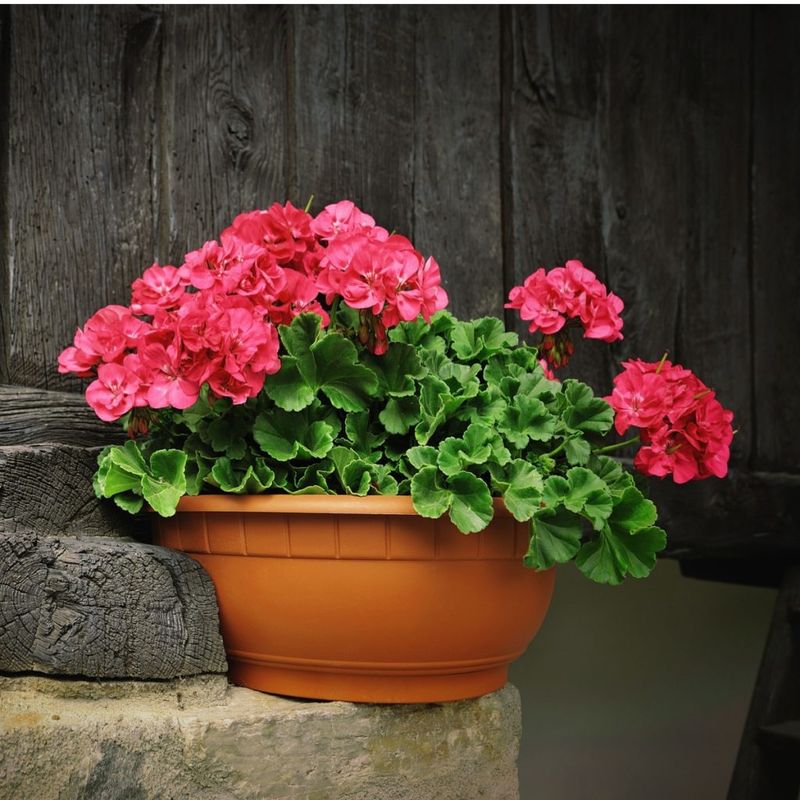
Busy summers and forgetful schedules make slow-release granules a favorite garden helper. Those coated beads release food a little at a time with each watering.
Many products feed for about three to four months, while some last longer, so the label shows the expected time frame.
Warmer soil makes the coating release nutrients faster, so California summers can shorten that window.
Containers benefit most. Frequent watering washes nutrients away quickly, and granules keep replacing them in a steady trickle, so geraniums rarely swing between hungry and overfed.
Granules can be mixed into potting soil at planting time or sprinkled on top and scratched lightly into the surface.
The amount listed for the pot size works best, since extra granules can still burn roots.
A balanced formula makes sense here too. Products labeled for flowering plants or containers work well when the numbers stay fairly even.
Some gardeners combine methods, relying on granules as a base and adding an occasional half-strength liquid feed during peak early summer bloom. Extra feedings work best kept light.
A plant tag noting the application date, tucked into the pot, makes the next round easy to time.
Pets sometimes nibble spilled granules, so a quick sweep keeps patios clear. The ASPCA also lists geraniums as mildly toxic to cats and dogs.
That tiny habit keeps blooms on a reliable schedule all season.
5. Too Much Nitrogen Grows Leaves, Not Blooms
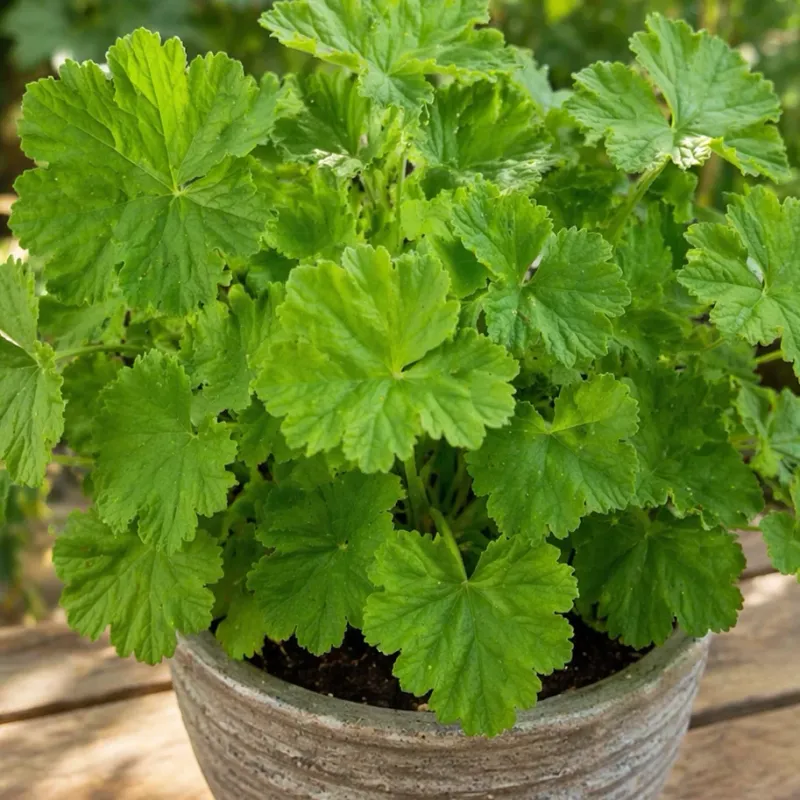
A geranium that looks like a jungle tells a story. Huge glossy leaves, tall soft stems, and almost no flowers usually point to too much nitrogen.
Nitrogen drives green growth. Plants love it, but excess tells them to keep making leaves, and flower production takes a back seat while foliage claims the energy.
Lawn fertilizers are a common culprit. They carry very high nitrogen for green grass, which suits turf but discourages blooms.
Lawn feed drifting into flower beds or applied to pots is best avoided.
Overfeeding with any product can cause the same issue. Frequent, full-strength doses pile on more nitrogen than geraniums need.
Soft, lush growth also attracts aphids and whiteflies, along with geranium budworm, a caterpillar that tunnels into buds across California through fall.
The fix is fairly easy. A few weeks without feeding lets the plant use up the excess, and in pots, a deep flush with plain water rinses some away.
Pinching leggy stems just above a leaf node encourages branching and a bushier shape. More branch tips mean more places for flower clusters to form.
Clean snips wiped with household disinfectant keep the cuts tidy.
Once growth looks balanced again, a gentle, balanced feeding routine can resume. The ratio of leaves to flowers offers the best ongoing guide.
A geranium that leafs out heavily is signaling a pause, not a need for more food.
6. Water Before You Feed
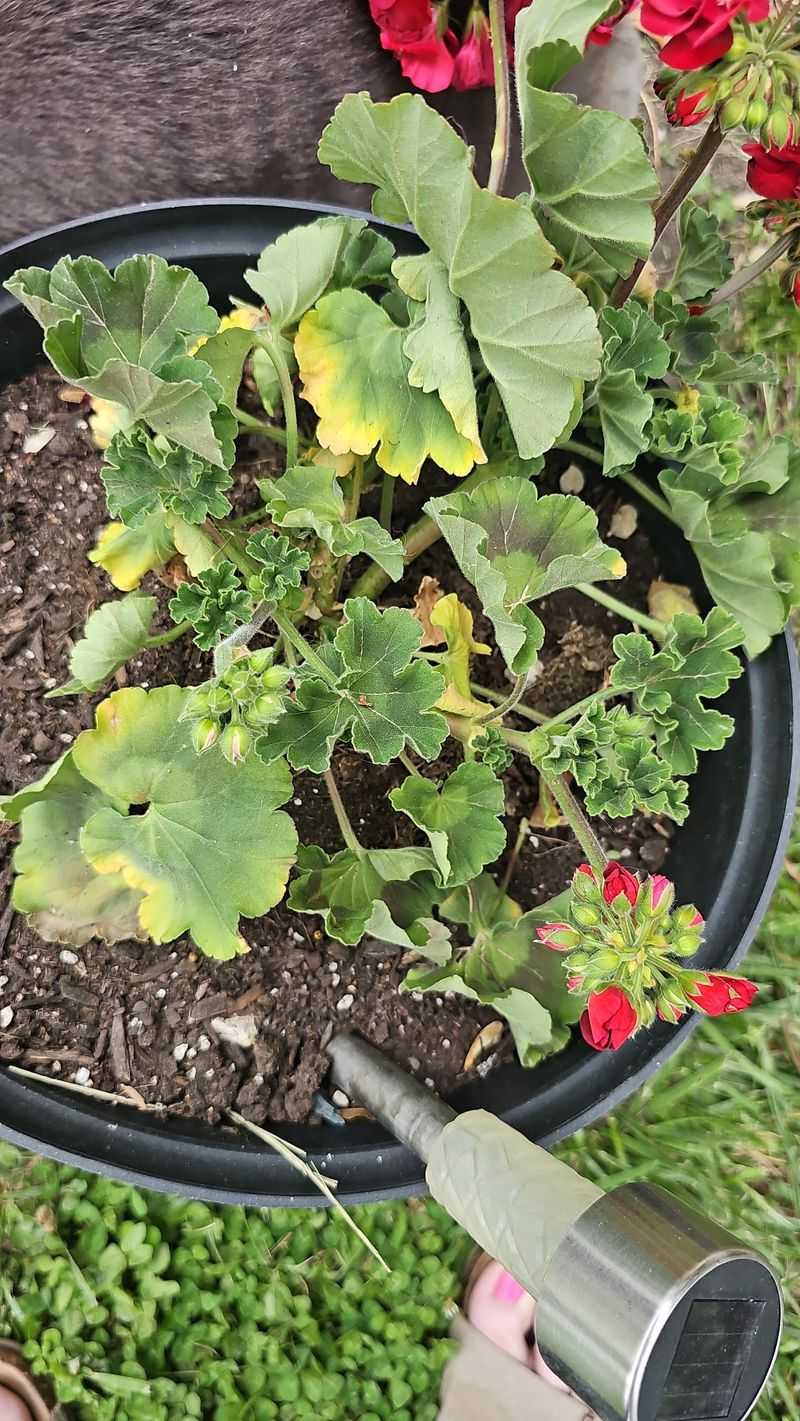
Bone-dry soil and a fresh dose of fertilizer make a rough combination. Thirsty roots absorb whatever they touch first, and strong fertilizer can scorch delicate root hairs.
A drink of plain water before feeding protects them. Once soil is evenly moist, the fertilizer solution spreads gently and avoids a salty shock.
A simple routine works well for pots, with morning watering followed by feeding later that day or the next morning.
Garden beds benefit from a deep watering the day before granules go down.
Geraniums actually like drying out a little between waterings, since soggy soil can lead to root rot that no fertilizer can fix.
A finger pushed an inch into the soil offers the best test, with watering due once that top layer feels dry.
Dry granules work best watered in right away. Moisture starts the release and keeps pellets from sitting against stems.
Granules brushed off leaves won’t leave burn spots behind.
Wilted plants deserve extra care. Watering first and letting them perk up fully before any feeding helps, since a stressed plant struggles to use nutrients.
Fertilizer applied to a wilted geranium only adds to the strain.
Healthy roots power every flower. Protected by this easy step, geraniums gain the strength to push out cluster after colorful cluster.
During cooler fall weather, soil stays moist longer, so the pre-feeding drink may only need to be light.
7. Snip Spent Blooms To Keep Flowers Coming
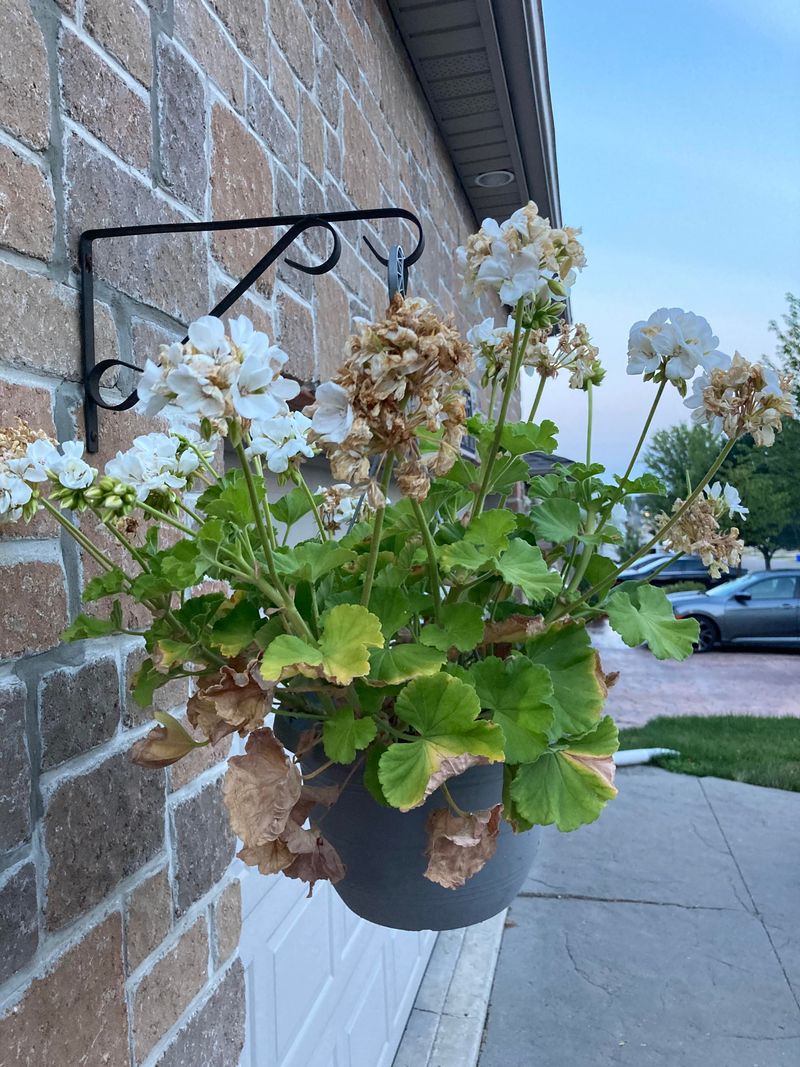
Faded flower heads look tired, brown, and a bit crunchy. Left in place, they start forming seeds, and a geranium busy with seeds has less energy for new flowers.
Removing spent blooms sends a clear message, prompting the plant to produce more buds. Paired with good feeding, the habit stretches the bloom season considerably.
The flower stalk deserves following all the way down to where it joins the main stem. Snapping or snipping it there works better than trimming only the top.
Leftover bare stalks look messy and can rot.
Geranium seed pods resemble a stork’s bill, a shape that inspired the name Pelargonium, from the Greek word for stork. Those beaks, however pretty, aren’t the goal here.
A weekly routine works well. A quick stroll with a cup of coffee and a pair of snips handles the job.
Yellow or brown leaves can come off at the same time, keeping the plant clean.
Tidy plants stay healthier too. Old petals collecting on leaves can invite gray mold, especially during cool, damp weather near the coast.
Clearing them improves airflow around the plant.
Spent blooms also hide geranium budworm, so a quick look for small holes in buds during each round catches trouble early.
Feeding supplies the fuel to bloom, while regular snipping directs where that energy goes. Together, these steps keep fresh color coming well into fall.
8. Ease Off Fertilizer In Winter
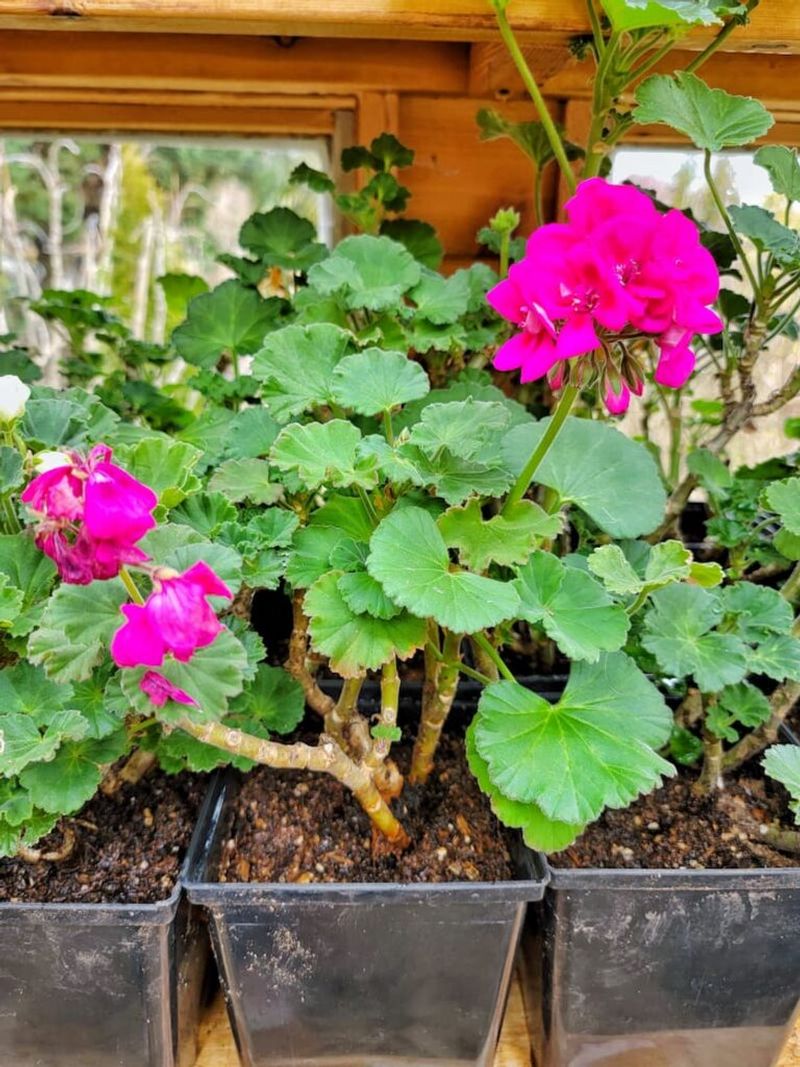
Shorter days and cooler nights signal a change. By late fall, geraniums slow considerably, with new leaves appearing less often and blooms growing fewer.
Fertilizer works best cut back once growth slows. In many parts of California, that means feeding much less, or pausing entirely, from late fall through winter.
A resting plant can’t use much food.
Extra fertilizer during this time simply sits in the soil, where salts build up and can harm roots.
Any growth it does push tends to be weak, spindly, and easy prey for pests.
Coastal and Southern California gardeners may see geraniums bloom through mild winters. Plants still growing actively can handle a light, diluted feeding about once a month.
Letting the plant set the pace works best.
Geraniums brought indoors for winter need even less. A bright window and sparing water suit them, with feeding paused until days lengthen again.
Watering deserves a slower pace too. Cool soil dries more slowly, and soggy roots pose a real risk in winter, so checking soil before each watering helps.
Frost cloth on rare cold nights protects tender stems in inland valleys.
Late winter or early spring makes a great time to prune leggy stems back by about a third. Once fresh growth appears, the regular balanced schedule can resume.
That rest period recharges the plant for another big season of blooms.