7 Pro Tips For Growing Big, Juicy Strawberries At Your Texas Home
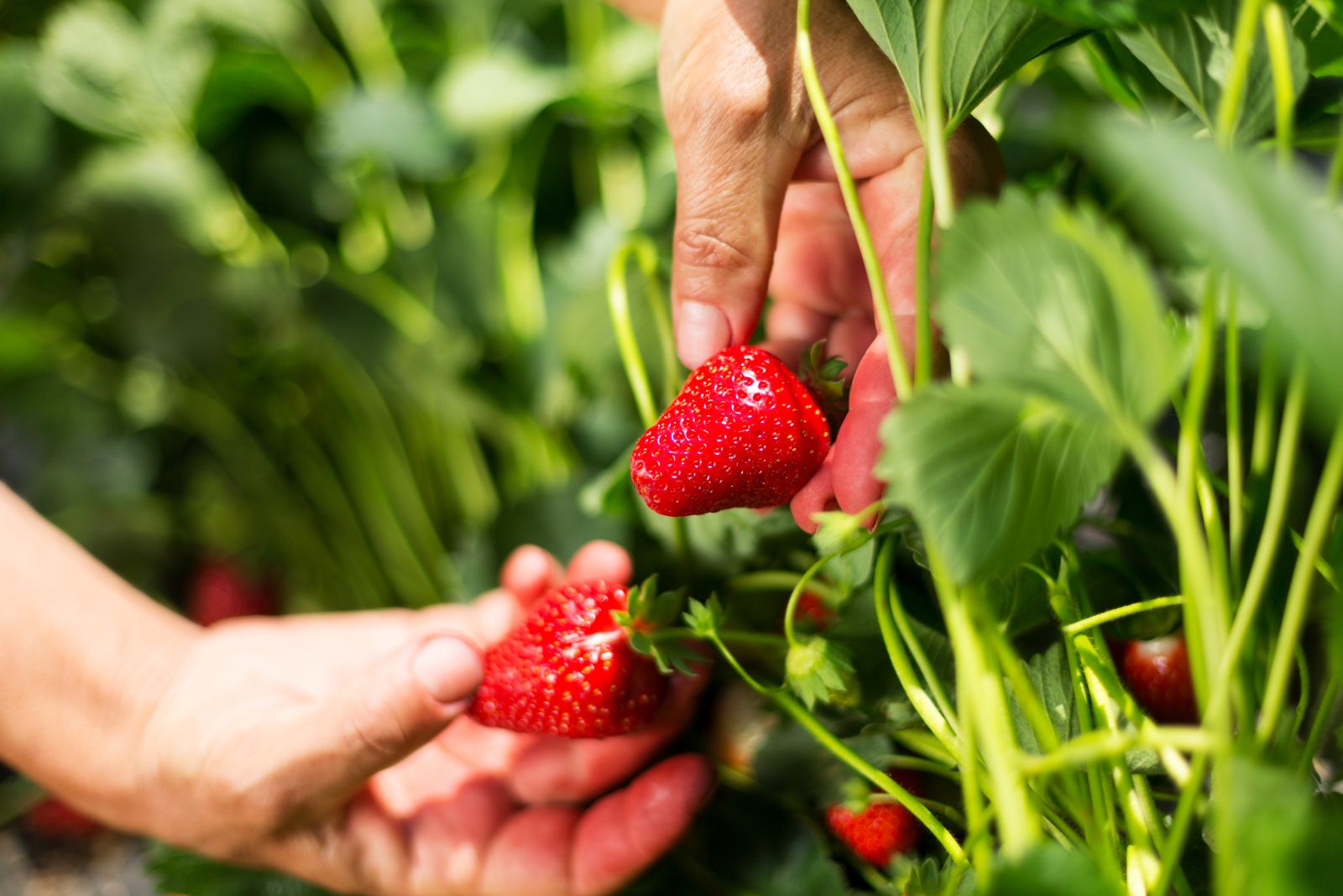
There is nothing quite like picking a big, bright red strawberry right from your own plant and tasting that sweet, juicy flavor. In Texas, growing strawberries at home can be incredibly rewarding when you know a few insider tricks.
Warm sunshine, the right soil, and proper timing all play a huge role in how large and flavorful your berries turn out. Many Texas gardeners have learned that small adjustments in care can lead to bigger harvests and healthier plants.
From choosing the best varieties to mastering watering and feeding, success comes down to understanding what strawberries really love in Texas conditions.
Even if you are new to growing fruit, it is easier than you might think to produce impressive berries in your own backyard or garden bed.
Ready to grow strawberries that are plump, sweet, and hard to resist? Let’s explore the pro tips that help Texas gardeners harvest big, juicy strawberries at home.
1. Choose Short-Day Varieties Perfect For Texas Climate
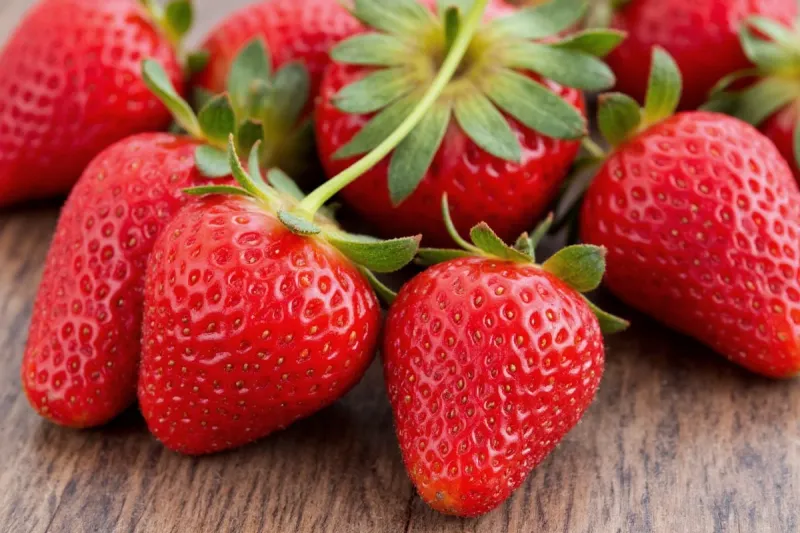
Short-day strawberry varieties are absolutely essential for success when growing in Texas. These plants produce flowers and fruit when daylight hours become shorter, which typically happens during the cooler months in Texas.
This timing works perfectly because it allows your strawberries to develop fruit during the mild fall, winter, and early spring seasons rather than during the brutal summer heat.
Popular short-day varieties that thrive in Texas include Chandler, Camarosa, and Sweet Charlie. Chandler produces exceptionally large berries with excellent flavor and performs wonderfully across most Texas regions.
Camarosa offers disease resistance and adapts well to the variable Texas weather patterns. Sweet Charlie produces early and abundantly, giving you berries even sooner than other varieties.
When you plant short-day varieties in Texas, timing becomes critical for your success. Most Texas gardeners should plant between October and early December, depending on their specific region.
North Texas gardeners might plant earlier in October, while South Texas gardeners can wait until November or even early December. This planting schedule allows the plants to establish strong root systems during the cooler months.
The temperature preferences of short-day strawberries align perfectly with Texas conditions. These varieties produce the best fruit when daytime temperatures range between 60 and 80 degrees Fahrenheit.
Texas offers these ideal conditions for many months, especially from late fall through early spring.
By selecting short-day varieties specifically bred for warmer climates, you set yourself up for producing those big, juicy berries that make homegrown strawberries so special in the Lone Star State.
2. Prepare Rich, Well-Draining Soil With Proper Amendments
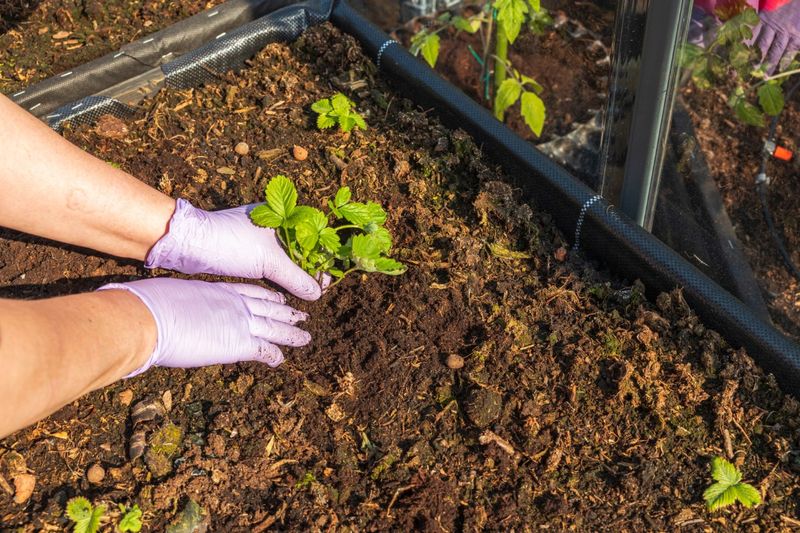
Soil preparation makes the difference between mediocre strawberries and exceptional ones. Before you even think about planting, you need to understand what your Texas soil offers and what it lacks.
Many areas across Texas have heavy clay soil that holds too much water, while other regions deal with sandy soil that drains too quickly. Neither extreme works well for strawberries without proper amendments.
Start by testing your soil pH, which should ideally fall between 5.5 and 6.5 for strawberries. Texas soils often run alkaline, especially in Central and West Texas, so you might need to lower the pH by adding sulfur or acidic compost.
Contact your local Texas A&M AgriLife Extension office for affordable soil testing services that will tell you exactly what your soil needs.
Adding organic matter transforms problem soils into strawberry-friendly growing mediums. Work in 3 to 4 inches of well-aged compost or composted manure into the top 8 to 10 inches of soil.
This amendment improves clay soils by creating better drainage and air pockets, while it helps sandy soils retain more moisture and nutrients. Peat moss also works wonderfully for improving soil structure and lowering pH simultaneously.
Consider creating raised beds if your Texas property has particularly challenging soil. Raised beds filled with a custom soil mixture give you complete control over growing conditions.
Mix equal parts quality topsoil, compost, and peat moss or coconut coir for an ideal strawberry growing medium.
Raised beds also warm up faster in late winter, giving your plants a head start on the growing season and protecting them from potential flooding during Texas’s unpredictable heavy rains.
3. Plant At The Correct Depth And Spacing
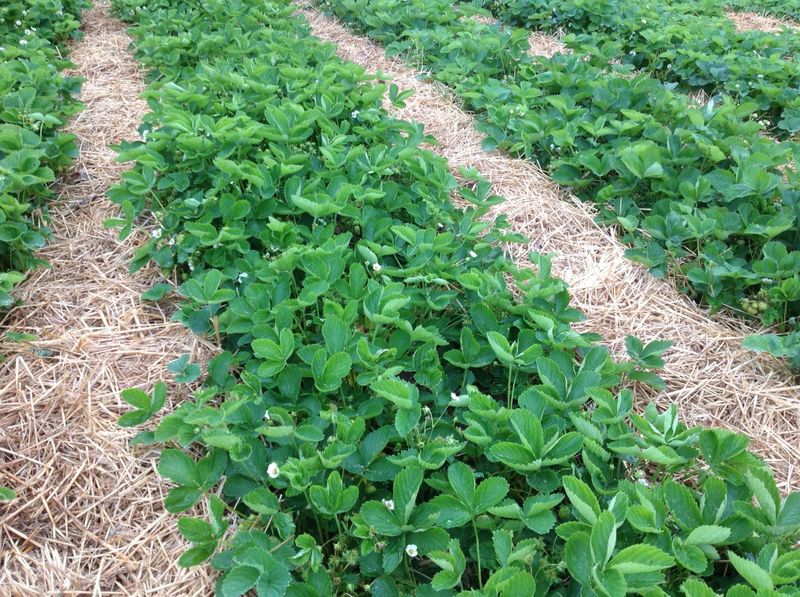
Planting depth might seem like a small detail, but it dramatically affects whether your strawberry plants thrive or struggle. The crown of the strawberry plant, which is the thick part where all the leaves emerge, must sit exactly at soil level.
Plant too deep and the crown will rot from excess moisture. Plant too shallow and the roots dry out, leaving your plant stressed and unproductive.
When you remove your strawberry plants from their containers, gently loosen the roots if they’ve become tangled or circled around the root ball. Spread the roots out in the planting hole rather than leaving them bunched together.
This encourages the roots to grow outward into the surrounding soil, creating a stronger, more stable plant that can access water and nutrients more efficiently.
Spacing matters tremendously for air circulation and plant health in Texas gardens. Place plants 12 to 18 inches apart within rows, and keep rows about 3 to 4 feet apart.
This spacing might seem excessive when you’re planting small transplants, but strawberry plants send out runners that produce daughter plants throughout the season.
Adequate spacing prevents overcrowding, which reduces disease problems and ensures each plant receives enough sunlight.
After planting, water thoroughly to settle the soil around the roots and eliminate air pockets. Many Texas gardeners make the mistake of planting during a warm afternoon, which stresses the plants unnecessarily.
Instead, plant during the cooler parts of the day, preferably in late afternoon or on an overcast day. This gives your strawberries time to adjust before facing the Texas sun, even during the milder fall and winter planting season.
4. Implement Consistent Watering With Drip Irrigation
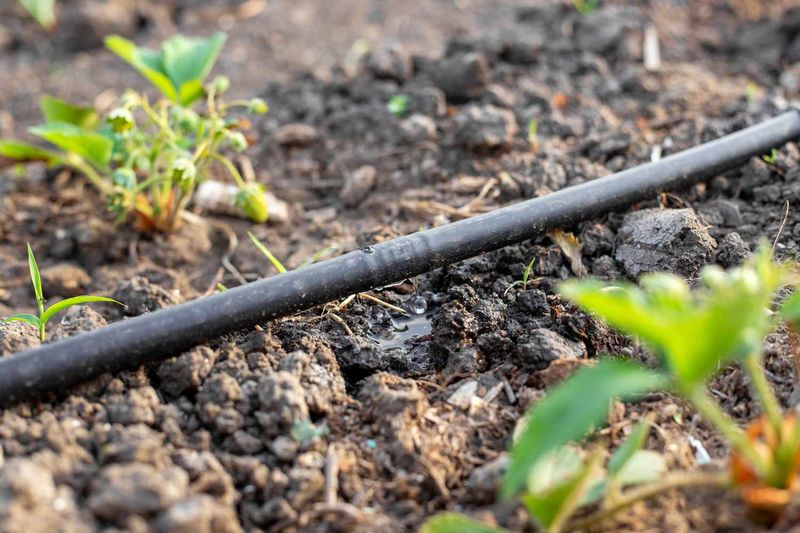
Water management can make or break your strawberry harvest in Texas. Strawberries need consistent moisture to develop those big, juicy berries you’re after, but they absolutely cannot tolerate waterlogged soil.
The challenge in Texas comes from our unpredictable rainfall patterns, where you might get three inches in one day followed by weeks of dry weather.
Drip irrigation systems solve this problem beautifully by delivering water directly to the root zone without wetting the foliage. Wet leaves invite fungal diseases, which spread rapidly in Texas’s humid conditions, especially along the Gulf Coast and in East Texas.
Drip systems also conserve water by reducing evaporation, which matters both for your water bill and for environmental responsibility during Texas’s frequent drought periods. Strawberry plants typically need about 1 to 1.5 inches of water per week, including rainfall.
During flowering and fruit development, maintaining consistent soil moisture becomes even more critical because water stress during these stages results in smaller berries with less flavor.
Check soil moisture by sticking your finger 2 inches into the soil near your plants. If it feels dry at that depth, it’s time to water.
Morning watering works best because it allows any moisture on the leaves to dry quickly, reducing disease risk. Set your drip system on a timer to run early in the morning, adjusting the duration based on your soil type and weather conditions.
Sandy Texas soils need more frequent watering for shorter periods, while clay soils need less frequent but longer watering sessions. During the cooler winter months, you can reduce watering frequency, but never let the soil completely dry out between waterings.
5. Apply Mulch To Regulate Temperature And Moisture
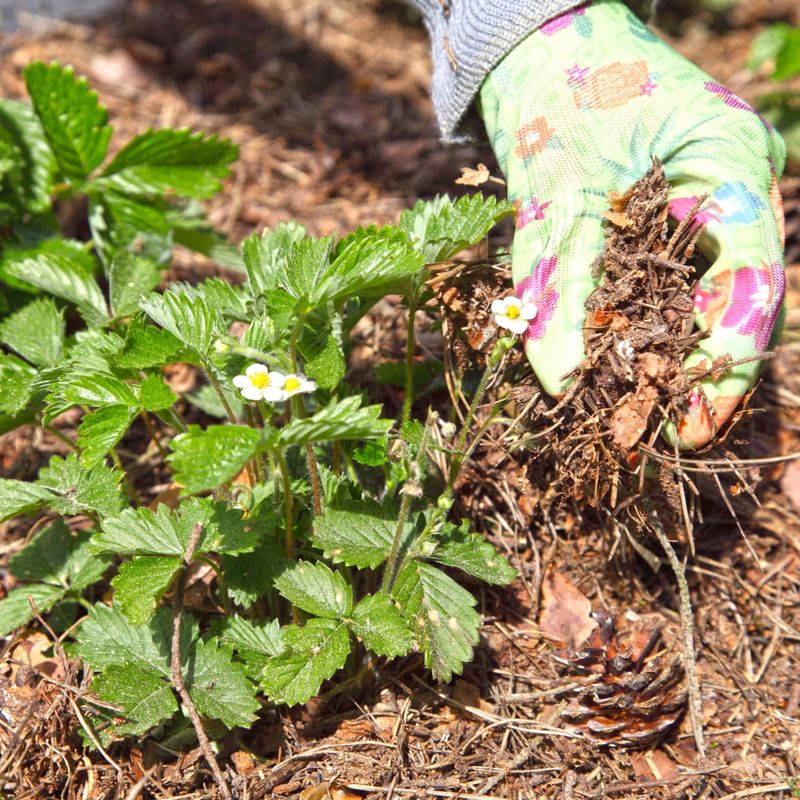
Mulching your strawberry plants delivers multiple benefits that directly contribute to bigger, better berries.
A good mulch layer regulates soil temperature, retains moisture, suppresses weeds, and keeps developing berries clean and off the soil surface where they might rot or attract pests.
In Texas, where temperature fluctuations can be dramatic even during winter, mulch provides valuable insulation for your plants.
Pine straw works exceptionally well as strawberry mulch in Texas because it’s readily available, affordable, and slightly acidic, which strawberries appreciate.
Apply a 2 to 3 inch layer of pine straw around your plants after planting, being careful to keep the mulch away from direct contact with the crowns.
Pine straw also breaks down slowly, so you won’t need to replenish it as frequently as some other mulch materials.
Wheat straw or oat straw also makes excellent strawberry mulch, though it can be harder to find in some Texas areas. These materials create a clean, light-colored surface that reflects sunlight and keeps berries from touching the soil.
When your strawberries start developing fruit, the berries will rest on the straw instead of dirt, staying cleaner and reducing rot problems significantly.
Plastic mulch offers another option that many Texas commercial strawberry growers use successfully.
Black plastic warms the soil, which can be beneficial during cooler months, while white or reflective plastic keeps soil cooler during the transition into warmer weather.
Plastic mulch also provides excellent weed control and moisture retention. However, you’ll need to install drip irrigation underneath the plastic before laying it down, requiring more upfront planning and effort than organic mulches.
6. Fertilize Regularly With Balanced Nutrients
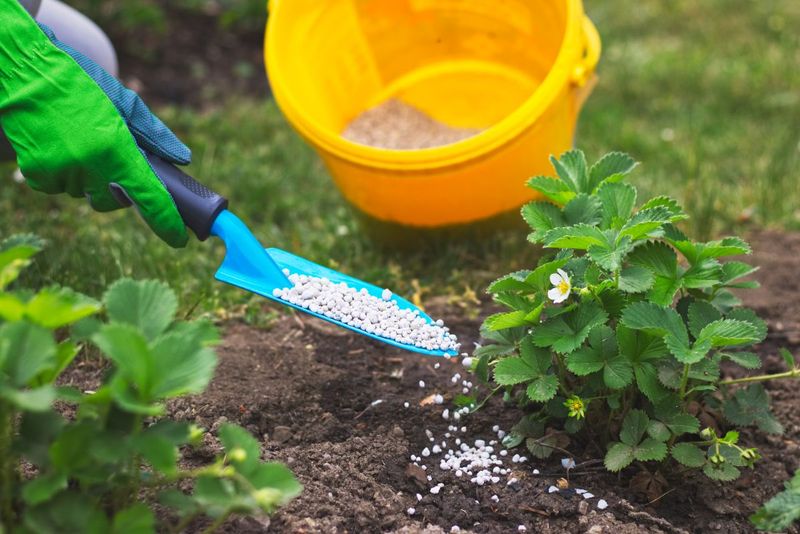
Feeding your strawberry plants properly ensures they have the energy to produce large, flavorful berries throughout the season. Strawberries are relatively heavy feeders, meaning they consume significant nutrients from the soil as they grow and produce fruit.
Without adequate fertilization, your plants might survive but will produce smaller berries in disappointing quantities.
Start with a balanced fertilizer that contains equal or similar amounts of nitrogen, phosphorus, and potassium, such as a 10-10-10 formulation. Apply fertilizer about three weeks after planting once your strawberries have established themselves.
During the growing season in Texas, fertilize monthly using about one pound of 10-10-10 fertilizer per 100 square feet of strawberry bed, or follow the specific package directions for your chosen product.
Organic fertilizers work wonderfully for strawberries if you prefer natural growing methods. Composted manure, fish emulsion, or seaweed extracts provide nutrients while also improving soil biology.
These organic options release nutrients more slowly than synthetic fertilizers, reducing the risk of burning your plants or causing excessive leafy growth at the expense of fruit production.
Many Texas organic gardeners alternate between different organic fertilizer types to provide a diverse range of nutrients.
Watch your plants for signs of nutrient deficiency or excess. Pale or yellowing leaves might indicate nitrogen deficiency, while excessive dark green foliage with few flowers suggests too much nitrogen.
Purple-tinged leaves can signal phosphorus deficiency, which sometimes occurs in Texas’s alkaline soils.
Adjust your fertilization program based on what your plants tell you, and remember that proper soil pH helps plants access nutrients more efficiently regardless of how much fertilizer you apply.
7. Protect Plants From Pests And Diseases Common In Texas
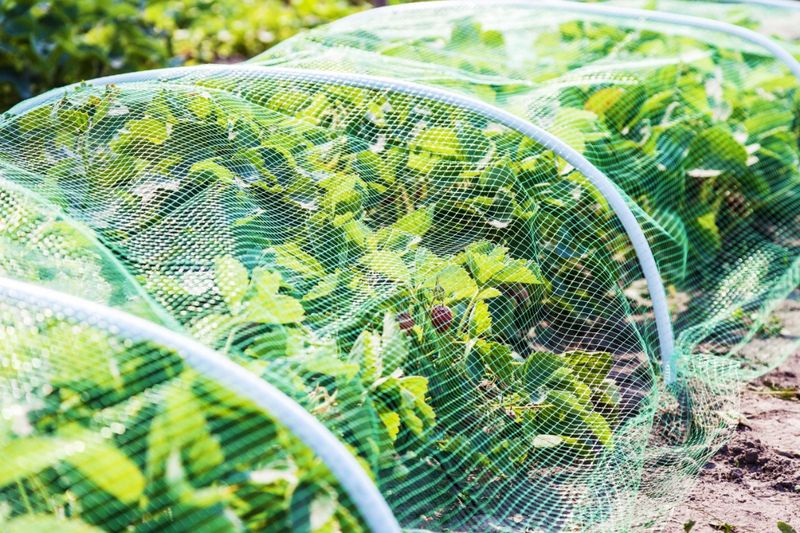
Texas strawberry growers face several pest and disease challenges that can reduce yields or damage plants if left unmanaged. Birds absolutely love ripe strawberries and will often take bites out of your best berries right before you planned to harvest them.
Covering your strawberry patch with bird netting supported by stakes or hoops keeps these feathered thieves away while still allowing sunlight, rain, and air circulation to reach your plants.
Slugs and snails cause frustrating damage by eating irregular holes in berries and leaves, especially during damp weather. These pests hide during the day and come out at night to feed.
Check your plants after dark with a flashlight and hand-pick any slugs or snails you find. Creating barriers with copper tape around raised beds or using iron phosphate-based slug baits provides organic control that’s safe for pets and wildlife.
Fungal diseases pose the biggest disease threat to Texas strawberries, particularly in humid regions. Gray mold, also called botrytis, attacks flowers and fruit during wet conditions, causing berries to rot and develop fuzzy gray growth.
Powdery mildew creates white, powdery spots on leaves, weakening plants over time. Prevent these diseases by ensuring good air circulation through proper spacing, avoiding overhead watering, and removing any infected plant parts immediately when you spot them.
Spider mites sometimes attack strawberries during hot, dry periods in Texas, causing leaves to look stippled or bronzed. These tiny pests thrive in dusty conditions, so keeping plants properly watered and occasionally hosing off the foliage helps prevent infestations.
If spider mites do appear, insecticidal soap or neem oil sprays provide effective organic control options that won’t harm beneficial insects visiting your strawberry flowers.