9 Shade-Loving Vegetables Florida Gardeners Should Not Overlook
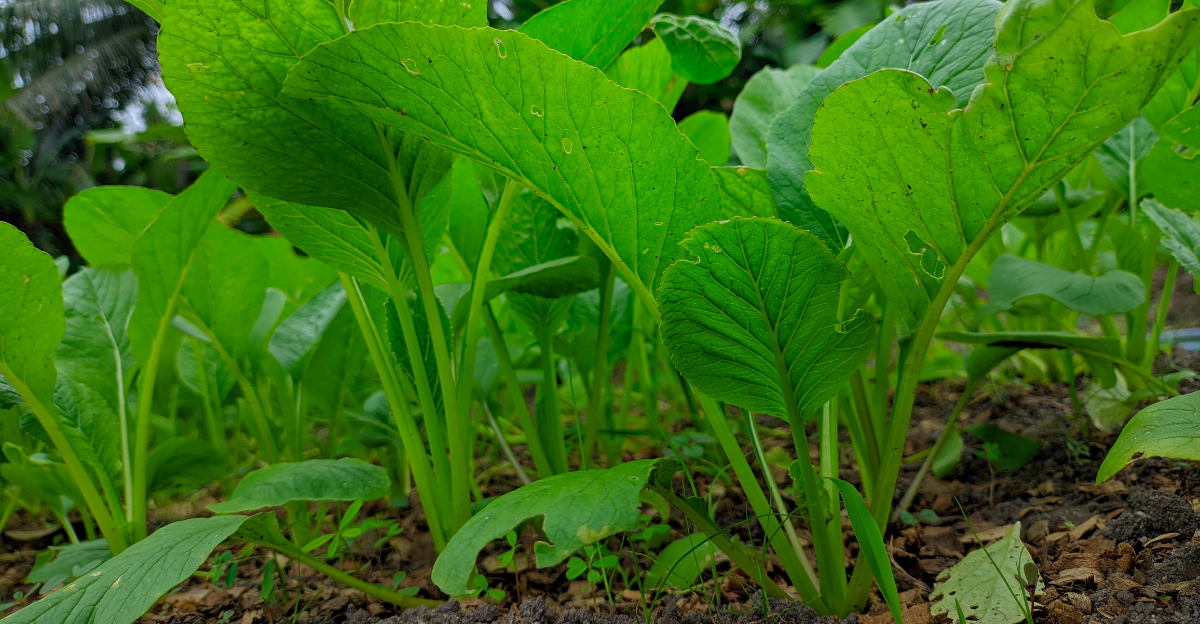
Florida gardeners hear a lot about full sun, and for good reason. Peppers, tomatoes, and squash usually steal the spotlight.
But not every yard has wide open beds soaked in sunshine all day, and that does not mean your vegetable garden is out of luck. Plenty of backyards have tree cover, fence lines, patio shadows, or corners that only catch a few good hours of light.
That is where the real surprise comes in. Some vegetables are far more flexible than people think, and a few actually seem to breathe easier without harsh Florida sun beating down from morning to evening.
In a state where heat can get intense fast, a bit of shade can be a blessing in disguise. That is why this list matters.
The right picks can help you make use of spots you may have written off too soon. A shaded patch of yard might end up pulling more weight than your sunniest bed.
1. Malabar Spinach Climbs And Thrives In Partial Shade
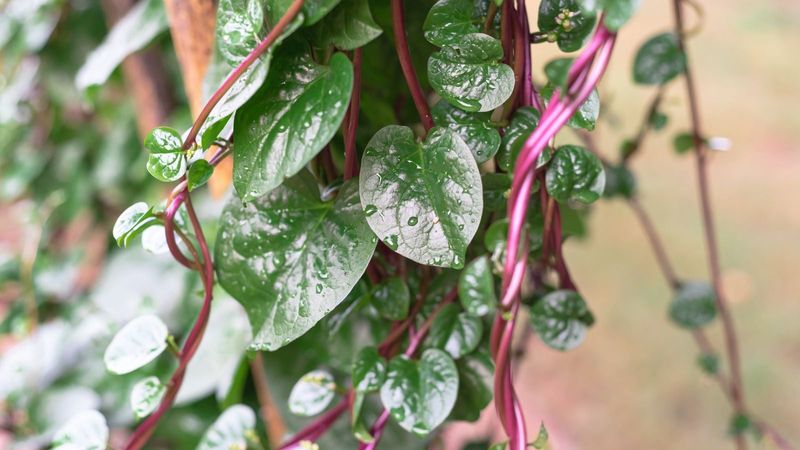
Most gardeners are surprised to learn that a vining plant can double as a leafy green, but Malabar spinach does exactly that. Unlike traditional spinach that wilts in Florida’s heat, Malabar spinach actually thrives in warm, humid conditions.
It belongs to the genus Basella and is not a true spinach, though its thick, glossy leaves taste and cook very similarly.
Setting up a trellis or simple wire fence gives this plant the vertical space it needs to climb and produce heavily.
In partial shade, meaning around three to five hours of filtered or indirect sunlight daily, Malabar spinach stays productive throughout Florida’s long warm season.
Full afternoon sun can cause leaf texture to toughen, so a spot shaded from midday heat works well.
Harvest outer leaves regularly to encourage continuous new growth. Pinching back the growing tips also keeps the plant bushy rather than just reaching upward.
According to UF/IFAS, Malabar spinach is well suited to Florida’s warm climate and can be grown nearly year-round in South Florida. Spacing plants about twelve inches apart along a trellis gives each vine room to spread without crowding.
2. Seminole Pumpkin Sprawls And Produces With Less Sun
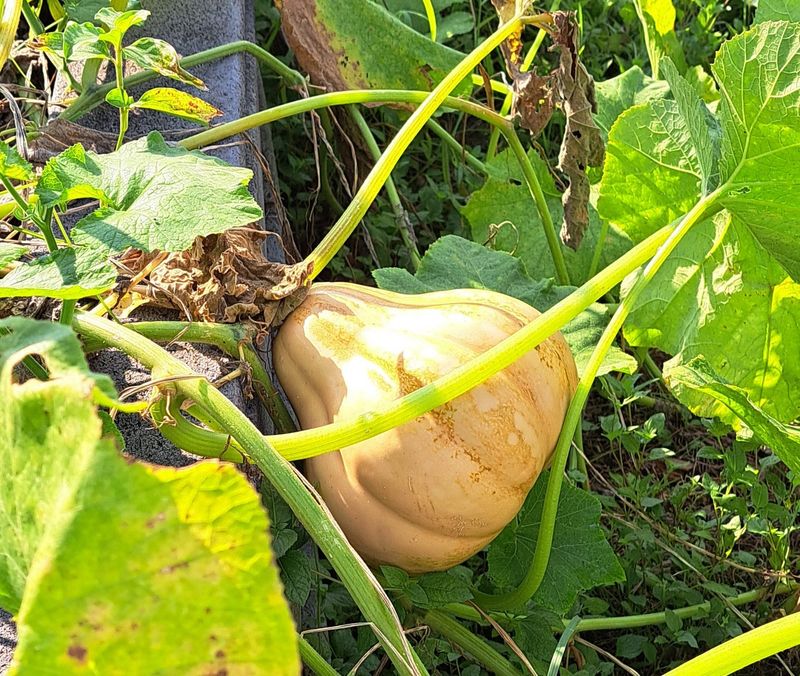
Florida has a vegetable with deep roots in the state’s own history, and the Seminole pumpkin is one worth knowing.
Developed and cultivated by the Seminole people of Florida long before European settlement, this pumpkin variety has an impressive ability to handle the heat, humidity, and unpredictable weather that would stress most other cucurbits.
It also handles partial shade better than almost any other pumpkin variety available.
The vines can spread quite aggressively, reaching lengths of ten feet or more, which makes them useful for filling in shaded areas under trees or along fence lines. Even with only four to five hours of sunlight, Seminole pumpkins continue to flower and set fruit.
The tan-colored fruits store well for months without refrigeration, which is a practical bonus for any gardener.
Plant seeds or transplants after the last frost risk has passed, typically between March and April in North Florida and even earlier in Central and South Florida. UF/IFAS recommends Seminole pumpkin as one of the most low-maintenance options for Florida home gardens.
Your Florida Garden Changes Every Week. Your Plan Should Too.
Gardening in Florida changes quickly throughout the season. Every Friday you’ll receive a simple weekly plan showing exactly what to plant, prune, fertilize, harvest, and protect so you never miss the right timing.
Water deeply but infrequently once established, and avoid heavy fertilization, which can push vine growth at the expense of fruit production.
3. Sweet Potatoes Fill Space And Handle Light Shade
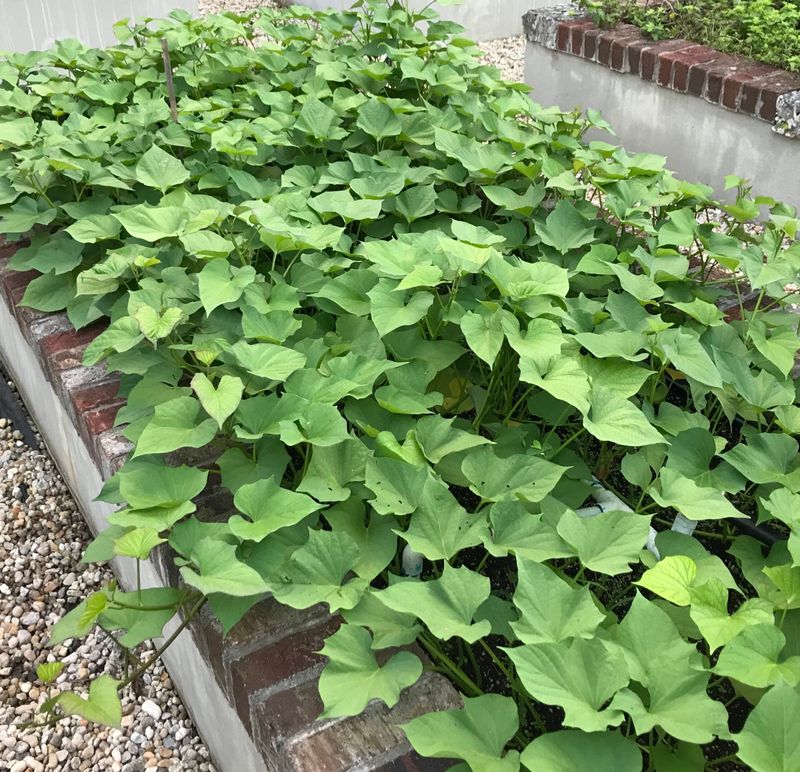
Ground cover and food production do not usually come from the same plant, but sweet potatoes manage to do both.
Their trailing vines spread quickly across open ground, suppressing weeds and keeping soil moisture locked in, which is especially helpful during Florida’s dry spells.
They grow well in light shade, particularly the kind found under high-canopy trees that allow dappled light to filter through.
An added bonus most gardeners overlook is that sweet potato leaves are completely edible. The young leaves and shoot tips can be harvested and used like spinach in stir-fries, soups, or sauteed as a side dish.
This gives you two harvests from one plant, which is a smart use of limited garden space.
Sweet potatoes prefer well-drained, sandy soil, which Florida naturally provides in many areas. UF/IFAS recommends planting slips, which are rooted cuttings rather than seeds, from March through June across most of Florida.
Space slips about twelve to eighteen inches apart in rows. Tubers are ready to harvest around ninety to one hundred twenty days after planting.
In partial shade, tuber size may be slightly smaller than in full sun, but yields can still be satisfying with consistent moisture and light fertilizing.
4. Longevity Spinach Grows Fast In Warm Shady Spots
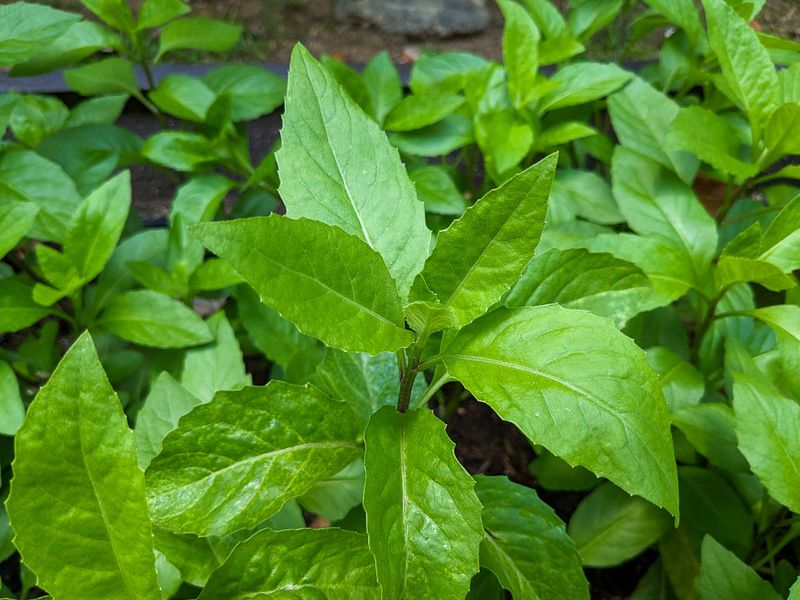
Few vegetables earn their name as honestly as longevity spinach does. This tropical perennial, known botanically as Gynura procumbens, can live and produce for years in Florida’s climate with very little fuss.
It grows quickly even in partial shade, bouncing back fast after each harvest and rarely needing much intervention from the gardener.
The plant has thick, slightly succulent leaves that hold up well in humid conditions without rotting or wilting. It grows best with around three to four hours of indirect or filtered light daily.
Heavy afternoon shade is fine, as long as some morning light reaches the plant. Unlike many leafy greens that bolt or turn bitter in Florida’s heat, longevity spinach stays mild and palatable almost year-round.
Propagation is simple since stem cuttings root easily in moist soil or even in a glass of water. Once established, space plants about eighteen inches apart and harvest outer stems regularly to keep growth compact and bushy.
The leaves can be eaten raw in salads, blended into smoothies, or lightly cooked. It is not widely available at garden centers, but cuttings are easy to find through Florida gardening groups and native plant swaps.
Consistent moisture and occasional compost feeding keep it thriving.
5. Chaya Stays Productive Even In Filtered Light
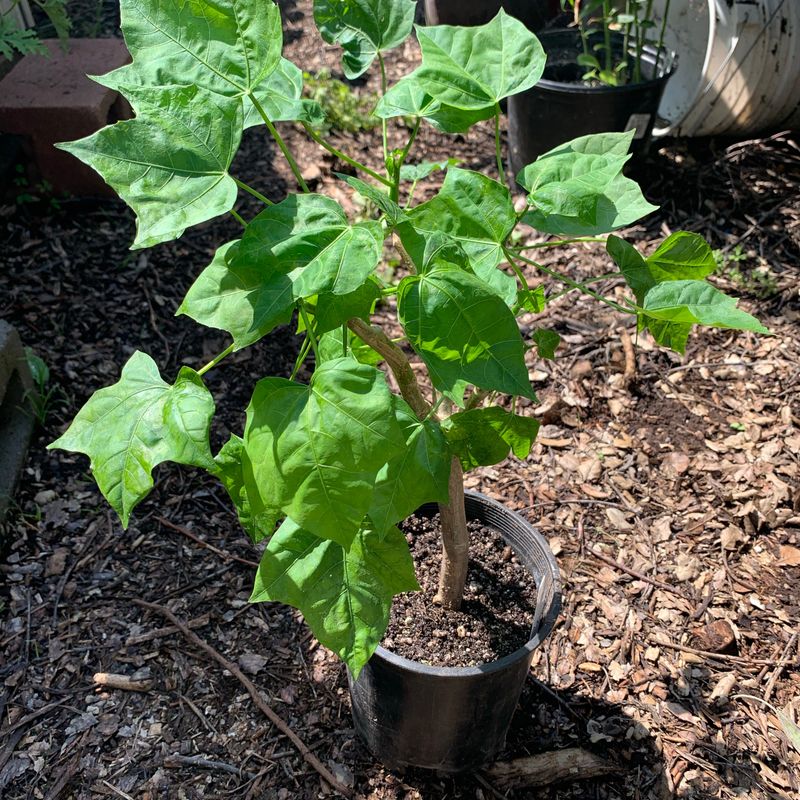
Walk through enough Florida food forests and you will eventually spot chaya, a tall leafy shrub that looks almost like a cross between a tropical plant and a tree.
Sometimes called tree spinach, chaya originates from the Yucatan Peninsula of Mexico and has adapted remarkably well to Florida’s warm climate.
It is one of the most productive leafy greens available to Florida gardeners, capable of producing edible leaves for many years from a single planting.
Chaya handles filtered or partial shade surprisingly well, making it a solid choice for spots under large trees or along the shaded side of buildings. A shrub can reach six to eight feet tall, so it works better in ground beds than in containers.
Leaves must be cooked before eating, as raw leaves contain compounds that can cause stomach upset. Boiling or sauteing for at least five minutes neutralizes this issue completely.
Propagation is done through stem cuttings, which root easily during Florida’s warm months. Space plants three to five feet apart to allow full growth.
Harvest outer leaves and stems regularly to encourage bushier, more productive growth. Chaya is drought-tolerant once established and rarely needs heavy fertilization.
According to UF/IFAS extension resources, it performs well across Central and South Florida with minimal maintenance.
6. Leaf Lettuce Grows Tender Leaves Without Full Sun
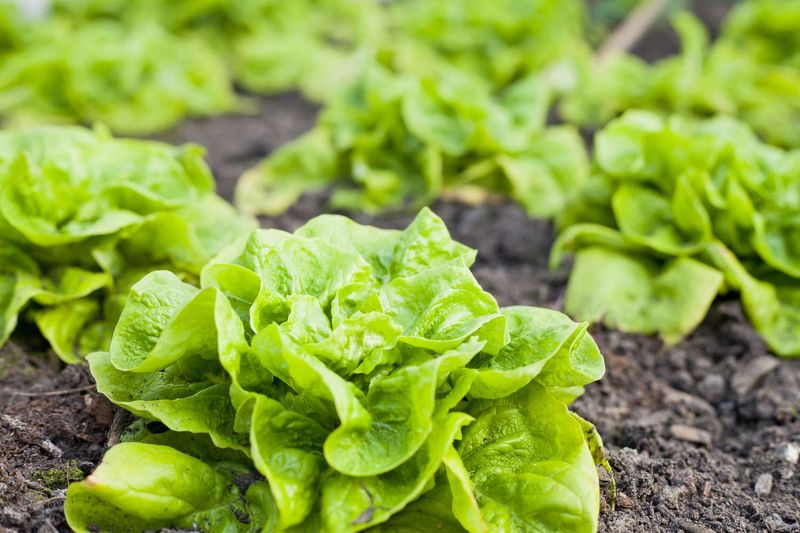
Lettuce and Florida summers do not mix well, but the cooler months from October through March open up a fantastic window for growing some of the best leaf lettuce you have ever tasted.
Shade actually helps during this season too, especially in South Florida where even winter afternoons can push temperatures into the high seventies.
A spot receiving three to four hours of morning sun with afternoon shade is close to ideal.
Loose-leaf varieties like Black Seeded Simpson, Red Sails, and Oakleaf are particularly well suited to partial shade conditions. They grow quickly, with leaves ready to harvest in as little as thirty days from transplanting.
Picking outer leaves rather than cutting the whole plant allows continuous production for weeks, sometimes stretching a single planting across two months or more.
Start seeds in flats about six weeks before your planned outdoor planting date, or purchase transplants from a local garden center. Space plants about eight to ten inches apart in well-amended, moisture-retaining soil.
According to UF/IFAS, lettuce grows best in Florida between September and March depending on your zone.
Shaded beds also help prevent the bitter taste that develops when lettuce gets too warm too quickly, keeping leaves sweet and tender longer into the season.
7. Mustard Greens Bring Flavor To Cooler Shady Beds
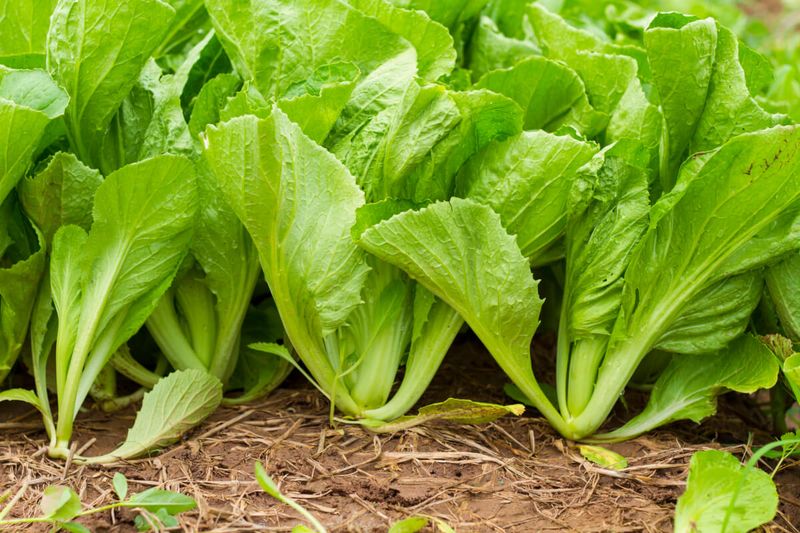
Sharp, peppery, and packed with nutrients, mustard greens are one of those vegetables that reward Florida gardeners who take the time to grow them. They belong to the cool season, thriving from October through February across most of the state.
Partial shade suits them well, since it slows the bolting process and helps maintain that bold, complex flavor that mustard greens are known for.
Varieties like Florida Broadleaf and Tendergreen are popular choices that adapt well to Florida’s mild winters. Sow seeds directly into garden beds about a quarter inch deep and thin seedlings to around six to eight inches apart once they reach a few inches tall.
In shaded beds, the soil tends to stay moist longer, which mustard greens appreciate since they do not like to dry out completely between waterings.
Harvest outer leaves as soon as they reach a usable size, which is typically around four to six weeks after planting.
Younger leaves taste milder and work well raw in salads, while older leaves develop more intensity and hold up better in cooked dishes like soups or braised greens.
UF/IFAS lists mustard greens as a recommended cool-season crop for Florida home gardens, noting their adaptability and reliable performance in a range of light conditions.
8. Collard Greens Stay Strong In Part Shade Conditions
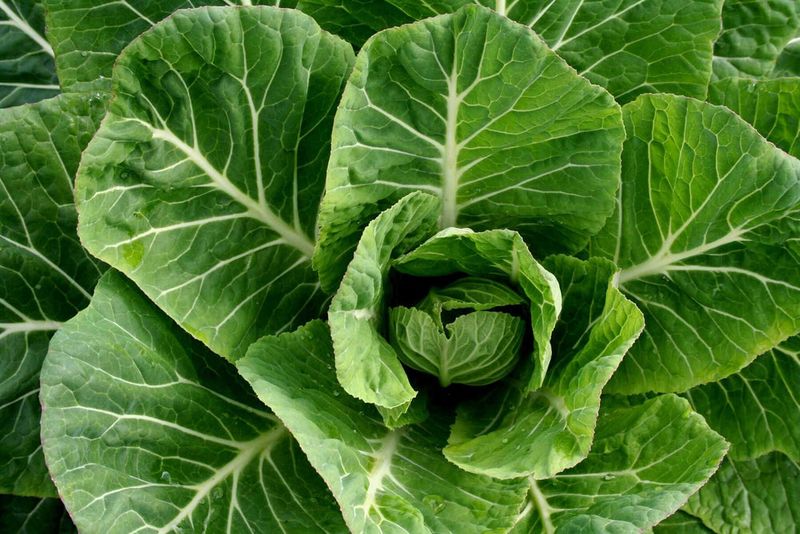
Collard greens have been feeding Southern families for generations, and Florida gardeners have long counted on them as one of the most reliable cool-season crops in the state. What makes collards particularly valuable in shaded gardens is their durability.
They do not bolt quickly, they tolerate some frost, and they continue producing leaves over a long harvest window that can stretch from fall well into spring in many parts of Florida.
Partial shade, around three to five hours of sunlight daily, slows growth slightly but does not significantly reduce leaf quality.
In fact, some gardeners find that collards grown with afternoon shade produce leaves that stay tender a little longer than those baked in full sun all day.
Varieties like Vates and Georgia Southern perform well in Florida’s climate and are widely available at local garden centers.
Transplant seedlings into amended garden beds from September through January depending on your Florida zone. Space plants eighteen to twenty-four inches apart, as collards can grow quite large.
Harvest lower, outer leaves first, letting the center of the plant continue growing upward. According to UF/IFAS, collards are among the most nutritious leafy greens available and are well adapted to Florida’s fall and winter gardening season.
Consistent watering and a light application of balanced fertilizer every four to six weeks keeps production strong.
9. Swiss Chard Adds Color And Harvest In Low Light
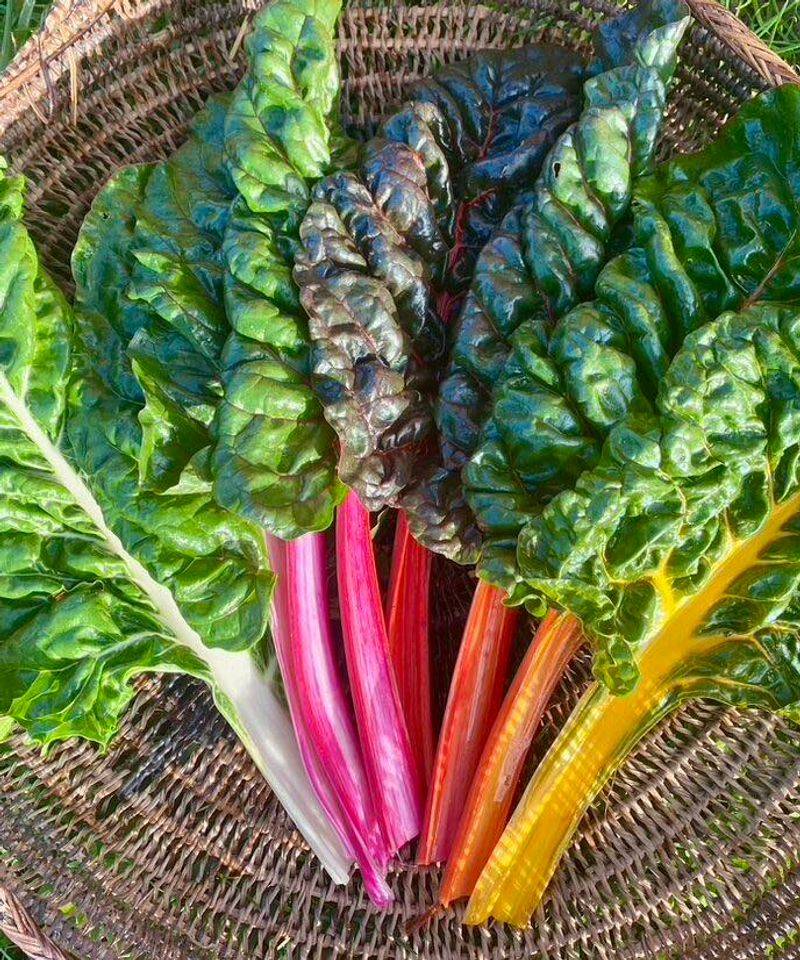
Not many vegetables bring both visual appeal and reliable harvests to a shady garden corner, but Swiss chard manages both with ease.
The stems come in a striking range of colors including red, yellow, orange, and white, making it one of the most visually interesting plants you can grow in a low-light bed.
Varieties like Bright Lights and Rainbow Chard are especially popular in Florida for this reason.
Swiss chard handles partial shade better than most leafy greens, needing around four to five hours of sunlight to produce well.
In Florida, it grows best from September through April, though in South Florida it can sometimes push into summer with adequate shade and moisture.
The plant does not bolt as quickly as lettuce or spinach, which gives it a longer productive window and makes it easier to manage across a busy gardening season.
Plant transplants or direct-sow seeds about ten to twelve inches apart in well-drained, fertile soil. Harvest outer leaves when they reach six to eight inches in length, cutting them close to the base without disturbing the center growing point.
This cut-and-come-again method keeps the plant producing for weeks. UF/IFAS notes that Swiss chard is an underused but highly productive option for Florida gardeners looking to extend their cool-season harvest into warmer months with some shade protection.