Protect Your Colorado Vegetable Garden From A Sudden Hard Freeze With These 8 Tricks
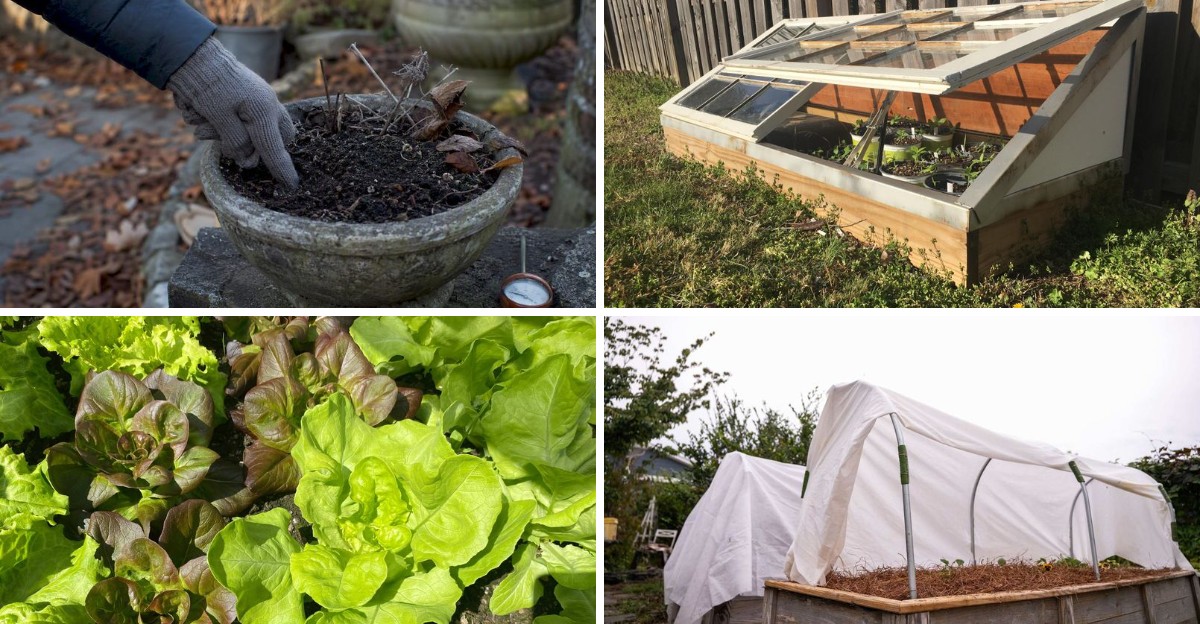
Tuesday, your kale looks bulletproof. Wednesday, the thermometer drops to 9°F before sunrise and your entire raised bed is lying flat. Colorado doesn’t warn you. It just swings.
One clear, windless night can undo months of careful work, and by the time you notice the damage, it’s already done.
The Rockies run on their own logic: altitude that fools you into thinking a sunny November afternoon means winter is still far off, cold air that pours down from the mountains after dark, and soil that freezes solid the moment you turn your back.
Growing vegetables here isn’t gardening. It’s negotiation. But here’s the thing: plants are more resilient than they look, and so are the people who grow them.
A few well-timed moves, the right covers, the right timing, and your kale can shrug off a cold snap that would flatten a garden two states over. You just need to know the rules Colorado actually plays by.
1. Mulch Root Vegetables Deeply To Insulate The Soil
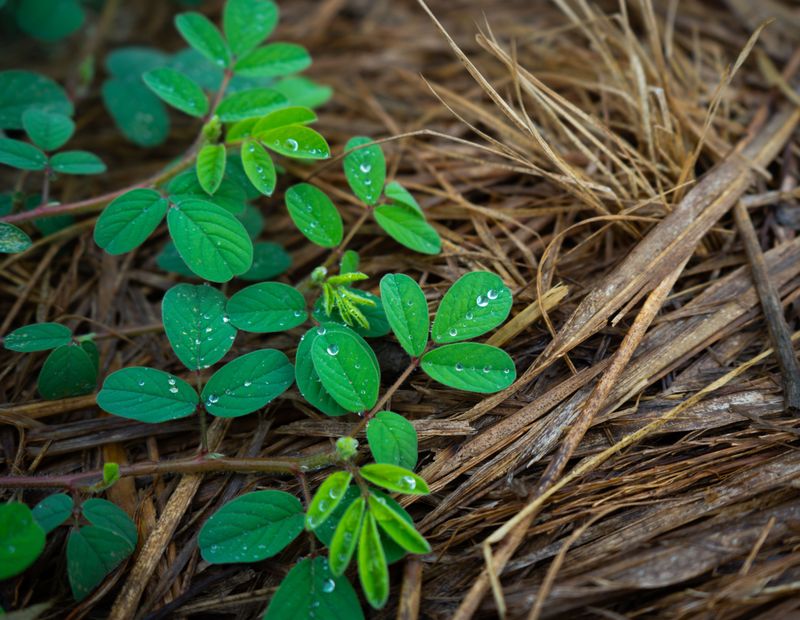
Bare soil freezes fast under a Colorado night sky. A thick layer of mulch acts like a blanket, keeping carrots, beets, and parsnips cozy and keeping the ground workable.
Straw, shredded leaves, and wood chips all work beautifully as mulch. Spread at least four to six inches over your root vegetable rows for best results.
Mulch also slows the freeze-and-thaw cycles that heave plants out of the ground. Fewer swings in soil temperature mean fewer cracked roots and less damage.
Organic mulch breaks down slowly over the winter. As it decomposes, it feeds your soil with nutrients, making next year’s garden even better.
Apply mulch after the first few hard frosts but before the ground freezes solid. Mulching too early can invite mice to nest, while mulching too late leaves roots exposed.
Shredded leaves tend to stay put better than loose straw in windy areas. Colorado afternoons can get breezy, so anchor light mulch with a few branches or a layer of row cover.
Check your mulch layer after every big wind or storm throughout late fall. Gusts can strip it away faster than you expect, so top it off when needed.
A well-mulched bed pulls up sweet, crisp carrots in December. Your roots feel that insulation every single hour of a bitter night.
2. Empty And Protect Hoses And Irrigation Systems
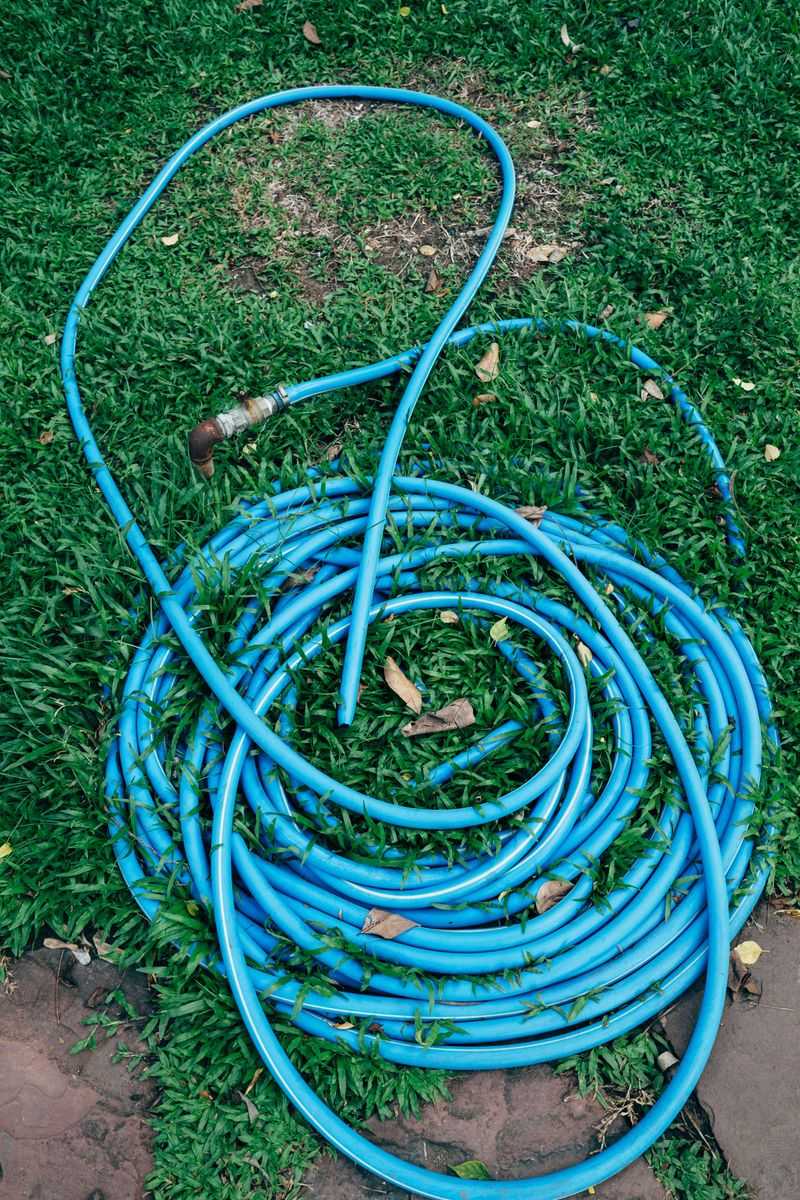
A burst pipe is one of the most frustrating problems a gardener can face. One night of hard freeze can crack a hose bib, split a drip line, or ruin a pricey timer.
Water expands as it freezes, and trapped water has nowhere to go. Without an escape route, it splits fittings and cracks hard plastic from the inside.
The fix is surprisingly straightforward: finish any pre-freeze watering first, then disconnect, drain, and store everything before the cold front arrives. Leaving a hose attached to the spigot can send ice back into the pipe and into your home.
Drip irrigation systems need extra attention before winter. Open the end caps, drain the lines, and blow them out with low-pressure air to clear any trapped water.
Coil hoses loosely and hang them in a garage or shed rather than leaving them on the ground. Draining them as you coil keeps the last drops from freezing inside.
Timers, filters, and pressure regulators are inexpensive parts that are easy to forget. Unscrew them, dry them, and bring them indoors before the first deep freeze.
Insulating covers on outdoor spigots work hand in hand with draining. The two strategies together protect the plumbing that your spring garden depends on.
Rain barrels and water tanks need attention too. Empty them or leave room for ice to expand, and your equipment will be ready the moment spring arrives.
3. Water Before The Freeze To Buffer The Soil
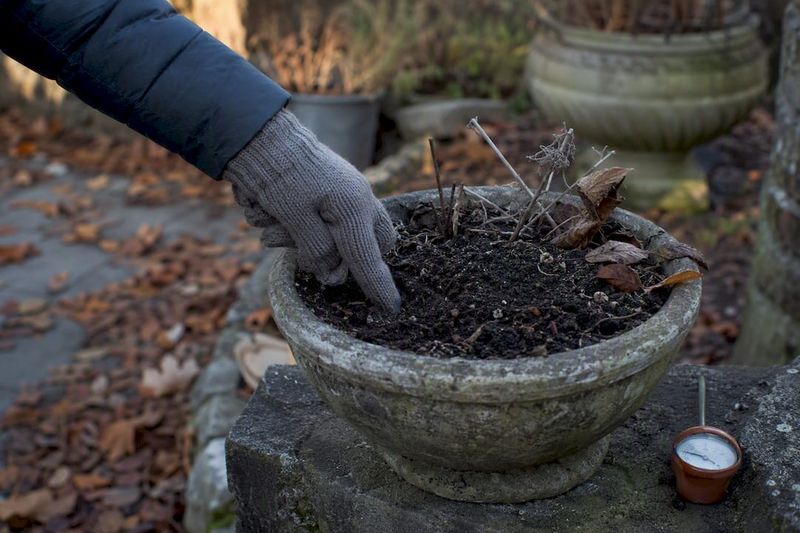
Watering on a mild late-November morning is one of the smartest habits a gardener can build. Moist soil holds heat far better than dry soil, so it releases warmth through the night.
Skipping water before a freeze wastes that natural advantage. Dry, loose soil loses heat quickly and lets frost reach roots sooner.
Morning watering also gives foliage time to dry before the temperature drops. Wet leaves at night turn to ice and invite damage that spreads quickly through a garden bed.
Hand watering at the base of plants makes this even more efficient. Water goes directly to the root zone, skipping the leaves entirely and reducing waste.
If you worry about forgetting, set a reminder on your phone the moment a cold front shows up in the forecast. A quick watering takes only a few minutes.
Deep watering encourages roots to stay down where the soil is warmest. Shallow watering leaves the surface soggy and ready to freeze into a crust.
Water slowly and steadily rather than in one quick burst. Slow application gives soil time to absorb moisture instead of letting it pool and freeze on top.
Check soil moisture an inch below the surface before watering again. If it still feels damp, your plants are fine and you can skip a session without worry.
4. Bed Covers Protect Vegetables From Hard Frost
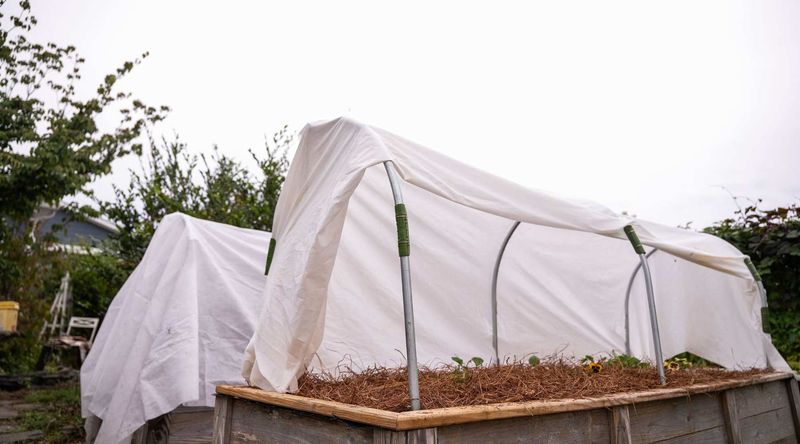
Bed covers are an often overlooked tool in a late-season garden. Frost cloth traps rising ground heat while still letting moisture and light through.
A medium-weight frost cloth works well for most vegetables in Colorado. Lettuce, spinach, and chard especially appreciate a blanket on the coldest nights.
Setting up bed covers is easier than it sounds. Lightweight hoops or simple wooden frames hold the fabric above your beds without crushing your plants.
Kale and carrots can handle more cold than tender greens, but even they benefit from cover when temperatures plunge. A midnight low in Colorado hits harder than the daytime forecast suggests, by a wide margin.
Bed covers also raise the temperature underneath by several degrees. That small boost can mean the difference between a frosted leaf and a frozen one.
Reusable frost cloth lasts multiple seasons when stored properly. Shake it out, dry it, and roll it up in spring and it will be ready to go the following year.
You can find frost cloth at most garden centers or order it online in custom lengths. Cutting it to fit your specific beds takes only a few minutes with basic scissors.
Watch how your plants respond after the first cold morning under cover. Perky leaves and firm stems tell you the protection is working exactly as planned.
5. Cold Frames Give You More Control In A Freeze
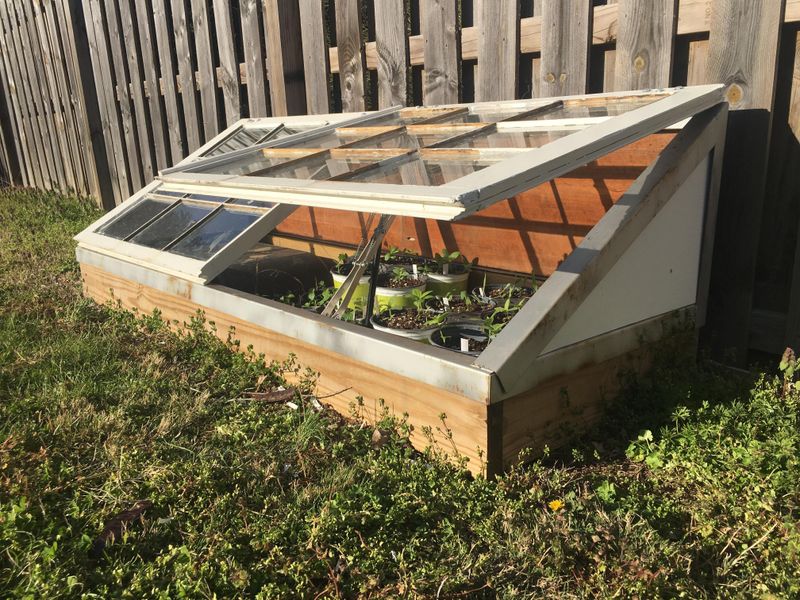
Cold frames have a reputation for being old-fashioned, but their real superpower is trapped warmth. When a freeze hits hard, a glass or polycarbonate lid turns your bed into a tiny greenhouse.
Soil inside a cold frame stays several degrees warmer than the open garden. That same quality means you need to pay closer attention to sunny days, when the box can overheat.
Building a cold frame from salvaged windows, straw bales, or simple lumber creates great insulation. Banking straw or soil around the outside walls keeps cold air from sneaking in through the edges.
The walls of a cold frame also make it easier to add a blanket on the coldest nights. You can drape an old quilt or row cover over the lid without any extra hardware or hassle.
Cold frames also keep winter winds off tender greens more effectively than open planting. Less wind means less moisture stripped from leaves, which matters enormously when frost is stressing your crops.
Facing the lid south and tilting it slightly gives plants the most winter light. Angled glass sheds snow and catches low November sun.
Propping the lid open a few inches on mild afternoons keeps plants from cooking. Close it again before sunset to hold in the day’s warmth.
Cold frames also make it easier to spot problems early. You can lift the lid and check every plant in seconds without kneeling in the snow.
6. Hardy Varieties Outlast Sudden Drops
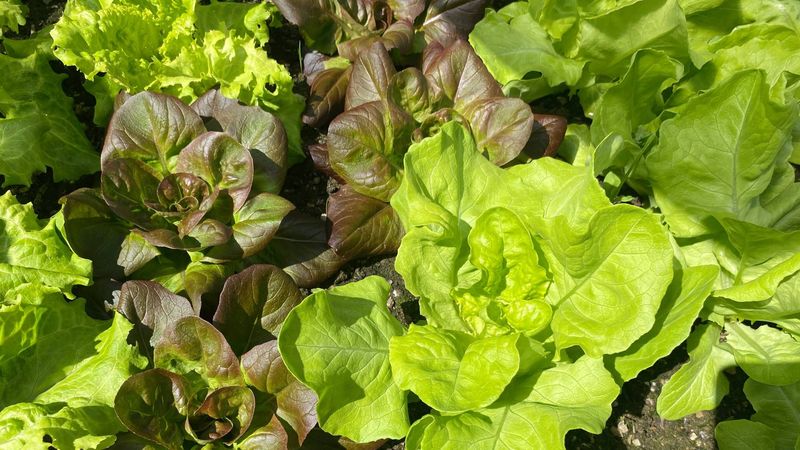
Not all vegetables are built the same when it comes to handling cold. Choosing the right crops from the start gives your garden a major survival advantage before winter even begins.
Lacinato and Winterbor kale hold up well in freezing temperatures. These varieties are widely grown for their strong cold hardiness.
Root crops are naturally cold-loving plants that thrive when temperatures fall. Napoli carrots and parsnips generally perform well under mulch, though consistent cover becomes especially important once nights push below 15 degrees.
For greens, try hardy spinach varieties like Bloomsdale or Tyee. These types tolerate frost much better than standard lettuce, giving you a longer harvest window into winter.
Brussels sprouts are another excellent choice for cold Colorado falls. Varieties like Long Island Improved keep their sprouts firm and sweet even when frost pushes into uncomfortable territory for other crops.
Check seed packets and plant tags for phrases like frost-hardy or winter-hardy. Those words are signals that someone bred that plant specifically to handle conditions like yours.
Local seed companies based in the Mountain West often carry varieties selected for high-altitude and cold-season performance. Shopping local gives you access to plants already adapted to your specific climate.
Noting which crops survived this year’s freeze can transform next season’s plan. Strong genetics are the foundation that all your other garden tricks build upon.
7. Pick And Protect Kale And Brussels Sprouts
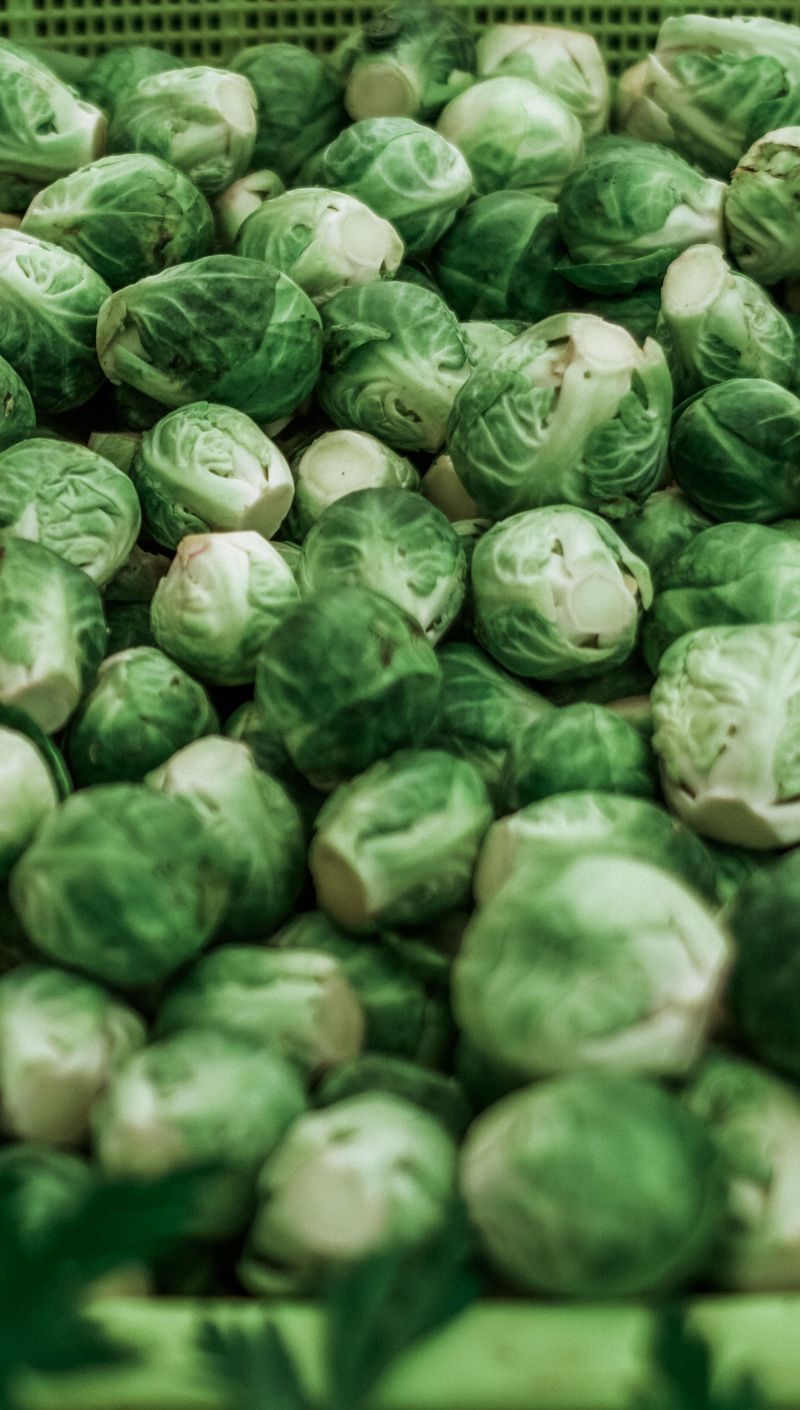
Leaving a crop in the garden during a deep freeze quietly puts it at risk. Kale and Brussels sprouts handle frost well, but a hard freeze below the low teens can finally turn them to mush.
Harvesting kale leaves before a cold snap keeps the best ones safe from frost damage. Wait too long and you may find a bed of blackened, frozen leaves.
Kale, Brussels sprouts, and carrots all follow the same rule: harvest what you need ahead of the storm, and wait until after the thaw to pick the rest. Cold-sweetened vegetables taste better and store well in the refrigerator.
Brussels sprouts can be picked individually, or you can cut the whole stalk at once. A stalk hung in a cool garage keeps sprouts fresh far longer than loose ones in a bowl.
Frozen leaves are fragile, so wait until they thaw before touching them. Picking a stiff, icy leaf can bruise it and open the plant to rot.
Make it a habit to walk through your garden with a basket the day before a forecasted freeze. A five-minute stroll is all it takes to stay ahead of the weather.
Plants you leave standing can be covered with row cover or an old sheet held down by rocks. This protects them from wind burn and keeps the stalks standing through a sudden dip.
A productive garden rewards attention and timing above all else. Show up before the front arrives with your basket and your plants will keep delivering well into December.
8. Container Plants Give You Flexibility When Frost Strikes
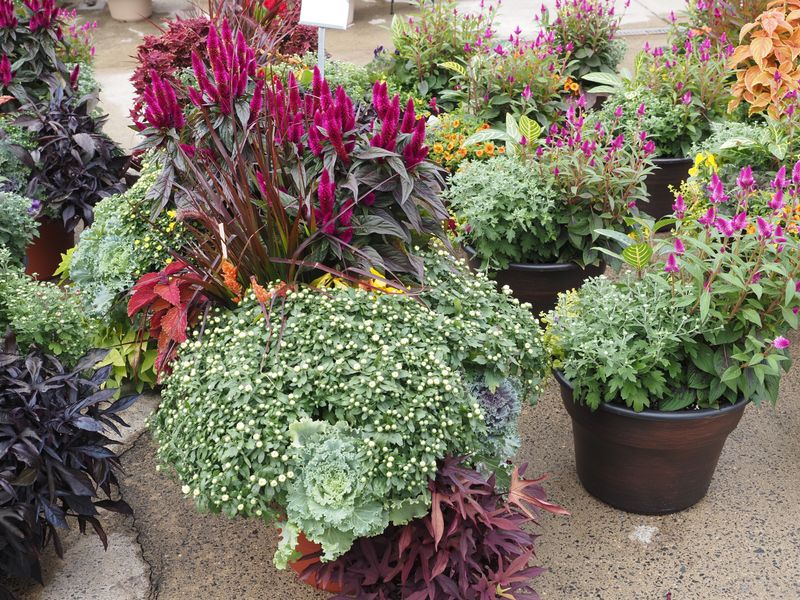
Container gardening has one undeniable advantage over in-ground planting: mobility. When a freeze rolls in fast, you can simply pick up your pots and move them to safety.
Placing containers in an unheated garage or against a south-facing wall can noticeably raise the temperature around them. That kind of relief can save a stressed plant from serious setback.
Lightweight fabric grow bags make moving plants even easier than heavy ceramic or clay pots. Clay and ceramic can also crack when wet soil freezes, so empty or move them first.
Kale, herbs, and lettuce all survive in containers with the right care. Use a high-quality potting mix with added perlite to keep drainage strong through melting snow and cold rain.
Container soil freezes faster than in-ground soil, especially on clear, windless nights. Check the weather daily and be prepared to move pots inside during a hard freeze.
Grouping containers together creates a microclimate that holds warmth slightly better than isolated pots. Plants in clusters shield each other’s pots and reduce overall heat loss throughout the night.
Add a layer of mulch on top of container soil just like you would in a garden bed. Even a two-inch layer helps insulate roots near the cold pot walls.
Container gardening is not just a backup plan. For gardeners dealing with unpredictable Colorado freezes, it can be a strong primary strategy worth building around.