Colorado Raised Bed Gardeners Are Adding Shade Cloth Right Now And Here’s The Reason And The Method
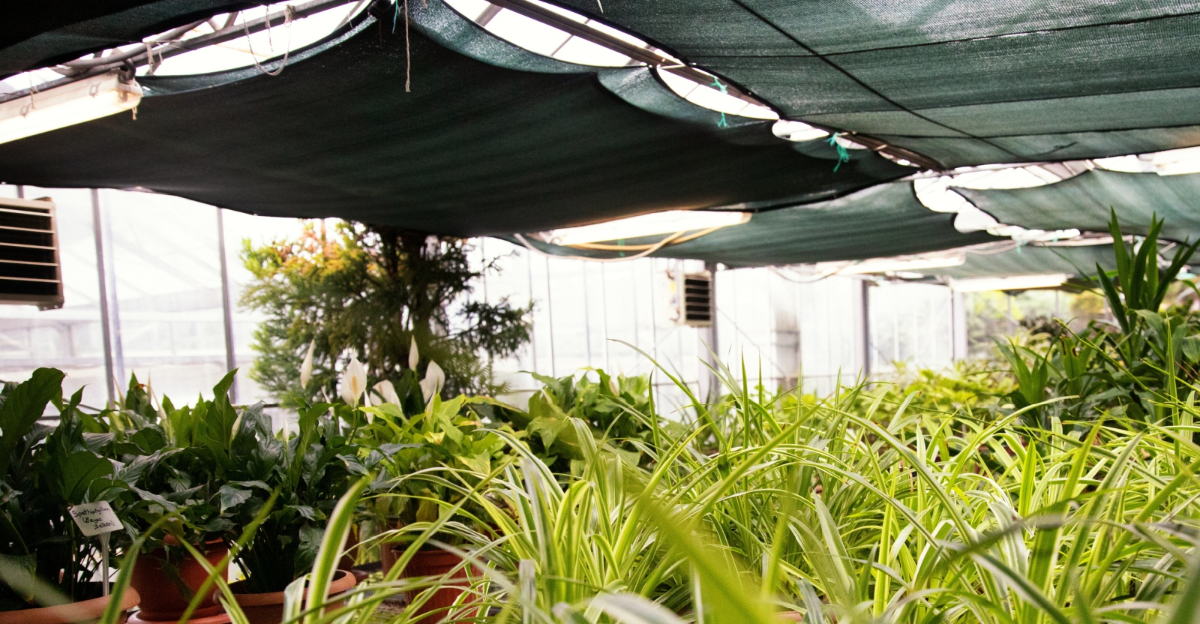
Gardeners in Colorado know heat. But this summer is different. The kind of heat rolling through June and July now does not just stress your plants, it quietly wears them down before you notice anything is wrong.
Lettuce bolts overnight. Peppers drop their flowers in protest. Tomatoes sit there looking fine until they do not.
Raised bed gardening has taken off across Colorado in the last few years, and with it came a hard lesson nobody warned beginners about: a raised bed amplifies everything.
It drains beautifully, warms up fast in spring, and in peak summer, it can overheat significantly at root level.
A single layer of shade cloth stretched over your beds can cut temperatures dramatically, extend your harvest window by weeks, and keep cool-season crops alive through heat waves that would otherwise end them.
This is not a trend borrowed from hobby gardeners. Commercial growers have relied on it for decades.
Now it is finally becoming a standard part of the backyard toolkit, and the gardeners who adopt it early are eating fresh salads in August while everyone else replants.
Summer Heat In Colorado Is Intensifying Earlier Each Season

June used to feel like spring in the mountains. Now it punches like August before most gardeners even finish planting.
Temperatures across Colorado have been climbing earlier each year. The window between last frost and scorching heat has narrowed significantly in recent seasons.
Raised beds absorb and hold heat more than in-ground plots. The walls trap warmth, which is great in spring but brutal once summer arrives in full force.
According to Colorado State University Extension research, soil temps in a raised bed can spike 10 to 15 degrees above ambient air temperature depending on bed material and sun exposure.
That kind of heat stresses roots, slows nutrient uptake, and triggers early bolting in leafy greens. Gardeners in areas like Colorado Springs and Boulder have noticed crops failing weeks earlier than expected.
Many are now treating June as the new August when planning their protective strategies. Shade cloth helps buffer that thermal shock by reducing direct sun exposure on both soil and foliage.
A 30 to 50 percent rated cloth can drop surface temps by several degrees instantly. The earlier you install it, the more of your crop you save.
Waiting until plants show heat stress means you are already behind the curve. Proactive shade management is becoming an increasingly common part of the Colorado growing season calendar.
Protecting Cool-Season Crops From Bolting Becomes Critical In June
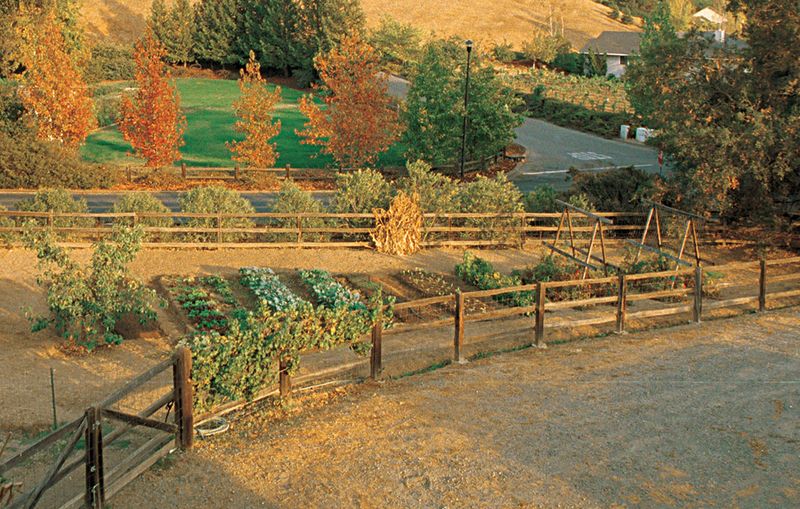
Bolting is every lettuce lover’s nightmare. One hot week in June and your salad greens turn bitter, leggy, and past their prime.
Cool-season crops like spinach, arugula, kale, and cilantro are programmed to bolt when days get long and temps rise. They sense the heat and shift their energy from leaf production to seed making.
Colorado’s intense sunshine accelerates this process faster than in cloudier climates. A plant that might hold steady for weeks in the Pacific Northwest can bolt in just days here.
Your Colorado Garden Changes Every Week. Your Plan Should Too.
Gardening in Colorado changes quickly throughout the season. Every Friday you’ll receive a simple weekly plan showing exactly what to plant, prune, fertilize, harvest, and protect so you never miss the right timing.
Shade cloth interrupts that signal by filtering light intensity without blocking airflow. Plants stay cooler, and their internal clock slows down just enough to extend your harvest window.
Gardeners who use shade cloth in June have reported harvesting lettuce several weeks longer than unprotected beds, though results vary depending on variety, watering, and local conditions.
That is a significant return on a relatively small investment. A 40 percent shade cloth is the sweet spot for most cool-season crops.
It cuts enough light to reduce heat stress without starving plants of the energy they need to grow.
Pair shade cloth with consistent watering and mulched soil for maximum results. The combination keeps root zones cool and plants producing well into the warmer months.
Extending your cool-season harvest in Colorado raised beds is absolutely possible with the right setup. Shade cloth is the key that makes it happen consistently.
Hail Storms Can Seriously Damage Unprotected Raised Beds In A Single Storm
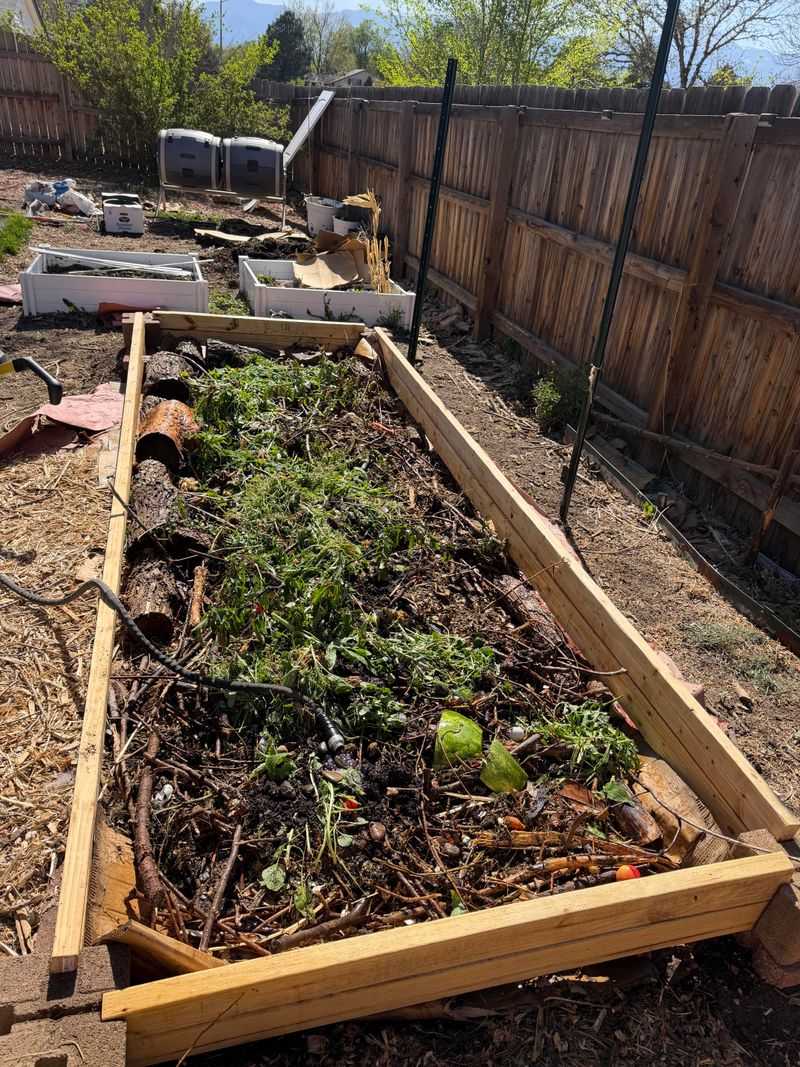
Ask any Colorado gardener about hail and watch their expression change. One storm can damage weeks of careful growing in under ten minutes.
The Front Range is one of the most hail-prone regions in the entire country. Storms can pop up with almost no warning, especially during peak growing season from May through August.
Shade cloth acts as a physical barrier that absorbs and deflects hail before it reaches your plants. A tightly woven cloth rated at 40 to 50 percent shade can stop small to medium hail stones from making direct contact.
It will not stop a golf-ball-sized stone, but most damaging storms involve pea to marble-sized hail. That is exactly the range where shade cloth provides meaningful protection.
Gardeners who lost entire tomato crops to hail in previous seasons have reported dramatically better outcomes after installing shade cloth frames. Bruising, splitting, and leaf shredding were all reduced significantly.
The cloth needs to be secured properly to hold up during a storm. Loose fabric flapping in wind can actually cause damage, so anchoring matters as much as coverage.
Think of shade cloth as a first line of defense in a multi-layer protection strategy. It buys your plants time and reduces the worst of the physical beating a storm delivers.
After a bad hail year, many Colorado gardeners say they will never grow without shade cloth again. That kind of conviction comes from firsthand experience with storm damage.
Intense UV Exposure At High Altitude Stresses Tender Seedlings Quickly
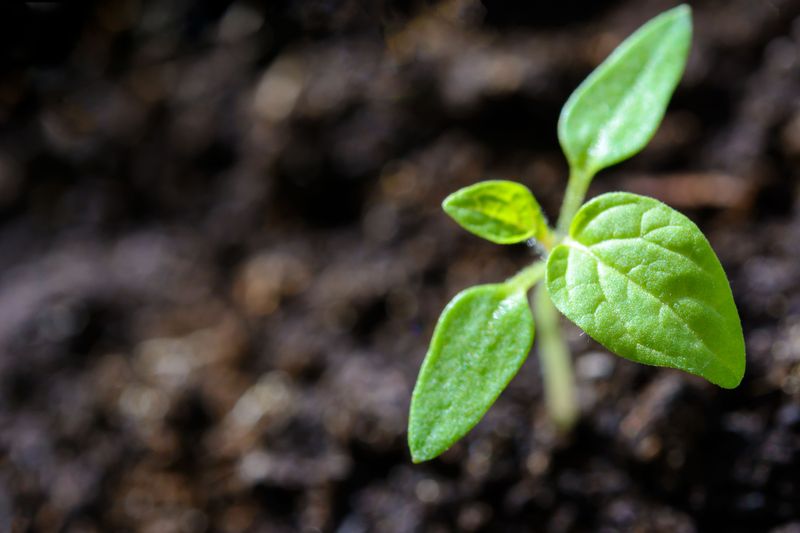
Denver sits at 5,280 feet above sea level. Studies suggest that altitude can mean roughly 25 percent more UV radiation compared to coastal cities at sea level, though the exact figure varies by season and conditions.
Young seedlings transplanted into a raised bed are especially vulnerable during their first week outdoors. Their cells have not yet hardened off to handle full Colorado sun intensity.
Sun scorch can show up as white or tan patches on leaves within days of transplanting, depending on the plant and conditions. Catching it early gives you a better chance of limiting the damage.
Shade cloth creates a gentler transition zone for seedlings moving from the greenhouse or indoor grow lights. The filtered light mimics a cloudy day, giving plants time to adjust gradually.
Mountain communities above 7,000 feet face even more intense UV conditions. Gardeners in places like Evergreen and Salida often use 50 percent shade cloth just to get transplants established without setbacks.
Even established plants can suffer UV stress during heat waves. Peppers and tomatoes may drop blossoms when light and heat intensity exceed their comfort threshold simultaneously.
Shade cloth rated at 30 percent works well for most transplanting situations at lower altitudes. Bump that up to 40 or 50 percent for higher elevation gardens or particularly tender seedlings.
Protecting transplants from scorching UV is one of the fastest ways to improve your garden success rate. A little filtered shade goes an incredibly long way at altitude.
Draping 30-50% Shade Cloth Loosely Over PVC Pipe Hoops
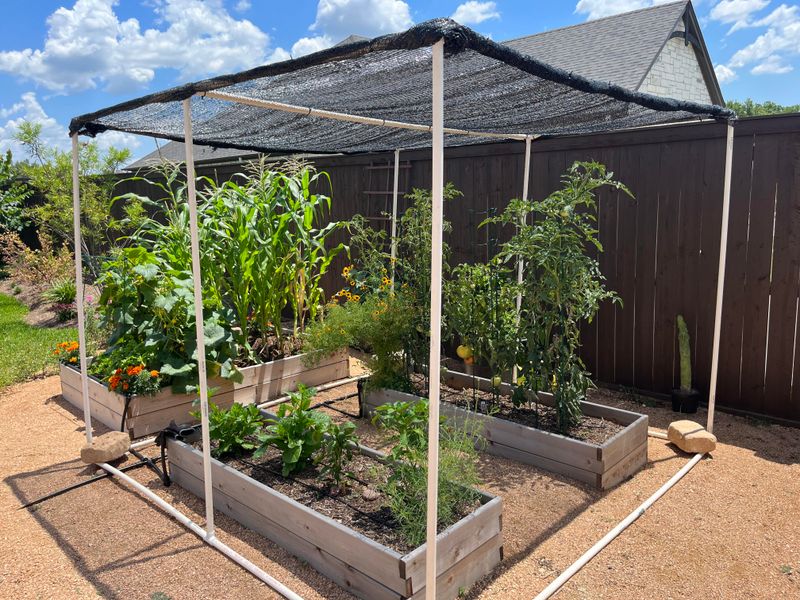
PVC pipe hoops are the most popular shade cloth support system for raised beds right now. They are cheap, lightweight, and easy to set up in under an hour.
Start by cutting half-inch diameter PVC pipe into sections long enough to arch over your bed. A typical four-foot-wide bed needs hoops that extend about two feet above the soil surface.
Push each end of the pipe about six inches into the soil along opposite sides of the bed. Space hoops every two to three feet down the length of the bed for even support.
Once hoops are in place, drape your shade cloth loosely over the top. Loose draping allows airflow and prevents the fabric from pressing directly onto plant foliage.
Colorado raised bed gardeners using this method often add a few inches of extra cloth on each side. That overhang makes it easier to secure the edges without pulling the fabric tight across the hoops.
A 30 percent shade cloth is ideal for full-sun crops like tomatoes and peppers that still need significant light. Bump to 40 or 50 percent for greens and herbs that prefer cooler, dimmer conditions.
The beauty of this setup is its flexibility. You can slide the cloth to one side for watering or harvesting, then push it back in minutes.
PVC hoop systems cost very little and last multiple seasons with basic care. For Colorado raised bed gardeners, this method checks every important box.
Clipping The Fabric To Wooden Raised Bed Frames With Binder Clips
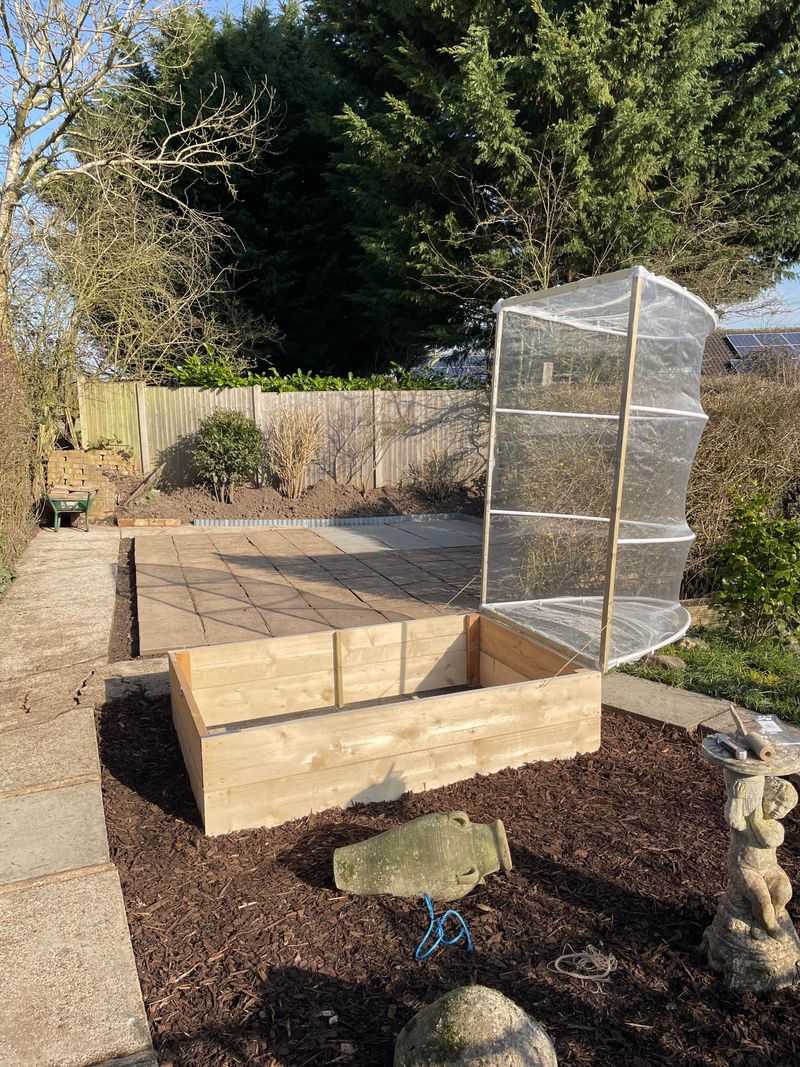
Not every gardener wants hoops. Some prefer a simpler, flatter approach that keeps shade cloth close to the bed without any overhead structure.
Binder clips from the office supply store are surprisingly effective at securing shade cloth to the wooden sides of a raised bed frame. They grip the fabric firmly and hold even in a moderate breeze.
This method works best when the shade cloth is draped over a low support, like a length of rope or a bamboo stake, running down the center of the bed.
The fabric forms a gentle tent shape that sheds rain and hail while still allowing airflow on the sides. Use the largest binder clips you can find for the best grip. Small clips can slip or tear lightweight fabric under tension, especially when wind picks up.
Space clips every six to eight inches along each wooden side panel. Closer spacing prevents fabric from billowing up and exposing plants during afternoon gusts.
One major advantage of this system is speed. You can clip on or remove the shade cloth in just a few minutes, which makes it practical for daily adjustments based on weather forecasts.
Binder clips also work well on composite or plastic-edged raised bed frames. Just make sure the clip jaw is wide enough to grip the frame edge securely.
Simple tools often solve complex problems in the garden. A pack of binder clips might be the most underrated item in your entire gardening supply kit.
Using A Removable Conduit Frame For Easy On-And-Off Access
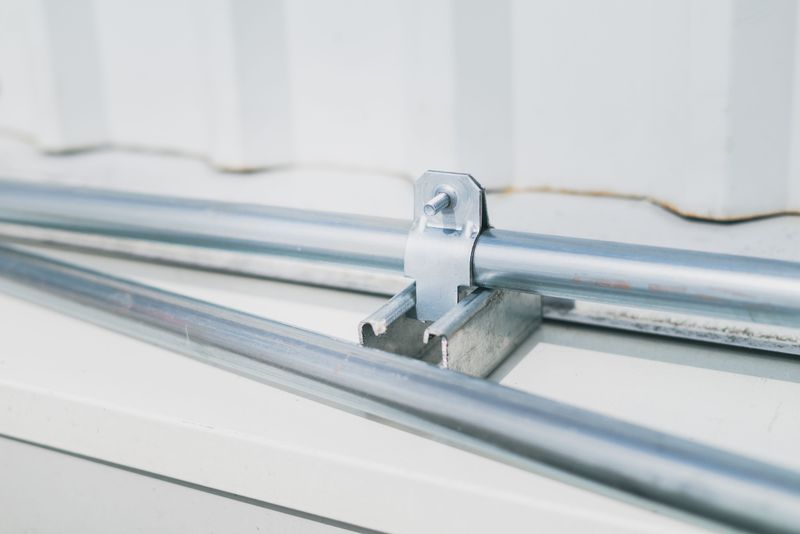
Conduit frames take the hoop concept to a sturdier level. Gardeners who want a more permanent structure that still comes off easily are switching to this method fast.
Electrical conduit is thin metal tubing available at any hardware store. It bends easily with a conduit bender tool, holds its shape well, and handles Colorado wind far better than PVC.
Build a rectangular frame that sits just above your bed by bending four pieces into arch shapes. Connect them with conduit couplers or zip ties for a rigid, unified structure.
Attach the shade cloth to the frame using clips, grommets, or Velcro straps before placing it over the bed. The whole unit lifts off as one piece, making access quick and damage-free.
Many gardeners add small hooks or loops to the inside of their raised bed frame to hold the conduit structure in place during storms. That prevents shifting without making the setup permanent.
The conduit frame also doubles as a support for frost cloth in spring and fall. One frame serves multiple seasons with just a fabric swap, which makes it an excellent long-term investment.
Conduit costs slightly more than PVC but lasts significantly longer outdoors. It resists UV degradation and does not crack in freezing temperatures the way plastic can.
Building a removable conduit frame takes one afternoon and pays off for years. Colorado raised bed gardeners who try this method rarely go back to anything simpler.
Anchoring Corners With Sandbags Or Tent Stakes Against Colorado Wind
Colorado wind is no joke. A beautiful shade cloth setup can turn into a tangled mess within minutes if the edges are not properly anchored.
Afternoon winds on the Front Range regularly gust between 20 and 40 miles per hour during summer storm buildups. That is more than enough force to lift unsecured fabric right off the hoops and into your neighbor’s yard.
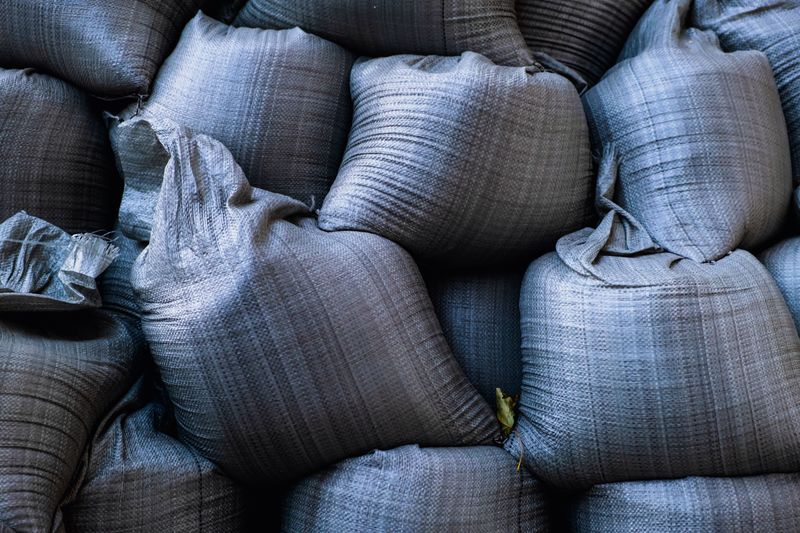
Sandbags are one of the easiest anchoring solutions available. Small fabric bags filled with sand or pea gravel can be draped over the cloth edges at each corner and along the sides.
Tent stakes work especially well when the shade cloth extends down to ground level on the sides. Push stakes through grommets or wrap fabric around the stake before driving it into the soil.
Many shade cloth products come with reinforced edges and pre-set grommets specifically for staking. If yours does not, adding your own grommets with a simple kit from a fabric store takes only a few minutes.
Use a combination of both methods for maximum security during high-wind events. Sandbags handle the weight anchoring while stakes prevent lateral shifting in strong gusts.
Check your anchoring system after any significant storm passes through. Wind can loosen stakes and shift sandbags without fully removing the cloth, leaving gaps that expose plants.
Securing your shade cloth properly is the final step that makes the whole Colorado raised bed system work. Without it, every other effort can unravel in a single afternoon storm.