Protecting Potted Plants From An Early Frost Starts With These Simple Steps
One crisp morning you step outside and notice a sparkly white coating across the porch. It looks pretty enough for a postcard, yet something about that icy shimmer feels a little suspicious.
Fall weather loves a good surprise, and early October nights can drop chilly without much warning at all. One evening feels like sweater weather, and the next brings frosty air that bites your fingertips.
Your leafy friends sitting in containers often feel that cold snap sooner than plants growing in the ground. Their roots have only a thin wall of clay or plastic between them and the chilly night.
Soft leaves can turn limp and dark overnight, and that sad droop is hard to undo later. Some of the best fixes are probably already sitting in your hall closet.
Gardeners who keep an eye on the sky often enjoy blooms and greenery well into late autumn. Your porch may look like a winter wonderland, but the pots did not sign up for that theme.
1. Keep A Close Eye On The Forecast
Weather apps have become a gardener’s best sidekick, buzzing with alerts before most of us even notice the chill. Checking the forecast each afternoon in early October gives you time to act before temperatures slip too low.
Frost usually forms when air temperatures drop to around 32 degrees Fahrenheit, though tender plants can struggle sooner. Many gardeners start protecting pots once the nighttime forecast dips below 38 degrees, just to stay safe.
Clear skies and calm winds are sneaky signs that frost might settle in after the sun goes down. Clouds act like a fuzzy blanket over the earth, trapping warmth that would otherwise float away into space.
Setting a simple outdoor thermometer near your containers can give a more accurate reading for your spot than a regional weather report. Low spots in a yard and open patios often run a few degrees colder than the official numbers.
Fun fact: orchard growers have long placed thermometers at plant height, since the air near the ground gets colder than the air at eye level. That old trick still works well, especially when paired with a quick peek at your phone.
Try setting a reminder on your calendar for late afternoons, since that gives you daylight to prepare. Scrambling with flashlights and sheets at midnight is a lot less fun than planning ahead at four.
Paying attention to the forecast might feel small, but it sets the stage for every other step. A few seconds of checking each day can save your favorite pots from a rough and frosty surprise.
2. Water The Soil Before Night Falls
It sounds backward, but a good drink of water before a cold night can help keep roots warmer. Moist soil holds heat better than dry soil, slowly releasing that stored warmth as darkness settles in.
Think of damp potting mix like a warm stone that soaked up sunshine all afternoon long. When the air cools down, that moisture gives off gentle heat that surrounds the roots like a hug.
Water your containers in the late morning or early afternoon, giving the soil plenty of time to warm. Pouring icy water at dusk can chill things down instead, which works against everything you want to achieve.
Aim the water at the soil rather than the leaves, since wet foliage can freeze faster overnight. Droplets sitting on leaves may turn into tiny ice crystals that leave brown, crispy spots by morning.
Balance matters here, so skip soaking pots until water pools on top or drips endlessly from the bottom. Soggy soil that stays wet for days can invite root rot, especially once cooler weather slows plant growth.
A quick finger test works wonders, so push one finger about an inch into the potting mix. If it feels dry and dusty, give it a drink, and if it feels cool and damp, wait.
Pairing this watering habit with a cover or blanket gives your plants double protection on frosty October nights. Your thirsty mums and herbs will thank you with perky leaves and colorful blooms when the sun returns.
3. Huddle Your Pots Close Together
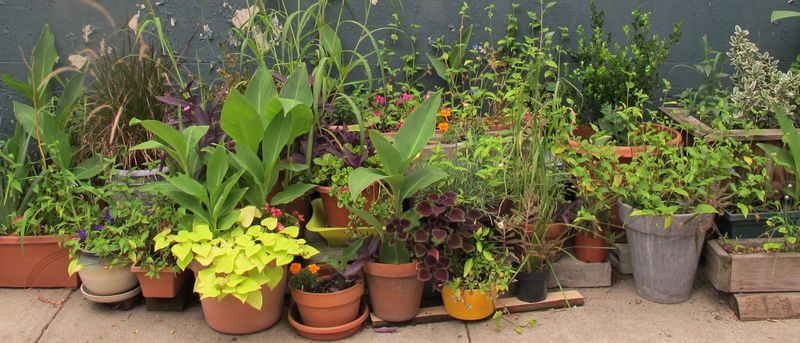
Penguins know a thing or two about staying warm, and your potted plants can borrow their clever strategy. Grouping containers tightly together creates a little pocket of shared warmth that helps everyone get through a chilly night.
Scattered pots get hit by cold air from every side, which chills their soil and roots much faster. Clustered pots shield one another, cutting down the wind and holding onto heat a bit longer each evening.
Pick a cozy spot next to your house, like a south-facing wall that soaked up sunshine all day. Brick and stone release stored heat slowly through the night, giving nearby plants a welcome boost of warmth.
Place the most delicate plants in the middle of the group, surrounded by sturdier pots on the outside. Tough herbs like rosemary or hardy ornamental grasses make a sturdy outer ring around tender basil, begonias, and geraniums.
Covered porches and spots under deep roof overhangs work nicely too, since they block frost from settling down. Open areas in the middle of a yard tend to collect the coldest air on calm, clear nights.
Moving heavy pots can strain your back, so grab a plant caddy or a sturdy wagon for help. Rolling stands with wheels make shuffling containers around a breeze whenever the forecast turns frosty in October.
Once the cold snap passes, you can spread your pots back out so each one gets plenty of sun. Crowded plants left together for too long may share pests or develop mildew from poor air flow.
4. Tuck Plants Under A Cozy Frost Cloth
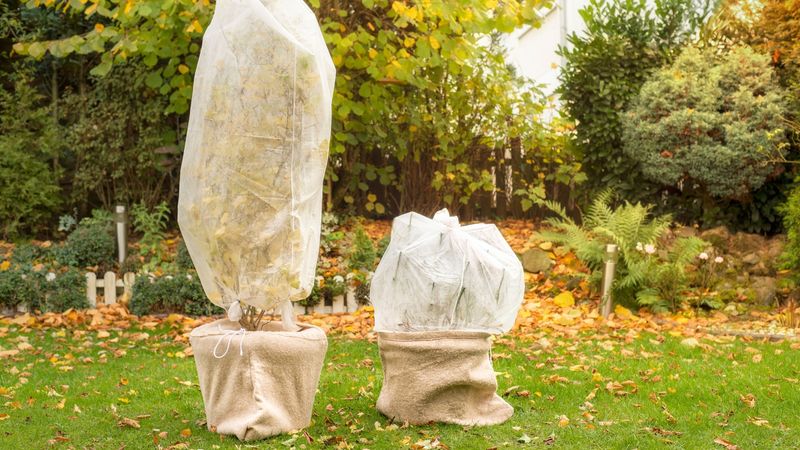
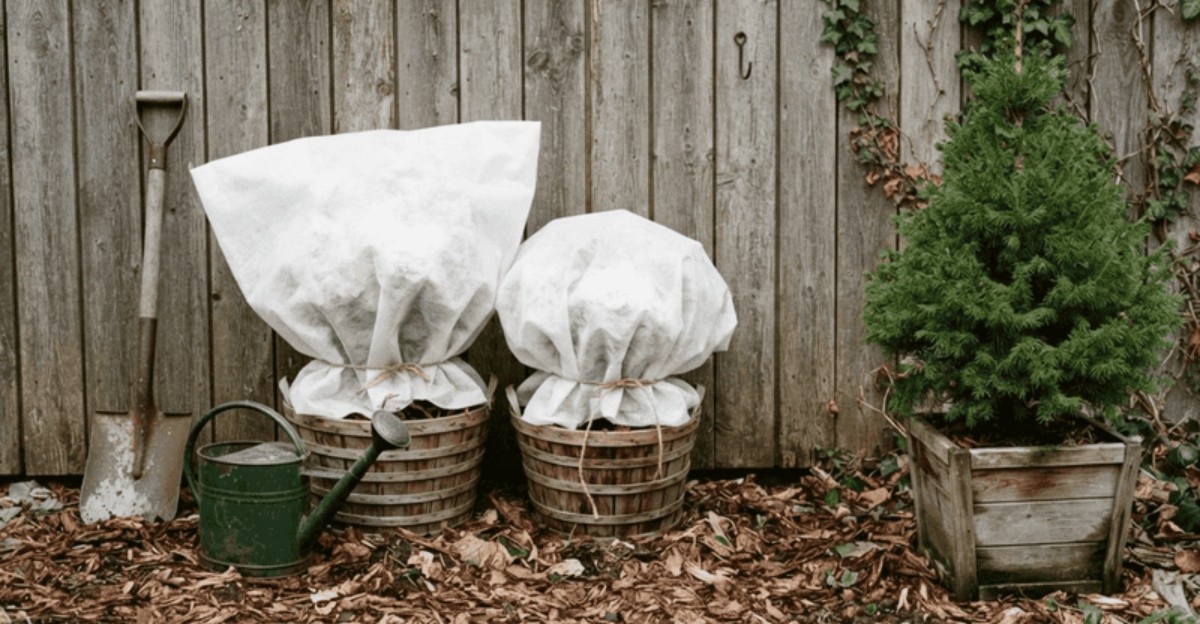
Grandma’s old bedsheet might be the unsung hero of autumn gardening, and plenty of gardeners swear by it. Covering plants overnight traps the warmth rising from the soil and keeps icy crystals off delicate leaves.
Frost cloth, sometimes called row cover, is a lightweight fabric made just for this job in the garden. It lets air and a little light pass through while adding several degrees of protection on chilly nights.
Old sheets, beach towels, and cardboard boxes can also work in a pinch when frost sneaks up suddenly. Skip plastic sheeting touching the leaves, because it conducts cold and can leave foliage scorched by morning.
Drape the cover all the way down to the ground or around the pot, not just over the top. Warmth rises from the soil, so sealing the edges creates a snug tent that holds that heat inside.
Use clothespins, rocks, or bricks to hold the fabric in place when breezy fall winds start to blow. Bamboo stakes or tomato cages placed around the plant help keep heavy covers from crushing fragile stems.
Timing matters, so cover your plants in the late afternoon before the sun dips below the trees. Pull the covers off the next morning once temperatures climb, letting leaves soak up sunshine and fresh air.
Leaving fabric on all day can trap too much heat and moisture, which plants rarely appreciate. Fold your covers neatly and keep them near the door so they are ready for the next frost.
5. Wrap Containers In A Warm Winter Coat
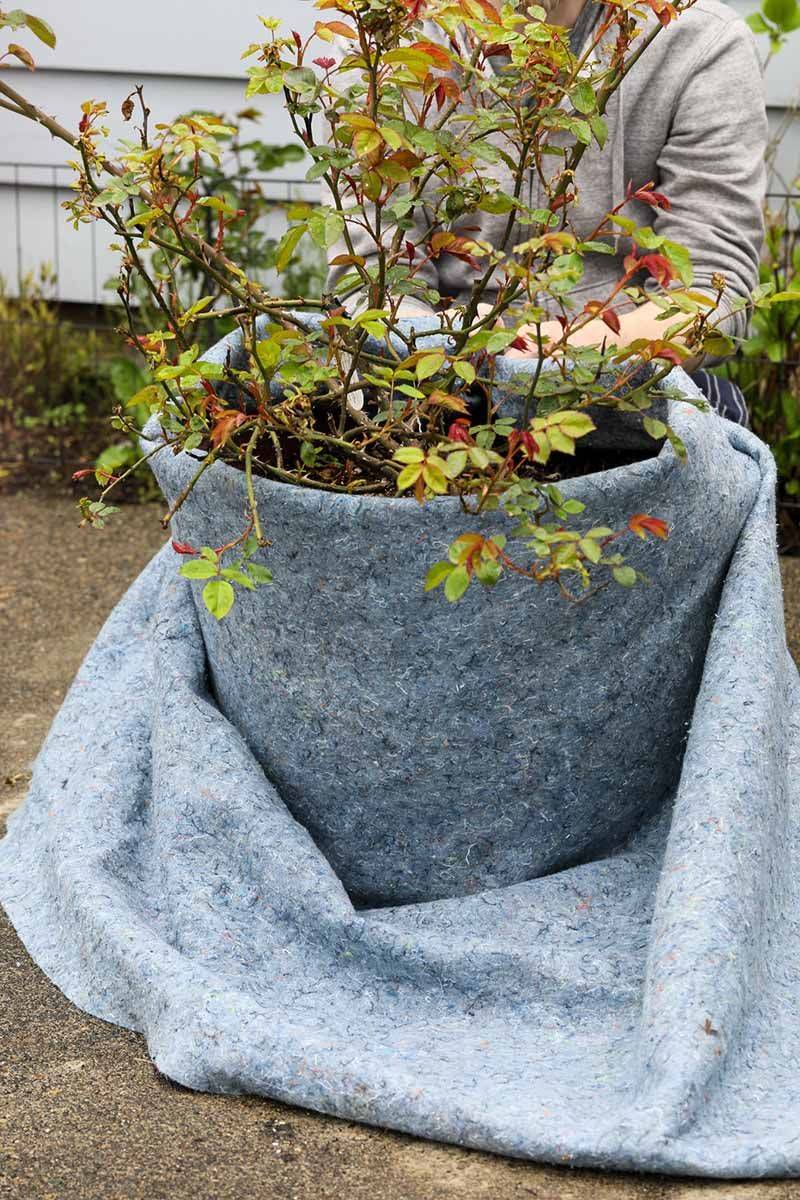
Roots in containers can be more vulnerable to cold than the leaves and stems above the soil, since they lose the insulation of the ground. In a pot, only a thin wall stands between them and the cold.
Wrapping the outside of your containers works like slipping a puffy jacket onto your favorite plant before bedtime. Bubble wrap, burlap, old blankets, and even thick moving pads can all add a cozy layer of insulation.
Bubble wrap is a favorite among gardeners because those little air pockets trap warmth so well. Wrap it around the pot two or three times, then secure it snugly with twine or packing tape.
Burlap looks a bit more rustic and charming, which makes it a nice pick for porches and patios. Layer it over bubble wrap if you want extra warmth along with a tidy, natural look for fall.
Terra cotta and thin plastic pots lose heat quickly, so they benefit most from this extra wrapping. Thick wooden planters and heavy glazed ceramic containers hold warmth longer, though they still appreciate a little help.
As a handy bonus, wrapping clay pots can help prevent cracks when wet soil freezes and expands. That means your insulation protects both the plant and the pretty container you spent good money on.
Leave the top of the soil open so water can still reach the roots and air can circulate. Pot wraps can stay on for several weeks during fall, making them a low-effort choice for busy gardeners.
6. Lift Pots Off The Cold Ground
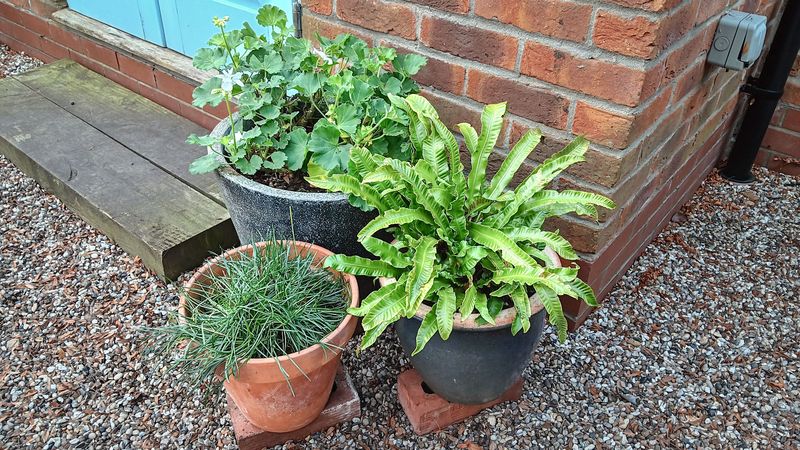
Ever walked barefoot across a patio on a chilly morning and felt the cold shoot straight up your toes? Your potted plants feel that same chill seeping up through concrete, stone, and pavers all night long.
Cold surfaces pull heat away from the bottom of each container, leaving roots shivering in chilly soil. Raising pots even a couple of inches creates an air gap that slows down that sneaky heat loss.
Pot feet are small risers made of clay, rubber, or plastic that tuck neatly under each container. They come in cute shapes like frogs, turtles, and acorns, which can add a playful touch to porches.
Bricks, scrap wood blocks, or an upside-down plant saucer work well if you lack pot feet at home. Wooden pallets are another clever option, since they lift several containers at once and allow airflow underneath.
Raising your pots also helps excess water drain freely, which matters more as autumn rain picks up. Soggy soil sitting against cold ground can freeze into a solid block that squeezes and harms tender roots.
Plant stands and tiered shelves offer an even bigger lift, keeping containers well above the coldest layer of air. Frosty air tends to sink and settle low, so a few extra inches can make a real difference.
Make sure any stand feels sturdy and level, because top-heavy pots can tip over during gusty fall storms. Combined with a cozy wrap and a frost cover, lifted pots stand a much better chance against chilly nights.
7. Roll Tender Favorites Indoors Overnight
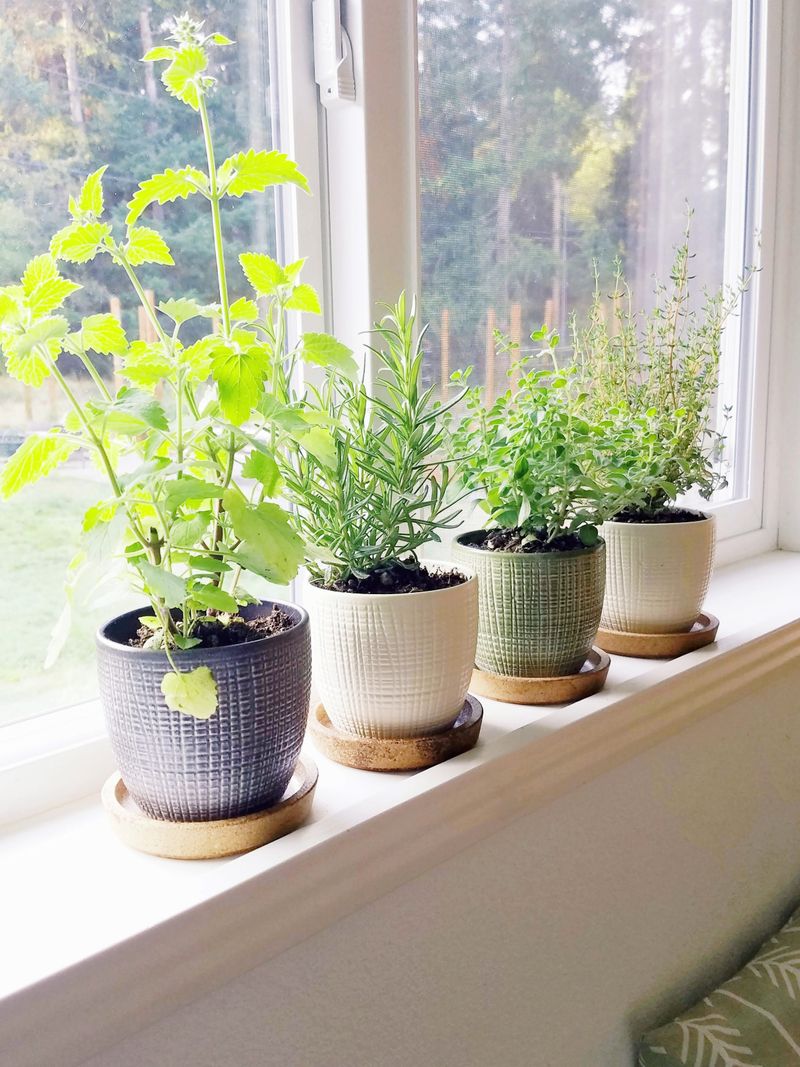
Some plants are simply too delicate for chilly October nights, no matter how many blankets you pile on. Tropical beauties like hibiscus, mandevilla, and many succulents start sulking once temperatures fall into the forties.
Bringing them inside for the night is one of the easiest and most reliable ways to protect them. A garage, mudroom, enclosed porch, or shed can work nicely, as long as it stays above freezing.
Before carrying anything indoors, take a few minutes to check the leaves and soil for sneaky hitchhikers. Aphids, spider mites, and tiny gnats love sneaking into warm homes, where they can quickly spread to houseplants.
A gentle spray from the garden hose a day or two earlier can rinse away many of these pests. Peek under the leaves and around the pot rim, since bugs love to hide in shady little corners.
Keep overnight guests away from heaters and drafty doors, which can dry them out or shock them. A cool, bright room with steady temperatures feels the most comfortable for plants making a short visit.
Move them back outside the next morning once the sun warms things up, so they keep getting light. Heavy containers can be a workout, so try lightweight pots or a rolling dolly to save your back.
As fall moves along, many of these tender plants will happily settle in indoors for the long winter. Starting with short overnight visits now helps them adjust slowly to indoor light and drier household air.
8. Lay Down A Thick Blanket Of Mulch
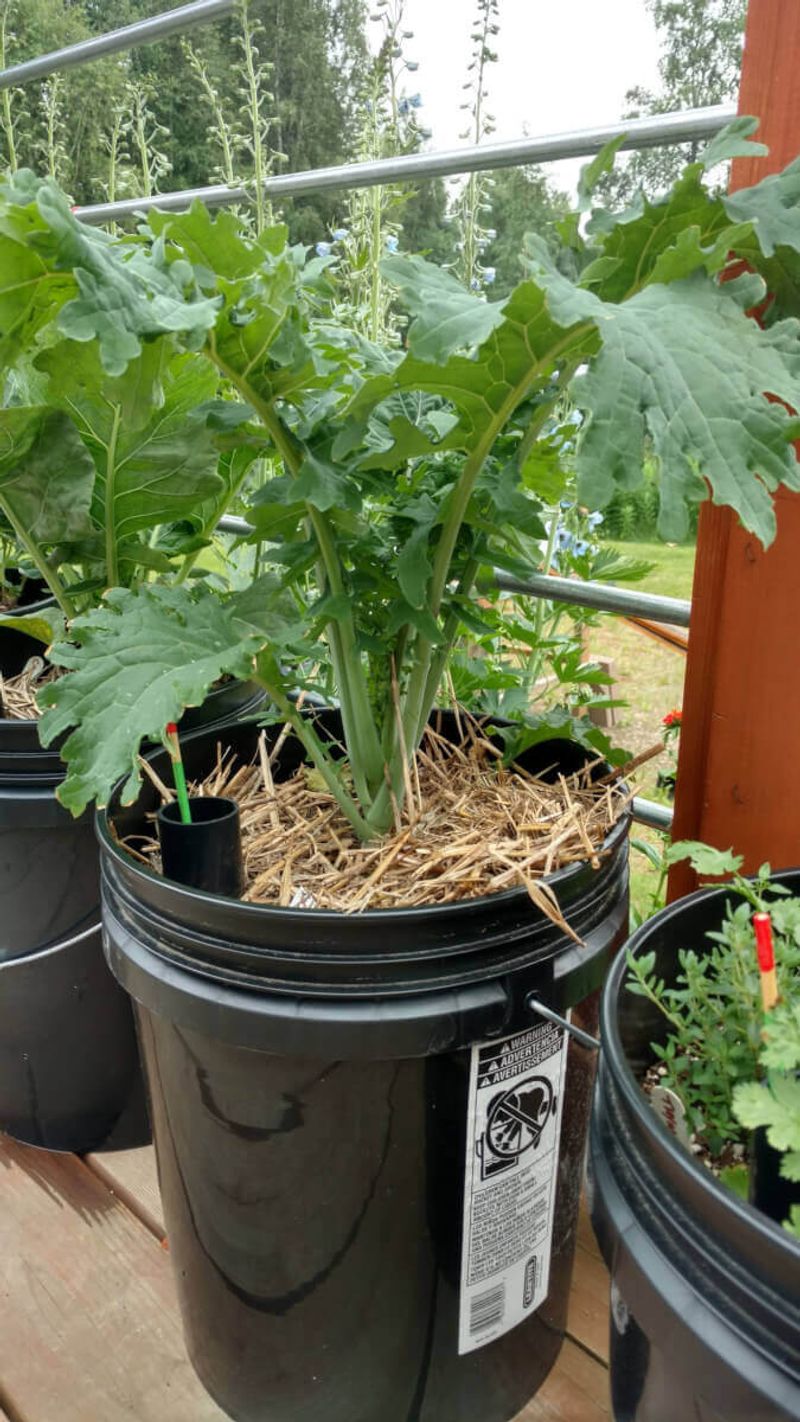
Picture a cozy quilt spread across the top of your pot, keeping soil snug while frost sparkles outside. Mulch does exactly that job, holding warmth in the soil and shielding roots from sudden temperature swings.
Shredded bark, pine needles, straw, and chopped leaves all make wonderful mulch for containers in early fall. Raking up crunchy autumn leaves gives you free mulch, and running a mower over them shreds them nicely.
Spread a layer about one to two inches deep across the soil surface of each pot. Leave a small gap around the main stem, since mulch piled against bark can hold moisture and cause rot.
Mulch also slows down evaporation, so the soil stays moist longer and needs watering a bit less often. That damp soil holds more heat overnight, which works hand in hand with smart afternoon watering habits.
Pine needles go by the nickname pine straw in many southern states, and they rarely pack down tightly. Their airy texture lets water slip through easily while still trapping warmth around shallow roots underneath.
Mulch looks tidy and natural too, giving your fall containers a finished appearance next to pumpkins and mums. Decorative touches like pinecones or colorful leaves on top can add seasonal charm without any extra cost.
Check the layer every couple of weeks, since wind and rain can scatter mulch across your porch. A quick top-up keeps that protective blanket in place, helping your pots stay cozy through the cooler months.