11 Proven Solutions For Struggling Tomato Plants (And 4 Mistakes To Skip)
Your tomatoes looked healthy last week, but their condition has changed. Leaves curl and stems sag without warning sometimes. Sudden heatwaves can quickly weaken even a healthy, thriving plant within hours.
Something is off, and addressing it soon will help. Wilting doesn’t always mean the plant won’t recover, it often signals fixable stress. Yellow leaves point to nutrient trouble, not certain failure.
Gardeners everywhere face this exact crisis constantly. Roots struggle, water floods, soil temperatures spike suddenly, and leaves react instantly.
Quick diagnosis separates growers who save crops from total, needless loss. Mistakes can quickly turn minor stress into serious damage. Speed matters far more than perfection when plants start failing.
Confidence beats worry when your tomato plants suddenly start struggling. Wrong moves now could reduce your harvest.
Acting fast separates a thriving garden from a completely failing one. Ignoring these clear warning signs now will cost you everything.
Check Soil Moisture Immediately
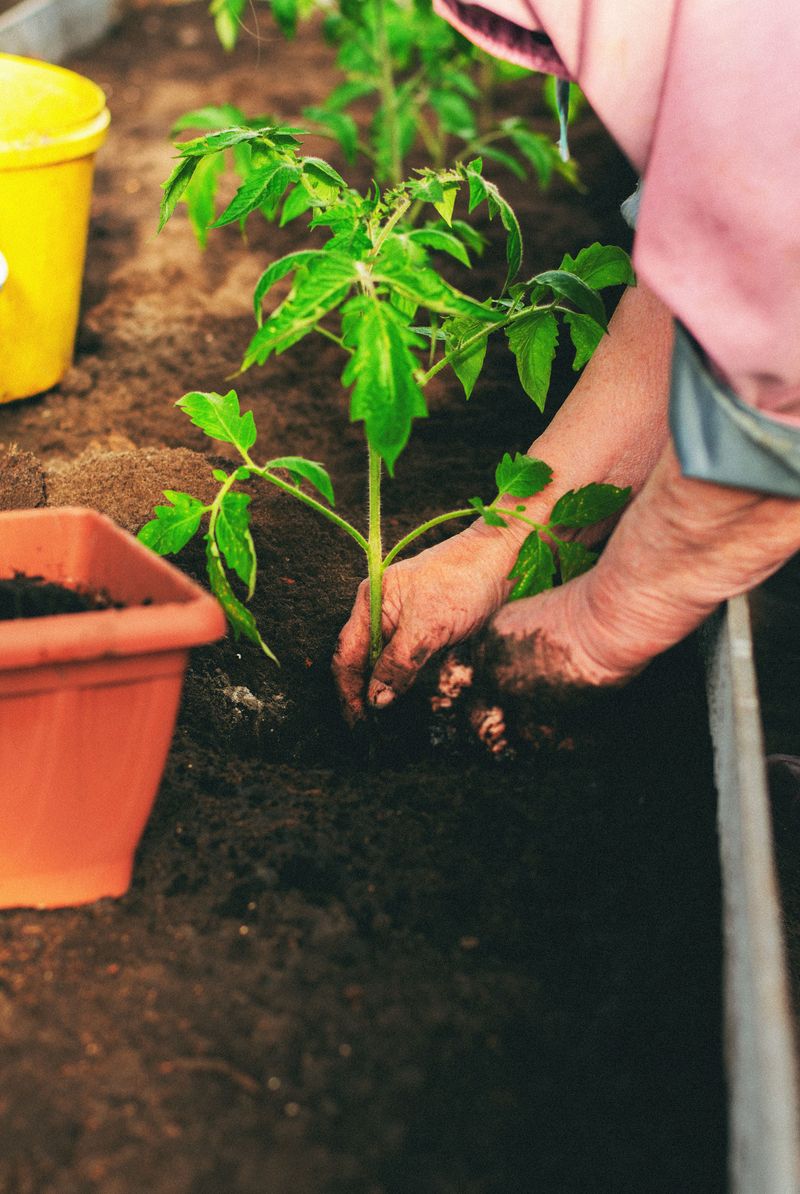
Soggy soil and bone-dry soil look almost identical from above. That surprise alone has tricked countless gardeners into making the wrong call. Stick your finger two inches into the soil near the stem.
If it feels dry there, your plant needs water immediately. If the soil feels wet and heavy, hold off on watering.
Overwatering ranks among the sneakiest threats tomato plants face in summer heat. Roots sitting in soggy soil struggle, and stress mimics thirst perfectly.
Checking moisture before doing anything saves you from guessing wrong. Your tomato plants respond better when you treat the actual problem directly.
Assuming thirst without checking often leads to more stress and damage. Precision beats instinct every time you’re troubleshooting a struggling plant.
Water Deeply At The Base
Shallow watering is a trap that feels productive but does almost nothing useful. Tomato roots reach deep, so surface sprinkles barely touch them.
Direct the hose or watering can right at the soil level around the stem. Aim for slow, steady flow that soaks down at least six inches.
Deep watering encourages roots to grow downward, making plants stronger and more resilient. Roots that chase deep moisture handle hot days much better than shallow ones.
Avoid wetting the leaves while you water the base. Wet foliage invites fungal problems that can spread quickly and stress your tomato plants even further.
Move Container Plants To Shade
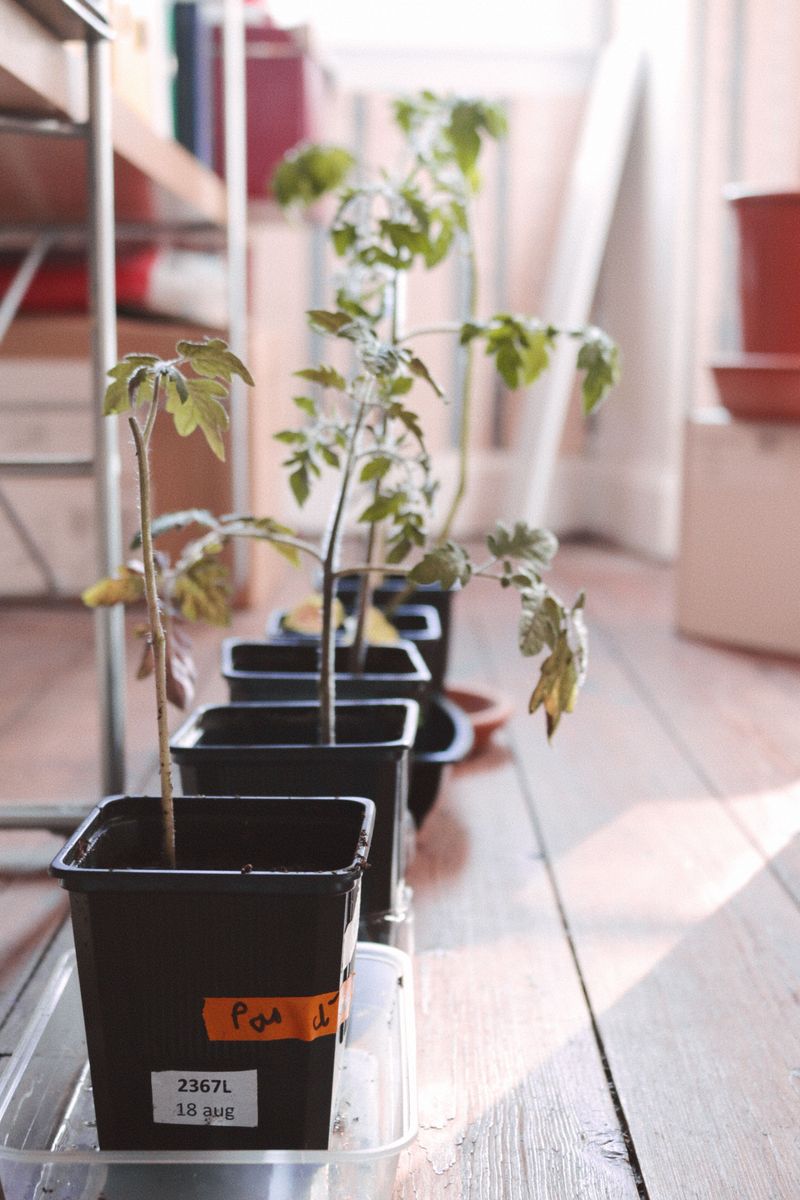
Container tomatoes have one big advantage over in-ground plants: you can actually move them. When afternoon heat spikes, that mobility becomes a lifesaver.
Pick up your pot and shift it to a spot with dappled shade or indirect light. Even two hours of afternoon shade can help reduce heat stress.
Watch the plant closely after moving it. Leaves that were curling should start to relax within an hour or so if heat was the main issue.
Morning sun is still essential for fruit production, so do not tuck the plant away completely. A shaded afternoon plus a sunny morning tends to work well for most container tomatoes.
Inspect Roots For Rot
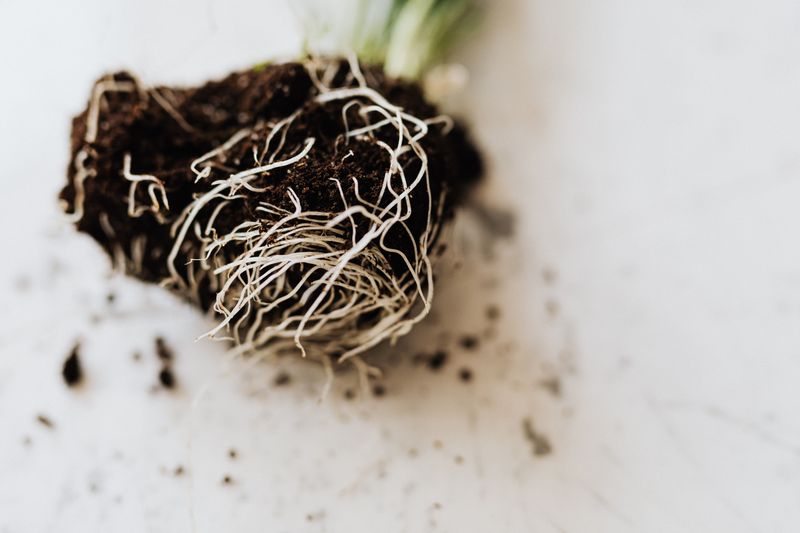
Root rot is hard to detect because the damage occurs underground, hidden from view. By the time leaves turn yellow and stems soften, the roots may already be in serious trouble.
Gently tip a container plant out of its pot and examine the roots closely. Healthy roots appear white or tan and feel firm and springy to the touch.
Brown, mushy, or foul-smelling roots signal rot caused by too much moisture and poor drainage. Trim away the damaged sections with clean scissors, then repot the plant into fresh, well-draining potting soil.
For in-ground plants, dig carefully near the base and check the upper root zone for similar warning signs. Catching rot early gives your struggling tomato plants a real fighting chance at full, lasting recovery.
Feel Leaves For Heat Stress
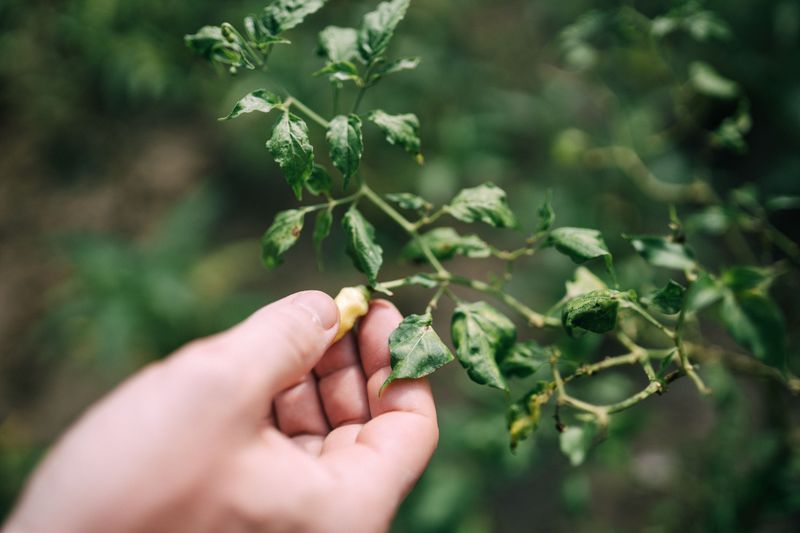
Leaves tell stories if you pay attention to them. A tomato leaf curling upward along its edges is a clear sign that something is off.
Run your fingers along both sides of a few leaves in different parts of the plant. Heat-stressed leaves feel dry, slightly crispy, or leathery rather than smooth and flexible.
If the curl is happening mostly in the afternoon and leaves recover by morning, heat stress is likely the culprit. That pattern means your plant is still coping and just needs some relief.
Persistent curling that does not bounce back overnight suggests a deeper problem like disease or drought. Catching the difference early helps you respond with the right fix before things get worse.
Mulch Around The Base
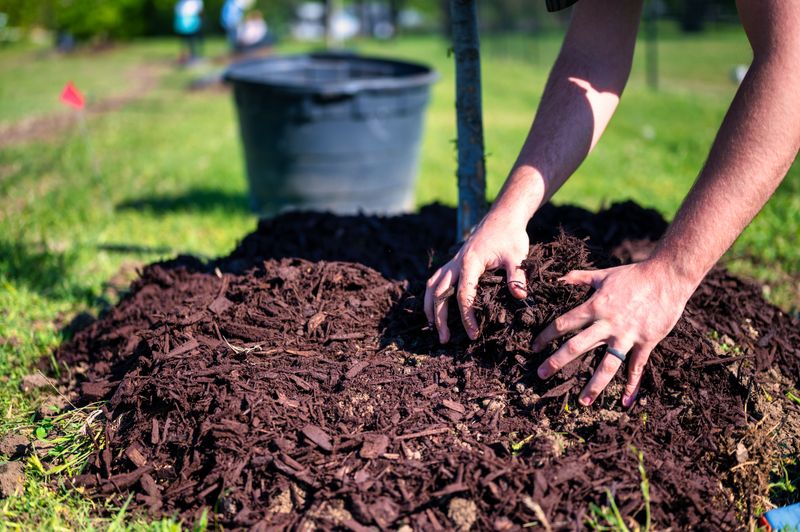
Bare soil bakes fast under a hot sun, and that baking pulls moisture away from roots quickly. A thick layer of mulch changes everything about how your soil behaves.
Spread two to three inches of straw, wood chips, or shredded leaves around each plant. Keep the mulch a few inches away from the main stem to prevent rot.
Mulch acts like a blanket, locking in soil moisture and keeping ground temperatures cooler. Plants mulched properly need watering far less often than those left with exposed soil.
Adding mulch is one of the smartest low-effort moves any gardener can make in summer. Your tomato plants will reward that one simple step with stronger growth and better fruit production.
Remove Damaged Lower Leaves
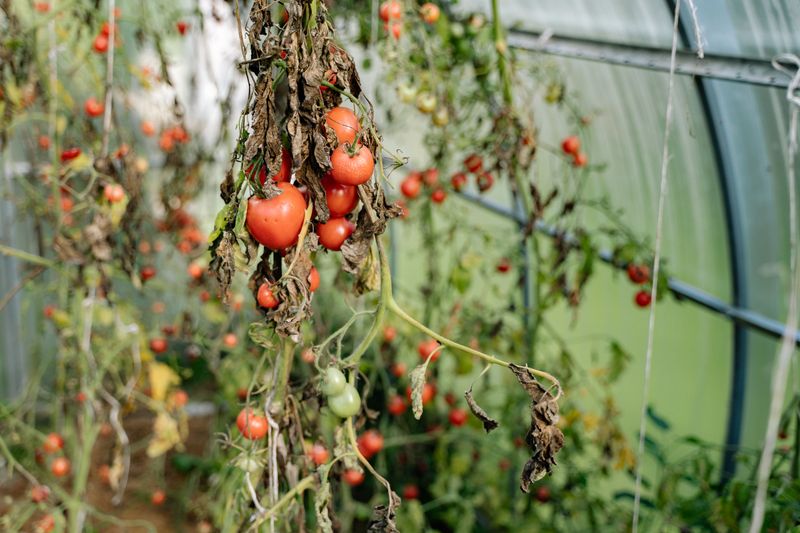
Those yellowed, spotted leaves hanging near the bottom of your plant are not just ugly. They are actually inviting disease and pulling energy away from healthy growth above.
Use clean scissors or pruning snips to remove leaves that are yellowed, brown-tipped, or showing spots. Cut close to the main stem without nicking it.
Improving airflow around the base of the plant reduces the chance of fungal spores spreading upward. Fungi love humid, crowded spaces, and removing lower leaves opens things up nicely.
Do not strip off more than one-third of the plant at once, even if many leaves look rough. Gradual pruning keeps your tomato plant stable while it redirects energy toward recovery and new growth.
Test For Fungal Wilt Disease
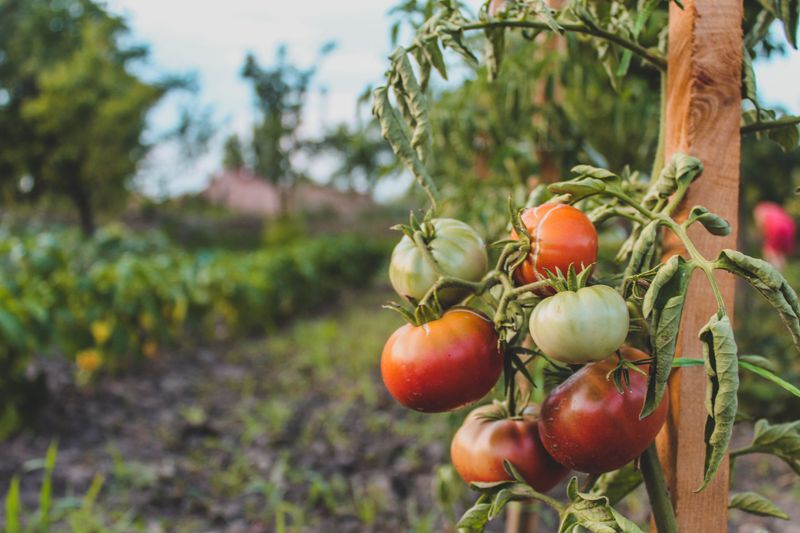
Wilting that does not improve after watering is a red flag worth investigating. Fungal wilt diseases like Fusarium and Verticillium develop from inside the plant where you cannot easily see them.
Slice through a lower stem with a clean knife and look at the cross-section. A healthy stem is green and moist inside, while a diseased one shows brown or tan discoloration.
Unfortunately, there is no cure once wilt disease takes hold in the vascular tissue. Your best move is to remove the affected plant before the fungus spreads through the soil to nearby plants.
Next season, choose tomato varieties labeled with VF or VFN resistance codes on the tag. That small label detail protects your whole garden from repeating this frustrating situation.
Provide Afternoon Shade Cloth
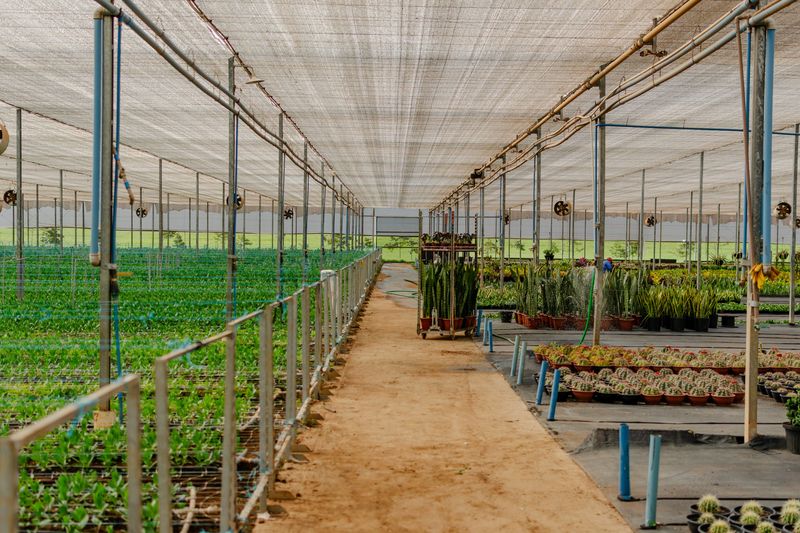
When temperatures climb into extreme heat, even sun-loving tomatoes can start to struggle with too much direct light. Shade cloth gives you a simple, adjustable solution that does not require moving plants.
A 30 to 40 percent shade cloth stretched over a simple frame blocks the harshest afternoon rays. You can find these at most garden centers or order them online easily.
Set the cloth up so air still flows freely underneath it. Good airflow prevents the heat from getting trapped, which would make conditions worse rather than better.
Remove the cloth in the early morning so plants can soak up gentler morning sunlight for photosynthesis. This two-part approach gives your tomato plants the best of both worlds every single day.
Examine Stems For Pest Damage
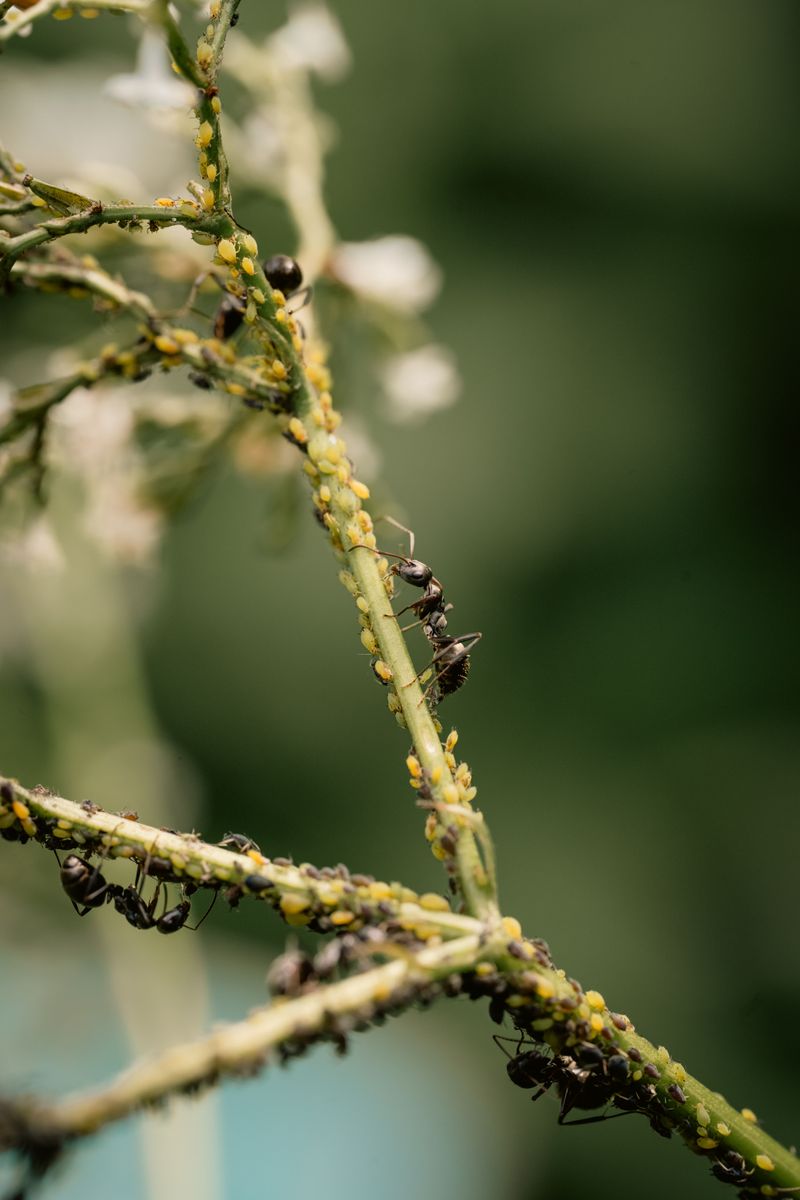
Pests do not always announce themselves with dramatic damage. Sometimes they work quietly on stems and leaf joints before you notice anything is wrong with the plant.
Run your fingers slowly along main stems and check where leaves attach. Aphids cluster in soft spots, and hornworms leave behind dark green droppings near feeding areas.
Spider mites create fine webbing on stems and the undersides of leaves, especially during hot and dry spells. A strong spray of water from a hose dislodges many of these pests quickly.
Check your plants at least twice a week during peak summer heat. Catching pest pressure early helps plants avoid facing heat stress and insect damage together.
Increase Watering Frequency Temporarily
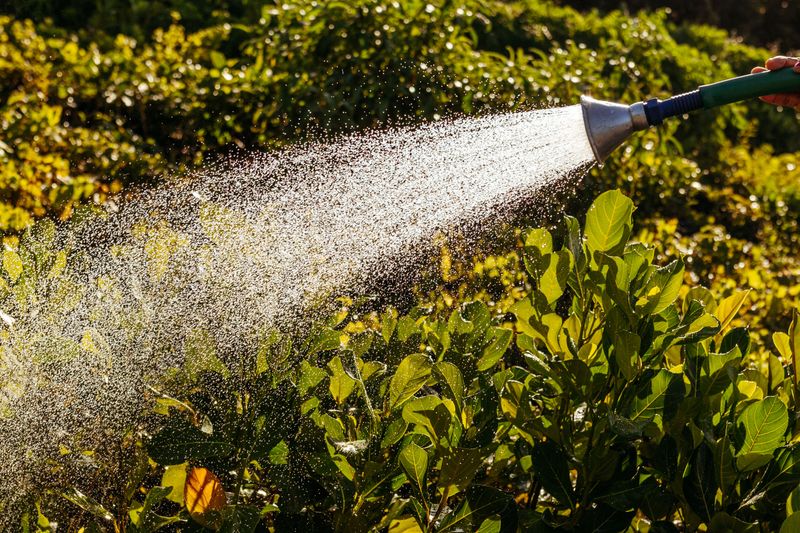
A heat wave does not follow your usual watering schedule, and your plants should not have to either. When temperatures soar, the soil dries out faster than normal conditions allow.
Bump up your watering from every two days to daily during extreme heat stretches. Focus on deep watering rather than light frequent sprinkles that barely penetrate the surface.
Check the soil each morning before deciding whether to water. If it still feels moist two inches down, you can skip that day without stressing the roots unnecessarily.
Once the heat wave passes, dial back to your regular schedule gradually. Sudden shifts in watering habits can shock plant roots just as much as drought or flooding does.
Overwater The Entire Root Zone
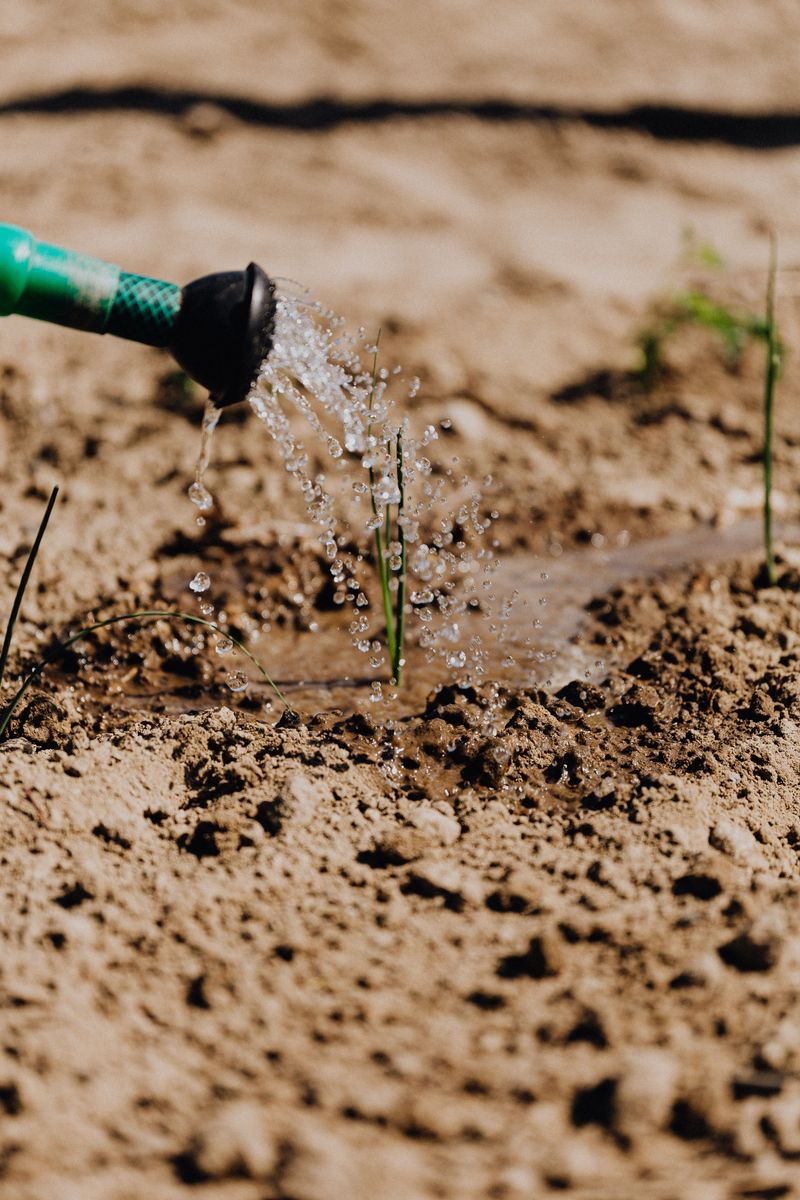
This is one of the four big mistakes to avoid when your tomato plants look stressed. Flooding the entire root zone feels like the generous thing to do, but it backfires fast.
Roots need oxygen as much as they need water, and waterlogged soil deprives them of oxygen within hours. A plant sitting in soggy ground cannot absorb nutrients even if the soil is full of them.
Signs of overwatering look almost identical to signs of drought: drooping, yellowing, and general sadness. That confusion is exactly why so many gardeners accidentally make the problem worse with extra water.
Water slowly and deeply in one targeted area near the stem instead of soaking the whole bed. Precision beats volume every single time when it comes to keeping your tomato plants healthy.
Prune Heavily During Peak Heat
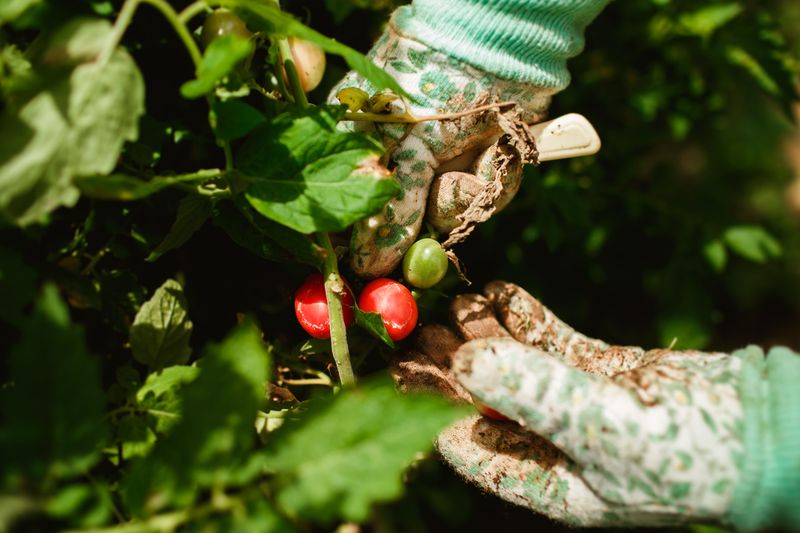
Reaching for the pruning shears when plants look rough is tempting, but timing matters enormously. Heavy pruning during a heat wave is actually one of the four mistakes that sets plants back.
Leaves act as a sunscreen for the stems and fruit below them. Strip away too much foliage and you expose tender plant tissue to scorching direct sunlight.
Sunscald on tomatoes appears as pale, papery patches on the fruit surface. Once that damage happens, those spots become entry points for rot and secondary infections.
Limit pruning to only the most damaged or diseased leaves during hot spells. Save major shaping and trimming sessions for cooler mornings when temperatures drop and your tomato plants are less vulnerable overall.
Apply Fertilizer Right Away
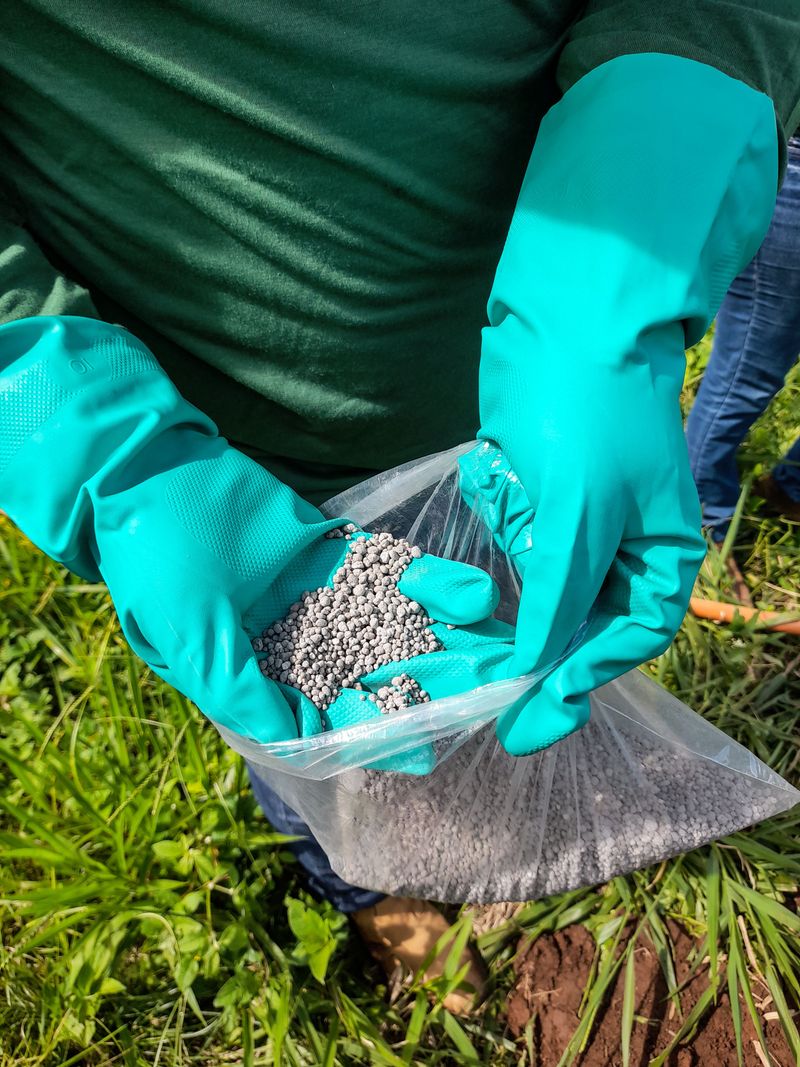
Grabbing the fertilizer bag the moment your tomato plants look stressed is another classic mistake to skip. A plant under heat or drought stress cannot process nutrients the way a healthy plant does.
Applying fertilizer to stressed roots adds a burden the plant isn’t ready to handle. The plant’s system is already overwhelmed and adding more demands makes recovery harder, not easier.
High-nitrogen fertilizers applied during stress can actually burn roots further, especially in dry soil. That fertilizer burn adds one more layer of damage to an already struggling plant.
Wait until your plant shows clear signs of recovery before feeding it anything. Once leaves perk up and new growth appears, a gentle balanced fertilizer can support the comeback your tomato plants are working hard to make.
Ignore The Wilting Overnight
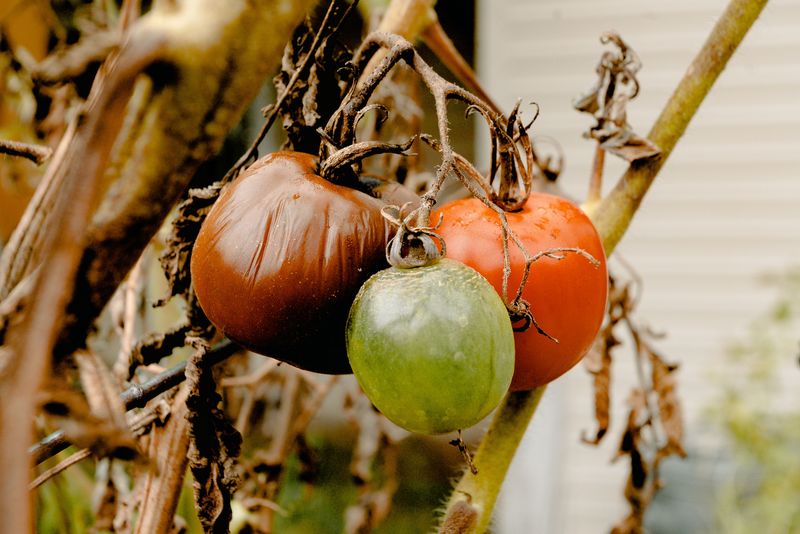
Assuming wilted tomato plants will bounce back on their own overnight is the fourth big mistake on this list. Some will recover, but many need attention.
Check your plants again after sunset when temperatures have cooled down noticeably. A plant that perks back up in the evening was likely just dealing with afternoon heat and is probably fine.
One that stays limp after dark is dealing with something more serious than surface-level heat stress. Root rot, pest damage, or disease could be the real culprit behind the persistent droop.
Act on what you see rather than hoping for the best with your tomato plants. Smart gardeners stay curious, stay observant, and catch problems early before a rough afternoon turns into lasting damage.