What North Carolina Gardeners Do Differently To Get Azaleas That Rebloom In Fall, Not Just Spring

Most azaleas in North Carolina put on their big show in spring and then go quiet for the rest of the year, and no amount of pruning or fertilizer is going to change that. The gardeners who actually get flowers in September and October started with a different plant entirely. Choosing a genetically reblooming cultivar, like one from the Encore series, is the real move, and everything else is just good support work. Get that foundation right, and a second flush of color before the first hard freeze is genuinely within reach.
The Fall Show Starts With The Cultivar
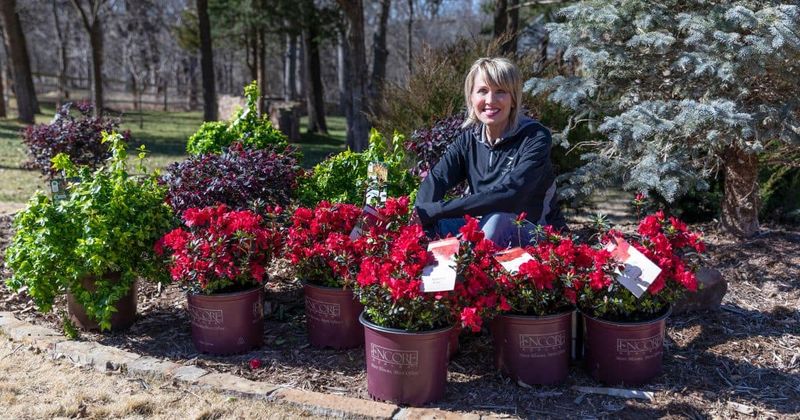
Walk past any nursery row in April and you will see dozens of azaleas absolutely loaded with color, and nearly all of them will not flower again until next spring. That is not a care problem. It is a genetics problem, and no pruning schedule or fertilizer trick is going to rewrite it.
Ordinary spring-blooming azaleas (Rhododendron spp.) were bred to flower once on growth from the previous season, and that is what they do reliably. A reblooming selection is a different plant entirely, developed by crossing spring-blooming hybrids with a summer- and fall-blooming Rhododendron to produce a shrub that carries the genetic instruction to flower more than once. Research published in the Journal of the American Rhododendron Society documents how that breeding produced cultivars capable of an additional late-summer or fall flowering period, though timing and intensity vary by selection and location.
Encore is the reblooming series with the most consistent documentation from university and extension sources. UGA Cooperative Extension’s azalea guide identifies Encore selections as spring-and-fall bloomers, and the series includes cultivars with different mature sizes, bloom colors, cold tolerances, and expected flower timing.
Before you buy, read the plant label carefully. Check the mature height and spread against your available space, the listed cold hardiness against your county’s typical winter lows, and the expected bloom window so you know whether that cultivar begins its fall flush in late summer or closer to October. Picking the right cultivar for your specific site in the Piedmont, mountains, Coastal Plain, or Sandhills is genuinely the first and most important step, because no amount of attentive summer care will manufacture fall flowers from a plant that was never bred to produce them.
A Repeat Flush Is Not A Second Spring Carpet
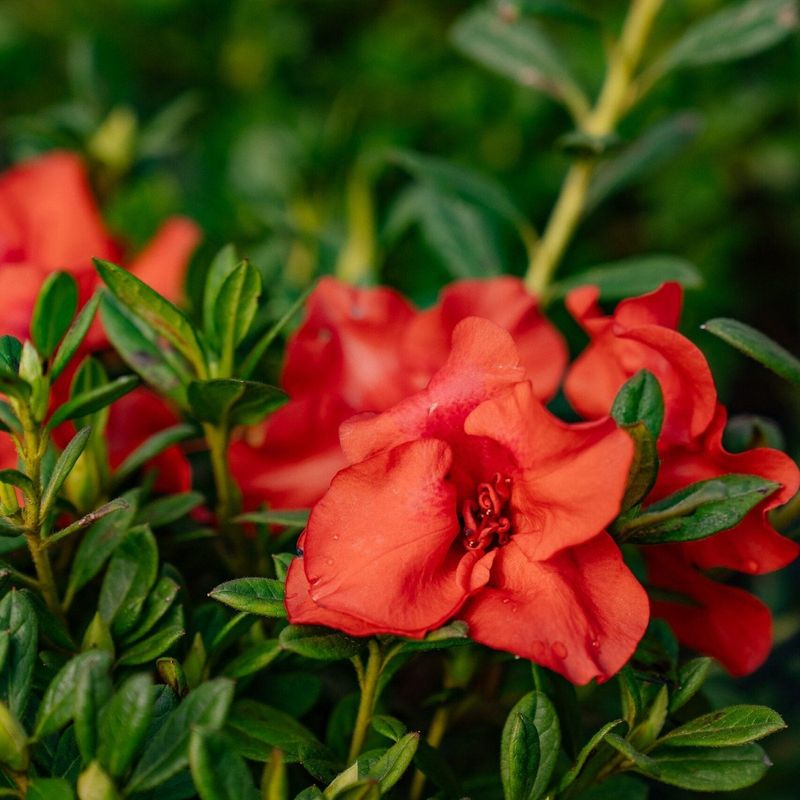
Here is where expectations can get gardeners into trouble. A reblooming azalea’s fall display is not a copy of what happened in April. The spring show on many traditional cultivars produces a dense, wall-to-wall carpet of flowers that practically hides every leaf. The fall flush on a reblooming selection is typically lighter, scattered more openly across the foliage, and shorter-lived.
University of Arkansas Extension notes that Encore azaleas can bloom reliably in both spring and fall without producing the solid flower carpet associated with some classic Kurume-type azaleas. That is an honest description, not a complaint. The repeat bloom is still genuinely lovely, especially when most of the landscape has shifted to tired late-summer green.
Your North Carolina Garden Changes Every Week. Your Plan Should Too.
Gardening in North Carolina changes quickly throughout the season. Every Friday you’ll receive a simple weekly plan showing exactly what to plant, prune, fertilize, harvest, and protect so you never miss the right timing.
Cultivar timing adds another layer of variation. Virginia Tech’s azalea research shows that some early Encore selections begin flowering in July, while others do not open until September. Choosing between an early-flush and a late-flush cultivar matters a great deal depending on where you garden in North Carolina.
That regional difference is real. Mountain gardeners around Asheville can see their first hard freeze arrive weeks ahead of Raleigh or the Coastal Plain towns near Wilmington. NC State’s Freeze Date Explorer makes it easy to look up typical first-freeze timing for your area, and that single lookup can help you decide whether an early- or late-season reblooming cultivar makes more sense for your yard. A September-blooming selection in the mountains may have its flowers cut short by a cold snap that a coastal gardener never notices.
NC State Climate Office data on first frost and freeze patterns confirms that mountain locations generally experience earlier freezes than the Piedmont, with the coast enjoying the longest frost-free season of all.
Finish Major Pruning Soon After Spring Bloom
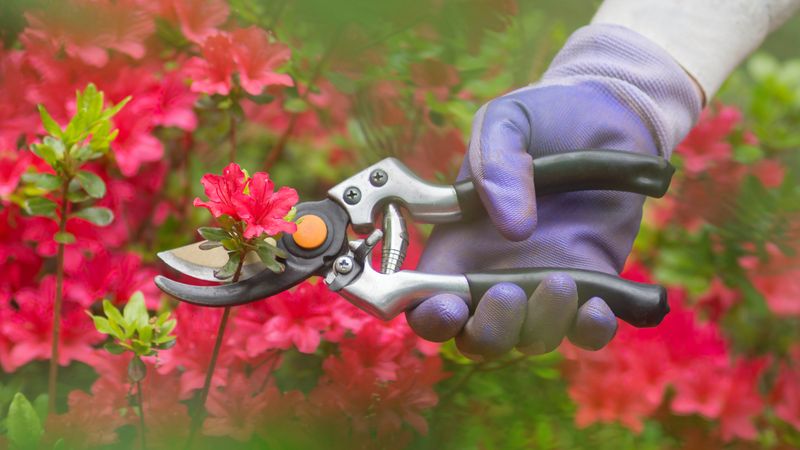
Timing the shears is one of the most practical things a North Carolina gardener can control. Most spring-flowering azaleas set their buds on what growers call old wood, meaning growth that developed during the previous season. Cut that growth off in late summer or fall and you are removing next spring’s flowers before they ever open.
NC State Extension’s pruning guidance recommends that evergreen spring-flowering shrubs be pruned immediately after they bloom, specifically to avoid removing developing buds later in the season. The window right after the flowers fade is the safest and most productive time for shaping, size control, or thinning.
UGA Extension gives a useful practical boundary for spring-flowering cultivars: their ornamental pruning guide advises finishing pruning before approximately July 1 because flower buds are already forming by that point. That cutoff is not a universal North Carolina law, but it supports the core principle: get the shaping done early, then put the pruners away.
For a reblooming selection, the same post-spring timing applies and for an additional reason. The plant needs the full remaining growing season to push out new shoots that will carry the fall buds. A fall haircut does not encourage more flowers; it takes them away before they open.
One distinction worth making: the guidance above covers routine shaping and size control. UGA’s azalea guide separately notes that dead, damaged, or diseased wood should be removed as needed regardless of season. That kind of necessary cleanup is a different situation from a scheduled trim, and waiting until spring to remove a dead branch is never the right call. For reblooming cultivars specifically, follow any cultivar-specific pruning instructions from the grower, since those recommendations take precedence over general rules.
Deadheading Helps With Cleanup, Not With Genetics
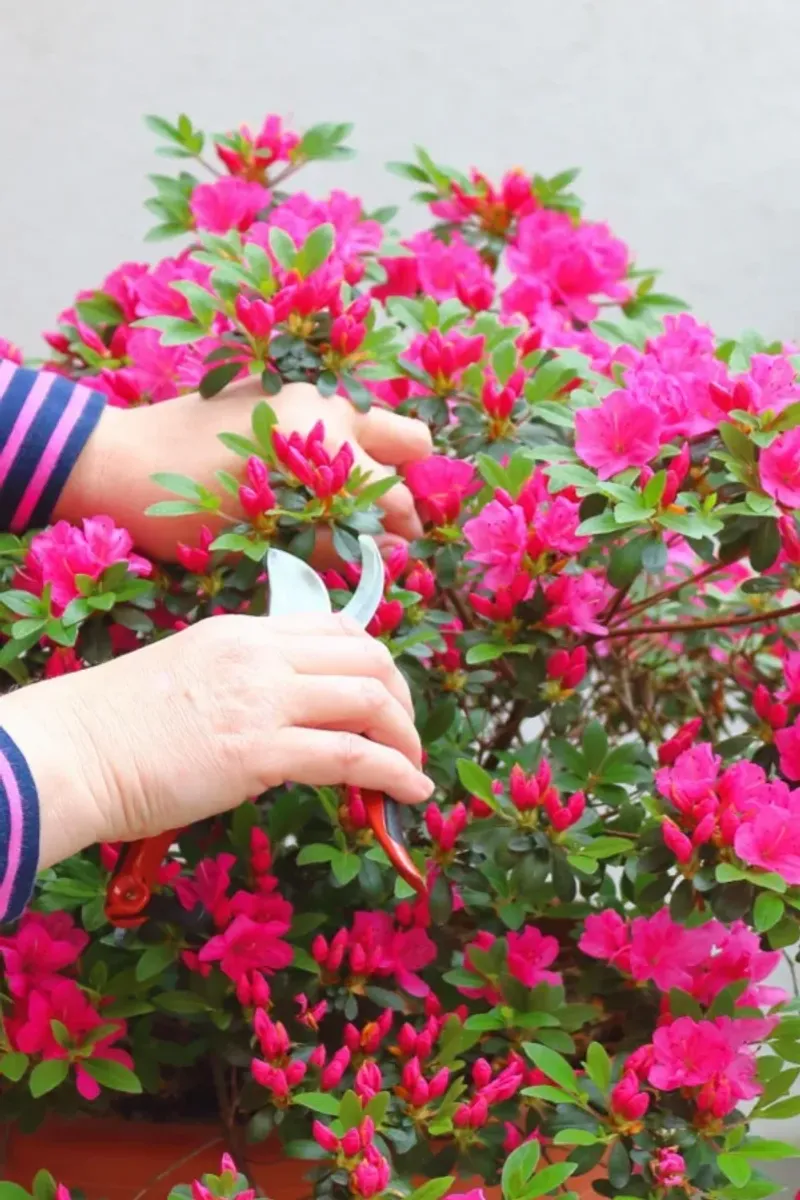
Spent azalea flowers are not pretty. They turn brown, cling to the branch tips, and make an otherwise healthy shrub look tired. Pulling them off is a reasonable thing to do, and it does serve a purpose, just not the one that gets repeated most often on gardening forums.
NC State Extension’s Hoke County advice on post-bloom care explains that removing spent flower clusters can prevent seed production and redirect the plant’s energy toward vegetative growth and next year’s flower buds. That is a real benefit, and it is worth doing for the sake of a tidier plant and a stronger start into summer.
What deadheading does not do is flip a genetic switch that sends an ordinary spring-blooming azalea into fall flower production. The evidence for deadheading-triggered rebloom is strong for many annuals and some perennials, but woody azaleas do not work that way. If your plant was not bred to rebloom, removing the old flowers will not change its plans for October.
For a reblooming cultivar, tidying up spent spring flowers is still a good habit. It keeps the shrub looking clean and may marginally support the transition into the next growth phase. But the fall display that follows comes from the plant’s genetics and from the growing conditions you provide through the summer, not from the act of deadheading itself. Virginia Tech’s research on reblooming azalea breeding makes clear that the capacity for a second flush is built into the cultivar, not summoned by post-bloom grooming.
Think of deadheading as good housekeeping, not a flower trigger.
Balance Bright Light With Heat And Drainage
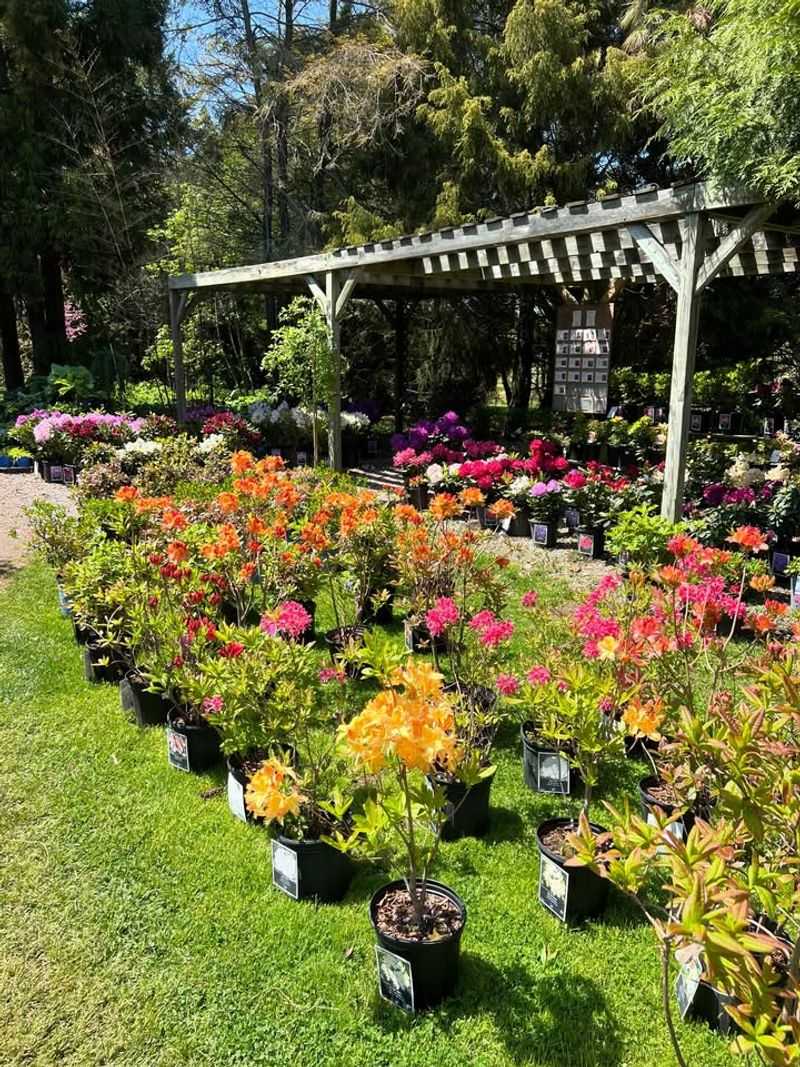
Placement is where a lot of azaleas quietly fail, especially in the Piedmont and Coastal Plain where summer afternoons can feel like standing inside an oven. The plant does not complain loudly; it just stops flowering well and starts looking stressed, and by the time you notice, the season is already going sideways.
NC State Extension’s Plant Toolbox lists azaleas as plants suited to partial shade and dappled light, defining partial shade as roughly 2 to 6 hours of direct sun. Reblooming selections generally need more light than a classic woodland azalea to produce a strong fall flush, and many growers suggest 4 to 6 hours as a reasonable target. But that number is not universal across every NC site or cultivar.
The safest placement for most North Carolina gardens is morning sun with protection from the hottest afternoon exposure, particularly anywhere south or west of a building, pavement, or reflective surface. Morning light supports flowering without the added stress of reflected heat. Dense shade produces healthy leaves and very few flowers. Too much unrelieved afternoon sun increases leaf scorch, drought stress, and pressure from pests like azalea lace bug.
Soil matters just as much as light. NC State’s soils handbook notes that azaleas generally prefer a pH near 5.0 to 5.5, moist but well-drained, acidic conditions. Piedmont red clay is the classic drainage problem: water pools after summer thunderstorms, roots sit wet, and the plant declines slowly. The fix is not to dump compost into a hole and hope for the best.
Plant the root ball slightly high, so the crown sits an inch or two above the surrounding soil grade. Improve the planting area rather than just the hole. Avoid low spots where water collects after storms. If drainage remains genuinely poor after those steps, a raised bed is a more reliable solution than any soil amendment alone.
Sandy Coastal Plain soil drains fast and needs consistent moisture attention for a different reason, but it rarely creates the standing-water problem that red clay does.
Keep Summer Moisture Steady, Not Soggy
Azaleas have shallow roots that sit close to the surface, which means they feel a dry stretch faster than most shrubs in the yard. During a hot July week with no rain in the Piedmont or Sandhills, those roots are already reaching their limit while deeper-rooted plants are still comfortable. Miss that window and the plant shifts its energy toward survival instead of building the buds that will open in fall.
UGA Cooperative Extension recommends checking beneath the mulch weekly during summer and watering deeply enough to wet the soil to an 8- to 12-inch depth when the upper layer begins to dry. They offer a useful reference point: roughly 1 inch of water covers about 6 gallons spread over 10 square feet. That is a benchmark for dry periods, not a fixed schedule to follow regardless of what the sky has been doing.
Adjust for what is actually happening. After a soaking afternoon storm, skip the hose. During a week of dry heat, water slowly at the base so moisture penetrates rather than running off. Soaker hoses and drip irrigation are preferable to overhead watering because wet foliage can invite fungal problems, and azaleas in muggy North Carolina summers already have enough humidity to manage.
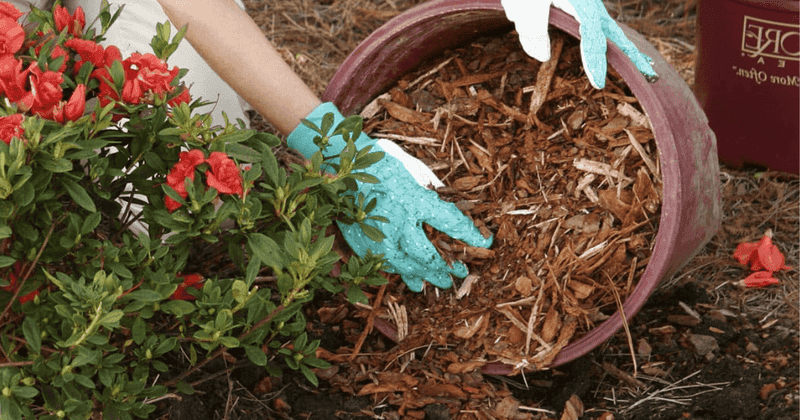
Mulch is the quiet partner in all of this. A 2- to 3-inch layer of pine straw or shredded bark over the root zone conserves moisture, moderates soil temperature during summer heat spikes, and slowly adds organic matter as it breaks down. Keep it a few inches away from the stems so moisture does not collect against the bark. NC State’s azalea guidance is clear that these plants perform best in well-drained acidic soil, and mulch supports that environment without replacing it.
One thing mulch cannot do is correct a soil pH problem several inches below the surface. For that, you need a soil test and a measured amendment recommendation, not a thicker layer of pine straw.
Feed Only When The Plant And Soil Need It
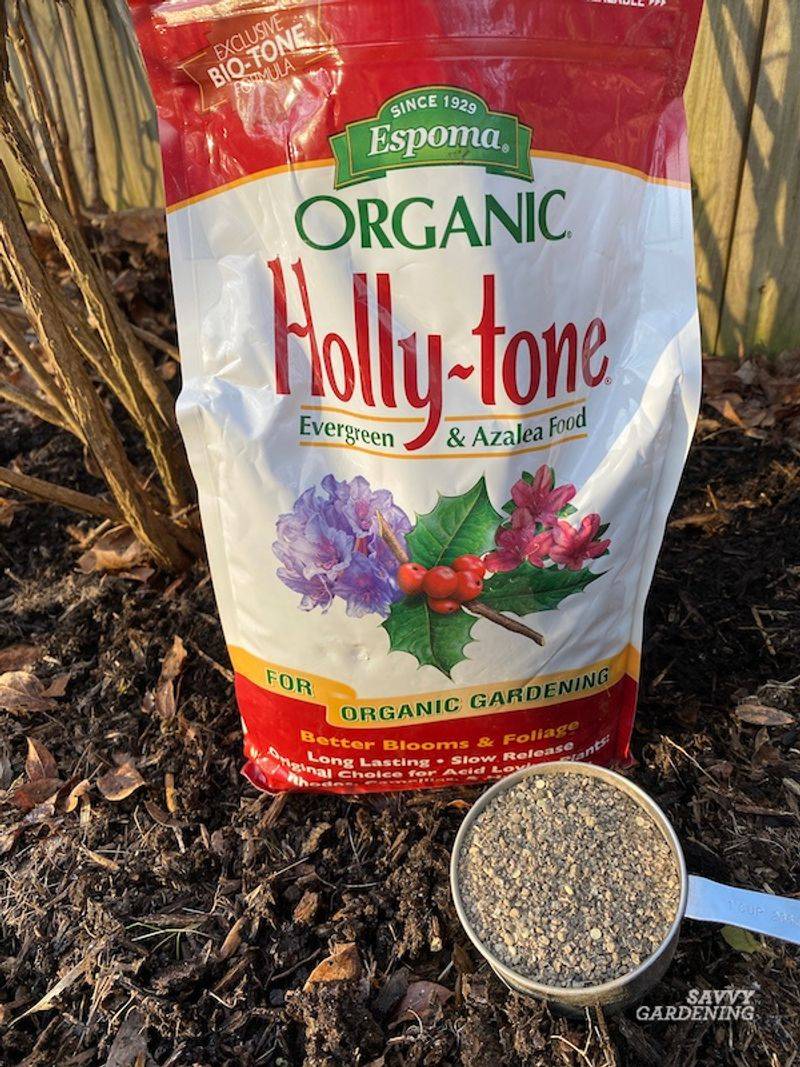
Fertilizer is not a flower switch. That is the most useful thing to understand before you head to the garden center looking for a product that promises fall blooms. Azaleas are genuinely light feeders, and the gap between enough and too much is narrower than most people expect.
Excess fertilizer can injure shallow roots, burn foliage, and push the plant toward leafy vegetative growth instead of flowering. UGA Cooperative Extension recommends getting a soil test first, applying fertilizer just after flowering if the soil test indicates a need, and avoiding any application after July 1 because late feeding can reduce bud set and compromise winter hardiness. If a spring-flowering cultivar genuinely needs a second application, UGA specifies June at half the spring rate, not a full dose.
Heavy summer fertilizer is not a dependable way to produce fall flowers, and it can cause real harm. The fall display on a reblooming cultivar comes from appropriate light, consistent moisture, good drainage, and the plant’s own genetics, not from a late-season feeding push. NC State Extension specifically warns that azaleas are susceptible to salt and fertilizer injury and recommends following soil-test results and product label directions rather than applying a standard rate to every shrub.
Product concentrations, plant size, soil fertility, and bed area all vary too much for a single tablespoon-per-shrub rule to be safe or useful. Test the soil, feed lightly when the results say it is warranted, follow the timing guidance, and trust that a well-placed, well-watered reblooming cultivar in good soil does not need heavy feeding to do its job.
Judge The Fall Display Before Frost Ends It
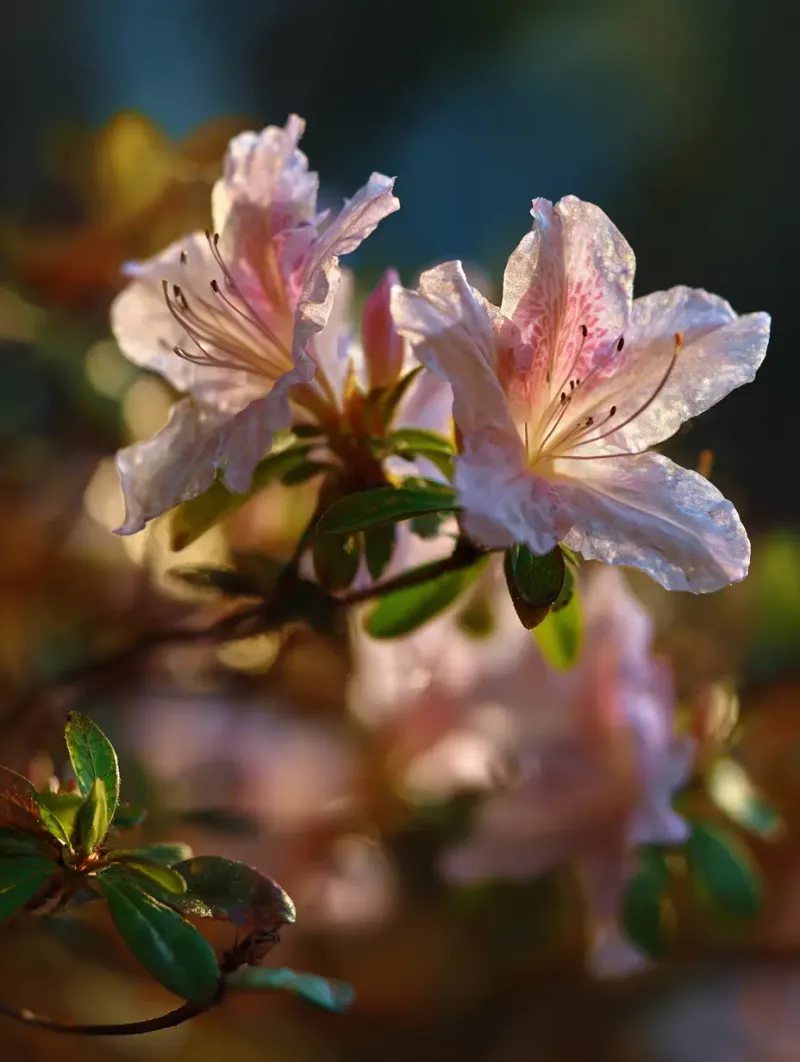
By late September, the question shifts from what to do to what to watch. Pull out the plant tag or look up the cultivar name, and check two things: the expected bloom window and the listed cold hardiness rating. Those two numbers tell you more about what to expect this fall than anything else in the yard.
Plant hardiness and flower survival are separate issues, and that distinction matters in North Carolina’s mountains and colder Piedmont sites. The USDA Plant Hardiness Zone Map describes average annual extreme minimum temperatures, which tells you whether the shrub itself will survive winter. It does not tell you whether open fall flowers will survive a sudden cold snap in October. A plant rated for zone 6b may come through a hard winter just fine while losing every open bloom to a 28-degree night in late October, and that is a weather event, not a care failure.
While you are watching the plant, also check the leaf undersides. NC State’s azalea pest management calendar identifies azalea lace bug as an important North Carolina pest, and heavy lace bug pressure through summer can weaken foliage and reduce the plant’s ability to support a strong fall flush. Scout before you treat, and identify what you are actually seeing before reaching for any product.
Mountain gardeners near Asheville should use NC State’s Freeze Date Explorer to check typical first-freeze timing for their specific location, since a killing frost can arrive weeks earlier in the mountains than in Raleigh or along the coast. Research on azalea cold hardiness confirms that rapid temperature drops can injure even cold-tolerant evergreen selections. The practical sequence is straightforward: choose a documented reblooming cultivar, finish major spring work promptly, protect the root zone through summer heat, and enjoy the additional flush while your local weather allows it. Some falls give you six weeks of color, others give you two, and both are worth the effort.