8 Proven Ways To Keep Squirrels And Chipmunks Away From Ohio Gardens
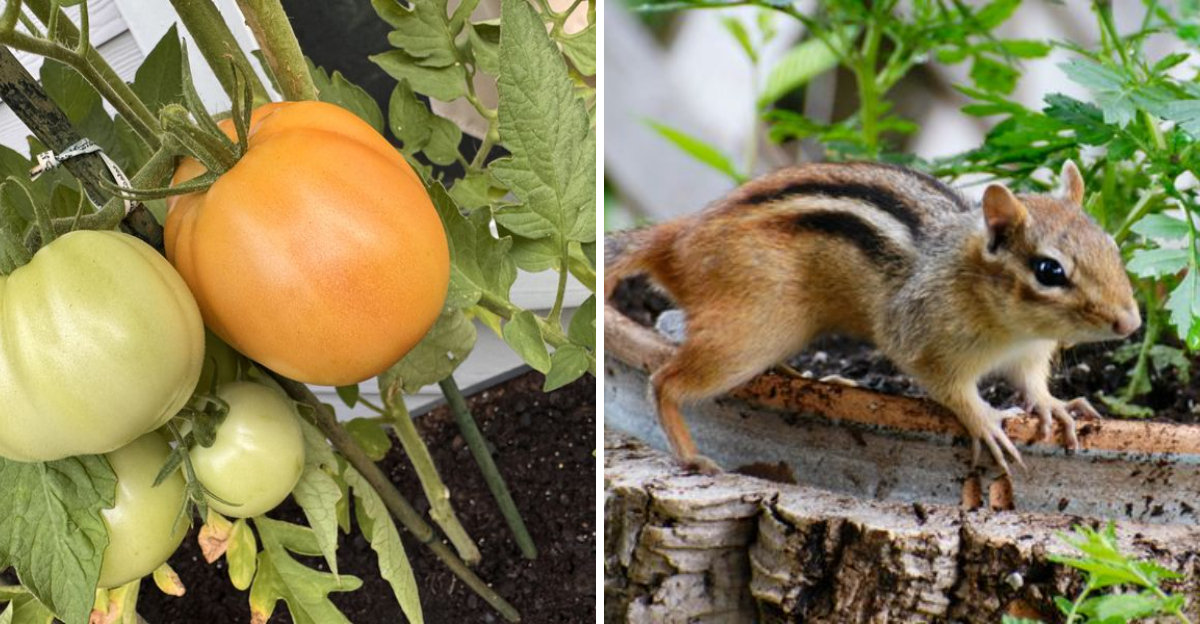
Squirrels and chipmunks in an Ohio garden are charming right up until they are not. One dug up bulb, one stripped tomato, one seedling pulled cleanly from the soil overnight, and the patience runs out fast.
Most Ohio gardeners have tried something. Sprays, netting, motion activated devices, the neighbor’s advice, and none of it held for more than a season.
The problem is not a lack of options. It is a lack of the right combination.
Squirrels and chipmunks are adaptable. A single deterrent works until it stops working, and then the garden is right back where it started.
Eight approaches have a real track record in gardens. Not every one works for every situation, but layering two or three of them together changes the math in a way that a single solution never does.
Your garden is worth more than one more failed attempt at keeping them out.
1. Cover Bulbs With Hardware Cloth Before They Dig
A missing tulip bulb is one of the most frustrating surprises an Ohio gardener can find in the morning. Squirrels and chipmunks are naturally drawn to freshly turned soil, and bulb plantings are especially vulnerable right after they go in the ground.
Physical barriers placed at planting time can make a real difference.
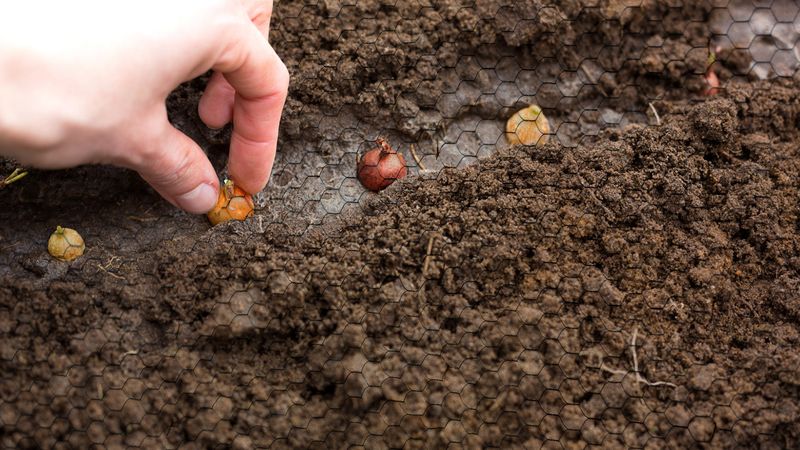
Hardware cloth with 1/4-inch mesh openings is widely recommended by university extension sources as a reliable bulb protector. The mesh is laid flat over the planting area after bulbs are set at the correct depth.
Garden staples or rocks along the edges keep it from shifting during rain or when animals probe the soil. Most spring-flowering bulbs push shoots up through the small openings without any trouble, so the barrier does not have to be removed before growth begins.
OSU Extension guidance on pest management notes that physical exclusion is one of the most dependable ways to protect plantings from digging animals. The cloth should sit flush with the soil surface so animals cannot easily slip underneath.
Cut edges should be folded or covered to avoid leaving sharp points exposed. Hardware cloth works best when it is installed carefully and checked after heavy rain or frost heave.
No barrier is foolproof if it has gaps, but a well-secured layer of mesh gives bulbs a much better chance of surviving the season.
2. Use Wire Cages Around Young Vegetables
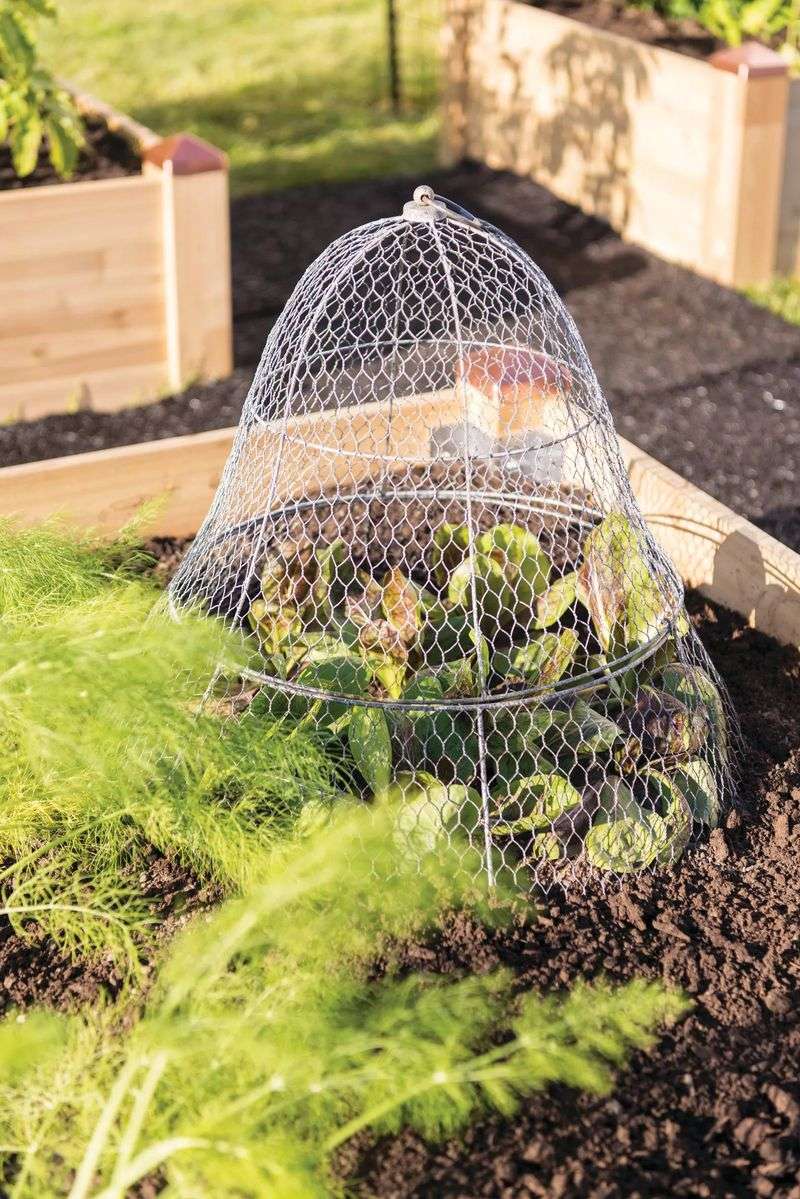
A nipped seedling can set a vegetable garden back by weeks. Young plants are especially easy targets because their stems are tender, their roots are shallow, and the soil around them is still loose and inviting.
Squirrels and chipmunks do not always eat the whole plant. Sometimes they just disturb the roots while digging, and that is enough to destroy a seedling.
Wire cloches and small mesh cages placed over individual plants or short rows can block that early-season damage. The cage openings need to be small enough to keep chipmunks out, which means avoiding wide-gauge fencing for young transplants.
Integrated pest management guidance recommends barriers that allow sunlight, water, and airflow to reach plants while still keeping animals out.
Your Ohio Garden Changes Every Week. Your Plan Should Too.
Gardening in Ohio changes quickly throughout the season. Every Friday you’ll receive a simple weekly plan showing exactly what to plant, prune, fertilize, harvest, and protect so you never miss the right timing.
Row-cover hoops with mesh fabric attached can work well for larger areas. The key is making sure the cover sits close enough to the ground that animals cannot squeeze underneath.
For crops that need pollinator access once they flower, the cage or cover should be removed or opened during bloom time. Treated or chemically coated wire should be avoided near edible crops.
Check cages after storms since wind can shift lightweight barriers. A simple cage that stays in place consistently will outperform a fancier setup that gets knocked loose every few days.
3. Clean Up Birdseed Before It Becomes A Buffet
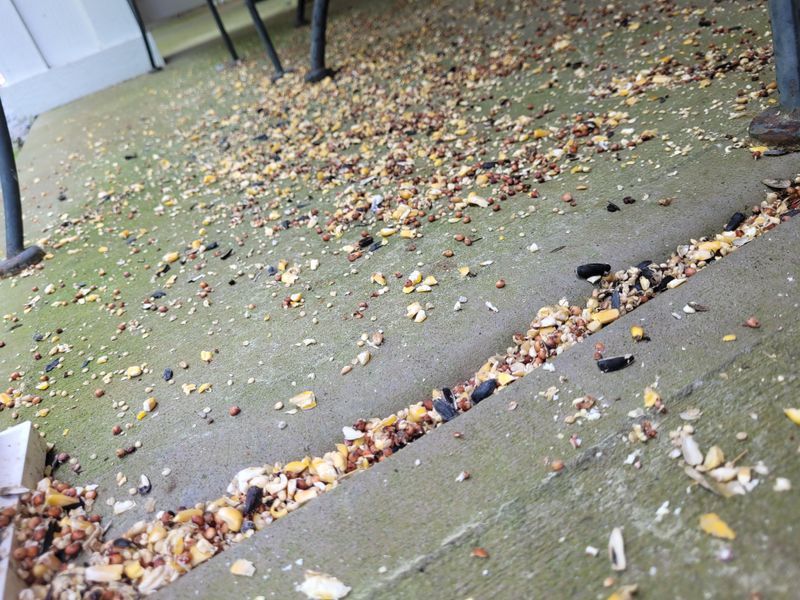
Spilled birdseed under a feeder is one of the easiest free meals a squirrel or chipmunk can find. Once an animal discovers that spot, it visits regularly and often moves into nearby garden beds while it is already in the yard.
The issue is not the birds. The issue is loose food sitting on the ground where any passing animal can reach it.
Sweeping or raking spilled seed daily makes a noticeable difference. Catch trays attached below feeders collect falling seed and reduce ground spillage significantly.
OSU Extension and wildlife-management guidance both point to food availability as a primary driver of wildlife activity around homes and gardens. Reducing that food source directly reduces the number of visits.
Seed should be stored in sealed, hard-sided containers rather than bags that animals can chew through. If garden damage is severe during peak seasons, temporarily reducing the amount of seed offered can help lower pressure on nearby beds.
Switching to seed types that produce less shell debris, such as hulled sunflower chips or no-mess blends, also cuts down on spillage. Stopping bird feeding altogether is rarely necessary unless damage is extreme and other methods have not helped.
The goal is managing loose food access, not eliminating a backyard bird habitat that many Ohio gardeners genuinely enjoy.
4. Move Feeders Away From Garden Beds
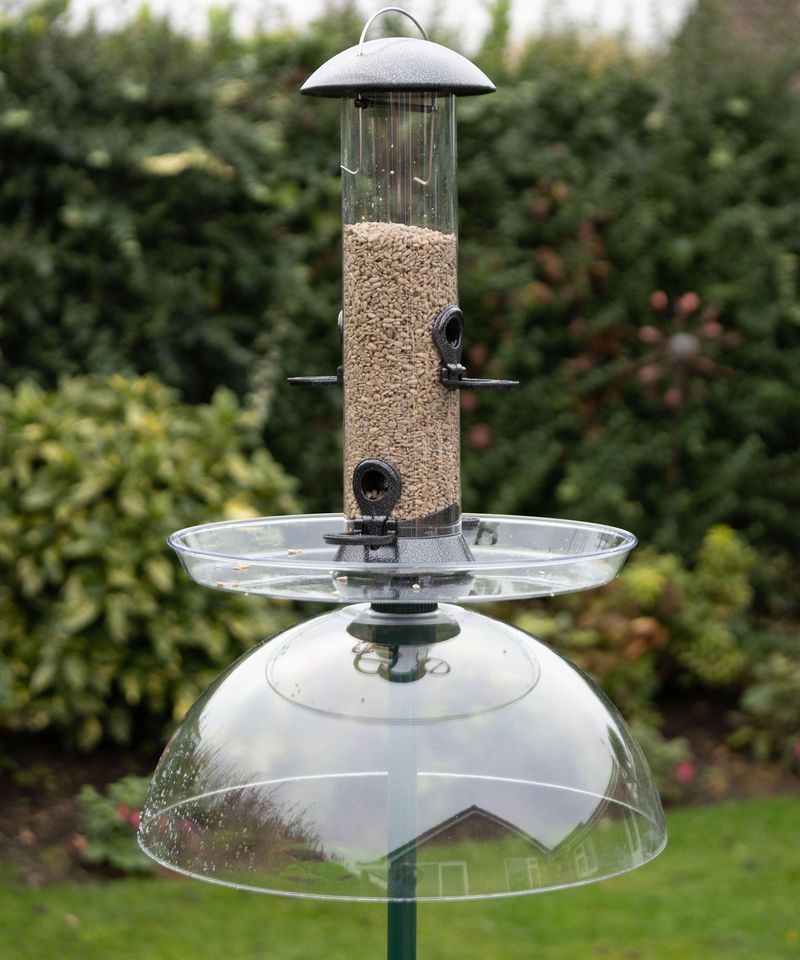
Even a clean, well-maintained feeder can pull squirrels and chipmunks toward the same corner of the yard where your best crops are growing. Feeder placement matters more than most gardeners realize.
When a feeder hangs directly above a vegetable bed or within a few feet of a bulb planting, every animal that visits the feeder is already standing nearby. That puts them in the most vulnerable part of the garden.
Moving feeders to the opposite side of the yard, or at least farther from high-value plantings, creates some distance between the feeding zone and the growing zone.
Wildlife-control guidance suggests that even partial separation can reduce incidental digging and disturbance around crops.
Pole-mounted baffles placed below feeders can also help by making it harder for squirrels to climb up and knock seed to the ground.
Small yards make perfect separation difficult, and that is a realistic limitation. In tight spaces, combining feeder relocation with seed cleanup and physical barriers around beds gives better results than any single step alone.
Moving a feeder even ten to fifteen feet away from a container garden or berry patch can lower the traffic in that specific area. The goal is not to eliminate wildlife from the yard.
The goal is to keep the heaviest animal activity away from the spots where damage causes the most frustration.
5. Protect Containers With Stones Or Mesh
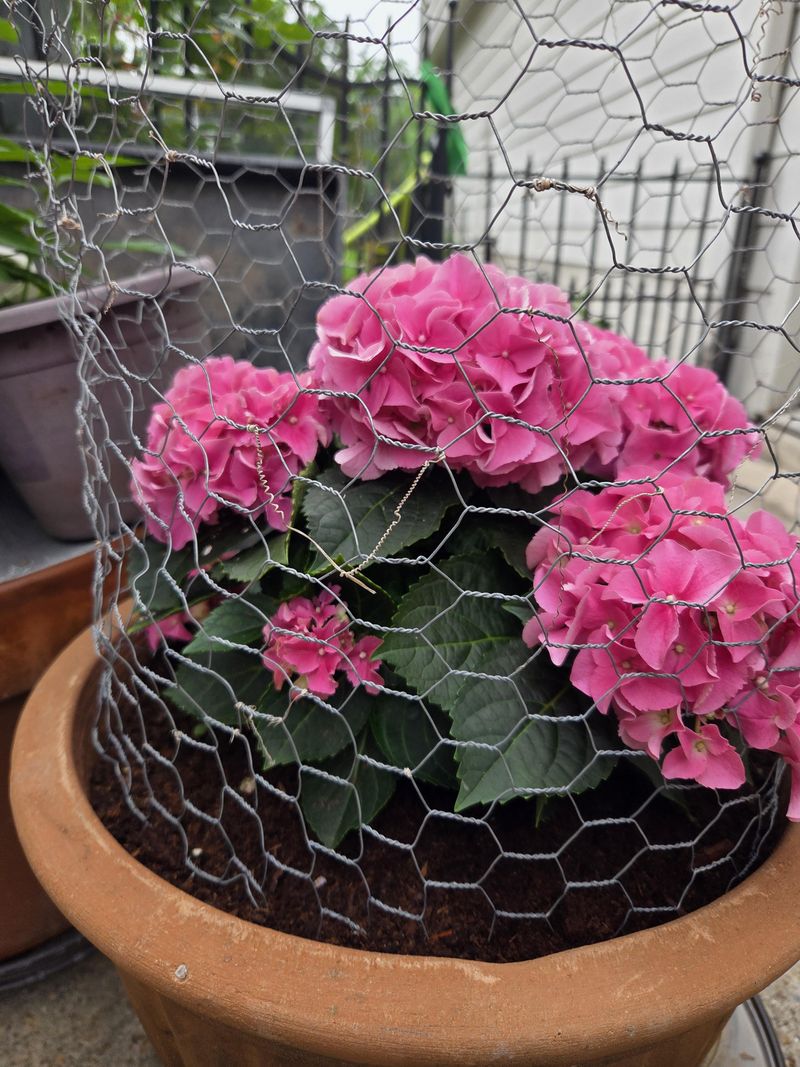
Pots and containers are practically an open invitation for chipmunks and squirrels. Loose, lightweight potting mix is far easier to dig through than packed garden soil, and containers with freshly planted bulbs or seedlings are especially tempting.
A single digging session can uproot a whole pot in minutes.
Topping the soil surface with larger stones is one of the most practical fixes for container gardens. Stones that fit snugly around plant stems make it physically harder for animals to dig without adding any chemicals or harmful materials.
Decorative river rock works well and looks tidy on a patio. Fitted mesh cut to the shape of the container opening is another option, especially for pots where stones would be too heavy or awkward.
Any cover used on a container needs to allow water to reach the roots. Solid lids or tightly sealed covers can trap heat and prevent irrigation from doing its job.
Mesh with openings large enough for water to pass through but small enough to block digging paws works well for most herbs, patio tomatoes, and flowering annuals.
Sticky deterrents, sharp objects, or anything that could trap an animal should be avoided entirely.
A well-covered pot that still drains and breathes properly protects the plant without creating new problems for the wildlife that wanders through.
6. Harvest Ripe Produce Before They Find It
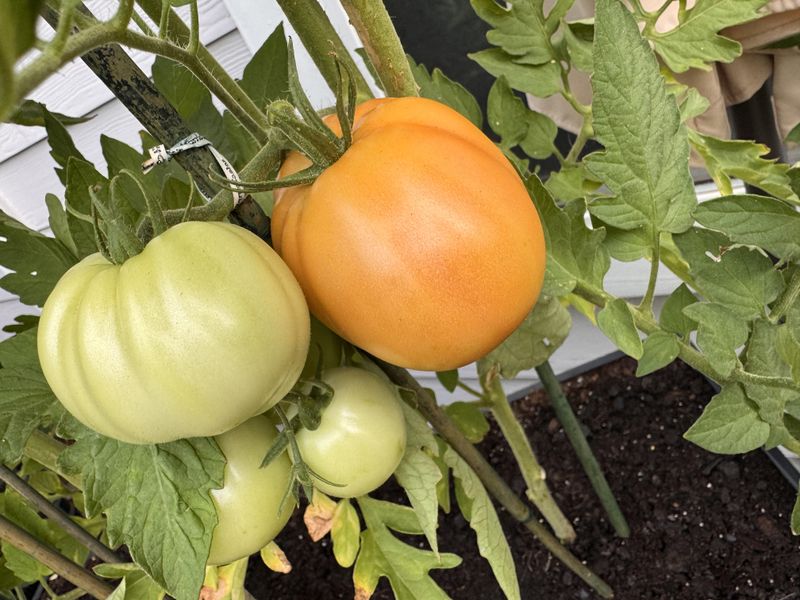
A half-eaten tomato left on the vine sends a clear signal to every squirrel in the neighborhood: this garden is worth coming back to.
Ripe and overripe produce is one of the strongest food rewards a garden can offer, and animals that find it once will return again and again looking for more.
Harvesting regularly is one of the most straightforward ways to reduce that reward cycle. Tomatoes, berries, corn, squash, and cucumbers should be picked as soon as they reach maturity or just slightly before.
Damaged or fallen fruit should be removed from the ground promptly rather than left to sit. University extension sources note that tomatoes can finish ripening indoors at room temperature without losing flavor.
That means there is no reason to leave nearly ripe fruit on the vine if animals are actively raiding the garden.
Protective netting draped over berry bushes or small plants can add another layer of defense during peak ripening periods. Netting should be secured at the base so animals cannot push underneath it.
Any netting with large openings can trap birds or small wildlife, so finer mesh is the safer choice. Removing the food reward does not stop every visit, but it reduces the reason animals keep targeting the same spot.
A garden that offers nothing easy to grab is simply less worth the effort.
7. Remove Brush Piles Near The Garden Edge
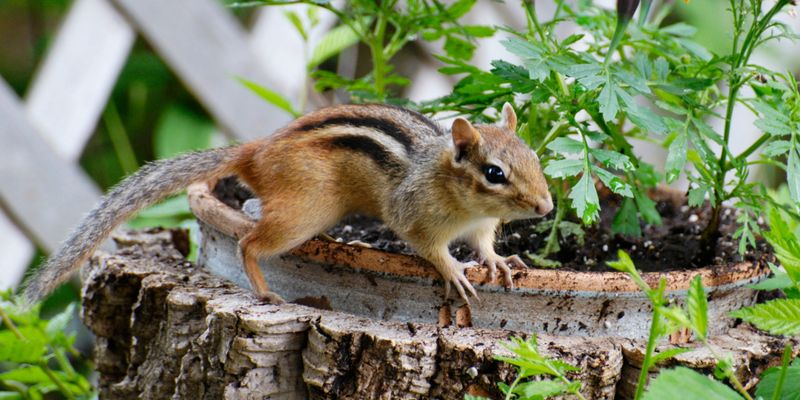
A brushy fence line right beside a vegetable bed does more than look untidy. It gives squirrels and chipmunks a sheltered travel route straight into the heart of the garden.
Dense cover close to feeding areas lets animals move in and out quickly while staying hidden from predators, which makes the whole setup much more attractive to them.
Clearing debris, stacked wood, tall weeds, and clutter within a few feet of high-value beds removes that sheltered access.
Ohio wildlife guidance explains that habitat management, meaning reducing the cover and resources that attract wildlife, is a key part of long-term damage prevention.
Trimming weeds along fence lines and keeping shed edges visible takes away some of the protection animals rely on when moving through a yard.
Brush piles can serve a real purpose for wildlife in other parts of the property. They support insects, birds, and small mammals in ways that benefit the broader yard ecosystem.
The point is not to strip every corner of the yard bare. The point is to avoid placing dense cover directly adjacent to the garden beds where damage is already happening.
Moving a brush pile thirty feet farther from the vegetable patch is often enough to shift animal traffic patterns away from the most vulnerable plantings. Small changes to the layout can make the garden a noticeably less convenient target.
8. Use Repellents Only As Backup Protection
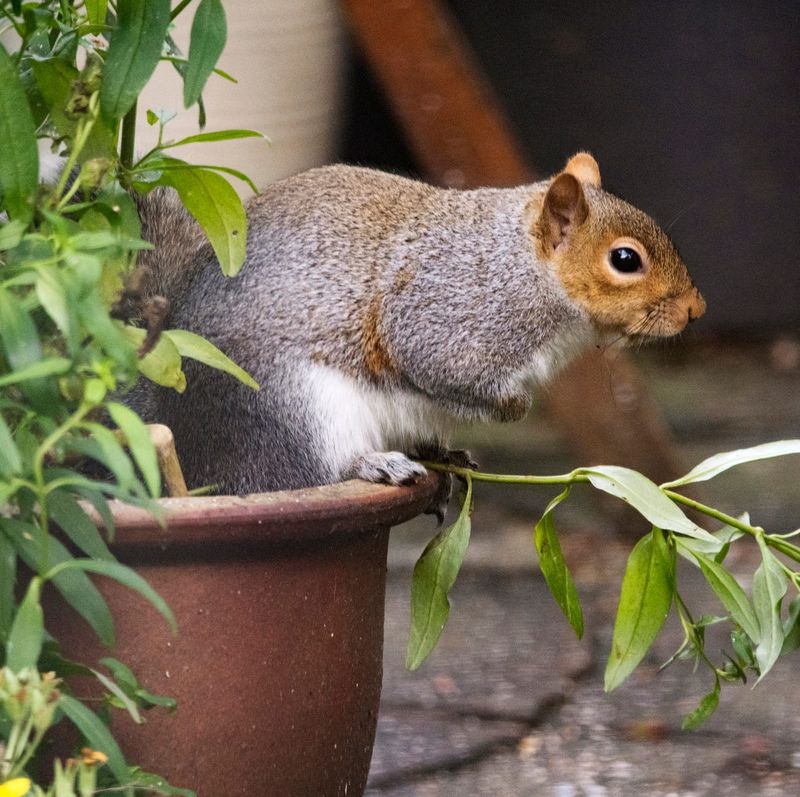
Repellents show up on a lot of garden pest lists, and some products can help reduce activity for short periods. The honest reality is that rain, irrigation, new plant growth, and persistent hunger can all reduce their effectiveness quickly.
A repellent applied on Monday may offer little protection by Friday if conditions work against it.
Products labeled specifically for squirrels or chipmunks and approved for use in garden settings are the only ones worth considering. The label is the law with any pest-control product.
Directions about where to apply, how often to reapply, and whether the product is safe near edible crops must be followed exactly. Applying repellent to or near harvestable parts of food plants is not appropriate unless the product label specifically allows it.
Integrated pest management guidance is clear that repellents work best as a supplement to stronger methods, not as a replacement for them. Physical barriers, food cleanup, feeder management, and habitat changes form the real foundation of a garden-protection plan.
Repellents added on top of those steps may extend the benefit, especially during high-pressure periods like fall bulb planting season.
If damage continues despite consistent effort, consulting local extension guidance or a qualified wildlife-control professional is a reasonable next step.
The Ohio garden becomes genuinely harder to raid when food, access, and hiding cover are all managed together, and that combination is what makes the difference over time.