How A Frigid Winter Affects Pest Levels Later In Ohio
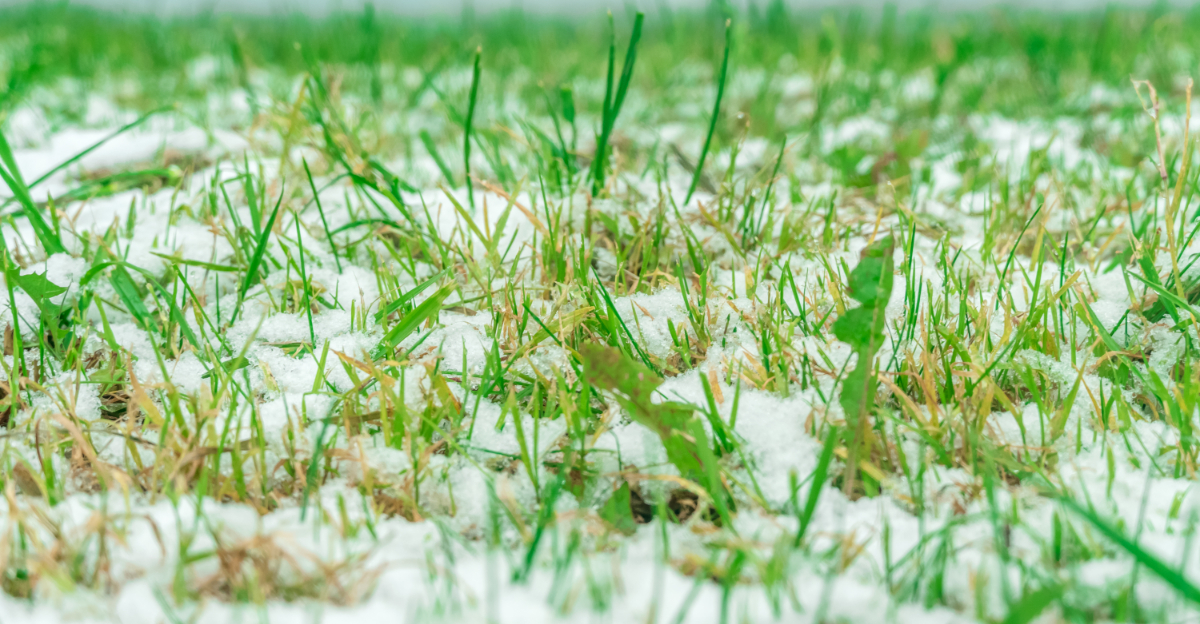
After a brutally cold Ohio winter, it is tempting to picture every troublesome bug frozen out for good. A lot of gardeners do it.
You get through the snow, scrape ice off the windshield for the hundredth time, and start dreaming of a summer with fewer chewed leaves and fewer surprise infestations. But insects do not all play by the same rules, and winter does not affect every pest the same way.
Some are knocked back, some barely notice, and some bounce right back when spring conditions line up in their favor. That is why one harsh season does not always lead to the easy growing year people expect.
Ohio gardens can still have plenty of pest pressure, just in different forms and at different times. The real story starts after the thaw, when survival, timing, and weather begin quietly working together in ways most gardeners never see coming next.
1. Cold Temperatures Reduce Some Overwintering Insects
Not every bug is built to handle an Ohio winter. When temperatures drop well below freezing for extended periods, certain insect populations take a real hit.
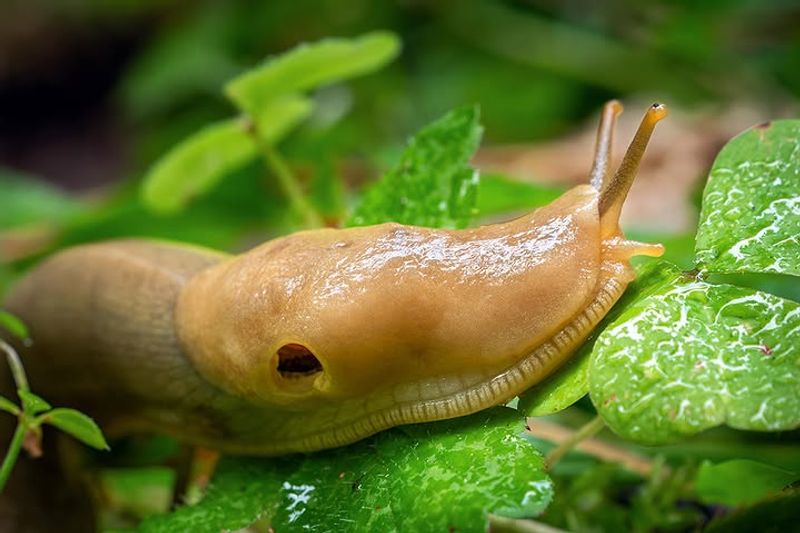
Pests like slugs, some aphids, and exposed adult insects can struggle to survive when the cold is relentless and deep.
Slugs, for example, burrow into the soil to escape the freeze. But if the frost line pushes deep enough, they can not find a safe zone.
This is especially true in northern Ohio, where winters tend to be more severe and snow cover is sometimes inconsistent.
Soybean aphids are another example worth noting. Their eggs overwinter near buckthorn buds, and extreme cold can reduce survival, although Ohio infestations are also influenced by migrating aphids later in the season.
A particularly brutal Ohio winter can wipe out a significant portion of these eggs before spring even arrives.
Farmers and gardeners across Ohio sometimes celebrate a harsh winter for exactly this reason. Fewer surviving insects in early spring can mean less crop damage and fewer pest headaches as the season gets going.
However, it is important to remember that cold alone rarely wipes out an entire pest species. Many insects have backup survival strategies that help them bounce back faster than expected once warmer weather returns to Ohio.
2. Snow Cover Can Insulate And Protect Pests
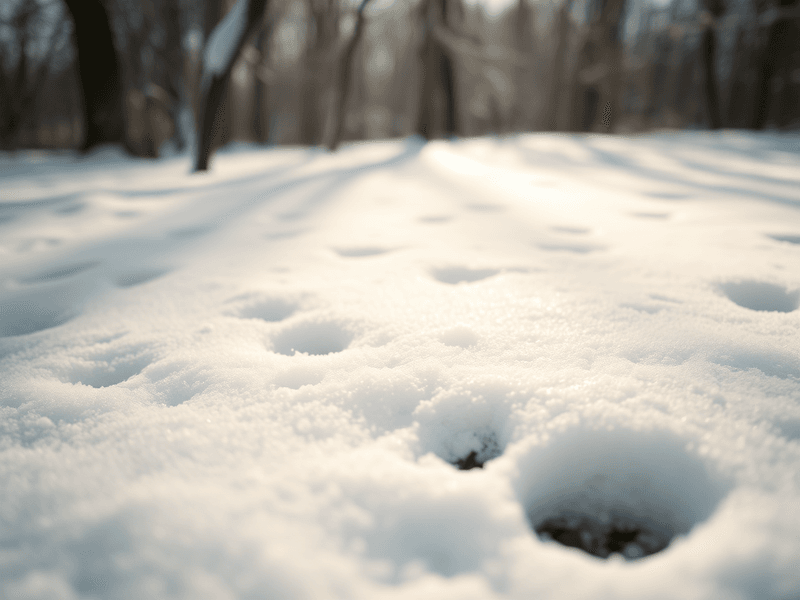
Snow might look like a pest’s worst enemy, but it can actually work in their favor. A thick layer of snow acts like a blanket over the soil, trapping heat and preventing ground temperatures from dropping as low as the air above.
This insulating effect gives many soil-dwelling pests a cozy buffer against the worst of Ohio’s winter cold.
Corn rootworms, for instance, lay their eggs in the soil before winter arrives. When snow cover is generous, those eggs stay protected from the kind of deep freeze that would otherwise reduce their numbers.
Heavy, consistent snowfall can help insulate the soil and protect some soil-dwelling pests, including rootworm eggs, through the winter.
Voles are another pest that benefits from snow cover. These small rodents stay active all winter long, tunneling beneath the snow where they are hidden from predators and sheltered from wind chill.
Your Ohio Garden Changes Every Week. Your Plan Should Too.
Gardening in Ohio changes quickly throughout the season. Every Friday you’ll receive a simple weekly plan showing exactly what to plant, prune, fertilize, harvest, and protect so you never miss the right timing.
Without snow, voles are far more exposed and their populations tend to shrink during cold snaps.
So while a snowy Ohio winter looks harsh on the surface, it can quietly protect a surprising number of pests underneath. Homeowners and farmers should not assume that a heavy snowfall season automatically means fewer pest problems in spring.
The opposite can sometimes be true, making early spring scouting an especially smart move after a snowy Ohio winter.
3. Soil-Dwelling Pests Often Survive Deep Underground
Some pests are natural escape artists when winter rolls into Ohio. Instead of trying to tough it out on the surface, they simply head deeper into the earth where temperatures stay more stable.
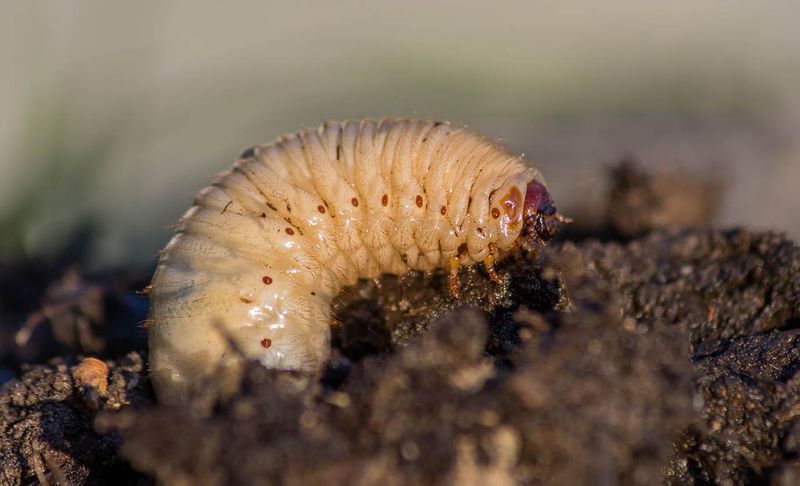
Grubs, wireworms, and certain beetle larvae are experts at this strategy, dropping below the frost line to wait out even the coldest months.
In Ohio, soil temperatures are often less extreme below the surface, which helps some soil-dwelling pests survive winter underground. Most soil-dwelling pests only need to go a little deeper than this to find temperatures that stay above the danger zone.
Once they settle in, they enter a low-energy state that lets them survive for months without feeding.
Japanese beetle grubs are a perfect example. These common Ohio lawn pests burrow down in late fall and return to the upper soil layers once spring warmth signals that it is safe to feed again.
A cold winter may slow their return slightly, but it rarely prevents it entirely.
For Ohio homeowners dealing with grub damage in their lawns, this is a frustrating reality. Even after a season of record cold, grub populations often rebound with surprising speed.
Keeping an eye on soil activity in early spring and treating problem areas promptly remains one of the most effective ways to manage these persistent underground pests.
4. Eggs And Pupae Are More Cold-Tolerant Than Adults
Adult insects are generally the most vulnerable stage of life when a brutal Ohio winter arrives. But eggs and pupae are a completely different story.
Many pest species have evolved so that their most cold-sensitive adults are long gone by the time freezing temperatures set in, leaving behind eggs or pupae that can handle the chill far better.
Some insects produce a natural antifreeze compound inside their eggs that prevents ice crystals from forming at the cellular level. This biological trick lets eggs survive temperatures that would be fatal to adult versions of the same pest.
Spongy moth egg masses, for example, are cold-tolerant and commonly survive Ohio winters.
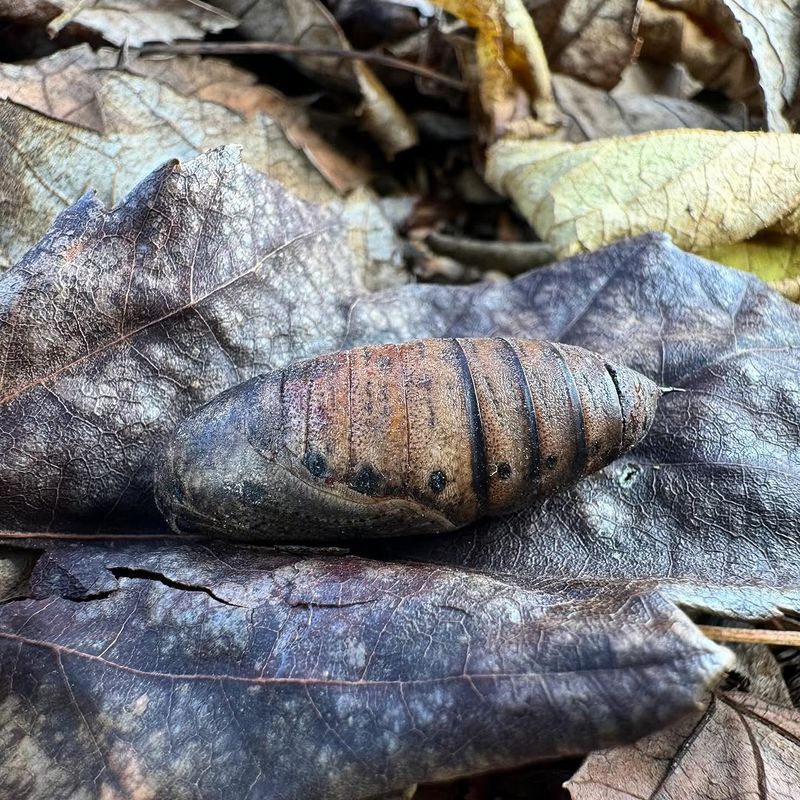
Pupae, which are the transition stage between larva and adult, also tend to be well-protected. Many are wrapped in tough casings or buried in leaf litter and bark, giving them both physical and thermal protection.
Even a harsh Ohio winter rarely gets cold enough to penetrate these layers effectively.
What this means for Ohio residents is that a cold winter does not necessarily reset the pest clock to zero. The next generation is often already waiting safely in egg or pupal form, ready to hatch as soon as spring temperatures climb.
Monitoring for egg masses on trees, fences, and outdoor furniture in late winter can give you a head start on managing pest populations before they fully emerge.
5. Mild Late Winter Periods Can Reverse Early Losses
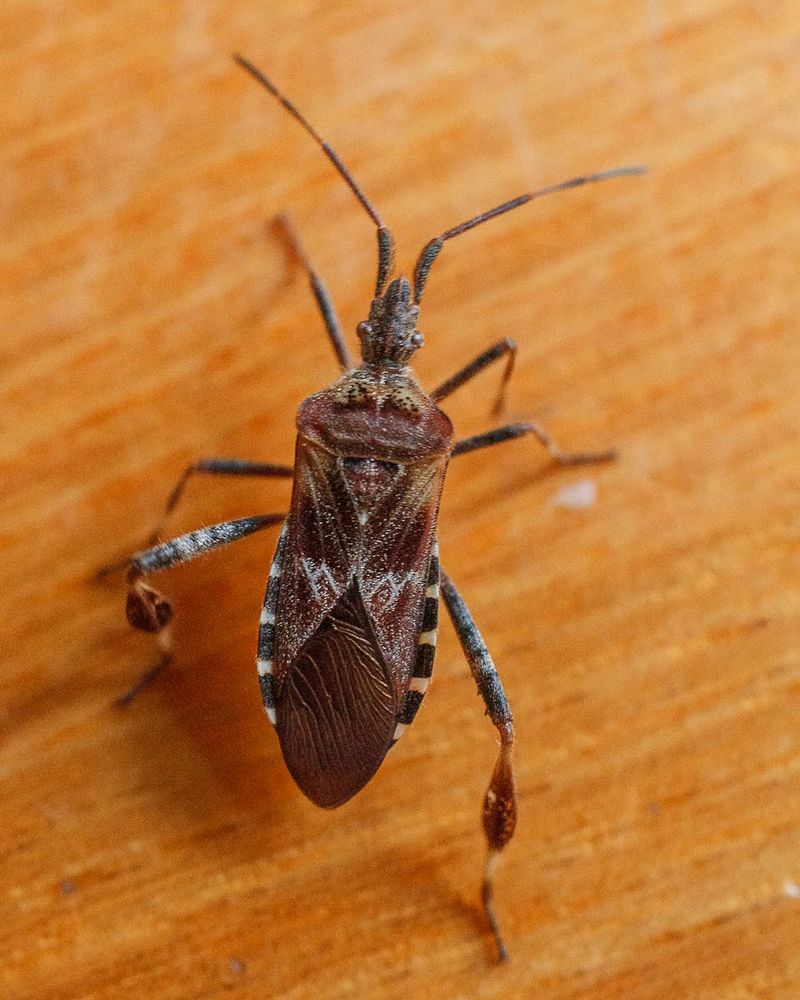
Ohio weather is famously unpredictable, and that unpredictability can completely change the pest story that a cold winter seemed to be telling. A stretch of unusually warm days in late February or early March can undo much of the population reduction that a harsh December and January produced.
Insects that were barely hanging on can suddenly get a second wind.
Warm spells in late winter trigger a kind of biological alarm clock for many pests. Stink bugs sheltering in walls and attics start moving toward exits.
Mosquitoes that overwinter as adults or eggs can begin developing more quickly during late winter warm spells. Even some overwintering beetles start stirring earlier than expected when Ohio temperatures climb into the 50s for several days in a row.
The tricky part is that these early risers can get caught off guard if cold weather returns, which it often does in Ohio. But the survivors of that second cold snap are often the hardiest individuals in the population, which can make spring pest pressure more intense even if overall numbers are lower.
Homeowners in Ohio should pay close attention to late winter warm spells as a signal to start pest-proofing early. Sealing gaps around windows, cleaning up leaf piles, and draining standing water before spring fully arrives can make a real difference.
A mild February in Ohio is not a reason to relax about pests. If anything, it is a reason to get moving sooner.
6. Natural Predator Populations May Also Decline
When people think about cold winters reducing pests in Ohio, they usually focus on the pests themselves. But there is another side to this story that often gets overlooked.
The same freezing temperatures that stress pest populations also put pressure on the natural predators that help keep those pests in check throughout the year.
Birds, spiders, ground beetles, and parasitic wasps all play important roles in controlling pest numbers in Ohio gardens, farms, and forests. A severe winter can reduce their populations just as it reduces pest populations.
In some cases, predator numbers drop faster or take longer to recover, which can actually create an opening for pest populations to surge once spring arrives.
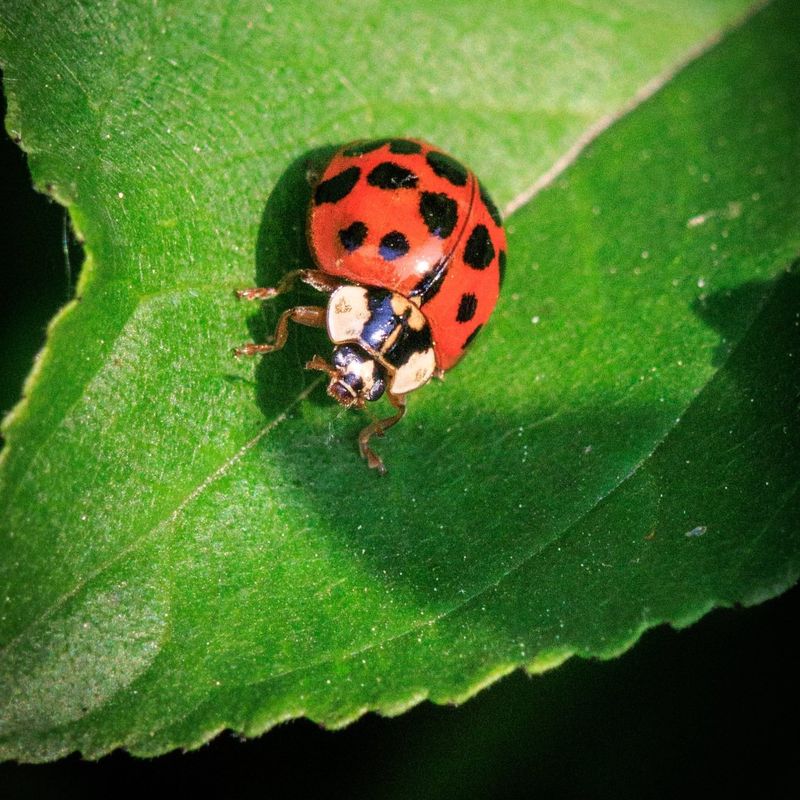
Ladybugs are a great example. These beloved pest-eaters overwinter in clusters under bark and leaf litter.
A harsh Ohio winter with little insulating snow cover can reduce their numbers significantly. With fewer ladybugs around in spring, aphid populations can expand more quickly than they would in a year when predator numbers stayed strong.
Gardeners and farmers across Ohio can help support natural predator recovery by planting pollinator-friendly flowers, avoiding broad pesticide use in early spring, and leaving some natural habitat like brush piles and leaf litter in place. Giving beneficial insects a fighting chance to recover is one of the smartest and most sustainable ways to manage pest pressure after a tough Ohio winter.
7. Spring Weather Has Greater Impact Than Winter Cold
Here is something that surprises a lot of Ohio residents: the weather in March, April, and May often matters more for pest levels than how cold January was. Winter cold can knock pest populations down, but spring weather is what determines how fast they bounce back and how bad the season ultimately gets.
A warm, wet spring in Ohio creates ideal breeding conditions for mosquitoes, gnats, and many garden pests. Standing water from spring rains becomes a nursery for mosquito larvae.
Mild temperatures speed up insect development cycles, meaning pests can go through more generations before summer even peaks. A cold winter followed by a warm, wet spring can still produce a very active pest season.
On the other hand, a cool and dry spring can extend the low-pest window that a cold winter created. Slower warming means slower insect development, which gives homeowners and farmers more time to prepare and apply preventive treatments before populations explode.
Watching the spring forecast closely is genuinely useful for Ohio residents who want to stay ahead of pest problems. If early spring looks warm and rainy, plan to act sooner with yard treatments, window screens, and garden inspections.
Local Ohio extension offices and pest control services track these seasonal patterns carefully and can offer region-specific advice. Working with the weather, rather than just reacting to it, is the most effective long-term pest management approach available to Ohio homeowners and growers.