7 Purple Flowers That Thrive In Texas Heat All Summer
Purple flowers bring a touch of elegance, drama, and vibrancy to any garden, and in Texas, they can really stand out against green foliage and warm summer skies.
The challenge for gardeners is finding varieties that can handle the intense Texas heat, blazing sun, and occasional dry spells without wilting or fading.
Some purple blooms are naturally tough and thrive in these conditions, providing color and interest throughout the season.
Plants like salvia, coneflowers, and certain lavenders are heat-tolerant, attract pollinators, and hold their shape and color even under high temperatures.
Choosing the right soil, proper spacing, and watering at the right times helps these hardy plants perform their best.
By planting purple flowers built for Texas summers, gardeners can enjoy bold color, lively pollinator activity, and low-maintenance beauty. A garden filled with resilient purple blooms creates a striking, long-lasting display all season.
1. Mexican Bush Sage (Salvia Leucantha)
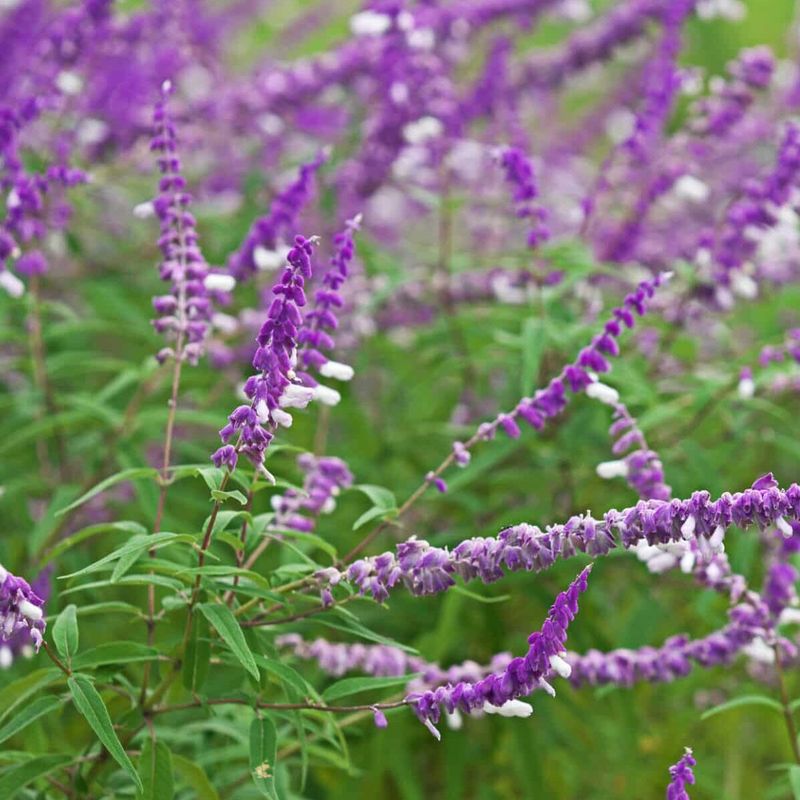
Walk through almost any well-kept Texas garden in late summer and you will probably spot the unmistakable velvet-purple spikes of Mexican Bush Sage standing tall in the heat. This plant does not just survive the Texas summer, it absolutely thrives in it.
Originally from the highlands of Mexico, it has found a second home across the Lone Star State, where gardeners rely on it year after year for bold, reliable color.
Mexican Bush Sage produces long, arching stems covered in soft, fuzzy purple flower spikes that start appearing in summer and keep going strong into fall. The blooms have a velvety texture that makes them look almost too beautiful to be real.
Butterflies, hummingbirds, and bees absolutely love them, so your garden becomes a lively little ecosystem just by planting a few of these beauties.
One of the best things about this plant is how little it asks for in return. Once established in full sun with well-drained soil, it handles drought like a champion.
You do not need to water it constantly or fuss over it during hot Texas spells. It can grow three to five feet tall and wide, so give it some space to spread out.
Cut it back in late winter to encourage fresh, bushy growth the following season. For gardeners in Texas looking for a low-effort, high-reward purple flower, Mexican Bush Sage is one of the smartest choices you can make for your landscape.
2. Purple Coneflower (Echinacea Purpurea)
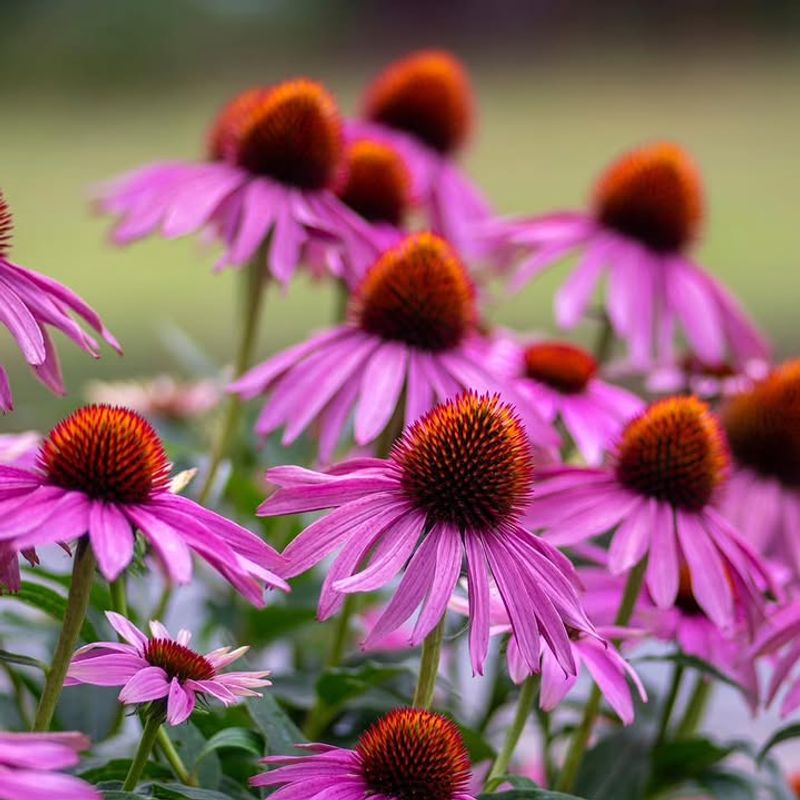
There is something wonderfully honest about the Purple Coneflower. It does not need rich soil, frequent watering, or any special treatment to look gorgeous.
Native to the central and eastern United States, this wildflower has been growing in tough conditions long before anyone thought to put it in a garden bed. In Texas, it feels right at home under that relentless summer sun.
Echinacea purpurea blooms from early summer all the way through late summer, giving you months of those cheerful daisy-like flowers with their rosy-purple petals and spiky, cone-shaped centers. Pollinators go absolutely wild for them.
Bees, butterflies, and even goldfinches visit regularly, turning your Texas yard into a buzzing, fluttering paradise. Leaving the seed heads standing after blooming also provides food for birds during cooler months.
Did you know Echinacea has been used for centuries in herbal medicine? Many people recognize it as an ingredient in natural cold remedies.
Beyond its wellness reputation, though, this flower earns its place in Texas gardens purely through performance. It is drought tolerant, heat hardy, and incredibly low maintenance once it gets established.
Plant it in full sun to partial shade and water it regularly during its first season. After that, it largely takes care of itself.
Deadheading spent blooms can encourage more flowers, but even if you skip that step, the plant keeps pushing out new color. For Texas gardeners who want wildflower beauty without the fuss, Purple Coneflower delivers every single time.
3. Angelonia / Summer Snapdragon (Angelonia Angustifolia)
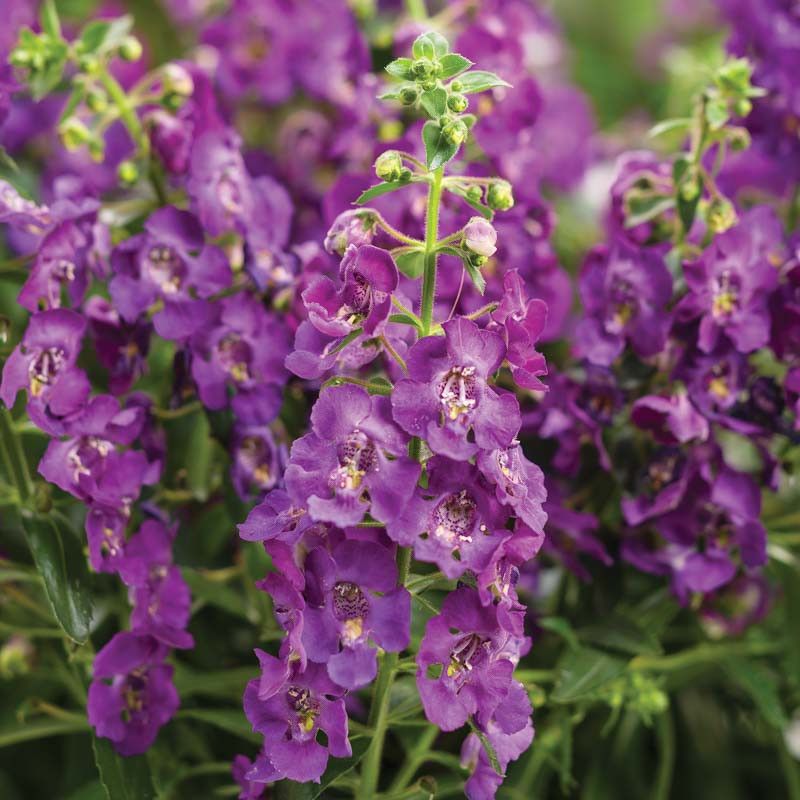
If summer heat makes most flowers wave a white flag, Angelonia does the opposite. It presses on, blooms harder, and looks better the hotter things get.
Nicknamed the Summer Snapdragon, this plant was practically designed for places like Houston, Austin, and San Antonio, where summer temperatures climb into triple digits and stay there for weeks.
Angelonia produces slender, upright spikes covered in small but richly colored purple flowers from late spring all the way to the first frost. Up close, the blooms have a subtle grape-like fragrance that makes walking past them a genuinely pleasant experience.
The plant handles both heat and humidity without skipping a beat, which is a huge advantage in the muggy parts of Texas where other flowers struggle to breathe.
One of the most versatile things about Angelonia is how well it works in different settings. Tuck it into a garden bed as a mid-height accent, or plant it in containers on a sunny patio or porch.
It looks equally polished in both situations. Water it regularly when it is young, but once established it handles dry stretches without complaint.
Full sun is where it truly shines, so avoid planting it in shaded spots. Deadheading is not required since it is self-cleaning, which means old blooms fall away on their own and new ones take their place.
For Texas gardeners who want a fuss-free purple flower that blooms nonstop through the hottest months, Angelonia is a top-tier pick worth every bit of garden space.
4. Gomphrena / Globe Amaranth (Purple Varieties)
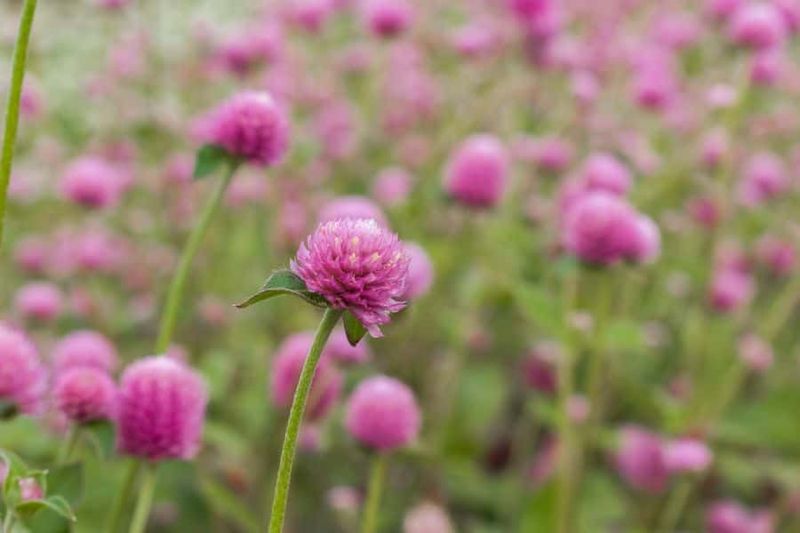
Round, bold, and practically indestructible, Globe Amaranth is the kind of plant that makes Texas gardeners breathe a sigh of relief. When the summer sun beats down and the rain disappears for weeks, this tough little annual keeps right on blooming like nothing happened.
The purple varieties are especially eye-catching, with their perfectly round, clover-like flower heads that hold their color beautifully even in extreme heat.
Gomphrena is one of the hardest-working annuals you can grow in Texas. It blooms nonstop from early summer through fall, producing a constant stream of cheerful purple pompom flowers.
Pollinators love visiting the blooms, and the flowers also make fantastic cut flowers that hold their shape and color even after drying. Florists and crafters prize dried Globe Amaranth for wreaths and arrangements, so growing it gives you both garden beauty and a creative bonus.
Drought tolerance is one of Gomphrena’s strongest qualities. Once established, it handles long dry spells without much help, making it ideal for water-conscious Texas gardeners.
Plant it in full sun and well-drained soil for the best results. It grows about one to two feet tall, making it a great choice for borders, mass plantings, or containers.
Pinching back the tips when the plant is young encourages bushier growth and more blooms later on. Whether you are gardening in El Paso or East Texas, Globe Amaranth will reward you with months of vibrant purple color and almost zero drama all summer long.
5. Ruellia / Mexican Petunia (Ruellia Simplex)
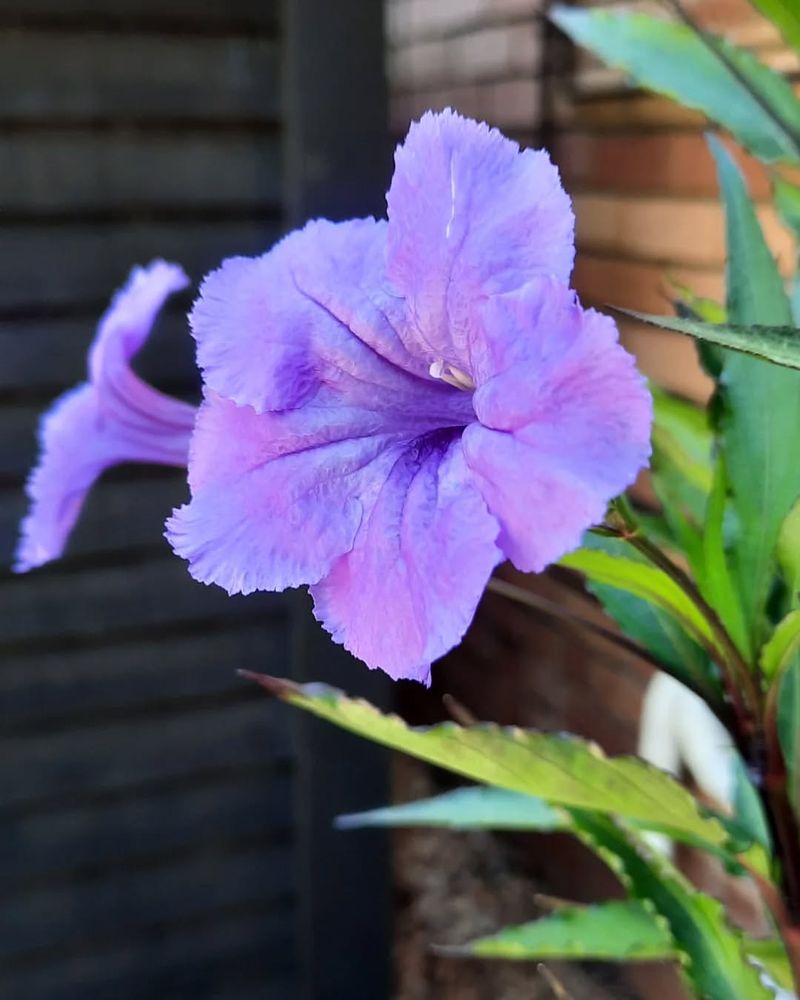
Few plants in Texas earn the title of true summer warrior quite like Mexican Petunia. Ruellia simplex has a reputation for being almost unstoppable once it gets going, and in the heat of a Texas summer, that toughness is exactly what you want.
Its trumpet-shaped purple blooms pop open every morning, giving your landscape a fresh burst of color day after day throughout the season.
Mexican Petunia thrives in full sun and handles the intense heat of Texas with ease. It is drought tolerant after establishment, grows quickly, and fills in garden spaces with lush green foliage topped by bright purple flowers.
Pollinators are drawn to the blooms regularly, and the plant looks stunning along fences, driveways, and sunny borders where other plants might struggle to keep up. It also does well near drainage areas where water occasionally pools.
One important thing to keep in mind is that the standard form of Ruellia simplex can spread aggressively through seeds and underground runners. In some Texas counties, it is considered invasive when planted near natural areas or waterways.
The smart solution is to choose sterile varieties like the popular compact cultivar known as Katie, which stays smaller, spreads far less, and is much better suited for home gardens. Katie grows about eight to twelve inches tall and works beautifully in borders and containers.
With the right variety in the right spot, Mexican Petunia delivers reliable, gorgeous purple color all summer long across Texas landscapes without becoming a headache to manage later.
6. Verbena (Heat-Tolerant Perennial Or Annual Types)
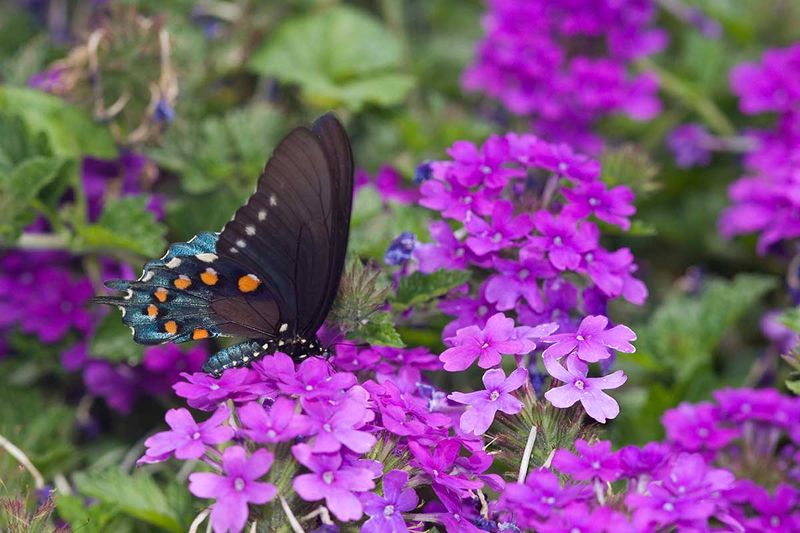
Verbena has a cheerful, generous personality that Texas gardeners have appreciated for generations. It spreads low and wide, covering the ground in clusters of tiny purple flowers that bloom continuously through the hottest months of the year.
Whether you choose a perennial variety that comes back each spring or an annual type for seasonal planting, Verbena delivers an impressive amount of color for very little effort.
Heat and drought tolerance are two of Verbena’s strongest selling points for Texas gardens. Once established, it handles dry stretches and blazing afternoon sun without looking stressed.
The trailing stems spread outward to create a colorful groundcover effect, making it perfect for filling gaps between larger plants, covering slopes, or spilling over the edges of containers and raised beds.
Butterflies are particularly fond of Verbena blooms, so expect regular winged visitors throughout summer.
For best results in Texas, plant Verbena in full sun and make sure the soil drains well. Soggy roots are its one weakness, so avoid low spots where water tends to collect.
Trim it back lightly mid-summer if it starts looking leggy, and it will bounce back quickly with a fresh flush of blooms. Some perennial varieties like Homestead Purple are especially well-suited to Texas conditions and are known for their vigorous growth and long bloom season.
From the Hill Country to the Gulf Coast, Verbena adds a soft but vivid sweep of purple to summer gardens and keeps going strong even when temperatures soar well past ninety degrees.
7. Duranta (Duranta Erecta, Purple Varieties)
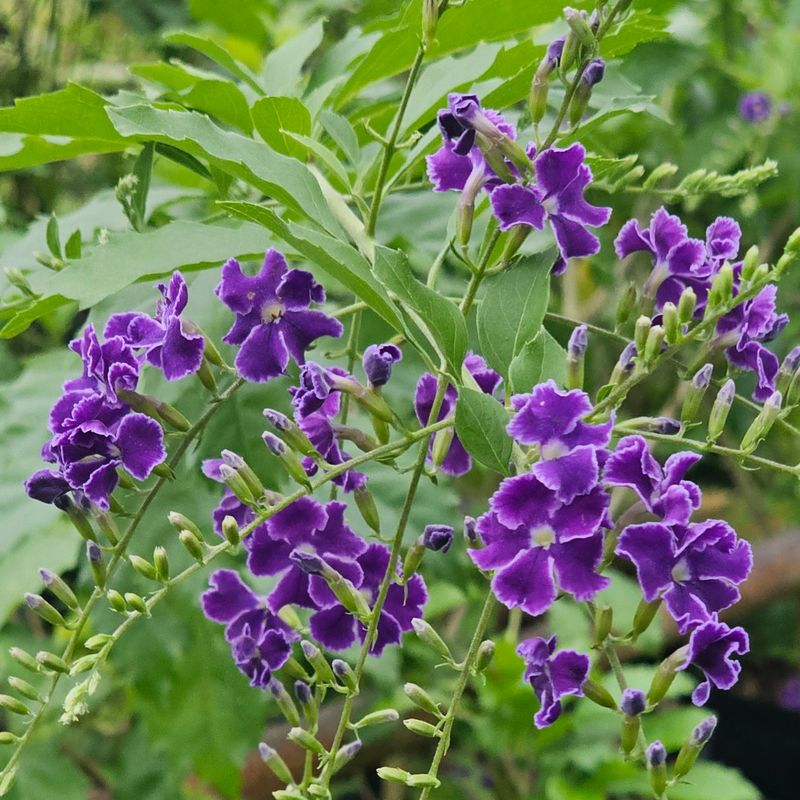
There is a tropical flair to Duranta that sets it apart from most other summer-blooming plants in Texas.
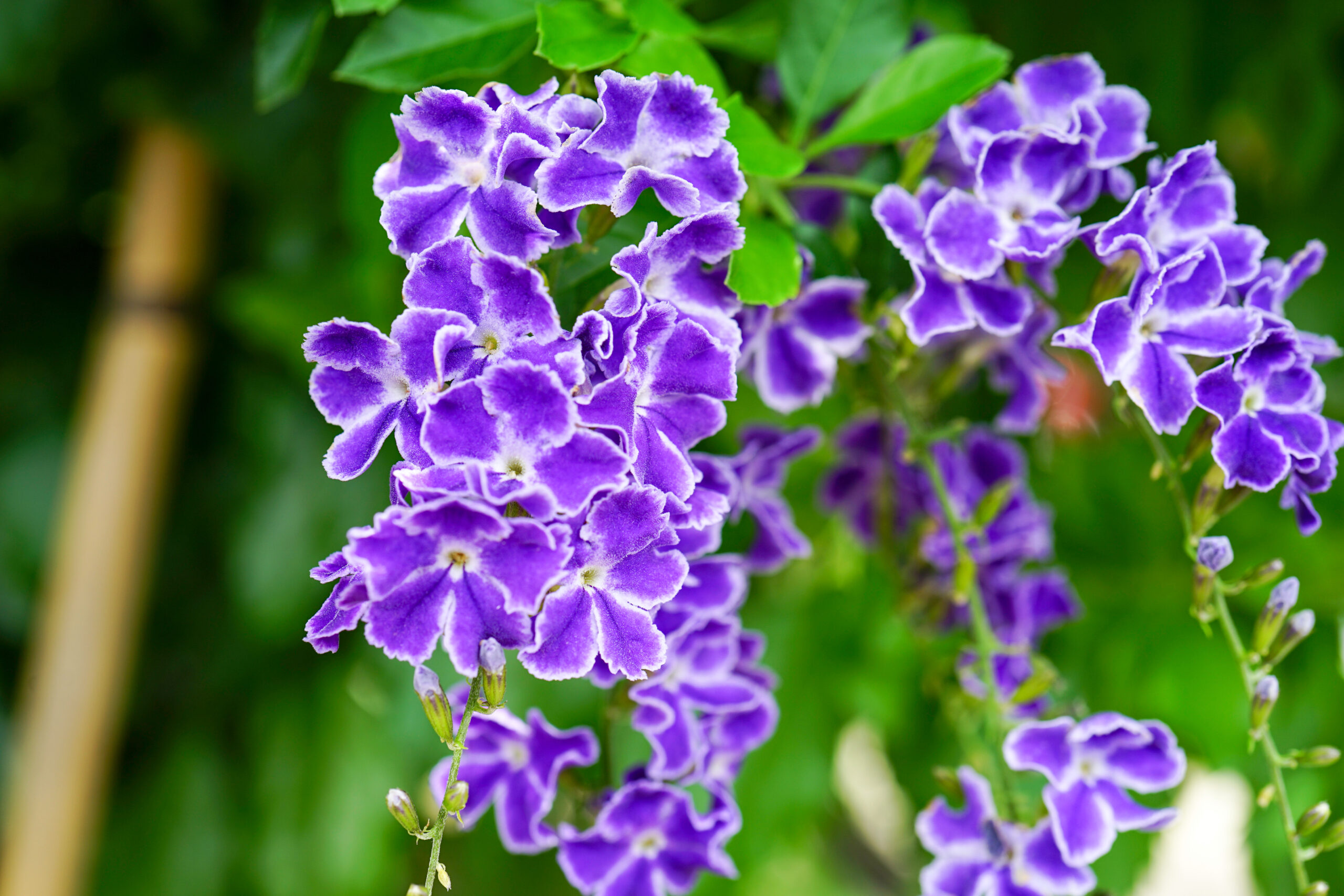
With its graceful, arching branches draped in clusters of delicate purple flowers and golden berries appearing at the same time, Duranta looks like something out of a botanical garden.
Yet it handles the Texas heat with remarkable ease, making it one of the most rewarding plants you can add to a warm-climate landscape.
Duranta erecta thrives in full sun and is drought tolerant once established, which checks two of the most important boxes for Texas gardening.
The purple flower clusters bloom continuously through the warm season, attracting butterflies and hummingbirds in impressive numbers.
The bright yellow-orange berries that follow the blooms add another layer of visual interest, giving the plant a lively, layered look that changes slightly throughout the season.
In the warmest parts of Texas, like the Rio Grande Valley and the coastal regions around Corpus Christi, Duranta behaves as a perennial and can grow into a large shrub or small tree reaching six feet or more.
In colder zones farther north, it is often grown as a warm-season annual and replanted each spring after the last frost.
Either way, it earns its place in the garden through sheer beauty and reliable performance. Plant it as a specimen plant, a hedge, or a container focal point.
Just make sure to keep the berries away from pets and children, as they are not safe to eat. Duranta is a showstopper that truly belongs in every Texas summer garden.