8 Rare Garden Plants Serious Florida Gardeners Hunt Down
In Florida, serious gardeners are always chasing the thrill of the unusual.
Common plants fill beds, but rare garden plants are the ones that make a landscape unforgettable.
Their unusual blooms, striking foliage, and unexpected colors turn ordinary yards into living works of art.
For gardeners who want their spaces to stand out, rare plants are the golden ticket.
Hunting down these special varieties is part of the excitement.
From hidden nurseries to carefully sourced seeds, collectors know that patience pays off.
Rare plants reward effort with unique textures, long-lasting blooms, and a sense of discovery that keeps every season interesting.
Each plant has its own personality, and placing it in the right spot can transform a garden into a conversation starter.
Florida’s climate opens the door to a wide range of rare species, from exotic perennials to unusual shrubs that thrive in sun, humidity, and sandy soil.
Serious gardeners embrace the challenge, knowing that rare plants are more than decoration, they bring life, intrigue, and a touch of magic to outdoor spaces.
For those willing to track them down, these plants turn gardens into one-of-a-kind paradises that delight both the eyes and the imagination.
1. Corpse Flower (Amorphophallus Titanum)
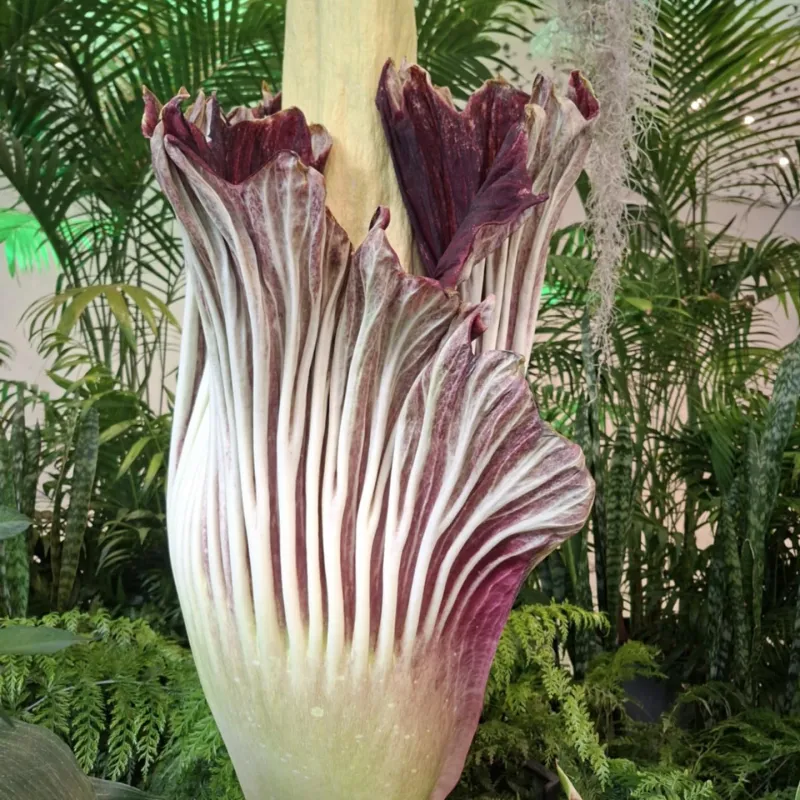
Imagine owning one of the world’s largest and most infamous flowers right in your Florida backyard.
The corpse flower earned its unsettling name from the powerful odor it releases during its rare blooming cycle, which smells remarkably like rotting meat.
This scent attracts pollinators in its native Sumatra, but in Florida gardens, it mostly attracts curious neighbors and news crews.
Blooms happen only once every seven to ten years, making each flowering event a spectacular occasion worth celebrating.
The plant can reach over ten feet tall when it finally opens, creating an unforgettable display that lasts just 24 to 48 hours.
Growing this giant requires serious dedication because it needs consistent warmth, high humidity, and plenty of space for its massive underground corm.
Florida’s tropical and subtropical zones provide ideal conditions, especially in southern regions where temperatures stay warm year-round.
Collectors across the state compete to acquire specimens, often joining waitlists at botanical gardens or specialty nurseries.
The challenge and rarity make this plant a true trophy for passionate gardeners.
When bloom time approaches, owners often host viewing parties, turning their gardens into temporary tourist attractions.
Despite the smell, witnessing this botanical marvel in person remains an experience serious Florida gardeners dream about achieving.
2. Chocolate Orchid (Encyclia Phoenicea)
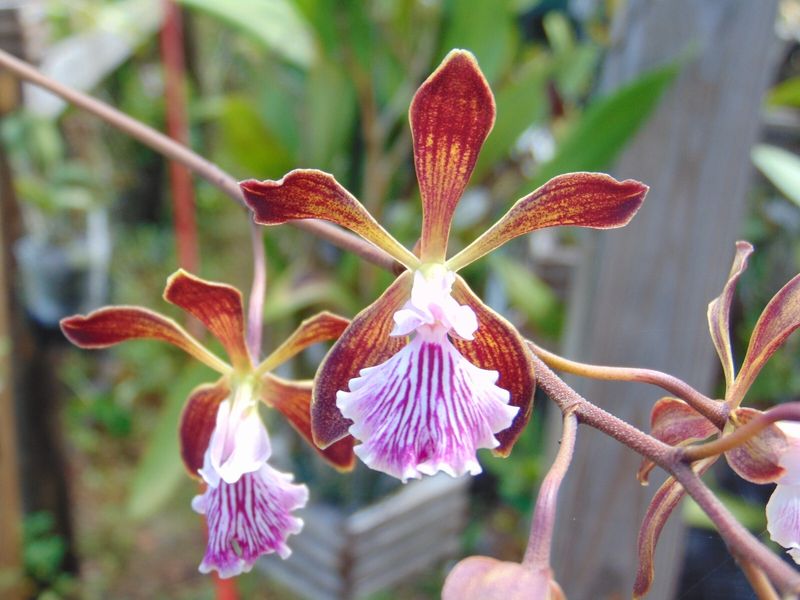
Few plants combine beauty and fragrance quite like this stunning native Florida species.
Chocolate orchids produce clusters of reddish-brown flowers that release a sweet cocoa scent during warm afternoons, especially when temperatures rise above 80 degrees.
This epiphytic orchid naturally grows on oak and cypress trees throughout South Florida, but habitat loss has made wild specimens increasingly scarce.
Gardeners who successfully cultivate chocolate orchids often mount them on tree bark or driftwood, mimicking their natural growing conditions.
The plants thrive in bright, filtered light with excellent air circulation, making them perfect for shaded patios or screened lanais across Florida.
Blooming typically occurs in spring and early summer, with flowers lasting several weeks if conditions remain favorable.
What makes this orchid particularly special is its status as a true Florida native, unlike many tropical orchids commonly sold in nurseries.
Conservation-minded collectors seek out nursery-propagated specimens rather than wild-collected plants, helping protect remaining natural populations.
The chocolate orchid adapts well to Central and South Florida gardens, tolerating brief cold snaps better than many exotic species.
Finding these orchids requires connections with specialized growers or orchid society members who propagate and share divisions.
Owning one connects gardeners to Florida’s natural heritage while adding an enchanting sensory experience to their outdoor spaces.
3. Black Bat Flower (Tacca Chantrieri)
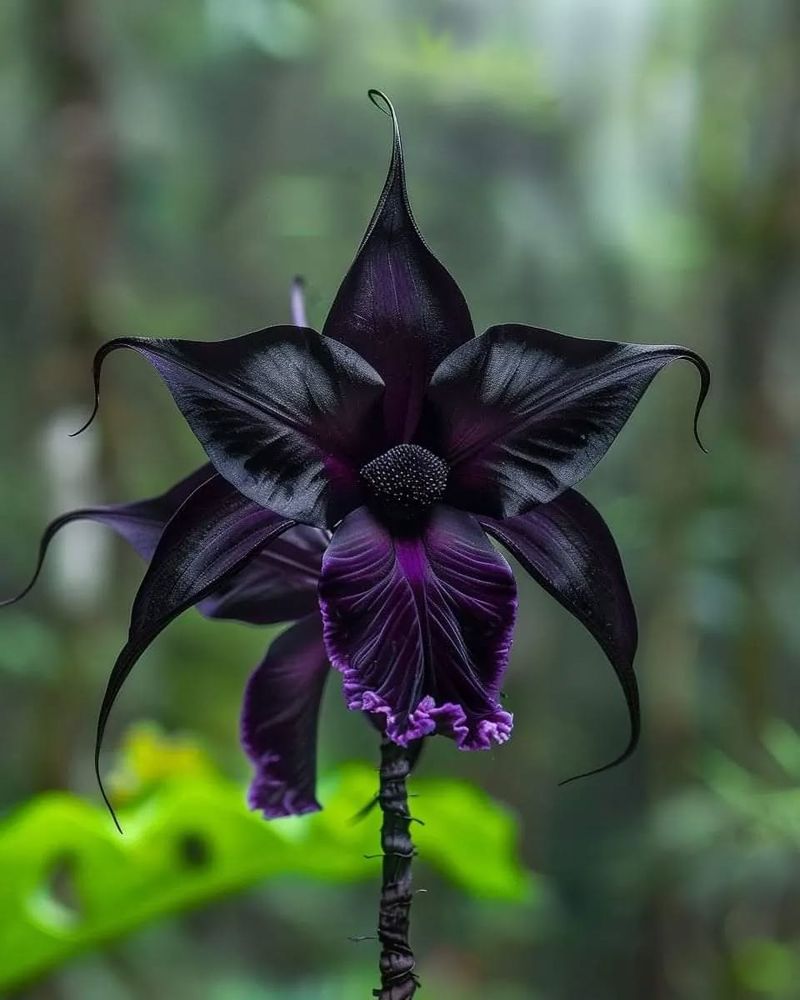
Nothing stops garden visitors in their tracks quite like the otherworldly appearance of this Southeast Asian beauty.
Black bat flowers feature dark purple blooms that look remarkably like flying bats, complete with long, thread-like whiskers that can extend over a foot in length.
The dramatic flowers emerge from glossy green foliage, creating a striking contrast that seems almost unreal at first glance.
Florida gardeners treasure this plant for its ability to thrive in deep shade, where few other flowering species perform well.
The high humidity and warm temperatures found throughout much of Florida perfectly match the bat flower’s native tropical environment.
Growing these unusual plants requires patience because they can be temperamental about water, preferring consistently moist but never soggy soil.
Many collectors in Florida keep them in large containers filled with rich, well-draining potting mix amended with orchid bark and perlite.
The flowers appear throughout the warm months, with each bloom lasting several weeks before fading away.
Serious gardeners often display bat flowers in prominent locations where guests can appreciate their bizarre beauty up close.
Finding plants for sale can be challenging, as most mainstream nurseries don’t carry such specialized specimens.
Online specialty growers and rare plant sales at botanical gardens offer the best opportunities for acquisition.
Once established in the right Florida location, these plants reward dedicated growers with conversation-starting blooms year after year.
4. Ghost Orchid (Dendrophylax Lindenii)
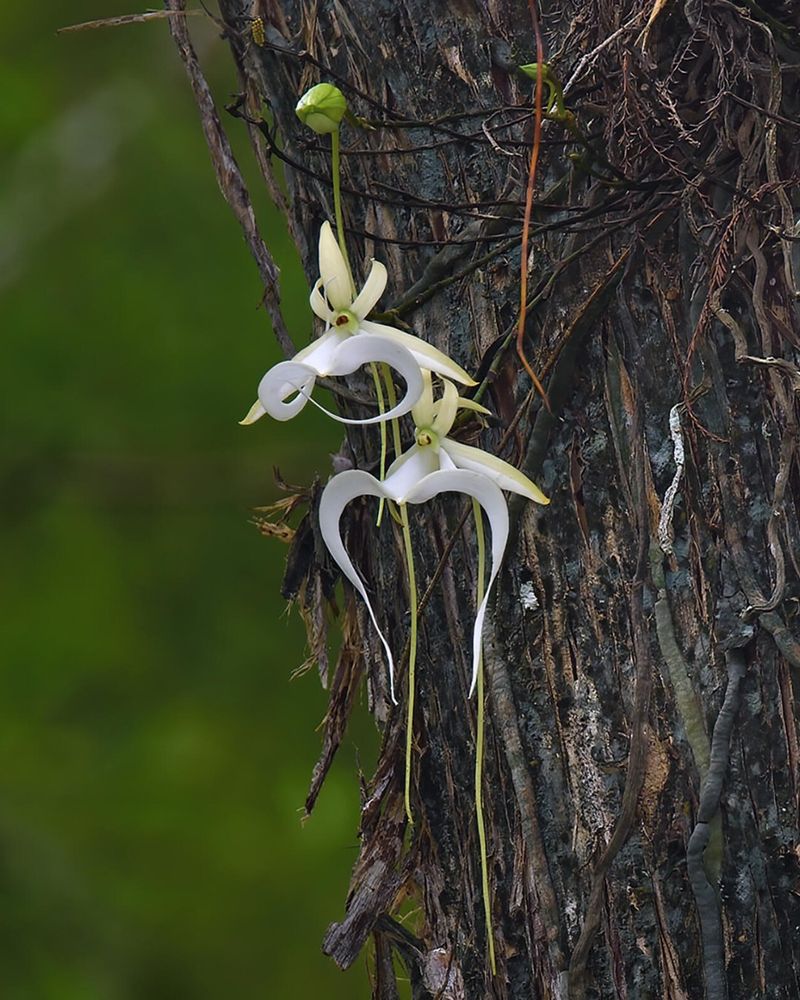
Perhaps no plant captures the imagination of Florida gardeners quite like this legendary native species.
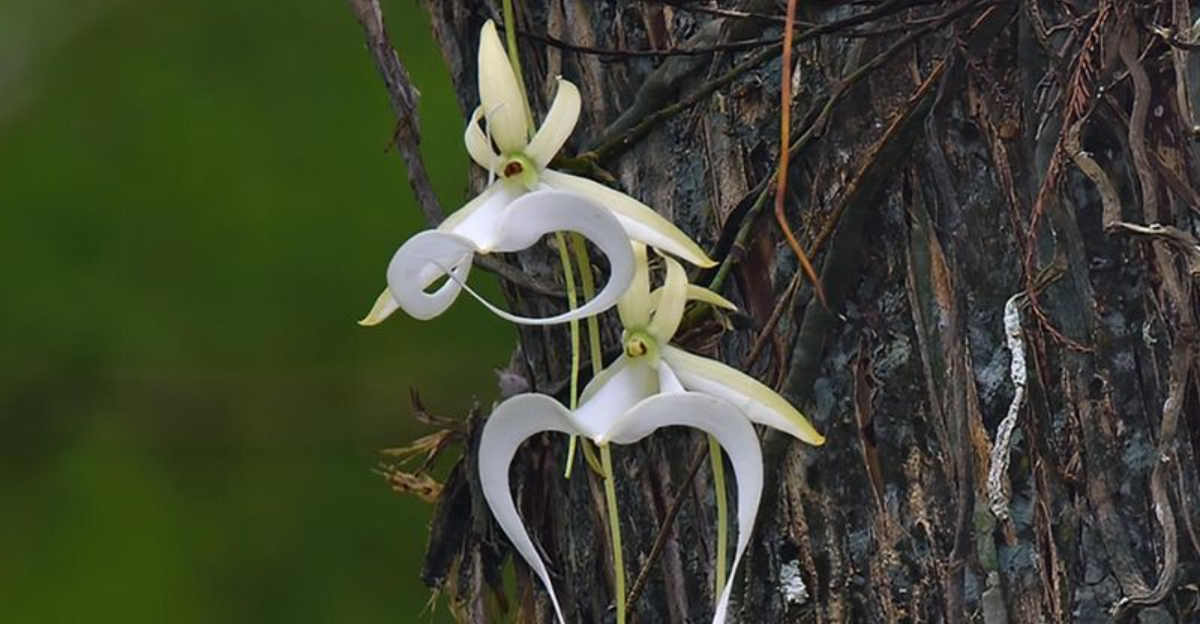
Ghost orchids live up to their mystical name, producing pure white flowers that seem to float in mid-air against the dark backdrop of cypress swamps.
The plant itself has no leaves, relying entirely on its green roots to photosynthesize while clinging to tree bark.
Wild ghost orchids exist only in a few remote locations within the Florida Everglades and Cuba, making them extraordinarily rare in nature.
Strict legal protections prohibit collecting from the wild, and cultivation remains notoriously difficult even for expert growers.
The orchid requires specific fungi to survive, along with perfect humidity, temperature, and light conditions that are incredibly hard to replicate.
Despite these challenges, dedicated collectors throughout Florida continue attempting to grow ghost orchids, often spending years perfecting their techniques.
Some botanical gardens and research institutions have achieved limited success, offering hope that cultivation methods will improve over time.
The flowers bloom unpredictably, usually in summer, and last only about two weeks before withering away.
Their haunting beauty and apple-like fragrance make every bloom a precious event worth documenting and celebrating.
Most serious Florida gardeners will never own a ghost orchid, but the dream of successfully growing one drives passionate orchid enthusiasts forward.
Conservation efforts focus on protecting wild populations while researchers work to unlock the secrets of reliable cultivation.
5. Voodoo Lily (Amorphophallus Konjac)
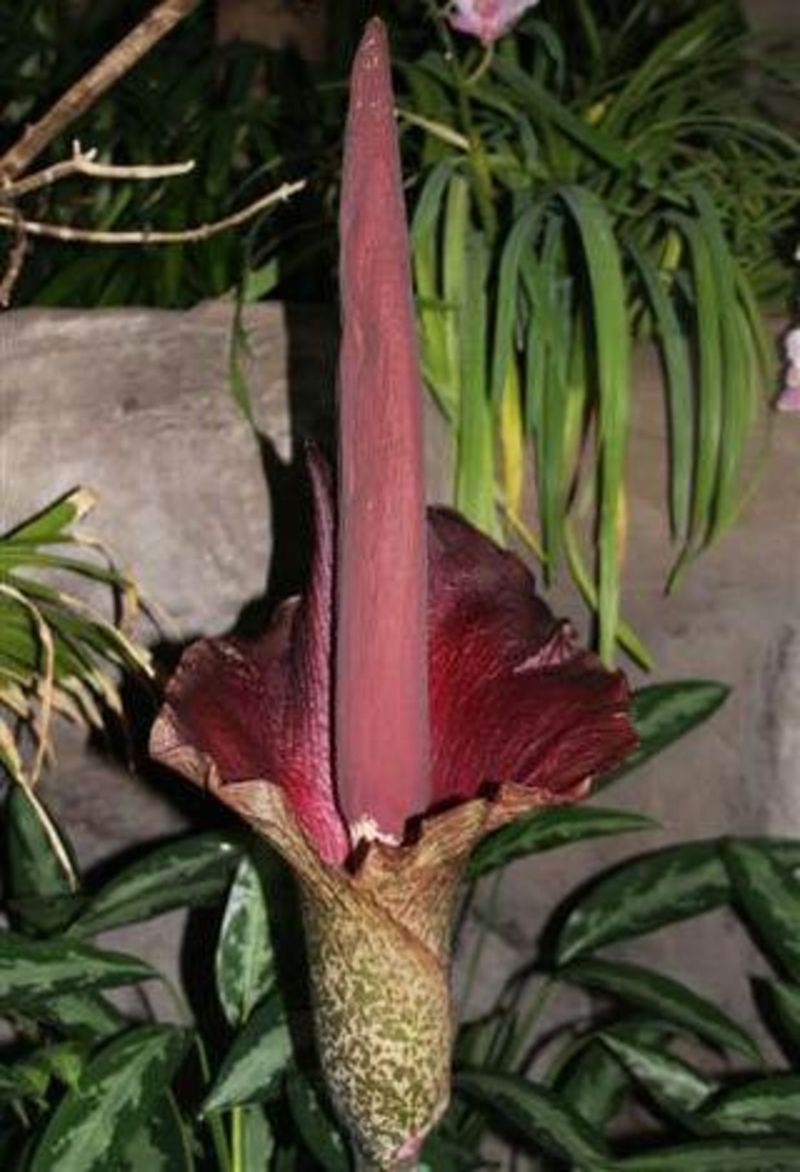
Gardeners with a taste for the theatrical absolutely adore this dramatic Asian native.
Voodoo lilies emerge from the ground in spring with a single, intricately patterned stem that looks like snakeskin, topped by an enormous umbrella-like leaf.
Before the foliage appears, the plant produces a spectacular flower that resembles a deep burgundy calla lily, often reaching two feet tall.
Like its larger cousin the corpse flower, this species releases an unpleasant odor during blooming to attract pollinating insects.
The smell only lasts a day or two, making it much more manageable for home gardeners than some other stinky species.
Florida’s warm climate allows voodoo lilies to grow vigorously, with the underground corms increasing in size each year and producing larger displays.
Many collectors across the state plant them in prominent garden beds where the exotic foliage creates a tropical focal point throughout summer.
The plants go dormant in winter, completely disappearing underground until warm weather returns the following spring.
This dormancy period makes them surprisingly low-maintenance, requiring no care while resting.
Propagation happens naturally as corms divide, allowing generous gardeners to share offsets with friends and fellow plant enthusiasts.
Specialty nurseries and online sellers offer voodoo lily corms, though sizes and prices vary considerably depending on the corm’s age and flowering potential.
Growing these conversation pieces gives Florida gardeners a reliable way to shock and delight visitors every spring.
6. Jade Vine (Strongylodon Macrobotrys)
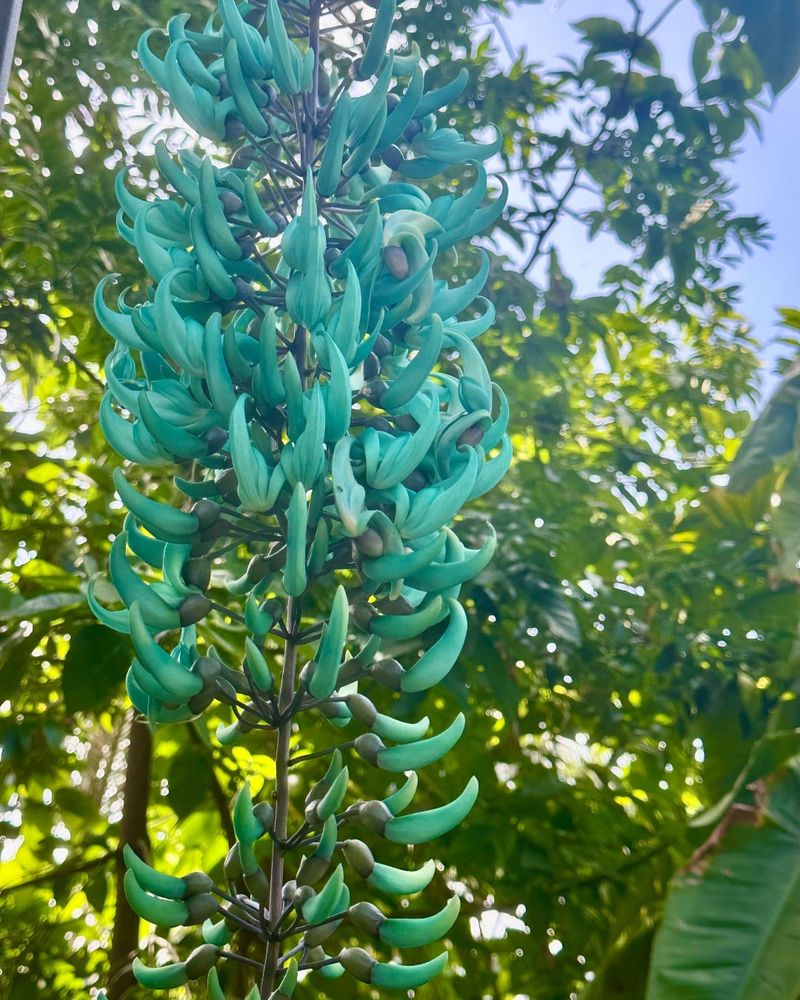
When you first see jade vine flowers, your brain struggles to process their impossible color.
The cascading clusters display a luminous blue-green shade that simply doesn’t exist in most flowering plants, looking more like precious gemstones than botanical specimens.
Each hanging raceme can contain over 100 individual claw-shaped flowers, creating a waterfall effect that leaves viewers speechless.
Native to Philippine rainforests, jade vines need strong support structures because mature plants become massive woody vines that can span 60 feet or more.
Florida gardeners in the warmest zones have the best success, particularly in areas that rarely experience temperatures below 50 degrees.
The plants demand high humidity, consistent moisture, and protection from direct afternoon sun, making them challenging but not impossible to cultivate.
Blooming occurs primarily in late winter and spring, with flowers lasting several weeks if bats or hand pollination occurs.
Without natural pollinators present in Florida, gardeners must manually transfer pollen if they hope to produce the large bean-like seed pods.
Many botanical gardens throughout South Florida maintain jade vine specimens, allowing visitors to witness these extraordinary flowers in person.
Acquiring plants requires persistence because few nurseries stock them regularly, and propagation from seeds or cuttings can be tricky.
Serious collectors willing to provide the right conditions find jade vines worth every bit of effort required.
A mature, blooming jade vine represents the pinnacle of rare plant cultivation in Florida gardens.
7. Monkey Face Orchid (Dracula Simia)
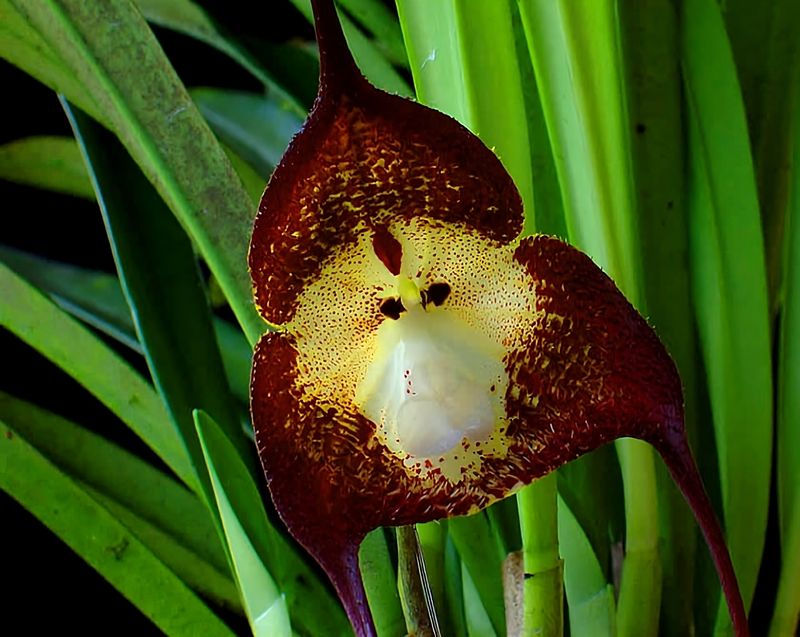
Mother Nature’s sense of humor shines brilliantly in this extraordinary orchid species.
Each flower displays markings that uncannily resemble a monkey’s face, complete with eyes, nose, and mouth, creating an effect that seems almost deliberately designed.
The resemblance becomes even more pronounced when you view the blooms straight-on, making them irresistible subjects for photography and social media sharing.
Native to high-elevation cloud forests in Ecuador and Peru, these orchids present significant challenges for Florida growers accustomed to warm temperatures.
Monkey face orchids prefer cool conditions, ideally between 50 and 70 degrees, which conflicts with Florida’s hot summers and mild winters.
Dedicated collectors in the state often resort to growing them in climate-controlled greenhouses or specially cooled growing chambers.
The plants can bloom year-round under proper conditions, with individual flowers lasting several weeks before fading.
Besides temperature requirements, they need high humidity, excellent air movement, and carefully managed watering to prevent root problems.
Most Florida gardeners who successfully grow monkey face orchids live in northern parts of the state where cooler winter temperatures help.
Finding these orchids for sale requires searching specialty orchid vendors or attending orchid shows where rare species dealers set up booths.
Prices tend to be higher than common orchids due to slower growth rates and limited availability.
Despite the difficulties, owning an orchid that literally makes people smile remains a worthy goal for serious Florida collectors.
8. Titan Arum (Amorphophallus Titanum)
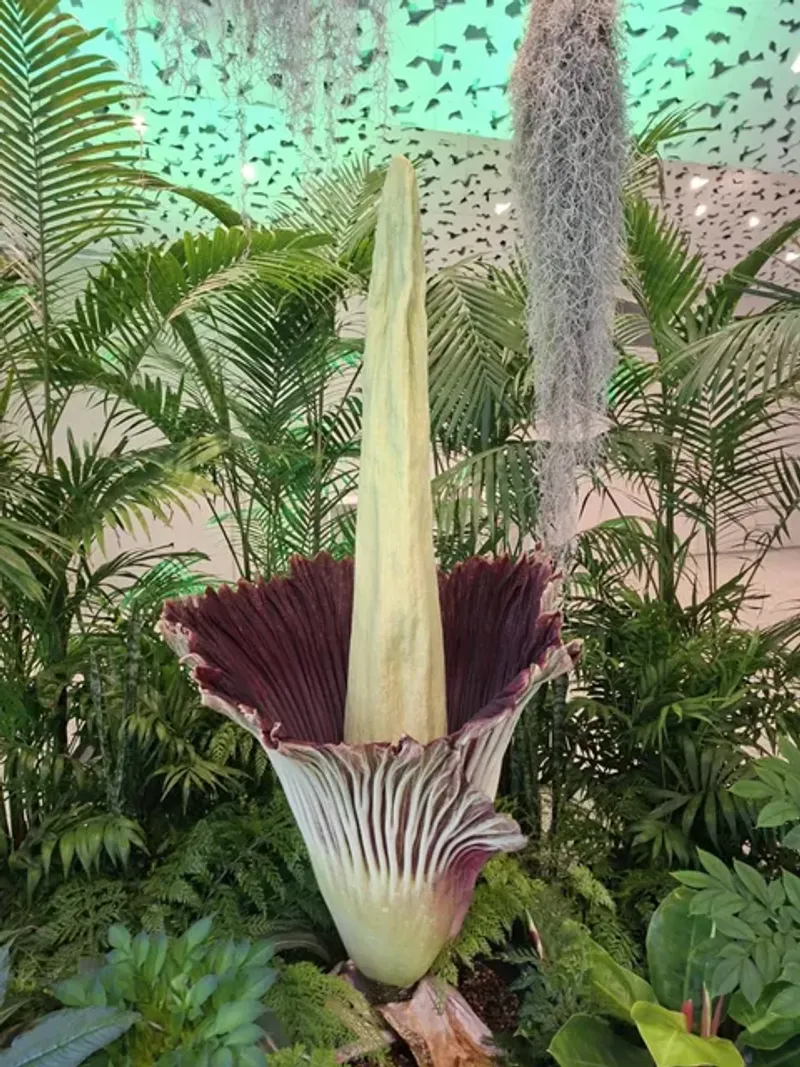
Botanical gardens around the world announce titan arum blooming events like major news stories, and for good reason.
This Sumatran giant produces the largest unbranched flower structure on Earth, sometimes exceeding ten feet in height when fully developed.
The bloom consists of a tall central spadix surrounded by a massive pleated spathe that unfurls in shades of deep burgundy and chartreuse.
Like other members of its genus, the titan arum releases a powerful rotting smell during its brief blooming period to attract carrion beetles and flesh flies.
Blooming happens only once every several years, making each event a rare spectacle that draws crowds of curious onlookers.
Growing titan arums in Florida requires substantial space because the plants produce enormous leaves between blooming cycles, sometimes reaching 15 feet tall.
The underground corm grows larger each year, eventually weighing over 200 pounds in mature specimens.
South Florida’s warm, humid climate closely matches the plant’s native environment, giving dedicated growers a reasonable chance of success.
Most private collectors lack the space and resources needed, so titan arums remain primarily in institutional collections at Florida botanical gardens.
However, serious enthusiasts with large properties occasionally acquire younger plants and commit to the long-term care required.
When bloom time approaches, growers monitor the developing bud daily because the actual flowering window lasts only about 36 hours.
Witnessing a titan arum bloom in person remains on the bucket list of virtually every passionate Florida gardener.