7 Rare Native Florida Trees You’ll Almost Never See At Garden Centers
Florida has no shortage of beautiful native trees, yet some of the most interesting ones remain strangely absent from most garden centers.
Homeowners often see the same familiar picks again and again, while lesser-known native species stay overlooked despite their beauty, resilience, and value to local landscapes.
That makes this kind of tree especially exciting for gardeners who want something more distinctive than the usual lineup.
Many of these natives offer impressive shade, seasonal color, wildlife benefits, or a stronger connection to Florida’s natural character, but they rarely make it onto nursery benches in a big way.
Some grow too slowly for mass sales, some stay too unfamiliar, and some simply never get the attention they deserve. For anyone ready to move beyond the standard choices, these hard-to-find Florida natives can open the door to a landscape that feels far more original, regional, and rewarding.
1. Bahama Strongbark Brings Rare Beauty To Small Spaces
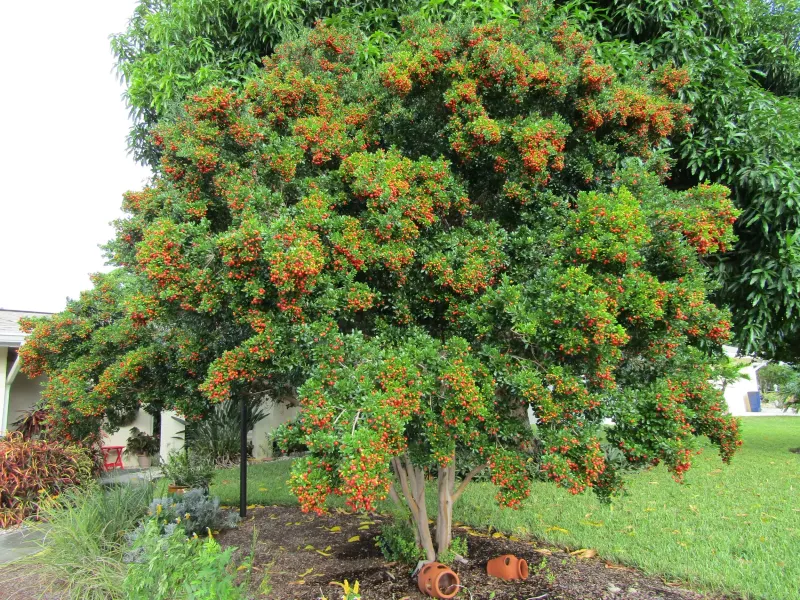
Not many trees can pull off being both elegant and nearly invisible at the same time, but Bahama strongbark manages it with quiet confidence. This small native tree, known scientifically as Bourreria succulenta, is a real standout for South Florida gardeners who want something beyond the ordinary.
It maxes out at around 20 feet, which makes it a natural fit for tighter yard spaces, narrow garden beds, or spots where a large canopy tree would simply overwhelm the area.
Bahama strongbark produces clusters of small white flowers that attract pollinators, followed by bright orange-red fruits that birds absolutely love. The glossy green foliage stays attractive year-round, giving your landscape a clean, finished look without a lot of fuss.
In South Florida and the Florida Keys, this tree fits right into coastal hammock-style plantings and works beautifully alongside other native shrubs and groundcovers.
You will rarely spot this tree at a standard garden center, so your best bet is checking with a Florida native plant nursery or attending a local native plant society sale. Once established, Bahama strongbark is surprisingly low-maintenance and handles the warm, humid conditions of South Florida with ease.
Because Bahama strongbark is a rare native in Florida, it is best treated as a specialty tree sourced through reputable native plant nurseries.
2. Florida Keys Blackbead Is The Native Tree Most Gardeners Never Think About
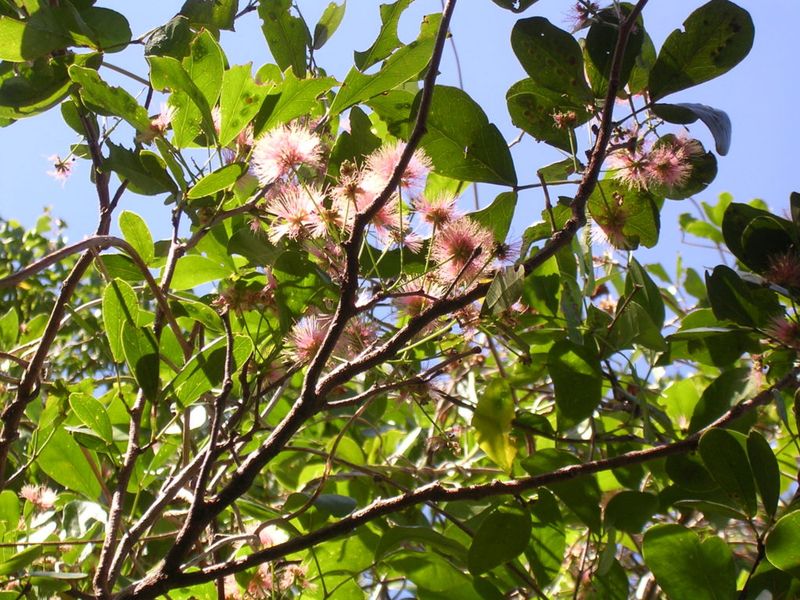
Tucked into the hammocks of the Florida Keys and the southernmost edges of South Florida, Florida Keys blackbead is a native tree that most gardeners have never even considered. Pithecellobium keyense is its scientific name, and it belongs to a landscape where salt air, sandy soil, and intense sun are simply part of daily life.
This is not a tree you will find sitting in a black plastic pot at your local garden center in Central or North Florida.
What makes it special is the combination of feathery, tropical-looking foliage and striking seed pods that split open to reveal shiny black seeds with a flash of red. The visual contrast is genuinely eye-catching, and the tree serves as a host plant for several butterfly species, adding real ecological value to any Keys-area yard.
It tends to grow as a large shrub or small tree, typically staying under 20 feet.
Florida Keys blackbead thrives in the rocky, alkaline soils common throughout the Keys and coastal Miami-Dade County. If you garden anywhere in that region, this tree is worth seeking out through a specialty native nursery.
Planting it can support local biodiversity in the Florida Keys and far South Florida, where native habitat has become increasingly fragmented.
3. Jamaican Caper Adds Florida Character In A Slim Footprint
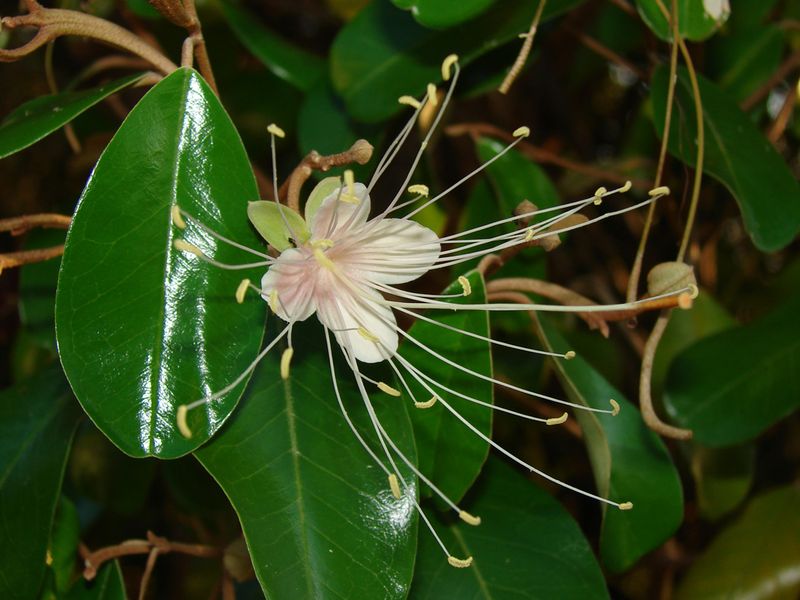
Few native trees can match the sheer showiness of Jamaican caper in full bloom. Cynophalla jamaicensis, formerly known as Capparis cynophallophora, produces dramatic flowers with long white and purple stamens that look almost otherworldly up close.
For a tree that stays relatively compact, it delivers a surprisingly bold visual punch, which is exactly what gardeners in warmer parts of Florida are looking for.
Jamaican caper is a natural fit for South Florida landscapes, where it grows as a small to medium tree or large shrub, typically reaching 15 to 20 feet. Its narrow growth habit makes it a smart choice for tight spaces, property borders, or spots where you need height without width.
The glossy, dark green leaves stay on year-round, and the tree handles salt spray, drought, and poor soils with remarkable toughness.
In the Florida Keys and coastal Miami-Dade County, Jamaican caper is a proven performer in native hammock plantings. It attracts butterflies and provides cover for birds, making it a dual-purpose addition to any wildlife-friendly yard.
Gardeners outside South Florida will usually find this tree harder to source and less broadly adapted, but for those in the southern half of the state, it is a genuinely rewarding native to track down and plant.
4. Crabwood Delivers Color Without Begging For Attention
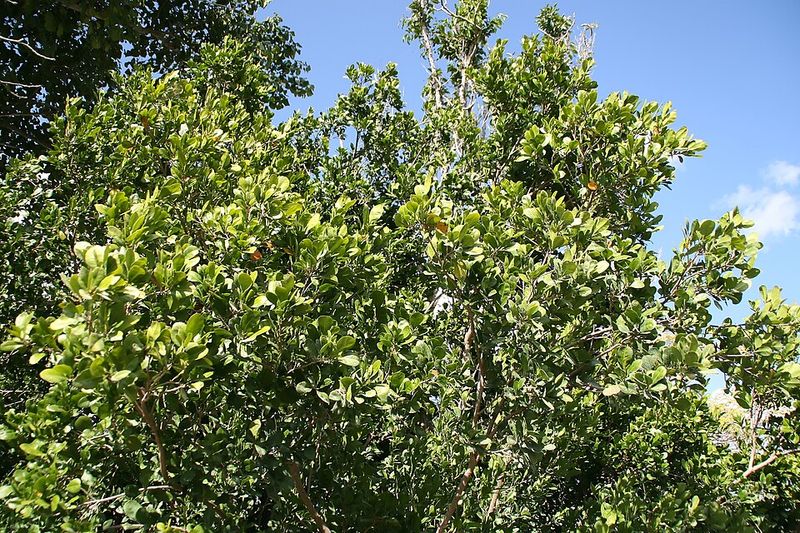
Some trees announce themselves loudly, and others earn their place through steady, quiet charm. Crabwood, or Ateramnus lucidus, falls firmly into the second category, and that understated quality is exactly what makes it so appealing for Florida gardeners who are tired of high-maintenance showpieces.
The new growth flushes with a warm reddish or bronze tone before maturing to a rich, glossy green, giving the tree a subtle seasonal color shift that keeps things interesting throughout the year.
Crabwood is a South Florida native tree with a neat form and attractive foliage that deserves more attention in warm native-friendly landscapes. It handles the heat, humidity, and occasional drought conditions that Florida gardeners deal with regularly.
The dense canopy provides good shade, and the tree has a relatively tidy growth habit that does not demand constant pruning to stay presentable.
Despite all of this, crabwood is almost completely absent from mainstream garden centers. You will not find it next to the crape myrtles or ligustrum hedges at the big box stores.
Specialty native nurseries in South Florida are your best option, and some university extension programs in the state have highlighted it as an underused native worth incorporating into more landscapes. Once you find it, you will wonder why it took so long to get noticed.
5. Lignum Vitae Feels Like A True Collector’s Find
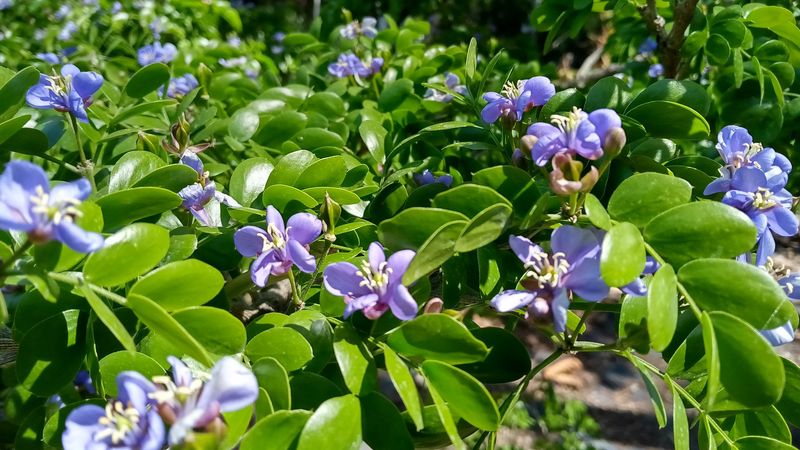
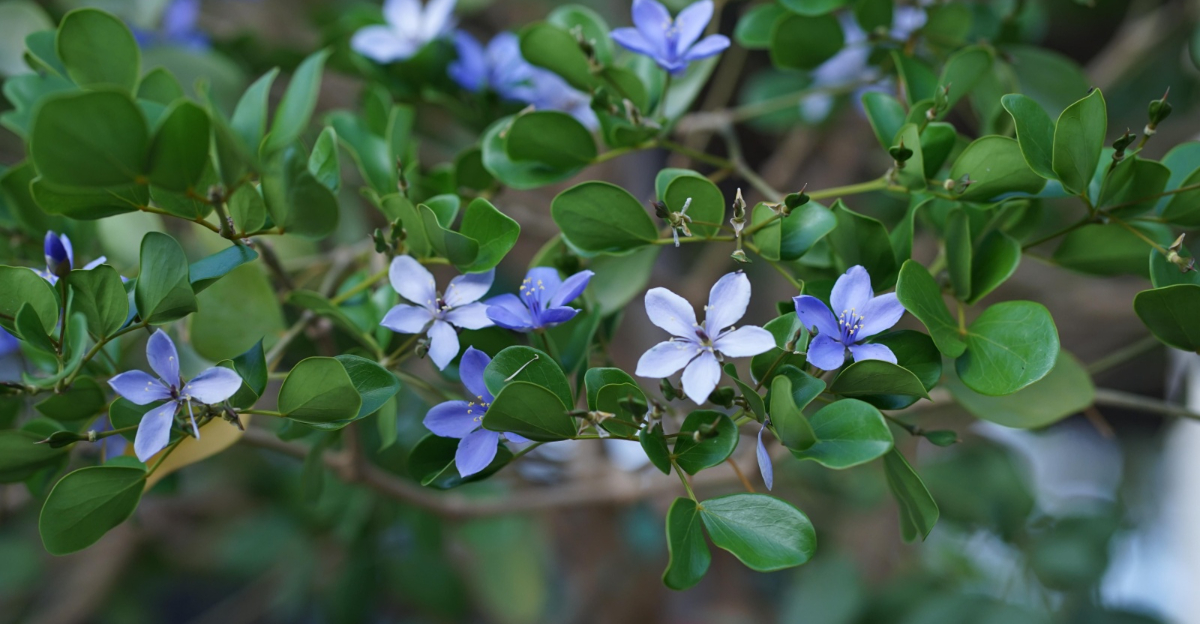
There is a moment that happens when a serious native plant enthusiast first encounters lignum vitae in bloom, and it tends to stop people in their tracks. The clusters of vivid blue-purple flowers are striking in a way that seems almost out of place for a Florida native tree.
Guaiacum sanctum is one of the rarest native trees in the state, found naturally only in the Florida Keys, and it carries a reputation as one of the most prized collector’s finds in Florida horticulture circles.
Beyond the flowers, lignum vitae is famous for producing some of the hardest, densest wood in the world. Historically, it was harvested so heavily for industrial and medicinal uses that wild populations were pushed to the edge.
Today, it is a protected species, and finding nursery-grown specimens requires real effort and some patience. Any tree offered for sale should be nursery-propagated, not collected from the wild.
This is absolutely not a tree you will stumble across at a typical Florida garden center.
For gardeners in the Florida Keys or the warmest corners of South Florida, planting a nursery-propagated lignum vitae is a genuinely meaningful act of conservation. The tree is slow-growing and long-lived, which means it rewards patient gardeners rather than those looking for quick results.
If you are serious about rare Florida natives, this is the kind of tree to seek out carefully through reputable specialty growers.
6. Marlberry Quietly Earns A Spot In Florida Landscapes
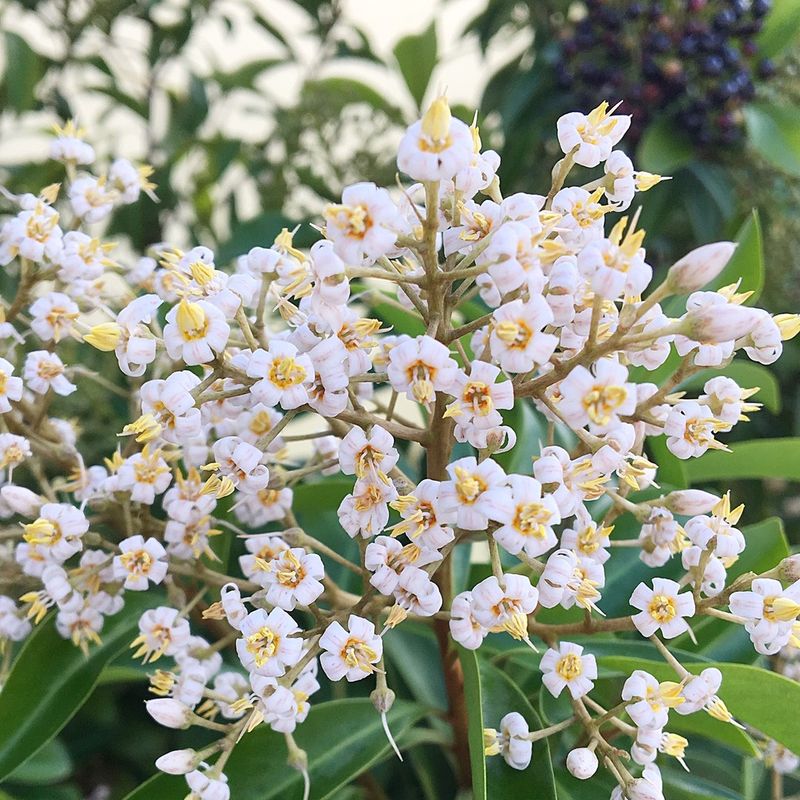
Marlberry does not walk into a room and demand attention. Ardisia escallonioides grows at its own pace, stays tidy without much help, and produces a steady supply of dark berries that songbirds absolutely cannot resist.
For Florida gardeners who are more interested in building a functional, wildlife-friendly yard than chasing the flashiest new plant, marlberry is the kind of quiet overachiever that rewards patience and observation.
This native large shrub or small tree is found naturally in parts of Florida, typically growing in hammock edges and shaded understory environments. It tolerates shade better than many other native trees, which makes it a practical choice for spots under a larger canopy where most plants struggle to establish.
Clusters of small white to pinkish flowers appear seasonally and have a pleasant fragrance that adds another layer of sensory interest to the landscape.
Marlberry usually stays in the large shrub to small tree range, which suits it well for residential yards, native plant gardens, and naturalistic buffer plantings. It is not a tree that will transform your yard overnight, but over time it builds into a reliable, attractive fixture that earns its keep season after season.
Native plant nurseries in Florida are your best source, since commercial garden centers rarely carry it despite its genuine landscape value.
7. Torchwood Is A Hidden Gem For The Florida Keys
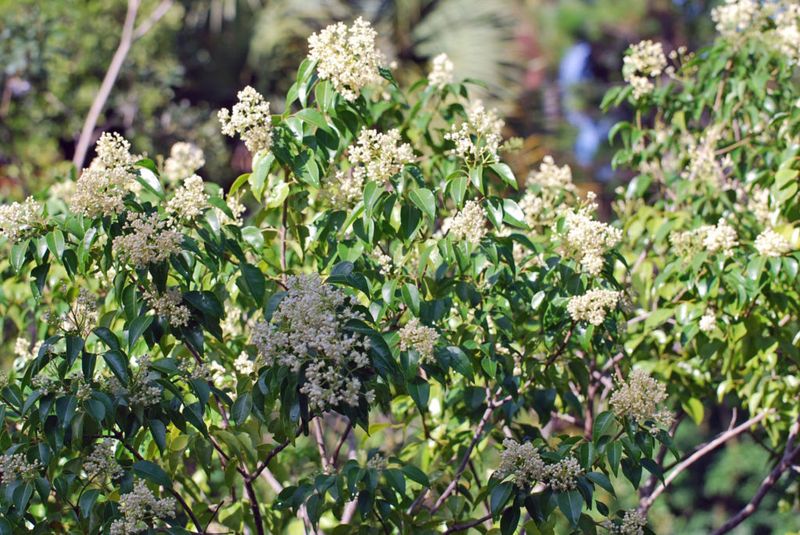
If you spend time exploring the native hammocks of the Florida Keys, you might come across a small tree with intensely aromatic wood and a presence that feels almost ancient. Amyris elemifera, commonly called torchwood, earned its name because the resin-rich wood burns so readily that early settlers reportedly used branches as torches.
That detail alone gives it a personality that most nursery trees simply cannot match.
Torchwood is most strongly associated with the Florida Keys and South Florida, making it a regional specialty rather than a broad statewide recommendation. It thrives in the rocky, alkaline soils and full sun conditions of the Keys, where it grows as a large shrub or small tree reaching up to 20 feet.
The foliage is glossy and aromatic when crushed, and the tree produces small white flowers followed by dark berries that attract birds and other wildlife to the landscape.
For Keys gardeners looking to restore a sense of place to their yards, torchwood is one of the most authentic choices available. It supports the Schaus swallowtail butterfly, one of Florida’s most endangered butterfly species, as a larval host plant, which gives it serious ecological credibility.
Finding nursery-grown torchwood takes some effort since it rarely appears at mainstream garden centers, but specialty native nurseries in South Florida and Keys-area conservation groups are worth contacting directly.