Read This Before Using Eggshells In Your Florida Garden
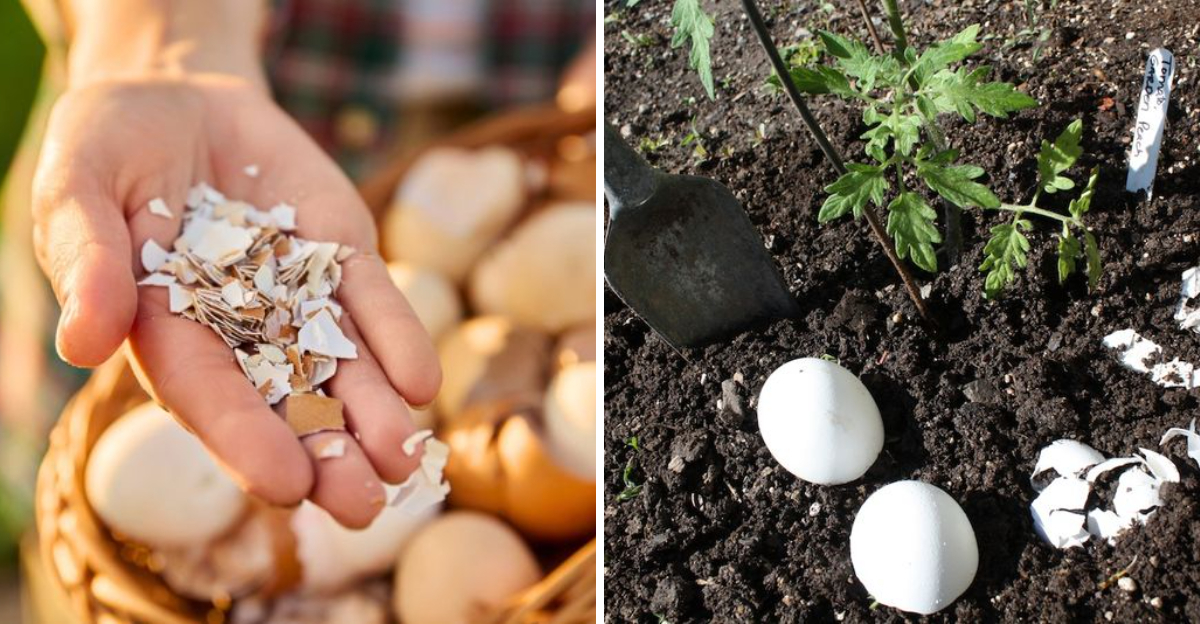
Before you toss another eggshell into your garden bed, pause for a second. It sounds like a perfect natural trick, right?
Free fertilizer, extra calcium, and healthier plants. Florida gardeners hear this tip all the time, but the truth isn’t as simple as social media makes it seem.
Between sandy soil, heavy rain, and our unique climate, eggshells don’t always work the way people expect. Used the wrong way, they can do almost nothing or even create new problems in your soil.
Used the right way, they can actually help. What you’re about to learn can save you time, wasted effort, and disappointment in your garden.
1. Start Saving Eggshells The Smart Way
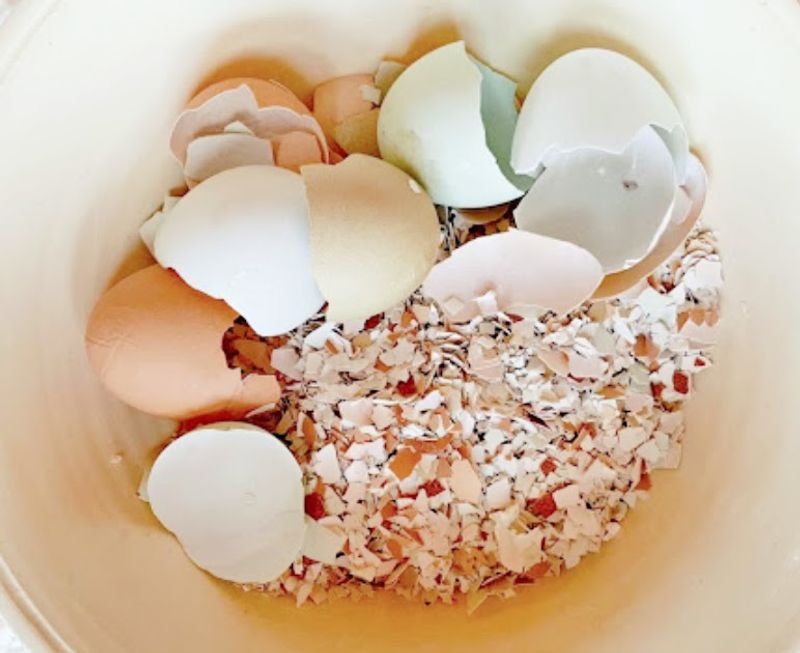
Most gardeners toss wet eggshells into a container and wonder weeks later why they smell strange or attract pests. Proper eggshell preparation starts the moment you crack that morning egg.
Rinse each shell thoroughly under running water to remove any remaining egg white or membrane, which can create odors and invite fruit flies into your kitchen.
After rinsing, let the shells air dry completely on a towel or in a colander for at least 24 hours. Florida humidity can slow drying unless shells are spread thin and well ventilated, so patience matters here.
Once fully dry, crush them into small pieces using a mortar and pestle, rolling pin, or even a blender for finer texture.
Store your crushed shells in a breathable container like a paper bag or cardboard box rather than sealed plastic. This prevents moisture buildup that could encourage mold growth.
A gallon-size paper bag works perfectly and fits nicely under most kitchen sinks.
The smaller you crush the shells, the faster they’ll break down in your soil. Powder-fine eggshells release calcium more quickly than large chunks, though even ground shells take months to become plant-available in Florida conditions.
Saving a few months’ worth gives you enough volume to make a real difference in your garden beds.
2. Use Eggshells To Boost Soil Health
Eggshells are made up of about 95 percent calcium carbonate, which equals roughly 40 percent elemental calcium by weight. That sounds impressive until you consider how slowly this mineral becomes available to plants.
Your Florida garden benefits most when eggshells work as part of a broader soil health strategy rather than a quick calcium fix. The real value comes from their gradual contribution to your soil’s mineral profile over multiple growing seasons.
Sandy Florida soils drain quickly and lose nutrients through leaching, especially during summer rainstorms. Adding eggshells to your compost pile or garden beds provides a slow-release calcium source.
Once calcium is released, however, it can still move through sandy soil like other soluble nutrients. This steady supply matters more than a sudden calcium spike.
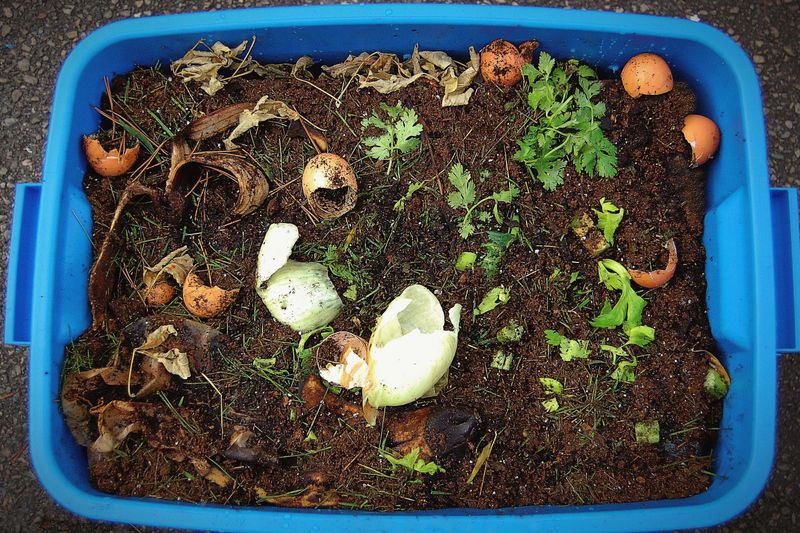
When you incorporate crushed eggshells into compost, they help balance pH and add structure to the finished product. The shells break down faster in compost than in soil because of the heat and microbial activity.
Your finished compost will contain calcium in a form that becomes plant-available faster than raw eggshells applied directly to soil.
Think of eggshells as a soil investment rather than an immediate solution. They improve mineral content gradually while supporting beneficial soil organisms that help break them down.
This long-term approach matches Florida’s year-round growing season better than quick fixes that wash away with the next tropical downpour.
3. Avoid The Biggest Eggshell Gardening Myth
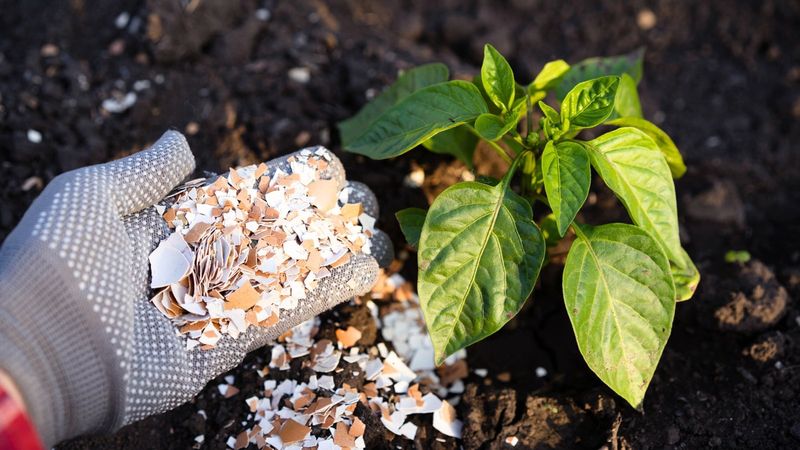
Walk into any garden discussion and someone will mention sprinkling eggshells around tomatoes to prevent blossom end rot. This widespread belief causes more disappointment than almost any other gardening myth in Florida.
Blossom end rot happens when plants cannot take up enough calcium during fruit development, but the problem rarely stems from insufficient calcium in the soil.
Many Florida soils contain adequate calcium, especially in coastal and limestone-influenced areas, but large portions of the state still have calcium-poor sandy soils. Only a soil test can confirm this.
Some University of Florida soil tests will show sufficient calcium levels even if you’ve never added amendments, especially in limestone-influenced regions. The real issue involves water stress, which prevents roots from absorbing the calcium that’s already present in your sandy soil.
When tomato plants experience inconsistent watering, their roots cannot maintain steady calcium uptake. Hot Florida days followed by heavy afternoon rains create exactly this pattern.
The plant cannot transport calcium to developing fruits quickly enough, causing that characteristic dark, sunken spot on the blossom end.
Adding more eggshells to soil that already contains adequate calcium does nothing to solve the water uptake problem. You’re much better off maintaining consistent soil moisture through mulching and regular watering.
Focus on helping your plants access the calcium that’s already there rather than adding more material that takes months to break down into plant-available forms.
4. Know When Eggshells Actually Work
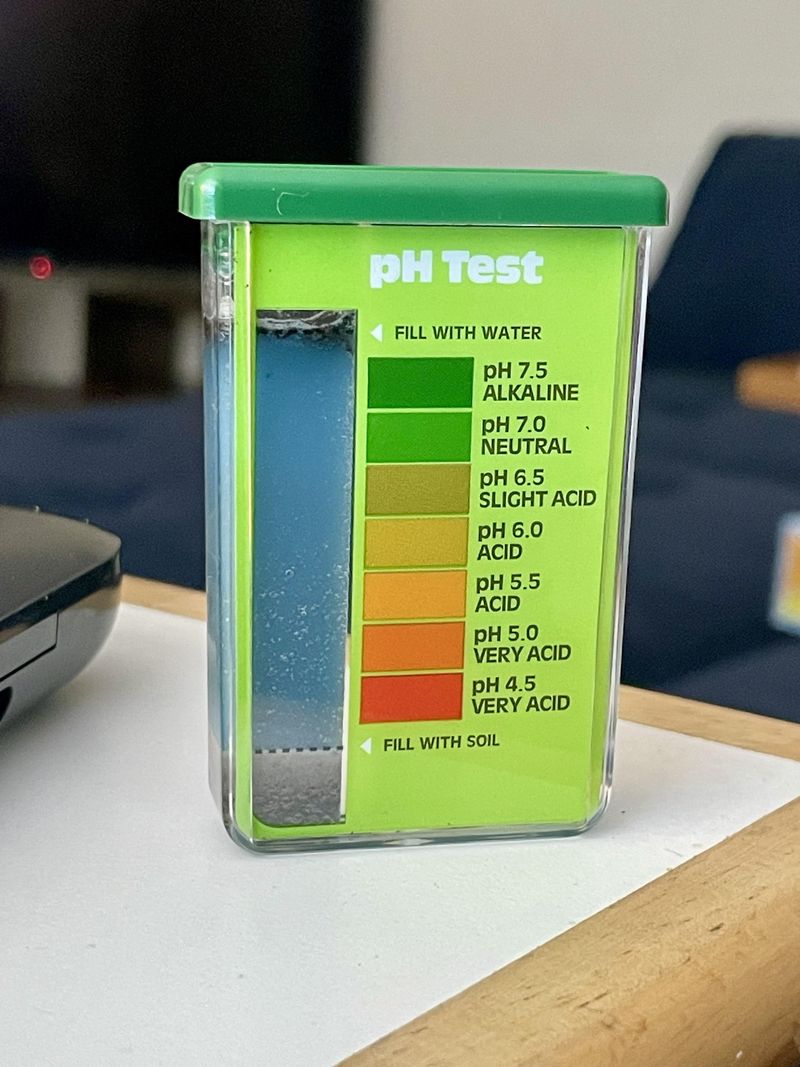
Eggshells serve their best purpose when your soil test reveals genuinely low calcium levels or overly acidic conditions. Some Florida properties have naturally acidic soils, especially under pine trees or in areas with heavy leaf litter accumulation.
These situations create genuine opportunities for eggshell amendments to make a measurable difference over time.
Sandy soils with pH below 6.0 benefit from the calcium carbonate in eggshells, which acts as a mild liming agent. The shells won’t raise pH dramatically like agricultural lime does, but they contribute to gradual improvement when used consistently.
This slow action actually works well for Florida gardeners who want to avoid overcorrecting soil chemistry.
Vegetable gardens that grow heavy feeders like tomatoes, peppers, and squash year after year may eventually deplete calcium reserves. If your soil test shows declining calcium levels despite regular composting, eggshells become a sensible supplement.
They work best when applied several months before planting so breakdown can begin.
Container gardens may see limited long-term benefit from eggshell additions, but most commercial potting mixes already contain added limestone for calcium and pH buffering.
Eggshells work slowly and should not be relied on as a primary calcium source for one-season container crops.
If you choose to use eggshells in containers, mix only finely crushed powder into the soil at planting. Even then, benefits are modest and long-term rather than immediate.
5. Adjust For Florida’s Unique Soil Conditions
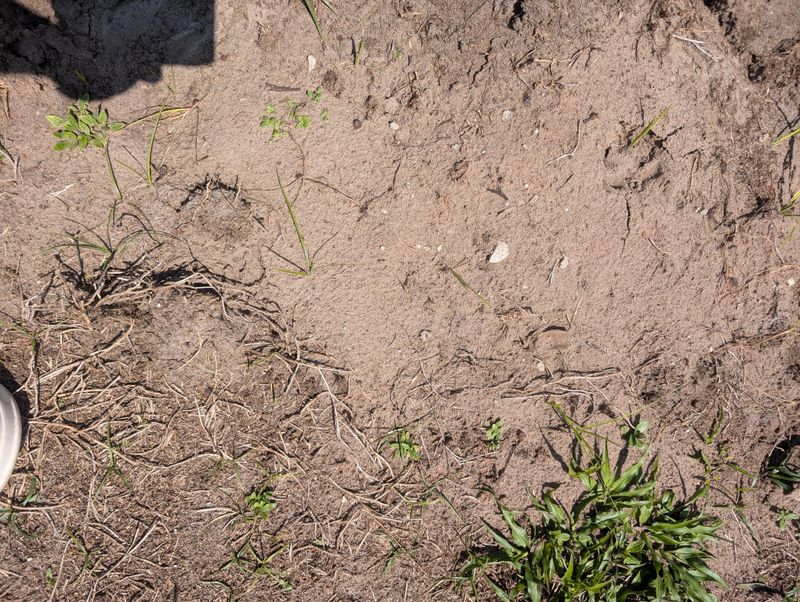
Florida’s sandy soils behave completely differently from the clay-rich soils where most gardening advice originates. Your soil particles are large and loosely packed, creating excellent drainage but poor nutrient retention.
This texture affects how quickly eggshells break down and whether that calcium stays available to plant roots.
Warm soil temperatures year-round should theoretically speed up eggshell decomposition compared to northern gardens. However, rapid drainage and frequent rainfall mean that even as shells begin releasing calcium, that mineral can move downward through sandy soil profiles before shallow roots absorb it.
This creates a situation where calcium may shift deeper in the soil instead of remaining near the surface root zone.
The solution involves combining eggshells with organic matter that holds nutrients in place. Mix crushed shells into compost, aged manure, or leaf mold before applying to garden beds.
The organic material acts like a sponge, helping retain calcium near the root zone longer instead of allowing rapid downward movement.
Your soil’s existing pH also matters tremendously. Most Florida soils range from slightly acidic to neutral, which is actually ideal for eggshell breakdown.
Extremely acidic soils dissolve shells faster but may indicate other nutrient imbalances that need attention. Get that soil test done before assuming eggshells will solve problems that might require different amendments entirely.
6. Apply Eggshells The Right Way
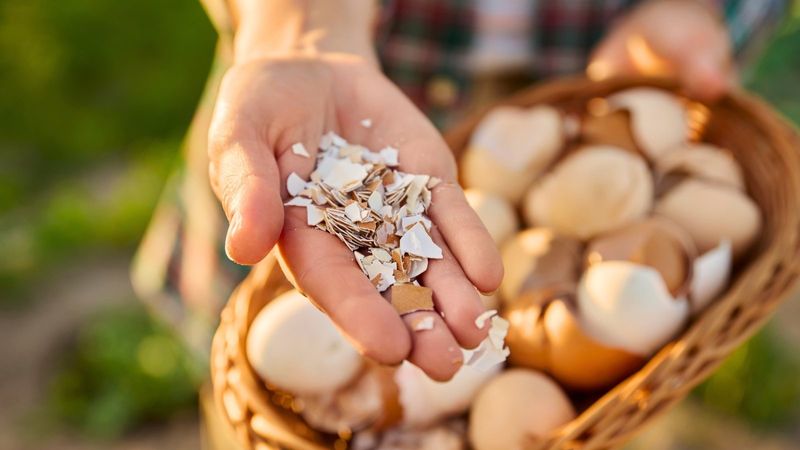
Surface application looks easy but delivers the poorest results in Florida gardens. Shells sitting on top of soil take even longer to break down and may simply blow away during afternoon thunderstorms or when you’re watering.
Proper application means getting those crushed shells into contact with soil and moisture where decomposition can actually happen.
Work crushed eggshells into the top four to six inches of soil when preparing beds for planting. This depth puts them in the root zone where calcium will eventually become available as shells break down.
Use a garden fork or tiller to incorporate shells thoroughly rather than leaving them in concentrated pockets.
For established garden beds, apply crushed shells as a topdressing and then cover with mulch. The mulch holds shells in place while maintaining soil moisture that aids decomposition.
This method works especially well around perennial vegetables and herbs that you won’t be digging up seasonally.
Timing matters more than most gardeners realize. Apply eggshells at least three to four months before you expect plants to need that calcium.
Fall application for spring vegetables gives shells time to begin breaking down. Expecting immediate results from fresh eggshell application sets you up for disappointment because the timeline simply doesn’t work that way in any soil type, including Florida’s warm sands.
7. Skip These Common Eggshell Mistakes
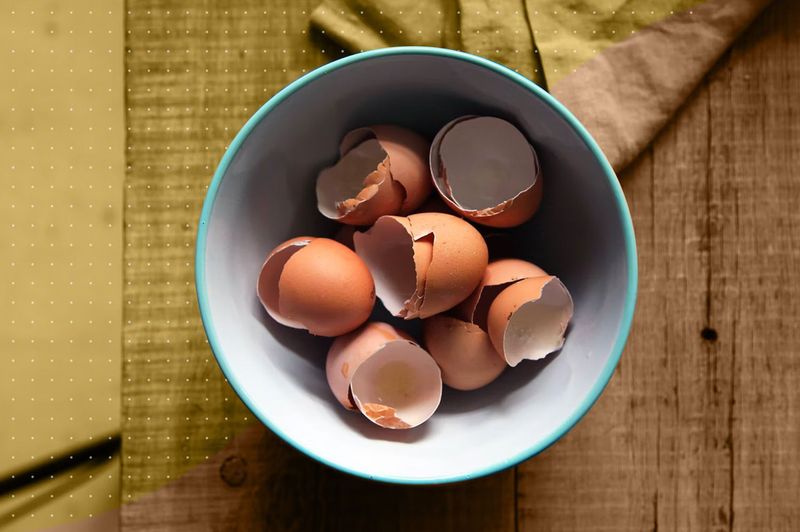
Gardeners often toss whole or barely crushed eggshells directly onto garden beds and wait for magic that never arrives. Large shell pieces can take years to break down in Florida soil, providing virtually no benefit during that time.
This wastes both your effort in collecting shells and the potential value they could provide if prepared correctly.
Another common error involves applying eggshells right when plants show calcium deficiency symptoms. By the time you notice blossom end rot or tip burn, that growing season is essentially over for affected fruits.
Eggshells cannot possibly break down quickly enough to help the current crop, making this timing completely ineffective.
Overusing eggshells because they seem harmless creates problems too. Extremely high calcium levels can interfere with magnesium and potassium uptake, although this usually only occurs with heavy repeated applications over time.
Just because eggshells come from your kitchen doesn’t mean you can apply unlimited quantities without consequences. Moderation matters even with organic amendments.
Forgetting to test your soil before adding eggshells wastes time and effort. Many Florida gardeners discover through testing that their soil already contains adequate calcium, making eggshell additions unnecessary.
That same soil test might reveal deficiencies in other nutrients that actually need your attention, guiding you toward amendments that will make a real difference in plant health and productivity.
8. Target The Plants That Benefit Most
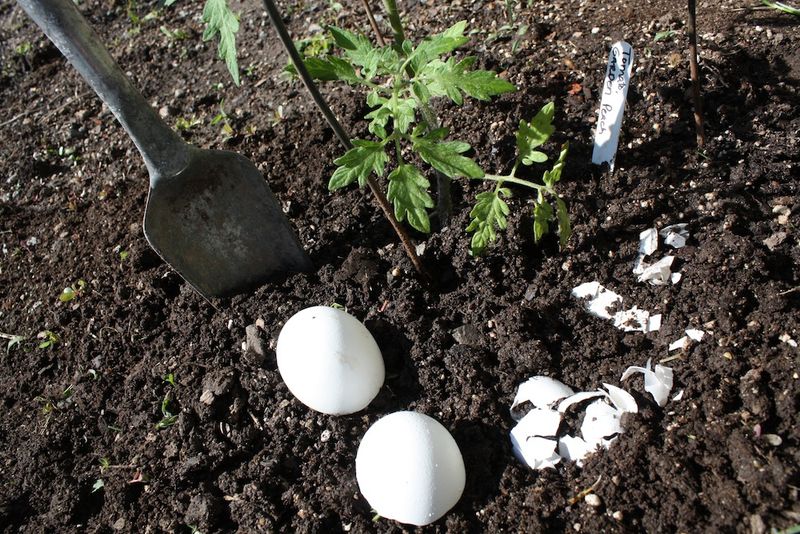
Tomatoes, peppers, and eggplants belong to the same plant family and share similar calcium needs during fruit development. These vegetables benefit most from long-term eggshell applications when soil tests confirm calcium would help.
Their extended growing season in Florida means they pull significant nutrients from soil, making strategic amendments worthwhile.
Brassicas like broccoli, cabbage, and kale also appreciate calcium for developing strong cell walls that resist disease. These cool-season crops grow during Florida’s fall and winter months when soil biological activity slows down.
Apply eggshells to brassica beds during summer so some breakdown occurs before you transplant seedlings in autumn.
Leafy greens including lettuce, spinach, and chard develop better texture and structure with adequate calcium. These fast-growing crops benefit from calcium that’s already available in soil rather than waiting for eggshells to decompose.
Consider them secondary beneficiaries of eggshell applications made months earlier for other crops.
Fruit trees and berry bushes make excellent long-term targets for eggshell amendments. These perennials stay in place for years, giving shells plenty of time to break down and contribute calcium to the root zone.
Apply crushed shells around the drip line of citrus trees or blueberry bushes annually as part of your regular fertilization routine for cumulative benefits over multiple growing seasons.
9. Switch To Faster Calcium Sources When Needed
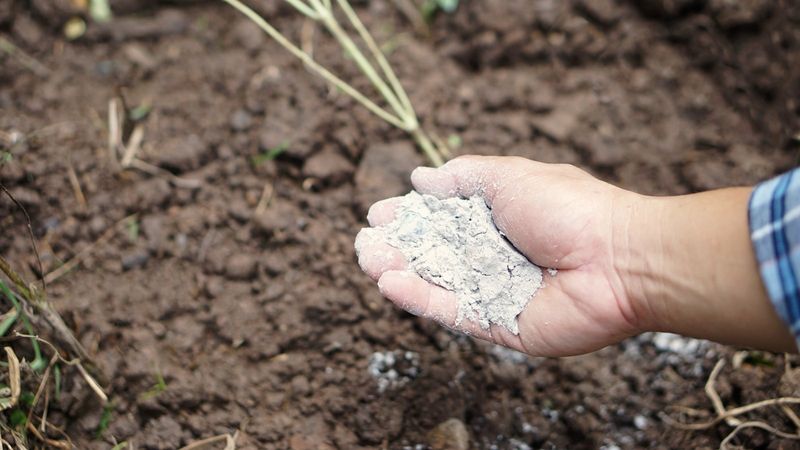
Sometimes your garden needs calcium faster than eggshells can possibly deliver. Transplanting vegetables that will fruit within 60 days means you cannot wait months for shell decomposition.
In these situations, water-soluble calcium products or fast-acting lime provide the immediate availability your plants require for the current growing season.
Garden lime raises pH while supplying calcium, making it ideal for acidic Florida soils under pine trees or in heavily mulched areas. Lime works within weeks rather than months, correcting both acidity and calcium deficiency before you plant.
Save your eggshells for maintenance applications after lime has addressed urgent problems.
Gypsum provides calcium without changing soil pH, which matters when your Florida soil tests at an acceptable pH but shows low calcium. This amendment dissolves faster than eggshells and delivers results during the same growing season.
Use gypsum when you need calcium specifically without the liming effect.
Liquid calcium foliar sprays provide the fastest calcium contact with plant tissue, but they do not reliably correct blossom end rot and offer only limited short-term benefit. These products cannot fix underlying soil problems but can help developing fruits on this season’s tomatoes while you address soil calcium for next year.
Think of foliar calcium as emergency intervention while eggshells and other amendments work on long-term soil improvement that prevents future problems from developing.
10. Build A Complete Soil Amendment Strategy
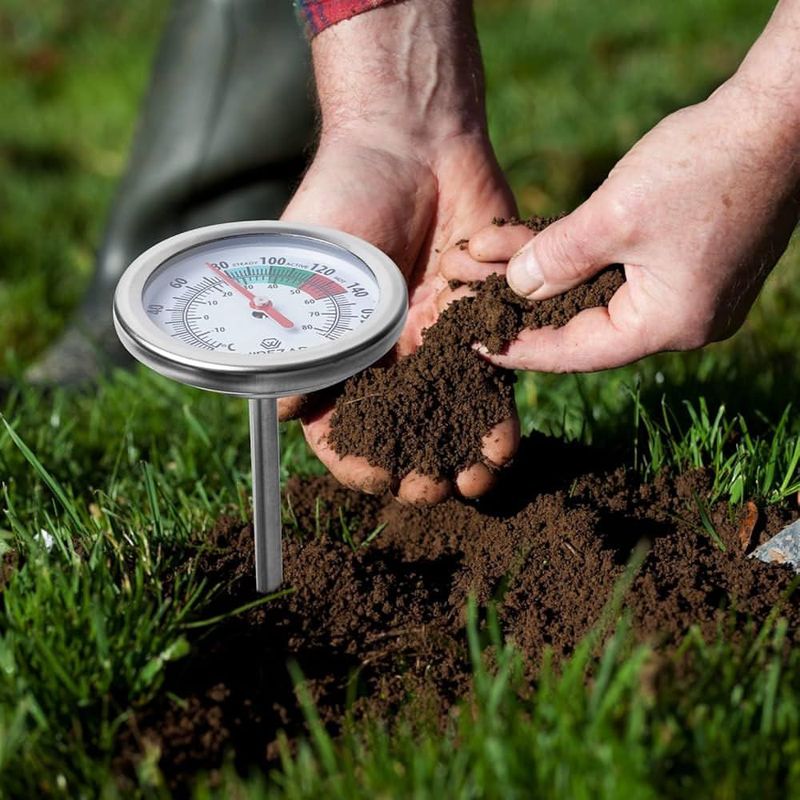
Eggshells work best as one component of a thoughtful soil management approach rather than a standalone solution. Your Florida garden thrives when you address all nutrient needs based on actual soil test results instead of guessing which amendments might help.
This systematic approach prevents the common mistake of focusing on one nutrient while ignoring others.
Start each growing year with a soil test through your county extension office. Results show exactly which nutrients need attention and which are already adequate.
This information guides your amendment choices and prevents you from adding materials your soil doesn’t actually need, saving both money and effort.
Organic matter improves everything in sandy Florida soil regardless of specific nutrient levels. Compost, aged manure, and leaf mold increase water retention, support beneficial microbes, and help hold nutrients in place.
Layer these materials with your crushed eggshells for combined benefits that exceed what any single amendment provides alone.
Balance matters more than abundance when building soil fertility. Too much of any nutrient, even calcium from eggshells, can create problems by blocking uptake of other essential minerals.
Follow soil test recommendations for quantities and timing rather than assuming more is always better. Your goal involves creating stable, balanced soil that supports healthy plants season after season without constant intervention or correction.