6 Reasons Birds Aren’t Coming To Your Texas Yard And How To Fix It
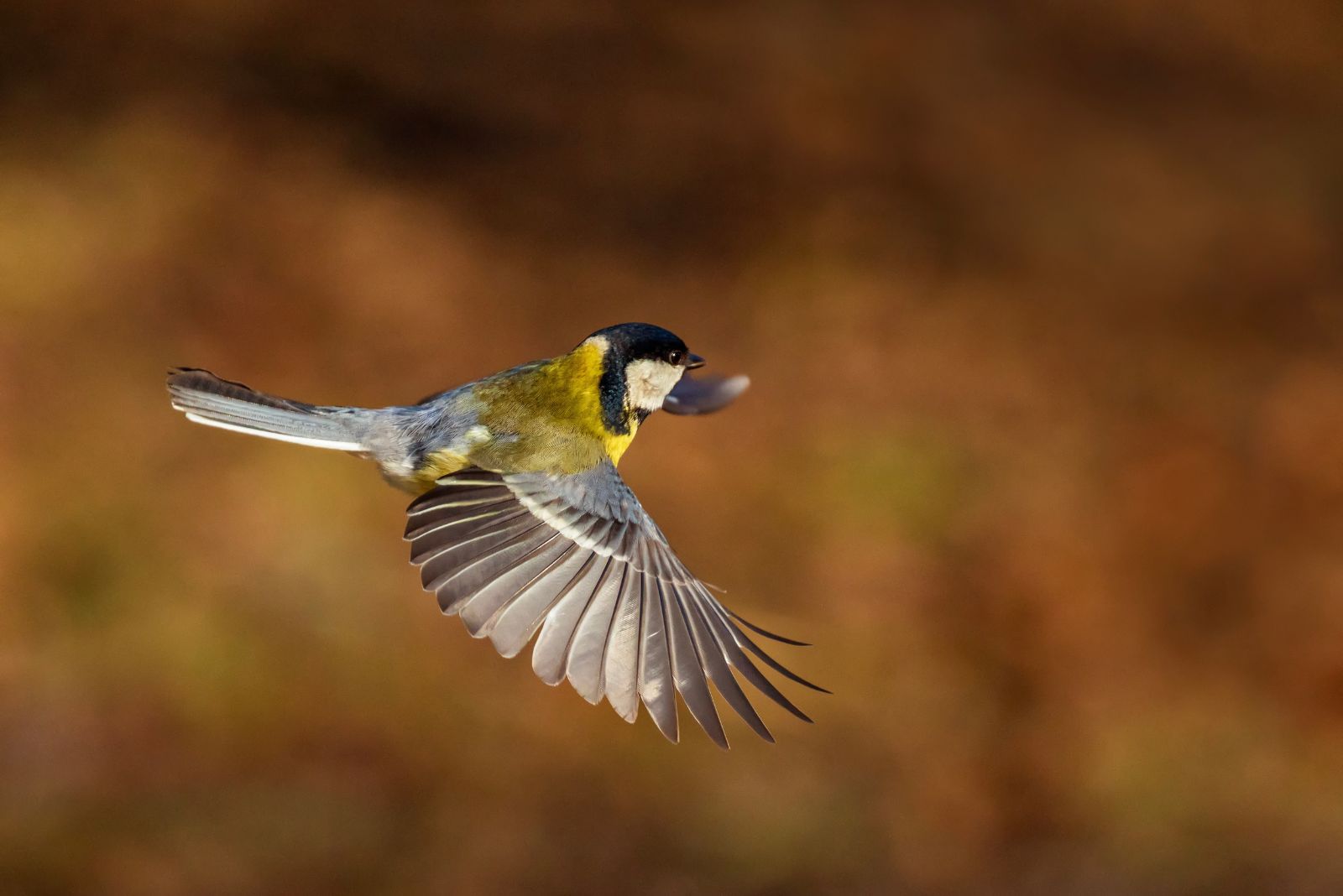
A quiet yard can be peaceful, but for many Texas gardeners, it also raises a question: why aren’t the birds showing up? Chirping, fluttering, and colorful visits bring life to gardens, and their absence can feel strange and disappointing.
There are several reasons birds may skip your yard, from food shortages to lack of shelter, water, or safe nesting spots.
Birds are naturally cautious. If your yard doesn’t offer a reliable food source, fresh water, or places to hide from predators, they’re likely to move on.
Even small changes, like providing native plants that produce berries, adding a clean water source, or giving trees and shrubs safe spaces for cover, can make a huge difference.
By understanding what birds need and making simple adjustments, Texas gardeners can transform quiet yards into lively spaces full of feathers, songs, and activity. With a little effort, your garden can become a go-to spot for local and migrating birds alike.
1. Not Enough Natural Food Sources
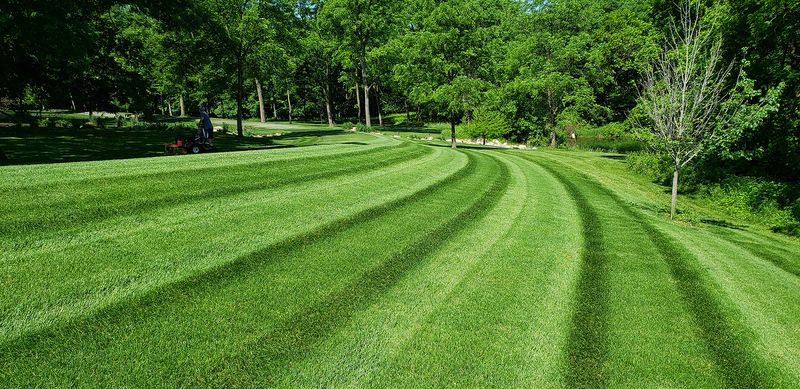
Walk outside and look at your yard honestly. If all you see is trimmed grass and bare flower beds, birds are probably skipping right over your property.
Birds do not stay where food is hard to find, and a bare Texas landscape gives them very little reason to stop.
Many birds eat seeds, berries, nectar, and insects. When your yard lacks these things, birds simply fly somewhere else.
The problem is that most standard lawns are almost like food deserts for wildlife. Perfectly manicured grass and tidy mulched beds look nice to humans but offer almost nothing to a hungry bird.
The fix is easier than you might think. Start by planting native Texas plants like sunflowers, coneflowers, and beautyberry.
These plants produce seeds and berries that birds love. Native grasses also provide seeds and shelter for smaller ground-feeding birds.
Do not forget about insects. Many birds, especially during nesting season, feed insects to their young.
Flowering native plants attract beetles, caterpillars, and other insects that become bird food. Plants like black-eyed Susans and Mexican sage are great choices for Texas yards.
Avoid keeping your landscape too sterile. Leaving some leaf litter on the ground gives birds a place to scratch for bugs. A little messiness actually helps. Food diversity is the key idea here.
The more types of food you offer through plants and natural habitat, the more types of birds will show up. Texas has an amazing variety of bird species, and a food-rich yard is the first step to enjoying all of them.
2. No Reliable Water Source
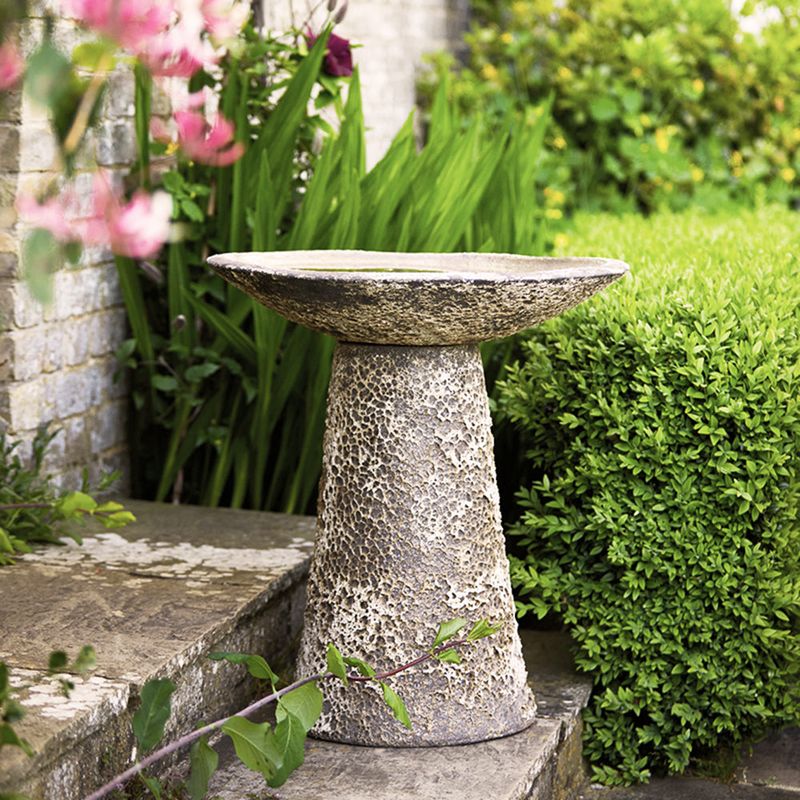
Texas summers are no joke. Temperatures regularly climb past 100 degrees, and birds feel that heat just as much as people do.
Water is not optional for birds. They need it every single day for drinking and bathing, and if your yard does not offer a safe water source, they will find one somewhere else.
Many Texas yards simply do not have any water feature at all. Others might have a birdbath that sits dry for weeks or gets filled with green slime.
Birds notice when water is dirty or unavailable, and they quickly learn which yards are worth visiting.
Adding a birdbath is one of the fastest ways to attract more birds to your Texas yard. Keep it shallow, about one to two inches deep, because most birds prefer water they can stand in comfortably.
Place it in partial shade to slow down evaporation and keep the water cooler during hot Texas afternoons.
Refresh the water every two to three days, especially in summer. Standing water gets warm and can grow algae quickly in the Texas heat.
A quick rinse and refill makes a huge difference. Want to attract even more birds? Add a dripper or small solar fountain.
Moving water creates sound and visual movement that birds notice from a distance. The gentle dripping noise works almost like a bird magnet.
Hummingbirds especially love moving water. Warblers, tanagers, and many other Texas species that rarely visit feeders will come to a clean water source.
Water truly is one of the most powerful tools you have for turning a quiet yard into a busy bird hotspot.
3. Too Little Shelter Or Nesting Space
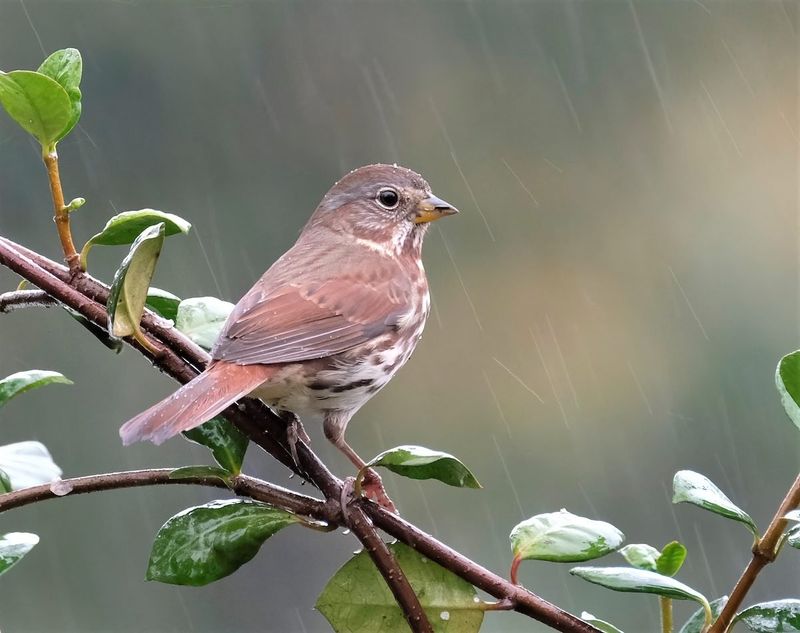
Imagine being a small bird the size of your fist, surrounded by open sky and no place to hide. That is exactly how birds feel in a wide-open yard with no trees or shrubs.
Birds are always watching for predators, and an exposed yard simply feels too dangerous to stick around in.
Open landscapes without layered vegetation give birds nowhere to rest between feeder visits, nowhere to hide from hawks, and nowhere to build a nest. Even if you have feeders and water, birds may only make quick nervous visits instead of settling in.
A yard with good shelter keeps birds calm and encourages them to stay longer. The solution is to think in layers. Plant tall native trees like live oak or cedar elm for upper canopy cover.
Add medium shrubs below them, like native viburnums or Texas sage. Then fill in lower areas with ground cover plants or ornamental grasses. This layered approach mimics natural Texas habitat and makes birds feel at home.
Dense native shrubs are especially valuable. They give birds a quick escape route and a safe place to nest.
Species like painted buntings and cardinals love thick shrubby areas. Leaving a section of your yard slightly wild, with some leaf litter and unpruned branches, adds even more nesting options.
You do not need a huge yard to do this. Even a small corner with a few layered plants can become a bird refuge.
In Texas, where urban sprawl has replaced a lot of natural habitat, your yard can be a meaningful patch of shelter for local bird populations year-round.
4. Too Much Noise And Activity
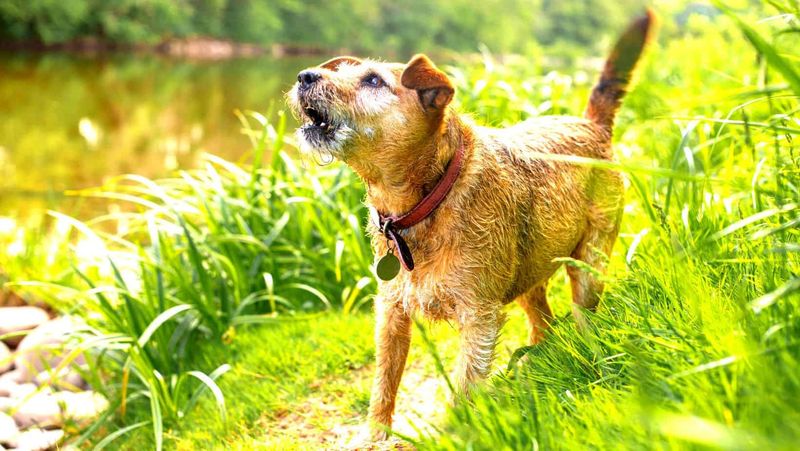
Birds have excellent survival instincts. When something feels unsafe, they leave fast and do not come back quickly.
A yard with constant noise, frequent foot traffic, barking dogs, or loud music is not a place birds feel comfortable visiting, no matter how good the food and water are.
Lots of Texas homeowners unknowingly create chaotic environments near their feeders. Kids playing, lawn equipment running, or pets roaming freely can all scare birds away.
Even well-meaning bird watchers who check on feeders too often can disrupt feeding patterns. Birds need predictability and calm to feel safe enough to feed and nest.
Creating a quieter corner of your yard dedicated to birds is a smart move. Pick a spot that gets less foot traffic, ideally away from the main activity areas of your home.
Set up your feeders and birdbath there, and try to keep disturbances to a minimum, especially during early morning hours when birds are most active.
Natural barriers work really well here. Planting a dense row of shrubs or ornamental grasses between your bird area and the rest of the yard helps muffle noise and creates a visual screen that makes birds feel hidden and protected.
If you have pets, consider fencing off a section of the yard just for birds. Cats are one of the biggest threats to backyard birds across Texas and the entire country.
Even the presence of a cat outdoors can cause birds to avoid an entire yard for days. Small adjustments to your yard routine can make a surprising difference in how often birds visit and how relaxed they seem when they do.
5. Pesticides Are Reducing Their Food Supply
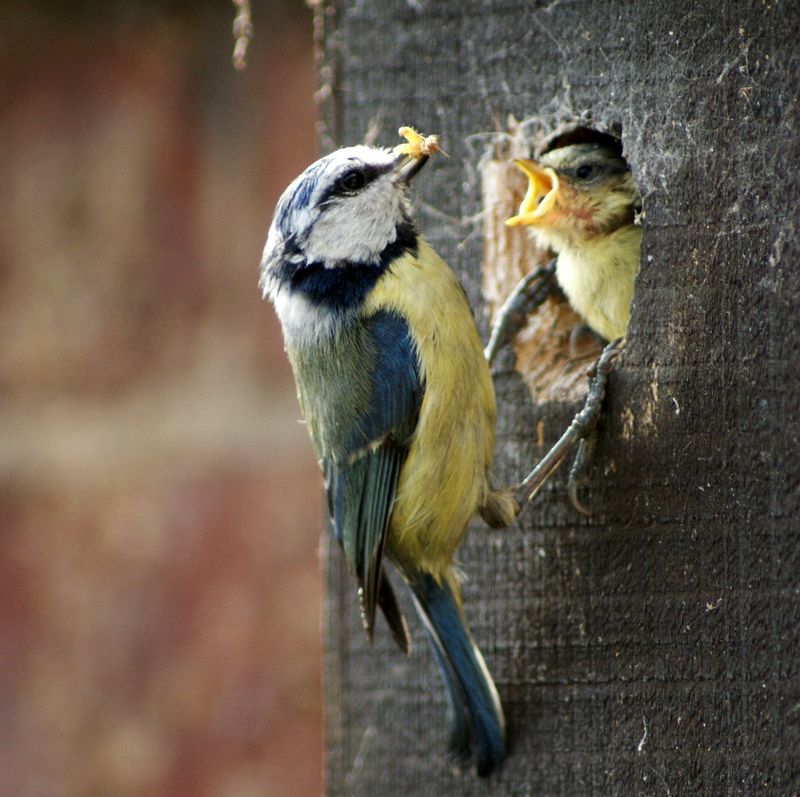
Did you know that a single pair of Carolina wrens can feed their nestlings up to 500 caterpillars in just one day? Insects are not a minor part of a bird’s diet.
They are the foundation of it, especially during breeding season. When pesticides wipe out insects in your Texas yard, you are removing one of the most important food sources birds depend on.
Broad-spectrum pesticides do not just target the bad bugs. They affect butterflies, beetles, caterpillars, and all the other insects that birds eat.
A yard that gets sprayed regularly may look green and tidy, but from a bird’s perspective, it is a food desert. Many Texas homeowners are surprised to learn that reducing pesticide use is one of the most effective things they can do to attract more birds.
Start by cutting back on routine spraying. Instead of treating the whole yard on a schedule, only address specific pest problems when they become serious.
Encourage beneficial insects like ladybugs and lacewings, which naturally keep pest populations in check without chemicals.
When pest control is truly necessary, choose organic or targeted options that have less impact on the broader insect population. Neem oil, for example, is much less harmful than synthetic broad-spectrum sprays.
Native plants also help because they have evolved alongside local insects and support a much richer insect community than non-native ornamentals. More insects mean more birds.
In Texas, where bird diversity is among the highest in the nation, keeping your yard chemical-free as much as possible creates a healthier, livelier outdoor space for both birds and your whole family to enjoy.
6. Feeders Are Missing, Empty, Or Poorly Placed
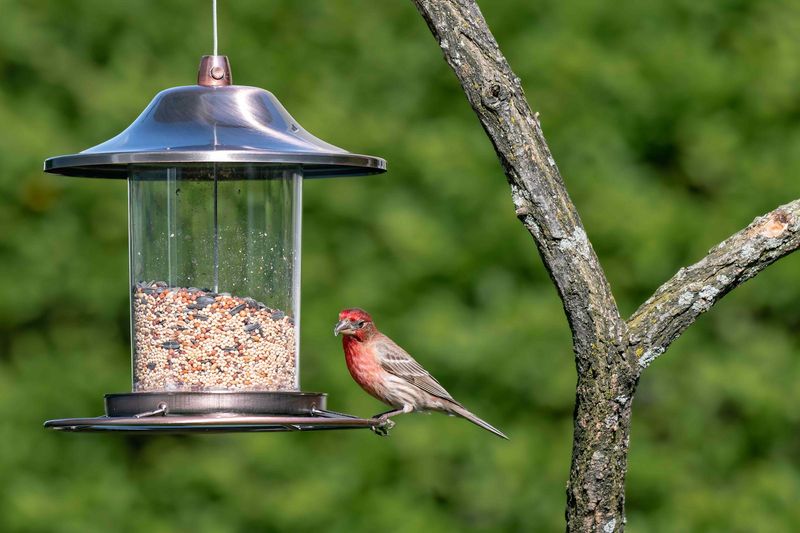
Consistency is everything when it comes to bird feeders. Birds are creatures of habit, and once they find a reliable food source, they return to it again and again.
But if your feeder runs empty for a week, or if it never gets cleaned, birds will stop coming and may not return for a long time. Feeders that are missing, empty, or badly placed are one of the most common reasons Texas yards stay birdless.
Placement matters more than most people realize. A feeder hung in the middle of an open yard with no nearby cover feels unsafe to birds.
They like to be able to zip into a bush or tree quickly if a hawk appears. Place feeders within ten to fifteen feet of shrubs or trees, but not so close that a cat can use those same plants to sneak up on feeding birds.
Keep feeders clean. Old, wet, or moldy seed can actually make birds sick. Rinse feeders with a mild bleach solution every couple of weeks, especially during humid Texas summers when mold grows fast.
Seed type matters too. Black oil sunflower seeds attract the widest variety of birds and are a great starting point.
Add a millet feeder for sparrows and juncos. Put out a nectar feeder for hummingbirds, which are common across Texas.
Offer suet cakes in cooler months to attract woodpeckers and wrens.Using different feeder styles also helps. Tube feeders, platform feeders, and hopper feeders each attract different species.
A little variety in your setup goes a long way toward turning your Texas yard into a lively, bird-filled space all year long.