7 Reasons Michigan Backyards Are Seeing More Cardinals At Feeders This Winter
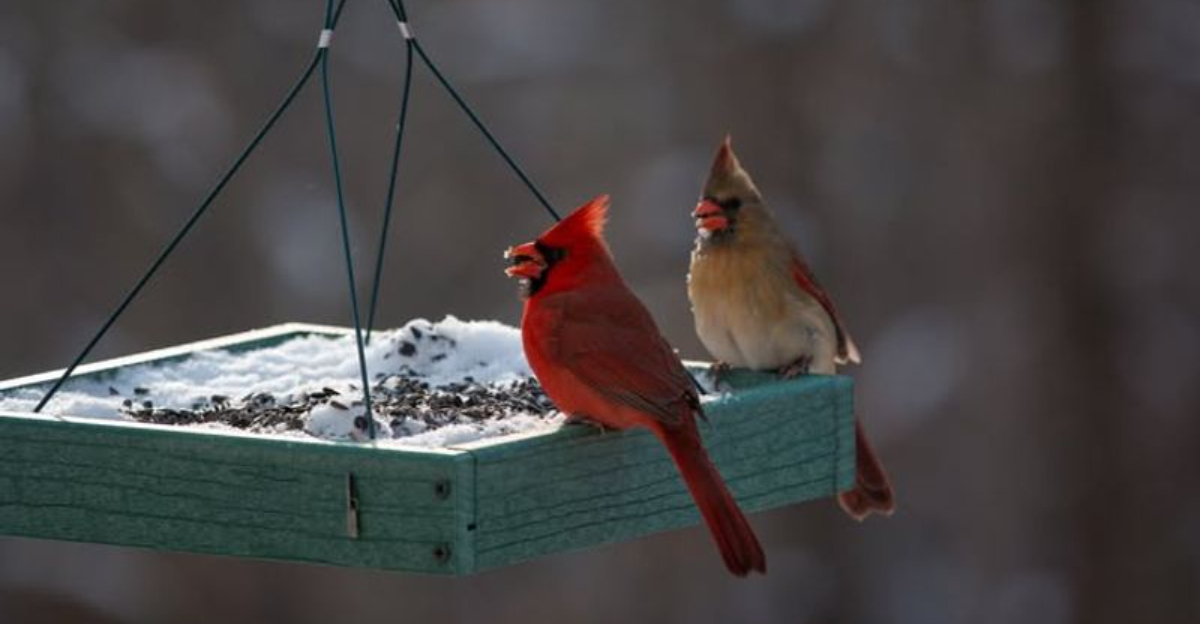
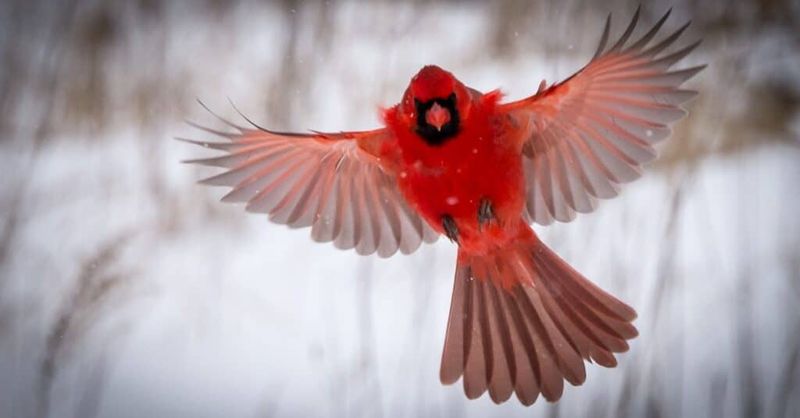
Michigan backyards have been buzzing with flashes of red this winter, and many homeowners are doing double takes at their feeders.
Cardinals seem to be showing up in bigger numbers, lingering longer, and turning quiet yards into lively gathering spots.
Cold weather has a way of changing habits, and these bright birds know how to read the signs.
When snow covers natural food sources and icy winds roll in, feeders become the go to stop for an easy meal and a bit of shelter from the elements.
Winter also pushes cardinals closer to people.
Unlike many birds, they stay put instead of heading south, toughing it out through freezing nights and long stretches of cold.
Feeders offer steady fuel that helps them keep energy up when daylight runs short.
A well stocked feeder acts like a welcome mat, drawing them in day after day.
Seeing more cardinals brings a lift during gray months.
Their bold color cuts through dull winter scenes and adds life when the landscape feels still.
Understanding what draws them in helps homeowners support local wildlife while enjoying front row seats to one of winter’s brightest sights.
1. Increased Backyard Feeding Habits Among Michigan Residents
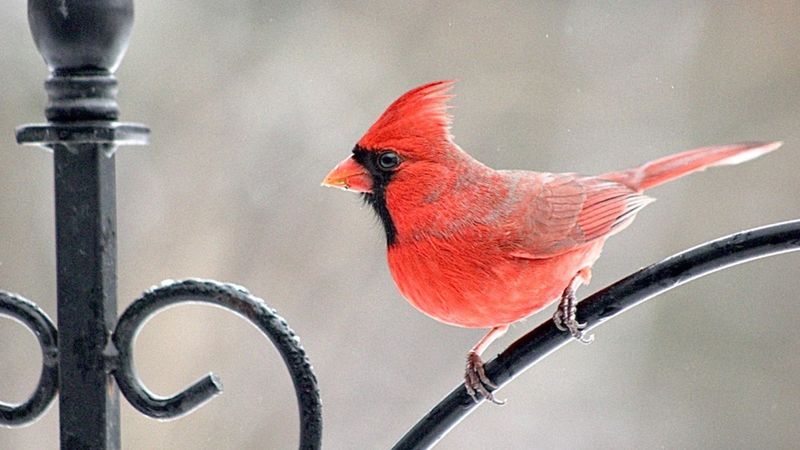
More people across Michigan have taken up birdfeeding as a hobby, especially since the pandemic encouraged outdoor activities close to home.
This surge in backyard birding means cardinals have access to far more feeding stations than in previous years.
When one neighbor puts up a feeder, cardinals discover it and often lead other birds to the location.
Communities throughout Michigan, from Grand Rapids to Ann Arbor, have seen neighborhoods transform into cardinal-friendly zones with multiple feeding options on every block.
Social media groups dedicated to Michigan birdwatching have exploded in popularity, with members sharing tips about the best seeds and feeder types.
This information exchange has helped create better feeding environments that specifically attract cardinals.
Hardware stores and garden centers across the state report selling more birdseed and feeders than ever before.
The increased availability of quality bird food means cardinals can find nutritious meals in almost any Michigan neighborhood.
Many residents have also learned that cardinals prefer platform feeders or large hopper feeders where they can perch comfortably while eating.
This knowledge has led to better feeder setups that cardinals find irresistible.
Cardinals are social birds that communicate feeding locations to each other through calls and behavior.
When feeding stations multiply across Michigan backyards, cardinals quickly spread the word, bringing more individuals to residential areas.
The welcoming environment created by enthusiastic birders has made Michigan yards prime cardinal habitat this winter.
2. Harsh Winter Weather Drives Cardinals To Reliable Food Sources
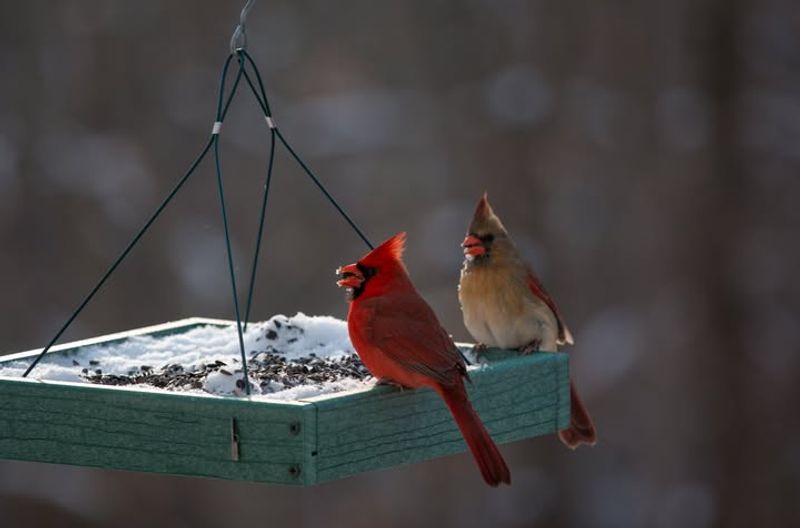
Michigan’s particularly cold winter has pushed cardinals to seek out dependable feeding stations where they know food will be available.
When temperatures drop and snow blankets natural food sources, birds must find reliable alternatives quickly.
Cardinals remember where they’ve found food before, and they’ll return to the same feeders throughout the season.
Backyard feeders become lifesaving resources during extreme cold snaps that make foraging in the wild much harder.
Snow cover reaching several inches deep across Michigan has buried many of the seeds and berries cardinals normally eat.
Without access to their usual food sources, these bright red birds have no choice but to visit yards where people keep feeders stocked.
Cardinals need to eat almost constantly during winter to maintain their body temperature and energy levels.
A single cardinal can consume up to a third of its body weight in seeds each day when conditions are harsh.
This increased need for calories drives them to feeders where sunflower seeds, safflower seeds, and other high-energy foods are plentiful.
Michigan residents who maintain their feeders through winter storms provide essential support that helps cardinals survive the toughest months.
The combination of heavy snowfall and freezing temperatures across the state has created a situation where feeders aren’t just convenient for cardinals but truly necessary.
Birds that might normally split their time between wild areas and yards are now spending more hours at feeders.
3. Natural Food Crop Failure In Wild Areas
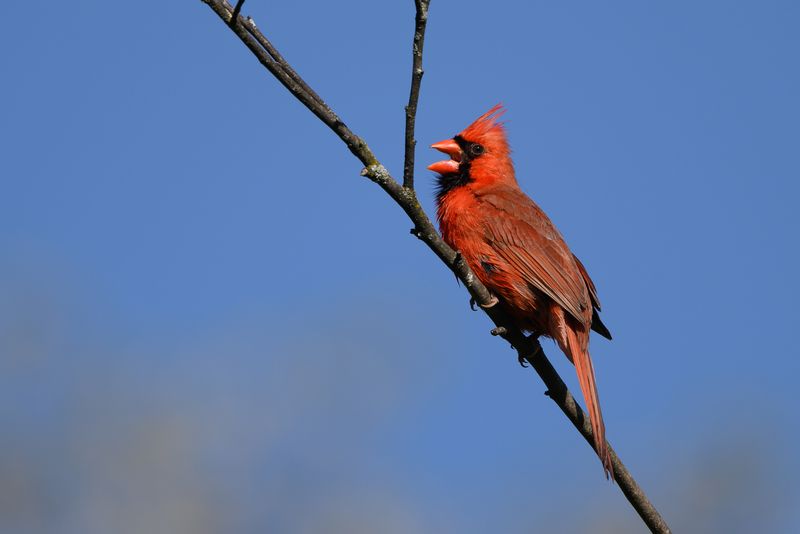
Wild berry bushes and seed-producing plants across Michigan experienced poor growing conditions last year, resulting in fewer natural food sources for cardinals this winter.
Late spring frosts damaged many flowering plants, reducing the berry crops that normally sustain birds through cold months.
Dogwood, viburnum, and sumac plants that cardinals rely on produced significantly fewer berries than usual.
Forest areas near Lansing, Kalamazoo, and throughout Michigan’s lower peninsula show evidence of this reduced natural bounty.
When wild food becomes scarce, cardinals must expand their search radius and explore new territories.
Residential areas with well-stocked feeders become attractive alternatives to sparse woodland offerings.
Cardinals typically balance their diet between insects, berries, and seeds depending on what’s available seasonally.
With berry crops down across Michigan, these birds are relying more heavily on seeds from feeders.
Drought conditions during the previous growing season also affected seed production in native grasses and wildflowers.
Fields and meadows that normally provide abundant seeds for winter foraging are offering much less this year.
Cardinals are opportunistic feeders that adapt quickly to changing food availability.
Their shift toward backyard feeders represents a smart survival strategy when natural resources fall short.
Michigan’s diverse landscapes usually provide plenty of wild food, but this year’s combination of weather challenges has pushed cardinals toward human-provided alternatives.
Birdwatchers across the state are essentially filling the gap left by nature’s reduced harvest.
4. Population Growth From Successful Breeding Seasons
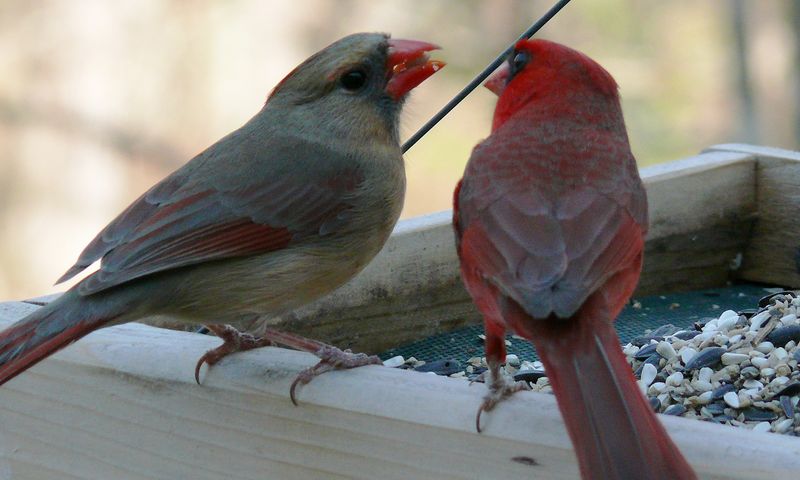
Cardinal populations across Michigan have grown following several years of successful breeding seasons with favorable spring and summer weather.
Mild temperatures and adequate rainfall during nesting periods allowed cardinal pairs to raise multiple broods.
Cardinals can produce two to three clutches of eggs each year when conditions are right.
Higher survival rates among young cardinals mean more individuals are now competing for food resources this winter.
Michigan’s cardinal population has been steadily increasing over the past decade as the birds adapt well to suburban environments.
Unlike some species that struggle with habitat changes, cardinals thrive in neighborhoods with trees, shrubs, and feeders.
Young cardinals born last spring and summer are now independent and visiting feeders alongside their parents.
These juvenile birds, identifiable by their duller coloring, add to the overall numbers seen at feeding stations.
Birdwatchers in Michigan communities are reporting groups of five to ten cardinals at their feeders, compared to just pairs or singles in previous winters.
This increase reflects the healthy breeding success the species has enjoyed recently.
Cardinals don’t migrate, so all the birds born in Michigan stay within the state year-round.
Every successful nesting season adds more permanent residents to the local population.
Conservation efforts and habitat preservation across Michigan have also supported cardinal population growth by protecting nesting areas and food sources.
The combination of good breeding conditions and ample backyard feeding opportunities has created a perfect situation for cardinal numbers to flourish throughout the state.
5. Strategic Feeder Placement Near Natural Cover
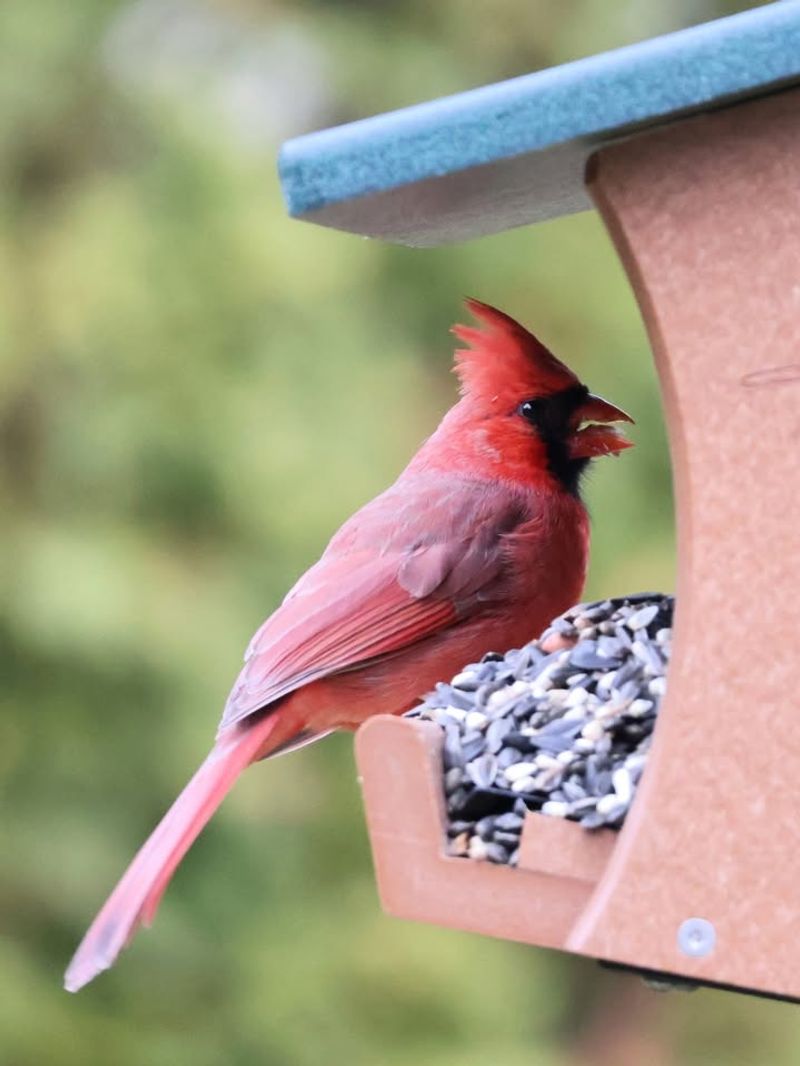
Smart Michigan residents have learned that placing feeders near protective cover encourages more cardinal visits.
Cardinals feel safest when they can quickly retreat to bushes or trees if predators approach.
Evergreen shrubs like yews, junipers, and arborvitae provide excellent winter shelter that cardinals seek out.
Homeowners who position feeders within ten to fifteen feet of dense vegetation create ideal conditions that cardinals find irresistible.
These beautiful birds prefer to survey the area from branches before dropping down to feed.
Having nearby perches allows them to watch for danger while waiting their turn at busy feeders.
Michigan yards with layered landscaping that includes tall trees, medium shrubs, and ground cover offer perfect cardinal habitat.
Cardinals use this vertical structure to move safely through the environment while accessing food.
Many neighborhoods across the state have mature landscaping that provides exactly this type of protective cover.
As more residents understand cardinal preferences, they’re creating backyard environments that meet all the birds’ needs for food, water, and shelter.
Winter storms push cardinals to seek protected areas where they can escape wind and cold.
Yards with good cover near feeders become prime real estate that attracts multiple cardinal pairs.
The strategic placement of feeding stations combined with thoughtful landscaping has transformed ordinary Michigan backyards into cardinal havens.
Birds quickly learn which yards offer the best combination of food availability and safety, returning daily throughout winter.
6. Reduced Competition From Migrating Species
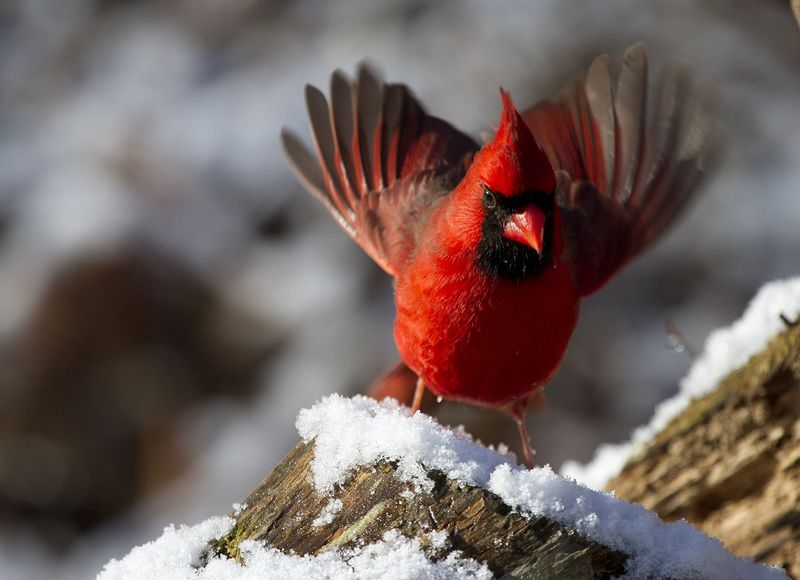
Many bird species that compete with cardinals for feeder food have migrated south, leaving more resources available for year-round residents.
Robins, warblers, and other insect-eaters that also enjoy seeds during migration have departed Michigan for warmer climates.
This seasonal exodus means cardinals face less competition at feeders throughout winter months.
With fewer birds vying for the same food sources, cardinals can spend more time eating and less energy fighting for position.
Michigan’s winter bird community consists mainly of permanent residents like cardinals, chickadees, nuthatches, and woodpeckers.
While these species do share feeders, the overall number of birds competing for seeds is much lower than during spring and fall migration periods.
Cardinals are somewhat territorial and prefer feeders where they don’t have to constantly battle for access.
The quieter winter feeding scene allows them to establish regular visiting patterns and claim favorite feeding spots.
Birdwatchers across Michigan notice that cardinals seem more relaxed and spend longer periods at feeders during winter.
Without the chaos of migration seasons, these birds can feed efficiently and conserve precious energy.
The absence of migrating flocks also means seed supplies in feeders last longer, encouraging homeowners to keep them filled consistently.
Cardinals benefit from this reliable food availability throughout the coldest months.
Some Michigan residents specifically choose seed types that appeal to cardinals while being less attractive to other species.
Safflower seeds, for example, are loved by cardinals but avoided by many other birds, reducing competition even further.
7. Climate Patterns Keeping Cardinals In Northern Ranges
Changing climate patterns have made Michigan winters slightly milder on average, allowing cardinals to remain comfortable in northern ranges rather than shifting southward.
While this winter has been cold, overall trends show fewer extreme cold snaps than decades past.
Cardinals can survive Michigan winters as long as they have adequate food and some shelter from the worst weather.
Warmer average temperatures mean these birds don’t face the same harsh conditions that once limited their northern distribution.
Historically, cardinals were primarily southern birds, but their range has expanded northward over the past century.
Michigan now sits comfortably within cardinal territory, and the birds show no signs of retreating south.
Milder winters also mean that some natural food sources remain accessible longer into the season.
Berries may persist on bushes, and insects might be available during warm spells, supplementing feeder food.
The combination of climate trends and abundant backyard feeding has made Michigan an increasingly attractive place for cardinals year-round.
Birds that once might have moved south during harsh winters now stay put, knowing they can survive with help from feeders.
Michigan’s cardinal population has become more stable and resident-focused rather than showing seasonal movements.
Birdwatchers can now count on seeing these brilliant red birds every month of the year.
The adaptability of cardinals to changing conditions demonstrates their resilience as a species.
As long as Michigan residents continue providing food and habitat, cardinals will likely remain abundant backyard visitors throughout every winter season.