10 Reasons Texans Are Planting Red Yucca In Their Front Yards
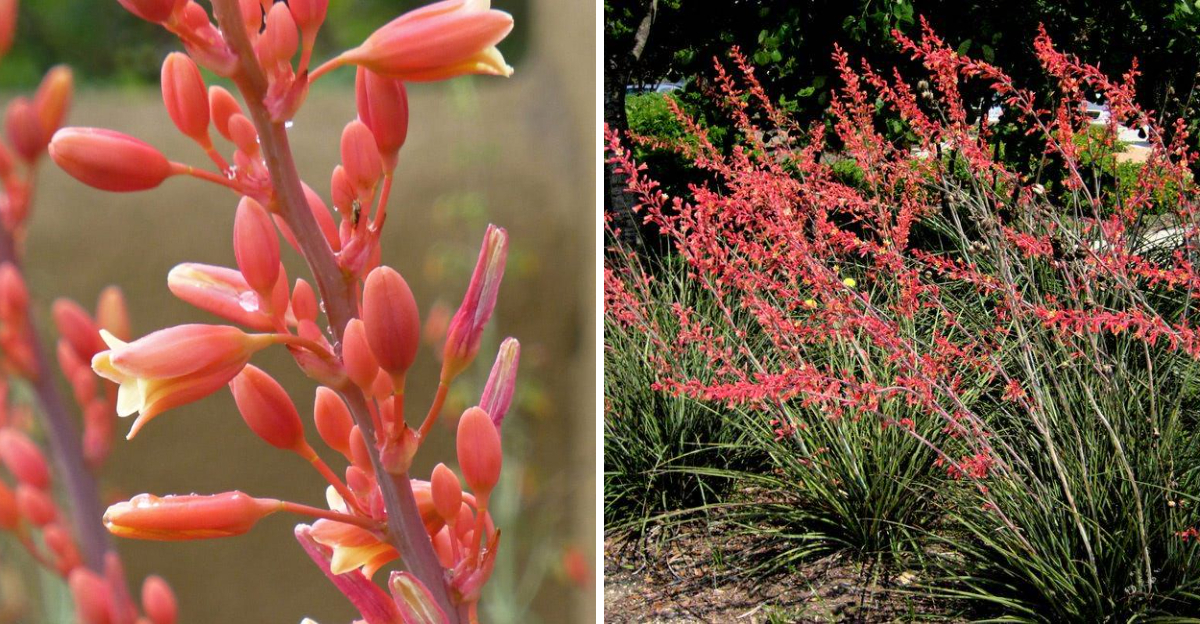
Take a drive through almost any Texas neighborhood and one plant stands out right away, those arching, grassy leaves and tall coral flower spikes rising above front yards.
Red yucca has quietly become a go-to choice for Texas homeowners, and it is easy to see why.
With intense summer heat, long dry stretches, and relentless sun, many plants struggle to keep up.
Red yucca, on the other hand, is built for these conditions, offering a soft, flowing texture paired with vibrant color without demanding much attention.
From the Hill Country to West Texas and the Gulf Coast, it brings movement, structure, and resilience to front yard landscapes across the state.
1. Handles Extreme Heat And Full Sun
Front yards across Texas spend much of the year exposed to intense sunlight, and many plants begin to show stress as temperatures climb.
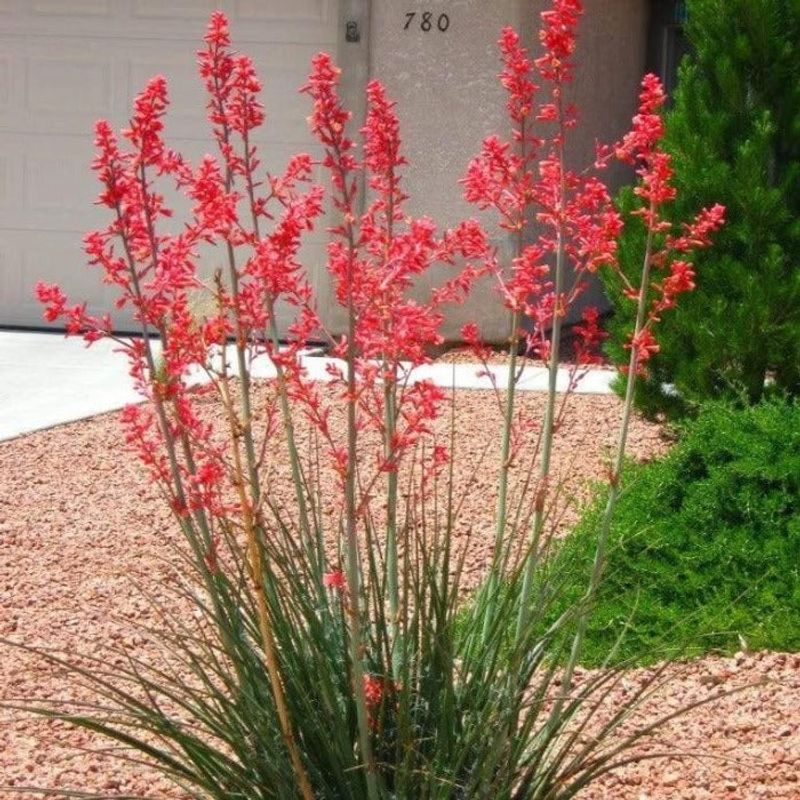
Red yucca handles these conditions with surprising ease, maintaining healthy foliage and continuing to send up flower spikes even during long periods of heat.
Its narrow, arching leaves are designed to reduce water loss, which helps the plant stay hydrated even when rainfall is limited.
In areas like Central and West Texas, where summer temperatures can remain high for weeks, red yucca often looks just as steady in August as it did in early spring.
That consistency is one of the reasons it has become such a common choice in front yard landscapes.
Full sun exposure encourages the best performance. When planted in a location that receives at least six to eight hours of direct sunlight, red yucca tends to grow more compactly and produce more frequent blooms.
In lower light, growth may become more relaxed, and flowering can be less consistent.
For homeowners looking for a plant that keeps its appearance through the hottest part of the Texas year, red yucca fits that role exceptionally well.
2. Very Drought Tolerant Once Established
Water use is an important consideration for many Texas homeowners, especially during extended dry periods.
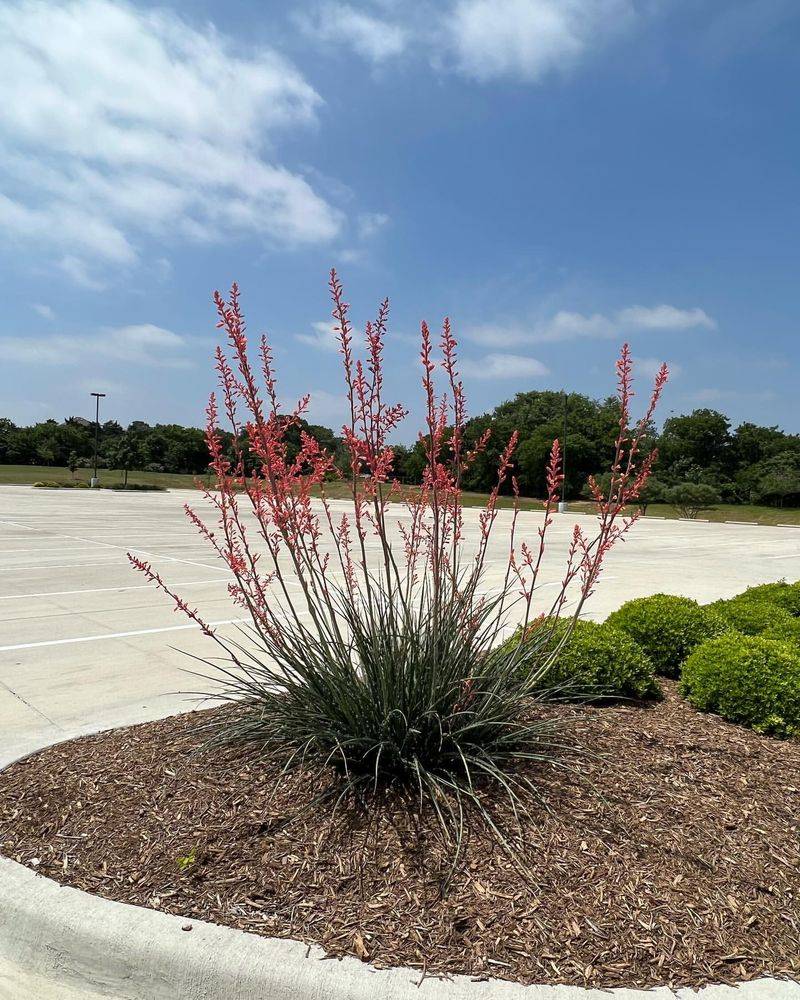
Red yucca fits well into landscapes where water conservation matters, thanks to its ability to tolerate drought once it is established.
During the first growing season, occasional deep watering helps roots settle into the surrounding soil. After that period, the plant becomes far more self-sufficient.
This transition to lower water needs makes it easier to maintain over time.
Its root system is adapted to take advantage of available moisture and hold onto it efficiently, allowing it to remain stable during stretches with little rainfall.
In regions like the Hill Country or South Texas, where dry conditions are common, red yucca continues to perform without requiring frequent irrigation.
Even in parts of Texas that receive more rain, it handles fluctuations in moisture without showing significant stress. This flexibility makes it a strong choice for homeowners who want to reduce irrigation needs without sacrificing visual appeal.
Red yucca offers a practical way to maintain a healthy front yard while using less water over time.
3. Low Maintenance Growth Habit
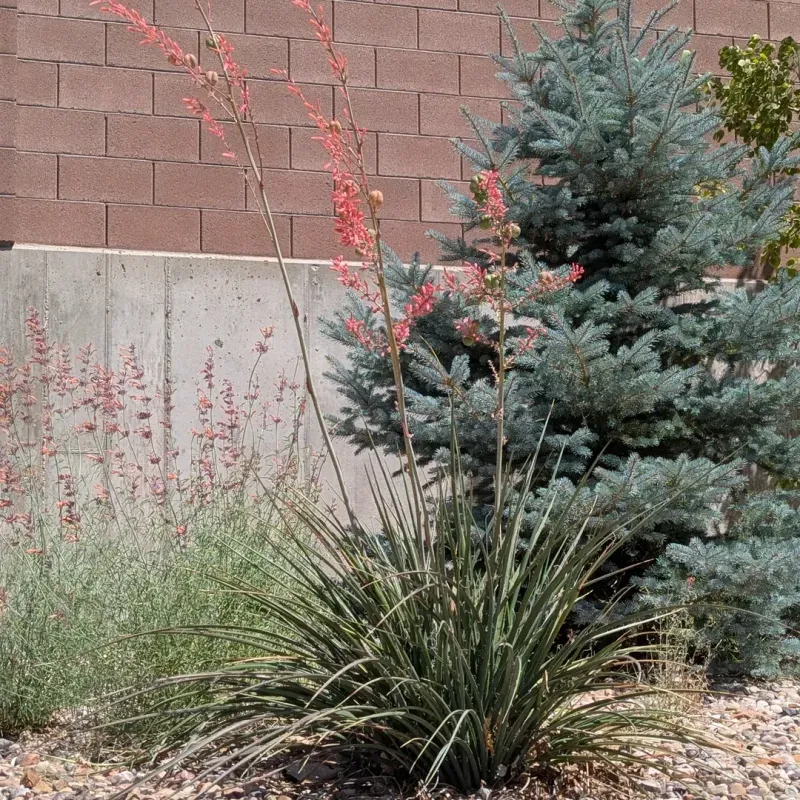
Maintaining a front yard in Texas can take time, especially when plants require frequent attention. Red yucca stands out as a low-maintenance option that keeps its appearance without constant care.
Once established, it does not rely on regular fertilizing schedules or heavy pruning routines to stay healthy.
Its natural growth habit forms a neat, arching mound that holds its shape throughout the year. Flower stalks rise above the foliage and can be removed after blooming if a cleaner look is desired, but leaving them in place does not harm the plant.
This flexibility makes upkeep simple and manageable.
Pest issues are generally limited, particularly when the plant is grown in well-draining soil. Occasional removal of older leaves near the base can improve appearance, but this is more about aesthetics than plant health.
For homeowners who want a landscape that looks cared for without requiring frequent work, red yucca offers a dependable and easygoing solution.
It fits especially well into busy schedules where consistent yard maintenance is not always practical.
4. Thrives In Poor And Rocky Soils
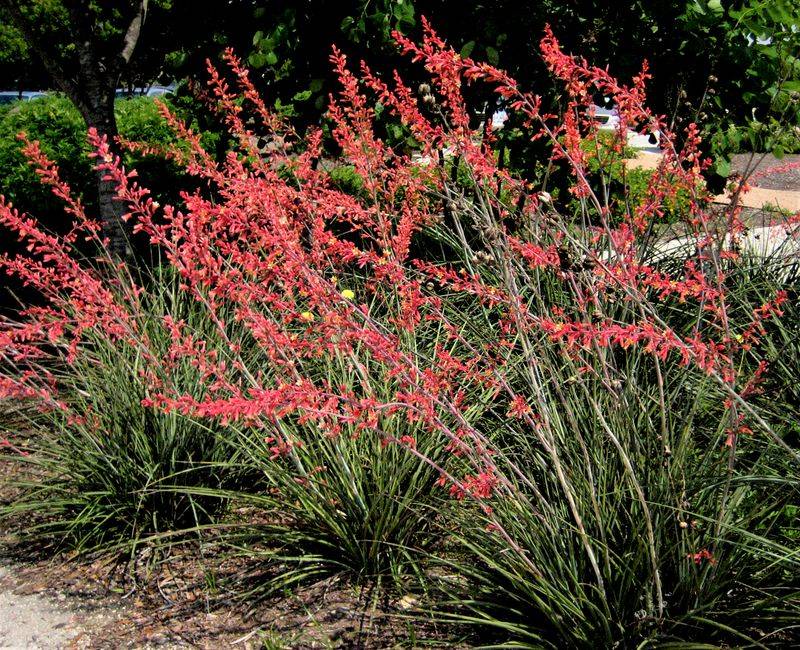
Soil conditions across Texas can vary widely, but many areas share a common challenge: rocky, alkaline, or compacted ground.
Red yucca performs well in these environments, making it a reliable option for front yards where other plants struggle.
This adaptability reduces the need for extensive soil preparation before planting. It also makes planting more straightforward for homeowners working with native soil conditions.
Its roots are capable of working through rocky layers and making use of soil that may not support more delicate species.
In places like the Edwards Plateau, where limestone and shallow soil are common, red yucca continues to grow steadily without requiring major soil improvements.
Good drainage is one of the most important factors for success, and many Texas soils provide that naturally.
In heavier clay areas, planting slightly above grade can help improve drainage and prevent excess moisture from building up around the roots.
Instead of fighting difficult soil conditions, red yucca works with them, which makes it a practical and adaptable choice for a wide range of Texas landscapes.
5. Native And Well Adapted Species Available
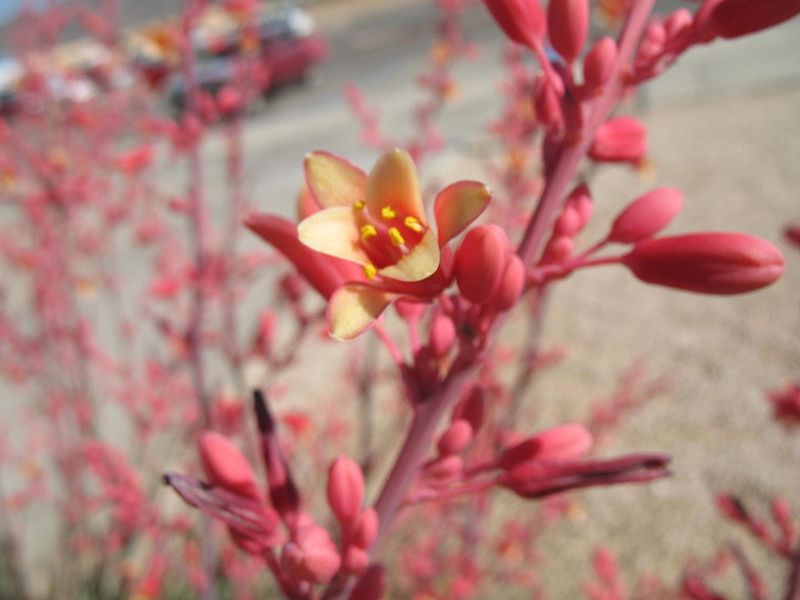
Red yucca is native to Texas and parts of the Southwest, which helps explain how well it performs in local landscapes.
Over time, it has adapted to the region’s heat, rainfall patterns, and soil types, allowing it to grow with minimal adjustments from the gardener.
That natural adaptation often leads to more consistent performance across changing seasons. It also means the plant responds well to typical weather shifts without needing constant intervention.
Its long history in the region gives it a natural resilience that many introduced plants lack.
From dry regions in West Texas to more humid areas in Central and South Texas, red yucca shows strong adaptability. Its ability to handle different conditions without requiring constant care makes it a dependable choice for homeowners.
Using native plants like red yucca can also support local ecosystems by providing habitat and resources that align with regional wildlife.
Because it is already suited to Texas conditions, it typically requires fewer inputs such as water or soil amendments.
For homeowners looking to plant something that feels naturally at home in their landscape, red yucca offers both reliability and long-term performance.
6. Adds Strong Architectural Structure
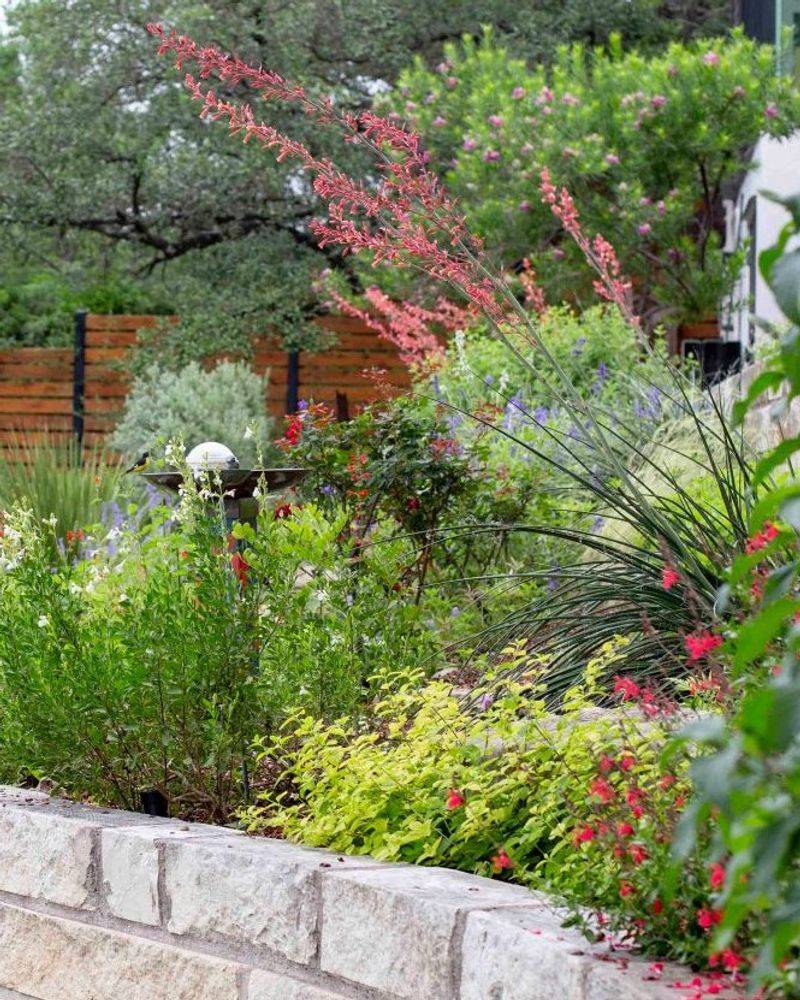
Not every plant needs rigid lines to create structure in a landscape. Red yucca brings a softer form of architectural interest through its flowing, arching leaves and upright flower stalks.
This combination adds both movement and height without overwhelming the space. The gentle curves of its foliage help soften hard edges in patios, walkways, and stone features.
Its fountain-like shape works well as a focal point or as part of a larger planting design. Placed near walkways, entry points, or open spaces, it helps guide the eye and adds visual balance.
The tall flower spikes provide vertical contrast against lower-growing plants, creating depth within the landscape.
Red yucca pairs well with other drought-tolerant species, especially those with contrasting shapes like agave or ornamental grasses. This mix of forms creates a more dynamic and layered appearance.
For homeowners looking to add structure without creating a harsh or rigid look, red yucca offers a balanced and visually appealing option.
7. Works Well In Xeriscaping
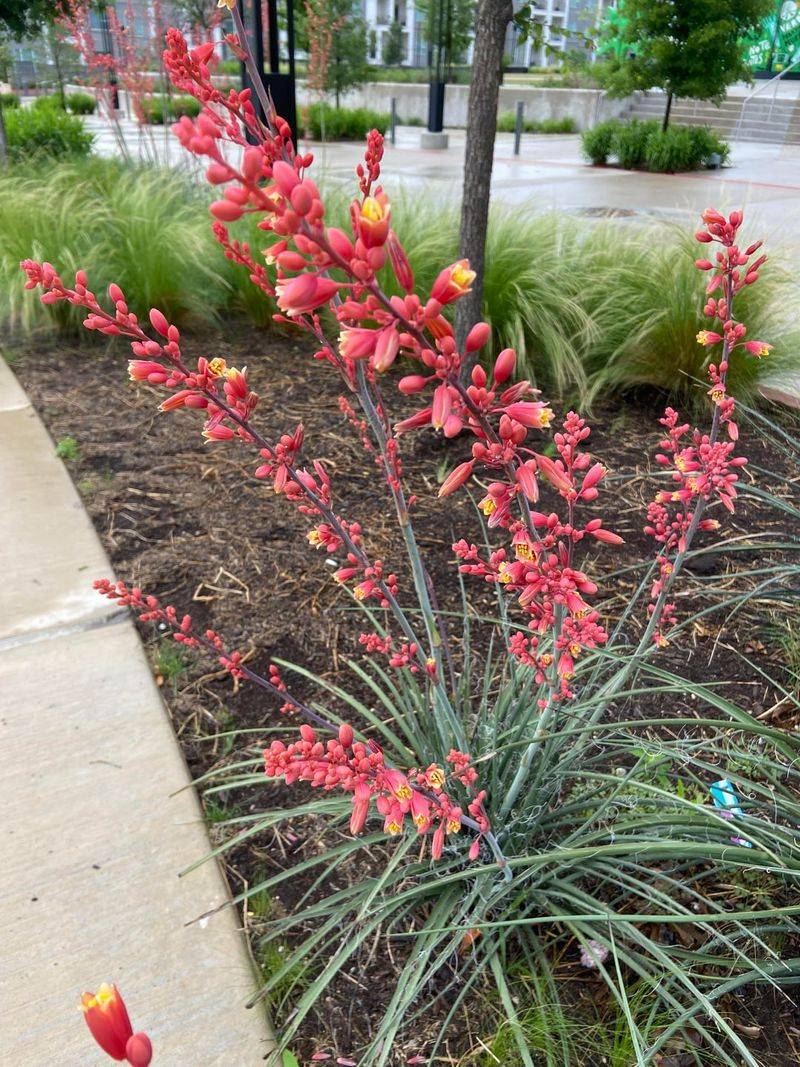
Water-conscious landscaping has become more common across Texas, and red yucca fits naturally into xeriscape designs.
Its low water needs and ability to handle heat make it a strong candidate for landscapes designed to reduce irrigation.
In xeriscape layouts, red yucca often serves as a mid-level plant that adds color and texture without increasing water demand.
It combines well with gravel mulch, stone features, and other drought-tolerant plants, helping create a cohesive and efficient design.
Cities across Texas have encouraged water-wise landscaping, and plants like red yucca are often included in recommended plant lists.
Its ability to provide visual interest while using minimal resources makes it a practical addition to front yards that prioritize sustainability.
With thoughtful placement, it contributes to a landscape that looks full and intentional without requiring heavy watering. It also blends easily into both modern and traditional Texas landscape styles, making it a flexible design choice.
Over time, it helps create a yard that feels established and balanced without increasing maintenance demands.
8. Produces Tall Showy Flower Spikes
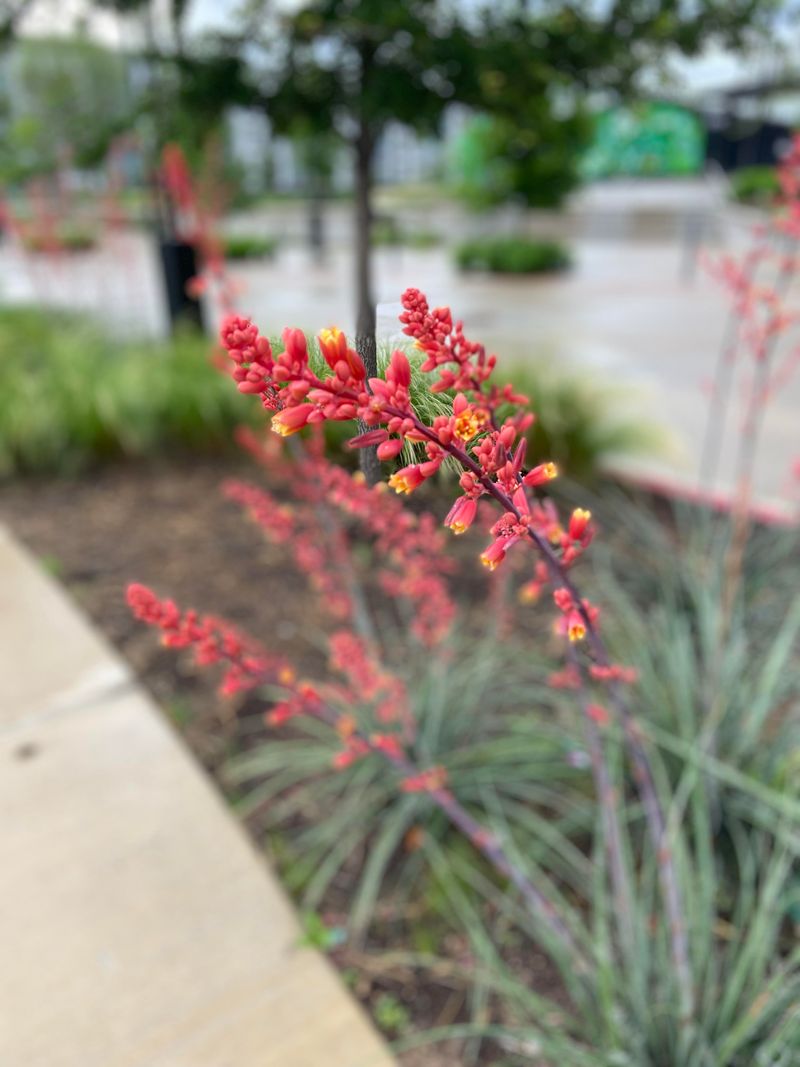
One of the most appealing features of red yucca is its extended blooming period. Instead of producing a brief flush of flowers, it sends up tall spikes that can continue appearing over several months.
This extended bloom cycle helps keep front yards looking active through much of the growing season. It also reduces the need to rely on short-lived annuals for color.
The tubular flowers, often in shades of coral, red, or pink, rise above the foliage and remain visible from a distance. In Texas, blooming typically begins in spring and can continue into summer, depending on conditions.
This long flowering period helps maintain color in the landscape during months when other plants may begin to fade. Multiple flower stalks can appear on a single plant, creating a layered and ongoing display.
For homeowners looking for consistent seasonal color without replanting, red yucca offers a dependable and visually striking option. Even between bloom cycles, the structure of the plant continues to add interest to the space.
As temperatures stay warm, new spikes can emerge, extending the overall display even further.
9. Generally Resistant To Deer Browsing
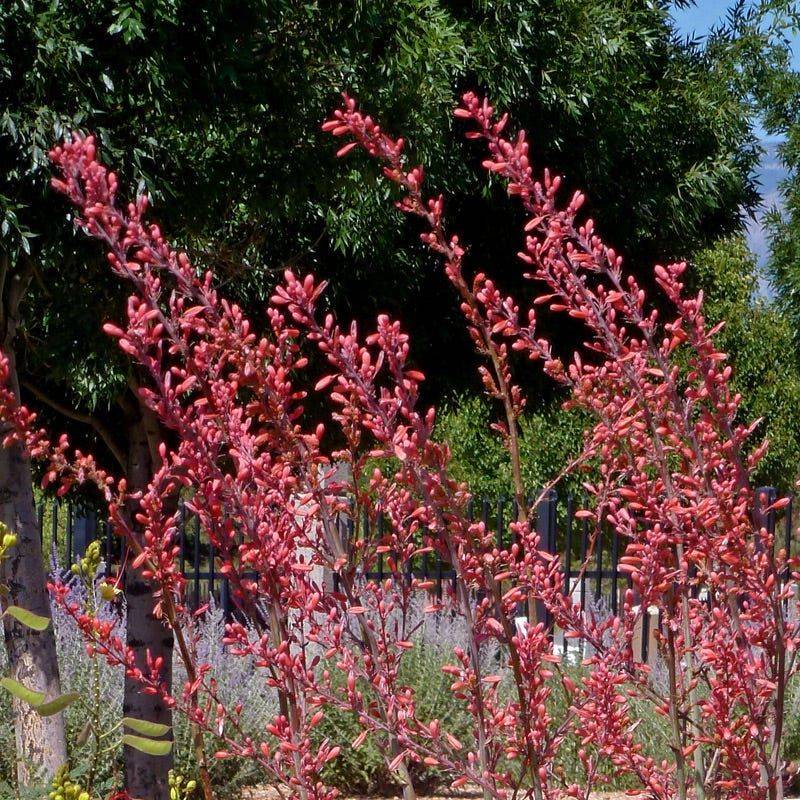
Deer activity can be a challenge in many parts of Texas, especially in areas near natural habitats. Red yucca tends to be less appealing to deer, which makes it a useful addition to front yards where browsing is a concern.
Its tough, fibrous texture plays a role in discouraging casual feeding. In many cases, deer will move on to softer plants when given the choice.
This tendency can make plant selection feel more predictable in areas with regular deer movement. It also helps reduce the frustration that comes with repeated plant damage.
Its narrow, fibrous leaves are not as attractive as softer, more tender plants. While no plant is completely off-limits under all conditions, red yucca is often left alone when other options are available.
This characteristic can help reduce the need for protective measures or plant replacements.
For homeowners dealing with wildlife pressure, including red yucca in the landscape can contribute to a more stable and long-lasting planting design.
It can also be used as part of a broader strategy that includes other less palatable plants. Over time, this approach can help reduce repeated damage and make yard care more manageable.
10. Supports Specialized Native Pollinators
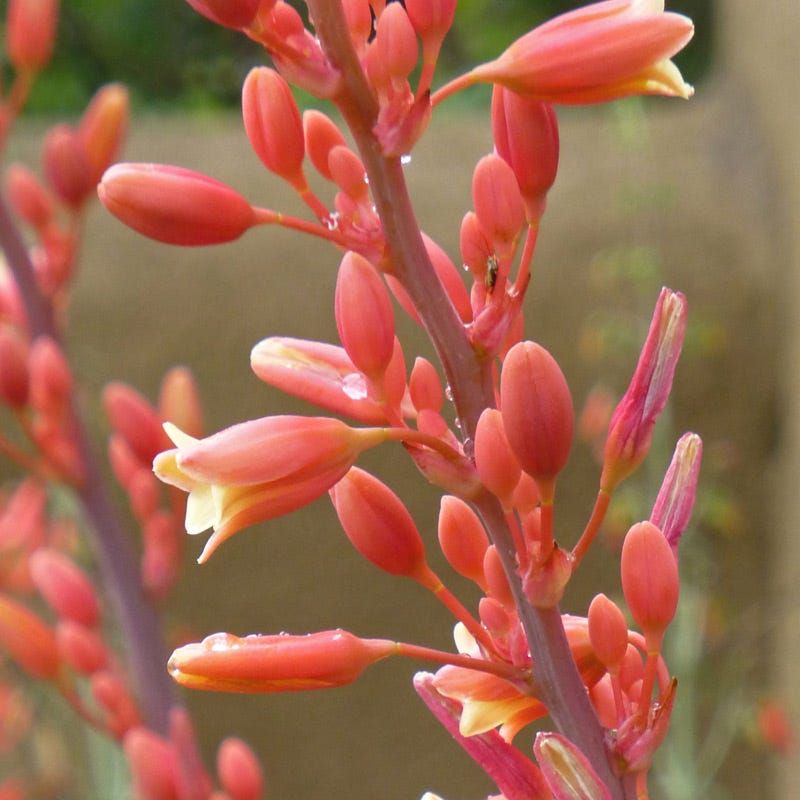
Red yucca brings more than visual appeal to a front yard. Its tubular flowers naturally attract hummingbirds, which are often seen moving from bloom to bloom throughout the warmer months.
Bees and other pollinators are drawn in as well, creating steady activity around the plant.
Because flowering can continue for an extended period, these visitors tend to return regularly, giving the landscape a sense of movement and rhythm.
This ongoing presence adds life to even simple front yard designs and helps the space feel more connected to its surroundings.
The gentle movement of pollinators also adds a subtle layer of interest that changes throughout the day.
For homeowners looking to support pollinators without increasing maintenance, red yucca offers a practical and rewarding option.
It combines long-lasting color with ecological value, making it a dependable feature in Texas landscapes that feel both lively and intentional.
Over time, this consistent activity can make the yard feel more established and inviting. It also helps create a space that feels active without requiring constant upkeep.