7 Reasons Texas Gardeners Love Growing Texas Lantana
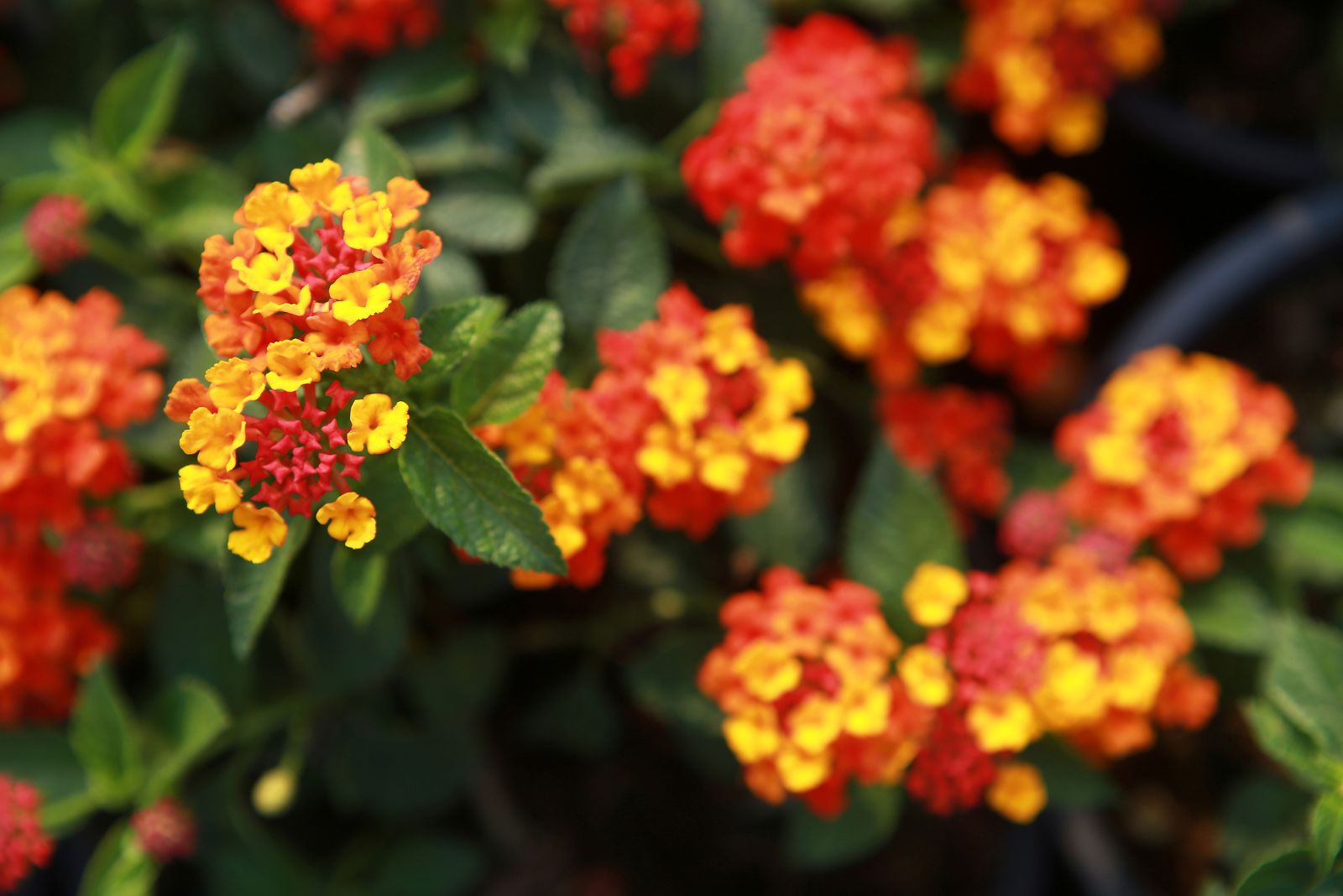
Texas gardeners are not shy about picking favorites, and Texas lantana has earned its spot near the top of the list. It is colorful, tough, and seems to laugh in the face of heat that sends other plants into survival mode.
When summer starts pushing temperatures higher and the yard begins to look tired, lantana often keeps right on blooming like nothing happened.
That kind of reliability is a big deal in a place where gardening can feel like a test of endurance.
Texas lantana handles sun, drought, and poor soil better than many fussier plants, which makes it a go-to choice for people who want strong color without constant attention. It also brings in butterflies and other pollinators, adding even more life to the garden.
There is also something cheerful about the way lantana looks. Its bright flower clusters make borders, beds, and containers feel lively and full.
Once you grow it, it becomes pretty easy to understand why so many Texas gardeners keep coming back to it year after year.
1. Texas Lantana Thrives In Extreme Texas Heat
When the Texas summer sun turns up the heat, most flowers start to struggle. Not Texas lantana.
This tough native plant was practically made for the blazing temperatures that roll across the state from June through August.
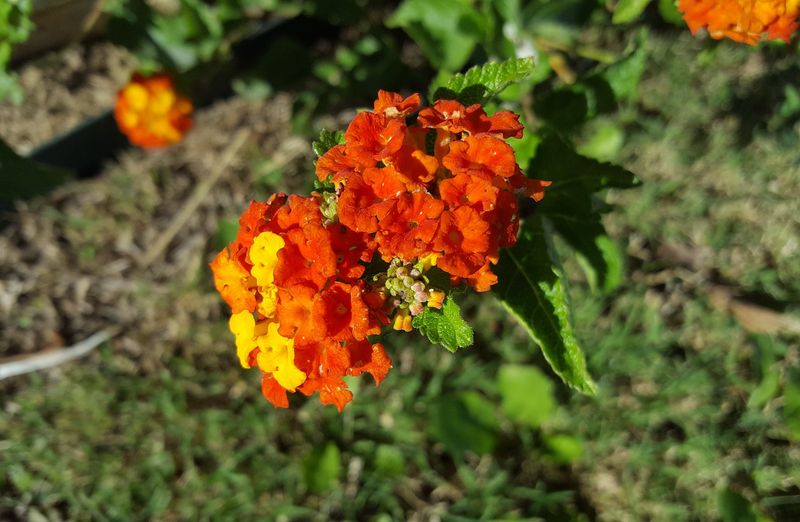
Texas lantana, known scientifically as Lantana urticoides, is naturally adapted to handle temperatures well above 90 degrees Fahrenheit. While other garden plants wilt and fade, Texas lantana keeps right on blooming.
Its flowers pop in shades of red, orange, yellow, and purple, adding bold color to your landscape even during the hottest weeks of the year.
Gardeners across Texas, from the Hill Country to the Gulf Coast, have noticed how reliably this plant performs when the heat is on. You do not need to baby it with shade cloth or extra watering during a heat wave.
It handles the stress on its own. The secret is in its biology. Texas lantana has evolved over thousands of years in the warm, sunny regions of Texas and northern Mexico.
Its leaves, stems, and root system are all built to manage high heat without breaking down. The plant stores energy efficiently and continues pushing out new blooms throughout the season.
For Texas gardeners who are tired of replanting flowers that fizzle out by July, Texas lantana is a refreshing change.
You plant it once, and it keeps delivering color through the toughest part of summer. That kind of reliability is hard to beat in a Texas garden.
2. It Requires Very Little Water
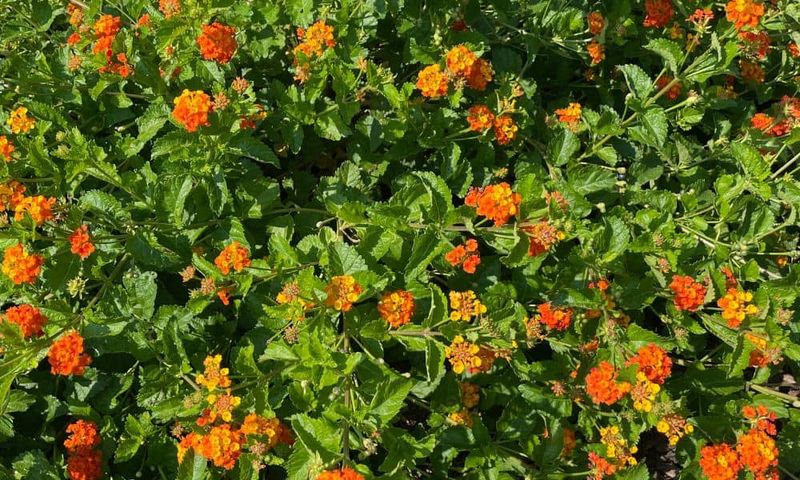
Water is precious in Texas. Droughts can stretch for weeks, water restrictions pop up in cities and towns, and keeping a garden alive without soaking up gallons of water every day can feel nearly impossible.
Texas lantana makes that challenge a whole lot easier. Once established, Texas lantana is remarkably drought-tolerant. During its first growing season, you will want to water it regularly to help the roots settle in.
After that, nature pretty much takes over. Rainfall alone is often enough to keep the plant healthy and blooming.
Did you know that Texas lantana can survive on as little as 15 to 20 inches of rain per year? Many parts of Texas fall right in that range, making this plant a natural fit for the region without any extra irrigation needed.
Xeriscaping, which is landscaping designed to reduce water use, has become increasingly popular across Texas cities like Austin, San Antonio, and Dallas. Texas lantana is one of the go-to plants for these low-water garden designs.
It fits perfectly in a xeriscape because it looks lush and colorful without demanding constant moisture.
For homeowners watching their water bills or trying to be more environmentally responsible, planting Texas lantana is a smart move. You get a gorgeous, flowering shrub that pulls its own weight without draining your hose or your wallet.
In a state where water conservation matters, that is a huge advantage that Texas gardeners genuinely appreciate.
3. It Attracts Butterflies And Pollinators
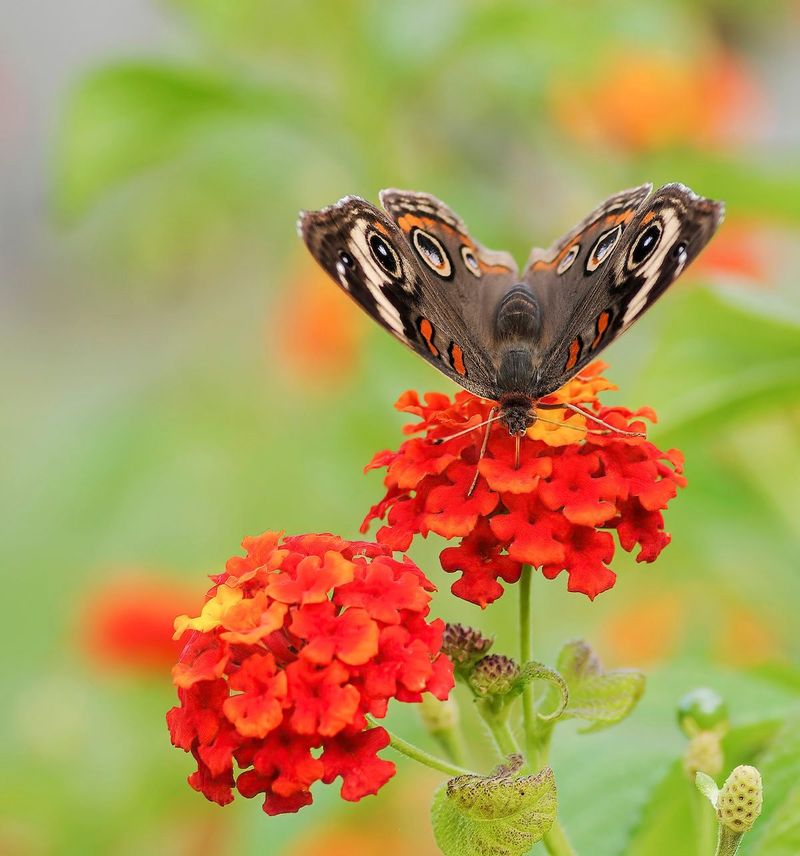
Watching butterflies float through your garden on a warm Texas afternoon is one of the simple joys of gardening. Plant Texas lantana and that scene becomes a regular part of your summer.
Few plants in the state do a better job of pulling in pollinators. The nectar-rich flower clusters of Texas lantana act like a magnet for butterflies. Painted ladies, Gulf fritillaries, swallowtails, and monarchs are all regular visitors.
Bees love it too, buzzing from bloom to bloom and helping pollinate other plants in your garden along the way. Some gardeners have even spotted hummingbirds stopping by for a sip.
Supporting pollinators matters more than many people realize. Bees and butterflies play a critical role in keeping local ecosystems healthy.
By planting Texas lantana, you are doing your part to support the wildlife that calls Texas home.
The blooms are perfectly shaped for pollinators. The small, tubular flowers are easy for butterflies to land on and feed from, and the clusters provide plenty of food in one spot. This makes Texas lantana a highly efficient pollinator plant compared to many others.
Creating a pollinator garden in Texas does not have to be complicated. A few Texas lantana plants placed in a sunny border or garden bed can transform your yard into a lively, buzzing, fluttering ecosystem.
Neighbors will notice. Kids will love it. And the butterflies will keep coming back all season long, making your Texas garden feel truly alive.
4. It Blooms For A Long Season
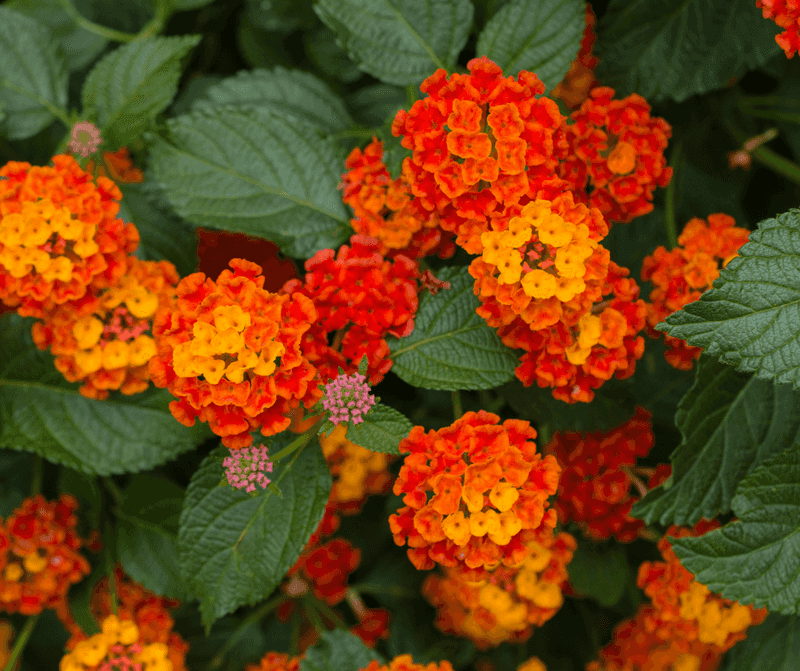
One of the biggest frustrations in gardening is planting something beautiful, watching it bloom for two weeks, and then waiting all year for it to come back. Texas lantana does not work that way.
This plant is a long-season bloomer that gives Texas gardens continuous color for months. In most parts of Texas, lantana starts blooming in late spring, usually around April or May.
From there, it keeps going strong through the summer and into fall, often flowering all the way through October. That is roughly five to six months of steady, vibrant color in your garden.
The blooms come in waves. As old flower clusters fade, new ones push through to replace them.
Deadheading, which means removing spent blooms, can encourage even more flowers to form. But honestly, Texas lantana blooms so freely that many gardeners barely bother with deadheading at all.
Compare that bloom time to many annual flowers that peak for a few weeks and then look tired and scraggly. Texas lantana stays fresh and colorful through the brutal heat of a Texas summer, a time when many other plants are struggling just to survive.
For gardeners who want a low-effort yard that looks great from spring to fall, this plant is a dream.
You get reliable color through the hottest and longest stretch of the Texas growing season without constantly replanting or fussing over faded flowers. That kind of staying power is exactly what Texas gardeners need in their landscapes.
5. It Is Native To Texas
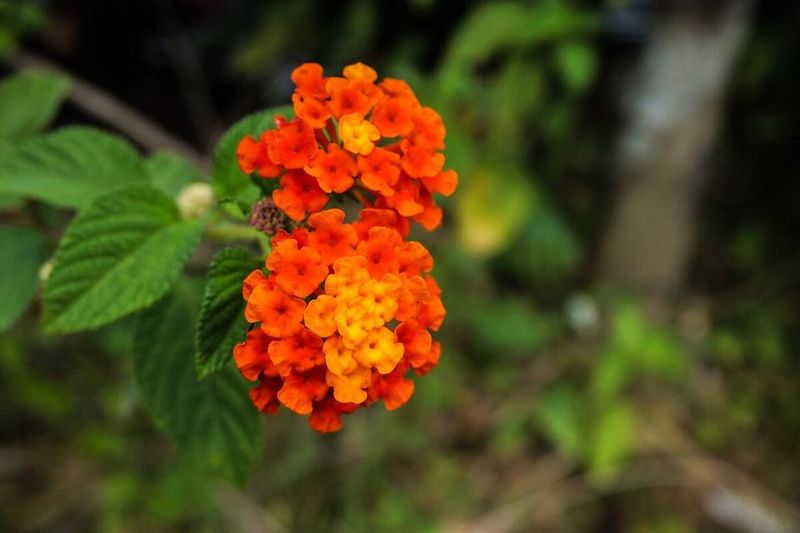
There is something special about growing a plant that truly belongs where you live. Texas lantana is not just well-suited to Texas, it is from Texas.
This plant is native to the state and has been growing wild across the region for thousands of years.
Being native means Texas lantana evolved right alongside the soil, climate, and wildlife of the Lone Star State. It does not need to be coaxed into growing here.
Texas is its home. That natural connection makes a real difference in how the plant performs compared to non-native species that need extra help to survive.
Texas lantana grows naturally from Central Texas down through South Texas and into the Gulf Coast region. You can find it growing wild along roadsides, in open fields, and along creek banks.
When you plant it in your garden, you are essentially recreating a slice of the natural Texas landscape right in your own backyard.
Native plants also tend to be much friendlier to the local ecosystem. Texas lantana provides food and habitat for native insects, birds, and other wildlife that have evolved alongside it. Non-native plants sometimes disrupt that balance. Texas lantana supports it.
Another bonus is that native plants typically require fewer inputs like fertilizer, pesticides, and supplemental water once they are established. They are already programmed to thrive in Texas conditions.
For gardeners who want a sustainable, eco-friendly landscape that celebrates the natural beauty of Texas, planting native species like Texas lantana is a meaningful and rewarding choice.
6. It Is Very Low Maintenance
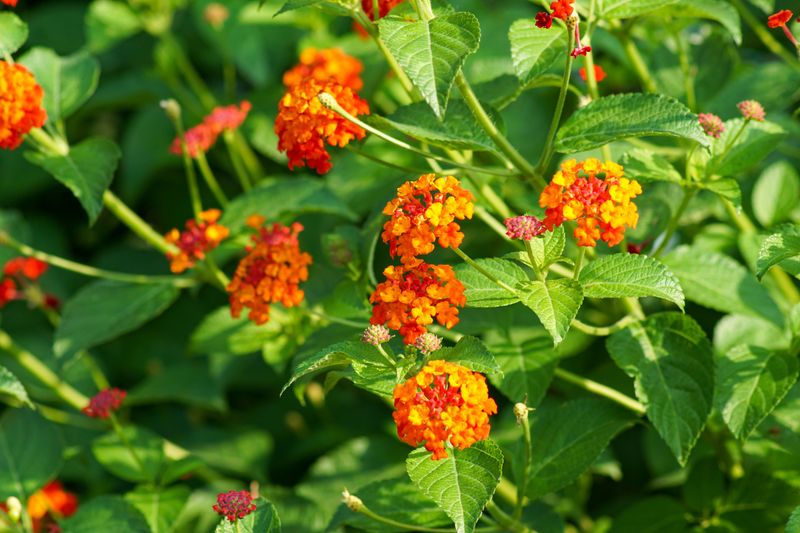
Not everyone has hours to spend in the garden every weekend. Life gets busy, and sometimes the best plant is the one that takes care of itself.
Texas lantana fits that description almost perfectly. Once it settles in, this plant asks for very little in return for all the beauty it brings.
Fertilizing is rarely needed. Texas lantana grows well in poor, rocky, or sandy soil, which is exactly the kind of soil found in many parts of Texas.
You do not need to spend money on expensive soil amendments or fertilizers to keep it looking good. In fact, too much fertilizer can cause the plant to produce more leaves than flowers.
Pruning is minimal too. You can trim Texas lantana back in late winter or early spring to encourage fresh new growth and a tidy shape.
But even if you skip that step, the plant will still bloom and thrive. It is forgiving in a way that many other garden plants simply are not.
Texas lantana is also naturally resistant to most common pests and diseases. Its slightly rough, textured foliage even deters deer, which is a major plus for gardeners in rural Texas areas where deer browsing can wreck a landscape overnight.
For busy homeowners, beginner gardeners, or anyone who just wants a beautiful yard without constant upkeep, Texas lantana is a top-tier choice.
You plant it, water it while it gets established, and then mostly step back and enjoy the show. Low maintenance gardening does not get much better than this.
7. It Works Well In Many Garden Styles
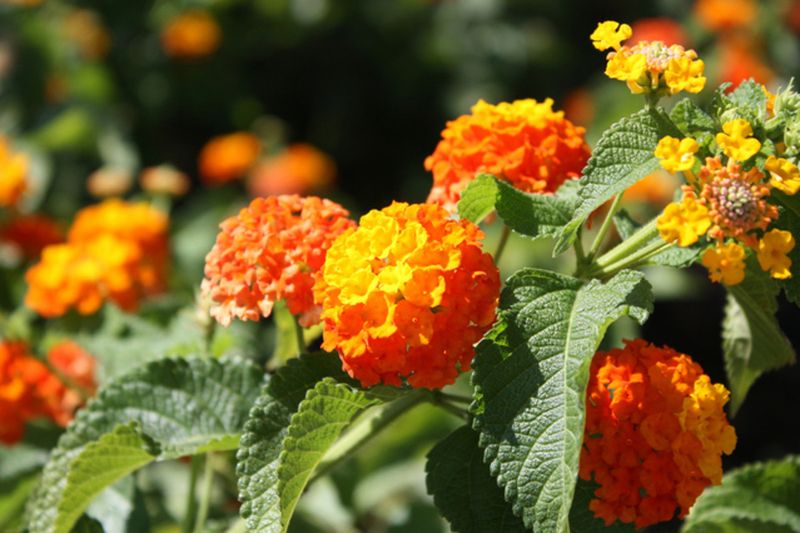
Versatility is one of the most underrated qualities in a garden plant. When a single plant can work in multiple settings and styles, it becomes incredibly valuable to any gardener.
Texas lantana delivers that versatility in a big way, fitting naturally into almost any type of Texas landscape design.
In wildflower gardens, Texas lantana blends beautifully with other native Texas plants like black-eyed Susans, salvia, and Mexican feather grass.
The bold colors of the lantana blooms stand out against the softer textures of native grasses and create a natural, relaxed look that feels right at home in the Texas landscape.
Xeriscape gardens are another perfect match. Since Texas lantana thrives with minimal water, it is a natural anchor plant for water-wise designs.
It fills space quickly, controls erosion on slopes, and keeps color coming all season long without extra irrigation.
Formal garden borders, raised beds, and container plantings are all options too. Texas lantana can be shaped into a tidy mounding shrub for a cleaner, more structured look.
It also spills attractively over the edges of containers, making it a fun choice for patio pots and hanging baskets.
Pollinator gardens across Texas rely heavily on Texas lantana as a foundation plant because of how effectively it draws in butterflies and bees. Whether your garden style is wild and natural or clean and structured, this plant adapts.
That flexibility makes Texas lantana one of the most useful and beloved plants available to Texas gardeners today.